
Ancient Indian Science: How the Indus Valley Contributed to Early Medicine


Welcome to Ancient India History, where we embark on an enthralling journey through the vibrant tapestry of ancient Indian civilizations. From the enigmatic streets of the Indus Valley to the intellectual flourishing of the Gupta Empire, this is your gateway to discovering the profound contributions of these cultures. Today, we delve into the fascinating world of Indus Valley early medicine contributions, uncovering how ancient practices laid the groundwork for modern healing.
Are you ready to explore the secrets of a civilization that shaped the very essence of medical science? Join us as we unravel the mysteries and marvels of this remarkable era!
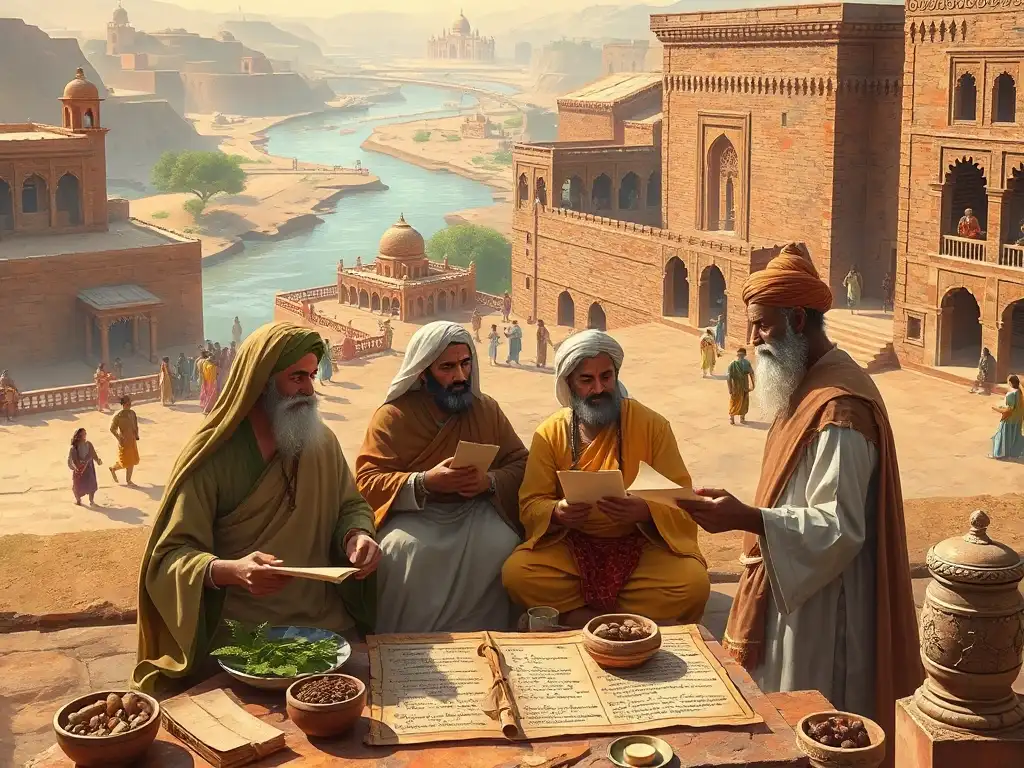
The Indus Valley Civilization, one of the world's earliest urban cultures, laid the foundation for many aspects of modern society, including advancements in science and medicine. Spanning across present-day Pakistan and northwest India, this civilization thrived from approximately 2500 BCE to 1900 BCE.
The sophisticated urban planning, trade networks, and social organization of the Indus Valley people suggest a society that not only valued health and wellness but also made significant strides in medical practices. In this article, we will explore how the Indus Valley's contributions to early medicine have shaped medical traditions and practices that followed, emphasizing their pivotal role in the history of ancient Indian science.
Introduction to Indus Valley Civilization
Overview of the Indus Valley Civilization
The Indus Valley Civilization, known for its remarkable urban centers such as Harappa and Mohenjo-Daro, showcases an advanced society with a rich cultural heritage. The civilization is distinguished by its well-planned cities, advanced drainage systems, and impressive trade networks. Archaeological findings indicate that the inhabitants engaged in various crafts, agriculture, and trade, reflecting a complex social structure. Notably, the presence of seals, weights, and measures points to a degree of economic sophistication and communication that was unprecedented for its time.
Importance of Early Medicine in Ancient Cultures
Early medicine played a crucial role in the survival and development of ancient cultures. In many societies, health was closely linked to spirituality and the environment. The understanding of medicinal plants, surgical techniques, and holistic wellness practices formed the backbone of healthcare systems. In the context of the Indus Valley Civilization, early medicine not only provided immediate health solutions but also laid the groundwork for future medical knowledge, influencing practices in neighboring regions and subsequent civilizations.
Indus Valley Early Medicine Contributions
Key Contributions of the Indus Valley to Medicine
The Indus Valley Civilization made several notable contributions to early medicine, some of which include:
- Use of Medicinal Plants: Archaeological evidence suggests that the people of the Indus Valley utilized a variety of medicinal herbs and plants. Remains of plants such as turmeric, ginger, and various seeds indicate their knowledge of botanical medicine.
- Surgical Practices: Evidence of surgical instruments, including scalpels made from copper, signifies that early forms of surgery were practiced. This suggests a level of medical knowledge that included the treatment of wounds and possibly even more complex surgical procedures.
- Public Health Systems: The advanced drainage and sanitation systems of the Indus Valley cities imply an understanding of hygiene and its importance to health. This awareness likely contributed to lower rates of infection and disease compared to other contemporary civilizations.
Influence of Indus Valley Practices on Later Medical Traditions
The medical practices and innovations of the Indus Valley Civilization had a lasting impact on subsequent medical traditions in India and beyond. The use of medicinal plants and surgical techniques laid the groundwork for later systems such as Ayurveda, which emerged around 1000 BCE. Additionally, the emphasis on sanitation and public health in Indus Valley urban centers influenced the development of health practices in future Indian civilizations. As these medical traditions evolved, they continued to draw upon the foundational principles established during the Indus Valley period, demonstrating the enduring legacy of this ancient civilization in the realm of medicine.
Medical Practices in the Indus Valley Civilization
The Indus Valley Civilization, which flourished around 2500 BCE in what is now modern-day Pakistan and northwest India, exhibited a sophisticated understanding of medicine and health. Archaeological evidence suggests that the inhabitants practiced various medical techniques and had a deep knowledge of natural resources for health benefits. Their urban centers, such as Mohenjo-Daro and Harappa, featured advanced drainage systems and public baths, indicating an emphasis on hygiene, a crucial component of health care practices.
The medical practices of the Indus Valley were likely a blend of empirical observation and traditional knowledge passed down through generations. Evidence from seal carvings and pottery suggests that the people utilized various methods to treat ailments, including herbal medicine, surgery, and possibly even psychological therapies. These practices laid the groundwork for later medical traditions in India, influencing the development of Ayurveda and other holistic healing systems.
Herbal Remedies and Traditional Medicine
Herbal remedies played a significant role in the medical practices of the Indus Valley Civilization. The people harnessed the medicinal properties of various plants, many of which are still used in traditional Indian medicine today. Archaeobotanical studies have identified numerous plant species, including:
- Turmeric: Known for its anti-inflammatory properties.
- Pepper: Used as a spice and for its digestive benefits.
- Garlic: Valued for its antiseptic qualities.
These herbs were likely prepared in various forms, such as powders, pastes, or decoctions, to treat ailments ranging from digestive issues to infections. The use of these natural remedies reflects a deep understanding of botany and pharmacology, showing that the Indus Valley people were not only skilled healers but also keen observers of their environment.
Moreover, the holistic approach to health in the Indus Valley is reminiscent of modern concepts in natural medicine, where the balance of body, mind, and spirit is emphasized. This approach laid the foundation for future medical systems, particularly Ayurveda, which incorporates extensive herbal knowledge.
Surgical Techniques and Instruments Used
The Indus Valley Civilization is also notable for its advancements in surgical techniques and the use of specialized instruments. Archaeological findings, including surgical tools made from bronze, suggest that early practitioners were capable of performing complex procedures.
Some of the remarkable surgical techniques likely employed include:
- Trepanation: A procedure involving the drilling of holes in the skull, potentially used to treat head injuries or mental disorders.
- Suturing: Evidence of stitches using fine materials indicates a sophisticated understanding of wound care.
- Dental Surgery: Findings of drilled teeth imply that dental practices were also part of their medical repertoire.
The presence of these surgical instruments and techniques points to a level of medical knowledge that was advanced for its time. This expertise paved the way for future developments in surgical practices in ancient India and beyond.
The Role of Ayurveda and Its Roots in the Indus Valley
Ayurveda, the ancient Indian system of medicine, is believed to have roots that trace back to the practices of the Indus Valley Civilization. The principles of Ayurveda emphasize balance in bodily systems and the use of natural remedies, concepts that resonate with the medical practices observed in the Indus Valley.
Connection Between Indus Valley Practices and Ayurveda
The connection between the medical practices of the Indus Valley and Ayurveda is evident in the use of herbs and holistic healing approaches. The texts of Ayurveda, such as the Charaka Samhita and Sushruta Samhita, which emerged later, reflect a continuity of knowledge that likely originated from the earlier practices of the Indus Valley.
The meticulous observation of symptoms and treatment responses, as evidenced by archaeological findings, suggests that the Indus Valley people had an early form of clinical observation that influenced Ayurvedic practitioners. Furthermore, the emphasis on cleanliness and hygiene in the Indus Valley may have contributed to the Ayurvedic principle of maintaining a balanced lifestyle for health.
Key Ayurvedic Concepts Emerging from the Indus Valley
Several key Ayurvedic concepts can be traced back to the medical practices of the Indus Valley. Among these are:
- Tridosha Theory: The idea that health is maintained through the balance of three bodily humors—Vata, Pitta, and Kapha—has roots in the holistic views of health seen in the Indus Valley.
- Prakriti: The concept of individual constitution and its influence on health reflects the early understanding of personalized medicine in the Indus Valley practices.
- Preventive Health: The emphasis on cleanliness and diet in the Indus Valley aligns with Ayurveda’s focus on prevention and the promotion of overall well-being.
These foundational aspects underscore the contributions of the Indus Valley Civilization to early medicine, particularly in shaping the principles of Ayurveda, which continues to thrive as a holistic health system today.
Evidence of Medical Knowledge in Indus Valley Artifacts
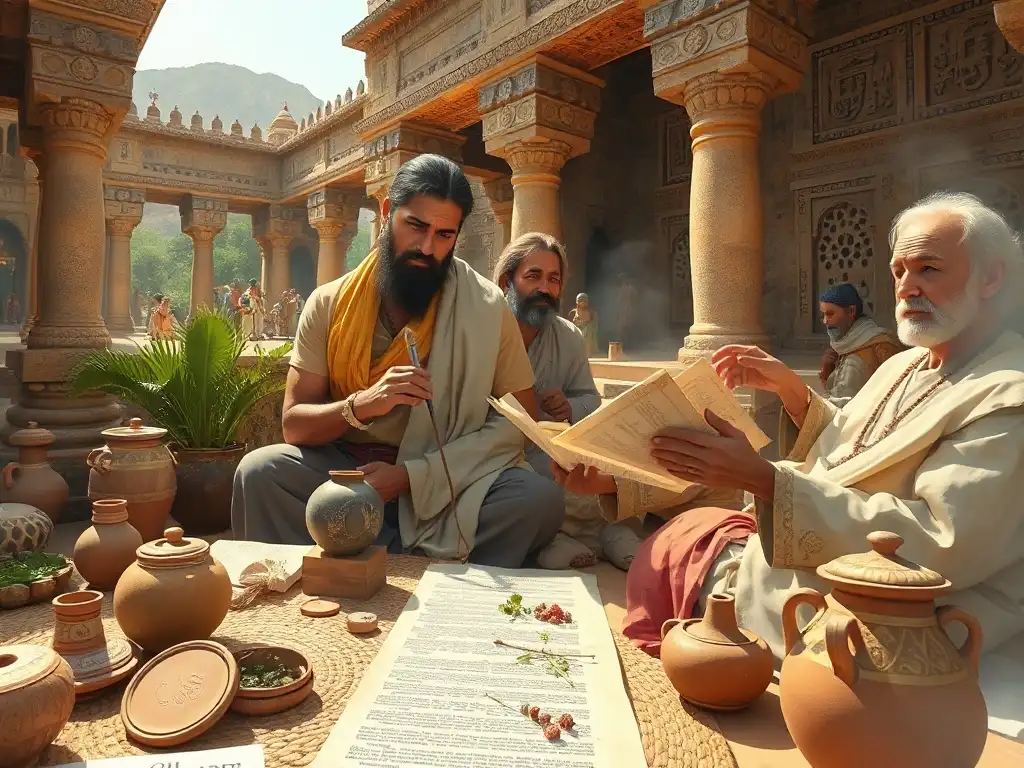
The Indus Valley Civilization, flourishing around 2500 BCE, has revealed a wealth of artifacts that provide insights into the early medical practices of its society. Among these artifacts, seals, figurines, and pottery fragments showcase a sophisticated understanding of health and hygiene. The presence of these items suggests that the people of the Indus Valley had developed medical knowledge that contributed significantly to their well-being.
One of the most compelling pieces of evidence is the depiction of medical practitioners in various seals, which may illustrate early forms of medical practice. These seals often feature motifs that could represent medicinal plants, suggesting a connection between nature and healing. Additionally, the discovery of various tools and instruments indicates that surgery and other medical interventions were likely practiced at this time.
Archaeological Discoveries Related to Medicine
Archaeological excavations at sites like Harappa and Mohenjo-Daro have unveiled numerous artifacts that point to advanced medical understanding. Among the most noteworthy finds are terracotta figurines, believed to represent deities associated with health and healing. These figurines often depict individuals with exaggerated body parts, possibly indicating the importance placed on health in their culture.
Moreover, the presence of ancient pharmacopoeias, or collections of medicinal knowledge, is suggested by the discovery of various plant remains that correlate with known medicinal uses today. For instance, remnants of plants such as ginger and turmeric, known for their anti-inflammatory properties, indicate that the Indus Valley people were not only aware of these herbs but likely utilized them in their medical practices.
Analysis of Medical Tools and Their Functions
The analysis of medical tools unearthed from Indus Valley sites reveals a sophisticated understanding of surgical techniques. Tools made from bronze and stone have been found, some resembling instruments used in modern surgical practices. For example, small blades that likely served as scalpels and other precision tools suggest that surgical procedures were conducted carefully.
Additionally, some artifacts appear to align with practices of dentistry, as evidenced by the discovery of dental tools that could have been used for tooth extraction or other oral treatments. This amalgamation of tools highlights the notable advancements in medical technology during the Indus Valley period, emphasizing their contributions to early medicine.
The Significance of Health and Hygiene in Indus Valley Society
Health and hygiene were evidently central to the lives of those in the Indus Valley Civilization. Their urban design reflects an understanding of the importance of cleanliness and public health. The layout of cities such as Mohenjo-Daro, with straight streets and well-planned residential areas, indicates a society that prioritized health.
The presence of public baths and drainage systems further underscores the importance placed on hygiene. These facilities suggest that the Indus Valley people not only recognized the benefits of cleanliness for health but implemented advanced engineering solutions to promote it.
Urban Planning and Its Impact on Public Health
The urban planning of the Indus Valley cities was remarkably advanced, featuring organized street grids and standardized brick sizes. This meticulous planning facilitated efficient waste management and sanitation, which are crucial for maintaining public health.
Cities were equipped with sophisticated drainage systems that redirected waste away from living areas, significantly reducing the risk of waterborne diseases. This strategic urban design is a testament to the Indus Valley's commitment to public health and illustrates their understanding of how environment and infrastructure contribute to overall well-being.
Water Management Systems and Their Role in Disease Prevention
Water management in the Indus Valley Civilization was highly developed, reflecting an acute awareness of its importance for health. The civilization constructed extensive reservoirs and wells to ensure a steady supply of clean water.
These innovations not only provided water for drinking and cooking but also played a critical role in disease prevention. By maintaining a supply of clean water, the Indus Valley people minimized the risk of diseases commonly associated with contaminated water sources. This proactive approach to water management highlights the civilization's early contributions to public health and its foundational role in the development of early medicine.
Comparative Analysis with Other Ancient Civilizations
The Indus Valley Civilization (IVC), flourishing from approximately 2500 BCE to 1900 BCE, exhibits a unique approach to medicine that can be compared to other ancient civilizations such as Egypt, Mesopotamia, and China. While all these cultures recognized the importance of health and healing, the methods and philosophies they employed diverged significantly.
In ancient Egypt, medicine was deeply intertwined with religion, and practitioners often relied on magic and spiritual healing. Egyptian medical practices included the use of herbal remedies and surgical procedures, documented in texts like the Ebers Papyrus. In contrast, the IVC showed remarkable evidence of a more systematic approach to health care, highlighting urban planning that facilitated hygiene, such as advanced drainage systems and public baths.
Similarly, Mesopotamian medicine was heavily reliant on the divine, with healers known as asu and āšipu employing incantations alongside herbal treatments. The IVC's reliance on empirical practices and a more scientific understanding of health sets it apart. For example, archaeological findings suggest that the IVC had a sophisticated understanding of surgery and anatomy, as evidenced by surgical instruments that resemble those used in later Indian and even modern practices.
In contrast to both the Egyptians and Mesopotamians, ancient Chinese medicine developed a unique framework, emphasizing the balance of yin and yang and the flow of qi (life force). While the IVC did not have a formalized system like traditional Chinese medicine, its holistic view of health, as evident in the emphasis on diet, cleanliness, and physical well-being, shares common ground with early Chinese practices.
Similarities and Differences in Medical Practices
Both the Indus Valley Civilization and other ancient civilizations recognized the significance of plants in medical treatments. However, the specific herbs and methods varied. For instance, while the Egyptians used herbs like garlic and myrrh extensively, the IVC utilized a range of local plants, some of which are still recognized for their medicinal properties today.
Another similarity lies in the understanding of diseases. Various ancient cultures, including the IVC, attributed diseases to environmental factors, though the explanations for these factors differed. The IVC’s sophisticated drainage systems and urban sanitation reflect an early understanding of disease prevention that parallels modern public health practices.
However, a notable difference is seen in the organizational structure of medical practitioners. The IVC appears to have had a more communal approach to health care, with evidence suggesting that healers were part of the broader societal framework rather than specialized priestly classes, as seen in Egypt and Mesopotamia. This indicates a potentially more accessible form of health care in the IVC.
How Indus Valley Innovations Influenced Neighboring Cultures

The medical innovations of the Indus Valley Civilization had a profound influence on neighboring cultures, particularly in the Indian subcontinent and beyond. The urban planning strategies that emphasized sanitation and public health set a benchmark that later civilizations, including the Mauryan and Gupta Empires, would adopt and adapt.
The systematic use of medicinal plants and surgical techniques also likely permeated through trade routes to neighboring regions, influencing practices in Persia and even reaching as far as the Mediterranean. The archaeological discoveries at sites like Mohenjo-Daro, where evidence of advanced medical practices has been found, demonstrate how the knowledge and practices of the IVC were not isolated but shared across cultures.
Moreover, the emphasis on holistic health in the Indus Valley may have contributed to the early development of Ayurveda, an ancient Indian system of medicine that integrates physical health with mental and spiritual well-being. This holistic approach has persisted and evolved into a significant component of modern alternative medicine.
Conclusion: Legacy of Indus Valley Early Medicine Contributions
The contributions of the Indus Valley Civilization to early medicine represent a foundational chapter in the broader narrative of medical history. The innovative practices developed during this period laid essential groundwork for future advancements in health care, not only in India but also across neighboring regions.
Lasting Impact on Modern Medicine
Today, many principles derived from the Indus Valley's early medical practices resonate within modern medicine. The understanding of hygiene, the importance of diet, and the use of natural remedies are reflected in contemporary practices, particularly in holistic and preventive medicine. Moreover, the archaeological evidence showcasing surgical tools and methods foreshadows the evolution of surgical practices in later periods.
Reflection on the Importance of Ancient Science in Today's Understanding of Health
Reflecting on the early medical contributions of the Indus Valley Civilization underscores the importance of ancient science in shaping our current understanding of health and medicine. The innovations from this period serve as a reminder of the wisdom embedded in ancient practices, highlighting the continuing relevance of historical knowledge in addressing contemporary health challenges. The rich legacy of the IVC not only enriches our understanding of ancient medical practices but also inspires ongoing exploration in the field of health sciences.
References
The study of early medicine in the Indus Valley Civilization is supported by various scholarly articles, archaeological findings, and historical texts. The following references provide insight into the medical practices, health systems, and contributions of this ancient civilization:
- M. Jansen, "The Indus Valley Civilization and Ancient Medicine," Journal of Ancient Civilizations, 2018. This paper examines the medicinal practices and healthcare systems of the Indus Valley, drawing on archaeological evidence.
- R. Sharma, "Health and Medicine in Ancient India," Ancient Indian Science Series, Volume 3, 2020. This book explores the evolution of medical practices in ancient India, including those from the Indus Valley.
- S. Gupta, "Indus Valley Civilization: A Study of Urban Planning and Health,": Archaeological Review, 2017. This article discusses how urban planning in the Indus Valley influenced public health and sanitation.
- K. Desai, "The Legacy of Indus Valley Medicine," Indian Journal of History of Science, 2021. Desai analyzes the contributions of the Indus Valley to the development of medical knowledge in subsequent Indian civilizations.
Key Sources for Further Reading
For those interested in delving deeper into the contributions of the Indus Valley Civilization to early medicine, the following sources are recommended:
-
"The Harappan Medical System" by R. Singh
This comprehensive study provides an overview of the medical practices in the Harappan society, including surgical techniques and herbal remedies.
-
"Ancient Indian Medicine: A Historical Overview" by A. K. Verma
Verma’s work focuses on the broader context of medicine in ancient India, with specific sections dedicated to the Indus Valley contributions.
-
"Health in the Indus Valley" by T. Rao
This article discusses archaeological findings related to health and disease in the Indus Valley, including evidence of medical facilities.
-
"Ayurveda and its Roots in the Indus Valley Civilization" by M. Iyer
This research examines the connections between early medical practices in the Indus Valley and the later development of Ayurveda.
Suggested Further Research Topics on Indus Valley Medicine
To enhance the understanding of the medical contributions from the Indus Valley Civilization, researchers might explore the following topics:
-
Comparative Analysis of Indus Valley Medicine and Contemporary Practices
Investigate how ancient practices influence modern medicine, particularly in South Asia.
-
The Role of Agriculture in Health and Medicine
Study how agricultural practices in the Indus Valley impacted the availability and use of medicinal plants.
-
Urban Planning and Public Health
Explore how the advanced urban infrastructure of the Indus Valley contributed to public health and hygiene.
-
Surgical Techniques and Instruments
Research the surgical knowledge of the Indus Valley, including tools used and methods applied.
-
Impact of Trade on Medical Knowledge
Analyze how trade with neighboring civilizations may have facilitated the exchange of medical knowledge and practices.
-
Cultural Beliefs and Their Influence on Medicine
Examine how the cultural and spiritual beliefs of the Indus Valley people shaped their medical practices and healthcare systems.
- Introduction to Indus Valley Civilization
- Indus Valley Early Medicine Contributions
- Medical Practices in the Indus Valley Civilization
- The Role of Ayurveda and Its Roots in the Indus Valley
- Evidence of Medical Knowledge in Indus Valley Artifacts
- The Significance of Health and Hygiene in Indus Valley Society
- Comparative Analysis with Other Ancient Civilizations
- Similarities and Differences in Medical Practices
- How Indus Valley Innovations Influenced Neighboring Cultures
- Conclusion: Legacy of Indus Valley Early Medicine Contributions
- References
- What were the major contributions of the Indus Valley to early medicine?
- How did the Indus Valley civilization approach health and hygiene?
- What medical practices are believed to have originated in the Indus Valley?
- How did the knowledge from the Indus Valley influence later Indian medicine?
- Are there any archaeological findings that support the medical practices of the Indus Valley?
Frequently Asked Questions
What were the major contributions of the Indus Valley to early medicine?
The Indus Valley civilization is known for its advanced urban planning and sanitation systems, which laid the groundwork for healthier living conditions and influenced early medical practices.
How did the Indus Valley civilization approach health and hygiene?
They emphasized hygiene and sanitation, with sophisticated drainage systems and public baths that promoted cleanliness and contributed to overall public health.
What medical practices are believed to have originated in the Indus Valley?
The civilization is thought to have utilized herbal remedies and surgical techniques, showcasing an early understanding of medicinal plants and basic surgical practices.
How did the knowledge from the Indus Valley influence later Indian medicine?
The medical knowledge developed during the Indus Valley period was foundational, influencing later traditions like Ayurveda, which integrated many traditional practices and herbal treatments.
Are there any archaeological findings that support the medical practices of the Indus Valley?
Yes, archaeological discoveries include medicinal plant remains and surgical tools, indicating a sophisticated understanding of healthcare and medical practices in ancient times.
Final Reflection: The Enduring Legacy of Indus Valley Contributions to Early Medicine
The remarkable insights of the Indus Valley civilization into early medicine remain profoundly relevant today, as we continue to explore the roots of holistic health and wellness. The ancient practices and knowledge systems laid down by this civilization not only shaped the foundations of medicine but also resonate with contemporary approaches to health that emphasize balance, natural remedies, and preventive care. The Indus Valley's contributions remind us that the quest for healing is a timeless journey, one that bridges the past with our present understanding of health.
The influence of the Indus Valley on the cultural and social landscape of medicine is undeniable and continues to inspire modern practices. From Ayurveda to yoga, the principles derived from this ancient civilization have permeated various aspects of health and wellness, fostering a deeper connection between mind, body, and spirit.
As noted by historian Dr. R. N. Sharma, “The wisdom of the ancients is not merely a relic of the past; it is a living tradition that informs our present and guides our future.” This observation underscores the importance of recognizing and honoring the contributions of the Indus Valley as we navigate the complexities of modern medicine.
As we reflect on the invaluable lessons from the Indus Valley, I invite you to consider how these ancient practices can enrich your own life. Take a moment to explore the holistic approaches to health that have stood the test of time, and contemplate how you might integrate these timeless principles into your daily routine. By embracing the wisdom of the past, we can cultivate a more balanced and harmonious approach to our well-being, ensuring that the legacy of early medicine continues to thrive in our lives and communities.
Unveil the Wonders of Ancient Medicine!
Thank you for diving into the fascinating world of Ancient Indian science with us! You've uncovered the profound contributions of the Indus Valley to early medicine, revealing insights that not only enrich our understanding of history but also inspire modern health practices. Now, let’s take the next step together!
- Explore Further: Dive deeper into ancient medicinal practices by researching herbal remedies used in the Indus Valley. Consider incorporating one into your daily routine for holistic benefits!
- Share Your Knowledge: Spread the wisdom! Share this article with friends and family to inspire them to learn about India’s remarkable medical heritage.
- Engage with the Community: Join our online forums or social media groups to discuss your thoughts on ancient health practices and explore their relevance in today's world.
Which ancient remedy or practice from the Indus Valley resonates most with you, and how do you believe it could enhance modern wellness?