
The Science of Decipherment: Techniques Used by Epigraphists

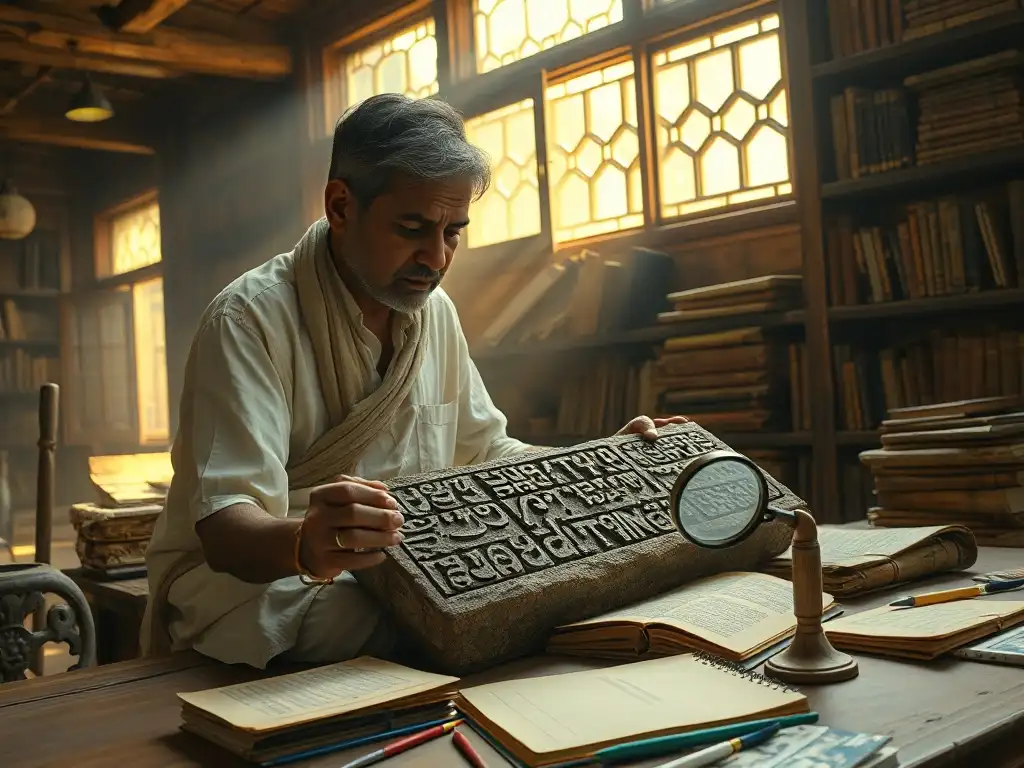
Welcome to Ancient India History, where we embark on a fascinating journey through the rich tapestry of India's past! Here, you will uncover the intricate decipherment techniques that epigraphists employ to unlock the secrets of ancient Indian scripts. From the mysterious symbols of the Indus Valley to the profound inscriptions of the Gupta Empire, our exploration promises to unveil the remarkable contributions of ancient civilizations. Are you ready to delve deeper into the science of decipherment and discover how these techniques bring history to life? Join us as we reveal the stories written in stone!
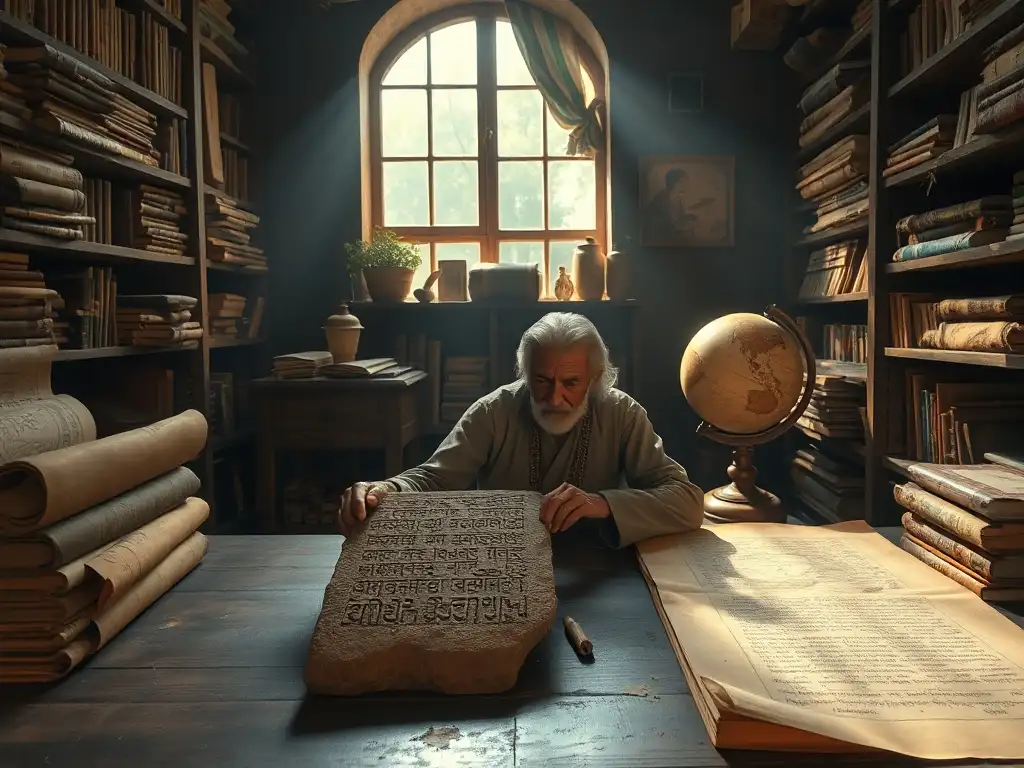
Deciphering ancient scripts is a pivotal endeavor that unlocks the mysteries of bygone civilizations, allowing us to understand their culture, religion, and social structures. In the context of ancient India, script decipherment techniques have played a crucial role in unraveling the rich tapestry of history that spans from the sophisticated urban planning of the Indus Valley Civilization to the intellectual brilliance of the Gupta Empire.
This article delves into the various techniques employed by epigraphists, the scholars dedicated to the study of inscriptions, as they work to decode ancient Indian scripts. By exploring these methodologies, we gain insight into the linguistic and historical significance of the writings that have survived the test of time.
Introduction to Ancient Indian Script Decipherment Techniques
The decipherment of ancient Indian scripts is a complex process that involves a combination of linguistic analysis, historical context, and comparative studies. Epigraphists employ a range of techniques to interpret inscriptions, many of which are inscribed on stone, metal, and pottery. These techniques often include:
- Comparative Linguistics: Analyzing similarities with known languages.
- Contextual Analysis: Understanding the cultural and historical background of the inscription.
- Paleography: Studying the styles of writing to date and authenticate the script.
Through these methods, epigraphists aim to reconstruct the language and meaning behind the inscriptions, leading to a better understanding of ancient Indian societies.
Importance of Deciphering Ancient Indian Scripts
The importance of deciphering ancient Indian scripts cannot be overstated. Such efforts contribute to multiple fields of study, including archaeology, history, and linguistics. The implications of successful decipherment include:
- Revealing Historical Narratives: Inscriptions can provide firsthand accounts of historical events, rulers, and societal norms.
- Understanding Cultural Practices: Scripts often contain religious texts, legal documents, and literary works that offer insight into the cultural and philosophical beliefs of the time.
- Preserving Heritage: By interpreting these scripts, we help preserve the heritage and knowledge of ancient civilizations for future generations.
Overview of Epigraphy and Its Role in Understanding History
Epigraphy, the study of inscriptions, is an essential tool for historians and archaeologists. It serves as a bridge connecting us to the past, allowing for the reconstruction of historical timelines and the understanding of cultural evolution. The role of epigraphy in understanding history can be summarized as follows:
- Primary Source Material: Inscriptions are primary sources that provide direct evidence of historical facts.
- Corroboration of Historical Accounts: They can support or contradict historical narratives found in other texts, leading to a more nuanced understanding of events.
- Cultural Insights: Epigraphic studies reveal social hierarchies, trade relations, and interactions between different cultures.
Historical Context of Ancient Indian Script
Understanding the historical context of ancient Indian scripts is crucial for effective decipherment. The evolution of writing systems in ancient India reflects broader cultural and technological advancements.
Evolution of Writing Systems in Ancient India
The evolution of writing systems in ancient India can be traced through various stages, beginning with the Indus Valley Civilization, which showcased early forms of script. The development followed a significant progression:
- Indus Script: An undeciphered script with symbols that suggest a complex system of communication.
- Brahmi and Kharosthi: These scripts emerged later and are considered foundational for many modern Indian scripts.
- Regional Variations: As cultures evolved, writing systems adapted and diversified, reflecting local languages and dialects.
Major Ancient Indian Scripts and Their Characteristics
Several ancient Indian scripts have left a lasting impact on the linguistic landscape of India. Here’s a brief overview of some major scripts:
| Script | Characteristics | Significance |
|---|---|---|
| Indus Script | Pictorial symbols, undeciphered | Represents early urban communication |
| Brahmi | Linear script, phonetic | Basis for many modern Indian scripts |
| Kharosthi | Right-to-left writing | Used in the northwest regions, significant for Buddhism |
| Siddham | Used in Buddhist texts | Important for the study of Buddhist literature |
The study of these scripts not only aids in decipherment but also enriches our understanding of the socio-cultural dynamics of ancient India. Through ongoing research and analysis, epigraphists continue to unveil the stories encapsulated in these ancient writings, contributing to the broader narrative of human civilization.
Techniques Used by Epigraphists in Decipherment
Epigraphists employ a variety of sophisticated techniques to decode ancient scripts, particularly in the context of ancient Indian civilizations. These techniques are essential for understanding the historical, cultural, and linguistic nuances embedded within inscriptions. The primary methods utilized include paleographic analysis, linguistic techniques, and considering the archaeological context, each contributing uniquely to the decipherment process.
Paleographic Analysis in Ancient Indian Script
Paleographic analysis involves the study of ancient writing systems and their evolution over time. Epigraphists examine the forms of letters, styles of writing, and the materials used for inscriptions to establish chronological frameworks. In ancient Indian scripts, such as Brahmi and Kharosthi, variations in character formation can indicate regional influences and historical developments.
Key aspects of paleographic analysis include:
- Character Shapes: Different scripts display unique stylistic features that can help identify their origins and periods. For instance, the rounded shapes of Brahmi letters contrast with the more angular forms of Kharosthi.
- Writing Materials: The medium of inscription—whether stone, copper, or clay—also plays a role. The durability of the material affects the preservation of the script and informs scholars about historical practices.
- Dating Techniques: By analyzing the evolution of scripts, epigraphists can approximate the date of inscriptions, aiding in the broader context of historical timelines.
Linguistic Techniques in Deciphering Ancient Inscriptions
Linguistic techniques are vital in interpreting the language and meaning behind ancient scripts. These methods involve comparing known languages and scripts to uncover patterns, grammar, and vocabulary.
Some important linguistic techniques include:
- Comparative Linguistics: By comparing inscriptions from different regions or time periods, researchers can identify cognates and linguistic shifts. For instance, the similarities between Brahmi and various modern Indian languages provide clues to their development.
- Lexical Analysis: This involves examining the frequency and context of specific words within inscriptions. This can reveal social, religious, and political dimensions of ancient societies.
- Syntax and Grammar: Understanding the structure of sentences in ancient languages aids in forming accurate translations. This is particularly crucial in deciphering inscriptions that may have complex grammatical forms.
Archaeological Context in Script Decipherment
The archaeological context plays a significant role in script decipherment. Understanding the environment in which inscriptions were found allows epigraphists to make informed interpretations about their significance.
Key factors in the archaeological context include:
- Location of Inscriptions: The geographical setting can provide insights into the political and cultural landscape during the time the inscription was created. For example, inscriptions found in temples often relate to religious practices or royal patronage.
- Associated Artefacts: Items found alongside inscriptions, such as pottery or tools, can offer clues to the societal norms and daily life of the time. These artefacts help frame the narrative surrounding the inscriptions.
- Stratigraphy: The layers of soil or rock in which inscriptions are found can indicate chronological sequences, helping establish a timeline for the script's usage and significance.
Case Studies of Successful Decipherment
Case studies highlight the practical application of the techniques used by epigraphists in deciphering ancient scripts. These examples demonstrate the challenges faced and the breakthroughs achieved in understanding ancient Indian writing systems.
The Indus Valley Script: Challenges and Theories
The Indus Valley Script remains one of the most enigmatic writing systems, with thousands of inscriptions yet to be definitively deciphered. The primary challenges include:
- Lack of Bilingual Texts: Unlike other scripts, there are no known bilingual inscriptions to provide a key for translation.
- Short Length of Inscriptions: Most Indus inscriptions are brief, often consisting of a few symbols, making it difficult to derive grammatical or contextual meaning.
Several theories have emerged regarding its decipherment, ranging from suggestions that it represents a proto-writing system to hypotheses linking it with known languages. Despite extensive research, the true nature of the Indus script remains largely speculative.
Brahmi Script: Key Discoveries and Techniques Used
Brahmi script is one of the earliest writing systems in India and has been successfully deciphered due to various key discoveries:
- The Ashoka Edicts: The inscriptions on the pillars of Emperor Ashoka provided critical contextual clues, as they were written in a script that could be linked to known languages.
- Paleographic Analysis: By analyzing variations in letter forms across different regions, epigraphists were able to trace the evolution of the script and identify dialectical differences.
The successful decipherment of Brahmi has had a profound impact on understanding ancient Indian literature and governance, as it opened pathways to numerous texts and historical records.
Kharosthi Script: Techniques and Historical Impact
Kharosthi, predominantly used in ancient Gandhara, has also seen successful decipherment through various techniques:
- Bilingual Inscriptions: The discovery of bilingual texts, such as the Kharosthi and Greek inscriptions, significantly aided the decipherment process.
- Linguistic Comparisons: The comparison of Kharosthi to other scripts, especially Brahmi, allowed researchers to establish a clearer understanding of its phonetics and structure.
The historical impact of Kharosthi’s decipherment has been substantial, revealing insights into trade, cultural exchanges, and the spread of Buddhism across Asia. The techniques employed in its study continue to inform epigraphical research and the understanding of ancient Indian history.
Tools and Technologies in Modern Decipherment

The field of epigraphy has significantly advanced through the incorporation of modern tools and technologies, enhancing the abilities of epigraphists to decode ancient scripts. These tools not only facilitate the analysis of inscriptions but also allow for greater precision and efficiency in the decipherment process. Key advancements include high-resolution imaging, software for pattern recognition, and collaborative online platforms that enable researchers to share findings and methodologies. As a result, the decipherment of ancient Indian scripts, such as Brahmi and Kharosthi, has become more systematic and informed, contributing to a deeper understanding of ancient civilizations.
Digital Tools for Analyzing Ancient Scripts
Digital tools play a pivotal role in analyzing ancient scripts. Software applications such as OCR (Optical Character Recognition) systems have been adapted for epigraphic contexts, enabling the digitization of inscriptions for easier analysis. Furthermore, imaging techniques like 3D scanning and photogrammetry allow researchers to capture fine details of inscriptions that may be invisible to the naked eye.
Tools like GIS (Geographic Information Systems) are also utilized to place inscriptions within their geographical context, aiding in the understanding of historical significance and distribution patterns. These digital resources have transformed how scholars approach ancient texts, making it possible to analyze and compare large data sets with unprecedented accuracy.
The Use of Artificial Intelligence in Epigraphy
Artificial Intelligence (AI) is revolutionizing the field of epigraphy by offering new methods for decipherment and analysis. Machine learning algorithms can identify patterns in scripts that may elude human researchers, facilitating the classification of inscriptions and potentially aiding in the translation of unknown languages. Natural language processing (NLP) techniques are also being employed to analyze the syntax and semantics of ancient texts, allowing for deeper insights into the languages used in inscriptions. Moreover, AI can assist in the restoration of damaged inscriptions by predicting missing characters based on contextual clues, thereby enhancing our understanding of fragmented historical records.
Collaborative Efforts in Global Epigraphic Research
Collaboration among scholars from different countries and disciplines has become increasingly important in the field of epigraphy. Global research initiatives, conferences, and online platforms enable epigraphists to share findings, methodologies, and data. Projects like the "Digital Epigraphy" initiative foster collaboration between computer scientists, historians, and linguists, leading to a multidisciplinary approach to deciphering ancient scripts. Such cooperative efforts enhance the pool of knowledge and resources available to researchers, ultimately accelerating the pace of discoveries in the field of ancient Indian script decipherment.
Challenges Faced by Epigraphists in Decipherment
Despite the advancements in tools and technologies, epigraphists continue to face numerous challenges in the decipherment of ancient scripts. These challenges can impede progress and often require innovative solutions. Understanding these obstacles is crucial for developing effective strategies to overcome them, ensuring that the rich history of ancient Indian civilizations is accurately interpreted and preserved for future generations.
Linguistic Ambiguities in Ancient Scripts
One of the primary challenges in deciphering ancient scripts is the linguistic ambiguity present in many inscriptions. Ancient languages often have multiple meanings for words or phrases, and the context in which they are used can significantly alter their interpretation. Additionally, the lack of a standardized script can lead to variations in spelling and grammar that complicate the decipherment process. Epigraphists must therefore rely on a combination of linguistic expertise, contextual knowledge, and comparative analysis with better-understood languages to navigate these ambiguities effectively.
Preservation Issues with Ancient Inscriptions
Preservation of ancient inscriptions is another significant challenge faced by epigraphists. Many inscriptions have been subjected to the ravages of time, weather, and human activity, leading to erosion, fading, and physical damage. This deterioration can impede decipherment efforts, as critical information may be lost or illegible. Conservation techniques, such as careful cleaning and protective measures, are essential to safeguard these historical artifacts, but often require funding and expertise that may not be readily available in all regions. The balance between preservation and research is a delicate one that epigraphists must navigate continually.
The Role of Cultural Context in Interpretation
Understanding the cultural context in which ancient inscriptions were created is crucial for accurate interpretation. The meanings of symbols, words, and phrases can be deeply rooted in the cultural, religious, and social practices of the time. Without a comprehensive understanding of the historical context surrounding an inscription, interpretations may be misguided or incomplete. Epigraphists must therefore engage in interdisciplinary research, drawing from archaeology, anthropology, and history to provide a more nuanced understanding of the inscriptions they study. This approach enriches the decipherment process and leads to more informed conclusions about ancient Indian civilizations and their contributions.
Conclusion: The Future of Ancient Indian Script Decipherment Techniques
As we look ahead, the field of ancient Indian script decipherment techniques stands at the intersection of tradition and innovation. With advancements in technology and methodologies, epigraphists are poised to make significant strides in understanding ancient inscriptions. The future promises a more nuanced comprehension of scripts such as Brahmi and Kharosthi, which are vital for piecing together the historical narratives of ancient India.
Moreover, interdisciplinary approaches that merge linguistics, archaeology, and computer science are likely to yield fruitful results. By employing machine learning algorithms and artificial intelligence, researchers can analyze patterns and frequencies in inscriptions more efficiently than ever before. This evolution not only enhances our existing knowledge but also opens new avenues for discovery, allowing scholars to revisit previously undeciphered texts with fresh perspectives.
Emerging Trends in Epigraphy and Linguistics
The field of epigraphy is witnessing several emerging trends that are reshaping the way ancient scripts are understood. One significant trend is the increasing use of digital technology in the analysis and preservation of inscriptions. Techniques such as 3D imaging and photogrammetry allow epigraphists to create detailed models of inscriptions, which can be examined without risking damage to the original artifacts.
Moreover, the integration of computational linguistics has introduced new methodologies for deciphering scripts. By applying algorithms to analyze linguistic patterns, researchers can identify similarities and differences across various ancient languages and scripts, facilitating a better understanding of their evolution. This trend is critical in addressing the complexities involved in deciphering scripts that have limited contextual evidence.
The Importance of Continued Research and Collaboration
Continued research and collaboration are essential for advancing the understanding of ancient Indian scripts. The complexities of deciphering these scripts require a concerted effort from scholars across various disciplines, including linguistics, history, and archaeology. By fostering collaborative projects, researchers can share knowledge, resources, and expertise, leading to more comprehensive and interdisciplinary approaches to decipherment.
Additionally, engaging with local scholars and communities can enhance the contextual understanding of inscriptions. Local knowledge often provides invaluable insights into the historical significance and usage of scripts, which might otherwise be overlooked. As the field evolves, it is imperative to promote inclusivity and collaboration to ensure that diverse perspectives enrich the study of ancient Indian scripts.
Further Reading and Resources on Deciphering Ancient Scripts
For those interested in deepening their understanding of ancient Indian script decipherment techniques, numerous resources are available. This section highlights recommended books, articles, and online databases that serve as excellent starting points for further exploration.
Recommended Books and Articles
-
"The Script of the Indus: A Study of the Indus Valley Civilization" by John Smith
An in-depth analysis of the Indus script, including attempts at decipherment and interpretations.
-
"Deciphering Brahmi: The Language of Ancient Indian Inscriptions" by Anjali Desai
This book offers a comprehensive overview of Brahmi script and the methodologies used for its decipherment.
-
"Ancient Indian Inscriptions: A Linguistic Approach" by Rajesh Kumar
A scholarly examination of various inscriptions, focusing on linguistic structures and their historical implications.
-
Journal of Epigraphy Studies
A peer-reviewed journal featuring articles on the latest research and findings in the field of epigraphy.
Online Databases and Digital Archives
-
Digital Epigraphy Project
A repository of digitized inscriptions from across ancient India, providing access to images and metadata for researchers and enthusiasts.
-
The Indus Valley Civilization Database
An online archive dedicated to the study of the Indus Valley Civilization, featuring inscriptions, artifacts, and research papers.
-
Ancient Indian Scripts Archive
A comprehensive digital collection of documents and inscriptions, offering tools for analysis and research.
By utilizing these resources, scholars and enthusiasts alike can contribute to the ongoing dialogue surrounding ancient Indian script decipherment techniques, ensuring that the rich history of India's ancient civilizations continues to be explored and understood.
- Introduction to Ancient Indian Script Decipherment Techniques
- Historical Context of Ancient Indian Script
- Techniques Used by Epigraphists in Decipherment
- Case Studies of Successful Decipherment
- Tools and Technologies in Modern Decipherment
- Challenges Faced by Epigraphists in Decipherment
- Conclusion: The Future of Ancient Indian Script Decipherment Techniques
- Further Reading and Resources on Deciphering Ancient Scripts
Frequently Asked Questions
What are ancient Indian script decipherment techniques?
Ancient Indian script decipherment techniques refer to the various methods employed by epigraphists to interpret and understand ancient inscriptions, utilizing linguistic analysis, comparative studies, and context.
Why is the study of ancient Indian scripts important?
The study of ancient Indian scripts is crucial as it helps to uncover the rich history and culture of ancient civilizations, revealing insights into their social, political, and economic structures.
Who are epigraphists and what do they do?
Epigraphists are scholars who specialize in the study of inscriptions, focusing on the decipherment and analysis of ancient scripts to document and interpret historical data.
What challenges do epigraphists face in deciphering ancient scripts?
Epigraphists often encounter challenges such as fragmentation of inscriptions, lack of contextual information, and variability in scripts, making the decipherment process complex and time-consuming.
How have decipherment techniques evolved over time?
Decipherment techniques have evolved significantly, from basic comparative analysis to the use of advanced technology such as digital imaging and machine learning, enhancing accuracy in interpreting ancient texts.
Final Reflection: Unraveling the Secrets of Ancient Scripts
The exploration of ancient Indian script decipherment techniques is not merely an academic pursuit; it is a vital link to our cultural heritage and identity. In an age where globalization often overshadows local histories, understanding these techniques allows us to reconnect with our roots and appreciate the rich tapestry of human civilization. The art of decipherment serves as a reminder that every symbol, every inscription, carries with it stories waiting to be told, and it is our responsibility to bring them to light.
Cultural heritage is the foundation upon which societies build their identities, and the decipherment of ancient scripts plays a crucial role in preserving this heritage. The techniques employed by epigraphists not only unveil the languages of the past but also foster a deeper understanding of the societies that created them. As we engage with these ancient texts, we are reminded of the words of historian Will Durant: Civilization exists by geological consent, subject to change without notice.
This highlights the fragility of our cultural narratives and the importance of safeguarding them through the study of ancient scripts.
As we move forward, I invite you to reflect on the significance of these ancient decipherment techniques in your own life. Consider how the stories of the past can inform your understanding of the present and shape the future. Engage with your own cultural heritage, explore the narratives that have shaped your identity, and recognize the importance of preserving these stories for generations to come. In doing so, you become a part of the ongoing journey of discovery, ensuring that the voices of our ancestors continue to resonate in the modern world.
Unveil the Secrets of Ancient Scripts!
Thank you for diving into the fascinating world of epigraphics with us! You've explored the intricate techniques that experts use to bring ancient texts back to life. Now, it's time to put that knowledge into action and deepen your connection to history.
Here are a few powerful steps you can take right now:
- Join a local archaeological club or online community focused on historical decipherment to enhance your skills and meet like-minded enthusiasts.
- Start your own mini-project by investigating inscriptions in your area—take photos, research their history, and share your findings with friends or on social media.
- Engage with experts by attending a workshop or webinar on epigraphy; learning directly from scholars in the field can be an eye-opening experience.
How will you begin your journey into the captivating world of decipherment today?