
Inscriptions in Temples: A Window into Ancient Indian Beliefs


Welcome to Ancient India History, where we embark on a captivating journey through the rich tapestry of India's past. Here, we delve into the fascinating world of ancient Indian temple inscriptions, which serve as a remarkable window into the beliefs and values of our ancestors. Discover how these intricately carved messages not only illuminate the spiritual life of ancient civilizations but also reveal the cultural and artistic achievements that have shaped the subcontinent.
Join us as we unlock the secrets of these historical treasures and explore the profound connections they forge with the legacies of the Indus Valley to the Gupta Empire. Dive deeper to uncover the stories waiting to be told!
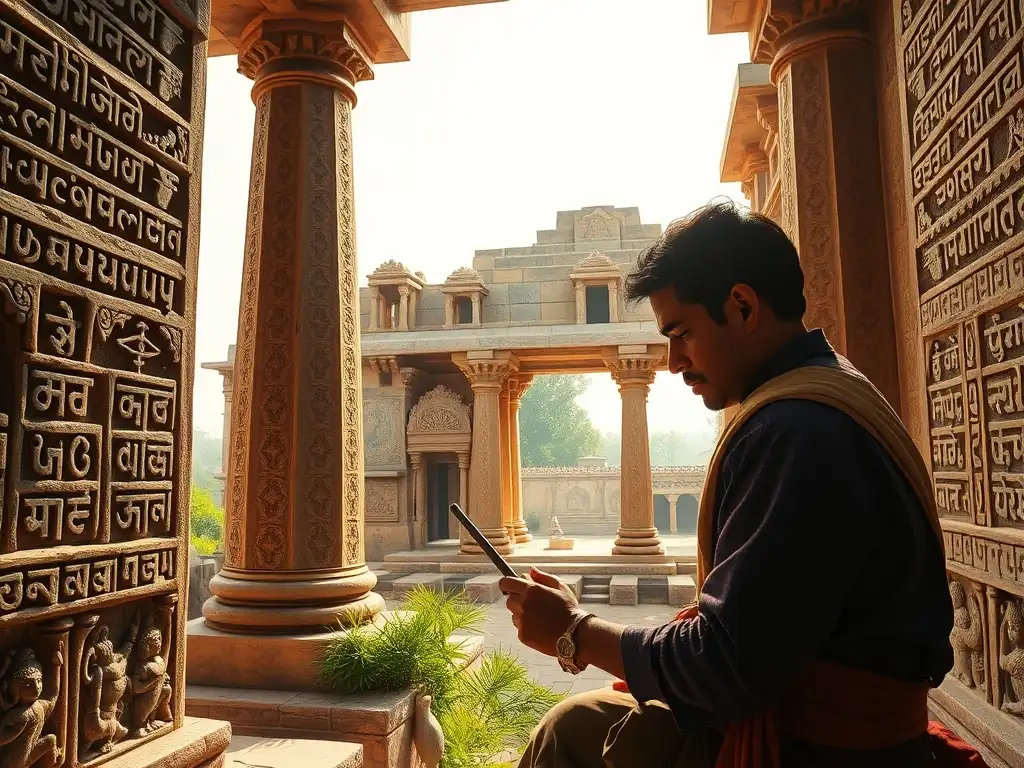
Inscriptions found in ancient Indian temples serve as remarkable artifacts that provide a window into the spiritual, cultural, and social dynamics of ancient Indian civilizations. These inscriptions, often carved in stone or engraved on metal plates, encapsulate a wealth of knowledge, reflecting the beliefs, rituals, and artistic expressions of their time.
From the early Indus Valley Civilization to the flourishing Gupta Empire, temple inscriptions are invaluable resources that not only illuminate the religious practices of ancient India but also offer insights into the day-to-day lives of people, their governance, and their philosophical inquiries. This article explores the profound significance of these inscriptions, their historical context, and the evolution of temple architecture, ultimately revealing how they serve as a testament to the rich tapestry of ancient Indian history.
Introduction to Ancient Indian Temple Inscriptions
Ancient Indian temple inscriptions are integral to understanding the spiritual heritage of the subcontinent. These inscriptions often contain hymns, prayers, and dedicatory verses, which were meant to honor deities and commemorate significant events. The languages used in these texts, including Sanskrit, Prakrit, and Tamil, showcase the linguistic diversity of ancient India and highlight the regional variations in religious practices.
The Significance of Inscriptions in Ancient Indian Temples
Inscriptions in temples are more than mere decorative elements; they are historical documents that provide insights into:
- Religious Practices: Many inscriptions detail the rituals performed at temples, including offerings, festivals, and the significance of various deities.
- Cultural Identity: They reflect the local customs, traditions, and the socio-political landscape of the time, showcasing how religion intertwined with daily life.
- Language and Literature: The evolution of language as seen in these inscriptions offers a glimpse into the literary heritage and the intellectual pursuits of ancient civilizations.
Inscriptions serve as a bridge connecting us to the thoughts and beliefs of our ancestors.
Overview of Ancient Indian Beliefs Reflected in Temple Inscriptions
The beliefs reflected in temple inscriptions reveal a complex spiritual landscape characterized by:
- Polytheism: The reverence for multiple deities is evident in the inscriptions, which often reference various gods and goddesses, illustrating the rich pantheon worshipped across different regions.
- Dharma and Ethics: Many inscriptions emphasize the importance of dharma (duty/righteousness) and ethical living, which were central tenets of ancient Indian philosophy.
- Cosmology and Mythology: The narratives found within these inscriptions often draw from ancient myths and epics, providing context to the cosmological frameworks that shaped religious thought.
Historical Context of Temple Inscriptions
Understanding the historical context in which these inscriptions were created is essential for appreciating their significance.
The Evolution of Inscriptions in Ancient Indian Architecture
The evolution of inscriptions parallels the development of temple architecture across various dynasties:
- Early Period: Inscriptions from the Indus Valley Civilization (c. 3300–1300 BCE) are scarce but significant for their use of seals.
- Mauryan Empire: The Edicts of Ashoka (c. 268–232 BCE) mark a pivotal moment with large-scale inscriptions promoting Buddhism.
- Gupta Empire: This period (c. 320–550 CE) saw a flourishing of temple construction and inscriptions, reflecting a synthesis of art, religion, and governance.
Major Periods of Temple Construction and Inscription
The major periods of temple construction can be divided into distinct phases, each contributing to the corpus of ancient Indian temple inscriptions:
- Post-Mauryan to Early Medieval: The rise of regional styles and the incorporation of local languages into inscriptions.
- Medieval Period: The proliferation of temple construction under various dynasties, including the Cholas and the Hoysalas, leading to an increase in both the quantity and diversity of inscriptions.
- Late Medieval to Early Modern: The transition into more ornate styles and the integration of socio-political themes within inscriptions.
By analyzing these inscriptions, we gain a deeper understanding of how ancient Indian civilizations viewed themselves, their beliefs, and their place within the cosmos, making them invaluable to the study of ancient Indian history.
Types of Inscriptions Found in Ancient Indian Temples
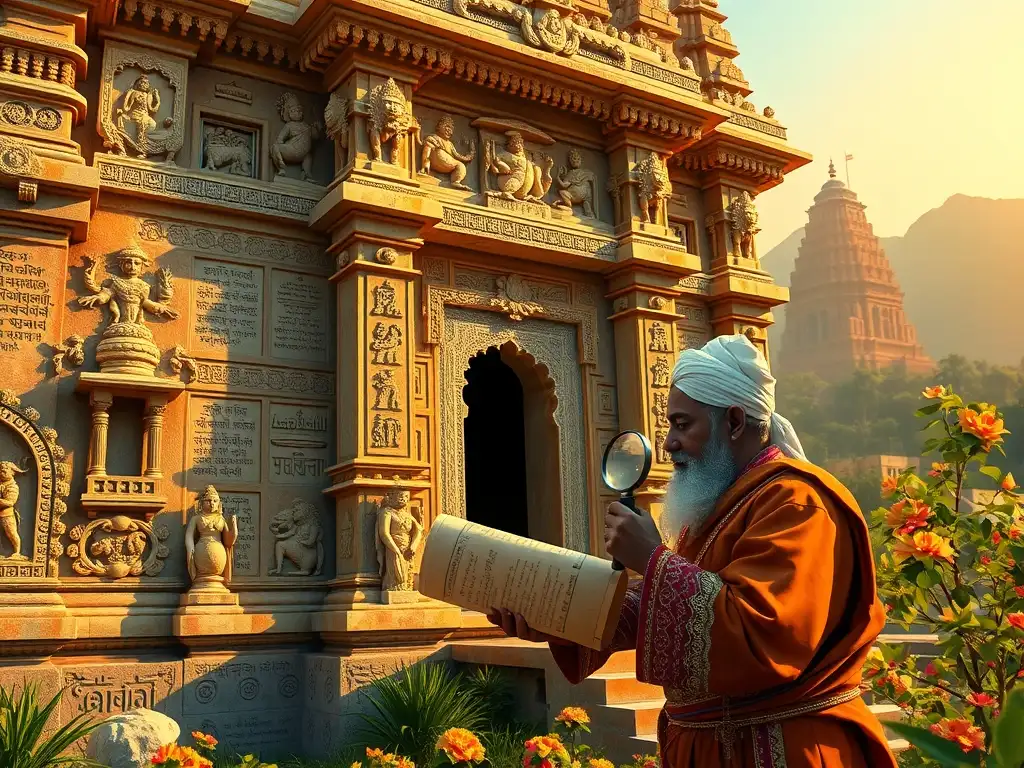
Ancient Indian temples are a treasure trove of inscriptions that provide invaluable insights into the beliefs, practices, and social structures of their time. These inscriptions can be classified into several distinct types, each serving a unique purpose and reflecting the multifaceted nature of ancient Indian society. The major categories of inscriptions found in these sacred spaces include religious inscriptions, administrative inscriptions, and commemorative inscriptions. Understanding these types allows us to appreciate the cultural and historical significance embedded within the stone carvings and texts.
Religious Inscriptions: Hymns and Devotional Texts
Religious inscriptions in temples often consist of hymns, prayers, and devotional texts dedicated to various deities. These inscriptions serve as a medium for worship and devotion, reflecting the spiritual beliefs of ancient Indian society. They are typically engraved in classical languages such as Sanskrit, Prakrit, or Tamil, and may include verses from sacred texts like the Vedas or Puranas.
These devotional inscriptions not only illustrate the theological perspectives prevalent during their time but also reveal the rituals and practices associated with worship. For example, inscriptions found in temples dedicated to deities like Shiva, Vishnu, or Devi may detail specific rituals, mantras, and offerings that devotees were expected to perform. The poetic form of these texts often enhances their aesthetic appeal, making them integral to the temple's spiritual ambiance.
Administrative Inscriptions: Records of Donations and Patronage
Administrative inscriptions primarily document donations, endowments, and patronage extended to temples by rulers, wealthy merchants, or devotees. These inscriptions serve as crucial records of the economic support that temples received, which often enabled them to thrive as centers of culture and community life. They typically include details such as the names of donors, the nature of the offerings (like land, gold, or services), and the conditions or purposes for which the donations were made.
These records provide insight into the socio-political dynamics of the time, revealing how rulers used temple patronage to legitimize their authority and gain public favor. For instance, inscriptions may highlight the role of a king in constructing a temple or funding its maintenance, thus intertwining religious devotion with political strategy. Such inscriptions are valuable for historians as they map out the relationships between temples, the state, and society.
Commemorative Inscriptions: Celebrating Kings and Events
Commemorative inscriptions celebrate significant events, achievements, or individuals, often focusing on kings, queens, or notable figures connected to the temple. These inscriptions may commemorate military victories, royal marriages, or anniversaries of temple consecration and are often engraved in a grand style to reflect their importance.
Such inscriptions frequently include elaborate narratives that extol the virtues and accomplishments of the commemorated individuals, linking them to divine favor and blessing. For example, a temple inscription may recount a king's successful campaign against rivals, portraying him as a protector of dharma (righteousness) and a devotee of the temple deity. These commemorative texts not only serve as historical records but also reinforce cultural values and ideals, illustrating how intertwined religion and governance were in ancient Indian society.
Deciphering Ancient Indian Temple Inscriptions
Deciphering ancient Indian temple inscriptions is a fascinating yet complex endeavor that combines linguistic analysis with archaeological context. Scholars employ various techniques to interpret these inscriptions, which can range from straightforward translations to more nuanced understandings of their cultural implications. The study of these inscriptions is vital for reconstructing ancient Indian history, beliefs, and societal structures.
Techniques Used in Analyzing Inscriptions
To analyze ancient inscriptions, researchers utilize a combination of epigraphical methods, linguistic studies, and historical context. Common techniques include:
- Paleography: This involves studying the styles of writing and letterforms to date and attribute inscriptions to specific periods or regions.
- Linguistic Analysis: Scholars examine the language, vocabulary, and grammar used in the inscriptions, often comparing them with known texts to understand their meanings and nuances.
- Contextual Interpretation: By considering the archaeological context in which inscriptions are found—such as the temple's architectural features or associated artifacts—researchers can derive deeper meanings and assess the inscriptions' relevance to their historical settings.
These techniques, when applied systematically, can unravel the layers of meaning embedded in the inscriptions, allowing scholars to build a more comprehensive picture of ancient Indian beliefs and practices.
Challenges in Understanding Ancient Scripts
Despite the advances in epigraphy, several challenges persist in deciphering ancient Indian temple inscriptions. One primary obstacle is the variation in scripts and languages used across different regions and periods, leading to inconsistencies in interpretation. For example, the use of Brahmi, Kharoṣṭhī, or Devanagari scripts can complicate efforts to establish a unified understanding of inscriptions.
Additionally, many inscriptions are damaged or weathered, making it difficult to read crucial portions of the text. Contextual knowledge is essential; without it, misinterpretations can occur, leading to flawed historical narratives. Moreover, the cultural and religious significance of certain terms may not always be readily apparent to modern scholars, necessitating an interdisciplinary approach that includes anthropology, history, and theology.
While deciphering ancient Indian temple inscriptions presents numerous challenges, the insights gained from these texts are invaluable for understanding the rich tapestry of beliefs that shaped ancient Indian civilization.
Themes and Beliefs Reflected in Temple Inscriptions
Ancient Indian temple inscriptions serve as invaluable historical documents that offer insights into the prevailing themes and beliefs of the time. These inscriptions often reflect the cultural, religious, and social dynamics of ancient Indian society. The themes can range from devotion to deities, descriptions of rituals, and the expression of philosophical ideologies to the assertion of royal power and patronage.
For instance, many inscriptions emphasize the concept of bhakti, or devotion, highlighting the personal relationship between worshippers and deities. This devotion is often articulated through hymns and praises that celebrate the virtues and miracles of the gods. Additionally, inscriptions frequently depict the significance of rituals, detailing the procedures and offerings made to ensure divine favor.
Furthermore, these inscriptions often reveal the intersection of religion and governance, as rulers commissioned temples and their inscriptions to legitimize their power and demonstrate their piety. The presence of royal insignia, titles, and genealogies in inscriptions underscores the belief in the divine right of kings, reinforcing the connection between spirituality and authority.
Deities and Worship Practices in Temple Inscriptions
The deities worshipped in ancient Indian temples are prominently featured in the inscriptions, reflecting the diverse pantheon revered by different communities. Commonly worshipped deities include Shiva, Vishnu, and various goddesses, each associated with specific attributes and powers. Temple inscriptions often describe the attributes of these deities, their mythological stories, and the forms in which they were worshipped.
Worship practices detailed in the inscriptions include daily rituals, festivals, and special ceremonies dedicated to the deities. For example, the inscriptions may outline specific offerings such as flowers, fruits, and incense, which were integral to temple worship. Additionally, some inscriptions record the establishment of festivals and elaborate processions that celebrate significant events in the lives of the deities, illustrating the vibrancy of religious life in ancient India.
Moreover, the inscriptions frequently mention the role of priests and temple personnel, highlighting their responsibilities in conducting rituals and maintaining the sanctity of the temple. This not only emphasizes the organized structure of worship but also reflects the socio-religious hierarchy that existed in temple communities.
Philosophical Concepts: Karma, Dharma, and Moksha in Inscriptions
Ancient Indian temple inscriptions also encapsulate profound philosophical concepts such as karma, dharma, and moksha. These concepts are woven into the fabric of religious and moral beliefs that guided individual and societal behavior.
Karma, the principle of cause and effect, is often referenced in inscriptions to explain the consequences of actions in this life and future rebirths. This concept encourages ethical living and devotion, as individuals seek to accumulate good karma through righteous deeds and worship.
Dharma, the moral duty or righteousness, is frequently mentioned in the context of royal patronage and governance. Inscriptions may highlight how rulers adhered to dharma by protecting the temple and its community, thus reinforcing their legitimacy and divine favor.
Moksha, or liberation from the cycle of birth and rebirth, is another significant theme found in temple inscriptions. These texts often encourage followers to pursue spiritual practices and devotion as a means to achieve moksha, emphasizing the ultimate goal of human existence in the context of Hindu philosophy.
Case Studies of Notable Ancient Indian Temple Inscriptions

Case studies of significant ancient Indian temple inscriptions provide a deeper understanding of the historical and cultural contexts in which these texts were created. Each case offers unique insights into the beliefs, practices, and social structures of ancient Indian civilization.
The Inscriptions of the Brihadeeswarar Temple: A Study of Royal Patronage
The Brihadeeswarar Temple, built during the Chola dynasty in the 11th century, is renowned for its grandeur and intricate inscriptions that reflect royal patronage. The temple's inscriptions celebrate King Raja Raja Chola I, detailing his contributions to the temple's construction and his devotion to Lord Shiva.
These inscriptions serve multiple purposes: they not only document the king's lineage and achievements but also affirm his role as a divine ruler. The texts emphasize the king's responsibility in maintaining dharma and supporting religious institutions, which were vital for the stability and prosperity of his kingdom.
Additionally, the inscriptions reveal the economic aspects of temple patronage, highlighting land grants and revenue allocations to support temple activities. This underscores the symbiotic relationship between the monarchy and religious institutions, which was pivotal in shaping the socio-political landscape of ancient Tamil Nadu.
The Hoysaleswara Temple Inscriptions: Insights into Religious Practices
The Hoysaleswara Temple, a masterpiece of Hoysala architecture, features inscriptions that provide significant insights into the religious practices of the time. These inscriptions detail the rituals performed in honor of Lord Shiva and the various forms of worship that were prevalent among devotees.
One notable aspect of the Hoysaleswara inscriptions is their mention of specific festivals and the elaborate ceremonies associated with them. They often describe the offerings made during these events, showcasing the rich tapestry of ritualistic practices that characterized temple worship.
Moreover, the inscriptions reflect the community's involvement in temple activities, indicating a collective responsibility toward maintaining the temple and participating in worship. This engagement fosters a sense of unity and shared identity among the devotees, reinforcing the temple's role as a focal point of spiritual and social life in the region.
The study of ancient Indian temple inscriptions not only uncovers the religious beliefs and practices of the time but also sheds light on the broader socio-political dynamics that shaped ancient Indian civilization.
The Impact of Ancient Indian Temple Inscriptions on Modern Understanding
Ancient Indian temple inscriptions serve as a vital resource for understanding the cultural, religious, and social dynamics of early Indian civilizations. These inscriptions, often found on temple walls, pillars, and other architectural elements, reveal insights into the beliefs, practices, and values of the time. By analyzing the language, script, and content of these inscriptions, scholars have been able to piece together a more coherent picture of ancient Indian life, philosophy, and spirituality. The impact of these inscriptions transcends mere historical curiosity; they have profound implications on various fields, including archaeology, history, and even modern spiritual practices.
Contributions to Archaeology and History
The study of ancient Indian temple inscriptions has significantly contributed to the fields of archaeology and history. These inscriptions often provide chronological markers that help researchers date buildings and artifacts, allowing for a better understanding of the timeline of ancient Indian civilization. For instance, the inscriptions found in the Brihadeeswarar Temple in Thanjavur, which date back to the Chola dynasty, have been instrumental in understanding the political and cultural advancements during that era.
Additionally, inscriptions often contain dedicatory texts that reveal the names of patrons, the deities being worshiped, and the social context of the time. This information is invaluable for constructing narratives about regional variations in worship and the socio-political influences that shaped them. The study of these inscriptions has also led to significant discoveries regarding trade, migrations, and the interactions between different cultures in ancient India.
Furthermore, the epigraphical evidence gathered from these temples has stimulated interdisciplinary research, combining linguistics, history, and archaeology to create a richer understanding of the past. Overall, temple inscriptions act as a bridge connecting modern scholars to ancient Indian civilization.
Influence on Contemporary Spiritual Practices
The influence of ancient Indian temple inscriptions extends into contemporary spiritual practices as well. Many of the beliefs and rituals recorded in these inscriptions continue to resonate with modern spiritual seekers and practitioners. For example, the mantras and hymns inscribed in temples often form the basis of current worship practices in Hinduism and other religions that have roots in ancient Indian traditions.
Moreover, the revival of interest in traditional practices has led to a resurgence in the study and recitation of these ancient texts. Temples today often engage in educational programs to teach visitors about the significance of these inscriptions, fostering a deeper appreciation for their historical and spiritual heritage. This connection to the past not only enriches the spiritual experiences of practitioners but also serves to promote cultural continuity.
In a broader context, the inscriptions highlight the deep philosophical underpinnings of spirituality in ancient India, emphasizing concepts such as dharma (duty), karma (action), and moksha (liberation). By exploring these themes, contemporary spiritual movements and practices can draw from the rich tapestry of ancient Indian thought, enhancing their relevance in today's world.
Conclusion: The Legacy of Ancient Indian Temple Inscriptions
As we delve into the significance of ancient Indian temple inscriptions, it becomes clear that they represent a rich legacy that informs our understanding of history, culture, and spiritual practices. These inscriptions are not mere relics of the past; they are active components of cultural heritage that continue to influence modern society.
Summary of Key Insights on Ancient Indian Beliefs
Through the study of temple inscriptions, we gain key insights into ancient Indian beliefs, including the importance of spirituality, the veneration of deities, and the socio-political dynamics that shaped religious practices. The inscriptions reveal a complex interplay between art, architecture, and devotion, showcasing how intertwined these elements are in expressing the values of the time. Moreover, they highlight the continuity of certain beliefs and practices that have endured through centuries, providing a thread that connects the past with the present.
The Importance of Preserving Inscriptions for Future Generations
Preserving ancient Indian temple inscriptions is crucial for ensuring that future generations can access and learn from these invaluable historical resources. As many inscriptions are at risk due to environmental factors, human interference, and neglect, efforts must be made to document, protect, and restore these ancient texts.
Initiatives such as digital archiving and public awareness campaigns can play a significant role in safeguarding this heritage. By fostering a sense of responsibility towards these inscriptions, we not only honor the legacy of our ancestors but also enrich our cultural identity. In preserving these inscriptions, we ensure that the wisdom and beliefs of ancient Indian civilizations continue to inspire and educate generations to come.
- Introduction to Ancient Indian Temple Inscriptions
- The Significance of Inscriptions in Ancient Indian Temples
- Overview of Ancient Indian Beliefs Reflected in Temple Inscriptions
- Historical Context of Temple Inscriptions
- Types of Inscriptions Found in Ancient Indian Temples
- Deciphering Ancient Indian Temple Inscriptions
- Themes and Beliefs Reflected in Temple Inscriptions
- Case Studies of Notable Ancient Indian Temple Inscriptions
- The Impact of Ancient Indian Temple Inscriptions on Modern Understanding
- Conclusion: The Legacy of Ancient Indian Temple Inscriptions
Frequently Asked Questions
What are ancient Indian temple inscriptions?
Ancient Indian temple inscriptions are carvings or writings found on temple walls that offer insights into the beliefs, practices, and cultural values of ancient Indian civilizations.
Why are these inscriptions important?
These inscriptions are crucial for understanding historical contexts, religious practices, and the development of various art forms in ancient India, making them a valuable resource for historians.
What languages are commonly found in temple inscriptions?
Temple inscriptions often feature languages such as Sanskrit, Prakrit, and Tamil, reflecting the linguistic diversity of ancient India and providing clues to the regional influences on culture.
How do temple inscriptions contribute to our understanding of ancient Indian society?
They reveal information about social hierarchies, patronage, and the role of religion, helping us understand how ancient Indian societies functioned and evolved over time.
Where can these inscriptions be found today?
Ancient Indian temple inscriptions can be found in various historical sites across India, particularly in southern and western regions, showcasing the architectural grandeur and spiritual significance of ancient temples.
Final Reflection: Ancient Indian Temple Inscriptions as a Reflection of Timeless Beliefs
The exploration of ancient Indian temple inscriptions reveals not just the artistic prowess of a bygone era, but also the profound beliefs that shaped the lives of those who came before us. These inscriptions serve as a bridge connecting us to the spiritual and cultural ethos of ancient India, reminding us that the quest for meaning and understanding is a timeless human endeavor. In a world increasingly driven by technology and rapid change, the wisdom etched in stone offers a moment of pause, inviting us to reflect on our own beliefs and values.
The impact of these inscriptions extends far beyond their historical context; they continue to influence contemporary culture and spirituality. As we navigate our modern lives, the lessons and narratives captured in these ancient texts resonate with our ongoing search for identity and purpose. The past is never dead. It's not even past.
— William Faulkner. This quote encapsulates the idea that the echoes of history are ever-present, shaping our current perspectives and guiding our future paths. By understanding these inscriptions, we gain insight into the collective consciousness of our ancestors, fostering a deeper appreciation for the diverse tapestry of beliefs that enrich our society today.
As we conclude this exploration, I invite you to reflect on the significance of ancient Indian temple inscriptions in your own life. Consider how the values and stories embedded in these texts can inspire you to cultivate a deeper connection with your own beliefs and heritage. Let the wisdom of the past guide you as you forge your path forward, reminding you that the quest for understanding and meaning is a journey worth undertaking. Embrace the lessons of history, and allow them to illuminate your present and future.
Unlock the Secrets of Ancient Beliefs Today!
Thank you for diving into the fascinating world of inscriptions in temples with us! By exploring these ancient texts, you've opened a door to understanding the spiritual and cultural ethos of our ancestors. Now, let’s take your curiosity further!
Here are some actionable steps you can take:
- Start your own exploration by visiting a nearby temple with inscriptions and documenting your observations—what stories do they tell?
- Engage with fellow history enthusiasts! Share your thoughts or insights from this article in our community forum at ancientindiahistory.com.
- Consider reading a book about ancient Indian philosophy to deepen your knowledge and connect with the beliefs conveyed through these inscriptions.
What inscription or temple detail has captured your imagination the most, and how do you think it reflects the beliefs of ancient Indian society?