
The Ramayana and Its Connection to Other World Mythologies

Welcome to Ancient India History, where we embark on a mesmerizing journey through the vibrant tapestry of ancient Indian civilizations. In this exploration, we delve into the profound influence of the Ramayana on world mythologies—a tale that transcends borders and time, weaving its way into the hearts of cultures across the globe. Discover how this epic literature not only shaped the spiritual landscape of India but also resonated in stories and beliefs far beyond its origin.
Prepare to unlock the secrets of this timeless narrative and uncover its fascinating connections with mythologies around the world. Dive in and let your curiosity lead the way!
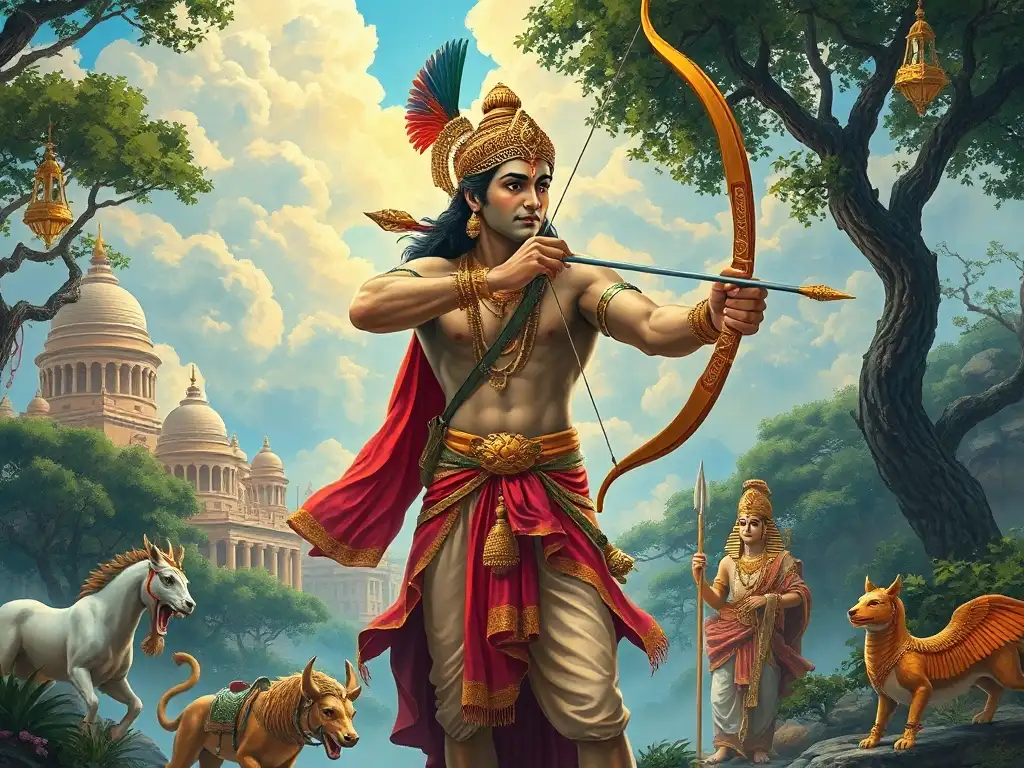
The Ramayana, one of the two great epics of ancient Indian literature, holds a profound significance that transcends geographical boundaries and cultural divides. This epic narrative, attributed to the sage Valmiki, not only chronicles the life and adventures of Lord Rama but also encapsulates moral, ethical, and philosophical teachings that resonate with audiences globally.
As we delve into the rich tapestry of the Ramayana, we uncover its intricate connections to other world mythologies, revealing a shared human experience reflected in stories of heroism, love, and the eternal struggle between good and evil. This exploration aims to illuminate the Ramayana's influence on world mythologies, highlighting how its core themes and archetypes have permeated various cultures and storytelling traditions throughout history.
Introduction to the Ramayana
Overview of the Ramayana as an Epic
The Ramayana is a monumental epic consisting of approximately 24,000 verses, divided into seven Kandas (books). It tells the story of Rama, the seventh avatar of the god Vishnu, who embarks on a quest to rescue his wife, Sita, from the demon king Ravana. The narrative is rich with a variety of characters, each representing different virtues and vices, and it intricately weaves together themes of duty (dharma), loyalty, and righteousness. The Ramayana not only serves as a literary masterpiece but also as a spiritual guide, influencing countless generations through its teachings and values.
Significance of the Ramayana in Ancient Indian Culture
The Ramayana holds a central place in ancient Indian culture, shaping religious practices, artistic expressions, and societal norms. It is revered not only as a religious scripture in Hinduism but also as a source of inspiration for various art forms, including dance, theater, and visual arts. Festivals like Diwali celebrate the principles embodied in the Ramayana, marking the victory of light over darkness and good over evil. Moreover, the Ramayana's impact extends beyond spirituality; it has played a pivotal role in the formation of moral and ethical frameworks within Indian society, fostering a sense of identity and cultural continuity.
Exploring the Influence of the Ramayana on World Mythologies
Understanding Mythology: A Comparative Perspective
Mythology serves as a lens through which cultures interpret their experiences, values, and beliefs. By examining the Ramayana alongside other world mythologies, we can identify universal motifs and archetypes that resonate across diverse civilizations. For instance, the hero's journey, sacrifice, and the struggle against malevolent forces are themes that find parallels in myths from different cultures, such as the Greek myth of Odysseus or the Mesopotamian epic of Gilgamesh. This comparative analysis not only enriches our understanding of the Ramayana but also highlights the interconnectedness of human storytelling.
Core Themes in the Ramayana and Their Universal Appeal
The Ramayana is imbued with core themes that possess a universal appeal, making it relevant across cultures and eras. Key themes include:
- Dharma (Righteous Duty): The concept of fulfilling one's duty is central to the narrative, emphasizing the importance of moral integrity and ethical conduct.
- Love and Sacrifice: The love between Rama and Sita, along with their sacrifices, resonates deeply with audiences, reflecting the profound nature of human relationships.
- Good vs. Evil: The eternal battle between Rama and Ravana symbolizes the universal struggle against malevolence, echoing similar narratives found in various mythologies.
These themes not only contribute to the Ramayana's enduring legacy but also illustrate its influence on the mythologies of cultures worldwide, inviting readers to reflect on the timeless values embedded within this epic.
The Ramayana's Reflection in Various World Mythologies
The Ramayana, one of the two great epics of ancient Indian literature, has left an indelible mark not only on Indian culture but also on various world mythologies. Its themes of duty, righteousness, and the eternal struggle between good and evil resonate across different cultures and times. Scholars have noted numerous parallels between the narratives and characters of the Ramayana and those found in other mythologies, suggesting a shared human experience that transcends geographical boundaries. By examining these connections, we can better understand how the Ramayana has influenced and been reflected in diverse mythological traditions around the world.
The Ramayana and Greek Mythology: Parallels and Differences
Greek mythology, with its rich tapestry of gods and heroes, presents intriguing parallels to the Ramayana. Both traditions share a focus on divine intervention in human affairs, where gods play a pivotal role in guiding and sometimes challenging the protagonists. For instance, the character of Rama can be compared to Hercules, as both are seen as ideal heroes who embark on arduous journeys to fulfill their destinies.
However, while Greek myths often emphasize individual heroism and personal glory, the Ramayana places significant importance on dharma (duty). Rama’s exile and his commitment to uphold his father’s honor starkly contrast with the often self-serving quests of Greek heroes. Furthermore, the portrayal of female characters such as Sita and Helen of Troy highlights different cultural attitudes towards women, with Sita embodying fidelity and virtue, while Helen’s narrative revolves around desire and conflict.
The Ramayana and Mesopotamian Myths: Shared Motifs
The connection between the Ramayana and Mesopotamian mythology is evidenced by shared motifs such as the epic hero, divine trials, and the quest for justice. The Epic of Gilgamesh features a hero journeying through trials, much like Rama’s quest to rescue Sita. Both epics explore themes of friendship, loyalty, and the moral dilemmas faced by their protagonists.
Moreover, the flood myth present in both cultures serves as a reminder of the cyclical nature of life and the divine’s role in human affairs. The Ramayana’s portrayal of the bridge to Lanka can be likened to the construction feats of Gilgamesh, symbolizing human perseverance against overwhelming odds. These shared elements indicate a rich exchange of ideas and storytelling traditions that may have influenced the development of both epic narratives.
The Ramayana and Norse Mythology: Heroic Journeys and Battles
The epic battles and heroic journeys depicted in the Ramayana resonate with themes found in Norse mythology, particularly in the tales of Odin and Thor. Both mythologies explore the conflict between good and evil, with Rama embodying the qualities of an ideal warrior akin to Thor, who fights against the giants and monsters threatening his world.
The notion of heroism in the face of insurmountable challenges is a central theme in both narratives. Just as Rama rallies an army of monkeys to confront Ravana, Norse heroes often gather allies for their formidable quests. Additionally, the concept of fate is prevalent in both mythologies, with characters bound by their destinies and moral choices leading to ultimate triumph or tragedy. These parallels underscore a shared cultural narrative that emphasizes the importance of courage, loyalty, and the quest for justice.
Symbolism and Archetypes in the Ramayana
The Ramayana is rich with symbolism and archetypal characters that resonate through various mythological traditions. These symbols not only enrich the narrative but also provide layers of meaning that speak to universal human experiences. From the battle between light and darkness to the quest for truth, the Ramayana encapsulates fundamental themes that continue to inspire and challenge audiences across cultures.
Key Characters of the Ramayana: Their Archetypal Roles
The Ramayana is populated by a diverse cast of characters, each embodying specific archetypal roles that reflect broader human experiences. Rama, as the ideal hero, represents the archetype of the noble warrior—embodying courage, virtue, and self-sacrifice. His journey underscores the importance of adhering to dharma, making him a moral compass within the narrative.
Sita, the embodiment of fidelity and devotion, serves as the archetypal heroine whose trials and tribulations highlight the strength of character and resilience. Hanuman, the devoted monkey god, represents loyalty and the power of unwavering faith, often seen as a bridge between the divine and human realms. Each character's journey reflects universal themes of love, sacrifice, and the struggle against evil, making them relatable across cultures and time periods.
The Hero's Journey: Rama as a Universal Hero
Rama's journey in the Ramayana can be framed within the context of the Hero's Journey, a narrative structure identified by Joseph Campbell. This archetypal journey consists of stages such as the call to adventure, the crossing of thresholds, and the ultimate confrontation with evil.
Rama's exile serves as the call to adventure, prompting his transformation from prince to an embodiment of righteousness. His trials in the forest, the abduction of Sita, and the subsequent battle against Ravana reflect the classic stages of the Hero's Journey, culminating in his return and restoration of dharma. By framing Rama’s journey through this lens, we can appreciate him as a universal hero whose experiences resonate with audiences worldwide, reinforcing the Ramayana's profound influence on global mythologies.
The Ramayana's Cultural Impact Beyond India
The Ramayana, one of the two great epics of ancient Indian literature, has left a profound cultural impact beyond the geographical confines of India. This epic not only narrates the tale of Lord Rama, Sita, and their adventures but also embodies themes that resonate universally, such as love, duty, honor, and righteousness. The moral and ethical dilemmas faced by its characters provide a rich tapestry for exploration and reflection that transcends cultures.
The epic has inspired various forms of art, literature, and performance across the globe. Its narratives have been adapted into numerous theatrical performances, dances, and even modern novels and films, showcasing its versatility and enduring relevance. Particularly in countries like Indonesia, Thailand, and Malaysia, the Ramayana has been integrated into local folklore and traditions, signifying a blend of indigenous culture with the epic's themes and characters. This cultural amalgamation has fostered a sense of shared heritage and values among diverse communities.
The Spread of the Ramayana: From India to Southeast Asia
The spread of the Ramayana from India to Southeast Asia is a remarkable story of cultural diffusion. As Indian traders and travelers ventured into the region, they brought with them not only goods but also stories, religion, and cultural practices. The Ramayana, with its compelling narrative and moral teachings, found a receptive audience in various Southeast Asian cultures.
In Indonesia, for instance, the Ramayana is deeply embedded in the traditional wayang kulit (shadow puppet) performances. The story has been adapted to reflect local customs and traditions while retaining the central narrative that defines the epic. Similarly, in Thailand, the Ramakien, the Thai version of the Ramayana, incorporates unique elements and characters that resonate with Thai culture, yet it is fundamentally rooted in the original text. This adaptation process illustrates how the Ramayana has been reinterpreted, allowing it to flourish and evolve in different cultural contexts while maintaining its core message.
Adaptations of the Ramayana in Different Cultures
The adaptability of the Ramayana is evident in its numerous adaptations across various cultures. Each rendition brings forth unique interpretations, showcasing the flexibility of its themes and characters.
- Indonesia: The Rama and Sita tale is intricately woven into the fabric of Balinese culture, where it is performed in dance and theater, often incorporating local mythological elements.
- Thailand: The Ramakien introduces characters with distinct traits and circumstances, reflecting Thai societal values and norms while retaining the essence of the original tale.
- Malaysia: The Hikayat Seri Rama narrates the story with local twists, illustrating how the Ramayana has been embraced and modified to suit regional tastes.
These adaptations not only demonstrate the Ramayana's universal appeal but also highlight how local cultures can reinterpret iconic narratives to reflect their own identities and values.
Comparative Analysis: The Ramayana and Other Epic Narratives
Comparing the Ramayana with other epic narratives reveals intriguing insights into shared themes and cultural values. The Ramayana, like many great epics, grapples with complex moral dilemmas, familial bonds, and the struggle between good and evil, making it a fascinating subject for comparative literature.
The Ramayana vs. The Iliad: Themes of Duty and Honor
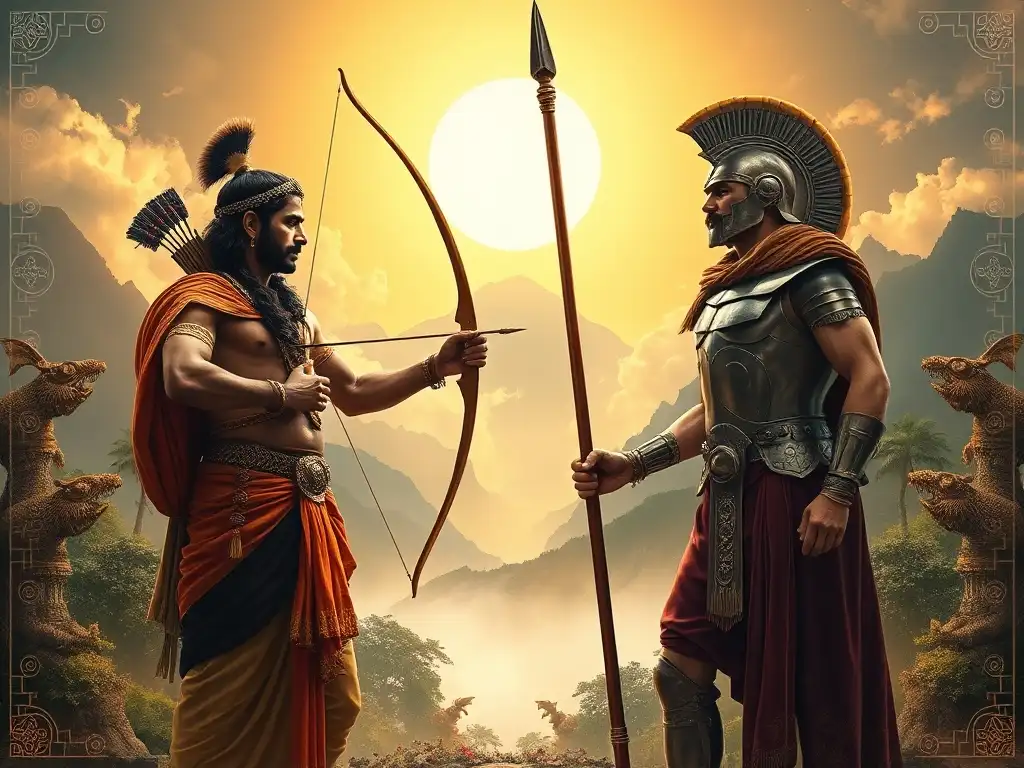
When juxtaposing the Ramayana with Homer's Iliad, one finds striking similarities in the portrayal of duty and honor. Both epics center around heroic figures: Lord Rama in the Ramayana and Achilles in the Iliad, each wrestling with their sense of duty towards family and society.
- Duty: Rama’s unwavering commitment to his dharma (duty) is paralleled by Achilles’ struggles with his role as a warrior. Both characters face personal sacrifices in pursuit of their respective duties, often leading to tragic consequences.
- Honor: Honor is a central theme in both narratives. For Rama, honor is tied to his role as a king and husband, while for Achilles, it is deeply connected to his reputation as a warrior. The pursuit of honor often drives the plots forward, showcasing its importance in both cultures.
This comparative analysis highlights how different cultures articulate similar values through their respective narratives, emphasizing the universal quest for honor and duty.
The Ramayana vs. The Mahabharata: Different Approaches to Dharma
The Ramayana and the Mahabharata, the two principal epics of ancient Indian literature, offer contrasting approaches to the concept of dharma (righteousness or duty).
- The Ramayana: Focuses on the ideal of dharma through the character of Rama, who embodies the perfect son, husband, and king. His adherence to dharma is unwavering, often leading him to make profound personal sacrifices for the greater good.
- The Mahabharata: Presents a more complex and nuanced exploration of dharma. Characters like Arjuna grapple with moral dilemmas that showcase the ambiguities and conflicts inherent in fulfilling one’s duty. The Mahabharata often suggests that dharma is context-dependent and may require difficult choices.
This divergence in narrative approach not only enriches the understanding of dharma in Indian culture but also invites readers to reflect on the nature of righteousness in their own lives and societies.
Conclusion: The Ramayana's Enduring Legacy in Global Mythology
The Ramayana, one of the two great epics of ancient Indian literature, continues to resonate across cultures and societies around the globe. Its themes of duty, righteousness, love, and the eternal struggle between good and evil have transcended geographical boundaries, influencing numerous mythologies worldwide. The narrative not only serves as a cornerstone of Indian culture but also weaves itself into the fabric of other cultures, showcasing the universal appeal of its storytelling.
The enduring legacy of the Ramayana is evident in its adaptation into various art forms, literature, and rituals across different regions. The epic's characters, particularly Rama, Sita, and Hanuman, have inspired interpretations and reimaginings that reflect local values while retaining the core messages of the original text. As such, the Ramayana holds a significant place in the collective consciousness of humanity, acting as a bridge between ancient wisdom and modern-day ethos.
Summary of the Ramayana's Influence on World Mythologies
The influence of the Ramayana on world mythologies can be seen through its resonances in various cultures. For instance, the theme of the hero's journey, epitomized by Rama's quest to rescue Sita, parallels the narratives found in Greek mythology, such as the trials faced by Odysseus. Similarly, the character of Hanuman, the devoted monkey god, bears resemblance to figures like Hercules, who embodies strength and loyalty in Western tales.
In Southeast Asia, the Ramayana has been adapted into local traditions, such as the "Ramayana Ballet" in Indonesia and the "Khmer Ramayana" in Cambodia, demonstrating its adaptability and the universal themes it conveys. These adaptations often reflect local customs and beliefs while preserving the epic's essential plot, signifying the Ramayana's role as a cultural touchstone across diverse civilizations.
The Continuing Relevance of the Ramayana in Contemporary Culture
In contemporary culture, the Ramayana remains relevant through various mediums, including television, cinema, and literature. Modern adaptations, such as animated films and graphic novels, introduce the epic to younger audiences, ensuring its themes resonate with new generations. Furthermore, the Ramayana's philosophical teachings find a place in discussions on ethics, governance, and personal conduct, highlighting its timeless wisdom.
Religious and cultural festivals, such as Diwali, also underscore the Ramayana's significance in current practices. The celebration of Rama's victory over Ravana symbolizes the triumph of good over evil, a message that continues to inspire millions. Additionally, academic discussions and studies on the Ramayana's impact on global mythologies foster a deeper understanding of its narrative structure and thematic relevance, ensuring its place within the broader discourse of epic literature.
References
Suggested Reading on the Ramayana and Global Mythologies
- The Ramayana: A New Translation by Ramesh Menon
- In Search of the Ramayana: An Anthology of Contemporary Writings edited by Arshia Sattar
- The Ramayana: A Historical Perspective by S. R. Sharma
These works offer insights into the narrative and thematic elements of the Ramayana, as well as its influence on global mythologies.
Credible Sources for Further Research on Epic Literature
- Epic Literature: An Introduction by John Smith
- The Myths of India: An Exploration of the Ramayana and Mahabharata by R. K. Narayan
- World Mythology: An Anthology of Great Myths and Epics by Donna Rosenberg
These sources provide a comprehensive overview of epic literature, situating the Ramayana within the broader context of global mythological traditions.
- Introduction to the Ramayana
- Exploring the Influence of the Ramayana on World Mythologies
- The Ramayana's Reflection in Various World Mythologies
- Symbolism and Archetypes in the Ramayana
- The Ramayana's Cultural Impact Beyond India
- The Spread of the Ramayana: From India to Southeast Asia
- Adaptations of the Ramayana in Different Cultures
- Comparative Analysis: The Ramayana and Other Epic Narratives
- The Ramayana vs. The Iliad: Themes of Duty and Honor
- The Ramayana vs. The Mahabharata: Different Approaches to Dharma
- Conclusion: The Ramayana's Enduring Legacy in Global Mythology
- References
- What is the Ramayana and its significance in Indian history?
- How has the Ramayana influenced other world mythologies?
- Can you provide examples of similarities between the Ramayana and other epics?
- What are the major themes present in the Ramayana?
- How do scholars view the cultural impact of the Ramayana beyond India?
Frequently Asked Questions
What is the Ramayana and its significance in Indian history?
The Ramayana is an ancient Indian epic that narrates the life of Lord Rama, his wife Sita, and his battle against the demon king Ravana. It holds immense significance as cultural heritage and a moral guide in Indian society.
How has the Ramayana influenced other world mythologies?
The Ramayana has inspired numerous cultures and literatures across the globe, showcasing themes of duty, righteousness, and devotion, paralleling stories in other mythologies such as the Greek and Norse traditions.
Can you provide examples of similarities between the Ramayana and other epics?
Yes, for instance, the heroic journey of Rama can be compared to Homer's Odyssey, while the conflict between good and evil in the Ramayana mirrors stories found in Christian and Islamic traditions.
What are the major themes present in the Ramayana?
The Ramayana explores themes of dharma (righteousness), loyalty, sacrifice, and the battle between good and evil, which resonate in many other mythologies worldwide.
How do scholars view the cultural impact of the Ramayana beyond India?
Scholars recognize the Ramayana as a significant literary and cultural artifact that has transcended geographical boundaries, influencing art, theater, and religious practices in various cultures, reinforcing its timeless relevance.
Final Reflection: The Ramayana's Enduring Influence Across Mythologies
The Ramayana's narrative and themes resonate profoundly in today's global culture, illustrating how ancient stories continue to shape our understanding of morality, heroism, and the human experience. In an era where cultural exchange is more accessible than ever, the Ramayana serves as a bridge, connecting diverse mythologies and highlighting universal truths that transcend geographical boundaries. This epic not only enriches our literary heritage but also invites us to explore the shared values that unite humanity across time and space.
The influence of the Ramayana extends far beyond its origins, permeating various cultures and inspiring countless adaptations and interpretations. The echoes of its characters and themes can be found in the folklore of Southeast Asia, the narratives of the West, and even in modern storytelling mediums. As Joseph Campbell famously stated, “Myths are public dreams, and dreams are private myths.” This observation underscores the Ramayana's role as a collective narrative that continues to inspire individuals and societies alike, reminding us of our shared journey through life's trials and triumphs.
As we reflect on the lessons embedded within the Ramayana, let us consider how these timeless stories can guide our actions and beliefs in the present day. I invite you to explore the connections between your own life and the universal themes of duty, sacrifice, and love portrayed in this epic. By embracing the wisdom of the Ramayana and recognizing its influence on world mythologies, we can cultivate a deeper appreciation for our shared humanity and strive to embody the virtues that these stories celebrate.
Explore the Global Tapestry of Myths!
Thank you for diving into the fascinating world of The Ramayana and its connections to other mythologies! We hope you feel inspired by the rich narratives that transcend cultures and time. Now, let’s take the next steps to deepen your understanding and appreciation of these timeless stories.
- Delve deeper: Choose a mythology that is linked to The Ramayana and read an in-depth article or book about it. Discover how these ancient tales resonate across different cultures!
- Join the discussion: Share your thoughts or questions in our community forum. Engaging with others can spark new insights and enrich your understanding!
- Create connections: Organize a small reading group to explore mythological texts from various cultures. This will foster a dialogue about their themes and similarities.
What parallels do you see between The Ramayana and other myths that resonate with your own life experiences?