
Women in the Mahabharata: Strong Characters Who Shaped the Epic

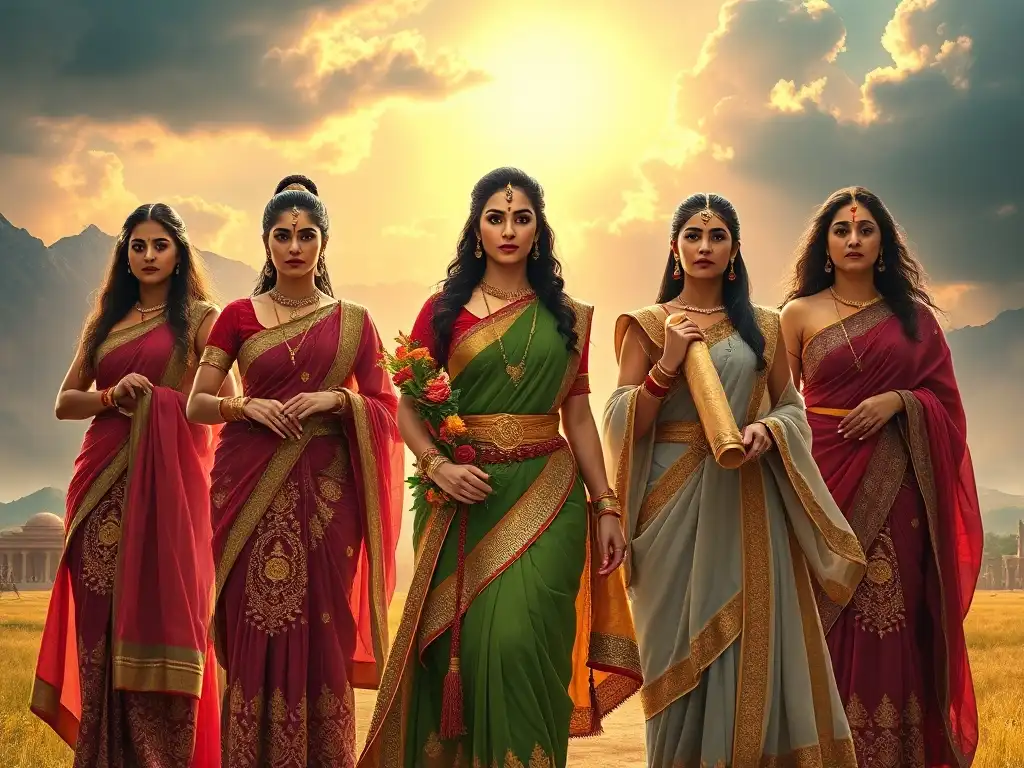
Welcome to Ancient India History, where we delve into the fascinating tapestry of ancient Indian civilizations and their profound contributions to the world. In our featured article, "Women in the Mahabharata: Strong Characters Who Shaped the Epic," we invite you to explore the significant roles that women played in one of the greatest epics of all time. From fierce warriors to wise advisors, these characters not only influenced the course of the narrative but also reflect the complexities of their cultural context.
What lessons can we draw from their stories? Join us as we uncover the layers of significance behind these powerful figures and their impact on both the epic and society as a whole. Your journey into the heart of ancient Indian history begins here!
Introduction to Women in Mahabharata Significance
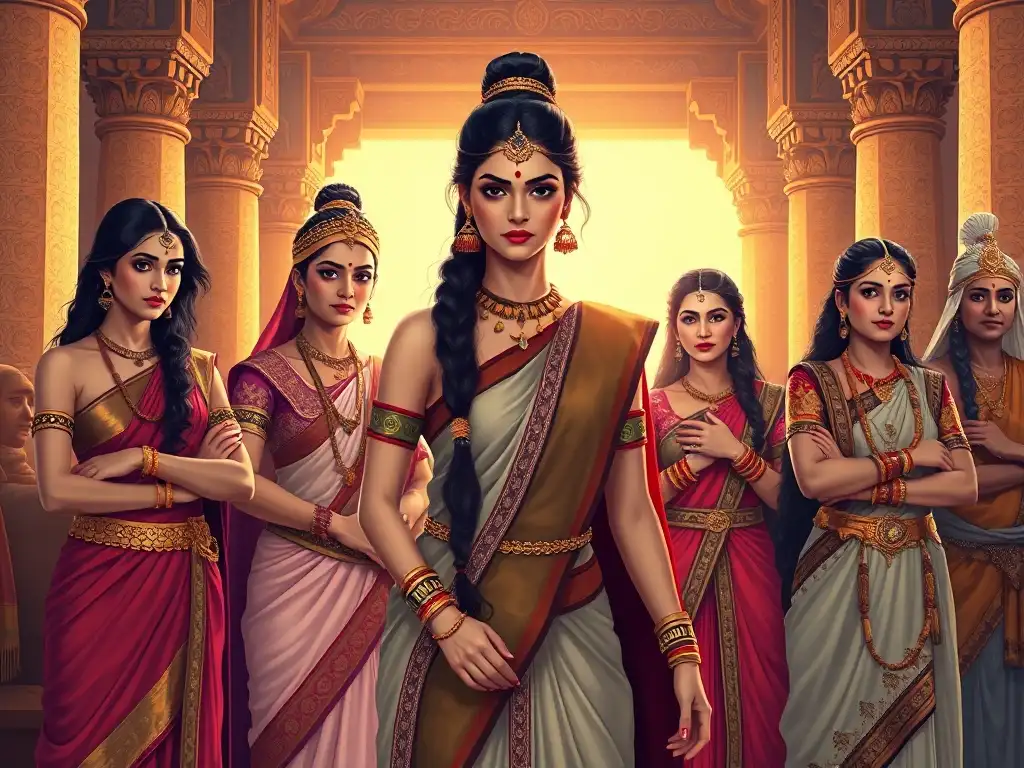
The Mahabharata, one of the most revered texts of ancient Indian literature, presents a complex tapestry of narratives that intertwine the lives of its characters, both male and female. While the epic is predominantly known for its heroic male figures and their epic battles, the significance of women in the Mahabharata cannot be understated.
These women are not merely background characters; they play pivotal roles that drive the narrative forward and illustrate profound themes of strength, sacrifice, and resilience. Understanding the Women in Mahabharata significance offers valuable insights into the societal norms and values of ancient India, as well as the timeless lessons that resonate even today.
Overview of the Mahabharata
The Mahabharata is an ancient Indian epic attributed to the sage Vyasa, composed over several centuries. Spanning approximately 100,000 shlokas (verses), it is one of the longest epic poems in the world. The narrative primarily revolves around the conflict between the Pandavas and the Kauravas, two factions of a royal family vying for power. However, interwoven within this grand narrative are the stories of various female characters who embody different virtues and challenges, reflecting the multifaceted roles women played in ancient society.
Importance of Female Characters in Epic Literature
In epic literature, female characters often serve as catalysts for action, embodying ideals of virtue, loyalty, and strength. They challenge traditional gender roles and demonstrate that women were integral to the social and moral fabric of their societies. The women of the Mahabharata are no exception; they confront societal constraints and shape the destiny of the characters around them. By examining their roles, readers gain a better understanding of the nuanced portrayals of women in ancient texts and the lasting legacy of their contributions.
Key Female Figures in the Mahabharata
Draupadi: The Embodiment of Strength and Resilience
Draupadi, often regarded as the central female figure of the Mahabharata, is a symbol of strength and resilience. Born from fire, she is not only a princess but also the wife of the five Pandavas. Her character is marked by dignity and courage, especially during the infamous game of dice where she is humiliated in the Kaurava court. Draupadi’s unwavering spirit and her quest for justice highlight her role as a warrior for women's rights and respect in a patriarchal society.
Kunti: The Mother of the Pandavas and Her Role in the Epic
Kunti, the mother of the Pandavas, is another significant figure whose decisions impact the course of the epic. Her early life is characterized by her ability to navigate complex familial obligations and her unwavering loyalty to her sons. Kunti’s unique position as a mother who invokes divine powers to bear children showcases the intersection of motherhood and divine intervention. Her wisdom and sacrifices underscore the themes of duty and familial loyalty that permeate the Mahabharata.
Gandhari: The Blindfolded Queen and Her Sacrifices
Gandhari, the wife of Dhritarashtra, is a poignant character whose blindfold symbolizes her sacrifices and the burdens she bears for her family. Despite her loyalty to her husband and sons, she is deeply aware of their flaws and the impending doom of the Kauravas. Gandhari's character serves as a commentary on the complexities of motherhood and the emotional depths that women navigate in times of conflict. Her narrative poses critical questions about loyalty, justice, and the moral dilemmas faced by women in a male-dominated world.
Subhadra: The Warrior Princess and Her Impact on the Story
Subhadra, the sister of Lord Krishna, is a lesser-known yet impactful character in the Mahabharata. As a warrior princess, she defies conventional expectations of femininity and plays a crucial role in the epic's narrative. Her marriage to Arjuna not only strengthens the bonds between key families but also highlights the importance of agency and choice in women's lives. Subhadra's character exemplifies the strength and influence women can wield in shaping their destinies and those of others.
The Role of Women in Shaping the Narrative
Women in the Mahabharata play a pivotal role in shaping the narrative, influencing key events, and driving the plot forward. Characters such as Draupadi, Kunti, and Gandhari exemplify the complexities of female agency in a patriarchal society. Their decisions and actions often catalyze significant turning points in the epic, demonstrating that women were not mere passive spectators but active participants in the unfolding drama.
Draupadi, for instance, is central to the narrative. Her humiliation in the Kaurava court serves as the catalyst for the Kurukshetra War, highlighting how female dignity can become a potent symbol of honor and justice. Kunti's foresight and strategic thinking also illustrate how women navigated the socio-political landscape of their time, showcasing a nuanced understanding of power and sacrifice. Thus, the Mahabharata presents women as essential characters who significantly impact the epic's trajectory.
Women as Catalysts for Conflict in the Mahabharata
Women in the Mahabharata often act as catalysts for conflict, leading to the escalation of tensions between the Pandavas and the Kauravas. Draupadi's disrobing is a prime example, where her personal violation ignites a series of retaliatory actions that culminate in war. This incident not only emphasizes the importance of female honor in ancient Indian society but also showcases how women's grievances can disrupt the status quo.
Additionally, Kunti's complex relationships with her sons and her decisions regarding the lineage of the Pandavas add layers of intrigue and conflict. Her choices create rifts and alliances that have lasting implications on the epic's outcome. The actions and fates of these women illustrate how the personal and political realms intertwine, making them crucial to the story's unfolding drama.
The Influence of Female Characters on Male Heroes
The female characters in the Mahabharata exert significant influence over the male heroes, shaping their identities and decisions. Draupadi, for example, serves not only as a wife but also as a moral compass for the Pandavas. Her unwavering strength in the face of adversity inspires them to confront their challenges and uphold dharma.
Moreover, the relationships between women and male characters often reveal vulnerabilities in the heroes, showcasing a more human side to their legendary personas. Characters like Bhishma and Karna are deeply affected by their interactions with women, which highlights the emotional depth and complexity of their motivations. The influence of these female figures reinforces the idea that the epic is as much about the struggles of its women as it is about its male protagonists.
Women's Perspectives and Their Contribution to the Epic's Themes
Women’s perspectives in the Mahabharata contribute richly to the epic's themes of duty, honor, and morality. Through their voices and experiences, the epic explores the multifaceted nature of dharma. For instance, Draupadi embodies the struggle for justice and retribution, while Kunti represents sacrifice and the burdens of motherhood.
These themes resonate throughout the narrative, prompting readers to reflect on the roles of women in society and their inherent strength. The female characters’ experiences often serve as allegories for broader societal issues, inviting a deeper understanding of the moral dilemmas faced by individuals in the epic. Thus, women are not just background figures; they are integral to the thematic fabric of the Mahabharata.
Symbolism and Representation of Women
Feminine Archetypes in the Mahabharata
The Mahabharata features a range of feminine archetypes that reflect the diverse roles women played in ancient Indian society. Characters like Draupadi embody the warrior woman, fierce and unyielding, while Kunti represents the nurturing mother, balancing strength with compassion. These archetypes showcase the complexities of femininity and the different ways women navigate their societal roles.
Moreover, the epic also presents the archetype of the wise woman through figures like Gandhari, who, despite her blindness, possesses profound insights and wisdom. The representation of these archetypes highlights the importance of female voices in the epic and emphasizes that women can embody multiple identities, each contributing to the narrative's richness.
The Duality of Strength and Vulnerability in Female Characters
Female characters in the Mahabharata embody a duality of strength and vulnerability that enhances their complexity and relatability. For example, Draupadi's fierce spirit contrasts with her moments of despair, particularly during her humiliation in the Kaurava court. This juxtaposition illustrates that strength does not preclude vulnerability; instead, it often coexists with it.
Kunti similarly exhibits both resilience and fragility. Her sacrifices for her sons showcase her strength, while her emotional struggles reflect her vulnerability as a mother. This duality enriches the characters, making them more nuanced and relatable, while also emphasizing the idea that women can hold power in their vulnerability.
Representation of Women’s Agency in Ancient Texts
The Mahabharata serves as a critical text for examining women's agency in ancient Indian literature. While the epic is set in a patriarchal context, it offers numerous examples where women assert their agency and challenge societal norms. Draupadi's defiance in the court, for instance, exemplifies her refusal to accept subjugation, signaling a significant assertion of her rights.
Furthermore, the choices made by female characters often highlight their autonomy and moral compass. Kunti’s decisions regarding her sons and her role in the Pandavas' fate reflect a level of agency that contradicts the traditional portrayal of women as passive figures. Thus, through the actions and decisions of its female characters, the Mahabharata underscores the significance of women's agency in shaping both personal and collective destinies.
Lessons from Women in the Mahabharata
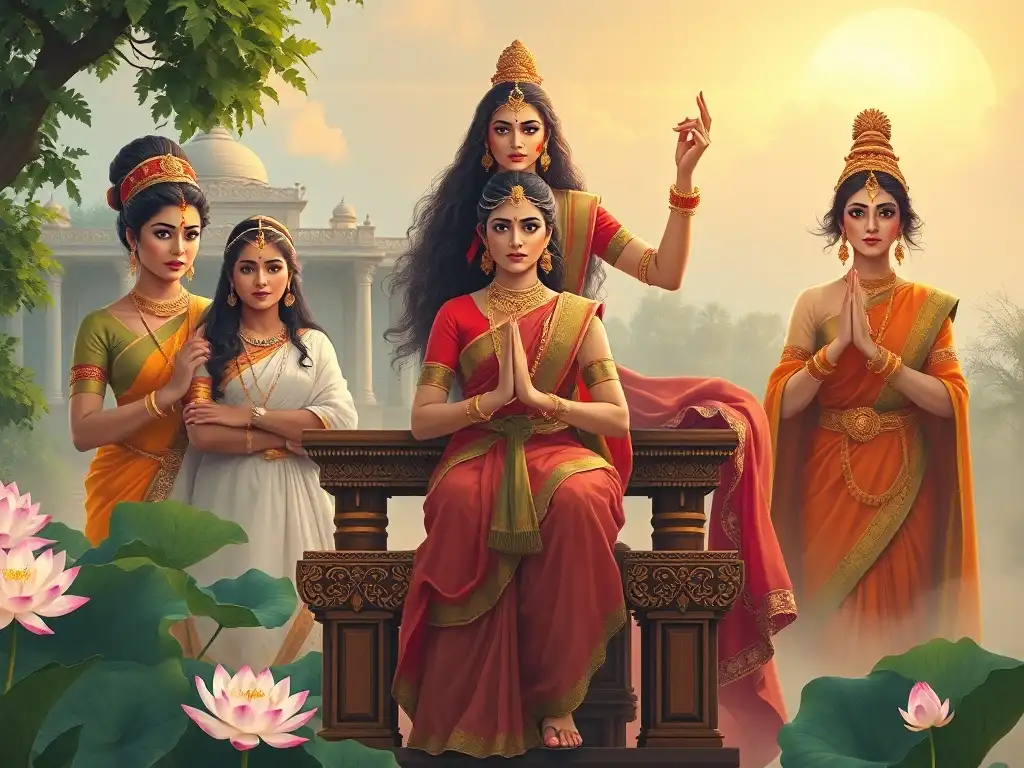
The Mahabharata, one of the greatest epics of ancient India, is not just a tale of war and strategy; it is also a profound exploration of human relationships, ethics, and morality. The women in this epic play pivotal roles that impart vital lessons about strength, resilience, and wisdom. Through their experiences, the female characters reveal the complexities of duty, sacrifice, and the consequences of choices made in the context of familial and societal expectations.
Moral and Ethical Teachings from Key Female Figures
Key female figures in the Mahabharata, such as Draupadi, Kunti, and Gandhari, embody moral and ethical teachings that transcend time. Draupadi, for instance, symbolizes the struggle against injustice and the importance of standing up for oneself and others. Her famous phrase, "I am not a slave," during her disrobing in the Kaurava court, highlights the significance of dignity and self-respect.
Kunti, the matriarch of the Pandavas, showcases the virtues of sacrifice and loyalty. Her decisions, particularly in the face of hardship, reflect the complexities of motherhood and the responsibilities that come with it. Gandhari, on the other hand, represents the themes of loyalty and the burden of blind allegiance, as she chooses to support her sons despite their wrongdoings.
These characters collectively teach us about the intricate balance between personal desires and ethical obligations, emphasizing that true strength lies in the ability to make difficult choices for the greater good.
The Impact of Women on Family Dynamics and Relationships
Women in the Mahabharata significantly influence family dynamics and relationships within their respective households. Their actions often serve as catalysts for pivotal events in the epic. For instance, Draupadi's marriage to the five Pandavas creates a unique familial structure that challenges traditional norms, allowing for a discussion on polyandry and its implications in society.
Kunti's relationships with her sons exemplify the complexities of familial loyalty and love. Her guidance and support shape the destinies of the Pandavas, illustrating the crucial role mothers play in nurturing the values and character of their children. Additionally, the bond between Gandhari and her sons illustrates the tragic consequences of favoritism and the extent of a mother's influence on her children's decisions.
The portrayal of these relationships highlights the importance of women's roles in maintaining harmony and integrity within families, as well as the potential repercussions of neglecting these dynamics.
Relevance of Women’s Roles in Contemporary Society
The roles of women depicted in the Mahabharata remain relevant in contemporary society. The challenges faced by characters like Draupadi resonate with modern discussions on gender equality and women's rights. Her struggles against patriarchal structures encourage contemporary women to advocate for their rights and assert their identities.
Moreover, the moral dilemmas presented by female characters prompt reflection on ethical decision-making in today's world. The lessons derived from their experiences encourage individuals to consider the impact of their choices on others, reinforcing the idea that ethical leadership begins at home.
In a world where women continue to fight for recognition and equality, the narratives of the Mahabharata serve as a source of inspiration, demonstrating that strength, resilience, and moral integrity are timeless virtues.
Conclusion: The Enduring Legacy of Women in the Mahabharata
The legacy of women in the Mahabharata is profound and enduring, highlighting their vital contributions to the narrative and their roles as moral compasses within the epic. These characters exemplify the complexity of human emotions, ethical dilemmas, and the strength of spirit necessary to navigate life's challenges.
Reflection on the Significance of Female Characters in Ancient Indian Literature
The female characters in the Mahabharata are not mere side figures; they are integral to the plot and themes of the epic. Their significance lies in the depth of their characterizations, which challenge stereotypes and redefine the roles of women in literature. They embody the struggles, aspirations, and resilience of women in ancient India, making them relatable across generations.
This portrayal encourages a deeper understanding of the cultural and social dynamics of the time, revealing how women's experiences were shaped by and, in turn, shaped the society around them. Their stories prompt a reevaluation of the representation of women in ancient texts, urging contemporary society to recognize and honor these narratives.
The Continuing Influence of Women from the Mahabharata in Modern Culture
The influence of women from the Mahabharata extends beyond literature into various aspects of modern culture. Their stories inspire countless adaptations in film, theater, and art, reflecting the timelessness of their struggles and triumphs. Contemporary works often draw parallels between these characters and modern-day issues, emphasizing themes of empowerment, justice, and resilience.
Moreover, the discussions surrounding these characters foster a greater awareness of gender issues, encouraging dialogue about the role of women in society today. As we continue to engage with the narratives of the Mahabharata, the lessons derived from its female characters remain a powerful testament to their significance in both ancient and modern contexts.
References and Further Reading on Women in Mahabharata Significance
The Mahabharata, one of the longest epics in world literature, serves as a profound exploration of the roles and significance of women in ancient Indian society. The characters within the epic are not merely side figures; they are pivotal to the unfolding of the narrative and embody various aspects of strength, resilience, and moral dilemmas. To understand the depth of these characters and their contributions, a variety of resources are available for further reading and exploration.
Recommended Books and Articles
- "Women in the Mahabharata: The Role and Representation" by N. S. Raghavan
- This book delves into the various female characters of the Mahabharata, analyzing how their roles reflect the societal norms and cultural values of their time. Raghavan provides a critical examination of their significance in shaping the narrative.
- "The Mahabharata: A Modern Rendering" by Ramesh Menon
- Menon’s modern retelling of the Mahabharata brings the epic's female characters to the forefront, showcasing their strength and agency. The book serves as an accessible introduction to the epic while emphasizing women's roles.
- "The Women of the Mahabharata" by Kamala Subramanian
- This insightful work focuses exclusively on the women of the Mahabharata, highlighting their contributions and struggles. Subramanian’s analysis unveils the complexity of female narratives within the epic.
- "Gender and Power in the Mahabharata" by R. S. Sharma
- This article explores the intersection of gender and power dynamics among the characters in the Mahabharata. Sharma discusses how these dynamics influence the epic's events and the portrayal of women.
- "Epic Women: The Role of Women in the Mahabharata" by Aditi Iyer
- Iyer’s research paper examines the multifaceted roles of women in the Mahabharata, emphasizing their agency, struggles, and contributions to the epic’s overarching themes.
Online Resources for Deeper Understanding
- The Mahabharata Project: An online initiative that provides translations, commentaries, and analyses of the Mahabharata. It includes sections dedicated to female characters, offering insights into their significance within the epic.
- Indian Mythology and Women: A blog series that focuses on female figures in Indian mythology, including those from the Mahabharata. It provides interpretations and modern perspectives on these characters.
- YouTube Lectures and Documentaries: Various scholars and educators offer lectures and documentaries discussing the significance of women in the Mahabharata. Channels such as "Epic India" and "Cultural Journeys" feature engaging content on this subject.
- Academic Journals: Journals such as the Journal of Asian Studies and The Indian Historical Review often publish articles focusing on gender studies and the portrayal of women in Indian epics, including the Mahabharata.
These resources provide a comprehensive foundation for anyone interested in exploring the profound significance of women in the Mahabharata, allowing readers to appreciate their crucial roles in shaping the epic's narrative and themes.
- Introduction to Women in Mahabharata Significance
- Key Female Figures in the Mahabharata
- The Role of Women in Shaping the Narrative
- Symbolism and Representation of Women
- Lessons from Women in the Mahabharata
- Conclusion: The Enduring Legacy of Women in the Mahabharata
- References and Further Reading on Women in Mahabharata Significance
- What is the significance of women in the Mahabharata?
- Who are some of the prominent female characters in the Mahabharata?
- How does Draupadi's character influence the events of the Mahabharata?
- What role do female characters play in the moral lessons of the Mahabharata?
- How does the portrayal of women in the Mahabharata reflect ancient Indian society?
Frequently Asked Questions
What is the significance of women in the Mahabharata?
The women in the Mahabharata play a crucial role in shaping the narrative and themes, showcasing strength, wisdom, and agency in a patriarchal society.
Who are some of the prominent female characters in the Mahabharata?
Key figures include Draupadi, Kunti, and Gandhari, each contributing to the epic's moral and ethical dilemmas, thus highlighting the complexity of their roles.
How does Draupadi's character influence the events of the Mahabharata?
Draupadi's strength and resilience in the face of adversity serve as a catalyst for major events, including the Kurukshetra War, making her a pivotal character in the epic.
What role do female characters play in the moral lessons of the Mahabharata?
Women in the Mahabharata often embody virtues and values, such as loyalty and sacrifice, offering important moral lessons about duty and righteousness.
How does the portrayal of women in the Mahabharata reflect ancient Indian society?
The portrayal of women reveals the complexities of gender roles in ancient India, highlighting their strength and influence while also critiquing societal norms.
Final Reflection: The Enduring Significance of Women in the Mahabharata
The stories of women in the Mahabharata are not just relics of ancient literature; they resonate profoundly with contemporary discussions on gender equality and empowerment. As we navigate a world still grappling with issues of representation and voice, the powerful narratives of characters like Draupadi and Kunti remind us of the strength and resilience that women have exhibited throughout history. Their struggles and triumphs are not merely tales of the past; they are a call to acknowledge and celebrate the pivotal roles women play in shaping society.
The influence of these female characters extends far beyond the pages of the epic; they serve as archetypes that continue to inspire and challenge societal norms today. The Mahabharata's portrayal of women invites us to reflect on the complexities of their experiences, urging us to recognize the multifaceted roles they occupy in both myth and reality.
As noted by scholar Devdutt Pattanaik, ">The Mahabharata is not just a story of war; it is a story of relationships, and women are at the heart of these relationships." This insight underscores the vital importance of women's narratives in understanding the broader human experience.
As we conclude our exploration of the significance of women in the Mahabharata, I invite you to reflect on how these stories can inspire action in your own life. Consider the lessons of courage, agency, and resilience that these characters embody. How can you apply their strength to confront challenges in your own journey? By embracing the wisdom of these legendary figures, we can contribute to a more equitable world, ensuring that the voices of women continue to shape our narratives and our futures.
Unveil the Strength of Women in the Mahabharata!
Thank you for immersing yourself in the powerful narratives of women who shaped the Mahabharata. As you reflect on their resilience and wisdom, consider how you can celebrate these strong characters in your own life.
Here’s how you can take the next steps:
- Dive Deeper: Choose a female character from the Mahabharata and explore her story further through various resources like books or documentaries.
- Share Your Insights: Engage in a conversation with friends or family about how these characters resonate with the challenges we face today.
- Join a Community: Connect with others who appreciate these epic tales by participating in online forums or local interest groups that focus on Indian mythology.
What lessons from the women of the Mahabharata do you believe can inspire change in today’s world? **We invite you to share your thoughts with us! **