
Ancient Indian Roads: The Engineering Behind Trade Routes

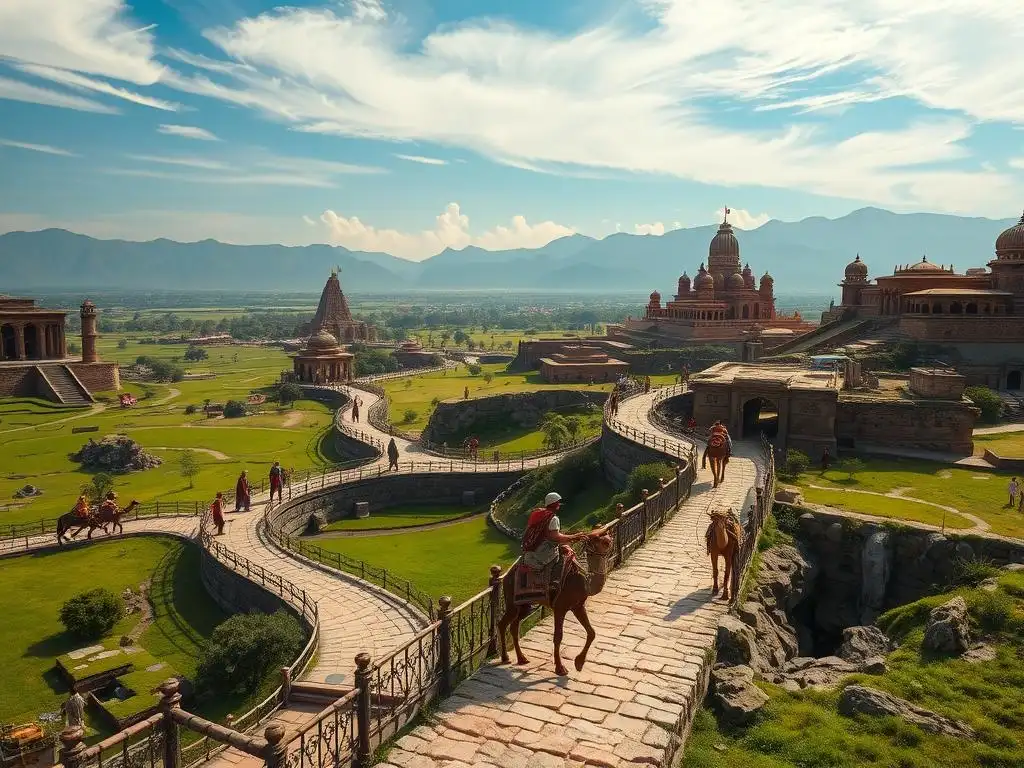
Welcome to Ancient India History, where we embark on an exhilarating journey through the labyrinth of time, uncovering the rich tapestry of India's ancient civilizations. In our featured article, “Ancient Indian Roads: The Engineering Behind Trade Routes”, we delve into the ingenious innovations that shaped the trade routes of yore, revealing how skilled engineers transformed landscapes into vibrant channels of commerce. What secrets do these ancient pathways hold, and how did they influence the flourishing cultures of the time?
Join us as we explore the remarkable achievements that not only connected distant lands but also laid the foundations for the prosperous society we know today. Keep reading to discover the fascinating world of ancient Indian trade route engineering!
Introduction to Ancient Indian Trade Route Engineering
The intricate web of trade routes that spanned ancient India is a testament to the advanced engineering and construction techniques employed by its civilizations. From the bustling markets of the Indus Valley to the flourishing trade networks of the Gupta Empire, ancient Indian trade route engineering played a pivotal role in facilitating commerce, cultural exchange, and economic prosperity across the subcontinent. This article delves into the remarkable engineering feats that enabled these trade routes, exploring their historical significance and impact on the growth of ancient Indian society.
Overview of Ancient Indian Trade Routes
The trade routes of ancient India were not merely pathways; they were vital arteries that connected diverse regions, cultures, and economies. These routes can be categorized into:
- Land Routes:
- Silk Road Connections: Facilitating trade between India and Central Asia.
- Royal Highways: Well-constructed roads that linked major cities and trade centers.
- Maritime Routes:
- Coastal Trade: Navigating the Arabian Sea and the Bay of Bengal.
- Ports: Key trade hubs such as Lothal and Sopara that supported maritime commerce.
The movement of goods such as spices, textiles, precious metals, and agricultural products fostered not only economic relationships but also cultural and technological exchanges with neighboring regions.
Importance of Engineering in Trade
Engineering was crucial in creating and maintaining these trade routes. Key aspects include:
- Road Construction:
- Use of durable materials and techniques to ensure longevity.
- Construction of bridges, embankments, and drainage systems to tackle varying terrains.
- Urban Planning:
- Development of cities around trade hubs with proper infrastructure.
- Designed marketplaces and storage facilities for goods.
- Water Management:
- Building canals and reservoirs to support agriculture and trade.
- Ensuring accessibility and sustainability for trade activities.
The innovations in engineering directly contributed to the efficiency and safety of trade, making ancient India a hub of commerce in the ancient world.
Historical Context of Trade Routes in Ancient India
Understanding the evolution of trade routes in ancient India requires examining the contributions of various civilizations that laid the groundwork for these intricate systems.
The Indus Valley Civilization and Early Trade
The Indus Valley Civilization (circa 3300–1300 BCE) was one of the earliest urban cultures in the world, showcasing advanced urban planning and engineering. Key features include:
- Grid Layout of Cities: Cities like Harappa and Mohenjo-Daro were meticulously planned with a grid system, facilitating ease of movement and trade.
- Trade with Mesopotamia: Evidence of trade links with Mesopotamia, exchanging goods like cotton and pottery, highlights their engineering prowess in transport and storage.
Contributions of the Maurya Empire to Trade Infrastructure
The Maurya Empire (322–185 BCE) marked a significant period in the development of trade routes, with notable contributions such as:
- Expansion of Road Networks: The construction of the Grand Trunk Road enhanced connectivity across northern India.
- Standardization of Weights and Measures: This facilitated fair trade practices and improved commercial activities.
The Mauryan emperors recognized the importance of trade for economic stability and actively invested in infrastructure to support it.
The Gupta Empire and Expansion of Trade Networks
The Gupta Empire (circa 240–550 CE) further expanded the trade networks established by earlier civilizations. Key developments during this period include:
- Cultural and Economic Flourishing: The Gupta period is often referred to as the "Golden Age" of India, marked by advancements in science, literature, and trade.
- Maritime Trade Expansion: Enhanced naval capabilities allowed for increased trade with Southeast Asia, leading to cultural exchanges and the spread of Indian culture.
The engineering behind the trade routes during the Gupta Empire not only bolstered economic prosperity but also played a crucial role in the cultural diffusion that characterized this era.
The engineering of ancient Indian trade routes was a foundational element in the growth of its civilizations, reflecting the ingenuity and adaptability of its people. Through examining these historical contexts and engineering accomplishments, we gain insight into the significance of ancient Indian trade route engineering in shaping the subcontinent's rich history.
Key Features of Ancient Indian Trade Route Engineering

Ancient Indian trade route engineering was characterized by several remarkable features that facilitated trade, cultural exchange, and communication across vast distances. One of the most significant aspects was the careful planning and layout of roads, which often followed natural topography to minimize construction challenges. These routes were designed to connect major urban centers, ports, and trade hubs, making them essential arteries of commerce.
Another key feature was the use of durable materials for road construction, such as stone and laterite, allowing for longevity and resilience against weather and wear. Furthermore, the engineering techniques employed often included drainage systems to manage monsoon rains, ensuring that roads remained usable year-round. The incorporation of waystations and rest stops along these routes provided travelers with necessary amenities, enhancing the overall functionality of the trade networks.
Road Construction Techniques and Materials
The construction of ancient Indian roads employed various techniques that reflected the region's engineering prowess. The most common method involved the use of a layered approach, where a solid base of large stones was laid down, followed by finer aggregates to create a smooth surface. This method not only provided durability but also facilitated better drainage, which was crucial given the diverse climatic conditions across the subcontinent.
Materials used in road construction varied based on regional availability. In many areas, stone was the primary material, particularly in northern regions, where granite and sandstone were commonly utilized. In contrast, southern India often saw the use of laterite, a soil-rich material that became hard when exposed to air, making it suitable for road surfaces. Additionally, the incorporation of compacted earth in certain regions showcased the resourcefulness of ancient engineers in utilizing local materials.
Innovations in Bridge Building for Trade Efficiency
Ancient Indian engineers made significant strides in bridge building, enhancing trade route efficiency and connectivity. Notable innovations included the development of arched bridges, which allowed for the crossing of rivers and streams without obstructing water flow. These bridges were often constructed using locally sourced stone and were designed to withstand the forces of water during monsoon seasons.
In addition to arched bridges, the use of wooden support structures was common in areas where stone was less accessible. These wooden bridges facilitated trade by allowing merchants and travelers to cross challenging terrains easily. The ingenuity of ancient Indian engineers in bridge design not only improved trade logistics but also contributed to the cultural exchange that flourished along these routes.
Use of Signaling Systems and Waystations

To support the extensive trade networks, ancient Indian civilizations implemented signaling systems and waystations strategically positioned along major routes. These waystations served as rest areas for traders and their animals, often equipped with food, water, and shelter. They played a crucial role in ensuring the safety and comfort of travelers, which in turn promoted trade efficiency.
Signaling systems, which included visual signals such as flags or smoke, were used to communicate between waystations and trading posts. This communication was vital for coordinating the movement of goods and for providing warnings of potential dangers, such as banditry or adverse weather conditions. Together, these systems enhanced the overall safety and reliability of ancient Indian trade routes.
Major Trade Routes of Ancient India
The landscape of ancient Indian trade routes was marked by several major pathways that facilitated not only economic exchanges but also cultural interactions. These routes were critical in connecting different regions of the subcontinent and extending trade networks to neighboring countries.
North-South Trade Routes: Pathways of Prosperity
The North-South trade routes were vital for the exchange of goods between the northern plains and the southern regions of India. These routes often linked prominent cities like Pataliputra in the north with ports such as Kanyakumari in the south. Major commodities traded along these routes included spices, textiles, and precious stones, contributing to the economic prosperity of the regions involved.
The engineering of these routes took into account the varied topography, with paths winding through plains, hills, and forests. The presence of waystations along the way ensured the efficient movement of goods and facilitated cultural exchanges between diverse communities inhabiting these regions.
East-West Trade Routes: Cultural Exchange and Commerce
The East-West trade routes connected the eastern coastal regions, such as Bengal, with the western trade hubs, including Gujarat and the Arabian Sea ports. These routes were not only instrumental in the exchange of goods like silk, ivory, and pottery but also played a significant role in cultural diffusion, with travelers sharing ideas, religions, and art forms.
Engineering innovations along these routes included the construction of well-planned roads and bridges that could withstand the rigors of trade. The significance of these routes is evident in the historical texts that document the bustling trade activities and the cultural richness that emerged from these exchanges.
Coastal Trade Networks: Maritime Engineering Advances
Ancient India's coastal trade networks were enhanced by maritime engineering advancements that enabled safe navigation and efficient transport of goods across the seas. Ports such as Lothal and Mandvi became key trading hubs, facilitating trade not only within India but also with distant regions like Mesopotamia and East Africa.
The development of sophisticated shipbuilding techniques allowed for the construction of vessels capable of carrying large cargoes. These maritime routes complemented the overland trade networks, creating a comprehensive system of commerce that significantly contributed to the economic and cultural fabric of ancient Indian society. The engineering behind these coastal routes demonstrated the ingenuity and adaptability of ancient Indian civilizations in harnessing their geographic advantages for trade.
The Role of Geography in Trade Route Engineering
Geography played a crucial role in the engineering of ancient Indian trade routes, as the topography, climate, and available resources significantly influenced road design and construction techniques. Ancient Indian civilizations had to adapt their engineering solutions to the diverse landscapes, ranging from the fertile plains of the Indus Valley to the rugged terrains of the Himalayas. Understanding the geographical context allowed engineers to determine the most efficient paths that facilitated trade while minimizing travel time and costs.
The presence of natural resources also dictated the materials used for road construction. For instance, in regions abundant with stone, such as the Deccan plateau, stone roads were prevalent. Conversely, in areas with rich soil, earthen roads were more common, showcasing how trade route engineering was intrinsically linked to the available geographical resources.
Impact of Terrain on Road Construction
The varied terrains of ancient India significantly impacted the engineering and construction of trade routes. Plains allowed for relatively straightforward road layouts, while hilly or mountainous regions required more intricate engineering solutions, such as switchbacks and retaining walls.
- Plains: Broad, flat regions facilitated the construction of straight roads, optimizing travel efficiency. The fertile Gangetic plains, for instance, supported robust trade networks due to their accessibility.
- Hills and Mountains: Engineers had to employ innovative techniques to navigate steep slopes. This included the use of terracing, which not only stabilized roads but also minimized erosion.
- Deserts: In arid regions like the Thar Desert, trade routes often followed natural features, such as dry riverbeds, to avoid the harsh conditions and ensure water sources were accessible for travelers and pack animals.
These adaptations illustrate the ingenuity of ancient engineers who designed roads that respected and utilized the natural landscape.
Navigating Rivers and Mountains: Engineering Challenges
Ancient Indian engineers faced formidable challenges in navigating rivers and mountains. Rivers required the construction of bridges, which were often made from locally available materials like wood and stone. Notable engineering techniques included:
- Cantilever Bridges: These were constructed to extend over water without needing support from below, allowing for easier passage across rivers.
- Fords: In some locations, shallow river crossings were utilized, enabling trade caravans to pass during dry seasons.
Mountains posed additional challenges, necessitating the creation of winding roads that reduced the slope's steepness. Techniques such as using stone steps and retaining walls were common, ensuring roads remained stable and safe for travel. The engineering feats achieved in these challenging environments not only facilitated trade but also showcased the advanced understanding of materials and mechanics possessed by ancient Indian engineers.
Case Studies of Notable Ancient Trade Routes
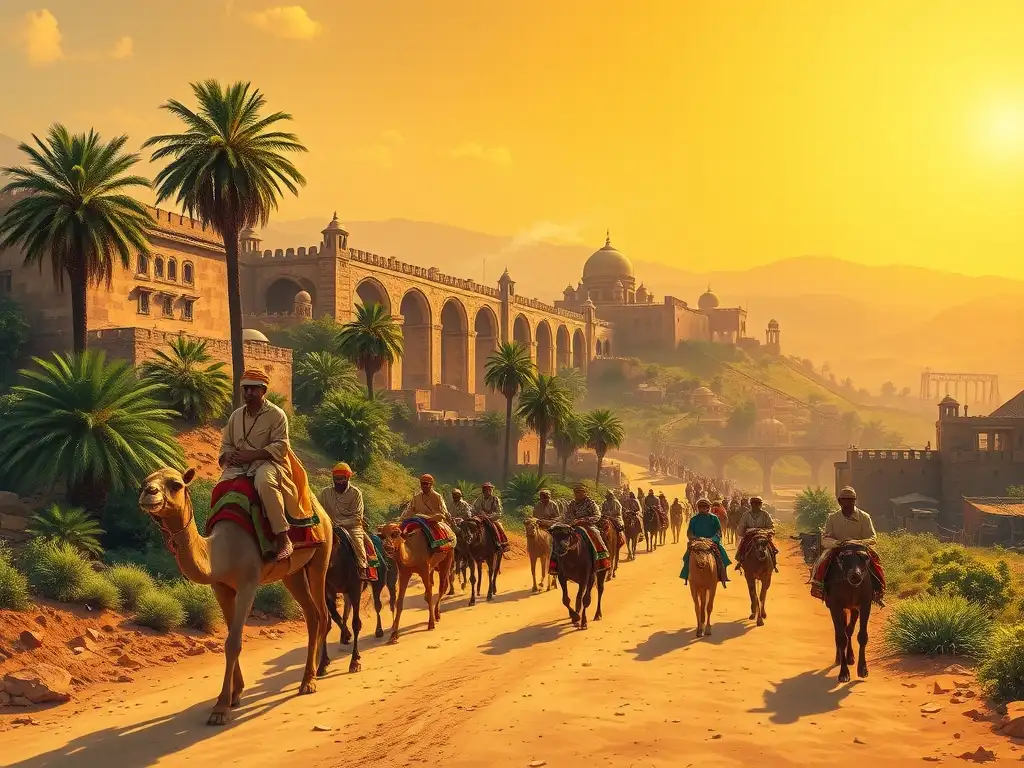
The engineering behind ancient Indian trade routes can be exemplified through various historical case studies. These routes not only facilitated commerce but also contributed to cultural exchanges and the spread of ideas.
The Grand Trunk Road: Engineering Marvel of Its Time
The Grand Trunk Road, one of the oldest and longest major roads in Asia, showcases remarkable ancient Indian trade route engineering. Stretching over 2,400 kilometers, it connected eastern India to the northwestern frontier, traversing diverse terrains, including plains and rugged hills.
- Construction Techniques: Built using locally sourced materials, the road incorporated layers of gravel, stone, and clay to enhance durability and reduce wear from heavy traffic.
- Cultural Significance: Beyond its engineering prowess, the Grand Trunk Road facilitated cultural exchange, allowing different civilizations to interact, share ideas, and engage in trade.
The road's enduring legacy is evident today, as it remains a vital artery for transportation and commerce in modern India, reflecting the advanced engineering practices of its creators.
The Silk Road: India's Role in Global Trade
While the Silk Road is often associated with China, India played a crucial role in this extensive trade network, contributing to the exchange of goods, culture, and technology.
- Trade Exchanges: Indian merchants were pivotal in the trade of spices, textiles, and precious stones, which were highly sought after along the Silk Road.
- Engineering Connections: India’s strategic location facilitated the establishment of trade routes that connected to the broader Silk Road network, necessitating the construction of well-engineered roads, caravanserais, and trading posts.
The engineering behind these routes not only bolstered India’s economy during ancient times but also established it as a vital participant in global trade, influencing commerce across continents.
Through these case studies, it is clear that ancient Indian trade route engineering was not merely about constructing roads; it was about creating pathways that fostered connection, commerce, and cultural integration across vast landscapes.
The Legacy of Ancient Indian Trade Route Engineering
The engineering behind ancient Indian trade routes is a remarkable testament to the ingenuity and foresight of early Indian civilizations. These routes, which included well-constructed roads, bridges, and caravanserais, played a pivotal role in facilitating trade, cultural exchange, and socio-economic development across the subcontinent. One of the most notable examples is the Grand Trunk Road, which dates back to the Mauryan Empire and has evolved over centuries, showcasing the advancements in road construction techniques.
The ancient trade routes were meticulously planned to connect major cities and ports, enabling merchants to transport goods such as spices, textiles, and precious stones. This extensive network not only stimulated local economies but also integrated diverse cultures, leading to a rich tapestry of Indian heritage. The engineering principles applied in constructing these routes included the use of durable materials, strategic route selection to avoid natural obstacles, and the establishment of waystations that provided rest and shelter for travelers.
The legacy of these trade routes is evident in the continued use and adaptation of their paths in modern times, highlighting the enduring impact of ancient Indian trade route engineering on the infrastructure of today.
Influence on Modern Road Networks in India
The influence of ancient Indian trade route engineering on modern road networks is profound and multifaceted. Many contemporary highways and roads in India trace their origins back to these ancient pathways, which were designed with consideration for geographic and climatic conditions. For instance, the Grand Trunk Road remains one of the most vital transportation arteries in India, serving as a primary route for trade and travel between the northern and eastern regions.
Modern engineers often study these ancient techniques to enhance current road construction practices. The use of local materials, knowledge of land topography, and an understanding of sustainable practices that ancient engineers employed are increasingly recognized as valuable lessons in contemporary civil engineering. Furthermore, the alignment of roads to minimize environmental impact, a principle evident in ancient engineering, continues to inform modern construction techniques.
The legacy is also reflected in the ongoing efforts to upgrade and maintain these historic routes, integrating ancient wisdom with modern technology to ensure safe and efficient transportation.
Preservation of Historical Trade Routes as Cultural Heritage
The preservation of historical trade routes is essential for maintaining the cultural heritage of ancient India. These routes are not merely pathways for trade; they encapsulate stories of commerce, cultural exchanges, and interactions among diverse communities. Efforts to preserve sites along these ancient trade routes, such as old caravanserais and waystations, contribute to the understanding of historical trade dynamics and the cultural significance of these areas.
Organizations and governmental bodies have undertaken initiatives to mark and protect these routes as cultural heritage sites. Such preservation efforts not only safeguard the physical remnants of ancient engineering but also promote awareness and appreciation of India's rich history. Educational programs and heritage tourism initiatives have sprung up around these routes, providing opportunities for people to engage with the past and understand the historical context of trade in ancient India.
The conservation of these routes also plays a crucial role in fostering local identities and pride, as communities recognize their connections to ancient traditions and histories.
Conclusion: The Significance of Ancient Indian Trade Route Engineering
The significance of ancient Indian trade route engineering extends beyond mere historical interest; it reflects the innovative spirit and adaptability of ancient Indian civilizations. The engineering feats achieved in constructing and maintaining these routes laid the groundwork for trade and cultural interactions that shaped the subcontinent's socio-economic landscape.
Ancient Indian trade routes were not only vital for commerce but also served as conduits for the exchange of ideas, religions, and technologies, contributing to the rich cultural fabric of India. The engineering techniques developed during this era continue to inspire modern infrastructure projects, emphasizing the timeless relevance of these ancient practices.
Reflection on Engineering Techniques and Trade Impact
Reflecting on the engineering techniques employed in ancient Indian trade routes reveals a sophisticated understanding of logistics, geography, and material science. Ancient engineers utilized local resources and adapted to environmental challenges, creating routes that were durable and efficient. The impact of these trade routes on local economies was significant; trade flourished, leading to the growth of cities and the emergence of a vibrant merchant class.
Moreover, the trade routes facilitated the exchange of not only goods but also ideas, contributing to cultural and intellectual advancements. The integration of diverse communities through trade fostered a spirit of collaboration and innovation that has left a lasting legacy in Indian society.
Future Research Directions in Ancient Indian Engineering Studies
Future research directions in ancient Indian engineering studies should focus on interdisciplinary approaches that combine archaeology, history, and modern engineering principles. Investigating the technological advancements utilized in ancient trade route construction can provide insights into sustainable infrastructure practices relevant today.
Additionally, exploring the socio-economic impacts of these routes on different regions can shed light on the complexities of ancient trade networks and their influence on the development of Indian civilization. Utilizing modern technologies such as GIS and remote sensing can enhance our understanding of the geographical scope and significance of these ancient routes.
Furthermore, promoting public engagement through educational initiatives and heritage conservation programs can foster greater appreciation for the engineering achievements of ancient India, ensuring that this rich legacy continues to inspire future generations.
- Introduction to Ancient Indian Trade Route Engineering
- Overview of Ancient Indian Trade Routes
- Importance of Engineering in Trade
- Historical Context of Trade Routes in Ancient India
- Key Features of Ancient Indian Trade Route Engineering
- Road Construction Techniques and Materials
- Innovations in Bridge Building for Trade Efficiency
- Use of Signaling Systems and Waystations
- Major Trade Routes of Ancient India
- The Role of Geography in Trade Route Engineering
- Case Studies of Notable Ancient Trade Routes
- The Legacy of Ancient Indian Trade Route Engineering
- Conclusion: The Significance of Ancient Indian Trade Route Engineering
Frequently Asked Questions
What were the main trade routes in ancient India?
Ancient India had several significant trade routes, including the Silk Road and the Grand Trunk Road, which facilitated the exchange of goods, culture, and ideas with neighboring civilizations.
How did engineering contribute to ancient Indian trade routes?
The engineering behind ancient Indian trade routes involved the construction of well-planned roads, bridges, and rest houses, which ensured smooth transportation and boosted trade efficiency across the subcontinent.
What role did the Indus Valley civilization play in trade?
The Indus Valley civilization established early trade networks with Mesopotamia, showcasing advanced urban planning and engineering techniques that supported commerce and cultural exchange.
How did the Gupta Empire influence trade in ancient India?
The Gupta Empire enhanced trade by improving infrastructure, promoting the use of coinage, and establishing a stable economy that attracted merchants from various regions, boosting both domestic and international trade.
What were some key goods traded along ancient Indian routes?
Ancient Indian trade routes facilitated the exchange of spices, textiles, precious stones, and metals, which were highly sought after in both domestic and international markets.
Final Reflection: The Enduring Legacy of Ancient Indian Trade Route Engineering
The intricate engineering of ancient Indian trade routes not only facilitated commerce but also fostered cultural exchange and connectivity across vast distances. Today, as we navigate a world increasingly defined by globalization, the lessons from these ancient pathways remind us of the importance of infrastructure in shaping societies and economies. The ingenuity of our ancestors in creating these routes serves as a powerful testament to human innovation and collaboration.
The influence of ancient Indian trade route engineering continues to resonate in our modern world, highlighting the significance of connectivity in fostering relationships and economic growth. The routes established centuries ago were not merely pathways for goods; they were conduits for ideas, cultures, and technologies. As we reflect on this legacy, we are reminded of the words of Mahatma Gandhi: The best way to find yourself is to lose yourself in the service of others.
This sentiment echoes the spirit of cooperation and mutual benefit that characterized ancient trade, urging us to recognize the interconnectedness of our global community.
As we look to the future, let us embrace the lessons of the past and strive to build our own "roads" that connect us to one another. Consider how you can contribute to fostering connections in your own life—whether through collaboration, cultural exchange, or simply by being open to new ideas. The engineering of ancient Indian trade routes teaches us that the pathways we create today can lead to a more unified and prosperous tomorrow.
Unveil the Secrets of Ancient Trade!
Thank you for immersing yourself in the fascinating world of ancient Indian roads! You’ve uncovered insights into the remarkable engineering that facilitated trade and cultural exchange throughout history. Now, take the next step to deepen your understanding and engage with this rich topic.
- Dive deeper into ancient road engineering by exploring related articles on our site for a broader context.
- Share your newfound knowledge with friends and family! Consider initiating a discussion about how these routes shaped not just commerce, but the very fabric of society.
- Join our community! Participate in forums where you can connect with others who share your passion for ancient history.
Which aspect of ancient trade routes captivates you the most, and how do you believe they have influenced contemporary commerce?