
The Legacy of Ancient Indian Engineering: Transforming Cities for Future Generations

Welcome to Ancient India History, where we embark on a fascinating journey through time to uncover the rich tapestry of ancient Indian civilizations. As we delve into the legacy of ancient Indian engineering achievements, prepare to be amazed by the ingenuity and innovation that transformed cities and laid the groundwork for future generations.
From the meticulous planning of the Indus Valley cities to the architectural marvels of the Gupta Empire, each story reveals a profound connection between culture and technology. Join us as we explore these remarkable contributions that continue to inspire and intrigue, inviting you to dig deeper into the remarkable past of one of the world's oldest cultures.
Introduction to Ancient Indian Engineering Achievements
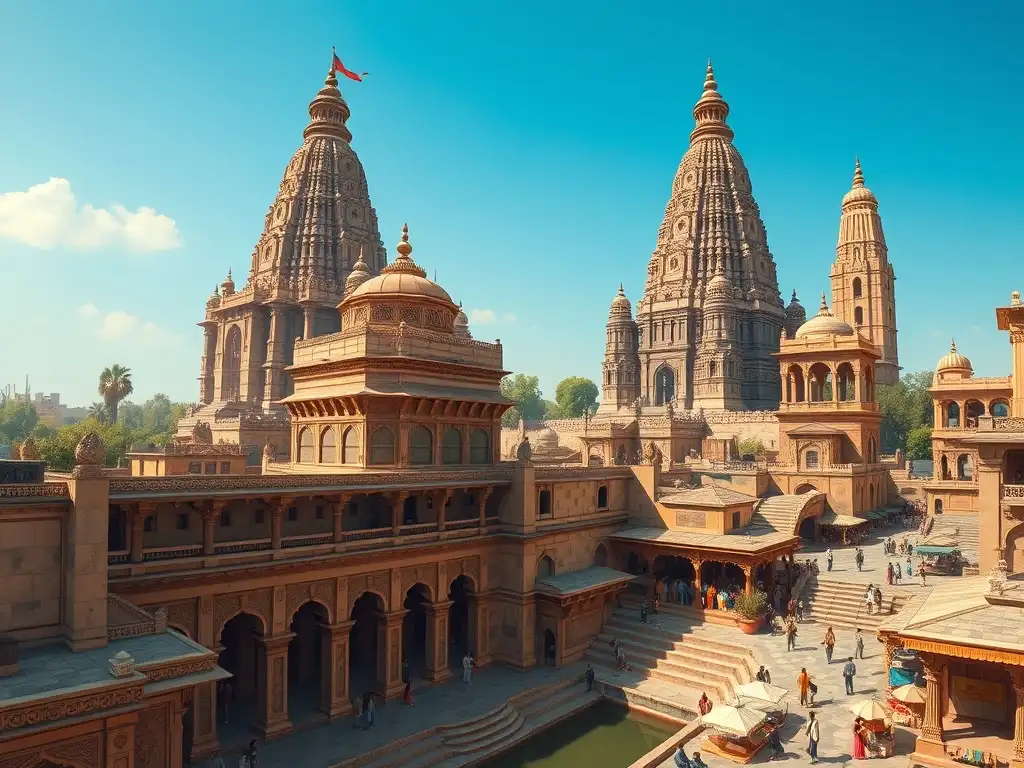
The legacy of ancient Indian engineering is a testament to the ingenuity and creativity of civilizations that flourished on the Indian subcontinent thousands of years ago. From the meticulous urban planning of the Indus Valley Civilization to the architectural marvels of monumental temples and forts, ancient Indian engineering achievements reflect a deep understanding of both natural environments and human needs.
This rich heritage not only transformed cities and landscapes but also laid the groundwork for modern engineering practices. By exploring these remarkable accomplishments, we can appreciate how ancient Indian engineers skillfully combined aesthetics, functionality, and sustainability, thereby creating cities that resonate with innovation and foresight.
Key Ancient Indian Engineering Achievements
Ancient Indian engineering encompasses a wide range of achievements that have significantly influenced urban development and infrastructure. Below, we delve into some of the most notable accomplishments that showcase the brilliance of ancient Indian engineers.
Urban Planning of the Indus Valley Civilization
The Indus Valley Civilization, which thrived around 2500 BCE, is often regarded as one of the earliest examples of urban planning in human history. Key features of this civilization's engineering prowess include:
- Grid Layout: Cities such as Mohenjo-Daro and Harappa were designed with a grid-like pattern, indicating advanced planning and organization.
- Drainage Systems: The sophisticated drainage systems featured covered drains that ran along major streets, demonstrating a keen awareness of hygiene and sanitation.
- Standardized Brick Sizes: The use of uniformly sized baked bricks facilitated construction and contributed to the structural integrity of buildings.
These features not only highlight the innovative spirit of ancient engineers but also suggest an organized society capable of complex planning.
Architectural Marvels of Ancient India
Ancient India is renowned for its architectural feats, which vary from intricate temples to grand forts. Some notable examples include:
- The Ajanta and Ellora Caves: These rock-cut caves, dating from the 2nd century BCE to the 6th century CE, showcase exquisite carvings and paintings that reveal the artistic skills and engineering techniques of the time.
- The Brihadeeswarar Temple: Built during the Chola dynasty in the 11th century, this temple features a massive dome and intricate sculptures, exemplifying the height of Dravidian architecture.
- Fatehpur Sikri: A city built in the late 16th century, it features a blend of Hindu and Islamic architectural styles, showcasing advanced construction techniques and aesthetic sensibilities.
These architectural wonders not only served religious and cultural purposes but also demonstrated the engineering capabilities that have influenced generations.
Water Management Systems
Effective water management was crucial for the survival and prosperity of ancient Indian civilizations. Key innovations include:
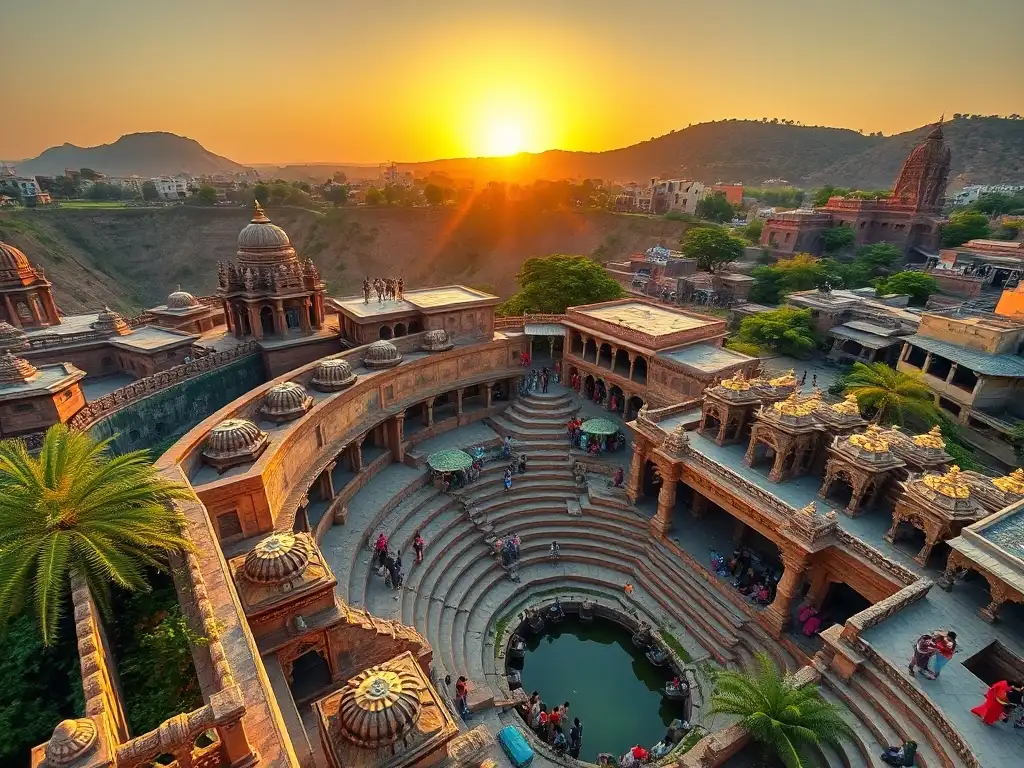
- Stepwells: Ingeniously designed to provide access to groundwater, these structures were built with intricate staircases leading down to the water level. They served both practical and aesthetic purposes.
- Canals and Reservoirs: Ancient engineers constructed extensive irrigation systems that included canals and reservoirs, enabling agriculture to flourish in arid regions.
- Rainwater Harvesting: Techniques for harvesting rainwater were employed to ensure a sustainable water supply, reflecting a deep understanding of environmental resources.
These water management systems played a vital role in sustaining communities, showcasing the foresight and ingenuity of ancient Indian engineers in addressing environmental challenges.
Materials and Techniques in Ancient Indian Engineering
Ancient Indian engineering is celebrated for its innovative use of materials and techniques that not only fulfilled the needs of the time but also laid the groundwork for future advancements. The engineers and architects of ancient India demonstrated a remarkable understanding of local resources, enabling them to create structures that have withstood the test of time. Their expertise encompassed a wide range of materials, including stone, wood, and clay, and they employed various construction techniques that showcased their ingenuity and foresight.
Use of Local Materials
The utilization of locally available materials was a hallmark of ancient Indian engineering. This practice not only ensured sustainability but also reduced transportation costs and time. Some notable local materials included:
- Stone: Different types of stone, such as granite, sandstone, and limestone, were extensively used in monumental architecture, temples, and forts. The use of hard stone ensured durability and resistance to weathering.
- Wood: Regions rich in forests saw the extensive use of timber, which was often carved into intricate designs for pillars and beams in palaces and temples.
- Clay: Clay was a fundamental material in the construction of bricks, pottery, and drainage systems. The Indus Valley Civilization showcased advanced brick-making techniques that included kiln-fired bricks, which contributed to the longevity of their urban structures.
This strategic selection of materials not only reflected the environmental context but also allowed ancient builders to adapt their designs to local climatic conditions, enhancing the overall functionality and aesthetics of their constructions.
Advanced Construction Techniques
The engineering practices of ancient India were not only about materials but also involved sophisticated construction techniques. Some remarkable methods include:
- Urban Planning: Cities like Mohenjo-Daro and Harappa featured meticulously planned grids, with well-defined streets, drainage systems, and public baths, showcasing advanced urban planning principles.
- Load-Bearing Structures: The use of load-bearing arches and domes in temples and forts demonstrated a deep understanding of structural integrity. The famous Brihadeeswarar Temple in Thanjavur is an excellent example, featuring a massive dome that exemplifies this technique.
- Water Management Systems: Ancient Indian engineers excelled in hydraulic engineering, creating complex irrigation systems, step wells, and reservoirs that supported agriculture and urban life. The intricate step wells of Gujarat, such as the Rani Ki Vav, highlight the innovative water management techniques employed.
These advanced techniques not only facilitated the construction of durable structures but also showcased the engineers' ability to harmonize their designs with the surrounding environment.
Influence of Ancient Indian Engineering on Modern Practices
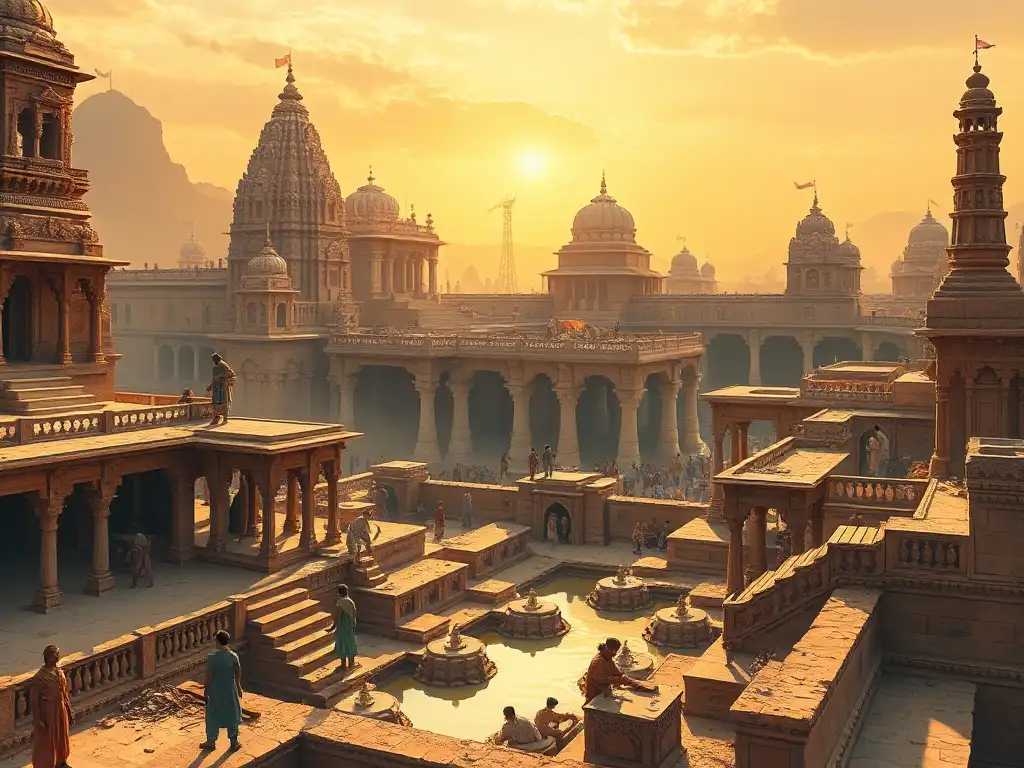
The legacy of ancient Indian engineering continues to resonate in contemporary practices, influencing modern architecture and urban development. The principles and techniques established by ancient engineers serve as a valuable reference for today’s architects and urban planners.
Lessons from Ancient Indian Engineering
Several key lessons emerge from the study of ancient Indian engineering that are relevant to modern practices:
- Sustainability: The use of local materials and techniques that harmonize with the environment can guide contemporary sustainable design practices. Emphasizing eco-friendly materials and energy-efficient designs can benefit both urban and rural settings.
- Urban Resilience: The advanced urban planning of ancient cities demonstrates the importance of resilient infrastructure that can withstand natural calamities. Modern cities can learn from these principles to develop more robust urban frameworks.
- Water Conservation: Ancient innovations in water management, such as rainwater harvesting and efficient drainage systems, provide invaluable insights for addressing current water scarcity issues. Reviving these techniques can promote sustainable water use in urban areas.
Case Studies of Modern Projects Inspired by Ancient Techniques
Several modern projects have drawn inspiration from the engineering achievements of ancient India, leading to innovative designs that respect cultural heritage while addressing contemporary challenges:
- Water Conservation Projects in Rajasthan: Inspired by ancient step wells, modern initiatives in Rajasthan aim to revitalize traditional water harvesting techniques, ensuring sustainable water supply in arid regions.
- Heritage Conservation in Delhi: Restoration projects for ancient structures in Delhi often incorporate traditional construction techniques, utilizing materials and methods that mirror those used by ancient builders. This approach not only preserves heritage but also enhances the aesthetic appeal of urban landscapes.
- Green Building Initiatives: Contemporary architecture increasingly embraces principles of ancient sustainability, incorporating passive solar design and natural ventilation, akin to the strategies used in ancient Indian homes.
These case studies reflect how ancient Indian engineering continues to inform modern practices, ensuring that the wisdom of the past is not lost but rather integrated into the fabric of future urban development.
Conclusion: Preserving the Legacy of Ancient Indian Engineering
The legacy of ancient Indian engineering is a testament to the ingenuity and creativity of civilizations that thrived centuries ago. From the meticulously planned cities of the Indus Valley to the sophisticated architectural marvels of the Gupta Empire, these achievements have laid the groundwork for contemporary urban planning and engineering practices. As we reflect on the monumental contributions of ancient Indian engineers, it becomes crucial to preserve this rich heritage for future generations.
Preservation efforts can take many forms, including:
- Documentation and Research: Conducting comprehensive studies of ancient sites and techniques to better understand the methodologies employed by ancient engineers.
- Restoration Projects: Actively restoring ancient structures to their former glory, ensuring that they remain accessible to the public and continue to inspire future engineers and architects.
- Education and Awareness: Incorporating ancient engineering principles into educational curricula, fostering a sense of pride and understanding among young learners about their cultural heritage.
By recognizing the importance of these ancient engineering achievements, we can inspire future innovations that respect and build upon past wisdom. This legacy serves not only as a historical record but as a source of inspiration for sustainable practices in modern engineering, reminding us that the solutions to today’s challenges may often lie in the lessons learned from our ancestors.
References
- Rao, S. R. (1991). The Indus Civilization: A Contemporary Perspective. New Delhi: Abhinav Publications.
- Allchin, F. R., & Allchin, B. (1997). The Rise of Civilization in India and Pakistan. Cambridge: Cambridge University Press.
- Thapar, R. (2002). The Penguin History of Early India: From the Origins to AD 1300. New Delhi: Penguin Books.
- Prakash, O. (2017). Ancient Indian Architecture: A Study of the Constructions from 200 BC to 1200 AD. New Delhi: Aryan Books International.
- Gupta, A. (2019). Engineering Marvels of Ancient India. New Delhi: National Book Trust.
- Introduction to Ancient Indian Engineering Achievements
- Key Ancient Indian Engineering Achievements
- Materials and Techniques in Ancient Indian Engineering
- Influence of Ancient Indian Engineering on Modern Practices
- Conclusion: Preserving the Legacy of Ancient Indian Engineering
- References
- What were some significant engineering achievements of ancient India?
- How did ancient Indian engineering influence modern cities?
- What role did the Indus Valley Civilization play in engineering?
- What is the significance of the Gupta Empire in engineering advancements?
- How can we learn from ancient Indian engineering today?
Frequently Asked Questions
What were some significant engineering achievements of ancient India?
Ancient India is known for its innovative urban planning, advanced drainage systems, and impressive constructions like the stepwells and temples, showcasing their engineering prowess.
How did ancient Indian engineering influence modern cities?
The techniques developed in ancient India, such as water management and construction methods, have significantly influenced modern urban infrastructure and planning approaches.
What role did the Indus Valley Civilization play in engineering?
The Indus Valley Civilization is renowned for its well-planned cities, advanced drainage systems, and use of standardized weights and measures, laying foundational principles for urban engineering.
What is the significance of the Gupta Empire in engineering advancements?
The Gupta Empire marked a golden age in ancient Indian history, where mathematics and architecture flourished, leading to the construction of remarkable temples and advances in civil engineering.
How can we learn from ancient Indian engineering today?
Studying ancient Indian engineering achievements can provide insights into sustainable practices, resource management, and cultural integration, which are essential in addressing contemporary urban challenges.
Final Reflection: Honoring the Past, Shaping the Future
The remarkable achievements of ancient Indian engineering serve as a testament to human ingenuity and resilience, showcasing how innovative designs and sustainable practices have stood the test of time. Today, as we face unprecedented urban challenges, the lessons drawn from these ancient techniques are more relevant than ever. The intricate water management systems, urban planning, and architectural marvels of ancient India remind us that the solutions to our modern dilemmas may lie in the wisdom of our ancestors.
The influence of ancient Indian engineering is not just a relic of the past; it continues to resonate in our cultural and social landscapes. As we navigate the complexities of modern urbanization, the principles of sustainability and harmony with nature found in ancient practices can guide us toward a more balanced future. The greatest legacy of our ancestors is not just their achievements, but the wisdom they imparted for generations to come.
This enduring legacy challenges us to rethink our approach to city planning and infrastructure, urging us to integrate time-tested methods with contemporary innovations.
As we reflect on the profound impact of ancient Indian engineering, I invite you to consider how these lessons can be applied in your own life and community. Embrace the spirit of innovation and sustainability that characterized these ancient achievements. Let us honor their legacy by advocating for responsible urban development, preserving our environment, and fostering a culture of creativity and collaboration. Together, we can transform our cities into thriving ecosystems that pay homage to the wisdom of the past while paving the way for future generations.
Unveil the Future: Embrace Ancient Wisdom for Modern Engineering!
Thank you for diving into the fascinating world of Ancient Indian Engineering! You've explored incredible innovations that shaped cities and left a lasting legacy for future generations. Now, it’s time to take that inspiration and apply it in today's context!
Here are a few ways you can put this knowledge into practice:
- Engage in Local History Projects: Discover and support preservation efforts in your community by volunteering or contributing to local heritage sites.
- Incorporate Sustainable Practices: Implement traditional techniques in your projects, focusing on sustainable and eco-friendly building methods.
- Share Your Insights: Initiate a discussion on social media or within your community about how ancient engineering can influence contemporary architecture and urban planning.
What aspect of ancient engineering do you believe could revolutionize our cities today? We encourage you to share your thoughts below!