
Taste the Legacy: Culinary Tours that Celebrate Ancient Indian Ingredients

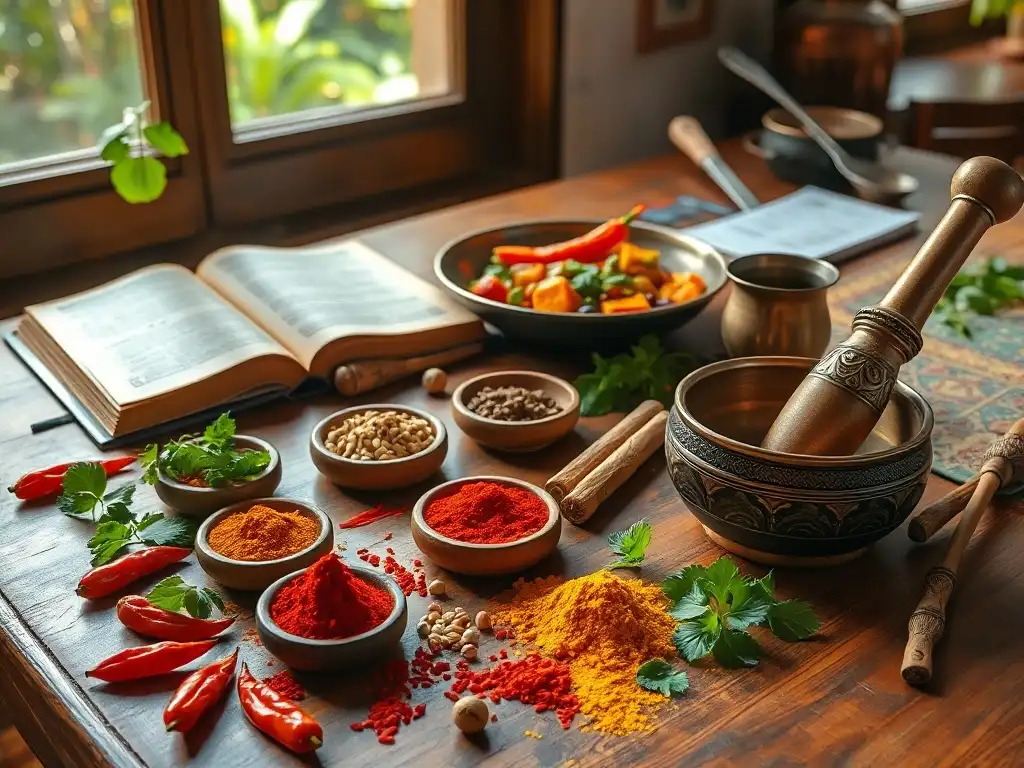
Welcome to Ancient India History, where we dive deep into the rich tapestry of India’s past. Here, we celebrate the remarkable culinary traditions that have shaped the flavors of modern Indian cuisine. In our featured article, “Taste the Legacy: Culinary Tours that Celebrate Ancient Indian Ingredients,” we invite you to embark on a flavorful journey through time.
Discover how ancient civilizations not only nourished their bodies but also wove intricate stories into their meals, reflecting a culture steeped in history. Join us as we uncover the delicious secrets of ancient Indian culinary arts, and let your curiosity guide you through the vibrant heritage that awaits!
Introduction to Ancient Indian Culinary Traditions
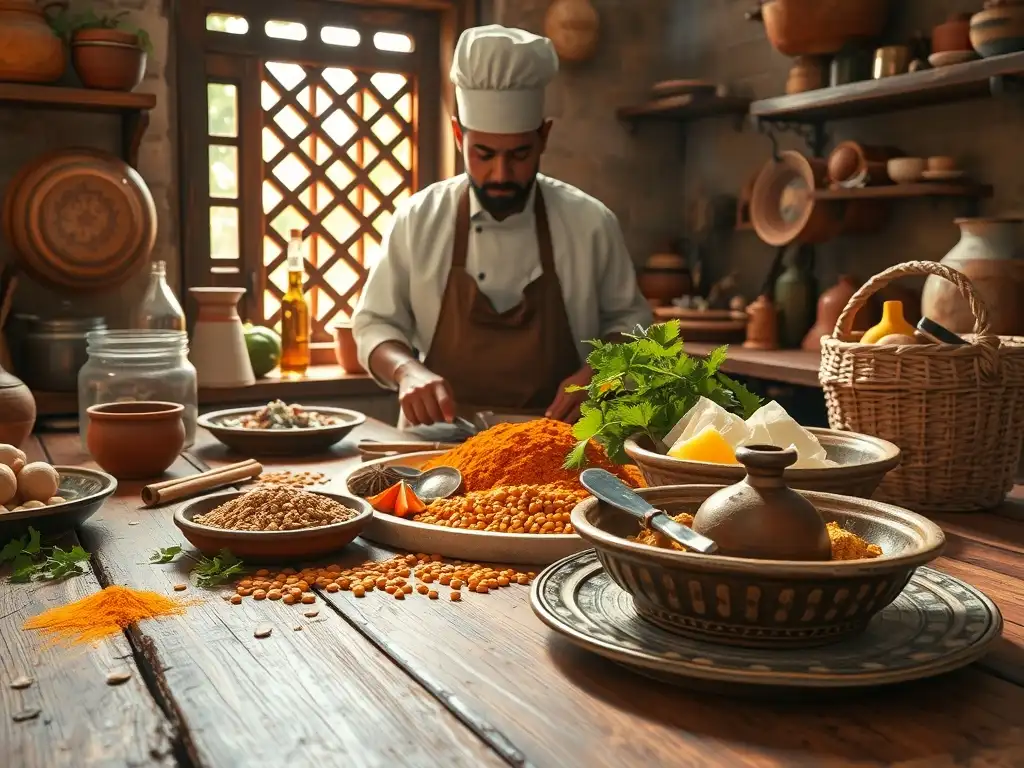
Exploring the culinary landscape of ancient India offers a fascinating glimpse into the rich tapestry of flavors, techniques, and ingredients that have shaped not just Indian cuisine, but also the culinary practices of many cultures around the world. From the early settlements of the Indus Valley Civilization to the flourishing courts of the Gupta Empire, ancient Indian culinary traditions have been influenced by geography, trade, and cultural exchanges, creating a diverse and vibrant food heritage.
These traditions are not merely historical; they continue to inspire contemporary culinary practices and tourism, inviting food enthusiasts to embark on immersive culinary tours that celebrate the ingredients and techniques of the past.
Culinary tourism has gained immense popularity, with travelers seeking authentic experiences that connect them to the local culture. In India, this means delving into ancient recipes that have been passed down through generations, often using heirloom ingredients that tell the story of the land and its people. As we journey through the flavors of ancient India, we uncover not only the delicious dishes that were served but also the agricultural practices, rituals, and philosophies that shaped them.
In this article, we will explore some of the most enriching culinary tours that highlight the ancient Indian culinary traditions, providing a deeper understanding of the ingredients that continue to tantalize taste buds today.
The Rich Tapestry of Ancient Indian Ingredients
Ancient Indian cuisine is characterized by its use of a wide array of ingredients, many of which have deep-rooted historical significance. These ingredients were not only vital for sustenance but also played an important role in cultural and spiritual practices. Here are some key elements that showcase the richness of ancient Indian ingredients:
- Grains and Pulses:
- Rice: Revered in many ancient texts, rice has been a staple in Indian diets for thousands of years. Varieties such as basmati and jasmine are celebrated for their aroma and flavor.
- Wheat: Integral to the northern regions, wheat has been the foundation for numerous breads like roti and naan.
- Pulses: Lentils (dal) were a significant source of protein and continue to be a dietary staple.
- Spices and Herbs:
- Turmeric: Known for its medicinal properties, turmeric has been used in cooking and rituals for centuries.
- Cumin and Coriander: These spices were pivotal in flavoring dishes and are still essential in modern Indian cooking.
- Saffron: Often referred to as the "golden spice," saffron was used in royal kitchens for its unique flavor and color.
- Fruits and Vegetables:
- Mango and Tamarind: Both fruits have rich histories, often referenced in ancient literature, and are used in various culinary applications.
- Leafy Greens: Varieties such as spinach and fenugreek were cultivated and consumed in ancient India for their nutritional benefits.
- Dairy Products:
- Ghee: Clarified butter, ghee, has been a significant cooking medium, valued for its flavor and health benefits.
- Yogurt: Used both as a condiment and a base for various dishes, yogurt has been a part of the Indian diet for millennia.
The exploration of these ingredients through culinary tours allows participants to engage with the history and culture of ancient India in a tangible way. From visiting farms that grow traditional crops to participating in cooking classes that teach ancient techniques, culinary tourism offers a unique opportunity to taste the legacy of ancient Indian culinary traditions.
Top Culinary Tours in India Featuring Ancient Ingredients
India's culinary landscape is a vibrant tapestry woven from centuries of tradition. Culinary tours that celebrate ancient Indian ingredients offer a unique opportunity to explore the flavors and techniques that have shaped the region's diverse cuisine. These tours not only provide a taste of history but also connect food lovers with local cultures and communities, enriching their appreciation of ancient Indian culinary traditions. Here, we delve into some of the top culinary tours available that highlight these remarkable ingredients.
1. The Spice Route Tour
The Spice Route Tour is an immersive journey that takes participants through the heart of India's spice-growing regions. This tour highlights the historical significance of spices in ancient Indian trade and culture, showcasing how they influenced not only local cuisine but also global culinary practices. Participants will visit flourishing spice farms in Kerala, Tamil Nadu, and Karnataka, where they can learn about the cultivation of essential spices like cardamom, pepper, and turmeric.
During the tour, travelers will have the opportunity to engage in cooking classes that focus on traditional recipes, using fresh, locally sourced spices. Guided by expert chefs, participants will uncover the secrets of ancient Indian recipes, gaining insights into the medicinal properties and flavor profiles of various spices. The tour concludes with a sumptuous feast, allowing guests to savor a meal that celebrates the rich heritage of Indian spices.
2. The Heritage of Grains Tour in Rajasthan
In a region known for its arid landscapes and rich agricultural traditions, the Heritage of Grains Tour in Rajasthan provides a fascinating exploration of ancient grains that have sustained communities for generations. This tour focuses on traditional staples such as millet, barley, and wheat, which are integral to Rajasthani cuisine.
Participants will visit local farms, where they can witness the traditional methods of harvesting and processing these ancient grains. The tour includes interactive cooking workshops, where participants will learn to prepare iconic dishes like Bajra Khichdi and Daal Baati Churma, made with locally sourced ingredients. Additionally, the tour highlights the cultural significance of grains in Rajasthani festivals and rituals, giving travelers a deeper understanding of their role in the local way of life.
3. The Indus Valley Culinary Journey
The Indus Valley Culinary Journey takes participants back to one of the world's oldest civilizations. This tour emphasizes the culinary practices of the Indus Valley Civilization, which thrived around 2500 BCE. By exploring ancient cooking techniques and ingredients, travelers can gain insights into the food culture of this remarkable period.
Tourists will visit archaeological sites such as Mohenjo-Daro and Harappa, where they can learn about the agricultural practices and food storage methods of the time. The journey includes cooking demonstrations using traditional clay pots and ancient grains, enabling participants to recreate dishes that would have been enjoyed thousands of years ago. This unique experience not only celebrates ancient Indian culinary traditions but also fosters a connection to the rich history of one of humanity's earliest societies.
4. The South Indian Temple Food Tour
The South Indian Temple Food Tour offers an enriching experience that delves into the sacred and communal aspects of ancient culinary traditions. This tour focuses on the concept of "prasadam" (blessed food) offered in temples, which has a deep-rooted history and significance in South Indian culture.
Travelers will explore various temples, each renowned for its unique prasadam offerings, such as Pongal, Kesari, and various rice preparations. The tour includes guided tastings and cooking classes led by temple chefs, who will share stories and rituals associated with these ancient recipes. Participants will learn about the use of locally sourced, organic ingredients that reflect the agricultural practices of the region. By engaging with the spiritual and cultural dimensions of food, travelers will leave with a profound appreciation for the culinary heritage of South India.
The Benefits of Exploring Ancient Culinary Traditions
Exploring ancient culinary traditions provides numerous benefits, both for individuals and for the preservation of cultural heritage.
- Cultural Connection: Engaging with ancient culinary practices fosters a deeper understanding of a region's history and traditions. It creates connections between food, culture, and community, allowing participants to appreciate the stories behind each dish.
- Sustainable Practices: Many ancient culinary traditions emphasize sustainable farming and cooking practices. By learning from these practices, travelers can gain insights into environmentally friendly approaches to food production and consumption.
- Nutritional Awareness: Ancient diets often prioritize whole, natural ingredients, which can contribute to better health. Exploring these culinary traditions encourages individuals to incorporate more traditional, nutritious foods into their diets.
- Culinary Skills Development: Participating in hands-on cooking workshops allows individuals to develop new skills and techniques. This not only enhances their culinary repertoire but also empowers them to recreate these ancient dishes at home.
Culinary tours celebrating ancient Indian ingredients offer a unique blend of education, cultural immersion, and delectable experiences that highlight the rich tapestry of India's culinary history. Engaging with these traditions not only enriches the travel experience but also contributes to the preservation and appreciation of ancient Indian culinary heritage.
How to Choose the Right Culinary Tour
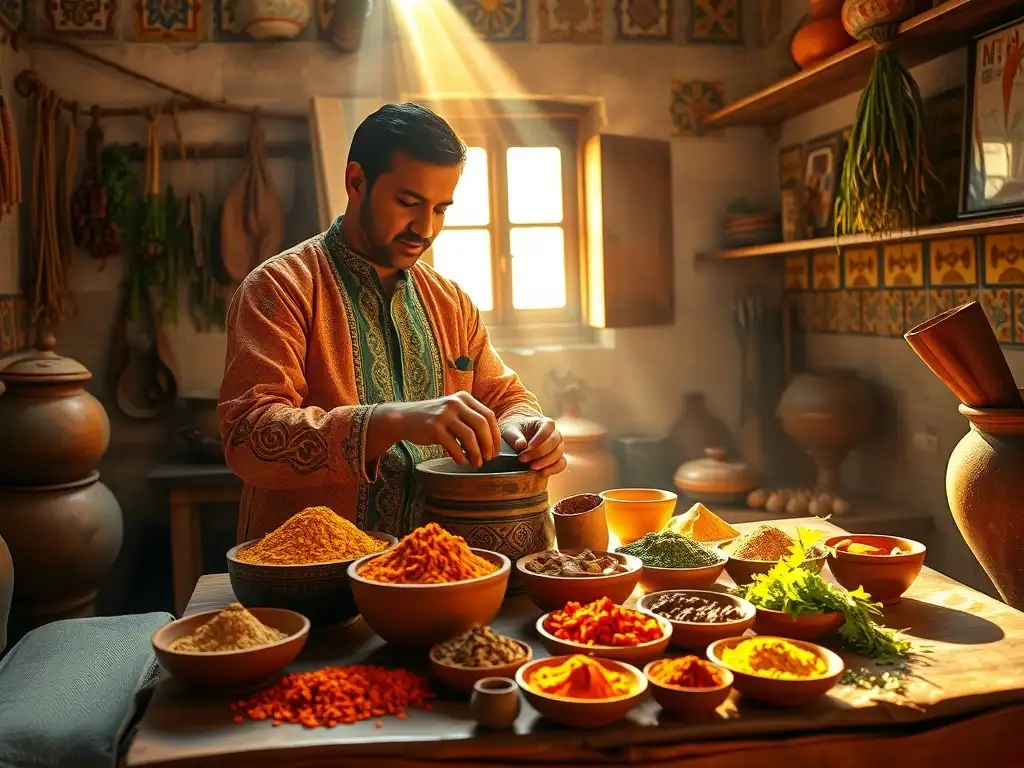
Selecting the ideal culinary tour can be a delightful yet challenging experience, especially when seeking to explore the ancient Indian culinary traditions. Here are some key factors to consider to ensure your culinary adventure is both enriching and enjoyable:
- Focus on Authenticity: Look for tours that emphasize traditional cooking methods and local ingredients. Authentic culinary experiences often include visits to local markets, where you can witness the vibrant array of spices and produce that form the backbone of ancient Indian cuisine.
- Expert Guides: Opt for tours led by knowledgeable guides who have a deep understanding of Indian history and culinary practices. Their insights into the cultural significance of various dishes can greatly enhance your experience.
- Diversity of Experiences: Choose a tour that offers a range of activities, such as hands-on cooking classes, guided tastings, and visits to historic sites. This will provide a well-rounded perspective on how ancient traditions have evolved and influenced contemporary Indian cuisine.
- Group Size: Consider the size of the tour group. Smaller groups often allow for more personal interaction and a more intimate learning environment, enabling participants to ask questions and engage more deeply with the culinary arts.
- Reviews and Recommendations: Research previous participants' experiences through reviews and testimonials. This feedback can provide valuable insights into what to expect and help you gauge the quality of the tour.
- Cultural Immersion: Look for tours that incorporate cultural experiences beyond just food. Engaging with local communities and traditions can enhance your appreciation of the culinary legacy you are exploring.
By considering these factors, you can choose a culinary tour that not only satisfies your palate but also deepens your understanding of ancient Indian culinary traditions.
Conclusion: Savoring the Legacy of Ancient Indian Culinary Traditions
Embarking on a culinary tour that celebrates ancient Indian culinary traditions is not just about tasting exquisite dishes; it is an opportunity to connect with the rich history and cultural heritage of India. Each ingredient tells a story, and each recipe carries the wisdom of generations.
As you explore the diverse flavors and cooking techniques that have withstood the test of time, you will gain insight into the lifestyles and philosophies of ancient Indian civilizations. From the sophisticated urban society of the Indus Valley to the opulent kitchens of the Mughal Empire, the culinary landscape of India reflects a confluence of cultures and influences.
Ultimately, savoring these culinary traditions allows you to appreciate the artistry and craftsmanship that have shaped India’s gastronomic identity. The legacy of ancient Indian cuisine is alive and evolving, and through culinary tourism, you can be a part of this vibrant narrative.
Call to Action: Plan Your Culinary Adventure
Are you ready to embark on a breathtaking journey through the flavors of ancient India? Don't miss the chance to immerse yourself in the rich culinary heritage that this incredible country has to offer!
- Research Culinary Tours: Start by exploring various culinary tours that focus on ancient Indian culinary traditions.
- Create Your Itinerary: Consider the regions you wish to explore, whether it’s the spice-rich southern coast or the diverse northern plains.
- Book in Advance: Many popular tours fill up quickly, especially during peak seasons. Secure your spot to ensure you don’t miss out on this unique experience.
Let your taste buds guide you as you delve into the heart of India’s culinary legacy! Plan your culinary adventure today and savor the exquisite flavors of ancient Indian cuisine. 🌶️🍛
- Introduction to Ancient Indian Culinary Traditions
- The Rich Tapestry of Ancient Indian Ingredients
- Top Culinary Tours in India Featuring Ancient Ingredients
- The Benefits of Exploring Ancient Culinary Traditions
- How to Choose the Right Culinary Tour
- Conclusion: Savoring the Legacy of Ancient Indian Culinary Traditions
- Call to Action: Plan Your Culinary Adventure
Frequently Asked Questions
What are ancient Indian culinary traditions?
Ancient Indian culinary traditions encompass cooking techniques, ingredients, and flavors that have evolved over thousands of years, reflecting the diverse cultures and regions of India.
How did the Indus Valley civilization influence Indian cuisine?
The Indus Valley civilization introduced agriculture and domesticated animals, laying the foundation for food production and culinary practices that would shape future Indian cooking.
What role did spices play in ancient Indian cooking?
Spices were integral to ancient Indian cooking, providing flavor, preservation, and medicinal properties. They also facilitated trade, contributing to India's global culinary reputation.
How did the Gupta Empire impact culinary traditions?
The Gupta Empire is known for its artistic and cultural advancements, which included the refinement of cooking techniques and the introduction of new ingredients, enriching Indian cuisine.
Are there culinary tours that focus on ancient Indian ingredients?
Yes, there are culinary tours that celebrate ancient Indian ingredients, offering participants the chance to experience traditional recipes and learn about the historical significance of various elements of Indian cuisine.
Final Reflection: Embracing the Richness of Ancient Indian Culinary Traditions
The exploration of ancient Indian culinary traditions is not just a journey through flavors; it is a celebration of history, culture, and identity. Today, as we navigate a world increasingly dominated by fast food and fleeting trends, the importance of reconnecting with our roots through traditional ingredients and cooking methods becomes ever more significant. This revival of ancient culinary practices serves as a powerful reminder of the wisdom embedded in our past, urging us to appreciate the depth and richness of our heritage.
Culinary traditions are the threads that weave together the fabric of our society, influencing everything from our health to our social interactions. The resurgence of interest in ancient Indian ingredients is not merely a trend; it is a movement that fosters community, sustainability, and cultural pride. As we partake in these culinary tours, we are not only savoring the unique flavors but also engaging in a dialogue with our ancestors. Food is our common ground, a universal experience.
– James Beard. This quote encapsulates the essence of our shared culinary heritage, reminding us that through food, we can connect with one another and honor the traditions that have shaped us.
As you reflect on the insights shared in this article, consider how you can incorporate the lessons of ancient Indian culinary traditions into your own life. Take a moment to explore local markets, experiment with traditional recipes, and share these experiences with family and friends. By doing so, you not only enrich your palate but also contribute to the preservation of a legacy that deserves to be celebrated and passed down through generations. Embrace the flavors of the past, and let them inspire a more conscious and connected way of living in the present.
Unveil the Rich Flavors of Our Past!
Thank you for diving into the vibrant world of ancient Indian culinary traditions! We hope you’ve discovered incredible insights about the unique ingredients that have shaped our culinary landscape. Now, it's time to take that knowledge and bring it to life!
Here’s how you can savor these flavors and deepen your connection to this rich heritage:
- Embark on a Culinary Tour: Join a guided tour focused on ancient Indian ingredients, learning directly from local chefs about traditional cooking techniques and recipes!
- Experiment in Your Kitchen: Purchase authentic herbs and spices, and try recreating your favorite dishes at home – it’s a delicious way to connect with history!
- Share Your Journey: Create a blog or social media post about your culinary experience, inviting friends to join you in exploring these timeless flavors!
What dish from ancient India are you eager to try making first, and what inspires your choice?