
How to Cook Traditional Indian Flatbreads: Tips for Perfecting Roti and Naan

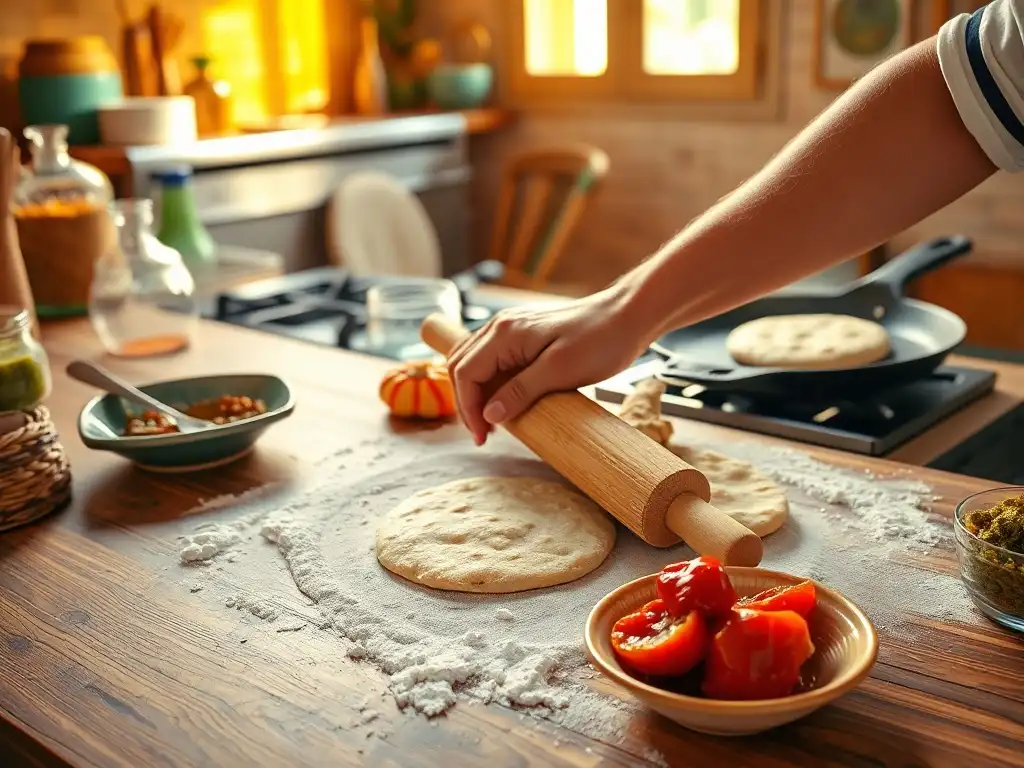
Welcome to Ancient India History, where we invite you to embark on a fascinating journey through the rich tapestry of India's past. Here, we delve deep into the vibrant cultures and remarkable contributions of ancient civilizations, from the enigmatic Indus Valley to the illustrious Gupta Empire. Today, we’re particularly excited to share our exploration of traditional Indian flatbreads recipes.
Discover the art of crafting the perfect roti and naan, and unlock the secrets behind these beloved staples that have nourished generations. Are you ready to enhance your culinary skills and uncover the history that makes each bite so special? Let's dive in!
- Introduction to Traditional Indian Flatbreads
- Essential Ingredients for Making Roti and Naan
- Step-by-Step Guide to Cooking Roti
- Step-by-Step Guide to Cooking Naan
- Popular Accompaniments for Traditional Indian Flatbreads
- Tools and Equipment for Making Flatbreads
- Health Benefits of Traditional Indian Flatbreads
- Conclusion: Mastering Traditional Indian Flatbreads
- Frequently Asked Questions
- Final Reflection: Embracing the Art of Traditional Indian Flatbreads
- Unleash Your Culinary Skills Today!
Introduction to Traditional Indian Flatbreads
Traditional Indian flatbreads, primarily roti and naan, are more than just staples of Indian cuisine; they are a reflection of the rich culinary heritage and cultural diversity that permeates the subcontinent. These flatbreads serve as essential accompaniments to various dishes, offering a canvas for the vibrant flavors that define Indian cooking.
Whether enjoyed with a spicy curry or simply with ghee and sugar, roti and naan hold a special place in the hearts and homes of countless families across India. In this article, we will explore the intricacies of making these beloved flatbreads, including tips for perfecting their texture and flavor, while also delving into their historical and cultural significance.
Understanding the Significance of Roti and Naan in Indian Cuisine
Roti and naan are integral to Indian meals, each possessing unique characteristics and preparation methods.
- Roti is typically made from whole wheat flour (atta) and is unleavened, meaning it does not require yeast or fermentation.
- Naan, on the other hand, is a leavened bread often made with all-purpose flour and may include yogurt or milk, contributing to its softer texture and airy pockets.
Key Differences
| Feature | Roti | Naan |
|---|---|---|
| Flour Type | Whole wheat flour | All-purpose flour |
| Leavening | Unleavened | Leavened |
| Cooking Method | Cooked on a tava or open flame | Baked in a tandoor |
| Texture | Chewy and slightly crisp | Soft and fluffy |
Both roti and naan are versatile, complementing a wide range of dishes from North to South India. They can be served with lentils, vegetables, meats, and even enjoyed with various chutneys and pickles, making them a cornerstone of Indian culinary traditions.
The Cultural Importance of Traditional Indian Flatbreads Recipes
The preparation and consumption of roti and naan are deeply embedded in the cultural fabric of India. These flatbreads are often made during family gatherings, festivals, and significant celebrations, symbolizing hospitality and togetherness.
- Family Traditions: Many families have their unique recipes and methods for making these breads, passed down through generations, each adding a personal touch to the process.
- Regional Variations: Different regions in India boast their own styles of roti and naan, influenced by local ingredients and cooking techniques. For instance, in Punjab, butter naan is a prominent feature, while in Gujarat, thepla—a spiced flatbread—is a favorite.
The significance of these flatbreads extends beyond mere sustenance; they are a means of connecting with one's heritage, fostering community, and celebrating the diversity of Indian culture. Thus, mastering traditional Indian flatbreads recipes unlocks not only the secrets to delicious cooking but also an appreciation of the history and traditions that make Indian cuisine so unique.
Essential Ingredients for Making Roti and Naan
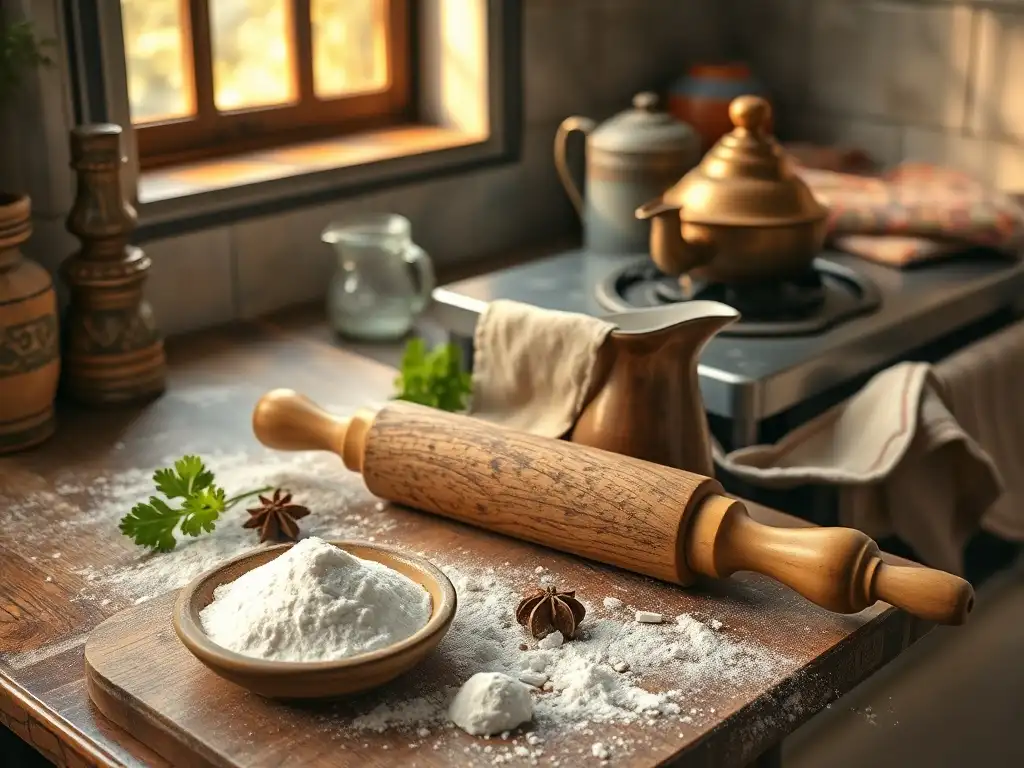
Understanding the essential ingredients for making traditional Indian flatbreads like roti and naan is crucial to achieving the perfect texture and flavor. Each ingredient plays a specific role in the final product, influencing everything from taste to consistency. Below, we delve into the key components that make these flatbreads a staple in Indian cuisine.
Flour Types: Choosing the Best Atta for Roti
When it comes to making roti, the type of flour used is paramount. The most commonly used flour is whole wheat flour, known as atta. This flour provides the necessary gluten content, allowing the dough to become elastic and easy to roll out. Here are some important factors to consider:
- Quality of Atta: Look for finely milled, high-quality whole wheat flour. Brands that specifically state "chakki ground" on the packaging are often preferred as they retain more nutrients.
- Gluten Content: Higher gluten content helps in making the roti softer. While whole wheat flour is ideal, you can blend it with a small amount of all-purpose flour for additional softness if desired.
- Regional Variants: In different regions of India, variations of flour are used. For example:
- In Punjab, you might find makki da atta (corn flour) used alongside traditional whole wheat flour.
- In Gujarat, a mix of bajra (pearl millet) or jowar (sorghum) flour is popular for making rotis.
Choosing the right flour sets the foundation for your roti, so it’s worth investing time in selecting the best atta for your needs.
Key Ingredients for Soft and Fluffy Naan
Naan, distinct from roti, is traditionally made with a leavening agent, which contributes to its soft and fluffy texture. Here are the critical ingredients:
- All-Purpose Flour: Unlike roti, naan is typically made with all-purpose flour (maida), which has a higher gluten content. This results in a lighter, airier flatbread.
- Yogurt: Adding yogurt to the naan dough not only provides a slight tanginess but also helps in achieving a soft texture. The acidity in yogurt reacts with the leavening agent, aiding in the rise.
- Yeast or Baking Powder: Depending on the recipe, either yeast or baking powder can be used as a leavening agent. Yeast takes longer to work but adds a unique flavor. Baking powder is quicker and easier for a more instant dough.
- Warm Water or Milk: The liquid used to knead the dough can be warm water, milk, or a combination of both. Warm liquids help activate the yeast more effectively, leading to a better rise.
- Ghee or Butter: Brushing naan with ghee or melted butter after cooking adds richness and enhances flavor, making each bite delectable.
Spices and Flavorings to Enhance Your Flatbreads
While the primary ingredients are essential, incorporating various spices and flavorings can elevate traditional Indian flatbreads to new heights. Here are some popular additions:
- Salt: A key ingredient that enhances the overall flavor of the bread. It balances the taste and helps in gluten formation.
- Cumin Seeds: Lightly toasted cumin seeds can be added to the dough for an aromatic flavor that complements the flatbread beautifully.
- Garlic: Minced or crushed garlic is often mixed into the naan dough or brushed on top before serving. Garlic naan is a popular variant that adds a robust flavor.
- Herbs: Fresh coriander or mint leaves can be finely chopped and mixed into the dough or used as a garnish, providing a refreshing taste.
- Nigella Seeds (Kalonji): These seeds add a unique, slightly onion-like flavor and are often sprinkled on top of naan before baking.
Incorporating these spices and flavorings not only enhances the taste but also pays homage to the rich culinary traditions of India, making your traditional Indian flatbreads recipes truly authentic.
Step-by-Step Guide to Cooking Roti
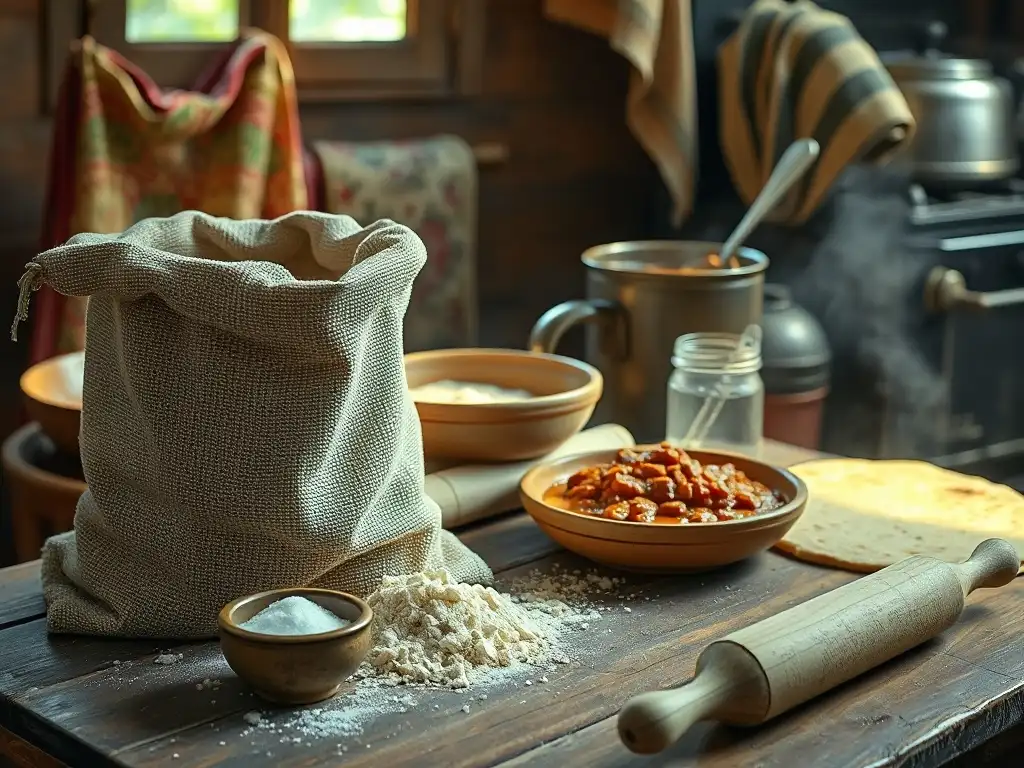
Preparing the Dough: Tips for the Perfect Roti Consistency
To create the perfect roti, the first step is preparing the dough. The consistency of the dough is crucial as it determines the texture of the flatbread. Here are some essential tips:
- Ingredients: Use whole wheat flour (atta) for a traditional taste. For every cup of flour, add about 1/4 teaspoon of salt for flavor.
- Water Temperature: Use warm water to hydrate the flour. Warm water helps to make the dough more pliable and easier to work with.
- Kneading: Knead the dough for at least 8-10 minutes. The dough should be smooth and elastic. If it feels too dry, add a little more water; if too wet, sprinkle some flour.
- Resting: Allow the dough to rest for at least 20-30 minutes. This resting period helps the gluten to relax, making the rolling process easier.
- Consistency Check: The ideal dough should be soft yet firm enough to hold its shape. It should not stick to your hands.
Rolling Techniques: Achieving the Ideal Thickness
Once the dough is ready, rolling it out correctly is key to achieving the ideal thickness for roti. Here are some rolling techniques to ensure success:
- Dividing the Dough: Divide the rested dough into equal-sized balls, about the size of a golf ball. This ensures uniformity in size.
- Flouring the Surface: Dust your rolling surface and the dough ball with a little dry flour to prevent sticking.
- Initial Roll: Start by gently flattening the ball with your fingers. This creates a base for rolling.
- Rolling Motion: Use a rolling pin with even pressure, rolling outwards from the center in all directions. Rotate the dough occasionally to maintain a circular shape.
- Thickness: Aim for a thickness of about 1-2 mm. A thinner roti will puff up better when cooked, while a thicker one may take longer to cook through.
- Resting Rolled Rotis: If you're rolling multiple rotis at once, stack them with a sprinkle of flour in between to prevent sticking.
Cooking Methods: Stovetop vs. Tandoor for Perfect Roti
Cooking methods significantly influence the flavor and texture of roti. Here are the two primary methods:
Stovetop Cooking
- Tava (Griddle): Preheat a cast iron or non-stick tava on medium flame. Once hot, place the rolled roti on the tava.
- Flipping: After about 30 seconds, flip the roti. You should see light brown spots forming.
- Puffing: Press gently with a spatula to encourage puffing. Once puffed, cook for an additional 10-15 seconds on each side.
- Finishing: Remove the roti from the tava and keep it warm in a container lined with a clean cloth. This helps maintain moisture.
Tandoor Cooking
- Preparation: If using a tandoor, the dough should be slightly thicker (around 3 mm) to withstand the high heat.
- Sticking: Wet one side of the roti and stick it to the inner wall of the preheated tandoor.
- Cooking Time: The roti cooks in about 1-2 minutes. You'll know it’s ready when it has brown spots and a slightly charred appearance.
- Finishing Touch: Remove the roti using tongs and brush with melted butter or ghee for added flavor.
With these detailed steps, you can master the art of cooking traditional Indian flatbreads, enhancing your culinary skills and appreciation for Indian cuisine! 🌾
Common Mistakes to Avoid When Making Roti
Making roti, a staple in Indian cuisine, can be deceptively simple, yet many home cooks encounter challenges that prevent them from achieving the perfect flatbread. Understanding and avoiding common mistakes can significantly enhance your roti-making skills. Here are some pitfalls to watch out for:
-
Incorrect Flour Choice
The type of flour used is crucial for the texture and flavor of roti. Whole wheat flour (atta) is traditional, but using all-purpose flour can lead to a different texture. Ensure you use fresh, high-quality flour to achieve the best results.
-
Not Kneading the Dough Properly
Kneading is essential for developing gluten, which gives the roti its elasticity. Under-kneading can result in tough roti, while over-kneading may lead to a dough that's too sticky. Aim for a smooth and pliable dough by kneading for about 8-10 minutes until it becomes soft and elastic.
-
Skipping the Resting Period
Allowing the dough to rest for at least 30 minutes is crucial. This resting period relaxes the gluten, making it easier to roll out the dough and ensuring softer roti. Skipping this step can lead to stiff and chewy flatbreads.
-
Rolling the Roti Unevenly
Uneven thickness can cause roti to cook unevenly, leading to some parts being undercooked while others are burnt. Use gentle and even pressure when rolling out the dough, aiming for a circular shape about 6-8 inches in diameter and a uniform thickness.
-
Incorrect Cooking Temperature
Cooking roti at the wrong temperature can lead to undesirable results. If the pan is too hot, the roti may burn on the outside while remaining raw inside. Conversely, too low a heat can make the roti tough and dry. A medium-high heat is ideal—preheat your skillet or tava properly before placing the rolled dough on it.
-
Neglecting to Flip the Roti
When cooking roti, flipping it at the right time is essential for even cooking. Wait until you see bubbles forming on the surface before flipping it over. This ensures that the roti puffs up properly and cooks thoroughly on both sides.
-
Using Excess Flour While Rolling
While it’s common to use dry flour to prevent sticking, using too much can result in dry roti. Use just enough flour to lightly dust the surface, and try to minimize additional flour by rolling on a non-stick surface if possible.
-
Storing Roti Incorrectly
To maintain softness, store cooked roti in a covered container lined with a clean kitchen towel. Avoid leaving them uncovered, as exposure to air can make them hard and dry. If you need to reheat, a quick warm-up in a covered skillet or microwave can help restore their softness.
By being aware of these common mistakes, you can refine your technique and enjoy delicious, authentic roti that complements your meals perfectly. Happy cooking!
Step-by-Step Guide to Cooking Naan
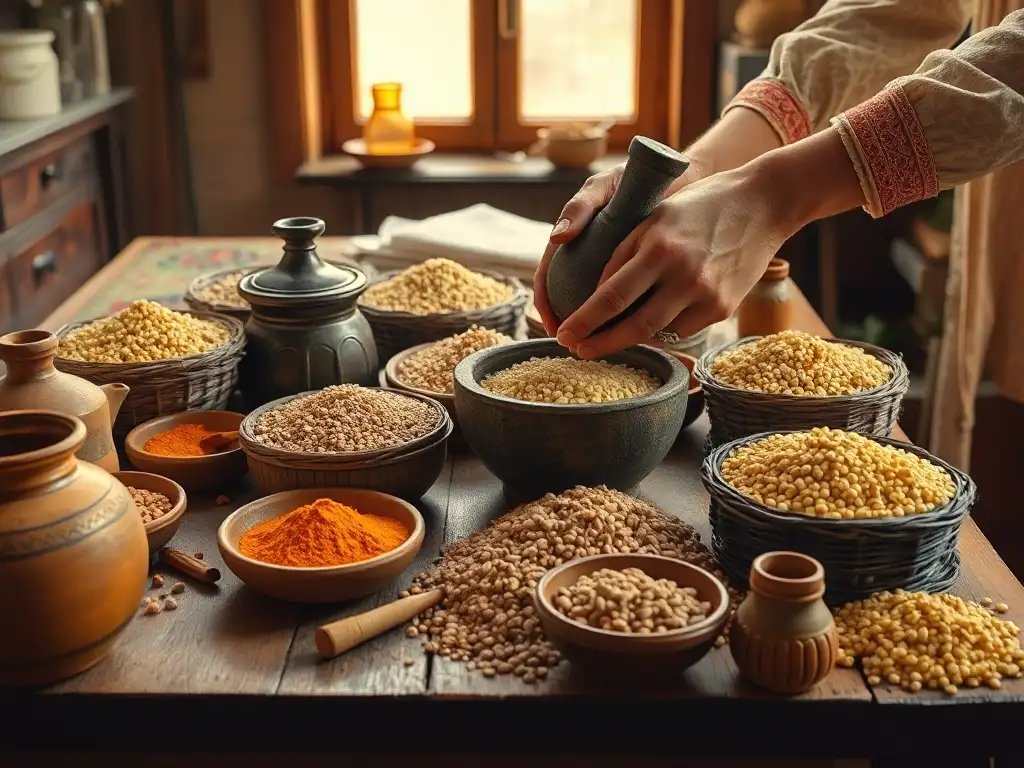
Naan is a beloved traditional Indian flatbread that has captured the hearts and taste buds of people around the world. Mastering the art of making naan at home can elevate your culinary skills and bring authenticity to your Indian dishes. Below is a comprehensive step-by-step guide to cooking naan, covering everything from the dough preparation to cooking techniques.
Preparing the Naan Dough: Yeast vs. No-Yeast Methods
When it comes to preparing naan dough, there are two primary methods: using yeast and opting for a no-yeast alternative. Understanding these methods can help you choose the right one for your preferences and time constraints.
1. Yeast Method:
- Ingredients:
- 2 cups all-purpose flour
- 1 teaspoon active dry yeast
- 1 teaspoon sugar
- 1 teaspoon salt
- 1/2 cup warm water
- 2 tablespoons yogurt
- 1 tablespoon oil
- Steps:
- Dissolve the sugar and yeast in warm water and let it sit for about 10 minutes until frothy.
- In a mixing bowl, combine flour and salt. Make a well in the center and add the yeast mixture, yogurt, and oil.
- Knead the dough for about 8-10 minutes until it becomes smooth and elastic.
- Cover the dough with a damp cloth and let it rise in a warm place for 1-2 hours until it doubles in size.
2. No-Yeast Method:
- Ingredients:
- 2 cups all-purpose flour
- 1 teaspoon baking powder
- 1 teaspoon salt
- 3/4 cup yogurt
- 1 tablespoon oil
- Steps:
- In a large bowl, mix the flour, baking powder, and salt.
- Add yogurt and oil, mixing until a dough forms.
- Knead for 5-7 minutes, then cover and let it rest for 30 minutes.
Both methods will yield delicious naan, but the yeast method typically provides a fluffier texture due to the fermentation process.
Rolling and Shaping Naan: Tips for Traditional Presentation
Rolling and shaping naan is an art that requires practice but can be mastered with a few tips:
1. Divide the Dough:
- After the dough has risen (for the yeast method) or rested (for the no-yeast method), divide it into equal-sized balls, usually about the size of a golf ball.
2. Dusting and Rolling:
- Lightly flour your work surface and rolling pin to prevent sticking.
- Flatten each ball with your fingers and then roll it out into an oval or teardrop shape, about 1/4 inch thick.
- For an authentic touch, you can use your fingertips to create small dimples on the surface of the naan.
3. Traditional Presentation:
- Traditionally, naan is shaped by hand rather than using a rolling pin. This not only enhances its texture but also adds a rustic appeal.
- You can also sprinkle toppings like chopped garlic, coriander, or nigella seeds (kalonji) before rolling to infuse flavors.
Cooking Naan: Using a Tandoor vs. Oven Baking
Cooking naan can be done in various ways, but the two most popular methods are using a tandoor and baking in an oven. Each method imparts a distinct flavor and texture to the naan.
1. Tandoor Cooking:
- Preparing the Tandoor:
- Preheat the tandoor to a high temperature (around 500°F or 260°C).
- Cooking Process:
- Flatten the rolled naan and place it on a wet cloth or directly on your hand.
- Carefully stick the naan to the inner wall of the tandoor. The high heat will cook it quickly, usually taking about 2-3 minutes.
- Once puffed and golden brown, remove the naan using tongs.
2. Oven Baking:
- Using a Pizza Stone:
- Preheat your oven to the highest setting (around 500°F or 260°C) and place a pizza stone inside.
- Cooking Process:
- Place the rolled naan on the preheated stone. Bake for 3-5 minutes, monitoring closely for puffing and browning.
- For added flavor, brush the naan with melted butter or ghee immediately after removing it from the oven.
Conclusion
With these detailed steps and methods, you can confidently prepare and cook traditional Indian flatbreads like naan. Whether you choose the yeast or no-yeast method, the result will be freshly made naan that can complement any Indian meal. Enjoy the immersive experience of creating this beloved flatbread and savor the flavors of your culinary journey!
Flavor Variations: Garlic Naan, Butter Naan, and More
When it comes to traditional Indian flatbreads, naan is celebrated not just for its texture but also for its versatility in flavor. Here are some popular variations that you can easily incorporate into your cooking routine, elevating your naan experience to new heights.
Garlic Naan
Garlic naan is a classic variation that brings a savory depth to the traditional naan. The key to achieving that robust garlic flavor lies in the preparation:
- Ingredients:
- 4 cloves of garlic, finely minced
- 1 tablespoon of fresh cilantro, chopped
- Melted butter for brushing
- Preparation Steps:
- Before cooking the naan, mix the minced garlic and chopped cilantro into your dough.
- Roll your naan out as usual, then brush it generously with melted butter as soon as it comes off the heat.
- Optionally, sprinkle some extra minced garlic on top for an extra punch.
Garlic naan pairs beautifully with rich dishes like butter chicken or lentil dal, enhancing the overall flavor profile of your meal.
Butter Naan
For those who enjoy a rich, creamy taste, butter naan is the perfect choice. This variation is simple yet indulgent:
- Ingredients:
- 3 tablespoons of unsalted butter
- A pinch of salt (to taste)
- Optional: A sprinkle of sesame seeds for added texture
- Preparation Steps:
- After shaping your naan, cook it in the tandoor or on a hot griddle.
- As soon as the naan is cooked, generously brush it with melted butter.
- If desired, sprinkle a pinch of salt and sesame seeds on top for added flavor and crunch.
Butter naan is a staple in many Indian households and is often served with gravies and curries, providing a delightful complement to the dish.
Other Flavor Variations
Exploring beyond garlic and butter, there are numerous other flavor variations to try:
- Cheese Naan: Stuff naan with a blend of mozzarella and cheddar cheese before cooking. Serve it hot for a gooey, delightful experience.
- Herb Naan: Incorporate fresh herbs like rosemary or thyme into the dough for a fragrant twist.
- Spiced Naan: Add spices such as cumin or coriander seeds into the dough to infuse the naan with aromatic flavors.
- Paneer Naan: Fill naan with crumbled paneer mixed with spices for a protein-packed variation that can serve as a meal on its own.
Conclusion
These flavor variations not only diversify your naan offerings but also enhance your cooking experience. Whether you prefer the intense flavor of garlic or the richness of butter, each variation can transform your traditional Indian flatbreads into a delightful culinary adventure. Experimenting with these flavors will allow you to discover your personal favorites and impress your guests with unique, homemade naan.
Popular Accompaniments for Traditional Indian Flatbreads
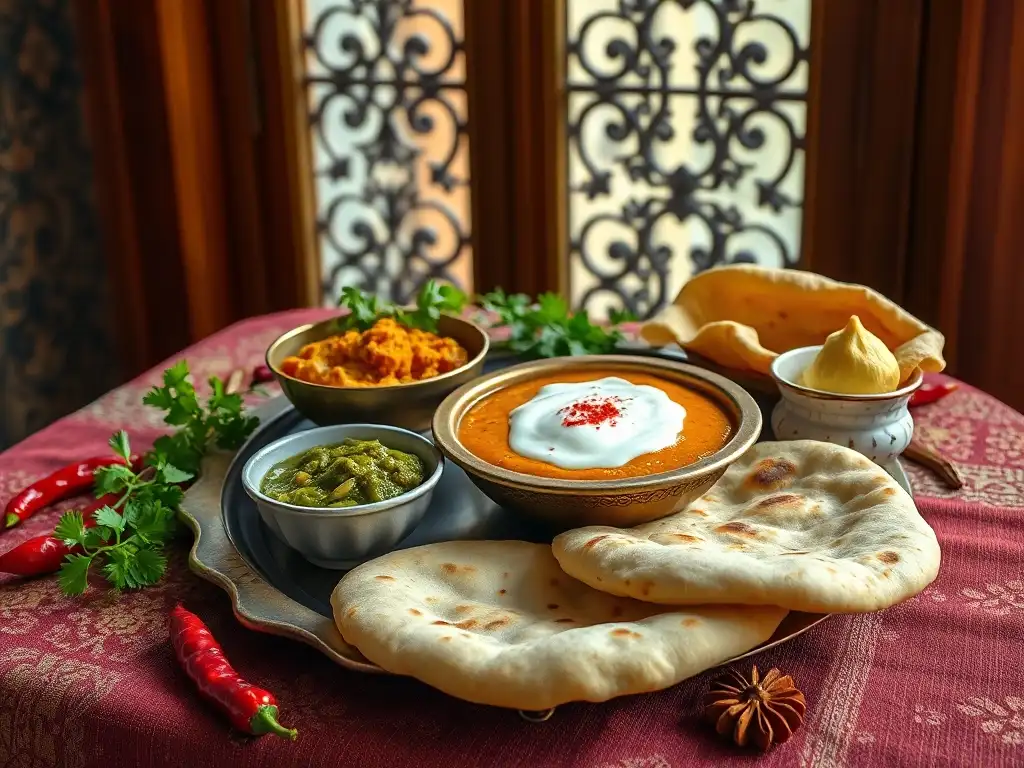
Traditional Indian flatbreads, such as roti and naan, are beloved staples in Indian cuisine. While these flatbreads are delicious on their own, pairing them with the right accompaniments can elevate the dining experience significantly. Here, we explore some of the most popular dishes that complement these flatbreads beautifully.
Best Curries to Pair with Roti and Naan
When it comes to pairing curries with traditional Indian flatbreads, the options are abundant. Each curry brings its own unique flavors and textures, making the combination a delightful experience:
-
Butter Chicken (Murgh Makhani)
This creamy, tomato-based curry is rich and flavorful. The tender chicken pieces soaked in a buttery sauce pair perfectly with naan, allowing you to scoop up every bit of the delicious gravy.
-
Palak Paneer
A vegetarian favorite, palak paneer is made with spinach and cottage cheese. The mildly spiced, vibrant green curry complements the earthy taste of roti, providing a wholesome and nutritious meal.
-
Chana Masala
This savory chickpea curry is packed with spices and protein. Chana masala pairs wonderfully with both roti and naan, making it an ideal choice for a hearty and filling meal.
-
Dal Makhani
Known for its rich, creamy texture, dal makhani is made with black lentils and kidney beans. Its smooth consistency is perfect for dipping naan, while roti can be used to scoop up the dal.
-
Paneer Tikka Masala
Grilled paneer cubes cooked in a spicy tomato gravy create a delightful combination. The robust flavors of paneer tikka masala are beautifully complemented by naan, enhancing the overall taste.
Side Dishes: Chutneys and Pickles to Enhance Flavor
In addition to curries, traditional Indian flatbreads can be paired with a variety of chutneys and pickles that add an extra layer of flavor:
-
Mint Chutney
This refreshing green chutney made from mint leaves, coriander, and spices adds a zesty kick to any meal. It’s particularly fantastic with naan, balancing its richness.
-
Tamarind Chutney
Sweet and tangy, tamarind chutney pairs well with roti, providing a contrast to the bread's subtle flavor. It enhances the overall taste experience by adding a unique twist.
-
Mango Pickle (Aam Ka Achaar)
A staple in Indian households, mango pickle adds a spicy and tangy flavor that complements the mildness of flatbreads. Its bold taste can elevate any meal.
-
Onion and Tomato Salsa
This fresh accompaniment made from diced onions, tomatoes, and a squeeze of lime adds a crunchy texture and brightness to the meal. It’s an excellent pairing with both roti and naan.
-
Garlic Chutney
For those who love garlic, this chutney provides a robust flavor that can enhance the taste of flatbreads. Its spicy kick complements the softness of naan beautifully.
Traditional Indian flatbreads like roti and naan are versatile and can be paired with a wide variety of curries, chutneys, and pickles. By exploring these accompaniments, you can create a well-rounded meal that showcases the rich and diverse flavors of Indian cuisine.
Tools and Equipment for Making Flatbreads
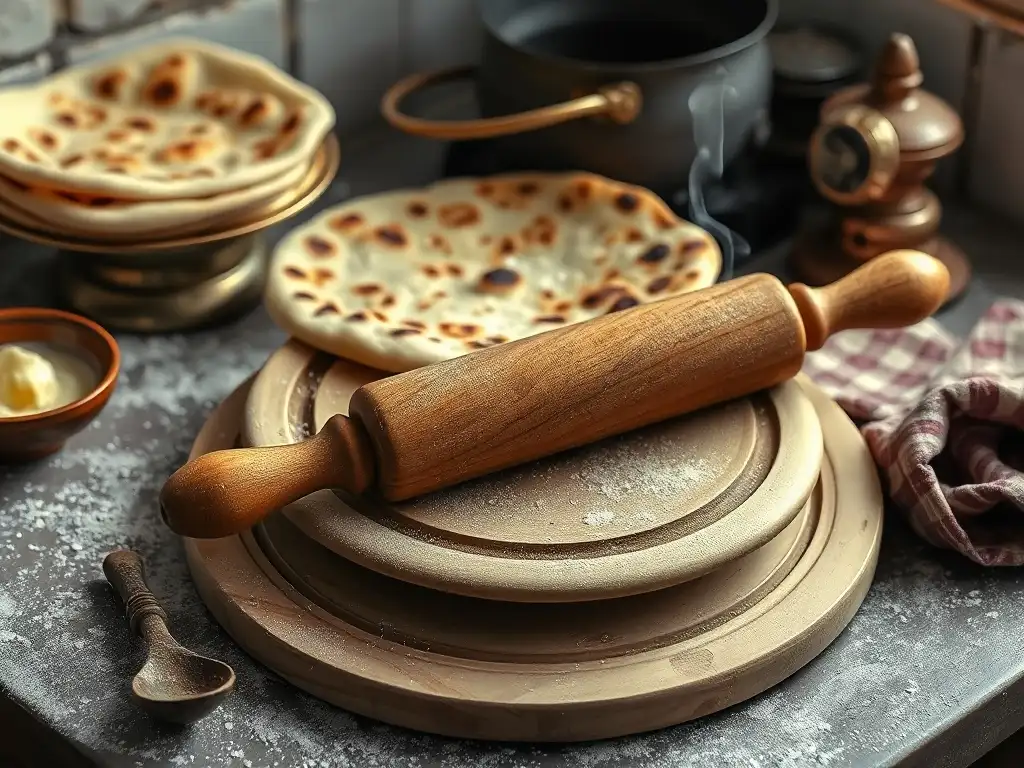
Essential Kitchen Tools for Perfecting Roti and Naan
To achieve the perfect texture and flavor of traditional Indian flatbreads like roti and naan, having the right kitchen tools is essential. Here’s a comprehensive list of tools that will help you in your flatbread-making journey:
- Rolling Pin (Belan)
- A traditional rolling pin is crucial for rolling out the dough. Opt for a wooden rolling pin for better grip and control.
- Tava (Griddle)
- A heavy, flat pan, typically made of cast iron or non-stick material, is ideal for cooking roti. The tava provides even heat distribution, ensuring that your flatbreads cook evenly.
- Dough Bowl or Mixing Bowl
- A large bowl is necessary for mixing and kneading the dough. A wooden or stainless steel bowl works best for this purpose.
- Measuring Cups and Spoons
- Accurate measurements of flour and water are essential for achieving the right dough consistency.
- Kitchen Cloth or Damp Towel
- Use this to cover the dough while it rests, preventing it from drying out.
- Spatula
- A flat spatula can help flip the flatbreads when cooking on the tava.
- Flat Brush or Ghee Brush
- For brushing ghee or butter on the cooked naan, a flat brush is very useful.
Recommended Products: Rolling Pins and Tava for Cooking Flatbreads
When it comes to selecting the best tools for making traditional Indian flatbreads, investing in high-quality products can make a significant difference. Here are some recommendations:
| Product | Description | Why It's Recommended |
|---|---|---|
| Wooden Rolling Pin | A sturdy and lightweight option for rolling dough. | Ensures even thickness and control while rolling. |
| Cast Iron Tava | A heavy tava that retains heat well and provides an authentic cooking experience. | Perfect for making crispy and evenly cooked rotis. |
| Non-Stick Tava | A convenient alternative that prevents the dough from sticking. | Easy to clean and requires less oil for cooking. |
| Stainless Steel Mixing Bowl | Durable and easy to clean, this bowl is perfect for mixing and kneading dough. | Non-reactive and maintains hygiene. |
| Silicone Brush | Ideal for applying ghee or butter without damaging the bread. | Heat-resistant and easy to clean. |
Where to Buy Authentic Indian Cooking Tools Online
Finding authentic Indian cooking tools can enhance your culinary experience. Here are some reliable online platforms where you can purchase these kitchen essentials:
- Amazon
- A wide variety of traditional Indian kitchen tools are available, including rolling pins and tavas. Look for products with good customer reviews.
- Etsy
- For handmade and unique products, Etsy offers a range of artisanal kitchen tools that reflect traditional craftsmanship.
- Indian Grocery Stores Online
- Websites like Patel Brothers or Spice Jungle often stock authentic Indian cooking tools alongside groceries, providing a one-stop shopping experience.
- Specialty Kitchen Supply Stores
- Online retailers such as Williams Sonoma or Sur La Table sometimes carry high-quality Indian cooking utensils.
By equipping your kitchen with these essential tools, you can master the art of making traditional Indian flatbreads with ease and authenticity.
Health Benefits of Traditional Indian Flatbreads
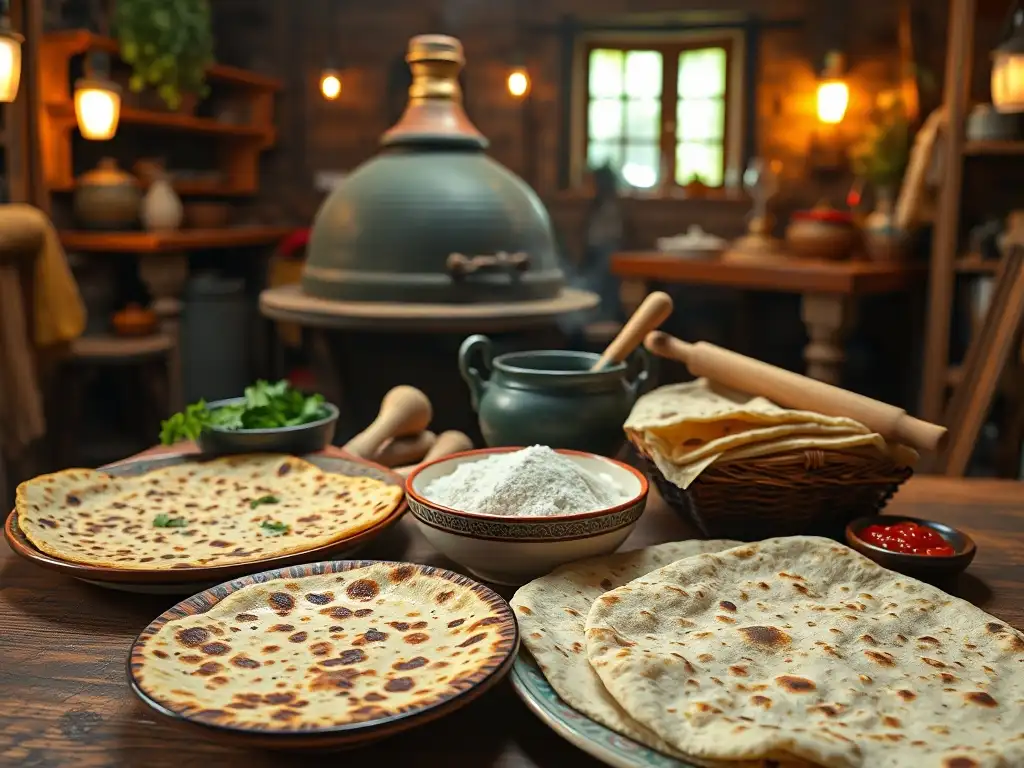
Traditional Indian flatbreads, such as roti and naan, are not only staples in Indian cuisine but also offer numerous health benefits. These flatbreads are rich in essential nutrients that can positively impact overall health, making them an excellent addition to a balanced diet.
Nutritional Profile of Roti and Naan
Roti and naan differ in their preparation and ingredients, which affects their nutritional profiles.
- Roti: Made primarily from whole wheat flour (atta), roti is a wholesome flatbread that provides a good source of carbohydrates, dietary fiber, and essential vitamins and minerals. Here’s a closer look at its nutritional components:
- Carbohydrates: About 15 grams per serving (approximately 30 grams of roti).
- Fiber: Contains about 2 grams of dietary fiber, aiding digestive health.
- Protein: Approximately 3 grams, which is beneficial for muscle repair and growth.
- Vitamins and Minerals: Rich in B vitamins (such as B1, B3, and B6) and minerals like iron, magnesium, and zinc.
- Naan: Typically made with refined flour (maida) and often leavened with yeast, naan has a softer texture and different nutrient profile:
- Carbohydrates: Roughly 30 grams per serving (approximately 60 grams of naan).
- Fiber: Lower in dietary fiber, about 1 gram, depending on the preparation method.
- Protein: Contains around 4 grams, benefiting overall nutrient intake.
- Vitamins and Minerals: Provides some B vitamins but is lower in minerals compared to roti due to the use of refined flour.
Both flatbreads can be enhanced by incorporating various flours, such as millet or chickpea flour, to boost their nutritional value.
Gluten-Free Options: Alternatives for Traditional Flatbreads
For those with gluten intolerance or celiac disease, traditional wheat-based flatbreads may not be suitable. Fortunately, there are several gluten-free alternatives that can still provide the pleasure of enjoying flatbreads. Here are some popular options:
- Besan Roti (Chickpea Flour Roti):
- Made from chickpea flour, this roti is not only gluten-free but also high in protein and fiber.
- Nutritional benefits:
- Carbohydrates: Around 18 grams.
- Protein: Approximately 5 grams.
- Fiber: About 3 grams.
- Jowar Roti (Sorghum Bread):
- This roti is made from jowar flour and is a rich source of iron, protein, and dietary fiber.
- Nutritional benefits:
- Carbohydrates: Approximately 20 grams.
- Protein: About 4 grams.
- Fiber: Around 2 grams.
- Bajra Roti (Pearl Millet Bread):
- Bajra is another excellent gluten-free option, providing healthy fats and minerals.
- Nutritional benefits:
- Carbohydrates: Roughly 22 grams.
- Protein: Approximately 5 grams.
- Fiber: About 4 grams.
By exploring these gluten-free alternatives, individuals can enjoy the taste and texture of traditional Indian flatbreads while adhering to dietary restrictions. Embracing these options not only ensures inclusivity in culinary practices but also contributes to a diverse and health-conscious diet.
Conclusion: Mastering Traditional Indian Flatbreads
Mastering the art of cooking traditional Indian flatbreads such as roti and naan is not only a culinary achievement but also a delightful journey into the heart of Indian cuisine. These flatbreads hold a significant place in the daily meals of many Indian households and are often enjoyed with a variety of dishes, from rich curries to simple lentils. By focusing on the techniques, ingredients, and cultural contexts surrounding these recipes, anyone can elevate their cooking skills and bring the authentic flavors of India into their kitchen.
Encouragement to Experiment with Traditional Indian Flatbreads Recipes
Embracing the process of cooking traditional Indian flatbreads encourages creativity and personal expression. The beauty of recipes like roti and naan lies in their versatility. Here are a few ideas to spark your culinary imagination:
- Use Different Flours: While whole wheat flour (atta) is common for roti, you can experiment with other flours such as besan (gram flour) or millet flour (bajra) to create unique textures and flavors.
- Infuse Flavors: Adding spices like cumin, turmeric, or even chopped herbs such as coriander can transform the taste of your flatbreads.
- Explore Stuffed Variations: Consider making stuffed parathas filled with potatoes, paneer, or even vegetables. These variations add a delightful twist to the traditional flatbread experience.
- Experiment with Cooking Techniques: While traditionally cooked on a tawa (flat skillet) or in a tandoor (clay oven), try baking your naan in a conventional oven or on a grill for a different flavor profile.
By playing with these elements, you can create flatbreads that reflect your personal taste while honoring traditional Indian culinary practices.
Final Tips for Perfecting Roti and Naan
Perfecting roti and naan requires attention to detail and a bit of practice. Here are some final tips to ensure your flatbreads turn out perfectly every time:
- Kneading the Dough: Ensure your dough is well-kneaded. The texture should be soft and pliable, which is essential for puffing up during cooking. Aim for about 8-10 minutes of kneading.
- Resting the Dough: Allow the dough to rest for at least 30 minutes. This step is crucial, as it relaxes the gluten, making it easier to roll out and cook.
- Roll Evenly: When rolling out your roti or naan, aim for an even thickness to ensure uniform cooking. Using a gentle touch will prevent the dough from becoming tough.
- Cooking Temperature: Ensure your cooking surface is at the right temperature. For roti, a medium-high heat is ideal, while naan may require a hotter surface to achieve that characteristic char.
- Use Water Wisely: When making naan, brushing the surface with water before placing it in the tandoor or oven can help create a soft texture, while a sprinkle of butter or ghee post-cooking can enhance flavor.
- Practice Makes Perfect: Don’t be discouraged by initial attempts. The more you cook, the more intuitive the process will become, leading to delicious and authentic flatbreads.
By following these tips and experimenting with traditional Indian flatbreads recipes, you will not only enhance your culinary repertoire but also gain a deeper appreciation for the rich cultural heritage that these dishes represent. Happy cooking!
Frequently Asked Questions
What are traditional Indian flatbreads?
Traditional Indian flatbreads, such as roti and naan, are staple foods in Indian cuisine. They are typically made from whole wheat flour or refined flour and serve as an accompaniment to various dishes.
How can I ensure my roti is soft?
To achieve soft roti, use warm water for kneading the dough and let it rest for at least 30 minutes. Cooking on a medium flame also helps retain moisture.
What is the difference between roti and naan?
Roti is an unleavened flatbread made primarily from whole wheat flour, while naan is a leavened flatbread often prepared with yogurt and baking powder, giving it a softer texture and a slightly chewy bite.
Can I make traditional Indian flatbreads without a tandoor?
Yes, you can easily make roti and naan on a stovetop skillet or griddle. For naan, you can also use an oven to achieve a similar texture to that of a tandoor.
Are there variations of traditional Indian flatbreads?
Yes, there are many regional variations of flatbreads in India, such as paratha, which is layered and often stuffed, and bhakri, a coarser flatbread made from millet or other grains.
Final Reflection: Embracing the Art of Traditional Indian Flatbreads
The journey of mastering traditional Indian flatbreads is not just about cooking; it’s about connecting with culture and heritage. In today’s fast-paced world, where convenience often overshadows authenticity, the art of making roti and naan serves as a reminder of the importance of tradition in our culinary practices. As we explore these recipes, we not only learn to create delicious meals but also honor the generations that have passed down these techniques, keeping the spirit of Indian cuisine alive.
The influence of traditional Indian flatbreads extends far beyond the kitchen; it resonates deeply within our social fabric. These flatbreads are often the centerpiece of communal meals, fostering connections among family and friends. The act of sharing a meal, especially one that includes homemade roti or naan, strengthens bonds and creates lasting memories. As the renowned chef Madhur Jaffrey once said, > “Food is a cultural experience that brings people together.” This sentiment underscores the importance of preserving these recipes, as they are not just sustenance but a means of cultural expression and unity.
As you reflect on the art of making traditional Indian flatbreads, I invite you to embrace the lessons they impart. Consider how you can incorporate these recipes into your own life, not just as a culinary endeavor but as a way to celebrate heritage and foster connection.
Whether you’re gathering with loved ones or exploring new flavors in your kitchen, remember that each roti and naan is a testament to the rich tapestry of Indian culture. Let this be an opportunity to not only savor the taste but also to cherish the stories and traditions that come with every bite.
Unleash Your Culinary Skills Today!
Thank you for diving into the delicious world of traditional Indian flatbreads with us! We hope you’ve walked away with some fantastic tips to perfect your roti and naan. Now, it’s time to put that knowledge into action!
Here’s how you can embark on your cooking journey:
- Start experimenting today! Gather your ingredients and whip up a batch of roti or naan—don’t forget to share your creations on social media and tag us!
- Join a local cooking class or find a friend who loves Indian cuisine to explore new recipes together.
- Delve into the rich history behind these flatbreads by researching their cultural significance—maybe even document your findings!
Which flatbread creation are you excited to try first, and who will you share it with? Let’s spread the love for Indian cooking!