
The Linguistic Diversity Reflected in Ancient Indian Scripts


Welcome to Ancient India History, where we embark on a fascinating journey through time to uncover the rich tapestry of civilizations that flourished in this vibrant region. In our featured article, "The Linguistic Diversity Reflected in Ancient Indian Scripts," we delve into the intriguing world of ancient Indian linguistic diversity, exploring how various scripts and languages shaped the cultural landscape of the subcontinent.
Prepare to be captivated by the stories behind these scripts, their origins, and their profound impact on society. Join us as we unveil the secrets of the past, inviting you to dive deeper into the remarkable heritage of ancient India.
- Introduction to Ancient Indian Linguistic Diversity
- Historical Context of Ancient Indian Linguistic Diversity
- Major Ancient Indian Scripts and Their Features
- Languages Represented in Ancient Indian Scripts
- The Role of Scripts in Cultural Expression
- Preservation and Study of Ancient Indian Scripts
- Challenges in Understanding Ancient Indian Linguistic Diversity
- Conclusion: The Legacy of Ancient Indian Linguistic Diversity
-
Frequently Asked Questions
- What is the significance of ancient Indian linguistic diversity?
- How did ancient scripts contribute to linguistic diversity in India?
- What role did trade play in enhancing linguistic diversity in ancient India?
- Are there any known influences of ancient Indian languages on modern languages?
- How does the study of ancient scripts help in understanding cultural diversity?
- Final Reflection: Embracing the Rich Tapestry of Ancient Indian Linguistic Diversity
- Unveil the Richness of India’s Linguistic Heritage!
Introduction to Ancient Indian Linguistic Diversity
The linguistic landscape of ancient India is a fascinating tapestry woven from a multitude of languages and dialects, reflecting the rich cultural and historical narratives of its civilizations. From the intricate symbols of the Indus Valley script to the elegant characters of Brahmi and Kharosthi, ancient Indian scripts serve as a testament to the country's profound linguistic diversity.
This article delves into the various scripts and inscriptions that emerged throughout ancient India, examining their significance and the insights they provide into the lives, beliefs, and interactions of diverse communities. By exploring the evolution of language in this region, we can gain a deeper appreciation for the cultural heritage that continues to influence modern India.
Overview of Ancient Indian Scripts and Inscriptions
Ancient India is home to a plethora of scripts, each with unique characteristics and historical relevance. The major scripts can be categorized into several families, including:
- Indus Valley Script:
- The earliest known script, dating back to 3300-1300 BCE, remains undeciphered, but its presence on seals and pottery suggests a complex society.
- Brahmi Script:
- Emerging around the 3rd century BCE, Brahmi is considered the ancestor of many modern Indian scripts. It was used for various languages, including Sanskrit and Prakrit, and played a pivotal role in the spread of Buddhism.
- Kharosthi Script:
- Used primarily for writing Gandhari, Kharosthi was prevalent in the northwest of India and is known for its right-to-left script direction.
- Tamil Script:
- Originating around the 5th century BCE, the Tamil script has a rich literary tradition and is still in use today, showcasing the enduring legacy of ancient languages.
- Other Scripts:
- Includes scripts like Gupta, Sharada, and Devanagari, which evolved over centuries, reflecting the linguistic shifts and regional influences.
These scripts are found on various inscriptions, such as edicts, coins, and religious texts, providing invaluable insights into the socio-political and cultural dynamics of ancient Indian society.
Importance of Linguistic Diversity in Ancient India
The linguistic diversity of ancient India is not merely a reflection of the variety of languages spoken; it is a crucial element that shaped the region's identity and cultural evolution. Here are some key reasons why this diversity is significant:
- Cultural Exchange:
- Different languages facilitated interactions between various ethnic and cultural groups, promoting trade, literature, and philosophical discourses. This exchange enriched the spiritual and intellectual life of ancient India.
- Literary Heritage:
- The vast array of scripts contributed to a rich literary tradition, encompassing religious texts, poetry, and philosophical treatises that continue to influence contemporary literature and thought.
- Historical Record:
- Inscriptions in numerous languages provide a chronological record of political events, societal changes, and cultural practices, allowing historians to reconstruct ancient Indian history more accurately.
- Identity and Unity:
- Linguistic diversity also fostered a sense of identity among different communities while simultaneously laying the groundwork for a unified cultural framework that transcended regional boundaries.
The linguistic diversity reflected in ancient Indian scripts is not only a testament to the complexity of its civilizations but also a vital aspect of understanding the historical and cultural richness of ancient India. As we explore these languages further, we uncover layers of meaning that contribute to our appreciation of one of the world's oldest civilizations.
Historical Context of Ancient Indian Linguistic Diversity
The linguistic diversity of ancient India is a testament to the region's complex history and rich cultural tapestry. This diversity is not merely a reflection of the different languages spoken but also of the intricate interplay between various civilizations, trade networks, and cultural exchanges that have evolved over millennia. The emergence of distinct scripts and languages can be traced back to our early civilizations, each contributing to the vibrant mosaic of ancient Indian linguistic heritage.
The Indus Valley Civilization and Early Scripts
The Indus Valley Civilization (IVC), which flourished around 2500 BCE in present-day Pakistan and northwest India, is one of the earliest urban cultures known for its advanced city planning and trade systems. Central to the exploration of ancient Indian linguistic diversity is the enigmatic script used by the Indus people, commonly referred to as the Indus script.
- Characteristics of Indus Script:
- Pictographic Nature: The Indus script is predominantly pictographic, consisting of over 400 unique symbols. These symbols are believed to represent objects, ideas, or sounds, but their exact meaning remains undeciphered.
- Brevity of Inscriptions: Most inscriptions are short, typically found on seals, pottery, and other artifacts, suggesting they may have served specific administrative or trade purposes.
- Lack of Bilingual Correlation: Unlike other ancient scripts, the absence of bilingual inscriptions has hindered efforts to decode the Indus script, leaving its linguistic affiliation uncertain.
The existence of this script indicates a form of communication that likely laid the groundwork for subsequent linguistic developments in the region. While the IVC's decline around 1900 BCE marked a significant transition, its influence persisted, shaping the linguistic landscape of ancient India.
Linguistic Influences from Neighboring Civilizations
As ancient Indian civilizations evolved, they were influenced by various neighboring cultures, leading to a rich tapestry of languages and scripts. The interactions with these civilizations facilitated the exchange of ideas, literature, and scripts, contributing to the linguistic diversity we observe today.
- Aaryan Migration and Vedic Sanskrit:
- The arrival of Indo-Aryans around 1500 BCE introduced Vedic Sanskrit, which became the linguistic foundation for many subsequent languages in India. The Vedas, composed in this language, are among the earliest texts that reflect profound philosophical and cultural insights.
- Dravidian Languages:
- The Dravidian language family, primarily spoken in southern India, has roots that predate the Indo-Aryan influence. The interaction between Indo-Aryan and Dravidian speakers led to a linguistic blend, enriching the vocabulary and structure of regional languages.
- Influences from Persian and Greek:
- The conquests of Persian and later Greek empires brought new linguistic elements into the Indian subcontinent. Words borrowed from Persian, particularly during the Mauryan Empire, and Greek influences during Alexander's campaigns contributed to the evolution of various languages in ancient India.
This interplay of languages and scripts not only highlights the ancient Indian linguistic diversity but also underscores the region's role as a cultural crossroads where multiple traditions converged. The scripts that emerged during this period, such as Brahmi and Kharosthi, later evolved into many modern Indian scripts, continuing the legacy of linguistic richness that characterizes the subcontinent today.
Major Ancient Indian Scripts and Their Features
Brahmi Script: The Mother of Indian Scripts
The Brahmi script is often hailed as the progenitor of many Indian writing systems, making it a cornerstone of ancient Indian linguistic diversity. Originating around the 3rd century BCE, Brahmi is believed to have been used for writing Prakrit and Sanskrit, the two prominent languages of ancient India. Its influence is evident in various scripts across the Indian subcontinent and beyond, including Devanagari, Tamil, and even scripts in Southeast Asia.
Key Features of Brahmi Script:
- Phonetic Nature: Brahmi is an abugida, meaning each character represents a consonant with an inherent vowel sound, which can be modified with diacritics.
- Directional Writing: It is written from left to right, a feature that has been retained in most Indian scripts derived from it.
- Character Variability: The script consists of 41 basic characters, including vowels, consonants, and various ligatures, showcasing its adaptability.
- Historical Inscriptions: The Edicts of Ashoka, inscribed on pillars and rocks, serve as significant examples of Brahmi, reflecting the linguistic diversity and administrative complexity of ancient India.
The Brahmi script played a crucial role in the dissemination of knowledge and culture, encapsulating the essence of ancient Indian thoughts and practices.
Kharosthi Script: An Overview and Significance
The Kharosthi script emerged around the same time as Brahmi but was primarily used in the northwestern regions of ancient India, particularly around present-day Pakistan and Afghanistan. This script was instrumental in recording the Gandhari language, a dialect of Middle Indo-Aryan.
Characteristics of Kharosthi Script:
- Distinctive Writing System: Unlike Brahmi, Kharosthi is also an abugida but is characterized by its unique angular shapes and forms.
- Right to Left: Kharosthi is written from right to left, distinguishing it from most other Indian scripts.
- Influence on Central Asian Scripts: The script significantly influenced the development of writing systems in Central Asia, showcasing the cross-cultural interactions of ancient Indian civilizations.
- Historical Relevance: Kharosthi inscriptions have been found on various artifacts, such as coins and manuscripts, providing insights into the socio-political and cultural milieu of the time.
Kharosthi's unique features and its role in facilitating communication across regions underscore the linguistic diversity that existed in ancient India.
Other Notable Scripts: Tamil, Gupta, and More
Beyond Brahmi and Kharosthi, several other scripts contributed to the linguistic diversity of ancient India, each with distinct characteristics and historical significance.
Tamil Script
- Origins: The Tamil script dates back to at least the 3rd century BCE and is one of the oldest continuously used writing systems in the world.
- Phonetic Structure: It has a rich phonetic structure that includes vowels and consonants, allowing for the representation of the Tamil language's nuances.
- Cultural Significance: The script is integral to Tamil literature and culture, with ancient texts like the Sangam literature showcasing its use.
Gupta Script
- Development: The Gupta script emerged during the Gupta Empire (circa 4th to 6th centuries CE) and is seen as a direct descendant of Brahmi.
- Character Structure: It simplified some of Brahmi's complexities, leading to a more streamlined script that influenced later writing systems, including the Devanagari and Bengali scripts.
- Historical Records: Gupta inscriptions often reflect administrative and cultural details of the period, highlighting the empire's linguistic diversity.
Conclusion
The linguistic diversity reflected in ancient Indian scripts is a testament to the rich tapestry of languages and cultures that flourished in the subcontinent. From the foundational Brahmi and Kharosthi to the regionally significant Tamil and Gupta scripts, each contributed to the complexity and richness of ancient Indian civilization. The study of these scripts not only enhances our understanding of ancient languages but also sheds light on the intercultural exchanges that shaped the region's history.
Languages Represented in Ancient Indian Scripts
Sanskrit: The Classical Language of Ancient India
Sanskrit, often hailed as the classical language of ancient India, plays a pivotal role in the linguistic diversity of the region. Its origins trace back to the Vedic texts, which date to approximately 1500 BCE. As a language of religion, philosophy, and literature, Sanskrit laid the foundation for many languages that followed.
Importance of Sanskrit
- Scriptural Significance: Sanskrit is the primary language of Hindu scriptures, including the Vedas, Upanishads, and epics like the Mahabharata and Ramayana. Its precise grammar, established by the ancient grammarian Panini, highlighted the sophistication of linguistic structure in ancient India.
- Cultural Influence: The influence of Sanskrit extends beyond India; it shaped the linguistic landscapes of Southeast Asia, influencing languages such as Thai, Khmer, and Malay through cultural exchanges, notably during trade and the spread of Buddhism.
- Linguistic Legacy: The grammatical rules of Sanskrit have influenced the development of other languages within the Indian subcontinent, leading to a rich tapestry of dialects and languages that emerged over the centuries.
Prakrits: Dialects and Their Role in Linguistic Diversity
Prakrits emerged as vernacular languages that coexisted with Sanskrit during ancient times, reflecting the linguistic diversity of the Indian subcontinent. These dialects were primarily spoken by the common people and were used in various forms of literature and inscriptions.
Key Features of Prakrits
- Variety of Dialects: There are several documented Prakrit dialects, including Pali, Ardhamagadhi, and Maharashtri. Each dialect served different regions and communities, showcasing the linguistic plurality of ancient India.
- Literary Contributions: Prakrits were not merely colloquial; they were used in significant literary works, such as the Jain Agamas in Ardhamagadhi and the poet Kalidasa's Shakuntala, which features Maharashtri Prakrit. This further enriched the linguistic landscape of ancient India.
- Cultural Representation: The use of Prakrits in dramas and poetry allowed for a greater representation of the diverse social and cultural narratives of ancient Indian society, making literature accessible to a broader audience.
Regional Languages and Their Scripts
The linguistic diversity in ancient India was not limited to Sanskrit and Prakrits; various regional languages emerged, each with its own script. This multitude of languages and scripts signifies the rich cultural heritage of the subcontinent.
Notable Regional Languages and Their Scripts
- Tamil: One of the oldest living languages, Tamil has a rich literary tradition dating back over 2,000 years. The Tamil script, derived from the Brahmi script, has evolved but retains its distinct characters.
- Brahmi and Its Descendants: The Brahmi script is the parent of many regional scripts, including Devanagari (used for Hindi and Sanskrit), Kannada, and Telugu. This script was instrumental in documenting various languages across ancient India.
- Other Regional Languages: Languages such as Bengali, Gujarati, and Malayalam also developed their scripts, reflecting the diverse cultural influences and dialects within their respective regions.
Summary of Regional Languages and Scripts
| Language | Script | Region |
|---|---|---|
| Tamil | Tamil Script | Southern India |
| Hindi | Devanagari | Northern India |
| Kannada | Kannada | Karnataka |
| Telugu | Telugu | Andhra Pradesh |
| Bengali | Bengali | West Bengal |
The exploration of these languages and their scripts highlights the profound ancient Indian linguistic diversity that shaped the cultural and historical context of India. Each language serves as a testament to the rich tapestry of human expression and communication that flourished throughout ancient Indian civilizations.
The Role of Scripts in Cultural Expression
Literature and Poetry in Ancient Indian Languages
Ancient Indian literature is a testament to the rich linguistic diversity that thrived across the subcontinent. The various scripts used throughout different regions facilitated the expression of complex ideas, emotions, and cultural narratives.
- Sanskrit: Often regarded as the classical language of India, Sanskrit's extensive literary tradition includes epic poems like the Mahabharata and Ramayana. The intricate use of meter and rhyme in poetry showcases not only linguistic skill but also deep philosophical insights. The Sanskrit Shastras encompass a vast range of subjects, from grammar to poetry, revealing the sophisticated nature of ancient Indian thought.
- Prakrit: This group of Middle Indic languages was widely spoken during the time of the Maurya and Gupta empires. Prakrit plays a significant role in the literary tradition of India, especially in plays and poetry. Notably, Kalidasa, a renowned playwright, utilized Prakrit alongside Sanskrit to depict various social classes and their interactions.
- Tamil and Other Dravidian Languages: The Sangam literature of ancient Tamil, composed between 300 BCE and 300 CE, represents one of the earliest forms of Indian poetry. The richness of the language and its poetic forms, such as Akam (inner) and Puram (outer) poetry, reflects the cultural ethos of ancient Tamil society. The use of the Tamil script further highlights the linguistic diversity within the Indian subcontinent.
The variety of scripts utilized in ancient Indian literature not only enriches the textual landscape but also underscores the regional dialects and cultural identities that shaped the narrative of ancient India. Each script serves as a bridge connecting past and present, allowing contemporary audiences to engage with the literary treasures of their ancestors.
Religious Texts and Their Linguistic Contributions
The religious texts of ancient India are invaluable sources of linguistic diversity, showcasing a multitude of languages and scripts that reflect the spiritual and cultural plurality of the time.
- Vedic Texts: The Vedas, written in early Sanskrit, are among the oldest religious texts in the world. Their linguistic structure, characterized by intricate phonetics and meter, reveals the profound relationship between language and spirituality in ancient Indian civilization. The preservation of these texts in oral tradition before their transcription highlights the importance of linguistic continuity.
- Buddhist Scriptures: The Tripitaka, or Pali Canon, is a crucial collection of scriptures in Theravada Buddhism. Written in Pali, a derivative of Prakrit, these texts include teachings attributed to the Buddha and provide insight into the linguistic evolution during this period. The use of Pali allowed for the dissemination of Buddhist teachings across different regions, influencing local languages and scripts.
- Jain Agamas: The Jain scriptures, composed in various Prakrit languages, also reflect the linguistic diversity of ancient Indian religious thought. The Tattvartha Sutra, a seminal text in Jain philosophy, is written in a straightforward style that emphasizes clarity and accessibility, contributing to the understanding of Jain doctrines.
The linguistic contributions of these religious texts are pivotal in understanding ancient Indian linguistic diversity. They not only preserved the languages of their time but also facilitated the interaction between different cultural and religious communities, fostering a rich tapestry of linguistic heritage that continues to influence modern Indian languages and scripts.
Preservation and Study of Ancient Indian Scripts
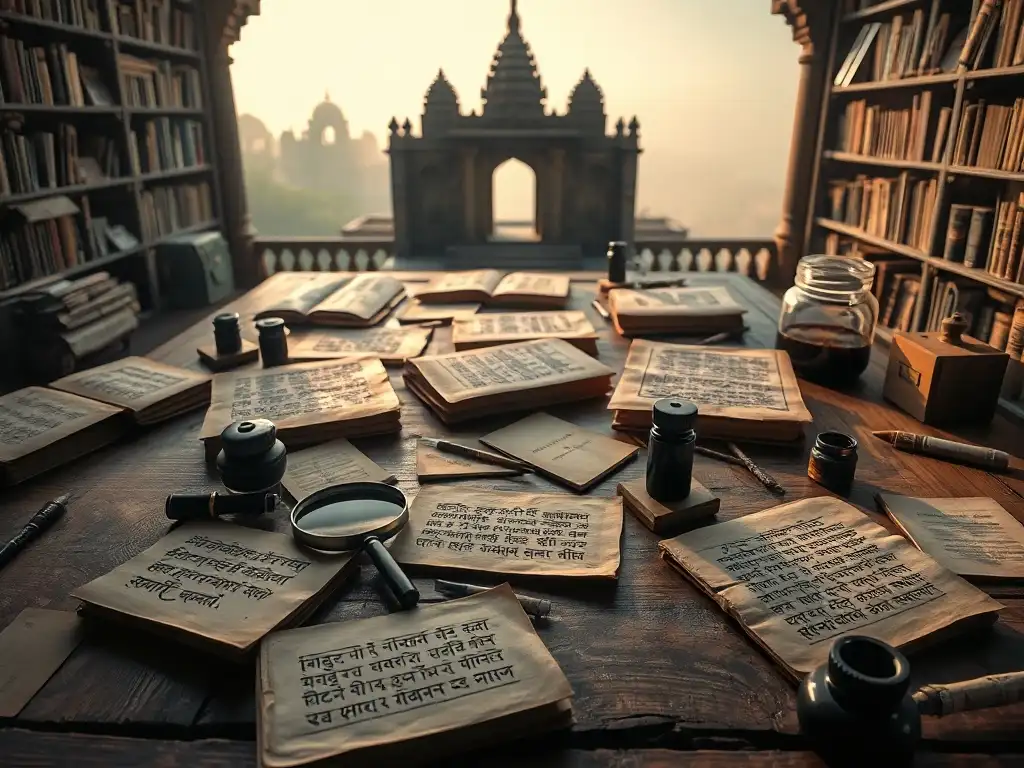
The preservation and study of ancient Indian scripts are crucial for understanding the linguistic diversity that flourished throughout the subcontinent. Ancient Indian scripts, such as Brahmi and Kharosthi, serve as a window into the socio-cultural, political, and religious aspects of various civilizations. The meticulous efforts to preserve these scripts, coupled with modern research methodologies, have significantly contributed to the understanding of ancient Indian linguistic diversity.
Archaeological Discoveries and Their Impact on Linguistic Studies
Archaeological discoveries have played a pivotal role in the study of ancient Indian scripts. Excavations at sites like the Indus Valley, where seals inscribed with undeciphered symbols were found, have sparked intense debates among scholars about the language and communication systems of the time.
- Indus Valley Civilization:
- The seals, often made of steatite, feature a range of symbols that some researchers suggest could represent a form of written language.
- Despite extensive study, the script remains undeciphered, leading to various theories about its linguistic affiliations.
- Brahmi and Kharosthi:
- These scripts emerged around the 3rd century BCE and are crucial for understanding the evolution of Indian languages.
- The discovery of Ashoka's edicts, inscribed in Brahmi, has provided insight into the languages spoken during his reign and the spread of Buddhism.
The impact of these discoveries extends beyond mere linguistic analysis. They also illuminate trade relations, migration patterns, and cultural exchanges among ancient communities. The inscriptions found in different regions reflect the linguistic diversity that was prevalent, offering a glimpse into the ways languages interacted and evolved over time.
Modern Interpretations and Research on Ancient Scripts
Modern interpretations and research methodologies have advanced the understanding of ancient Indian scripts, revealing nuances in linguistic diversity that were previously overlooked. Scholars are now employing a multidisciplinary approach, combining linguistics, archaeology, and historical analysis.
- Digital Humanities:
- The use of technology, such as digital imaging and 3D scanning, has enhanced the study of inscriptions. This allows for better preservation and analysis of fragile artifacts.
- Researchers can now create digital databases of inscriptions, making them accessible for comparative studies across different regions and periods.
- Comparative Linguistics:
- Linguists are drawing on comparative methods to analyze the phonetic and grammatical structures of ancient scripts.
- By comparing ancient scripts with contemporary languages, researchers can trace linguistic shifts and influences.
- Interdisciplinary Collaborations:
- Collaboration between linguists, historians, and archaeologists has led to more comprehensive interpretations of ancient texts.
- Workshops and conferences focused on ancient scripts encourage sharing of findings and methodologies, enriching the field of study.
Through these modern interpretations, the complexity of ancient Indian linguistic diversity is becoming more apparent. The ongoing research continues to uncover layers of history, illustrating how ancient Indian scripts not only reflect the linguistic landscape of their time but also contribute to a broader understanding of cultural and social dynamics.
The preservation and study of ancient Indian scripts are essential for grasping the rich tapestry of linguistic diversity in ancient India. The interplay between archaeological discoveries and modern research methodologies has opened new avenues for understanding the depth and breadth of ancient Indian languages and their scripts.
Challenges in Understanding Ancient Indian Linguistic Diversity
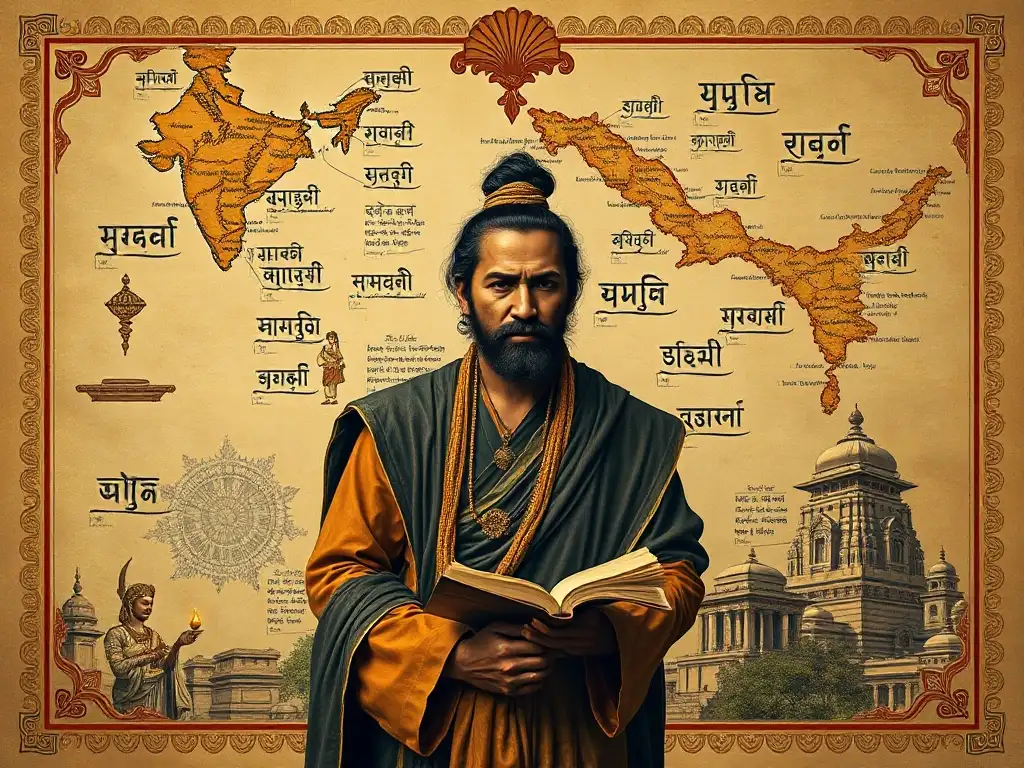
Deciphering Ancient Scripts: Methodologies and Difficulties
The study of ancient Indian linguistic diversity is intricately linked to the deciphering of various scripts that have emerged throughout India's history. The methodologies employed in this process vary significantly, influenced by the complexity of the scripts and the contexts in which they were used.
-
Comparison with Known Languages
Researchers often start by comparing unfamiliar scripts with known languages. This comparative analysis helps linguists identify common phonetic sounds and structures. For instance, the Brahmi script, which is considered the ancestor of many Indian scripts, has been analyzed by comparing it with the known phonetics of contemporary languages like Sanskrit and Prakrit.
-
Contextual Analysis
Understanding the context in which inscriptions were created is crucial. Many ancient inscriptions were produced for ceremonial, administrative, or religious purposes, which can provide clues about their content. For example, inscriptions found in temples often include prayers or dedications, reflecting the linguistic styles and vocabulary of that era.
-
Multidisciplinary Approaches
Successful decipherment often requires collaboration between linguists, archaeologists, and historians. For instance, archaeological findings may provide evidence regarding the socio-political context of a script, while linguistic analysis can help decode the language used. The interaction of these disciplines enhances the understanding of ancient Indian scripts.
-
Technological Advances
Modern technology plays a vital role in deciphering ancient scripts. Techniques such as digital imaging, 3D modeling, and machine learning algorithms are now employed to analyze inscriptions more effectively. These technologies allow for a more detailed examination of script features, which might have been overlooked in traditional methods.
Despite these methodologies, significant difficulties remain. The sheer number of scripts, such as Brahmi, Kharosthi, and the various regional variants, poses a challenge for researchers. Additionally, the lack of bilingual inscriptions limits the ability to decipher certain scripts definitively.
The Gap in Historical Records
The historical records from ancient India are often incomplete or fragmented, which significantly hampers the study of linguistic diversity. Several factors contribute to this gap:
-
Natural Deterioration
Many inscriptions have been lost to time due to environmental factors such as erosion, weathering, and natural disasters. For instance, inscriptions carved on rocks may become illegible over centuries, leading to a loss of linguistic data.
-
Human Intervention
Intentional destruction or alteration of inscriptions throughout history has also contributed to the loss of linguistic diversity. For example, during various invasions, monuments and their inscriptions were often defaced or repurposed, erasing valuable linguistic evidence.
-
Limited Geographic Coverage
Certain regions of ancient India had more extensive and preserved inscriptions than others. The Indus Valley civilization, for instance, left behind a wealth of seals and inscriptions, whereas other areas may have fewer remnants. This uneven distribution of records creates a biased understanding of linguistic diversity.
-
Cultural and Political Changes
The rise and fall of different empires significantly impacted the linguistic landscape. As new dynasties emerged, they often imposed their languages and scripts, overshadowing indigenous languages. This cultural hegemony can obscure the understanding of earlier linguistic forms and their evolution.
While the exploration of ancient Indian linguistic diversity offers rich insights into the cultural and historical fabric of the region, the challenges in deciphering scripts and the gaps in historical records present significant hurdles. Ongoing research, coupled with advancements in technology, holds promise for uncovering the complexities of ancient Indian languages and scripts.
Conclusion: The Legacy of Ancient Indian Linguistic Diversity
The linguistic diversity reflected in ancient Indian scripts serves as a testament to the rich tapestry of cultures and languages that flourished throughout the subcontinent. From the sophisticated symbols of the Indus Valley Civilization to the intricate calligraphy of the Gupta Empire, these scripts not only facilitated communication but also played a crucial role in the documentation of knowledge, philosophy, and art. As we delve into the significance of this diversity, we recognize its lasting impact on contemporary languages and the importance of preserving this heritage for future generations.
Continuing Influence of Ancient Scripts on Modern Languages
The scripts of ancient India have left an indelible mark on many modern Indian languages. For instance, the Brahmi script, which dates back to the 3rd century BCE, is considered the progenitor of several writing systems across Asia. The influence of Brahmi can be traced in scripts such as Devanagari, used for Hindi, Sanskrit, and Marathi, as well as Bengali, Gujarati, and others. This lineage can be summarized as follows:
- Brahmi: The root script influencing various regional scripts.
- Kharosthi: Primarily used in the northwest, it also influenced Central Asian scripts.
- Grantha: An offshoot that played a significant role in the development of Tamil scripts.
The evolution and adaptation of these scripts highlight the dynamic nature of language and how ancient linguistic diversity has shaped the phonetics and grammar of modern tongues. The phonetic richness of languages like Hindi and Kannada can often be traced back to their ancient roots, showcasing a continuity of cultural expression over millennia.
The Importance of Preserving Linguistic Heritage in India
Preserving the linguistic heritage of ancient India is crucial for several reasons:
- Cultural Identity: Languages encapsulate the traditions, values, and history of a community. By preserving ancient scripts and the languages they represent, we safeguard cultural identities that are at risk of fading away.
- Knowledge Transmission: Many ancient texts contain invaluable knowledge in fields such as mathematics, astronomy, and medicine. By understanding and preserving these languages, we can continue to access and interpret this knowledge.
- Linguistic Research: The study of ancient scripts contributes to our understanding of language evolution, phonetics, and syntax. This research can also provide insights into migration patterns and social interactions across ancient civilizations.
- Interdisciplinary Connections: Linguistic preservation fosters connections with other disciplines, including archaeology, anthropology, and history. This holistic approach enriches our understanding of ancient Indian civilizations.
To achieve these goals, various initiatives are needed, such as:
- Establishing educational programs focused on ancient scripts.
- Promoting digital archiving of texts and inscriptions.
- Encouraging community involvement in the preservation of local languages and scripts.
As we navigate the complexities of modernity, the commitment to preserving the linguistic diversity of ancient India remains a vital endeavor. By doing so, we honor the legacy of our ancestors and ensure that the richness of their languages continues to inspire future generations.
Frequently Asked Questions
What is the significance of ancient Indian linguistic diversity?
The ancient Indian linguistic diversity showcases the range of languages and dialects used across different regions, reflecting the cultural richness and historical complexity of ancient Indian civilizations.
How did ancient scripts contribute to linguistic diversity in India?
Ancient scripts like Brahmi and Kharosthi were pivotal in documenting various languages, which helped in the preservation and propagation of diverse linguistic traditions throughout ancient India.
What role did trade play in enhancing linguistic diversity in ancient India?
Trade routes facilitated interactions among different cultural groups, leading to the exchange of ideas and languages, thus enhancing the linguistic diversity seen in ancient texts and inscriptions.
Are there any known influences of ancient Indian languages on modern languages?
Yes, many modern Indian languages have roots in ancient languages like Sanskrit and Prakrit, showcasing the linguistic evolution and the continuity of ancient linguistic traditions in contemporary times.
How does the study of ancient scripts help in understanding cultural diversity?
By analyzing ancient scripts, researchers can uncover historical narratives, religious practices, and social structures, offering insights into the cultural diversity that characterized ancient Indian civilizations.
Final Reflection: Embracing the Rich Tapestry of Ancient Indian Linguistic Diversity
The exploration of ancient Indian linguistic diversity reveals not only the complexity of communication in historical contexts but also its profound relevance in today's globalized world. As we navigate an era marked by rapid technological advancement and cultural exchange, understanding the roots of our linguistic heritage becomes essential. The vibrant tapestry of languages and scripts from ancient India serves as a reminder of our shared human experience and the importance of preserving these diverse voices.
Cultural narratives shaped by ancient Indian scripts continue to resonate in contemporary society, influencing art, literature, and identity. The intricate interplay of languages such as Sanskrit, Prakrit, and Tamil illustrates how linguistic diversity fosters creativity and enriches our collective consciousness. As Mahatma Gandhi once said, "> A language is something infinitely greater than grammar and philology. It is the poetic testament of the genius of a race and the culture of a nation." This observation underscores the enduring impact of ancient languages on modern cultural landscapes, encouraging us to appreciate and celebrate our linguistic heritage.
As we reflect on the lessons drawn from ancient Indian linguistic diversity, I invite you to consider your own relationship with language and culture. How can you contribute to the preservation and appreciation of linguistic diversity in your community? Whether through learning a new language, supporting local dialects, or engaging with cultural narratives, each of us holds the power to honor the rich linguistic heritage that shapes our identities. Let us embrace this diversity, ensuring that the voices of the past continue to inspire and guide us into a more inclusive future.
Unveil the Richness of India’s Linguistic Heritage!
Thank you for taking the time to explore the fascinating world of ancient Indian scripts with us. You’ve uncovered the beauty and complexity of India’s linguistic diversity, which is a treasure trove of cultural significance. Now, it’s time to take the next step in your journey of discovery!
Here’s how you can deepen your understanding and appreciation of this incredible heritage:
- Dive Deeper: Explore ancient scripts such as Brahmi and Kharosthi by reading a variety of resources and literature dedicated to these languages.
- Share Your Insights: Engage in discussions with friends or on social media about your favorite discoveries in linguistics and their cultural significance.
- Engage with the Community: Participate in local workshops or online forums that focus on ancient languages and scripts, allowing you to learn collaboratively with others.
What aspect of India’s linguistic diversity has sparked your curiosity the most? We’d love to hear your thoughts in the comments below!