
The Art of Storytelling: How Ancient Indian Narratives Shaped Cultural Syncretism

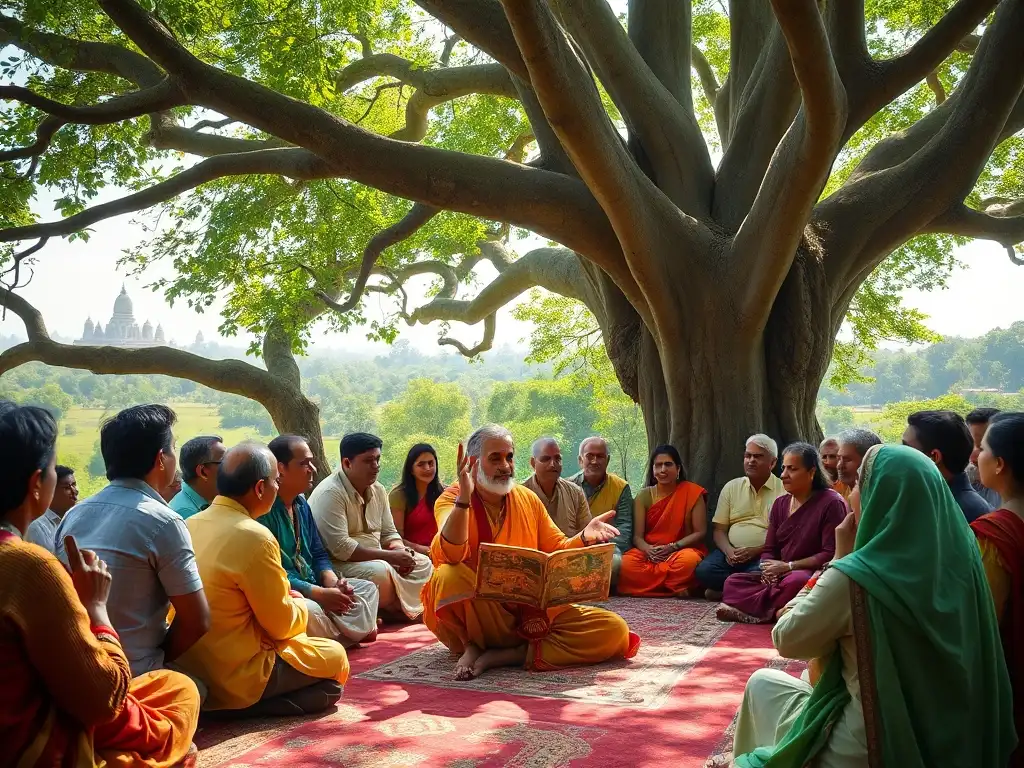
Welcome to Ancient India History, where we embark on a captivating journey through the vibrant tapestry of ancient Indian civilizations. Here, you'll uncover the profound art of storytelling that has not only entertained generations but has also woven the threads of cultural syncretism throughout history. How did these ancient narratives shape the beliefs and values of diverse communities? Prepare to be intrigued as we delve into the rich storytelling traditions that have left an indelible mark on the cultural landscape of India. Join us in exploring the echoes of the past that continue to resonate today!
Introduction to Ancient Indian Storytelling Traditions
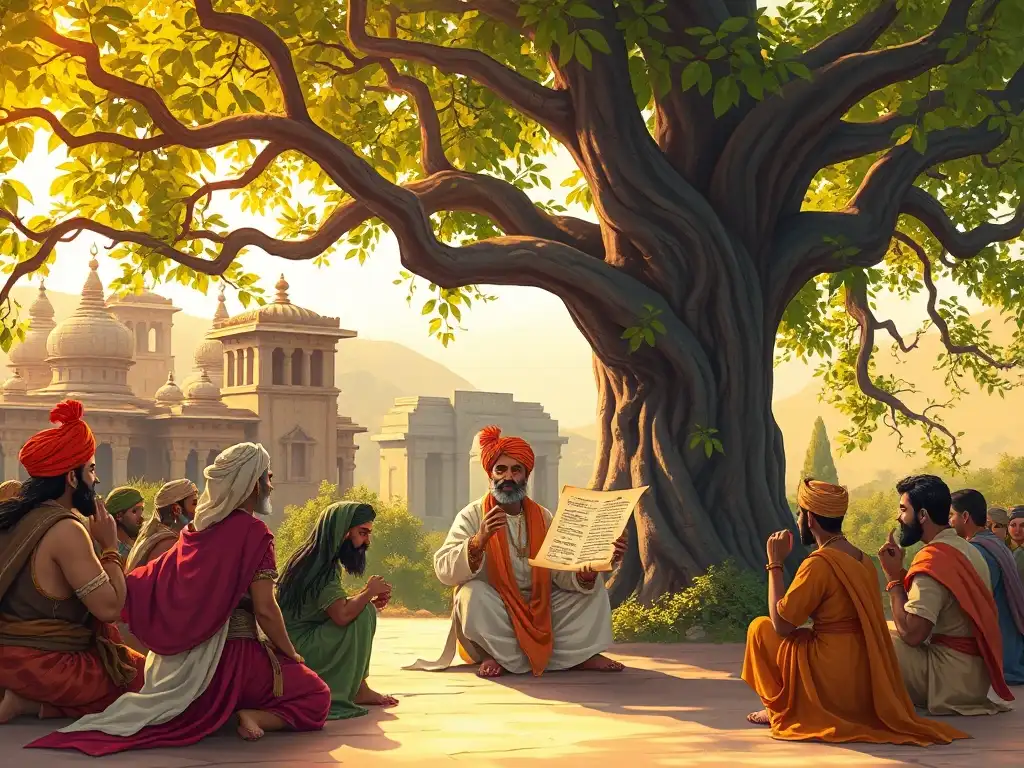
Storytelling has been an integral part of human civilization, serving as a means of communication, education, and cultural preservation. In ancient India, storytelling transcended mere entertainment; it was a profound method of imparting moral lessons, historical narratives, and philosophical ideas. The rich tapestry of Ancient Indian storytelling traditions reflects the diversity and depth of Indian culture, revealing how narratives shaped social norms, influenced spiritual beliefs, and facilitated cultural syncretism across various communities. This article delves into the essence of storytelling in ancient India, exploring its roots, significance, and the ways these narratives contributed to the blending of diverse cultures.
Definition and Significance of Storytelling in Ancient India
In ancient India, storytelling was more than a pastime; it was a revered art form that played a pivotal role in the transmission of knowledge. These narratives often took the form of epics, fables, and folk tales, encompassing a variety of themes that ranged from heroic deeds to moral dilemmas. Storytelling served several significant functions:
- Cultural Preservation: Oral traditions helped preserve regional dialects, customs, and historical events.
- Moral Instruction: Stories often contained moral lessons that guided ethical behavior and societal values.
- Community Bonding: Shared narratives fostered a sense of community and kinship among listeners.
The significance of storytelling in ancient India is evident in its persistence and evolution through generations, continuing to influence contemporary Indian culture.
Overview of Cultural Syncretism in Ancient Indian Context
Cultural syncretism refers to the blending of different cultural practices and beliefs, leading to the creation of new, hybrid forms. In ancient India, this phenomenon was particularly notable due to the region's geographical diversity and the influx of various cultures over centuries.
- Religious Syncretism: The interaction between Hinduism, Buddhism, and Jainism led to shared philosophies and practices.
- Artistic Influences: Storytelling incorporated elements from different art forms, including dance and theater, which further enriched the narratives.
- Regional Variations: Different communities contributed their unique stories, resulting in a diverse storytelling landscape that reflected local customs and languages.
The interplay of these factors illustrates how ancient Indian storytelling traditions not only preserved cultural identities but also facilitated the exchange of ideas, creating a rich tapestry of syncretic narratives.
The Roots of Ancient Indian Storytelling
The Origin of Oral Traditions in Ancient India
Oral traditions form the foundation of ancient Indian storytelling, with roots tracing back to the Vedic period. These traditions relied on the oral transmission of knowledge, where sages and storytellers would recite hymns and tales to preserve their cultural heritage. Key aspects include:
- Sanskrit and Regional Languages: The use of Sanskrit and various regional languages allowed for a wide dissemination of stories across different strata of society.
- Ritualistic Recitations: Many stories were intertwined with religious rituals, making them a crucial part of spiritual practices.
- Role of Storytellers: Storytellers, often regarded as custodians of knowledge, played a vital role in educating communities and preserving histories.
This oral tradition laid the groundwork for the development of written texts, allowing stories to transcend time and space.
Influence of Vedic Texts on Storytelling Practices
The Vedic texts, composed around 1500 BCE, had a profound influence on storytelling practices in ancient India. These texts not only provided spiritual guidance but also served as a reservoir of narratives that inspired countless stories. Key influences include:
- Mythological Themes: The Vedas introduced themes of creation, deities, and cosmic order, which became central to many subsequent narratives.
- Philosophical Concepts: The philosophical inquiries found in the Upanishads influenced the moral and ethical dimensions of storytelling.
- Integration of Knowledge: The blending of mythology with practical knowledge, such as medicine and astronomy, enriched the storytelling tradition, making it a holistic educational tool.
The legacy of Vedic storytelling continues to resonate in modern narratives, illustrating the enduring power of these ancient texts in shaping cultural syncretism in India.
Key Elements of Ancient Indian Narratives
Ancient Indian narratives are rich with complexity and depth, reflecting a vibrant tapestry of culture, philosophy, and belief systems. Several key elements define these narratives, contributing to their enduring relevance and appeal:
- Oral Tradition: Many ancient Indian stories were passed down orally, allowing for variations and adaptations over generations. This fluidity facilitated the integration of local customs and beliefs, enabling a diverse array of interpretations.
- Moral and Ethical Lessons: A prominent feature of ancient Indian storytelling is the emphasis on moral teachings. Stories often convey lessons about dharma (duty), karma (action), and the consequences of human behavior, thereby instilling ethical values in listeners.
- Symbolism and Allegory: Ancient narratives are rich in symbolism, often employing allegory to convey complex ideas. Characters and events frequently represent broader themes, such as the struggle between good and evil or the journey of self-discovery.
- Integration of Mythology: Myths and legends are intricately woven into narratives, providing a sense of continuity and connection to the divine. Deities, cosmic beings, and mythical creatures often play pivotal roles, reflecting the spiritual beliefs of ancient Indian society.
Structure and Themes in Ancient Indian Stories
The structure of ancient Indian stories often follows a traditional narrative arc, characterized by the following elements:
- Introduction: Sets the stage for the tale, introducing characters, setting, and the initial conflict.
- Conflict Development: As the story progresses, characters face challenges that test their virtues and resolve. This phase is crucial for character development and thematic exploration.
- Climax: The turning point of the narrative, where the protagonist confronts the central conflict. This moment often involves a significant revelation or transformation.
- Resolution: The story concludes with a resolution of the conflict, often highlighting the moral lesson. The resolution may reinforce the values of harmony, justice, or wisdom.
Common themes within these narratives include:
- Heroism and Sacrifice: Many stories celebrate the hero's journey, emphasizing qualities like bravery, selflessness, and the pursuit of justice.
- Divine Intervention: The influence of divine forces is a recurring theme, illustrating the belief in supernatural guidance and the interplay between the mortal and divine realms.
- Cultural Identity and Unity: Stories often reflect the diversity of ancient Indian culture while promoting a sense of unity among different communities, reinforcing shared values and collective identity.
Character Archetypes and Their Cultural Significance
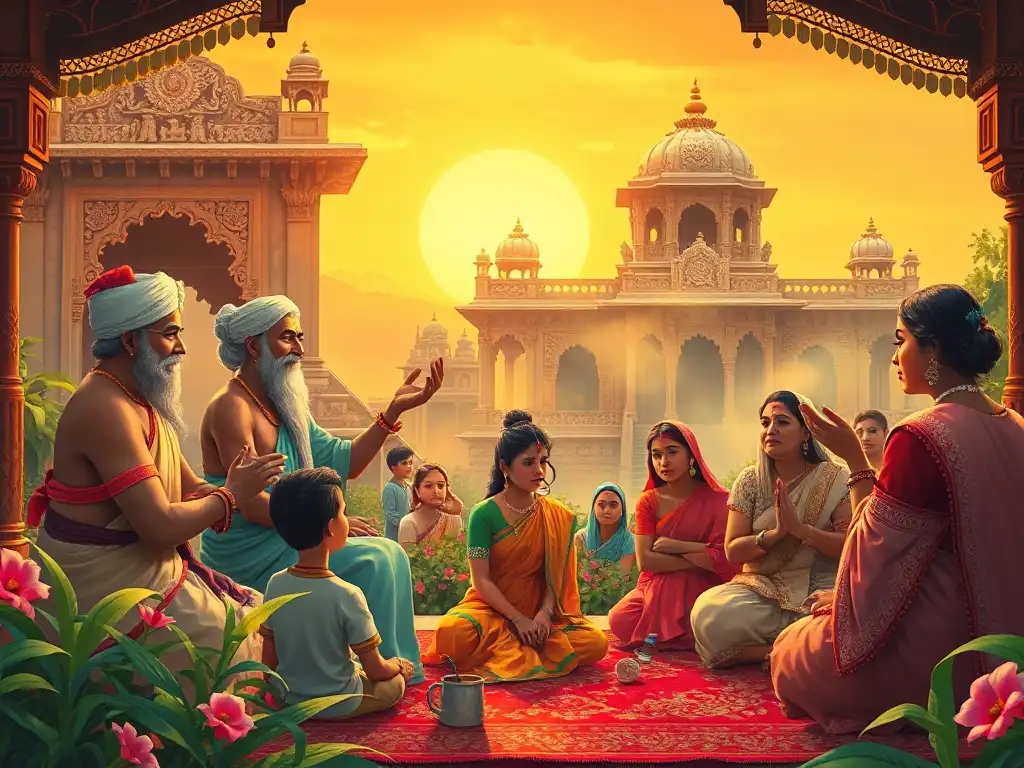
Ancient Indian storytelling features a variety of character archetypes, each embodying specific traits and cultural significance:
- The Hero: Typically portrayed as noble and virtuous, the hero represents the ideal qualities of courage, integrity, and perseverance. This archetype often embarks on a journey that leads to personal growth and societal benefit.
- The Mentor: Wise and experienced, the mentor guides the hero through challenges, providing knowledge and support. This character underscores the importance of wisdom and learning in the pursuit of success.
- The Villain: Often embodying chaos and moral corruption, the villain serves as a foil to the hero. This archetype highlights the struggle between good and evil, emphasizing the consequences of unethical choices.
- The Trickster: This character brings humor and unpredictability, often challenging societal norms. The trickster’s role is crucial in revealing truths and exposing hypocrisy, encouraging critical thinking among audiences.
The presence of these archetypes not only enhances storytelling but also reflects the values and beliefs of ancient Indian society, promoting ideals of justice, wisdom, and integrity.
Major Ancient Indian Storytelling Traditions
Ancient Indian storytelling traditions are diverse and rich, encompassing various forms and genres that reflect the cultural and historical context of their time:
The Epics: Ramayana and Mahabharata
The Ramayana and Mahabharata are two of the most significant epics in ancient Indian literature, each offering a profound insight into the cultural ethos of the time.
- Ramayana: Attributed to the sage Valmiki, the Ramayana narrates the journey of Lord Rama, exploring themes of dharma, devotion, and the ideal human character. Its structure, filled with vivid characters and moral dilemmas, has influenced countless adaptations, both in India and abroad.
- Mahabharata: The Mahabharata, attributed to Vyasa, is one of the longest epic poems in the world. It delves into the complexities of human relationships, war, and ethics, particularly through the lens of the Kurukshetra War. The Bhagavad Gita, a philosophical dialogue within the Mahabharata, addresses profound existential questions, making it a cornerstone of Indian spiritual literature.
Both epics have not only shaped storytelling traditions but have also played an essential role in shaping cultural, social, and religious identities in ancient India.
Folk Tales and Regional Narratives
Folk tales and regional narratives form an integral part of ancient Indian storytelling, showcasing the diverse cultural landscape of the subcontinent. These tales often reflect local customs, traditions, and beliefs, preserving the unique heritage of various communities.
- Variations Across Regions: Each region boasts its unique folklore, from the Panchatantra tales that impart wisdom through animal fables to the rich oral traditions of the tribes in central India. These stories often serve as entertainment as well as moral instruction.
- Cultural Syncretism: Folk tales frequently demonstrate syncretism, blending elements from different cultures and traditions. This amalgamation reflects the historical interactions between various communities, including the influence of Buddhism, Jainism, and later, Islamic narratives.
Religious Texts and Their Role in Storytelling
Religious texts have been pivotal in shaping ancient Indian storytelling traditions, serving as both spiritual guides and narrative vehicles.
- Vedas and Upanishads: The ancient scriptures, such as the Vedas and Upanishads, contain stories that explore profound philosophical concepts and moral dilemmas, often employing allegorical narratives to convey deep truths about existence and the universe.
- Puranas: The Puranas, a genre of ancient Indian literature, are rich in mythological stories and teachings. They serve to preserve historical narratives and religious traditions, embedding cultural values within engaging tales that resonate with audiences.
- Bhakti Literature: The Bhakti movement introduced devotional poetry and narratives emphasizing personal devotion to deities. These stories fostered a connection between the divine and the individual, encouraging a more personal and emotional engagement with spirituality.
Through these religious texts, ancient Indian storytelling not only preserved cultural heritage but also encouraged a deeper understanding of the moral and existential questions that have shaped human experience.
Cultural Syncretism through Ancient Indian Narratives
Cultural syncretism in ancient India refers to the blending of diverse cultural elements, beliefs, and practices that occurred through storytelling traditions. These narratives were not merely forms of entertainment; they served as vehicles for disseminating ideas, values, and customs across different communities.
Ancient Indian storytelling traditions encapsulated a wide range of themes, from mythological tales and epic sagas to fables and parables, all of which contributed to a rich tapestry of cultural exchange. The oral tradition played a pivotal role, allowing stories to adapt and evolve as they were passed down through generations, incorporating influences from various cultures, including those of neighboring regions and invaders.
The epic narratives of the Mahabharata and Ramayana, for example, are exemplary of this syncretism. They reflect not only the socio-political milieu of ancient India but also integrate elements from various local traditions, showcasing a fusion of beliefs and practices. The retelling of these epics across different languages and cultures highlights how storytelling became a means to bridge cultural divides, fostering mutual understanding and respect among diverse communities.
How Narratives Facilitated Cross-Cultural Interactions
Ancient Indian narratives facilitated cross-cultural interactions by serving as a common ground for diverse groups to share experiences and learn from each other. Storytelling was instrumental in creating a dialogue between various cultures, allowing for the exchange of philosophical ideas, moral lessons, and social norms. Through the art of storytelling, ancient Indian narrators could convey complex themes such as duty, righteousness, and ethics, which resonated with audiences from different backgrounds.
Moreover, the performance of these narratives often took place in communal settings, where people from various cultural and social strata congregated. This inclusive space allowed for the blending of languages, dialects, and storytelling styles, enriching the narratives themselves. As a result, these stories not only preserved local traditions but also absorbed influences from surrounding cultures, thereby contributing to a broader cultural syncretism.
Examples of Syncretism in Ancient Indian Literature
Several works of ancient Indian literature exemplify cultural syncretism. The Panchatantra, a collection of fables originally composed in Sanskrit, incorporates moral lessons derived from various cultural traditions, including those of Persia and the Middle East. Its stories, featuring animals as protagonists, effectively communicate universal themes of wisdom, cleverness, and the consequences of folly, making them accessible to a wide range of audiences.
Similarly, the Jataka tales, which recount the previous lives of the Buddha, reflect a blend of indigenous Indian narratives and elements from other cultures. These stories not only served to impart Buddhist teachings but also integrated local folklore and moral philosophies, thereby creating a unique narrative style that appealed to diverse populations.
The Impact of Trade Routes on Storytelling Traditions
Trade routes significantly influenced storytelling traditions in ancient India by facilitating the movement of people, goods, and ideas. The Silk Road and maritime trade routes connected India with distant lands, enabling cultural exchanges that enriched local narratives. Merchants, travelers, and pilgrims often shared stories during their journeys, creating a dynamic exchange of traditions and themes.
As traders interacted with different cultures, they brought back tales that reflected the values and beliefs of those societies. This exchange allowed for the inclusion of various motifs and narrative techniques into Indian storytelling, leading to a diverse and evolving narrative tradition. The narratives often adapted to include local elements, ensuring their relevance and resonance with new audiences.
The Role of Storytelling in Shaping Identity
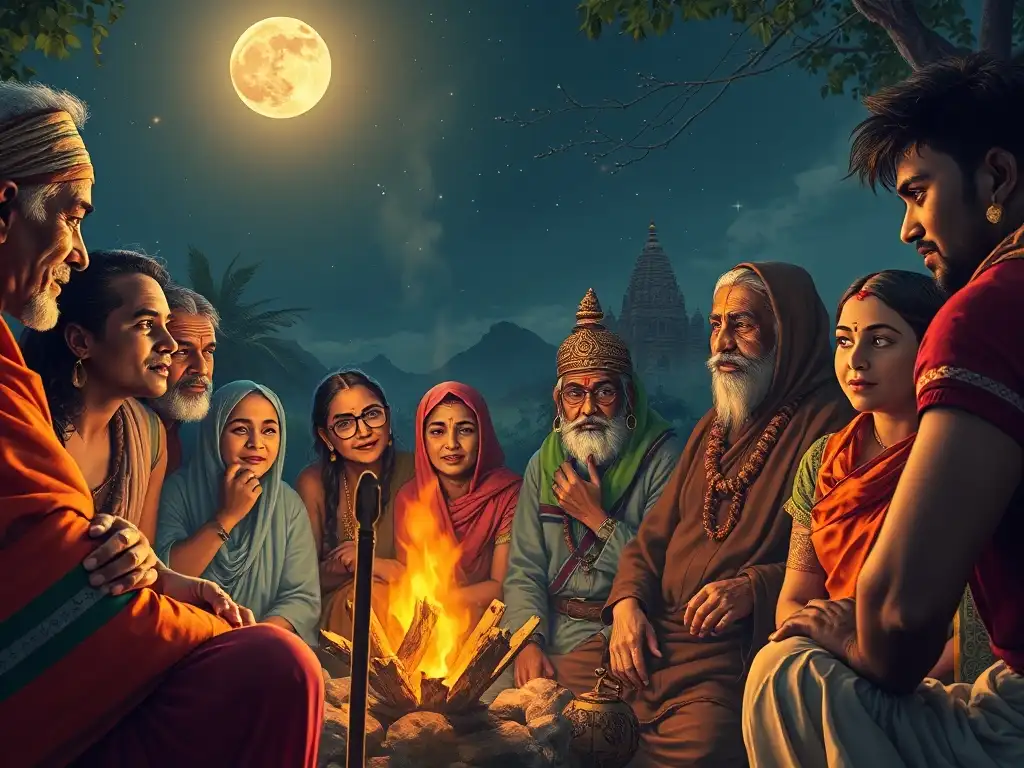
Storytelling has always been a powerful tool for shaping identity in ancient India. Through narratives, individuals and communities could articulate their values, beliefs, and cultural heritage, fostering a sense of belonging and continuity. The shared experience of storytelling helped forge connections among people, reinforcing communal identities while also allowing for the appreciation of diversity.
Storytelling as a Tool for Cultural Preservation
Storytelling served as a vital mechanism for cultural preservation in ancient India. As societies evolved, oral traditions became repositories of knowledge, history, and cultural practices. The transmission of stories helped maintain a collective memory that connected generations, ensuring that cultural heritage was not lost over time.
In this way, storytelling acted as a bridge between the past and the present, allowing communities to remember their roots while adapting to changing circumstances. This preservation of culture through narrative forms also facilitated the intermingling of various traditions, solidifying the notion of syncretism in the broader cultural landscape.
Narratives and the Formation of Community Identity
Narratives played a crucial role in forming community identity by providing a shared framework through which individuals could understand their place within society. Through storytelling, communities could articulate their unique experiences, values, and aspirations, thereby fostering a sense of shared identity.
In ancient India, various regional narratives often highlighted local customs, historical events, and significant figures, which contributed to a distinct community identity. The celebration of these narratives during festivals or communal gatherings reinforced social bonds and encouraged the transmission of cultural values to future generations. As stories evolved, they continued to reflect the changing dynamics of society, making storytelling an ongoing process of identity formation.
Legacy of Ancient Indian Storytelling
The legacy of ancient Indian storytelling is profound and multifaceted, intertwining with the very fabric of Indian culture and society. Rooted in diverse traditions, these narratives span from the Vedic texts to the epics like the Mahabharata and Ramayana, serving not just as entertainment but also as vehicles of moral, ethical, and philosophical teachings. Storytelling in ancient India was often performed orally, with bards and storytellers playing pivotal roles in preserving cultural heritage through generations.
The narratives often featured gods, heroes, and common folk, reflecting the complexities of human emotions and societal values. Notably, the use of metaphors and allegories allowed these stories to transcend time, offering insights into human nature and the cosmos. The rich tapestry of folklore, myth, and history fostered a sense of identity and belonging among communities, establishing storytelling as a cornerstone of social cohesion.
Influence on Contemporary Indian Literature and Art
Ancient Indian storytelling continues to resonate within contemporary Indian literature and art, shaping modern narratives and artistic expressions. Writers such as R. K. Narayan and Salman Rushdie draw inspiration from the epics and folk tales, infusing their works with elements of magical realism and allegorical storytelling. The themes of love, duty, and the struggle between good and evil remain relevant, echoing the timeless dilemmas faced by characters in ancient narratives.
In the realm of visual arts, traditional storytelling techniques have influenced various forms, including painting, dance, and theatre. For instance, the classical dance forms like Kathak and Bharatanatyam often narrate stories from ancient texts, embodying the rich heritage of storytelling traditions. Furthermore, contemporary artists are increasingly incorporating narrative elements into their works, using modern mediums to reinterpret ancient stories and engage with current social issues, thus ensuring that the legacy of ancient storytelling endures and evolves.
The Global Impact of Ancient Indian Narrative Traditions
The impact of ancient Indian narrative traditions extends far beyond the subcontinent, influencing cultures and literatures globally. The translation of Indian epics into various languages has facilitated cross-cultural exchanges, allowing stories like the Ramayana and Mahabharata to inspire writers, artists, and scholars around the world. This cultural diffusion has led to adaptations and reinterpretations in diverse contexts, enriching global storytelling traditions.
Moreover, the philosophical and spiritual themes encapsulated in ancient narratives have resonated with audiences across different cultures. Concepts such as karma, dharma, and moksha have found their place in global discussions on ethics and morality. The storytelling techniques and narrative structures developed in ancient India, such as the use of framing devices and layered narratives, have influenced various literary forms, from the Arabian Nights to modern novels, showcasing the universal appeal and adaptability of these ancient tales.
Conclusion: The Enduring Power of Ancient Indian Storytelling
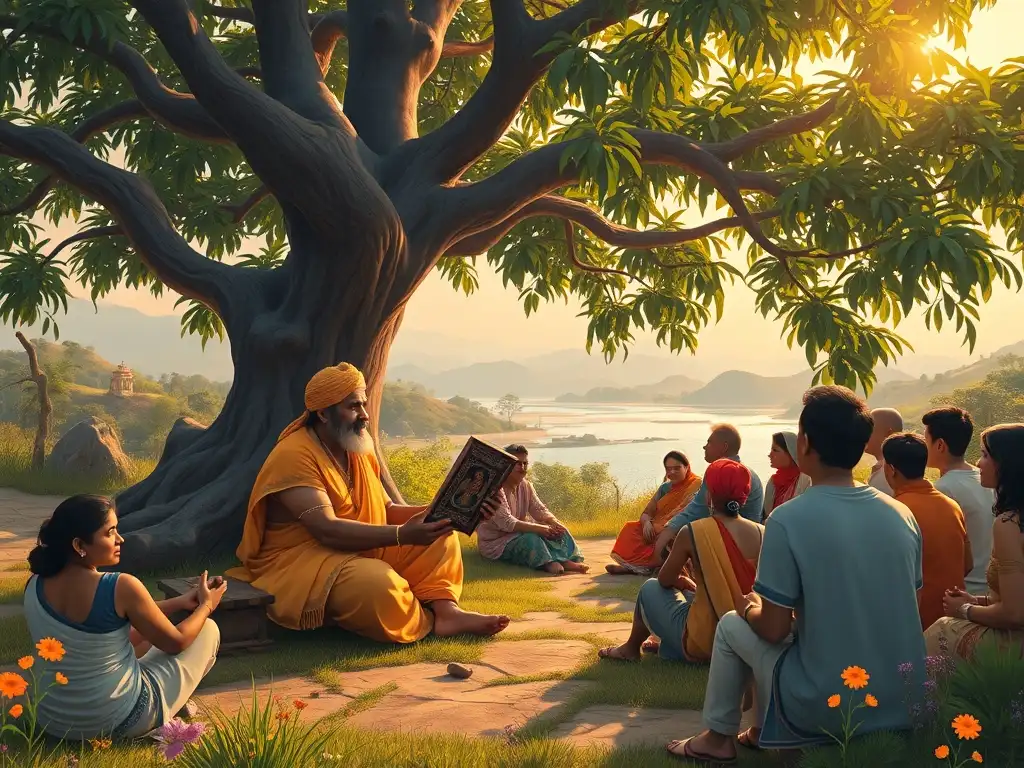
The enduring power of ancient Indian storytelling lies in its ability to connect past and present, weaving a narrative thread that binds generations together. These stories serve as mirrors reflecting the values, aspirations, and struggles of society, fostering cultural continuity and resilience. As a dynamic and evolving art form, storytelling in ancient India has not only shaped cultural syncretism but continues to inspire contemporary discourse and creativity.
Reflection on the Cultural Significance of Storytelling
Reflecting on the cultural significance of storytelling reveals its role as a vital means of communication, education, and cultural preservation. In ancient India, storytelling was more than a form of entertainment; it was a way to impart wisdom, share experiences, and instill moral values within communities. The communal gatherings where stories were shared fostered social bonds and provided a sense of belonging, highlighting the integral role of storytelling in maintaining cultural identity.
Furthermore, storytelling has been a powerful tool for addressing social issues, allowing marginalized voices to be heard and advocating for change. By examining the narratives of the past, contemporary society can glean valuable lessons, inspiring movements toward justice and equality.
Future Directions in the Study of Ancient Indian Narrative Traditions
The study of ancient Indian narrative traditions is poised for exciting developments as scholars and researchers delve deeper into this rich heritage. Future directions may include interdisciplinary approaches that combine literary analysis, anthropology, and digital humanities to explore the multifaceted nature of storytelling. By utilizing technology, researchers can analyze oral traditions and performative aspects of storytelling, preserving these narratives for future generations.
Moreover, there is a growing interest in examining the intersections of ancient Indian stories with other cultural narratives, fostering a global dialogue on shared human experiences. As contemporary society grapples with complex issues, revisiting ancient narratives can provide insights and inspiration, ensuring that the art of storytelling remains a vibrant and influential aspect of cultural expression.
- Introduction to Ancient Indian Storytelling Traditions
- The Roots of Ancient Indian Storytelling
- Key Elements of Ancient Indian Narratives
- Structure and Themes in Ancient Indian Stories
- Character Archetypes and Their Cultural Significance
- Major Ancient Indian Storytelling Traditions
- Cultural Syncretism through Ancient Indian Narratives
- The Impact of Trade Routes on Storytelling Traditions
- The Role of Storytelling in Shaping Identity
- Legacy of Ancient Indian Storytelling
- Influence on Contemporary Indian Literature and Art
- The Global Impact of Ancient Indian Narrative Traditions
- Conclusion: The Enduring Power of Ancient Indian Storytelling
- Reflection on the Cultural Significance of Storytelling
- Future Directions in the Study of Ancient Indian Narrative Traditions
- What are the key features of ancient Indian storytelling traditions?
- How did ancient Indian narratives contribute to cultural syncretism?
- What role did epic literature play in storytelling?
- How did the Indus Valley Civilization influence storytelling?
- In what ways do ancient Indian storytelling traditions impact modern culture?
Frequently Asked Questions
What are the key features of ancient Indian storytelling traditions?
Ancient Indian storytelling traditions are characterized by oral narratives, epic tales, and folk stories that convey moral lessons, historical events, and cultural values, often accompanied by music or dance.
How did ancient Indian narratives contribute to cultural syncretism?
Ancient Indian narratives facilitated cultural syncretism by blending various mythologies, religions, and cultural practices, creating a rich tapestry of shared stories that united diverse communities across the region.
What role did epic literature play in storytelling?
Epic literature, like the Mahabharata and Ramayana, served as foundational texts that not only entertained but also educated people about dharma, morality, and the complexities of human relationships, influencing generations.
How did the Indus Valley Civilization influence storytelling?
The Indus Valley Civilization laid the groundwork for storytelling by fostering early forms of writing and symbolic communication, which later evolved into complex narratives and artistic expressions in subsequent cultures.
In what ways do ancient Indian storytelling traditions impact modern culture?
Ancient Indian storytelling traditions continue to influence modern culture through literature, cinema, and theater, preserving the essence of past narratives while adapting to contemporary themes and audiences.
Final Reflection: The Enduring Legacy of Ancient Indian Storytelling Traditions
The art of storytelling has always been a powerful vehicle for cultural expression and exchange, and today, it remains more relevant than ever. In an increasingly globalized world, the narratives woven through ancient Indian storytelling traditions serve as a reminder of our shared humanity and the rich tapestry of cultural syncretism that shapes our identities. These stories not only preserve history but also foster understanding and empathy among diverse communities, highlighting the timeless nature of storytelling as a bridge across cultures.
The influence of ancient Indian narratives is palpable in contemporary literature, cinema, and even social discourse. Their themes of love, conflict, morality, and the human experience resonate deeply, transcending time and geography. As we navigate the complexities of modern life, these stories remind us of the values that unite us. Stories are the communal currency of humanity.
This quote encapsulates the idea that storytelling is not just an art form but a vital thread that connects us all, encouraging us to reflect on our own narratives and the narratives of others.
As you ponder the lessons from ancient Indian storytelling traditions, consider how you can incorporate these timeless narratives into your own life. Reflect on the stories that shape your identity and share them with others, fostering a dialogue that celebrates diversity and understanding. Embrace the power of storytelling to inspire change, cultivate empathy, and build bridges in your community. The art of storytelling is not just a relic of the past; it is a living tradition that invites us to engage, reflect, and connect in profound ways.
Unveil the Power of Storytelling!
Thank you for exploring the enchanting world of ancient Indian narratives with us! Your journey through the art of storytelling has illuminated how these tales have shaped cultural syncretism and continue to influence us today. Now, it’s time to take action!
Here are some specific steps you can take to deepen your connection to these narratives:
- Dive into a classic! Select a well-known ancient Indian text to read and reflect on its themes and messages. Share your insights with friends or online communities!
- Create your own story! Blend elements from various cultures to craft a narrative that reflects the diverse influences in your life.
- Join the conversation! Engage with fellow history enthusiasts on forums or social media to discuss how storytelling has impacted your understanding of cultural connections.
What story has inspired you to rethink the connections between cultures? Share your thoughts below!