
The Role of Religion in Shaping Ancient Indian Architecture

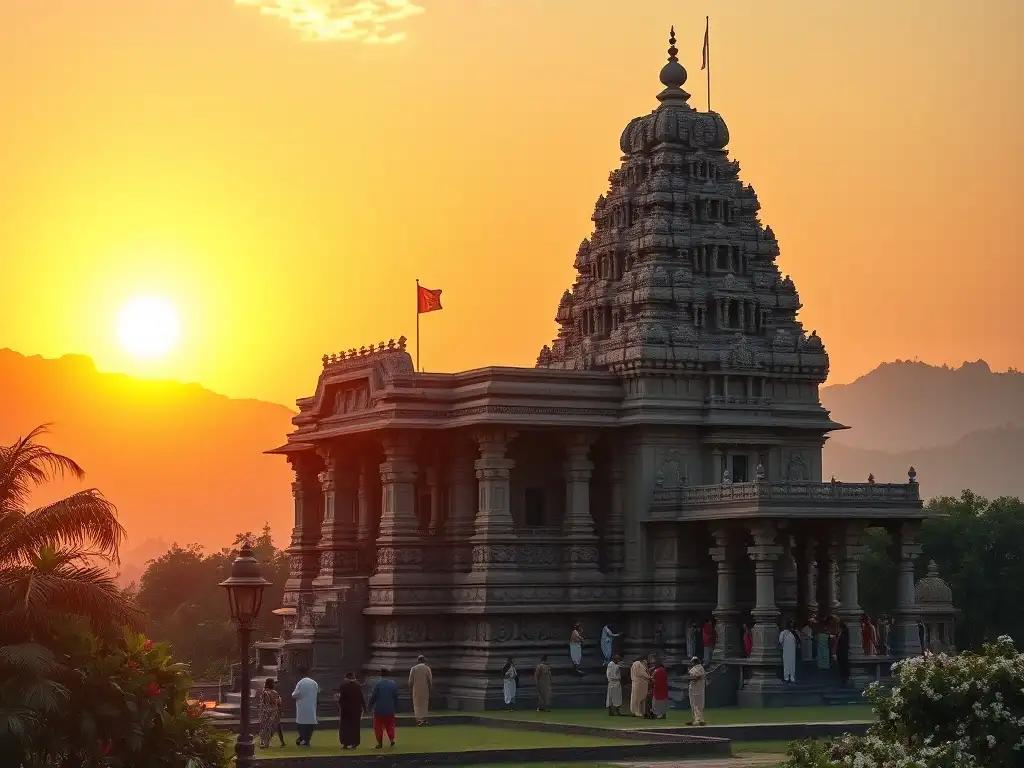
Welcome to Ancient India History, where we embark on a fascinating journey through the rich tapestry of India's past. Dive deep into the influential role of religion in shaping ancient Indian architecture, as we unveil how sacred beliefs and spiritual practices inspired some of the most magnificent structures from the Indus Valley to the Gupta Empire.
Prepare to be captivated by the intricacies of art, architecture, and philosophy that intertwine to tell the story of a civilization that continues to inspire and intrigue. Join us as we explore the profound connections between faith and form—a topic that promises to enrich your understanding and appreciation of ancient Indian heritage.
Introduction to Religion's Influence on Indian Architecture
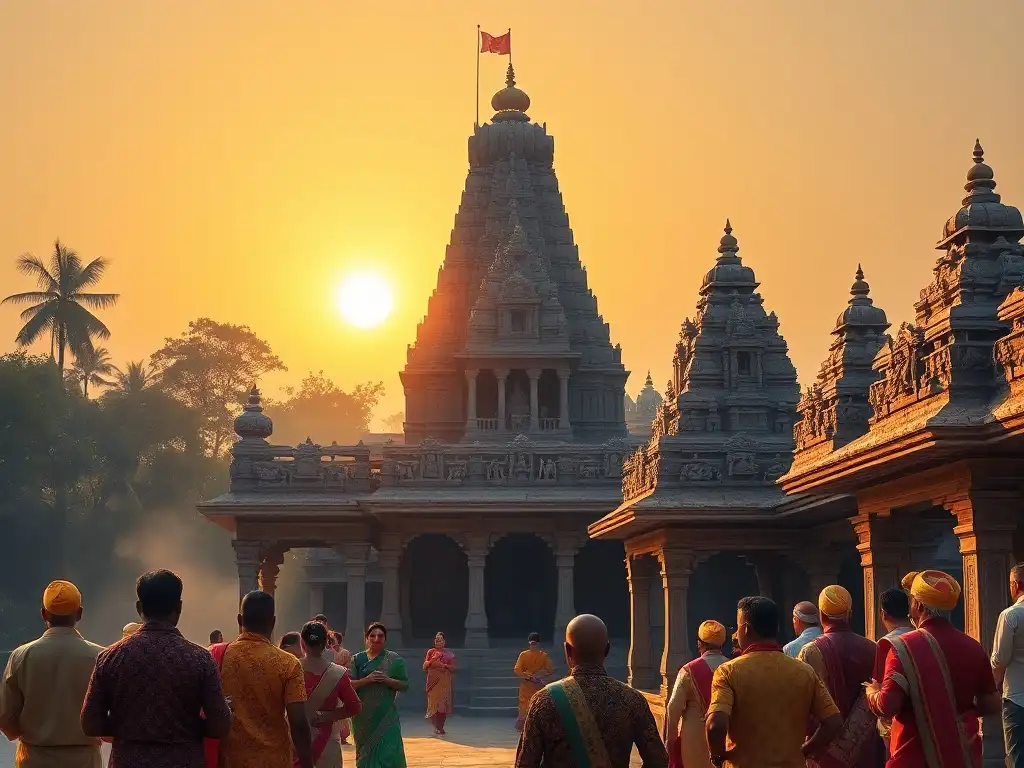
The intricate tapestry of Indian architecture is woven with threads of spirituality, cultural beliefs, and profound religious practices. From the grand temples of the Indus Valley to the majestic stupas of the Gupta Empire, religion has served as a cornerstone for architectural design and innovation throughout ancient Indian history.
The keyword "Religion's Influence on Indian Architecture" encapsulates the essence of how various faiths not only shaped the physical landscape but also reflected the philosophical and spiritual values of their time. This article delves into the multifaceted relationship between religion and architecture in ancient India, highlighting the profound impact of spirituality on the creation of some of the most awe-inspiring structures in history.
Overview of Indian Architecture and Its Historical Context
Indian architecture is a rich and diverse field that spans several millennia, characterized by distinct styles and regional variations. The evolution of architectural forms in India can be understood through several key periods:
- Indus Valley Civilization (c. 3300–1300 BCE): Known for its urban planning, advanced drainage systems, and unique brick structures.
- Mauryan Empire (c. 322–185 BCE): Notable for the construction of stupas and rock-cut caves, such as the Great Stupa at Sanchi.
- Gupta Empire (c. 240–550 CE): Marked by the development of temples with intricate carvings and the emergence of classical Indian architecture.
These historical epochs illustrate how architecture not only served functional purposes but also acted as a medium for religious expression and cultural identity. The interplay between religious beliefs and architectural practices is evident in the design elements, spatial organization, and iconography employed in various structures.
Importance of Religion in Ancient Indian Society
Religion played a pivotal role in ancient Indian society, influencing daily life, governance, and artistic expression. Spiritual beliefs were deeply embedded in the culture, shaping not only personal identities but also communal values. Key aspects of this influence include:
- Social Cohesion: Religion fostered a sense of belonging and unity among diverse communities.
- Cultural Identity: Architectural styles often reflected the unique identities of various regions and religious groups.
- Patronage: Temples and religious sites were often funded by royal patronage, reflecting the power dynamics and alliances within society.
As a result, the intertwining of religion with architecture was not merely aesthetic but also served to reinforce social and spiritual hierarchies in ancient India.
Major Religions Influencing Ancient Indian Architecture
Hinduism and Its Architectural Contributions
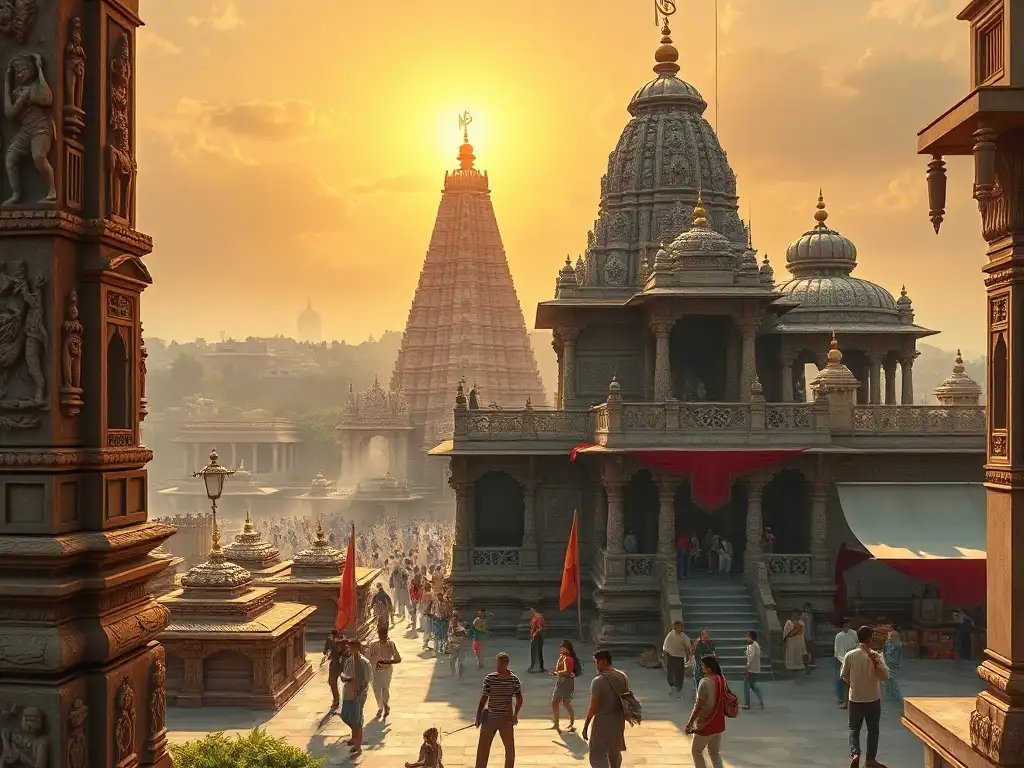
Hinduism has had a profound impact on Indian architecture, characterized by the construction of temples that are not only places of worship but also manifestations of cosmic principles. Key features of Hindu temple architecture include:
- Shikhara: The towering spire that symbolizes the mythical Mount Meru, the axis of the universe.
- Mandapa: The pillared hall used for congregational worship, often adorned with intricate carvings.
- Garbhagriha: The innermost sanctum housing the deity, representing the womb of the universe.
Famous examples include the Brihadeeswarar Temple in Thanjavur and the Khajuraho temples, renowned for their exquisite sculptures and architectural grandeur.
Buddhism's Impact on Architectural Styles
Buddhism introduced a distinct architectural style that emphasizes simplicity and meditation. Its influence is evident in:
- Stupas: Dome-shaped structures designed to house relics, such as the Sanchi Stupa and the Great Stupa at Amaravati.
- Viharas: Monastic complexes that served as living quarters for monks, often featuring rock-cut architecture.
Buddhist architecture focuses on creating spaces that promote meditation and reflection, reflecting the religion's core principles of tranquility and enlightenment.
Jainism's Contributions to Indian Architecture
Jainism, with its emphasis on non-violence and asceticism, has also left a significant mark on Indian architecture. Key contributions include:
- Temples: Jain temples are known for their elaborate carvings and detailed artwork, as seen in the Dilwara Temples in Rajasthan.
- Fortified Structures: Jain architecture often features fortified complexes that reflect the community's socio-political status during ancient times.
The architectural styles of Jain temples are characterized by intricate marble work and an emphasis on aesthetic beauty, symbolizing the religion's values of purity and devotion.
Through the exploration of these themes, this article aims to provide a comprehensive understanding of how religion's influence on Indian architecture has shaped the landscape of ancient India, leaving a lasting legacy that continues to inspire and captivate.
Key Architectural Marvels Reflecting Religious Beliefs
Ancient Indian architecture is a profound manifestation of the country's diverse religious beliefs and practices. The architectural marvels that dot the landscape are not just structures; they are embodiments of the spiritual and cultural ethos of their times. From grand stupas to intricately carved temples, each edifice tells a story of faith, devotion, and the artistic expression of religious sentiments. These structures serve as a testament to how religion influenced architectural styles, construction techniques, and spatial organization, reflecting the values and beliefs of ancient Indian civilizations.
The Great Stupa at Sanchi: A Buddhist Masterpiece
The Great Stupa at Sanchi, located in Madhya Pradesh, is one of the most iconic representations of Buddhist architecture. Constructed during the reign of Emperor Ashoka in the 3rd century BCE, this monumental structure symbolizes the teachings of Buddhism and the journey toward enlightenment. The stupa's hemispherical dome represents the universe and is designed to house relics of the Buddha, signifying the importance of veneration in Buddhist practice.
The stupa is adorned with intricately carved gateways (toranas) that depict various scenes from the life of the Buddha and Jataka tales, illustrating moral lessons and emphasizing the core principles of Buddhism. The architectural design of the Great Stupa not only reflects religious significance but also showcases advanced construction techniques of its time, such as the use of stone masonry and symbolic geometry, making it a crucial site for both worship and pilgrimage.
The Brihadeeswarar Temple: A Testament to Hindu Architecture
The Brihadeeswarar Temple in Thanjavur, Tamil Nadu, stands as a monumental testimony to the grandeur of Hindu architecture. Built during the Chola dynasty in the 11th century, this temple is dedicated to Lord Shiva and is renowned for its remarkable scale and intricate carvings. The temple's towering vimana (temple tower) rises to about 66 meters, making it one of the tallest of its kind in the world.
The intricate sculptures and frescoes that adorn the temple showcase not only the artistic skills of the artisans but also the religious narratives and iconography central to Shaivism. The temple complex includes various shrines, mandapas (pillared halls), and a massive Nandi (bull) statue, embodying the deep spiritual connection between the divine and the devotees. The architectural layout and ornamentation of the Brihadeeswarar Temple reflect the synthesis of art and spirituality, highlighting the importance of religion in shaping the identity of South Indian architecture.
Dilwara Temples: Jain Architectural Splendor
The Dilwara Temples, located near Mount Abu in Rajasthan, are a remarkable representation of Jain architecture and artistry. Constructed between the 11th and 13th centuries, these temples are dedicated to various Tirthankaras, with the most famous being the Vimal Vasahi and Luna Vashi temples. The exquisite marble carvings and intricate designs found within these sanctuaries exemplify the Jain ethos of non-violence and the pursuit of spiritual enlightenment.
Each temple features detailed sculptures, intricate jaalis (latticework), and elaborate pillars, which reflect the meticulous craftsmanship of the artisans. The Dilwara Temples not only serve as places of worship but also as a testament to the Jain community's values and beliefs, emphasizing the significance of purity and asceticism in their architectural expressions. The serene ambiance and refined artistry of these temples continue to attract pilgrims and tourists, illustrating the lasting influence of Jainism on Indian architecture.
The Interplay Between Religion and Regional Architectural Styles
The diverse religious landscape of ancient India significantly influenced regional architectural styles, resulting in a variety of expressions that reflect local traditions, beliefs, and cultural influences. Each region developed its distinctive architectural language, shaped by the predominant religions and their interpretations of sacred space.
Northern India: Temples and Monasteries
In Northern India, the architectural landscape is predominantly characterized by temples and monasteries, heavily influenced by Hinduism and Buddhism. Temples such as the Kashi Vishwanath Temple in Varanasi and the Jagannath Temple in Puri exhibit intricate carvings and towering shikharas (spires) that reflect the artistic prowess of the artisans. The Buddhist monasteries in places like Leh and Ladakh reveal the spread of Buddhism and its architectural adaptations in the harsh mountainous terrains.
The interplay of various religious beliefs in Northern India resulted in a rich tapestry of architectural styles, where Hindu and Buddhist influences coexist, leading to unique designs and layouts that cater to the spiritual needs of the communities.
Southern India: Dravidian Architecture and Religious Influence
Southern India's architectural style, known as Dravidian architecture, is a quintessential reflection of Hindu religious practices. The towering gopurams (gateway towers) of temples such as the Meenakshi Temple in Madurai and the Brihadeeswarar Temple showcase elaborate iconography and vibrant sculptures that narrate mythological stories. The layout of these temples is usually designed to create a sacred axis, aligning with astronomical and spiritual principles.
The religious rituals and festivals associated with these temples play a crucial role in the community's cultural life, further enriching the architectural landscape. The strong connection between the divine and the devotees is visually represented in the grandeur and intricacy of Dravidian architecture, making it a significant subject of study in understanding the influence of religion on architectural forms.
Eastern and Western India: Diverse Religious Expressions in Architecture
In Eastern and Western India, the architectural expressions are marked by a blend of influences from various religions, including Hinduism, Jainism, and Islam. The Sun Temple at Konark in Odisha is a stunning example of how Hindu motifs and solar worship are represented through intricate stone carvings and the temple's chariot-like structure.
Conversely, in Western India, the intricate caves of Ajanta and Ellora reflect the confluence of Buddhist, Hindu, and Jain architectural styles, showcasing elaborate sculptures and frescoes that depict religious narratives. These caves served not only as places of worship but also as monastic retreats, emphasizing the importance of meditation and spiritual practice in ancient Indian religions.
The diversity of religious expressions in architecture across Eastern and Western India demonstrates how local cultures and beliefs shaped architectural forms, resulting in a rich and varied heritage that continues to inspire awe and reverence today.
The Evolution of Religious Architecture Over Time
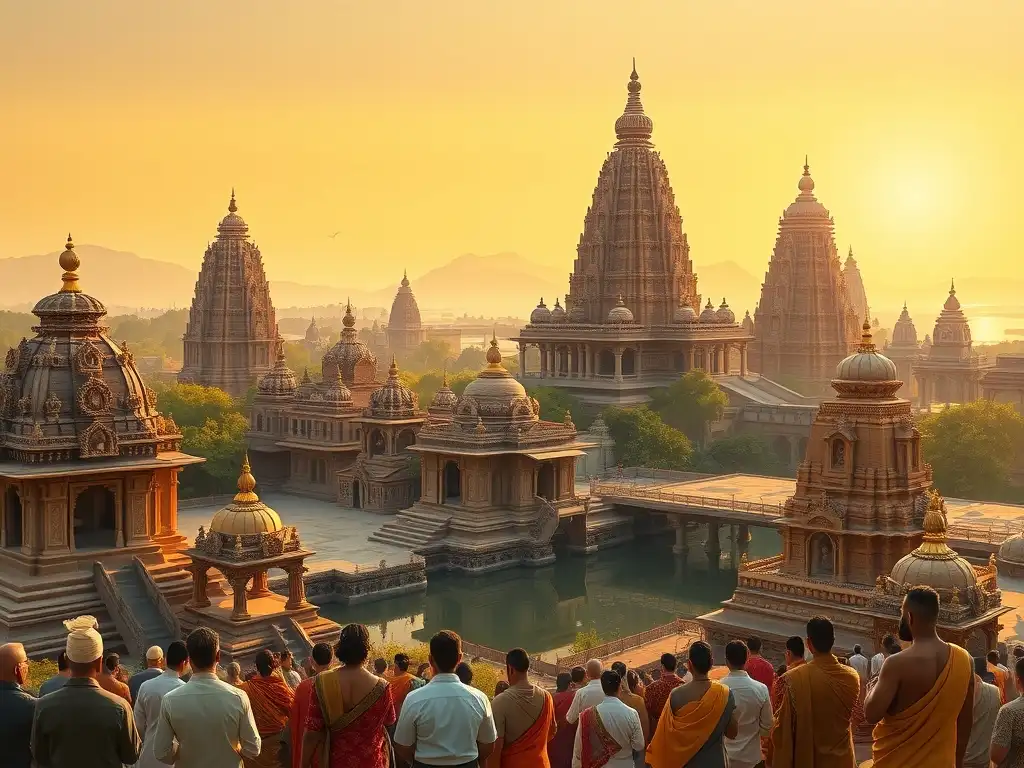
The evolution of religious architecture in ancient India is a reflection of the rich tapestry of cultural and spiritual practices that shaped the subcontinent. From the sophisticated urban planning of the Indus Valley Civilization to the grand temples of the Gupta Empire, each era contributed unique styles and motifs that illustrated the prevailing religious ideologies. This journey through time reveals how religion served not only as a spiritual foundation but also as a catalyst for architectural innovation, influencing both design and construction techniques.
Early Period: Indus Valley to Maurya Empire
The journey of religious architecture in ancient India begins with the Indus Valley Civilization (c. 3300–1300 BCE), where evidence of early religious practices is found in the form of fire altars and sealed seals depicting deities. The cities of Harappa and Mohenjo-Daro featured intricate drainage systems and possibly early forms of temples, laying the groundwork for future architectural developments.
With the rise of the Maurya Empire (c. 322–185 BCE), architecture began to reflect the burgeoning influence of Buddhism. Emperor Ashoka played a pivotal role in this transition, commissioning the construction of stupas, which are dome-shaped structures built to house relics. The Great Stupa at Sanchi is a prime example, showcasing the integration of religious symbolism into architectural design. These structures not only served as places of worship but also as communal gathering spaces, fostering a sense of community around shared beliefs.
Classical Period: Gupta Empire and Beyond
The Gupta Empire (c. 320–550 CE) marked a golden age for Indian art and architecture, with religion at its core. Hinduism re-emerged as a dominant faith, leading to the construction of monumental temples that celebrated deities through intricate carvings and sculptures. The temples of Khajuraho and the ornate architecture of the Brihadeeswarar Temple in Thanjavur exemplify the grandeur of this period.
Architectural styles evolved to include intricate mandapas (pillared halls) and shikhara (tower) structures, symbolizing the cosmic mountain and the connection between the earthly realm and the divine. This era also saw the emergence of unique regional styles, such as the Dravidian and Nagara, each reflecting local beliefs and practices while maintaining a core religious significance.
Decline and Transition: Post-Gupta Influences
Following the Gupta period, India experienced a decline in centralized power, leading to regional kingdoms that further diversified architectural styles. The influence of Islamic architecture began to permeate Indian religious structures, particularly with the advent of the Delhi Sultanate and the Mughal Empire. This era is characterized by the blending of Hindu and Islamic architectural elements, resulting in structures like the Qutub Minar and the Taj Mahal, which, while primarily tombs and mosques, exhibit features reminiscent of earlier Hindu temples.
The transition during this period highlights the adaptability of religious architecture, as new faiths and cultural practices integrated into the existing fabric of Indian society. This fusion not only transformed architectural aesthetics but also underscored the continuing relevance of religion in shaping the identity of Indian architecture.
Conclusion: The Lasting Legacy of Religion on Indian Architectural Heritage
The legacy of religion in shaping Indian architecture is profound and enduring. Through centuries of evolution, religious beliefs have dictated the aesthetics, structure, and significance of architectural marvels across the subcontinent.
Summary of Religion's Role in Shaping Architectural Identity
Religion has served as a cornerstone for architectural identity in India, influencing everything from the layout of cities to the intricacies of temple design. Each period in history brought forth new religious movements that left indelible marks on the architectural landscape. The interplay between faith and design has not only defined the physical structures but also the cultural and spiritual ethos of Indian society.
The Ongoing Influence of Ancient Religious Architecture on Modern India
Even today, the influence of ancient religious architecture permeates modern India. Contemporary architects draw inspiration from these historical forms, incorporating traditional motifs and spiritual symbolism into new designs. The reverence for ancient structures continues, as many are preserved as UNESCO World Heritage Sites, attracting both pilgrims and tourists. This ongoing relationship between ancient religious architecture and modern practices ensures that the spiritual legacy of India's architectural heritage remains a vital part of its cultural identity.
Further Reading and Exploration
Exploring the intricate relationship between religion and architecture in ancient India offers invaluable insights into the cultural and spiritual ethos of the time. To deepen your understanding of this subject, various resources are available, including books, articles, and notable sites that showcase the architectural marvels influenced by religious beliefs. Below, we have curated a selection of recommended books and sites that will enhance your exploration of this fascinating intersection.
Recommended Books on Indian Architecture and Religion
-
"A History of Indian Architecture" by Percy Brown
This comprehensive book provides an in-depth analysis of the evolution of Indian architecture, discussing how various religious influences shaped its development through different periods.
-
"Indian Temple Architecture: Form and Transformation" by Adam Hardy
Hardy's work focuses on the specifics of temple architecture and the religious significance behind the designs, offering a detailed exploration of how faith influenced architectural forms.
-
"The Hindu Temple: An Introduction to Its Meaning and Forms" by George Michell
This book provides an insightful look into the symbolism and significance of Hindu temples, exploring their architectural features and the religious practices associated with them.
-
"Buddhist Architecture in India" by R. C. Sharma
This text delves into the architectural styles of Buddhist structures, examining how religious beliefs informed their design and layout, showcasing the diversity within Indian architecture.
-
"Islamic Architecture in India" by K. K. Aziz
A vital resource for understanding the impact of Islamic religion on Indian architecture, this book highlights key structures and their historical contexts.
Notable Sites to Visit for Architectural Insights
Visiting ancient architectural sites can greatly enhance your understanding of the role religion played in shaping these structures. Here are some notable sites across India that exemplify this influence:
-
Khajuraho Temples, Madhya Pradesh
Renowned for their intricate carvings and sculptures, the temples reflect the religious beliefs of Hinduism and Jainism, showcasing the artistic prowess of ancient Indian craftsmen.
-
Ajanta and Ellora Caves, Maharashtra
These UNESCO World Heritage Sites feature rock-cut temples and monasteries that illustrate Buddhist, Hindu, and Jain architecture, revealing how these religions coexisted and influenced one another.
-
Hampi, Karnataka
Once the capital of the Vijayanagara Empire, Hampi is dotted with temples and palaces that display the architectural grandeur influenced by Hindu religious practices.
-
Sample of the Brihadeeswarar Temple, Thanjavur
This magnificent temple dedicated to Lord Shiva is an exemplary model of Dravidian architecture, demonstrating how religion shaped the layout and construction of sacred spaces.
-
Fatehpur Sikri, Uttar Pradesh
Built during the Mughal era, this city showcases a blend of Islamic and Hindu architectural styles, reflecting the syncretic nature of the religious landscape in India.
Exploring these resources and sites will provide a richer understanding of how religion's influence on Indian architecture has left a lasting legacy in the cultural fabric of the country.
- Introduction to Religion's Influence on Indian Architecture
- Overview of Indian Architecture and Its Historical Context
- Importance of Religion in Ancient Indian Society
- Major Religions Influencing Ancient Indian Architecture
- Key Architectural Marvels Reflecting Religious Beliefs
- The Interplay Between Religion and Regional Architectural Styles
- The Evolution of Religious Architecture Over Time
- Conclusion: The Lasting Legacy of Religion on Indian Architectural Heritage
- Further Reading and Exploration
- What role did religion play in ancient Indian architecture?
- Which religions shaped the architectural styles in ancient India?
- How did the Indus Valley Civilization influence later architecture?
- What are some notable examples of religious architecture in ancient India?
- How did the Gupta Empire impact architectural development?
Frequently Asked Questions
What role did religion play in ancient Indian architecture?
Religion significantly influenced ancient Indian architecture, as many structures were built as places of worship or to honor deities, reflecting the spiritual beliefs of the time.
Which religions shaped the architectural styles in ancient India?
Hinduism, Buddhism, and Jainism were the primary religions that shaped architectural styles, each contributing unique elements such as temples, stupas, and monasteries.
How did the Indus Valley Civilization influence later architecture?
The Indus Valley Civilization laid the groundwork for urban planning and drainage systems, which later influenced the architectural designs of temples and cities in ancient India.
What are some notable examples of religious architecture in ancient India?
Some notable examples include the Buddhist stupas at Sanchi, the intricate Hindu temples at Khajuraho, and the Jain temples in Mount Abu, showcasing the diverse religious influences.
How did the Gupta Empire impact architectural development?
The Gupta Empire marked a period of significant architectural advancement, with the construction of elaborate temples and sculptures that demonstrated the fusion of art and religion, paving the way for future styles.
Final Reflection: The Enduring Legacy of Religion's Influence on Indian Architecture
The intricate relationship between religion and architecture in ancient India continues to resonate in today's society, showcasing how religion's influence on Indian architecture has shaped not only physical structures but also cultural identity. The temples, stupas, and palaces built centuries ago stand as testaments to the spiritual beliefs and artistic expressions of their time, reminding us that architecture is not merely about aesthetics but also about the values and narratives that define a civilization.
The impact of religion on Indian architecture is profound and ongoing, influencing contemporary designs and cultural practices. As we walk through the remnants of ancient structures, we are reminded of the stories they tell and the faith they embody. The sacred spaces created by our ancestors continue to inspire modern architects and artists alike. Architecture is the learned game, correct and magnificent, of forms assembled in the light.
– Le Corbusier. This quote encapsulates the essence of how ancient religious architecture not only served a functional purpose but also created an atmosphere of reverence and beauty that transcends time.
As we reflect on the lessons drawn from the interplay of religion and architecture, let us invite ourselves to appreciate the deeper meanings behind the structures we encounter in our daily lives. Consider how the values of faith, community, and creativity can be woven into your own surroundings and experiences. By embracing the lessons of the past, we can foster a greater understanding of our cultural heritage and inspire future generations to create spaces that honor both tradition and innovation.
Unveil the Mysteries of Ancient Indian Architecture!
Thank you for exploring the intricate relationship between religion and architecture in ancient India! Your engagement with this rich history not only deepens your understanding but also honors the cultural legacy that continues to inspire modern design. Now, it's time to take action and immerse yourself further in this fascinating world.
Here are a few steps you can take to continue your journey:
- Dive deeper into the architectural styles by researching specific temples and monuments renowned for their religious significance.
- Join the conversation! Share your insights on how ancient architectural principles could inspire contemporary designs in discussions or on social media platforms.
- Plan a visit to a nearby exhibition or museum showcasing ancient Indian artifacts, or explore online virtual tours that highlight impressive architectural wonders.
What aspect of ancient Indian architecture inspires you the most, and how do you believe it influences modern architectural practices today?