
The Evolution of Ancient Indian Numerals: From Brahmi to Devanagari


Welcome to Ancient India History – a gateway to exploring the rich tapestry of civilizations that shaped one of the world's oldest cultures. Here, we delve into the remarkable contributions of ancient Indian societies, from the sophisticated urban planning of the Indus Valley to the intellectual heights of the Gupta Empire.
In our featured article, "The Evolution of Ancient Indian Numerals: From Brahmi to Devanagari," we unravel the intriguing journey of the Ancient Indian numeral system, a foundational element that not only influenced mathematics but also transformed the way we perceive numbers today. Join us as we uncover the secrets of this fascinating numerical legacy and discover how it continues to resonate in our lives.
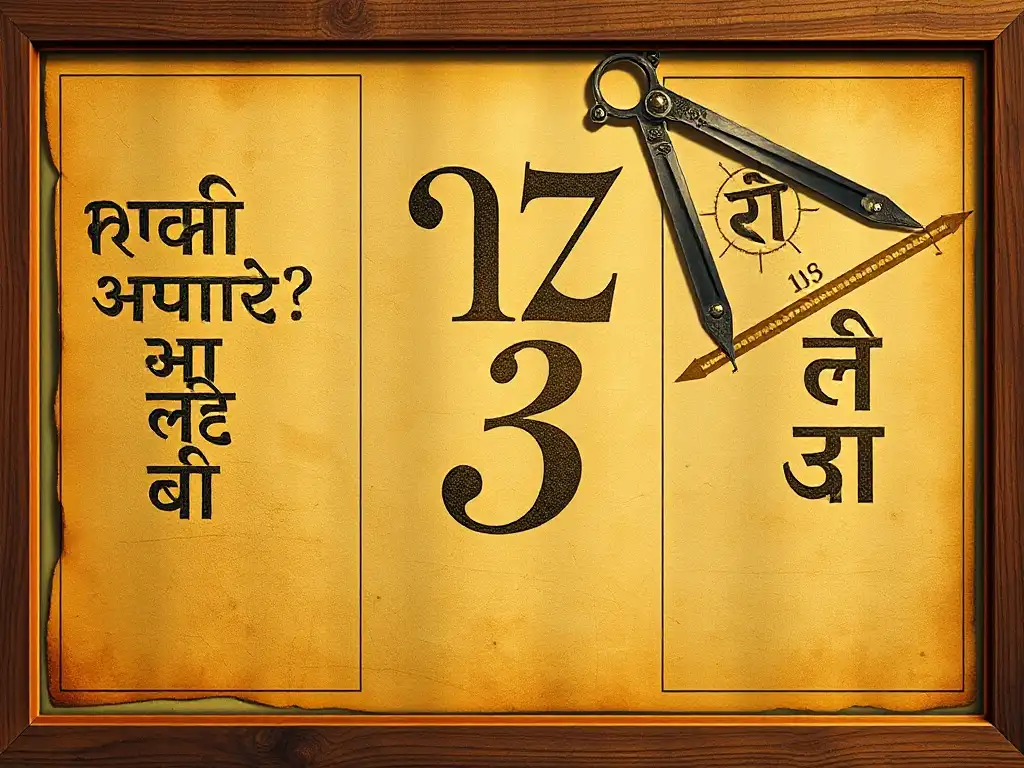
Introduction to Ancient Indian Numeral System
The ancient Indian numeral system represents a remarkable evolution in the realm of mathematics, reflecting the ingenuity and intellectual advancements of civilizations that thrived in the Indian subcontinent. Spanning from the Brahmi numerals, which emerged around the 3rd century BCE, to the Devanagari script widely used today, this journey illustrates not only the technical development of numeral representation but also the profound cultural and scientific contributions of ancient India.
The ancient Indian numeral system laid the foundation for various mathematical concepts and practices that resonate even in contemporary times. By examining the evolution of these numerals, one can appreciate the intricate relationship between mathematics and society, as well as the global influence of ancient Indian numeral systems.
Overview of Ancient Indian Numerals
The ancient Indian numeral system is characterized by its unique symbols and representation methods, which differ significantly from the numeral systems of other ancient cultures. The Brahmi numerals, as one of the earliest known systems, utilized a combination of strokes and shapes to denote numbers. As this system evolved, it gave rise to various regional scripts, including the Gupta numerals and ultimately, the Devanagari numerals, which are prevalent in modern India.
Key features of ancient Indian numerals include:
- Positional System: The adoption of a positional decimal system, which allowed for the representation of large numbers and complex calculations.
- Cultural Significance: Each numeral's design often reflected philosophical and spiritual concepts important to the society.
- Mathematical Applications: Ancient Indian numerals facilitated advancements in mathematics, including arithmetic, algebra, and geometry.
Importance of Numerical Systems in Ancient India
The significance of numerical systems in ancient India extends beyond mere calculation; they were integral to trade, astronomy, architecture, and religious practices. The development of an efficient numeral system enabled merchants to keep accurate accounts and facilitated the flourishing trade routes across the subcontinent and beyond. Furthermore, ancient Indian mathematicians utilized these numerals in astronomical calculations, which were vital for aligning calendars and conducting rituals.
Moreover, the ancient Indian numeral system contributed to:
- Education: The teaching of mathematics and astronomy in ancient universities, such as Nalanda and Takshashila.
- Cultural Exchange: The spread of Indian numeral concepts influenced other cultures, including Arab and European mathematical practices.
- Intellectual Legacy: The eventual adoption of the numeral system by various civilizations, leading to the global numeral system we recognize today.
The Brahmi Numerals: Origins and Characteristics
Historical Context of Brahmi Numerals
Brahmi numerals emerged during a period of substantial socio-political development in ancient India, particularly during the reign of the Maurya Empire. This era was marked by advancements in administration, trade, and culture, creating a conducive environment for mathematical innovation. The Brahmi script, alongside its numeral system, became a means of communication for record-keeping and governance. It is believed that the Brahmi numerals were influenced by earlier numeral systems from neighboring regions, which contributed to their distinctive features.
Structure and Design of Brahmi Numerals
The Brahmi numeral system comprises a set of symbols that represent numbers from 0 to 9, along with combinations for higher values. Each numeral was designed with simplicity and clarity in mind, often resembling geometric shapes. The symbols were primarily written from left to right and were flexible enough to adapt to various contexts, such as inscriptions, manuscripts, and trade documents.
Brahmi numerals include:
| Symbol | Value |
|---|---|
| 𑀑 | 1 |
| 𑀒 | 2 |
| 𑀓 | 3 |
| 𑀔 | 4 |
| 𑀕 | 5 |
| 𑀖 | 6 |
| 𑀗 | 7 |
| 𑀘 | 8 |
| 𑀙 | 9 |
| 𑀘𑀑 | 10 |
Influence of Brahmi on Other Numerical Systems
The Brahmi numerals not only served the ancient Indian society but also significantly influenced other numeral systems throughout Asia and beyond. As trade and cultural exchanges flourished, the Brahmi numerals were adapted into various scripts, including the Kharosthi and Gupta numerals. These adaptations played a vital role in the development of numeral systems in neighboring regions, such as Southeast Asia and the Middle East.
Key influences of Brahmi numerals include:
- Kharosthi: A contemporary script that borrowed elements from Brahmi, used primarily in the northwest regions of ancient India.
- Gupta Numerals: The direct descendants of Brahmi numerals that flourished during the Gupta Empire, which further refined the representation of numbers.
- Spread to the West: The eventual migration of these numeral concepts through trade routes led to their integration into the Arabic numeral system, which became dominant in Europe.
The evolution of ancient Indian numerals from Brahmi to Devanagari encapsulates a rich tapestry of mathematical innovation and cultural significance. Understanding this evolution not only highlights the ingenuity of ancient Indian civilizations but also emphasizes the enduring legacy of their contributions to the global mathematical landscape.
Transition from Brahmi to Other Numeral Systems
The Brahmi numeral system is one of the earliest known numeral systems in ancient India, serving as a crucial foundation for the evolution of numerical representation in the region. Originating around the 3rd century BCE, Brahmi numerals employed a set of symbols that represented numbers in a base-10 system. Over time, as trade expanded and cultural interactions increased, this numeral system underwent significant transformations.
The transition from Brahmi to other numeral systems was influenced by various factors, including the spread of Buddhism and the interaction with neighboring cultures. As traders, scholars, and monks traveled across regions, they shared mathematical ideas and numeral systems, leading to the adoption and adaptation of Brahmi numerals into different forms. This process resulted in the emergence of several regional variations, which would later contribute to the development of more standardized systems, such as the Gupta numerals.
The Evolution of Numerical Representation
The evolution of numerical representation in ancient India reflects the dynamic nature of mathematical thought. Initially, Brahmi numerals were primarily used for administrative purposes, such as record-keeping and taxation. However, as the need for more complex calculations grew, particularly in commerce and astronomy, additional symbols and methods were developed.
This period saw the introduction of positional notation, allowing for more efficient calculations. The use of zero as a placeholder, which was later fully conceptualized in the Gupta period, was a revolutionary advancement in numerical representation. This innovation enabled the representation of large numbers and complex calculations with greater ease, paving the way for the sophisticated mathematical frameworks that emerged in subsequent centuries.
The Role of Trade and Cultural Exchange in Numeral Evolution
Trade and cultural exchange played a pivotal role in the evolution of ancient Indian numeral systems. As ancient India engaged in extensive trade with regions such as the Mediterranean, Middle East, and Southeast Asia, numerical concepts were exchanged alongside goods. These exchanges facilitated the integration of various mathematical ideas and numeral systems.
For instance, Indian traders adopted and adapted numeral systems from the cultures they interacted with, leading to the refinement of their own systems. The influence of Greek and Persian mathematics is evident in the evolution of Indian numerals, particularly in the way Indian mathematicians began to incorporate new symbols and concepts into their existing frameworks. This cross-pollination of ideas not only enriched the ancient Indian numeral system but also laid the groundwork for future mathematical advancements.
The Gupta Period and the Development of Numerals
The Gupta period, often referred to as the Golden Age of India, marked a significant milestone in the development of numerals. This era, spanning from approximately the 4th to the 6th century CE, was characterized by remarkable achievements in various fields, including mathematics. The Gupta mathematicians were instrumental in refining and standardizing numeral systems, which had a lasting impact on mathematical practices.
During this time, the Brahmi numeral system evolved into what is now recognized as the Gupta numeral system. This transition included the introduction of more streamlined symbols and the establishment of positional notation, which allowed for easier calculations and representations of larger numbers. The Gupta period thus represents a crucial turning point in the history of ancient Indian numerals, showcasing the sophistication and innovation of its mathematicians.
Innovations in Mathematics during the Gupta Empire
The Gupta Empire was not only pivotal for the development of numerals but also for broader mathematical innovations. Mathematicians like Aryabhata and Brahmagupta made groundbreaking contributions that extended beyond numeral systems. Aryabhata's work introduced concepts such as the value of pi and methods for calculating square and cube roots, which showcased the advanced understanding of mathematics during this era.
Moreover, the Gupta mathematicians significantly advanced the concept of zero, which was crucial in simplifying calculations and enabling the development of algebra. Their works laid the foundation for future mathematical discoveries, influencing both Indian and global mathematics in the centuries to come.
The Standardization of Numerical Systems
The standardization of numerical systems during the Gupta period was a critical development in the history of mathematics. The consolidation of various regional numeral systems into a more uniform structure allowed for greater consistency in mathematical calculations and record-keeping. This standardization was essential not only for administrative purposes but also for the flourishing of science and commerce.
The numeral system that emerged during this time would later spread beyond India, influencing other cultures and contributing to the development of the Arabic numeral system we recognize today. As a result, the Gupta period stands as a significant chapter in the evolution of ancient Indian numerals, showcasing the profound impact of this civilization on the global mathematical landscape.
The Devanagari Numerals: Features and Usage
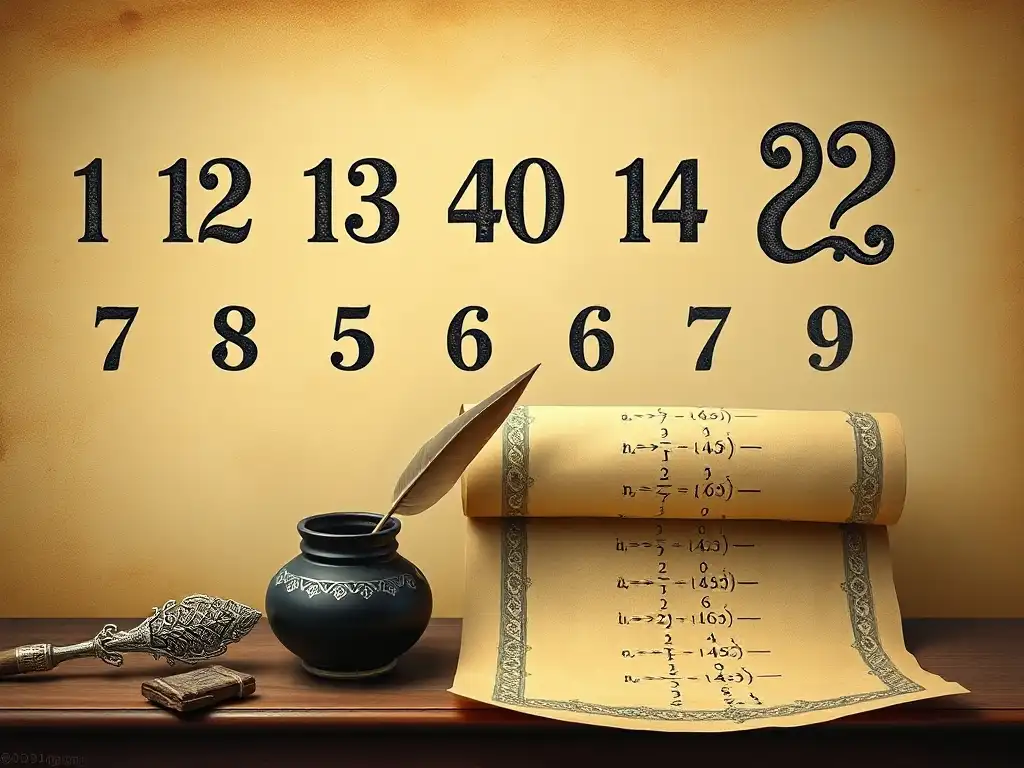
The Devanagari numeral system is a significant development in the long lineage of ancient Indian numerals. It emerged around the 7th century CE and is still in use today, primarily in India and Nepal. Devanagari numerals, consisting of ten digits from 0 to 9, are characterized by their distinct shapes and forms. The numerals are integral to the Devanagari script, which is used to write several languages, including Hindi, Sanskrit, and Marathi.
The numerals are primarily employed in various applications, including arithmetic operations, timekeeping, and recording dates in calendars. The system emphasizes positional notation, which allows for efficient representation of large numbers. This feature has made it a vital tool in commerce, education, and various fields of science and technology.
Characteristics of Devanagari Numerals
Devanagari numerals possess several distinctive characteristics that highlight their evolution from earlier numeral systems:
- Positional Value: Like the modern decimal system, Devanagari numerals utilize a positional value system, where the position of a digit determines its contribution to the overall number. This allows for a concise representation of large numbers.
- Structure: The numerals are visually distinct yet share similarities with Brahmi numerals, indicating a continuity in the development of ancient Indian numeral systems. Each numeral has a unique design, making it easily recognizable.
- Inclusion of Zero: The inclusion of a symbol for zero is a notable feature of the Devanagari numeral system. This innovation allows for more complex calculations and the representation of empty values, significantly influencing mathematical practices.
Overall, the Devanagari numeral system embodies the mathematical advancements of ancient Indian civilizations and continues to play a crucial role in contemporary arithmetic.
Comparison of Devanagari with Other Ancient Indian Numerals
When comparing Devanagari numerals with other ancient Indian numeral systems, such as Brahmi and Kharosthi, several similarities and differences emerge:
- Brahmi Numerals: The earliest known numeral system in India, Brahmi numerals, dates back to the 3rd century BCE. While Devanagari shares some characters with Brahmi, it has evolved to exhibit more refined shapes. Brahmi numerals lacked a standardized zero, which was later incorporated into Devanagari.
- Kharosthi Numerals: Another ancient system, Kharosthi, was used in the northwest regions of ancient India. Kharosthi numerals are less visually similar to Devanagari but share the positional value concept. The decline of Kharosthi coincided with the rise of Brahmi and subsequently Devanagari.
The transition from Brahmi and Kharosthi to Devanagari represents a significant development in the ancient Indian numeral system, reflecting broader cultural and mathematical advancements during that period.
The Impact of Ancient Indian Numerals on Global Mathematics
The ancient Indian numeral systems, particularly the Devanagari numerals, have had a profound impact on mathematics worldwide. Their influence can be traced through various cultures and historical epochs, reshaping mathematical practices globally.
Influence on Arabic and European Numerical Systems
The migration of mathematical knowledge from India to the Arab world facilitated the spread of ancient Indian numerals. Key aspects include:
- Transmission through Trade: The trade routes that connected India with the Middle East played a vital role in the exchange of knowledge. Arab mathematicians adopted the numeral system, which they referred to as "Hindu numerals."
- Al-Khwarizmi's Works: The Persian mathematician Al-Khwarizmi, in the 9th century, documented the use of these numerals in his influential work on arithmetic, which contributed to their adoption in Europe. His writings laid the foundation for algebra and introduced the numeral system to the Western world.
As a result, the ancient Indian numeral system became a cornerstone of mathematics in the Islamic Golden Age and later influenced European mathematicians during the Renaissance.
Contributions to Modern Mathematics
The legacy of ancient Indian numerals is evident in contemporary mathematics. Key contributions include:
- Decimal System: The positional decimal system, characterized by the use of zero and place value, is fundamental to modern mathematics. This innovation has facilitated complex calculations and is integral to the current mathematical framework.
- Numerical Notation: The symbols and concepts introduced by ancient Indian numerals have evolved into the Arabic numeral system widely used today. Their adoption has simplified arithmetic and made mathematical operations more accessible to a global audience.
In essence, the evolution of ancient Indian numerals not only shaped the mathematical landscape of India but also laid the groundwork for mathematical advancements worldwide, highlighting their enduring significance in the field of mathematics.
Conclusion: The Legacy of Ancient Indian Numerals
The evolution of ancient Indian numerals, spanning from the Brahmi script to the sophisticated Devanagari system, highlights the ingenuity and mathematical prowess of Indian civilization. These numeral systems not only facilitated trade and commerce in ancient times but also laid the groundwork for future mathematical advancements. The legacy of these systems can be seen in their influence on various cultures and their foundational role in the development of the modern numeral system used worldwide today. The transition from Brahmi to more refined scripts exemplifies the adaptability and progression of numerical representation in response to the needs of society.
Summary of Key Developments in Ancient Indian Numeral System
Throughout history, several key developments marked the evolution of the ancient Indian numeral system:
- Brahmi Numerals: Dating back to the 3rd century BCE, Brahmi numerals were the earliest form of numerals used in ancient India. They comprised a set of symbols representing numbers from 1 to 9, as well as a symbol for zero, which was a revolutionary concept at the time.
- Kharosthi Numerals: Emerging around the same period, Kharosthi was another script that coexisted with Brahmi, primarily used in the northwest regions of India. Its numeral system shared similarities with Brahmi but had distinct symbols.
- Development of the Place Value System: By the 5th century CE, Indian mathematicians established a place value system that revolutionized numerical representation. This system allowed for the expression of large numbers through the positional value of digits.
- Introduction of Zero: The concept of zero, represented as a dot or a circle, was integral to the Indian numeral system. It enabled more complex calculations and served as a placeholder, paving the way for advanced mathematics.
- Transition to Devanagari: By the 7th century CE, the Devanagari script emerged, which incorporated the earlier numeral systems while introducing new symbols. Devanagari numerals remain in use today, showcasing the enduring legacy of ancient Indian mathematics.
The Continuing Relevance of Ancient Indian Numerals in Modern Times
The influence of ancient Indian numerals transcends historical significance; it continues to impact modern mathematics and education. The principles established in the ancient numeral systems laid the foundation for contemporary arithmetic and algebra.
- Global Influence: The numeral system developed in ancient India, often referred to as the Hindu-Arabic numeral system, is now the most widely used numeral system in the world. Its adoption by Arab scholars in the medieval period facilitated its spread across Europe and beyond.
- Mathematical Concepts: Concepts such as the place value system and the use of zero have become integral to modern mathematics, influencing everything from basic arithmetic to complex calculus.
- Cultural Heritage: The ancient numeral systems are an essential part of India’s cultural heritage, reflecting the country’s historical contributions to mathematics and science. Educational curricula in India often include the study of these numeral systems, ensuring that future generations appreciate their significance.
References and Further Reading on Ancient Indian Numerals
Recommended Books and Articles
-
"The History of Mathematics: A Brief Course" by Roger L. Cooke
This book provides a comprehensive overview of the history of mathematics, including significant contributions from ancient Indian mathematicians.
-
"Mathematics in India" by Kim Plofker
This work explores the evolution of mathematical concepts in India, detailing the development of numeral systems and their impact on mathematics globally.
-
"A History of Indian Literature" by Sukanta Chaudhuri
This text examines the interplay between literature and mathematics in ancient India, including the significance of numeral systems in cultural contexts.
Online Resources for Further Exploration
- The Indian Mathematics Archive: A digital repository containing resources on the history and development of mathematics in India, including numeral systems.
- The MacTutor History of Mathematics Archive: An online resource that provides biographies of mathematicians and historical accounts, including sections on Indian numeral systems.
- The Asian Mathematical Conference: Offers papers and articles from conferences focusing on the history of mathematics in Asia, with insights into ancient Indian contributions.
By delving into these resources, readers can further explore the rich tapestry of ancient Indian numerals and their lasting impact on the world of mathematics.
- Introduction to Ancient Indian Numeral System
- The Brahmi Numerals: Origins and Characteristics
- Transition from Brahmi to Other Numeral Systems
- The Gupta Period and the Development of Numerals
- The Devanagari Numerals: Features and Usage
- The Impact of Ancient Indian Numerals on Global Mathematics
- Conclusion: The Legacy of Ancient Indian Numerals
- References and Further Reading on Ancient Indian Numerals
- What is the Ancient Indian numeral system?
- How did the Brahmi numeral system influence modern mathematics?
- What are the main differences between Brahmi and Devanagari numerals?
- Why is the Gupta Empire significant in the context of numerals?
- How did cultural exchanges impact the evolution of numerals in ancient India?
Frequently Asked Questions
What is the Ancient Indian numeral system?
The Ancient Indian numeral system refers to the numbers and mathematical concepts developed in ancient India, which laid the groundwork for modern numeral systems.
How did the Brahmi numeral system influence modern mathematics?
The Brahmi numeral system introduced symbols for numbers that eventually evolved into the Hindu-Arabic numeral system, which is widely used today.
What are the main differences between Brahmi and Devanagari numerals?
While Brahmi numerals were the earliest form of Indian numerals, Devanagari numerals evolved later and are characterized by more sophisticated forms and a distinctive script.
Why is the Gupta Empire significant in the context of numerals?
The Gupta Empire is known for its major advancements in mathematics, including the development and refinement of the Ancient Indian numeral system that influenced global mathematical practices.
How did cultural exchanges impact the evolution of numerals in ancient India?
Cultural exchanges with neighboring regions allowed for the adoption and adaptation of numeral systems, leading to the diverse evolution of the Ancient Indian numeral system across various dynasties.
Final Reflection: The Enduring Legacy of Ancient Indian Numerals
The evolution of the ancient Indian numeral system is not just a historical account; it is a testament to the profound impact that mathematics has on our understanding of the world. As we navigate through an increasingly digitized society, the roots of our numerical systems remind us of the ingenuity and creativity that have shaped human civilization. The journey from Brahmi to Devanagari illustrates how knowledge transcends time, urging us to appreciate the foundations upon which modern mathematics stands.
The influence of ancient Indian numerals extends far beyond their historical context; they have woven themselves into the fabric of our cultural and intellectual heritage. The concepts of zero and positional value, which emerged from this ancient numeral system, continue to resonate in contemporary mathematics and technology. The greatest mathematicians are not those who create new numbers, but those who understand the power of the numbers that already exist.
This quote encapsulates the essence of how ancient innovations continue to inspire and inform our current practices, reminding us of the importance of learning from the past.
As we reflect on the significance of the ancient Indian numeral system, I invite you to consider how these historical insights can enrich your own understanding of mathematics and its applications in daily life. Take a moment to appreciate the beauty of numbers and the stories they tell, and let this appreciation inspire you to explore the depths of knowledge that history has to offer. By embracing the lessons of the past, we can cultivate a deeper connection with the present and empower ourselves to shape a more numerically literate future.
Unveil the Secrets of Ancient Indian Numerals!
Thank you for exploring the fascinating journey of ancient Indian numerals with us! We hope you found insights into how these remarkable systems evolved, showcasing the richness of Indian mathematics. Now, it's time to take that knowledge a step further and engage with this captivating subject.
Here are a few inspiring actions you can take:
- Dive deeper into the history of numerals by reading scholarly articles that expand on the mathematical advancements of ancient civilizations.
- Share your newfound knowledge with others by hosting a discussion group or written posts on social media to spark interest in ancient numeral systems.
- Consider exploring the connection between numerals and culture by researching how mathematics influenced art and architecture in ancient India.
Which aspect of ancient Indian numerals intrigued you the most, and how do you plan to explore this rich history further?