
How Trade Routes Influenced Agricultural Practices in Ancient India

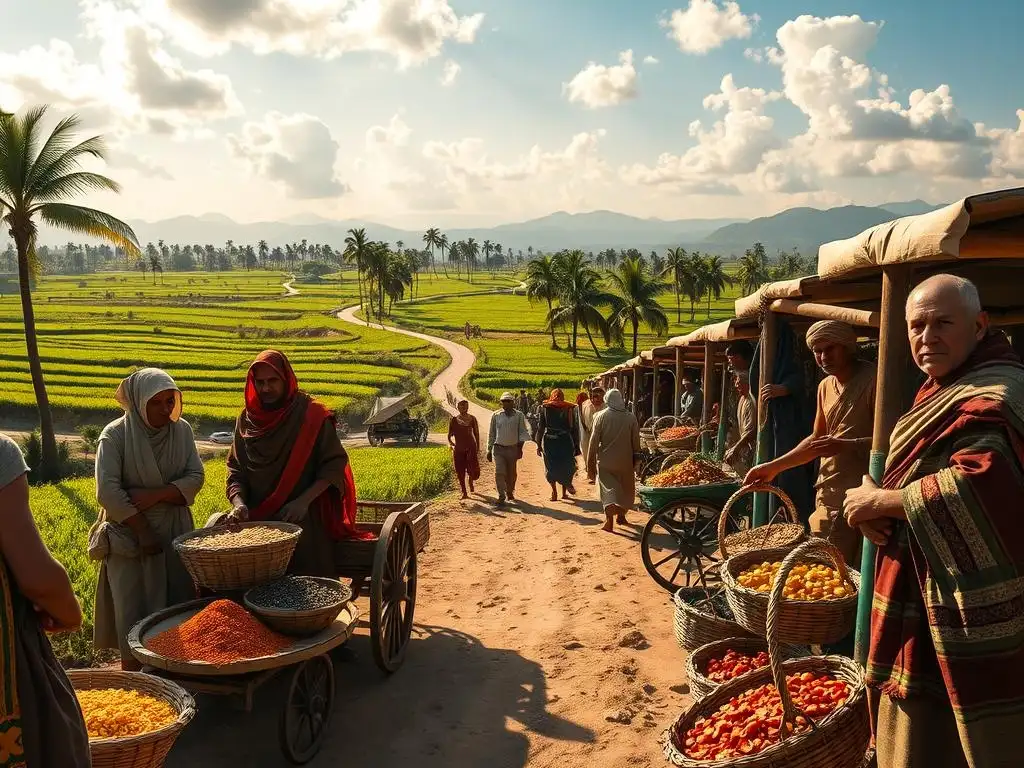
Welcome to Ancient India History, where we embark on a fascinating journey through the vibrant tapestries of ancient Indian civilizations. Dive into the intricate web of trade routes that shaped agricultural practices, revealing how commerce influenced the very foundation of society and economy. From the thriving markets of the Indus Valley to the flourishing fields of the Gupta Empire, the story of agriculture in Ancient India is a testament to innovation and resilience.
Join us as we uncover the secrets behind these dynamic exchanges that not only fed a civilization but also fostered cultural connections. Are you ready to explore the past and its profound impact on our present? Let’s delve deeper!
- Introduction to Trade Routes in Ancient India
- The Role of Trade Routes in Shaping Agricultural Practices
- Agricultural Products Influenced by Trade
- Irrigation Systems and Agricultural Enhancement
- Economic Impact of Trade on Agriculture in Ancient India
- Conclusion
- Frequently Asked Questions
- Final Reflection: The Enduring Legacy of Ancient Trade Routes on Agriculture
- Embrace the Wisdom of Ancient Trade!
Introduction to Trade Routes in Ancient India
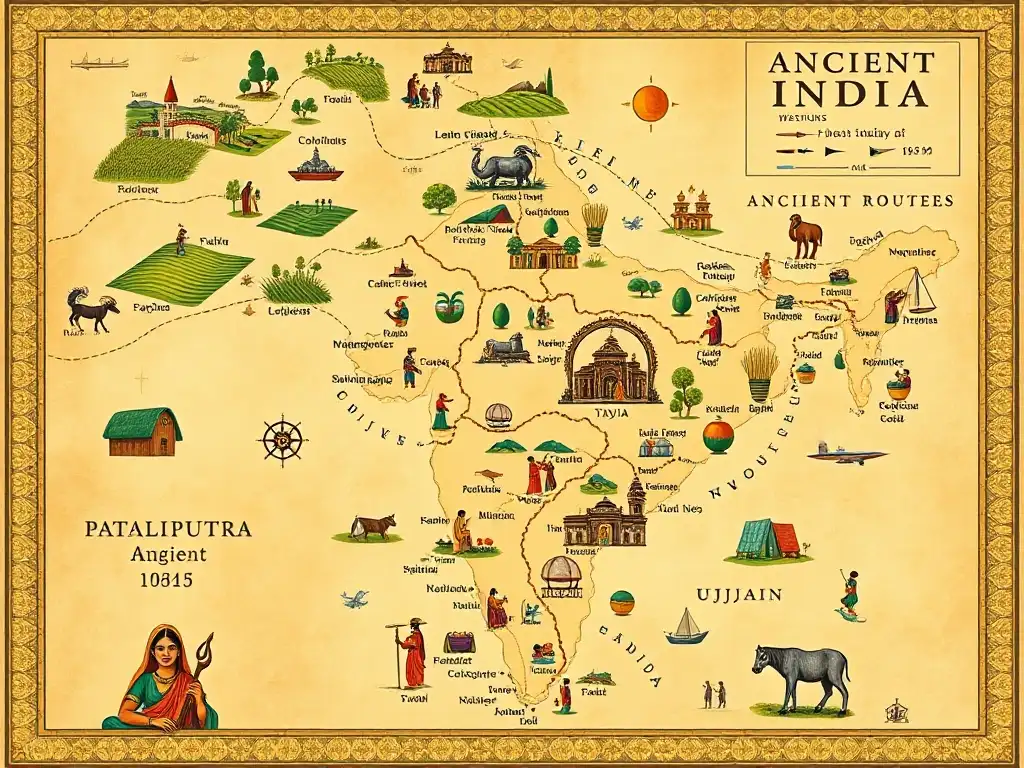
In the context of ancient India, trade routes played a crucial role in shaping not only the economy but also the agricultural practices of various civilizations. From the bustling marketplaces of the Indus Valley to the vibrant trade networks established during the Gupta Empire, these routes facilitated the exchange of goods, ideas, and agricultural techniques.
The interplay between trade and agriculture fostered innovations in farming, irrigation, and crop diversity, significantly impacting food security and societal development. Understanding how these trade routes influenced agricultural practices offers valuable insights into the complex tapestry of ancient Indian history, highlighting the importance of interconnectedness in shaping civilizations.
Overview of Ancient Indian Trade Routes
Ancient India boasted an extensive network of trade routes that connected various regions and facilitated the movement of goods. These routes can be broadly categorized into:
- Land Routes:
- The Royal Road: This crucial path connected the Mauryan Empire to various parts of the subcontinent.
- The Silk Road: While primarily known for connecting East and West, it also passed through Indian territories, enabling trade with Central Asia.
- Maritime Routes:
- The Indian Ocean Trade Network: This maritime route linked South India with Southeast Asia, Africa, and the Middle East, allowing for the exchange of spices, textiles, and agricultural products.
- River Routes:
- Major rivers like the Ganges, Indus, and Brahmaputra served as vital conduits for the transportation of goods, including agricultural produce.
The strategic location of these trade routes facilitated the exchange of not only commodities but also agricultural knowledge and practices, which had a profound impact on farming techniques across the region.
Importance of Trade in Agricultural Development
Trade was instrumental in advancing agricultural development in ancient India. Key factors include:
- Introduction of New Crops:
- Trade routes facilitated the import of various crops such as cotton, sugarcane, and spices from different regions, enriching the agricultural diversity of India.
- Access to Agricultural Tools and Techniques:
- Through trade, ancient Indian farmers gained access to advanced agricultural tools and innovative farming techniques from neighboring civilizations, which enhanced productivity.
- Market Expansion:
- The establishment of trade routes opened up new markets for agricultural products, encouraging farmers to increase production to meet the demands of both local and international markets.
- Irrigation Innovations:
- The exchange of ideas along trade routes led to the development of sophisticated irrigation systems, allowing for more efficient water management and improved crop yields.
The intricate relationship between trade and agriculture in ancient India underscores the significance of these routes in fostering economic growth and societal development, ultimately shaping the agricultural landscape of the subcontinent.
The Role of Trade Routes in Shaping Agricultural Practices
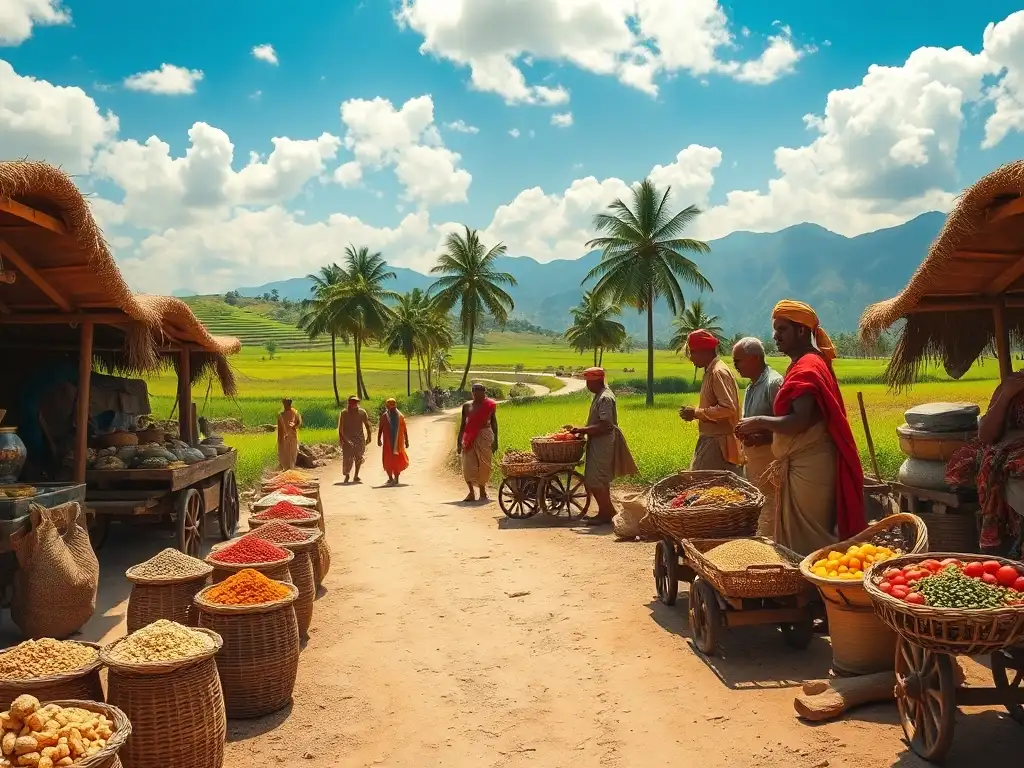
Trade routes in ancient India played a pivotal role in shaping agricultural practices, influencing everything from crop selection to farming techniques. The interconnectedness fostered by these routes facilitated not only the exchange of goods but also the sharing of knowledge and agricultural innovations. As traders traveled along these routes, they brought with them diverse agricultural practices, seeds, and tools that significantly impacted local farming communities.
Influence of Geography on Trade and Agriculture
The geographical features of ancient India, including rivers, mountains, and plains, directly influenced the development of trade routes and agricultural practices. The fertile plains of the Indus River Valley, for instance, provided a rich environment for agriculture, while the Himalayan mountains acted as barriers that shaped trade dynamics.
- River Systems: Major rivers like the Ganges, Yamuna, and Indus not only supported irrigation but also served as vital trade corridors. These waterways facilitated the movement of goods, enabling farmers to export surplus produce and acquire essential agricultural inputs.
- Mountain Passes: The mountain passes of the Western Ghats and the Himalayas allowed traders to connect with regions such as Central Asia and the Middle East. This interaction enabled a cross-pollination of agricultural techniques and crop varieties, leading to increased agricultural diversity.
- Climate Variability: Different climatic zones across the subcontinent resulted in varied agricultural practices. For example, the arid regions of Rajasthan developed techniques such as rainwater harvesting, while the coastal areas of Kerala adopted wet rice cultivation. Trade routes enabled the dissemination of these localized practices to other regions.
Key Trade Routes Connecting Ancient India
Several significant trade routes emerged during ancient times, each contributing uniquely to agricultural practices across the region:
- The Silk Road: Connecting India with Central Asia and beyond, the Silk Road facilitated the exchange of not only silk and spices but also agricultural products like wheat and barley. This route introduced new crop varieties to Indian farmers, enhancing agricultural productivity.
- The Spice Route: This maritime route linked India to the Middle East and Europe, creating demand for spices such as black pepper and cardamom. The resulting agricultural focus on spice cultivation transformed local economies and led to advancements in cultivation methods.
- The Grand Trunk Road: One of the oldest trade routes, it connected the eastern and western regions of India. This road allowed for the movement of grains and other agricultural products, fostering regional trade and agricultural specialization.
- The Arabian Sea Trade Network: This network facilitated maritime trade and introduced new agricultural practices from Africa and the Arabian Peninsula, such as the cultivation of dates and certain pulses.
Interaction Between Traders and Farmers
The interaction between traders and farmers was instrumental in evolving agricultural practices in ancient India.
- Knowledge Exchange: Traders often shared agricultural knowledge with farmers, enhancing their understanding of crop rotation, pest management, and irrigation techniques. For instance, traders from regions with advanced agricultural practices would introduce innovative farming tools, making cultivation more efficient.
- Crop Diversification: As traders brought new seeds from distant lands, farmers began to diversify their crops. The introduction of crops like sugarcane and cotton, facilitated by trade, significantly impacted the agricultural landscape.
- Market Dynamics: The growth of trade led to the establishment of local markets, which encouraged farmers to produce surplus crops for sale. This shift not only improved local economies but also motivated farmers to adopt better farming techniques to meet demand.
- Cultural Exchange: The mingling of diverse cultures along trade routes influenced agricultural practices. Festivals, rituals, and agricultural methods were shared, creating a rich tapestry of agricultural heritage that still influences practices in modern India.
The intricate web of trade routes in ancient India significantly influenced agricultural practices, fostering innovation, diversity, and economic growth. The symbiotic relationship between traders and farmers transformed the agricultural landscape, leaving a lasting legacy that is integral to the understanding of ancient Indian civilization.
Agricultural Products Influenced by Trade

Major Crops Promoted Through Trade Routes
The trade routes of ancient India played a pivotal role in the promotion and dissemination of various crops that were not only staples but also significant for trade and cultural exchange. Key crops that were influenced by trade include:
- Rice: Predominantly grown in the fertile river valleys, rice became a staple due to its high yield and adaptability. Trade routes facilitated the spread of improved rice strains, enhancing regional agricultural practices.
- Wheat: Particularly in the northern plains, wheat cultivation flourished, aided by trade connections with Central Asia. The exchange of seeds and agricultural knowledge led to better yields and cultivation techniques.
- Millets: Varieties such as pearl millet and finger millet were spread through trade, especially in arid regions where they thrived due to their drought-resistant properties.
- Spices: Trade routes not only facilitated the movement of staple crops but also exotic spices like black pepper, cardamom, and turmeric, which became integral in both culinary and medicinal practices.
These crops were intertwined with commerce, as their production was often scaled up to meet both local and international demand, showcasing how trade routes directly impacted agricultural practices.
Introduction of New Agricultural Techniques via Trade
Trade routes were conduits for the exchange of not only goods but also knowledge and agricultural techniques. The interaction with various cultures allowed ancient Indian farmers to adopt and adapt new methods, significantly improving agricultural productivity. Notable techniques introduced include:
- Irrigation Systems: The movement of traders and agricultural experts introduced advanced irrigation practices, such as the use of canals and water lifting devices, which transformed dry regions into fertile lands.
- Crop Rotation: Influenced by interactions with traders from regions like Mesopotamia, the practice of crop rotation became prevalent, enhancing soil fertility and reducing pest infestations.
- Fertilization Methods: The importation of organic fertilizers, such as animal manures and compost, was made possible through trade, leading to improved soil health and productivity.
- Pest Control: Knowledge about natural pest control methods, including the use of certain plants and animals, was exchanged along trade routes, promoting sustainable agricultural practices.
The introduction of these techniques not only boosted agricultural output but also contributed to the socio-economic development of ancient Indian civilizations.
Trade and the Diversification of Crops in Ancient India
The influence of trade routes on crop diversification in ancient India cannot be overstated. As merchants traveled between regions, they brought with them a variety of seeds and agricultural practices, leading to a rich tapestry of agricultural diversity. Key aspects of this diversification include:
- Introduction of Exotic Crops: Trade facilitated the introduction of crops such as sugarcane, sesame, and cotton, which were not originally cultivated in certain regions of India. Their successful adaptation led to new agricultural markets.
- Regional Specialization: Different regions began to specialize in the cultivation of specific crops based on their climatic and soil conditions. For instance, the Deccan plateau became renowned for its cotton, while coastal areas excelled in rice production.
- Culinary Diversity: The exchange of crops through trade routes enriched the culinary landscape of ancient India, as local cuisines began to incorporate a variety of ingredients, enhancing trade demand.
- Economic Impact: The diversification of crops not only supported local economies but also established India as a key player in international trade networks, particularly in spices and textiles.
This intricate relationship between trade and agriculture in ancient India highlights the dynamic nature of its civilization, showcasing how interconnectedness fostered innovation and economic growth.
Irrigation Systems and Agricultural Enhancement
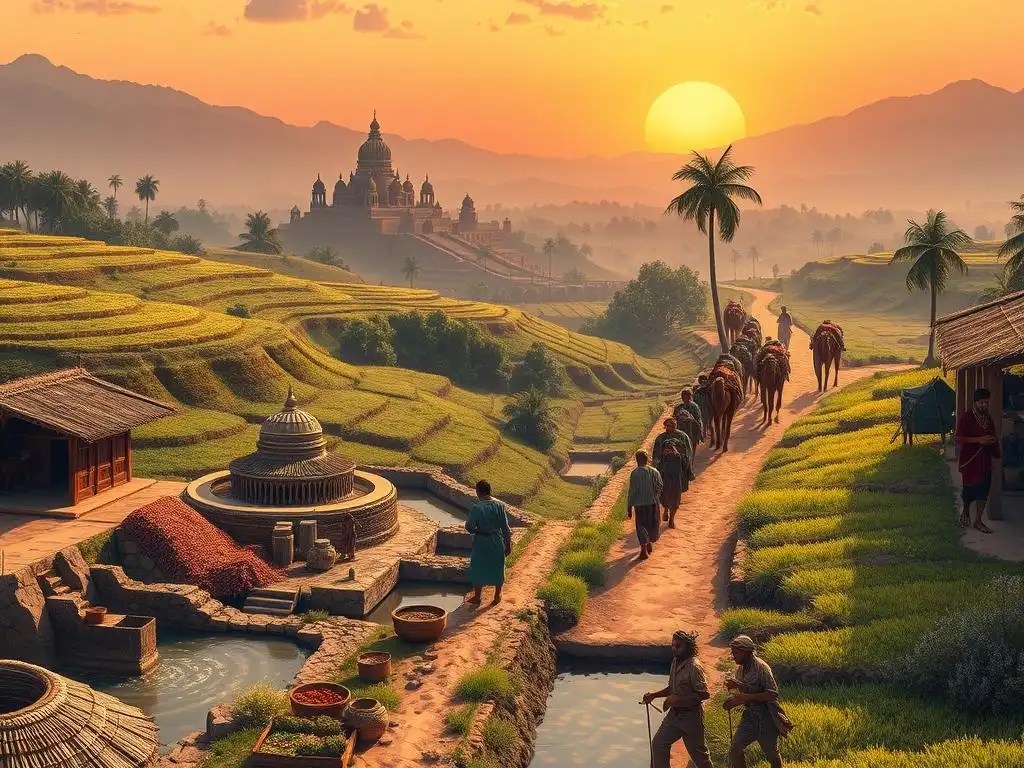
Irrigation systems played a pivotal role in enhancing agricultural productivity in ancient India. The development of these systems was closely linked to the geographical features and climatic conditions of the region. With the influence of trade routes, various irrigation practices emerged, significantly affecting land use and the cultivation of crops.
Connection Between Trade Routes and Irrigation Practices
Trade routes in ancient India were not only conduits for the exchange of goods but also for ideas and technologies. As merchants and travelers traversed these routes, they facilitated the sharing of agricultural knowledge, particularly in irrigation techniques. For instance, the Indus Valley Civilization, which thrived around 2500 BCE, had an advanced drainage system that demonstrated the early use of irrigation.
- Key Elements of Connection:
- Cultural Exchange: The interaction between different cultures led to the blending of irrigation practices.
- Technological Advancements: Ideas from regions such as Mesopotamia influenced the construction of canals and reservoirs in India.
- Economic Motivation: Increased agricultural yield was essential for trade, prompting innovations in irrigation.
The establishment of trade routes required sustained agricultural output to support the growing population and trade demands. Therefore, local communities adapted their irrigation methods to ensure crop surplus, which in turn supported trade.
Innovations in Water Management from Trade Influence
As trade routes expanded, so did the sophistication of water management techniques. Ancient Indian civilizations adopted and adapted various methods to optimize water use for agriculture, driven by the need to sustain larger populations and support trade.
- Notable Innovations:
- Canal Systems: The Mauryan Empire, particularly under Emperor Ashoka, saw the construction of extensive canal systems, which facilitated irrigation and improved crop yields.
- Water Harvesting Techniques: Techniques such as check dams and percolation tanks were developed to capture and store rainwater, enhancing agricultural resilience.
- Crop Rotation and Diversification: Trade increased the demand for diverse crops, encouraging farmers to innovate with crop rotation techniques to maintain soil fertility.
The introduction of these innovations directly correlated with the agricultural needs arising from trade. For example, as spices and textiles became key trade commodities, farmers adapted their practices to produce these cash crops more efficiently.
Case Studies: Successful Irrigation Systems Along Trade Routes
Several ancient irrigation systems illustrate the successful integration of trade routes and agricultural practices in ancient India. These case studies highlight how geography, trade, and water management were interlinked.
- The Ghaggar-Hakra River System:
- This system supported the Harappan cities along the Indus River and served as a crucial trade route. The sophisticated irrigation practices allowed for the cultivation of wheat and barley, which were traded extensively.
- The Kaveri River Basin:
- The Kaveri River's irrigation system, developed during the Chola dynasty, exemplified how irrigation technologies evolved through trade. The basin became an agricultural hub, producing rice that was traded across southern India.
- The Narmada Valley:
- Trade routes along the Narmada facilitated the exchange of agricultural products like sugarcane and cotton. Innovative irrigation methods, including the use of wells and tanks, supported agricultural expansion in this region.
These case studies underscore how trade routes not only influenced the agricultural landscape of ancient India but also led to lasting innovations in irrigation systems, ultimately shaping the economy and culture of the civilizations involved.
Economic Impact of Trade on Agriculture in Ancient India
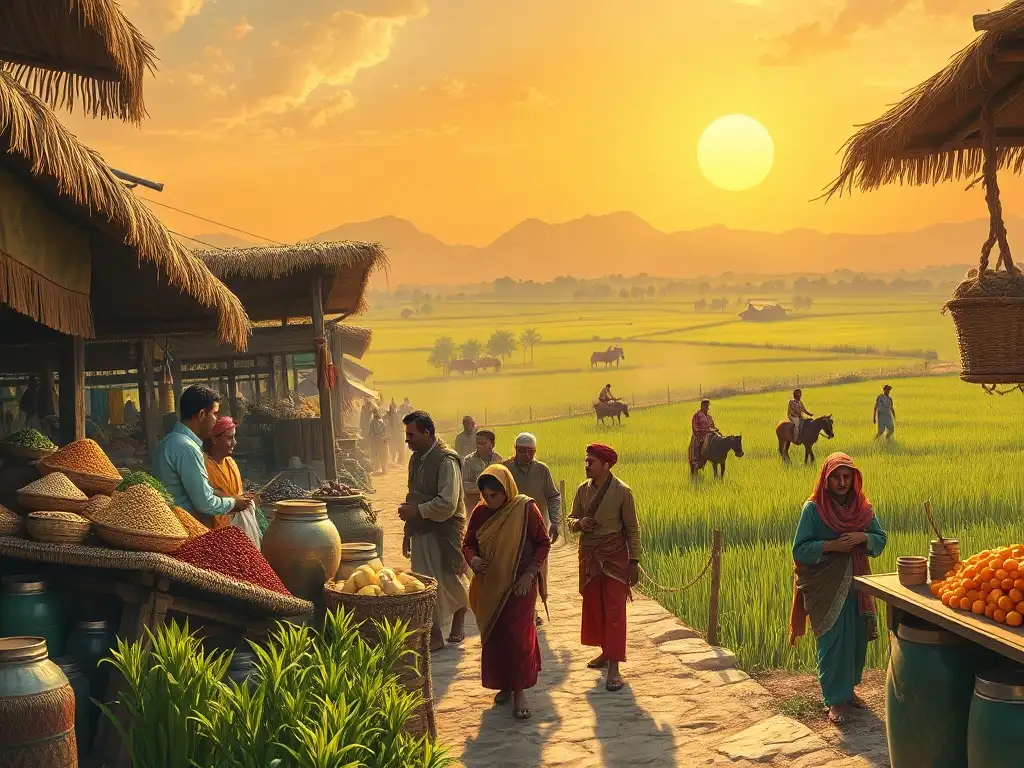
Trade routes in ancient India played a pivotal role in shaping agricultural practices, contributing significantly to the economic landscape of the region. The interconnectivity facilitated by these trade routes not only allowed for the exchange of goods but also encouraged the dissemination of agricultural techniques, crop varieties, and innovations across different cultures. This exchange ultimately led to enhanced agricultural productivity and diversification.
Trade as a Catalyst for Agricultural Expansion
The establishment of trade routes, such as the famous Silk Road and the maritime routes connecting India to Southeast Asia and the Arabian Peninsula, served as catalysts for agricultural expansion in ancient India. These routes enabled the movement of not just goods, but also agricultural knowledge and practices.
-
Introduction of New Crops:
The interactions with neighboring regions led to the introduction of various crops. For instance, the spread of rice cultivation from the eastern regions to the western parts of India was partly due to trade. Similarly, spices like black pepper and cardamom were cultivated extensively in response to demand from trade partners.
-
Technological Exchange:
Innovations in farming techniques, such as irrigation methods and crop rotation practices, were exchanged along trade routes. The sharing of knowledge regarding tools and technologies, such as the plow and seed drill, contributed to increased agricultural efficiency.
-
Market Demand:
The growth of markets along trade routes created a demand for agricultural products. As traders sought goods for export, farmers were incentivized to increase production. This demand-driven approach led to the cultivation of cash crops, which were primarily grown for trade rather than local consumption.
Role of Agricultural Surplus in Trade Dynamics
Agricultural surplus played a critical role in establishing trade networks and enhancing economic growth in ancient India. The ability to produce more than was needed for local consumption allowed for the development of trade dynamics that benefited both agriculture and commerce.
-
Economic Stability:
Surplus production provided a safety net during periods of drought or crop failure, ensuring that communities could sustain themselves. This stability allowed farmers to engage in trade, exchanging excess produce for goods they could not produce locally.
-
Barter System:
The barter system was prevalent in ancient India, where agricultural products were exchanged for other goods. This system facilitated trade among different regions and cultures, contributing to the economic interconnectedness of ancient India.
-
Taxation and Revenue:
Agricultural surplus also influenced the taxation systems of ancient Indian kingdoms. Rulers often imposed taxes on surplus produce, which funded trade expeditions and infrastructure improvements, further enhancing trade routes and agricultural practices.
Influence of Trade on Land Use Patterns
The impact of trade on land use patterns in ancient India is evident in several ways, shaping how land was utilized for agricultural production.
-
Diversification of Crops:
As trade expanded, farmers began to diversify their crops to meet the demands of distant markets. This shift led to the cultivation of various cash crops, altering traditional land use patterns. For example, regions that were previously focused on staple crops began to allocate land for spices and textiles aimed at trade.
-
Irrigation Systems:
Trade necessitated the development of advanced irrigation systems to support increased agricultural output. Techniques such as canal irrigation and the use of wells became more prevalent, allowing farmers to cultivate larger areas of land and improve yield.
-
Urbanization and Agricultural Practices:
The growth of trade routes led to urbanization, as towns and cities developed as trade hubs. This urbanization influenced nearby agricultural practices, with surrounding lands being utilized for intensive farming to support the growing populations and demand for food.
The intertwining of trade routes and agricultural practices in ancient India exemplifies a dynamic relationship that contributed to the region's economic prosperity and cultural richness. Understanding these connections offers valuable insights into the historical significance of agriculture in shaping ancient Indian civilizations.
Conclusion
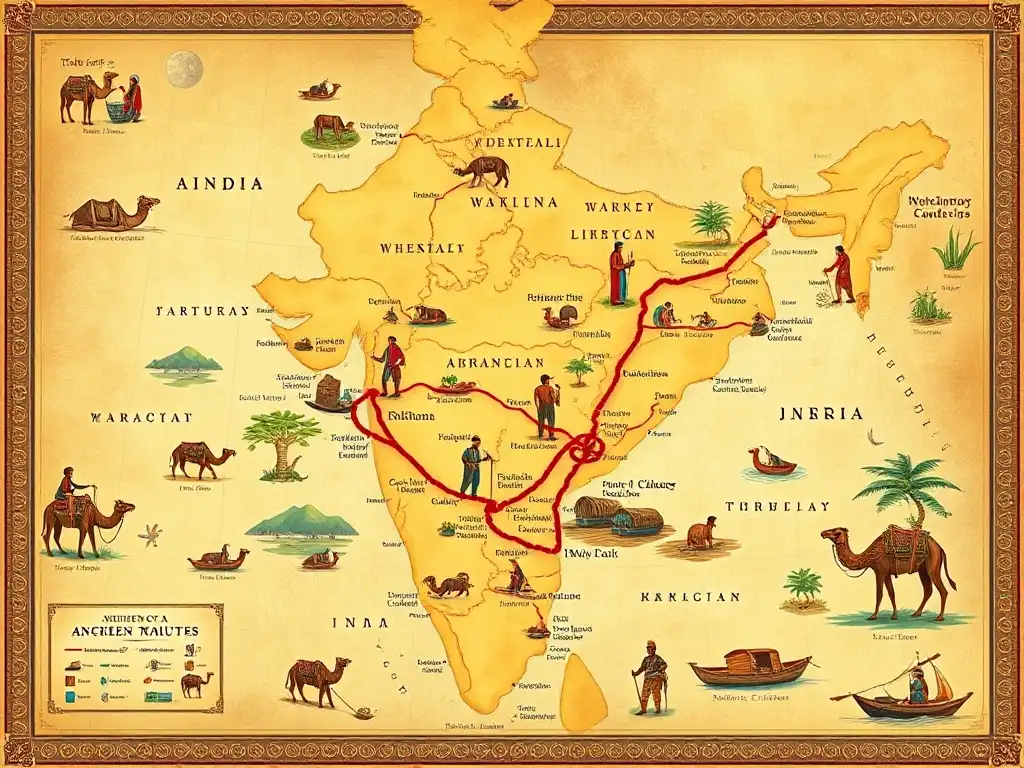
Summary of Trade Routes and Their Agricultural Impact
Ancient India’s trade routes played a crucial role in shaping agricultural practices across various regions. These routes facilitated not only the exchange of goods but also the dissemination of agricultural knowledge and techniques. For instance, the trade networks connecting the Indus Valley Civilization with Mesopotamia and beyond allowed for the sharing of crop varieties and farming methods. This interaction led to the introduction of new crops such as wheat and barley, which were subsequently adapted to local conditions.
The extensive network of trade routes, including the famous Silk Road and maritime paths across the Indian Ocean, enabled the flow of agricultural innovations. Techniques such as crop rotation and irrigation methods were influenced by interactions with traders and farmers from different cultures. The adoption of these practices significantly improved yields and allowed for the cultivation of diverse crops, thereby enhancing food security.
| Trade Route | Region Connected | Agricultural Influence |
|---|---|---|
| Silk Road | Asia to Europe | Introduction of silk cultivation and spice trading |
| Maritime Routes | India to Southeast Asia and Africa | Spread of rice and tropical crops |
| Grand Trunk Road | Northern India to Bengal | Enhanced trade of local grains like rice and lentils |
Furthermore, the agricultural surplus generated through these improved methods supported the growth of urban centers. Cities such as Pataliputra became thriving hubs of commerce, where agricultural products were not only consumed locally but also traded extensively. The wealth generated from agriculture contributed to the prosperity of ancient Indian civilizations and laid the foundation for a complex socio-economic structure.
Reflection on the Legacy of Ancient Indian Trade Practices
The agricultural practices influenced by ancient India trade routes have left a lasting legacy that can be seen even today. The trade networks not only enhanced agricultural productivity but also fostered a culture of exchange, innovation, and adaptation. This cultural exchange contributed to the diversity of agricultural practices that characterized different regions of India.
As we reflect on these historical trade practices, it becomes evident that the integration of agriculture into trade was a pivotal factor in the development of ancient Indian society. The sharing of techniques and resources fostered resilience among farmers, allowing them to adapt to changing climatic conditions and market demands. This adaptability continues to resonate in modern agricultural practices in India, where traditional techniques are blended with contemporary innovations.
Moreover, the legacy of these trade routes is evident in the preservation of certain crops and farming methods that have survived through generations. Crops like millet, pulses, and various spices are not just remnants of ancient practices; they continue to play a vital role in India’s economy and food culture today.
The interplay between ancient India trade routes and agriculture not only shaped the agricultural landscape of the time but also laid the groundwork for future generations. The lessons learned from these ancient practices continue to inspire modern agricultural strategies, demonstrating the enduring importance of trade in fostering agricultural development. 🌾
Frequently Asked Questions
What were the main trade routes in Ancient India?
The main trade routes in Ancient India included the Silk Road and maritime routes across the Indian Ocean, facilitating trade with Persia, Southeast Asia, and the Roman Empire.
How did trade routes impact agriculture in Ancient India?
Trade routes significantly influenced agricultural practices by introducing new crops, farming techniques, and irrigation methods, leading to enhanced productivity and diversity in farming.
What crops were introduced through trade routes?
Through various trade interactions, crops like rice, sugarcane, and spices were introduced, which became staples in the Indian diet and contributed to the region's agricultural wealth.
Did agriculture affect trade in Ancient India?
Yes, the agricultural surplus allowed for increased trade, as farmers produced more than they needed, leading to the development of markets and flourishing trade networks.
How did the Gupta Empire contribute to agricultural advancements?
The Gupta Empire promoted agricultural innovations, including the use of fertilizers and advanced plowing techniques, which were essential for sustaining the empire's economic growth through effective trade.
Final Reflection: The Enduring Legacy of Ancient Trade Routes on Agriculture
The intricate web of ancient trade routes not only facilitated the exchange of goods but also profoundly shaped agricultural practices in Ancient India. Today, as we navigate a globalized world, the lessons from these historical trade networks remind us of the interconnectedness of cultures and economies. The influence of these routes on agriculture serves as a testament to how trade can foster innovation and adaptation, leading to sustainable practices that resonate even in our modern agricultural systems.
The impact of ancient trade routes extends far beyond their historical context; they continue to influence our cultural and social landscapes today. The exchange of agricultural techniques and crops among diverse communities laid the groundwork for a rich tapestry of agricultural diversity that we still benefit from. As we reflect on this legacy, we are reminded of the words of Mahatma Gandhi: To forget how to dig the earth and to tend the soil is to forget ourselves.
This quote encapsulates the importance of understanding our agricultural roots and the systems that have supported human civilization for millennia.
As you ponder the insights shared in this article, I invite you to reflect on how the principles of collaboration and exchange can be applied in your own life. Consider how you can foster connections within your community that promote sustainable agricultural practices and celebrate the diversity of food systems. By embracing the lessons of the past, we can cultivate a future that honors our agricultural heritage while innovating for the challenges ahead.
Embrace the Wisdom of Ancient Trade!
Thank you for diving into the fascinating world of how trade routes shaped agricultural practices in ancient India! You've uncovered invaluable insights into the rich tapestry of history that still resonates today. Now, it's time to take action and enhance your understanding of this incredible legacy.
Here are some ways you can continue your journey of discovery:
- Explore ancient agricultural techniques by visiting a local museum or reading about traditional farming practices across various cultures.
- Join a community of history enthusiasts—share your thoughts and insights on social media or participate in forums dedicated to the study of ancient civilizations.
- Start a conversation! Discuss the relevance of historical trade routes in modern agriculture with friends or family to spark new ideas and perspectives.
As you reflect on this topic, consider this: In what ways do you believe the trade networks of ancient India continue to influence agricultural practices in our world today? Share your thoughts below!