
The Role of the Indus Valley Civilization in Shaping Agricultural Methods

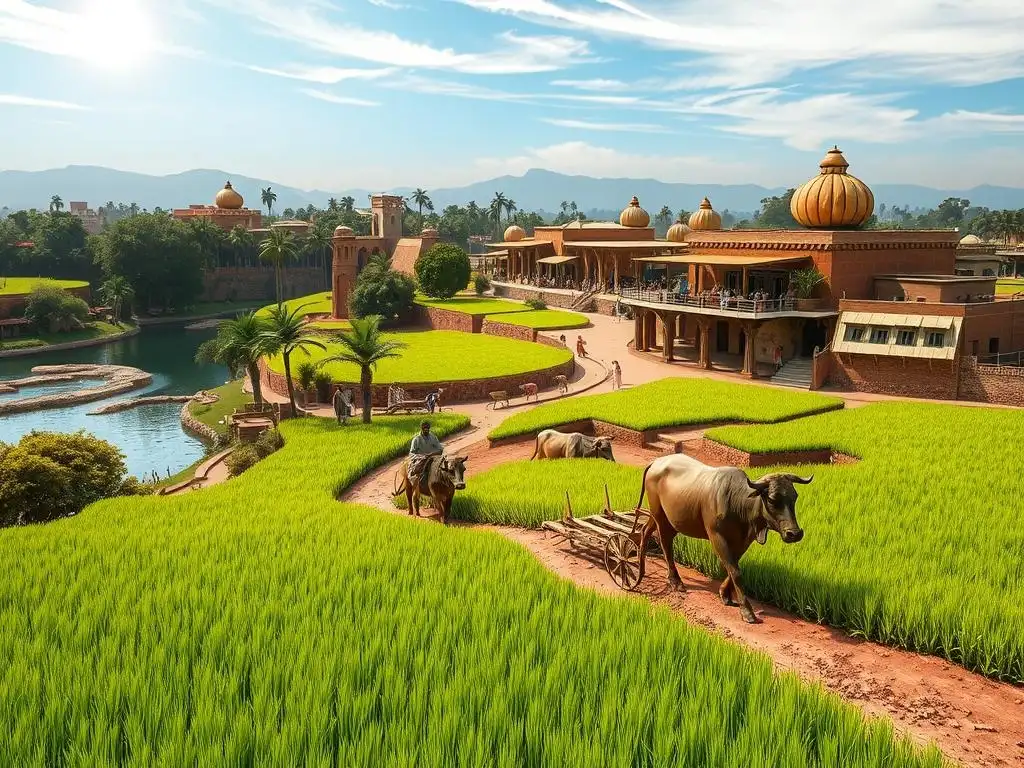
Welcome to Ancient India History! Dive deep into the fascinating world of ancient civilizations as we explore their rich tapestry of culture and innovation. In this edition, we unravel the remarkable Indus Valley agricultural innovations that laid the foundation for modern farming techniques. What secrets did this early civilization unlock to thrive in their environment? Join us on this journey to discover how their ingenuity not only shaped their economy but also left an indelible mark on the future of agriculture. Read on to uncover the transformative practices that continue to resonate today!
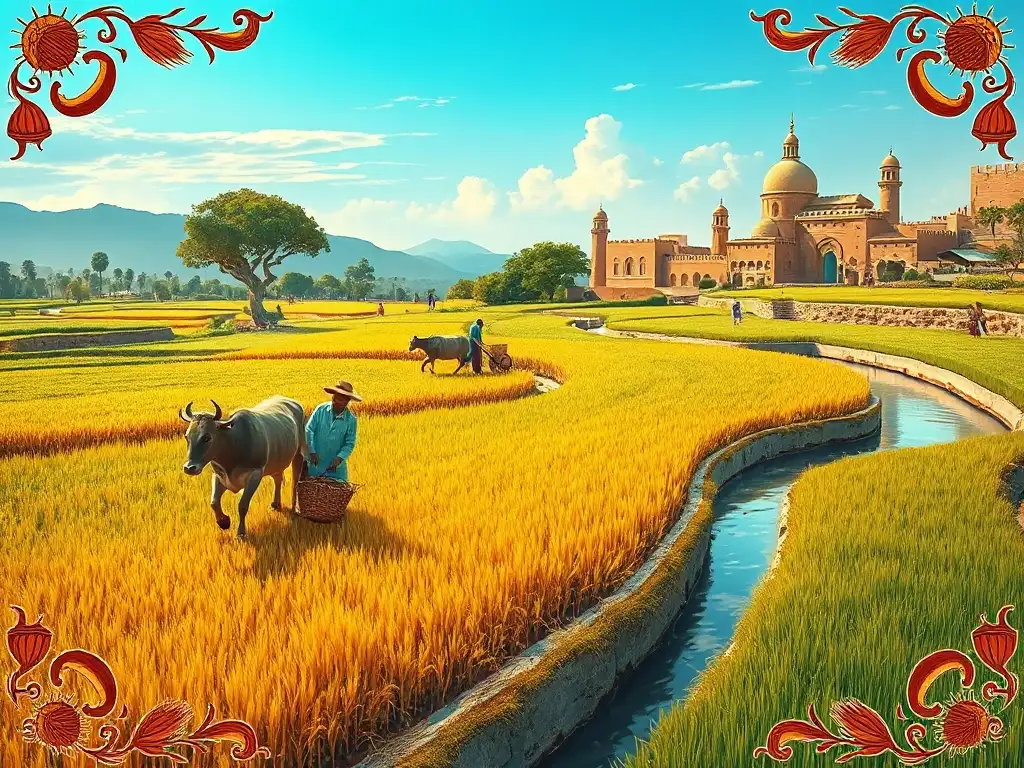
The Indus Valley Civilization, one of the world's earliest urban cultures, flourished between 3300 and 1300 BCE in what is now Pakistan and northwest India. Renowned for its advanced city planning, trade networks, and social organization, this civilization also made remarkable contributions to agriculture that significantly influenced subsequent societies. By exploring Indus Valley agricultural innovations, we can uncover how these early practices laid the foundation for agricultural development in the region and beyond. Understanding these innovations not only highlights the importance of agriculture in ancient societies but also offers insights into the complex relationship between humans and their environment.
Introduction to the Indus Valley Civilization
Overview of the Indus Valley Civilization
The Indus Valley Civilization, also known as the Harappan Civilization, emerged around 2500 BCE, characterized by its urban centers such as Harappa and Mohenjo-Daro. This civilization exhibited a high degree of sophistication with its standardized weights and measures, drainage systems, and multi-storied houses. The society was primarily agrarian, relying heavily on the fertile alluvial plains formed by the Indus River and its tributaries. This strategic location played a crucial role in agricultural productivity, enabling the growth of various crops, including wheat, barley, and cotton.
Importance of Agriculture in Ancient Societies
Agriculture was the backbone of the economy for ancient societies, providing sustenance and supporting population growth. In the context of the Indus Valley Civilization, agriculture facilitated trade and the establishment of complex social structures. The surplus production allowed for specialization of labor, which led to advancements in various fields, such as craftsmanship and urban planning. The innovations in agricultural methods not only ensured food security but also fostered cultural and technological progress, making agriculture a central theme in the history of ancient civilizations.
Indus Valley Agricultural Innovations
Key Agricultural Techniques Developed
The Indus Valley Civilization is credited with several pioneering agricultural techniques that significantly enhanced productivity. Some notable innovations include:
- Crop Rotation: This method helped maintain soil fertility and optimize crop yields.
- Selective Breeding: Early farmers practiced selective breeding to produce more resilient and higher-yielding crop varieties.
- Terracing: In hilly regions, terracing was employed to maximize arable land and prevent soil erosion.
These techniques not only increased food production but also reflected a deep understanding of sustainable agricultural practices.
Advanced Irrigation Systems
One of the hallmarks of the Indus Valley agricultural innovations was their sophisticated irrigation systems. The civilization developed extensive canal networks that diverted water from rivers to fields, ensuring reliable irrigation even during dry spells. Key features of these irrigation systems included:
- Well-Engineered Canals: Designed to facilitate water flow to different areas, these canals were meticulously planned to serve the needs of various agricultural activities.
- Water Management Techniques: The use of reservoirs and storage tanks allowed for efficient water use, particularly during the dry seasons.
These advanced irrigation systems played a crucial role in transforming the arid landscape into fertile agricultural land, thereby supporting the growth and sustainability of the Indus Valley Civilization.
Impact of Indus Valley Agricultural Practices on Society
The agricultural practices of the Indus Valley Civilization had profound implications for societal development. The ability to cultivate crops systematically not only ensured food security but also allowed for population growth and urbanization. By employing advanced farming techniques, the Indus Valley people could sustain larger communities, leading to the establishment of significant urban centers such as Harappa and Mohenjo-Daro.
Economic Growth Through Agriculture
Agriculture was the backbone of the Indus Valley economy. The innovative agricultural methods, including crop rotation and irrigation, led to surplus production. This surplus enabled trade, both internally and externally, fostering economic stability. The primary crops included wheat, barley, peas, and cotton, which were staples for both local consumption and export. The development of a robust agricultural economy allowed for specialization in various trades, contributing to overall economic growth.
Social Structure Influenced by Farming Techniques
The agricultural innovations of the Indus Valley Civilization influenced its social structure significantly. As farming became more efficient, it led to the rise of a class of landowners and farmers, creating a more stratified society. The surplus production facilitated the development of artisans and traders, leading to the emergence of a complex social hierarchy. Additionally, the communal efforts required for irrigation and crop cultivation fostered social cohesion among the inhabitants, reinforcing community bonds and collective responsibility.
Trade and Agriculture: Connecting the Indus Valley with Neighboring Regions
The advancements in agriculture also played a pivotal role in establishing trade networks. The surplus of agricultural produce allowed the Indus Valley to engage in trade with neighboring civilizations, including Mesopotamia and Persia. Goods such as cotton textiles and agricultural products were exchanged for raw materials and other goods, enhancing economic interdependence. This trade not only facilitated the flow of goods but also the exchange of cultural practices and technologies, further enriching the civilization.
Comparison of Indus Valley Agricultural Innovations with Other Ancient Civilizations
The agricultural innovations of the Indus Valley Civilization can be compared to those of other ancient civilizations, particularly in terms of techniques and crop selection.
Similarities with Mesopotamian Agricultural Methods
Both the Indus Valley and Mesopotamian civilizations relied heavily on river systems for irrigation. The Indus River and the Tigris-Euphrates played crucial roles in sustaining agricultural practices. Techniques such as irrigation canals and the use of plows were prevalent in both regions, showcasing a shared understanding of the importance of water management in agriculture. Additionally, staple crops like barley were common to both civilizations, indicating parallel agricultural development.
Differences in Techniques and Crop Selection
Despite these similarities, there were notable differences in agricultural techniques and crop selection. The Indus Valley Civilization demonstrated a greater emphasis on cotton cultivation, being one of the earliest regions to domesticate cotton. While Mesopotamia focused on grains like wheat and barley, the Indus Valley's diverse crop selection included pulses and various fruits, reflecting a more varied agricultural diet. Furthermore, the Indus Valley utilized advanced drainage systems to manage water effectively, showcasing a level of engineering sophistication that distinguished their agricultural practices from those of Mesopotamia.
Legacy of Indus Valley Agricultural Innovations

The Indus Valley Civilization (IVC), flourishing around 3300 to 1300 BCE, is renowned for its sophisticated agricultural innovations that laid the foundation for sustainable farming practices. The inhabitants of this ancient civilization developed advanced techniques in land use, irrigation, and crop management that not only supported their thriving urban centers but also influenced agricultural practices for generations.
One of the most significant legacies of the IVC is the introduction of systematic hydroponics and irrigation systems. They constructed an intricate network of canals and reservoirs, which allowed for the controlled distribution of water, essential for farming in the arid climate of the region. Additionally, the IVC is credited with the domestication of various crops, including wheat, barley, peas, and cotton, which formed the backbone of their agricultural economy. The efficiency and effectiveness of these innovations ensured food security and fostered trade, enabling the IVC to become one of the earliest urban cultures in history.
Influence on Subsequent Indian Agricultural Practices
The agricultural methods pioneered by the Indus Valley Civilization had a profound influence on later Indian agricultural practices. The techniques of crop rotation and seasonal planting, which allowed for maximized yields, were passed down through generations. Following the decline of the IVC, the agricultural wisdom embedded in their practices was assimilated by subsequent cultures, including the Vedic societies.
Moreover, the methods of irrigation developed by the IVC were adapted and refined over time. While later civilizations incorporated new crops and techniques, many of the principles of sustainable agriculture and water management that originated from the IVC continued to thrive. For instance, the use of bunds (earthen dikes) to prevent soil erosion and manage water runoff became a standard practice in agriculture well into the medieval period.
Lasting Impact on Modern Agricultural Techniques in the Region
The agricultural innovations of the Indus Valley Civilization have left an enduring mark on modern farming techniques in the Indian subcontinent. Today, many regions still utilize the principles of sustainable water management that were established thousands of years ago. Modern irrigation systems, such as drip irrigation, can trace their conceptual roots back to the efficient irrigation practices of the IVC.
The crop varieties cultivated during the IVC have also influenced contemporary agriculture. For example, the early domestication of wheat and barley in the Indus Valley set the stage for these staple crops to become fundamental to the diets and economies of the region. Furthermore, the cultivation of cotton initiated by the IVC has evolved into a major textile industry in India today, showcasing the civilization's long-lasting impact on both agriculture and economy.
Conclusion
Summary of the Indus Valley Civilization's Agricultural Contributions
The agricultural contributions of the Indus Valley Civilization were revolutionary for their time and have had far-reaching effects on the development of agriculture in India and beyond. Their innovations in irrigation, crop management, and land use not only supported their own civilization but also provided a model for future agricultural practices. The legacy of the IVC continues to influence modern agricultural techniques, demonstrating the ingenuity and foresight of these ancient peoples.
Reflection on the Importance of Agricultural Innovations in Human History
Reflecting on the importance of agricultural innovations in human history, it is clear that advancements in farming practices have been pivotal in shaping civilizations. The Indus Valley Civilization serves as a prime example of how early innovations in agriculture can lead to increased food security, economic prosperity, and the establishment of complex societies. As we face modern challenges such as climate change and population growth, revisiting the agricultural wisdom of ancient civilizations like the IVC can inspire sustainable practices that honor both our past and future.
- Introduction to the Indus Valley Civilization
- Indus Valley Agricultural Innovations
- Impact of Indus Valley Agricultural Practices on Society
- Comparison of Indus Valley Agricultural Innovations with Other Ancient Civilizations
- Legacy of Indus Valley Agricultural Innovations
- Influence on Subsequent Indian Agricultural Practices
- Lasting Impact on Modern Agricultural Techniques in the Region
- Conclusion
- What were the primary agricultural innovations of the Indus Valley Civilization?
- How did the Indus Valley contribute to modern agricultural practices?
- What crops were primarily cultivated in the Indus Valley?
- How did trade influence agricultural methods in the Indus Valley?
- What legacy did the Indus Valley Civilization leave on future societies?
Frequently Asked Questions
What were the primary agricultural innovations of the Indus Valley Civilization?
The Indus Valley Civilization developed advanced techniques such as irrigation systems, crop rotation, and the use of plows, which significantly enhanced their agricultural productivity.
How did the Indus Valley contribute to modern agricultural practices?
The innovations from the Indus Valley, like seed selection and water management, laid the groundwork for many contemporary practices that continue to benefit agriculture today.
What crops were primarily cultivated in the Indus Valley?
Farmers in the Indus Valley primarily cultivated wheat, barley, and cotton, showcasing their understanding of crop diversity and sustainable farming techniques.
How did trade influence agricultural methods in the Indus Valley?
Trade allowed for the exchange of agricultural techniques and crops, which enriched the Indus Valley farming systems and helped integrate regional agricultural practices.
What legacy did the Indus Valley Civilization leave on future societies?
The Indus Valley Civilization set foundational principles in agriculture, including land management and irrigation, which were adopted and adapted by subsequent civilizations, influencing their own agricultural development.
Final Reflection: The Enduring Legacy of Indus Valley Agricultural Innovations
The agricultural innovations of the Indus Valley Civilization continue to resonate in today's world, underscoring the profound impact of ancient practices on modern farming techniques. As we grapple with contemporary challenges such as food security and sustainable agriculture, the ingenuity of the Indus Valley people serves as a reminder of how innovative thinking can lead to lasting solutions. Their methods not only laid the groundwork for agricultural development but also highlight the importance of adapting to environmental conditions, a lesson that remains crucial in our current climate crisis.
The influence of the Indus Valley's agricultural practices is woven into the fabric of our cultural and social landscapes, shaping how we view farming and sustainability. From the meticulous planning of urban agriculture to the sophisticated irrigation systems they developed, these ancient innovations have inspired generations.
As historian David Wengrow aptly stated, "> The past is not a foreign country; it is a source of wisdom and inspiration for the challenges we face today." This perspective encourages us to look back at our roots, recognizing that the solutions to modern dilemmas may lie in the lessons learned from civilizations long gone.
As we reflect on the significance of the Indus Valley agricultural innovations, I invite you to consider how these ancient practices can inspire your own approach to sustainability and food production. What can you learn from their ingenuity that could be applied in your life or community? Whether it's adopting more sustainable farming techniques, supporting local agriculture, or simply being mindful of our environmental impact, each of us has the power to contribute to a more sustainable future. Embrace the wisdom of the past, and let it guide you toward innovative solutions for the challenges of today and tomorrow.
Unleash Your Curiosity: Take Action on Agriculture's Ancient Roots!
Thank you for diving into the fascinating world of the Indus Valley Civilization and its impact on agricultural methods! We hope you gained valuable insights into how ancient practices have shaped our modern landscape. Now, it's time to take that knowledge and transform it into action!
Here are a few ways you can build on this exploration:
- Engage with Nature: Start a small garden at home to practice ancient agricultural techniques. Research methods such as crop rotation and companion planting to create a thriving green space!
- Share Your Knowledge: Discuss this article with friends or join online communities interested in agriculture or ancient civilizations. Your insights can spark engaging conversations and inspire others!
- Explore Further: Visit local historical sites or museums that highlight the evolution of agricultural practices. Experiencing artifacts and exhibits will deepen your appreciation for these groundbreaking methods.
What aspect of ancient agricultural practices do you find most surprising and relevant to today? We’d love to hear your thoughts!