
Culinary Heritage: Tours that Explore Ancient Indian Cooking Techniques

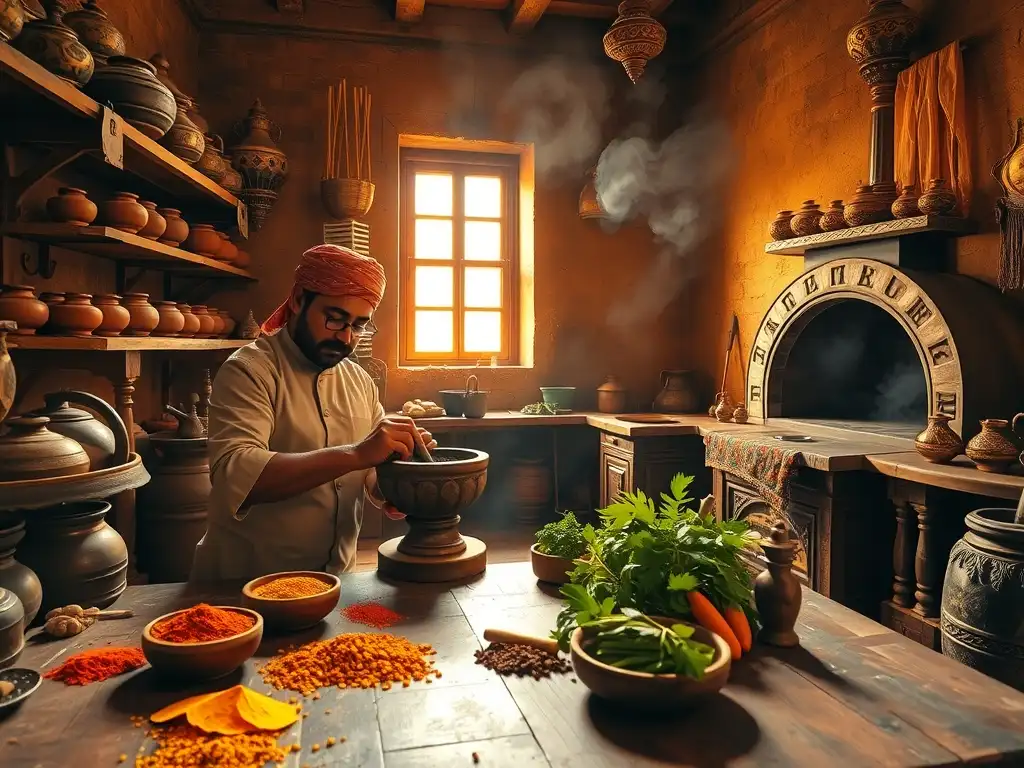
Welcome to Ancient India History, where we embark on a fascinating journey through the rich tapestry of ancient Indian civilizations. Immerse yourself in the intriguing realm of culinary heritage, as we unveil the secrets of ancient Indian cooking techniques. From the elaborate kitchens of the Indus Valley to the sophisticated flavors of the Gupta Empire, each dish tells a story steeped in tradition and innovation. Are you ready to explore how these time-honored practices continue to influence modern cuisine? Dive in and discover the mouthwatering legacy that awaits you!
- Introduction to Ancient Indian Cooking Techniques
- The Influence of Ancient Civilizations on Indian Cuisine
-
Top Culinary Tours in India to Explore Ancient Cooking Techniques
- Overview of Culinary Tours Focused on Traditional Indian Cooking
- 1. The Spice Route Tour: Discovering Ancient Flavors
- 2. Heritage Cuisine Tour in Rajasthan: A Journey Through Time
- 3. Kerala's Culinary Heritage Tour: Traditional Cooking and Culture
- 4. The Himalayan Culinary Tour: Ancient Practices Among the Mountains
- The Role of Local Ingredients in Ancient Indian Cooking
- Participating in Workshops to Learn Ancient Indian Cooking Techniques
- Conclusion: Embracing the Rich Heritage of Ancient Indian Cooking Techniques
- Frequently Asked Questions
- Final Reflection: Embracing the Essence of Ancient Indian Cooking Techniques
- Savor the Journey: Immerse Yourself in Ancient Indian Flavors!
Introduction to Ancient Indian Cooking Techniques
Exploring the culinary heritage of ancient India is akin to embarking on a flavorful journey through time. The art of cooking in this region has been shaped by diverse influences, local ingredients, and centuries-old traditions that have been passed down through generations.
Ancient Indian cooking techniques not only reflect the cultural richness of the civilization but also showcase the ingenuity of early chefs who harnessed their environment to create exquisite dishes. This article delves into the significance of these culinary practices and offers insights into the tours that celebrate them, inviting food enthusiasts to experience the essence of ancient Indian gastronomy firsthand.
Understanding the Significance of Culinary Heritage in India
Culinary heritage in India is a testament to the country’s vast history and cultural diversity. This heritage is:
- Culturally Rich: Each region boasts its unique flavors and cooking methods, influenced by local customs, religious practices, and climatic conditions.
- Historical: Techniques such as fermentation, sun-drying, and the use of spices have roots in ancient practices, some dating back to the Indus Valley Civilization.
- Symbolic: Food often plays a central role in festivals, rituals, and community gatherings, serving as a medium for cultural expression and continuity.
The significance of ancient Indian cooking techniques is not merely in their historical context; they also offer a window into the daily lives of people from centuries ago. By preserving these practices, we maintain a vital connection to our past.
Overview of Ancient Indian Cooking Techniques and Their Evolution
Ancient Indian cooking techniques have evolved through various dynasties and cultural exchanges, incorporating elements from neighboring regions and beyond. Some notable techniques include:
- Tandoor Cooking: The use of clay ovens for baking flatbreads and cooking meats, which has its origins in the Indus Valley.
- Slow Cooking: Techniques that emphasize patience and the use of spices to enhance flavors, commonly seen in dishes like biryanis and curries.
- Preservation Methods: Fermentation and pickling were essential for food preservation, showcasing the ingenuity of ancient cooks.
The evolution of these methods reflects the adaptability of Indian cuisine, influenced by trade, invasions, and the exchange of knowledge. Today, culinary tours that explore these ancient techniques invite participants to engage with the history and artistry of Indian cooking, offering a unique blend of education and gastronomy.
Through this exploration, travelers can appreciate the depth of ancient Indian culinary practices while savoring the flavors that have stood the test of time.
The Influence of Ancient Civilizations on Indian Cuisine
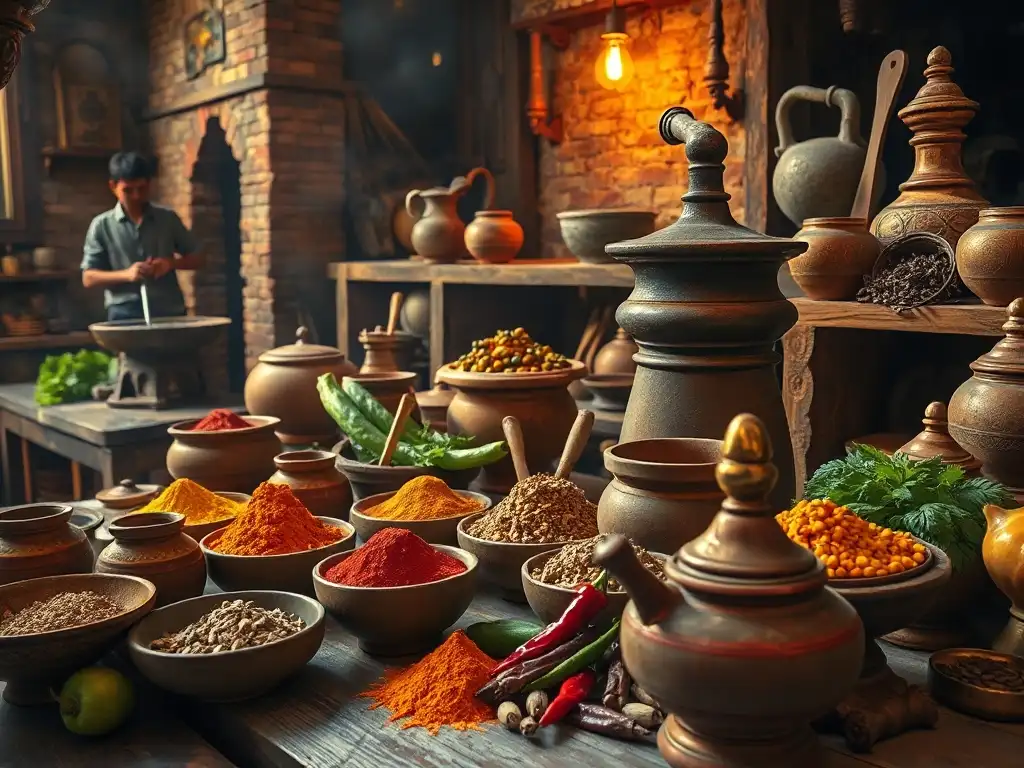
The influence of ancient civilizations on Indian cuisine is a tapestry woven through centuries of tradition, innovation, and cultural exchange. Each civilization has left an indelible mark on cooking techniques, ingredients, and culinary practices, shaping what we now recognize as Indian cuisine. From the early agricultural practices of the Indus Valley Civilization to the sophisticated culinary arts of the Maurya and Gupta Empires, ancient Indian cooking techniques reflect a rich heritage that continues to inspire modern gastronomy.
Cooking Techniques from the Indus Valley Civilization
The Indus Valley Civilization, flourishing around 2500 BCE, is renowned for its advanced urban planning and agricultural practices. The people of this civilization developed several cooking techniques that laid the foundation for future culinary practices in India.
-
Use of Clay Ovens
The discovery of clay ovens, or tandoors, is significant in understanding ancient Indian cooking. These ovens allowed for the baking of bread, such as roti and naan, and the roasting of meats, providing a unique smoky flavor that is still cherished in Indian cuisine today. Archaeological findings suggest that these ovens were prevalent in major cities like Harappa and Mohenjo-Daro.
-
Preservation Techniques
The Indus Valley inhabitants utilized various methods for food preservation, including drying, fermenting, and pickling. Ingredients such as lentils, grains, and fruits were often sun-dried, ensuring a sustainable food supply throughout the year. These techniques not only enhanced the flavor but also increased the shelf life of food.
-
Spice Usage
Evidence indicates that spices such as turmeric and cumin were utilized during this period. The incorporation of these spices into daily cooking has endured, forming the backbone of flavor profiles in contemporary Indian cuisine.
Contributions of the Maurya and Gupta Empires to Culinary Practices
The Maurya (322-185 BCE) and Gupta (c. 320–550 CE) Empires are pivotal in the evolution of culinary arts in ancient India. These periods marked significant advancements in agricultural practices, trade, and the sharing of ideas across vast territories, which collectively influenced ancient Indian cooking techniques.
-
Agricultural Innovations
The Maurya Empire witnessed the implementation of advanced agricultural techniques, including irrigation systems that greatly improved crop yields. The introduction of new crops, such as rice and various pulses, expanded the range of available ingredients, enriching the culinary landscape.
-
Culinary Texts and Knowledge Transmission
The Gupta period is often referred to as the "Golden Age" of India, during which numerous texts on cooking and food were compiled. One notable work, the "Manasollasa," written by King Somesvara III, provides insights into various cooking methods, ingredients, and recipes of the time. These texts served as crucial resources for passing down culinary knowledge through generations.
-
Cultural Exchange through Trade
The extensive trade networks established during these empires facilitated cultural exchange, introducing diverse culinary influences from regions such as Persia and the Mediterranean. This interaction led to the adoption of new cooking techniques, such as grilling and stewing, which were incorporated into local practices.
-
Religious and Dietary Influences
The spread of Buddhism and Jainism during these empires emphasized vegetarianism, leading to an increased focus on plant-based cooking techniques. This shift not only altered the dietary habits of the populace but also encouraged the innovative use of vegetables, legumes, and grains in ancient Indian recipes.
The culinary heritage of ancient India, deeply rooted in the innovative cooking techniques of the Indus Valley, Maurya, and Gupta civilizations, continues to resonate in modern Indian cuisine. Understanding these historical practices enriches our appreciation of the diverse flavors and dishes that define India's culinary identity today.
Top Culinary Tours in India to Explore Ancient Cooking Techniques
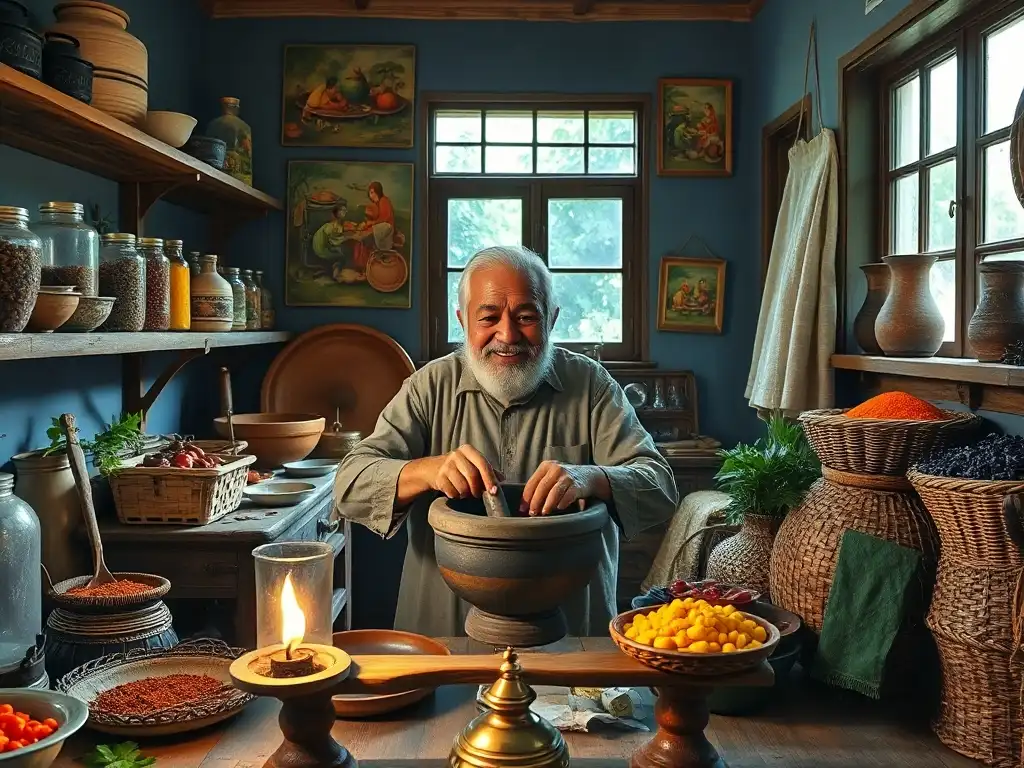
Overview of Culinary Tours Focused on Traditional Indian Cooking
Culinary tours in India offer an immersive experience into the rich tapestry of flavors, techniques, and traditions that define ancient Indian cooking. These tours not only highlight the diversity of regional cuisines but also provide a deep understanding of the historical significance behind various cooking methods and ingredients. Participants have the opportunity to engage with local chefs, learn about age-old recipes, and appreciate the cultural heritage that has shaped Indian cuisine over centuries.
The resurgence of interest in ancient Indian cooking techniques has led to an increase in specialized tours that focus on traditional methods, such as clay pot cooking, fermentation, and the use of indigenous ingredients. These tours often include visits to historical sites, spice markets, and local farms, allowing travelers to witness the origins of the dishes they prepare. By participating in these tours, food enthusiasts can gain valuable insights into the culinary practices that have been passed down through generations, ensuring that the art of ancient Indian cooking remains alive.
Importance of Experiencing Ancient Techniques Through Tours
Experiencing ancient Indian cooking techniques through culinary tours is essential for several reasons:
- Cultural Preservation: Engaging with these techniques helps preserve the culinary heritage of India, ensuring that traditional practices are not forgotten in the face of modernization.
- Sustainable Practices: Many ancient cooking techniques are rooted in sustainability, utilizing local ingredients and minimizing waste, which is increasingly relevant in today's culinary landscape.
- Hands-On Learning: Tours often provide hands-on experiences, allowing participants to practice ancient techniques themselves, leading to a deeper appreciation and understanding of the craft.
- Connection to History: By exploring ancient cooking methods, participants can connect with India's rich history and the diverse influences that have shaped its cuisine over the centuries.
1. The Spice Route Tour: Discovering Ancient Flavors
The Spice Route Tour is a unique culinary journey that takes travelers through the heart of India's spice trade, emphasizing the importance of spices in ancient Indian cooking. This tour provides an opportunity to explore various regions known for their spice production, including Kerala, Tamil Nadu, and Andhra Pradesh, where participants can discover the origins and uses of spices that have shaped Indian cuisine.
Highlights of the Tour: Markets, Spice Farms, and Cooking Classes
During the Spice Route Tour, participants can expect a wide array of engaging activities, including:
- Visiting Spice Markets: Explore bustling markets where vendors sell an impressive variety of spices, herbs, and blends, allowing travelers to see and smell the vibrant colors and fragrances of Indian spices.
- Touring Spice Farms: Gain firsthand knowledge of spice cultivation by visiting farms where participants can learn about the growing, harvesting, and processing of spices such as cardamom, pepper, and turmeric.
- Participating in Cooking Classes: Engage in hands-on cooking classes led by local chefs who share traditional recipes and techniques, incorporating the spices learned throughout the tour.
Ancient Indian Cooking Techniques Explored: Use of Spices and Their History
The Spice Route Tour delves into several ancient Indian cooking techniques centered around the use of spices, including:
- Tempering (Tadka): A foundational technique where spices are heated in oil to release their essential oils and flavors before being added to a dish. This method enhances the taste and aroma of various recipes.
- Marination: Ancient cooks often marinated meats and vegetables in spice blends, yogurt, and oils to infuse flavors and tenderize ingredients. This technique is prevalent in dishes like kebabs and curries.
- Preservation: Techniques such as pickling and drying were developed to preserve seasonal ingredients. The use of spices like mustard seeds and fenugreek not only enhances flavor but also acts as natural preservatives.
- Herbal Remedies: Many spices used in ancient cooking also had medicinal properties. Understanding the historical context of these spices reveals how ancient Indian cuisine was deeply interconnected with health and wellness.
Through the Spice Route Tour, participants can explore these ancient cooking techniques and gain a profound appreciation for the culinary heritage that has influenced not only Indian cuisine but also global culinary practices.
2. Heritage Cuisine Tour in Rajasthan: A Journey Through Time
Rajasthan, known for its vibrant culture and historical significance, offers a unique culinary experience that reflects its rich heritage. The Heritage Cuisine Tour takes you on a journey through time, showcasing the traditional cooking methods that have been passed down through generations. This tour not only delves into the flavors of Rajasthani cuisine but also highlights the stories and cultural significance behind each dish. Participants will have the chance to visit ancient forts and palaces, where cooking was once an art form practiced by royal chefs.
The tour encompasses visits to rural areas, allowing travelers to witness firsthand the age-old practices of cooking in traditional households. Through engaging interactions with local chefs and families, participants gain insights into the significance of ingredients, spices, and the intricate techniques that define Rajasthani cuisine. This immersive experience is not just about food; it’s about understanding the cultural tapestry of Rajasthan, where each meal narrates a story of its own.
Features of the Tour: Live Cooking Demonstrations and Local Markets
One of the standout features of the Heritage Cuisine Tour in Rajasthan is the opportunity to participate in live cooking demonstrations. Local chefs showcase the preparation of iconic dishes like Dal Baati Churma and Gatte ki Sabzi, inviting participants to engage in the cooking process. This hands-on experience allows travelers to learn about specific spices, cooking methods, and plating techniques that are integral to Rajasthani cuisine.
Additionally, the tour includes visits to bustling local markets, where participants can explore the vibrant array of spices, herbs, and fresh produce that form the backbone of Rajasthani cooking. Market visits are not just about shopping; they provide a sensory experience, allowing travelers to connect with local culture and traditions. Here, you can learn how to select the freshest ingredients and discover the stories behind traditional food items, enhancing your understanding of ancient Indian cooking techniques.
Ancient Cooking Techniques: Tandoor and Clay Pot Cooking
Rajasthan is renowned for its ancient cooking techniques, particularly the use of the tandoor and clay pots. The tandoor, a traditional clay oven, is central to many Rajasthani dishes. This cooking method involves high heat, which imparts a unique flavor and texture to meats, breads, and vegetables. Participants on the tour often have the chance to witness how naan and tandoori chicken are expertly prepared in these ovens.
Clay pot cooking is another hallmark of Rajasthani culinary tradition. These pots retain heat exceptionally well and are ideal for slow-cooking dishes, allowing flavors to meld beautifully. Participants can learn how to prepare classic recipes like Ker Sangri and Lal Maas in clay pots, gaining a deeper appreciation for the techniques that have been used for centuries. This aspect of the tour not only emphasizes the practical skills involved but also highlights the environmental sustainability of using natural materials in cooking.
3. Kerala's Culinary Heritage Tour: Traditional Cooking and Culture
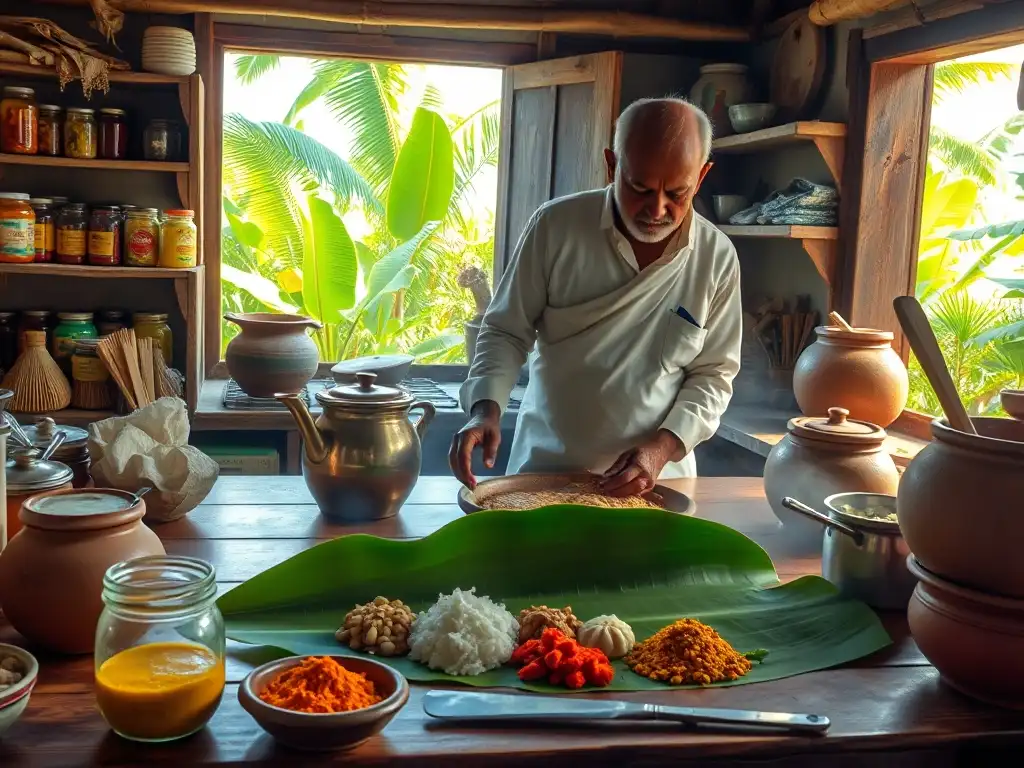
Kerala, often referred to as "God's Own Country," boasts a rich culinary heritage characterized by its use of fresh ingredients and diverse cooking techniques. The Culinary Heritage Tour in Kerala offers an immersive experience into the state's traditional cooking practices, deeply rooted in its culture and history. Participants will explore the coastal landscapes that inspire Keralan cuisine, from the lush backwaters to the spice-laden hills. The tour emphasizes the importance of local ingredients, such as coconut, seafood, and spices, providing a comprehensive understanding of what makes Keralan food unique.
This tour also highlights the connection between food and culture in Kerala, where every meal is a celebration. Travelers can expect to learn about the significance of festivals and communal cooking, which play a vital role in Keralan society. The experiences are designed to foster a connection with the region's culinary traditions, enriching the understanding of ancient Indian cooking techniques.
What to Expect: Backwater Cooking Classes and Traditional Feasts
On this tour, participants can look forward to engaging backwater cooking classes that offer a hands-on approach to Keralan cuisine. These classes, typically held in scenic locations overlooking the serene backwaters, allow travelers to learn about the preparation of traditional dishes such as Fish Moilee and Appam. Local chefs guide participants through the cooking process, sharing tips and techniques that are essential to mastering Keralan flavors.
In addition to cooking classes, travelers will also have the opportunity to partake in traditional feasts, known as Onam Sadya, which are elaborate meals served on banana leaves. These feasts showcase a variety of vegetarian dishes, each with its own story and significance. Participants can experience the cultural importance of communal dining, where food is not just a meal but a way to bring people together. This aspect of the tour highlights the essence of Keralan hospitality and the rich culinary traditions that have shaped the region.
Ancient Indian Cooking Techniques: Steaming and Fermentation Methods
Kerala's culinary heritage is distinguished by its ancient cooking techniques, particularly steaming and fermentation. These methods are not only integral to Keralan cuisine but also reflect the region's agricultural practices and local ingredients. Steaming is commonly used for dishes like Idli and Puttu, which are made from rice and lentils, resulting in light and fluffy textures that are both nutritious and delicious.
Fermentation, on the other hand, plays a crucial role in the preparation of traditional foods such as Dosa and Appam. This technique enhances flavors and improves the nutritional profile of ingredients. Participants on the tour will learn about the science behind fermentation, including how to prepare their own fermented batters. These ancient techniques are not only vital to the taste of Keralan dishes but also exemplify the ingenuity of ancient Indian cooking methods that have stood the test of time.
4. The Himalayan Culinary Tour: Ancient Practices Among the Mountains
The Himalayan Culinary Tour immerses travelers in the rich tapestry of ancient cooking techniques practiced in the towering mountains of the Himalayas. This tour is designed to showcase the unique culinary heritage of the region, where diverse ethnic communities have developed distinct cooking styles and methods over centuries. Participants will have the opportunity to explore age-old recipes, local culinary traditions, and the indigenous ingredients that define Himalayan cuisine.
The majestic backdrop of the Himalayas not only provides stunning vistas but also influences the lifestyle and cooking practices of the local communities. From the use of medicinal herbs to the preparation of traditional dishes, this tour offers a rare glimpse into the ancient culinary practices that continue to thrive in this remote region.
Unique Aspects of the Tour: Local Ingredients and Cooking Methods
One of the standout features of the Himalayan Culinary Tour is its emphasis on local ingredients. Travelers will engage with local farmers and foragers who harvest unique produce and herbs found only in the Himalayan region. Ingredients such as wild mushrooms, mountain herbs, and locally sourced grains play a vital role in traditional dishes and are celebrated for their flavors and health benefits.
Participants will also learn about the various cooking methods that reflect the adaptation of ancient practices to the challenging mountain environment. For instance:
- Stone Cooking: This ancient technique utilizes hot stones to cook food, imparting a unique flavor and texture.
- Clay Pot Cooking: Traditional clay pots are used to retain moisture and enhance the taste of stews and curries.
- Bhutt (Grilling): A common practice where food is grilled over an open flame, often incorporating local spices and herbs for added flavor.
By engaging in hands-on cooking sessions, participants will not only learn the historical significance of these methods but will also gain practical skills in preparing traditional Himalayan dishes.
Ancient Techniques Highlighted: Preservation and Drying Methods
The preservation and drying methods employed in ancient Himalayan cooking are vital to understanding how these communities have sustained themselves through harsh winters and challenging conditions. The tour delves into several time-honored techniques that have been passed down through generations:
- Sun Drying: Locals utilize the abundant sunlight to dry fruits, vegetables, and herbs. This method not only extends the shelf life of food but also concentrates flavors, making dried products a staple in the Himalayan diet.
- Fermentation: This ancient technique is used to preserve vegetables, dairy, and grains, creating unique flavors and enhancing nutritional value. Participants will have the chance to taste fermented dishes like gundruk (fermented leafy greens) and tonka (fermented dairy).
- Smoking: Smoking is another preservation method that adds depth to flavors while extending the life of meats and fish. The use of specific woods native to the region imparts distinct tastes that reflect the local environment.
Through interactive workshops and demonstrations, participants will gain a deeper appreciation for these ancient preservation techniques and their significance in the context of Himalayan culinary heritage. By the end of the tour, travelers will leave with not only memories of breathtaking landscapes but also a treasure trove of ancient Indian cooking techniques that they can incorporate into their own culinary practices.
The Role of Local Ingredients in Ancient Indian Cooking
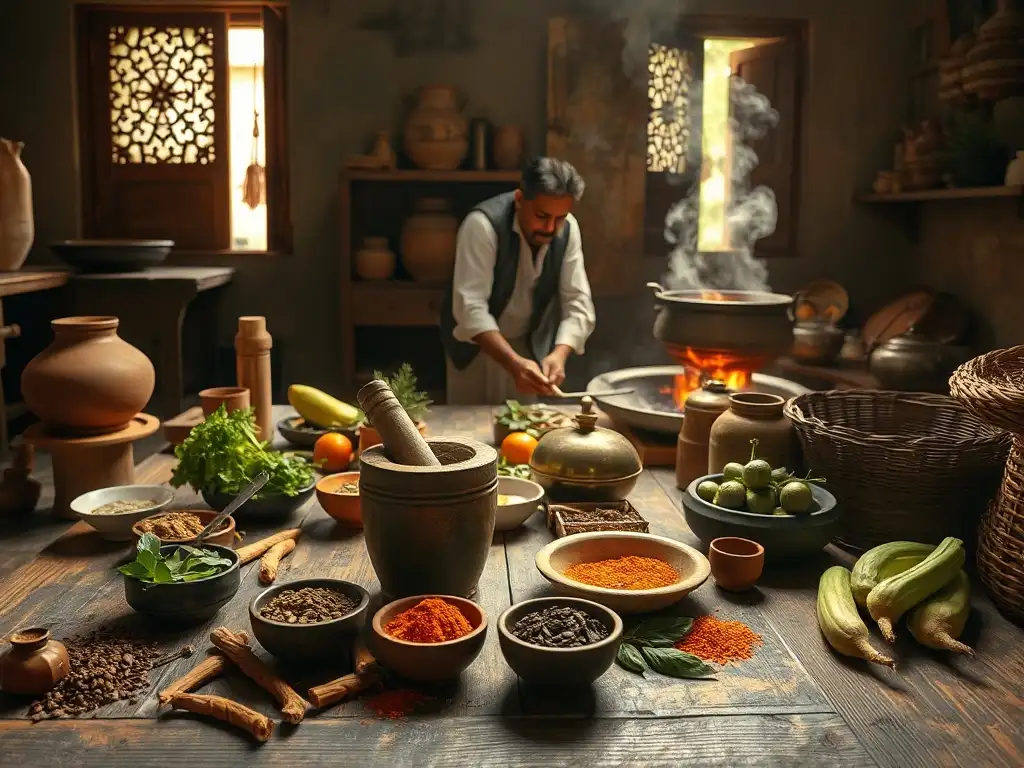
The culinary practices of ancient India were deeply intertwined with the local environment. The use of native ingredients not only shaped the flavors and textures of dishes but also highlighted the significance of regional diversity. Ancient Indian cooking techniques were often dictated by the availability of ingredients, influenced by both climate and geography, which led to a rich tapestry of flavors that varied from region to region.
Understanding the Use of Native Grains, Herbs, and Spices
In ancient India, grains formed the foundation of many diets, with staples such as wheat, rice, and millet playing crucial roles. For example, wheat was predominantly cultivated in the northern regions, where it became a primary ingredient in breads like roti and paratha. Conversely, rice was favored in the southern states, where it served as a base for dishes like idli and dosa.
Key Native Grains:
- Wheat: Central to northern Indian cuisine.
- Rice: A staple in southern and eastern regions.
- Millets: Diverse varieties such as bajra and jowar were popular in arid areas.
Herbs and spices were also integral to ancient Indian cooking techniques, both for their flavor and their medicinal properties. The use of ingredients like turmeric, coriander, and cumin not only enhanced the taste of dishes but also contributed to health benefits, reflecting an understanding of holistic wellness in ancient culinary practices.
Prominent Herbs and Spices:
- Turmeric: Known for its anti-inflammatory properties.
- Cumin: Aids digestion and adds warmth to dishes.
- Coriander: Used for both its leaves and seeds, enhancing flavor profiles.
The diversity of available herbs and spices allowed ancient Indian cooks to experiment with flavors, leading to complex dishes that are still celebrated today. The techniques of toasting spices to release their essential oils, for instance, remain a hallmark of traditional Indian cooking.
The Impact of Geography on Cooking Techniques in Ancient India
Geography played a pivotal role in shaping ancient Indian cooking techniques. The vastness of the subcontinent, with its varied climates and terrains, resulted in regional culinary practices that reflected local resources.
Regional Influences on Cooking Techniques:
- Northern India: The fertile plains of the Indus and Ganges rivers supported agriculture, leading to diverse grain-based dishes. Techniques such as tandoori cooking emerged, utilizing clay ovens that impart a unique flavor to breads and meats.
- Southern India: Coastal regions benefited from abundant seafood, leading to the development of dishes that featured fish and coconut. Techniques such as steaming and stir-frying became common, with rice and lentils forming essential components of the diet.
- Western India: The arid landscape encouraged the use of dried ingredients and preservation techniques. Pickling and drying became essential cooking methods, allowing for the use of spices and vegetables throughout the year.
The interplay of geography and local ingredients not only defined ancient Indian cooking techniques but also fostered a deep appreciation for the land and its resources. This connection is evident in traditional culinary tours, where travelers can immerse themselves in the rich history of ancient Indian cuisine, exploring regional variations and the time-honored methods still in practice today.
Ancient Indian cooking techniques were greatly influenced by the local ingredients available, shaped by the geographical context. This intricate relationship highlights the importance of understanding the culinary heritage of India's diverse regions, offering insights into the evolution of its rich and flavorful cuisine.
Participating in Workshops to Learn Ancient Indian Cooking Techniques
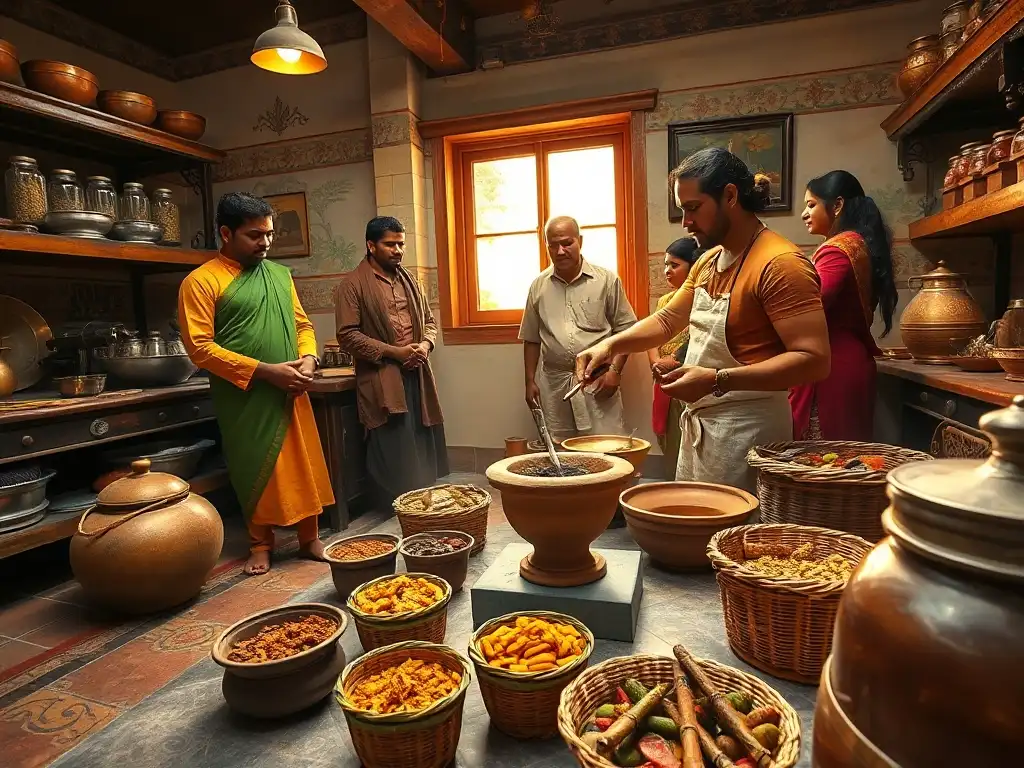
Participating in workshops dedicated to ancient Indian cooking techniques offers a unique opportunity to immerse oneself in the rich culinary heritage of India. These workshops not only teach the historical significance of various cooking methods but also allow participants to engage hands-on with the processes that have defined Indian cuisine for centuries. From the use of traditional spices to age-old cooking instruments, these experiences provide a comprehensive understanding of how ancient practices continue to influence modern Indian cooking.
Opportunities to Engage with Local Chefs and Culinary Experts
One of the most enriching aspects of these workshops is the chance to interact directly with local chefs and culinary experts. These professionals often come from families with generations of culinary traditions, offering invaluable insights into the nuances of ancient Indian cooking techniques. Participants can expect to learn about:
- Traditional Cooking Methods: Discover techniques such as slow cooking in clay pots, tandoori cooking, and the art of tempering spices (tadka).
- Regional Variations: Understand how different regions of India utilize unique ingredients and methods, reflecting local cultures and climates.
- Culinary Secrets: Gain knowledge about the significance of various spices, their medicinal properties, and how they were historically used.
- Hands-On Experience: Engage in cooking sessions where participants can practice these techniques, often resulting in a delicious meal shared among the group.
This direct engagement not only enhances the learning experience but also fosters a deeper appreciation for the culinary arts that are integral to Indian culture.
Recommended Workshops: Saffron and Spice Culinary Workshop, The Art of Indian Cooking Workshop
Here are two highly recommended workshops that focus on ancient Indian cooking techniques:
| Workshop Name | Location | Key Features |
|---|---|---|
| Saffron and Spice Culinary Workshop | Jaipur | - Focus on Rajasthani cuisine - Hands-on cooking classes - Emphasis on traditional spice blending |
| The Art of Indian Cooking Workshop | Delhi | - Covers diverse regional dishes - Expert chefs share ancestral cooking secrets - Interactive sessions with local farmers |
Both workshops provide a platform for culinary enthusiasts to not only learn but also appreciate the historical context of ancient Indian cooking techniques. Participants leave with not just recipes but a deeper understanding of the culture that shapes these dishes.
Engaging in workshops dedicated to ancient Indian cooking techniques is an excellent way to connect with India’s rich culinary history while honing one’s own cooking skills. These experiences serve as a bridge between the past and present, allowing participants to carry forward the legacy of ancient Indian cuisine.
Conclusion: Embracing the Rich Heritage of Ancient Indian Cooking Techniques
Exploring the culinary heritage of ancient India reveals a tapestry of flavors, techniques, and traditions that have shaped modern Indian cuisine. The ancient Indian cooking techniques, deeply rooted in the cultural and historical contexts of various civilizations, offer a glimpse into the past that is not only fascinating but also essential for understanding the evolution of food in this region.
Encouragement to Explore Culinary Tours and Learn from History
Engaging with culinary tours that showcase ancient Indian cooking techniques presents a unique opportunity for enthusiasts and travelers alike. These tours often take participants through historical sites where cooking methods have been preserved through generations, allowing them to experience firsthand the art of traditional preparation.
- Participate in Workshops: Many tours include hands-on workshops where visitors can learn to prepare ancient recipes using traditional tools and methods. This immersive experience fosters a deeper appreciation for the culinary arts.
- Visit Local Markets: Guided visits to local markets can enhance understanding of the ingredients that have been staples in Indian cooking for centuries, such as spices, grains, and herbs.
- Interact with Chefs: Engaging with chefs who specialize in ancient techniques can provide insights into how these methods can be adapted in modern kitchens while preserving authenticity.
By participating in these tours, individuals not only indulge in the rich flavors of ancient Indian cuisine but also contribute to the preservation of these time-honored traditions.
Final Thoughts on the Importance of Preserving Ancient Culinary Traditions
The preservation of ancient culinary traditions is vital for several reasons:
- Cultural Identity: Ancient Indian cooking techniques are a reflection of the diverse cultures and communities that have existed throughout history. Maintaining these practices helps to keep cultural identities alive.
- Sustainability: Many ancient cooking methods emphasize sustainability and local sourcing, promoting a more environmentally friendly approach to food production and consumption.
- Health Benefits: Traditional cooking techniques often rely on natural ingredients and methods that promote health and well-being, which can be an antidote to modern fast food culture.
The culinary heritage of ancient India is not merely a relic of the past; it is a living tradition that continues to influence contemporary cuisine. By embracing and preserving these ancient cooking techniques, we honor the rich history of India while fostering a deeper connection to our food and cultural roots. Engaging in culinary tours can serve as a vital link in this journey, allowing us to appreciate and sustain the flavors of our past for future generations.
Frequently Asked Questions
What are ancient Indian cooking techniques?
Ancient Indian cooking techniques include methods such as tandoori, dum, and bhuna, which reflect the diverse cultural influences and regional ingredients used throughout history.
How did the Indus Valley civilization influence cooking?
The Indus Valley civilization laid the groundwork for ancient Indian cooking by introducing agriculture, which led to the cultivation of grains and spices that remain staples in Indian cuisine today.
What role did spices play in ancient Indian cooking?
Spices were essential in ancient Indian cooking, not only for flavoring but also for their preservative properties and health benefits, making them integral to both culinary and medicinal practices.
How can one experience ancient Indian cooking techniques today?
Today, one can experience ancient Indian cooking techniques through culinary tours, workshops, and classes that focus on traditional recipes and methods passed down through generations.
What are some famous ancient Indian dishes?
Famous ancient Indian dishes include biryani, korma, and dosa, which showcase the use of regional ingredients and cooking methods that have evolved yet remain foundational in Indian cuisine.
Final Reflection: Embracing the Essence of Ancient Indian Cooking Techniques
The exploration of ancient Indian cooking techniques is not just a journey into the past; it is a vital connection to our cultural identity and culinary heritage. In today's fast-paced world, where convenience often overshadows tradition, understanding and appreciating these age-old methods can rekindle our relationship with food and community. The revival of these techniques serves as a powerful reminder of the richness and diversity that culinary practices can offer, urging us to cherish our roots while navigating modernity.
The influence of ancient Indian cooking techniques extends far beyond the kitchen; it shapes our social interactions, cultural celebrations, and even our health. As we delve into these time-honored practices, we find ourselves partaking in a larger narrative that honors the wisdom of our ancestors. Food is not just what we eat; it is a reflection of who we are.
This quote encapsulates the essence of our culinary heritage, reminding us that every dish tells a story, and every technique carries the weight of history. By embracing these ancient methods, we not only preserve our cultural identity but also foster a deeper appreciation for the art of cooking.
As you reflect on the insights shared in this article, I invite you to take action in your own culinary journey. Consider exploring ancient Indian cooking techniques in your kitchen, experimenting with spices, and sharing these experiences with family and friends. Let the flavors of the past inspire your present and future, creating a tapestry of culinary memories that honors tradition while celebrating innovation. Together, we can ensure that the legacy of ancient Indian cooking continues to thrive and evolve, enriching our lives and those of generations to come.
Savor the Journey: Immerse Yourself in Ancient Indian Flavors!
Thank you for diving into the rich world of culinary heritage through this exploration of ancient Indian cooking techniques! You’ve uncovered the layers of history and culture that shape our plates today. Now, it’s your turn to bring that knowledge to life!
Here’s how you can take the next steps and deepen your connection with these exquisite traditions:
- Book a culinary tour that showcases ancient cooking methods; experience the history through taste!
- Share your newfound insights with friends and family— send them your favorite recipes and inspire others to explore these flavors.
- Join an online community or forum to discuss and exchange ideas about Indian culinary heritage; connect with fellow food enthusiasts and broaden your culinary horizons.
What unique dish from ancient Indian cooking would you love to try making at home? Let's start a dialogue in the comments below!