
The Role of Festivals in Ancient Indian Society: A Historical Perspective

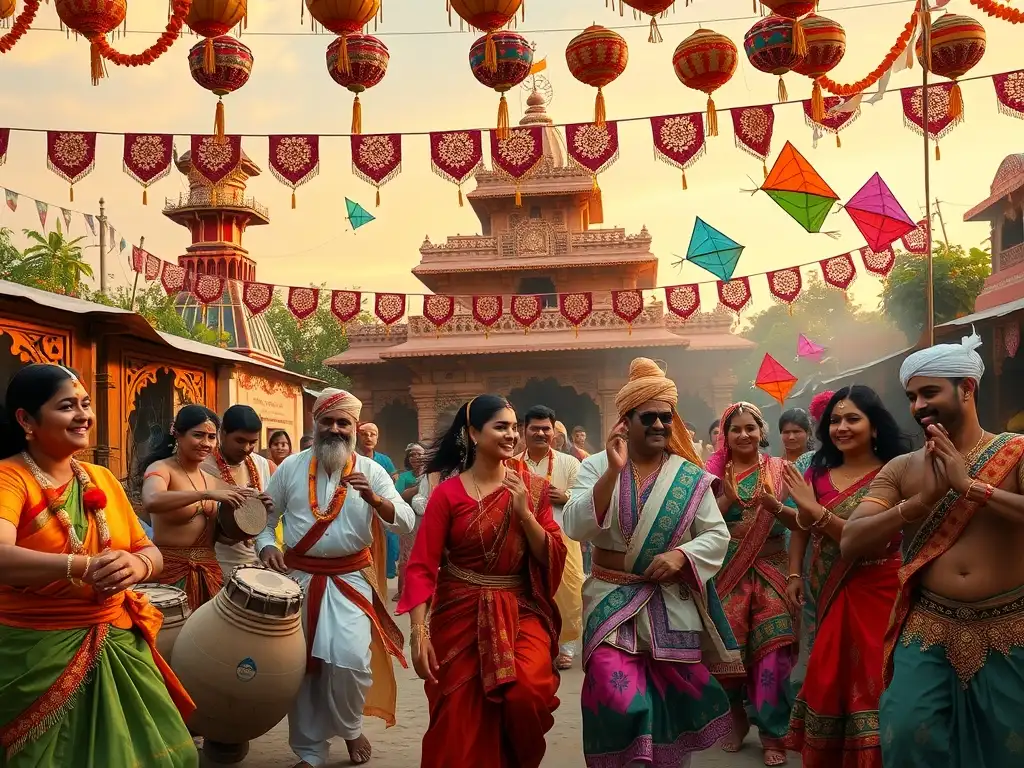
Welcome to Ancient India History, where we embark on a captivating journey through the vibrant tapestry of ancient Indian civilizations! In this exploration, we delve into the significance of ancient Indian festivals, uncovering how these celebrations not only marked the passage of time but also played a crucial role in shaping societal values and community bonds. Are you curious about how these festivals reflected the rich cultural heritage and religious beliefs of the time?
Join us as we unravel the historical threads that connect these traditions to the very essence of ancient Indian society. Your adventure into the past begins here!
Introduction to Ancient Indian Festivals
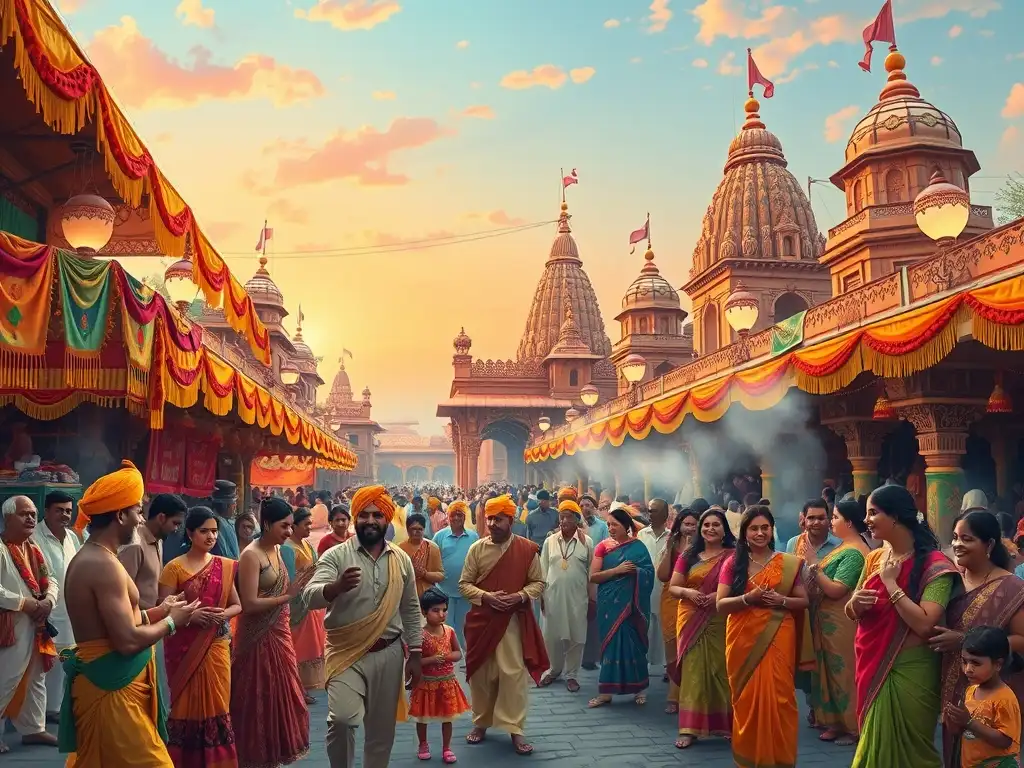
Festivals have long been an integral part of the social fabric of ancient Indian civilizations, serving as vital markers of cultural identity and community cohesion. They provide a window into the values, beliefs, and practices of the societies that celebrated them.
From the elaborate rituals of the Indus Valley Civilization to the vibrant festivities during the Gupta Empire, understanding ancient Indian festivals offers significant insights into the era’s social dynamics, religious practices, and agricultural cycles. This exploration into the significance of ancient Indian festivals reveals not only their spiritual essence but also their role in unifying diverse communities under shared traditions.
Overview of Festivals in Ancient India
Ancient Indian festivals were characterized by a rich tapestry of rituals, celebrations, and communal activities that varied across regions and cultures. Some of the notable festivals included:
- Diwali: Celebrated as the festival of lights, symbolizing the victory of light over darkness and knowledge over ignorance.
- Holi: The festival of colors, marking the arrival of spring and the triumph of good over evil.
- Makar Sankranti: A harvest festival that signifies the transition of the sun into the zodiac sign of Capricorn, celebrated in various forms across India.
These festivals were often linked to the lunar calendar and agricultural cycles, reflecting the agrarian lifestyle of ancient societies.
Importance of Festivals in Cultural Context
Festivals played a pivotal role in fostering a sense of community and belonging among people. They were occasions for:
- Social Gathering: Allowing individuals to come together, strengthening communal ties and reinforcing social structures.
- Cultural Expression: Showcasing local traditions, art forms, and culinary practices, thus promoting cultural heritage.
- Inter-generational Transmission: Serving as platforms for passing down folklore, myths, and values from one generation to the next.
Through these gatherings, ancient Indians maintained a vibrant cultural landscape, ensuring that traditions were preserved and celebrated over time.
Historical Significance of Ancient Indian Festivals
The significance of festivals in ancient India transcended mere celebration; they were intertwined with the historical trajectory of the civilization itself.
Festivals as a Reflection of Society
Ancient Indian festivals mirrored the socio-political changes occurring within society. For example, during the Mauryan Empire, festivals often celebrated royal patronage and military victories, reflecting the power dynamics of the time. Similarly, the emergence of new religious sects during the Gupta period led to the evolution of festivals that incorporated diverse practices and beliefs, highlighting the pluralistic nature of ancient Indian society.
The Role of Religion in Shaping Festivals
Religion was a cornerstone in the formation and evolution of festivals. Various deities were worshipped during specific festivals, with rituals often reflecting the theological beliefs of the time. Key aspects included:
- Puja (Worship): Ritual offerings made to gods to seek blessings and favor.
- Ritualistic Performances: Dramas and dances performed during festivals that narrated mythological stories and historical events.
This interplay between religion and festivals underscored the significance of spirituality in daily life and community cohesion.
Festivals and Their Connection to Agricultural Cycles
Agricultural cycles were central to the timing and nature of many ancient Indian festivals. For instance:
- Harvest Festivals: Celebrated at the end of the crop cycle, such as Pongal in South India, were crucial for expressing gratitude for bountiful harvests.
- Seasonal Festivals: Festivals aligned with the monsoon season emphasized the importance of rain for agriculture, showcasing the community’s reliance on nature.
Understanding this connection reveals how festivals were not only spiritual observances but also practical responses to the agrarian challenges faced by ancient societies.
Types of Festivals Celebrated in Ancient India
Ancient India was a tapestry of diverse cultures and traditions, with festivals playing a pivotal role in the social fabric. The types of festivals celebrated can be broadly categorized into seasonal and religious festivals. Each category not only marked time but also reflected the agricultural cycles, religious beliefs, and cultural practices of the various communities.
Major Seasonal Festivals
Major seasonal festivals in ancient India were closely linked to the agricultural calendar. These festivals were celebrated at key times of the year, marking the end of harvests or seasonal changes. Some notable examples include:
- Pongal: Celebrated in South India, Pongal marks the end of the harvest season, giving thanks to the Sun God and nature for the bounty.
- Makar Sankranti: This festival heralds the arrival of longer days and is celebrated across India with kite flying, feasting, and various regional customs.
- Holi: Known as the festival of colors, Holi signifies the arrival of spring and the victory of good over evil, featuring vibrant celebrations and communal harmony.
These festivals were not only occasions for celebration but also served agricultural purposes, ensuring that communities acknowledged and appreciated the cycles of nature.
Religious Festivals: Celebrating Deities and Myths
Religious festivals in ancient India were deeply rooted in the worship of various deities and mythological narratives. These festivals often involved elaborate rituals, processions, and community gatherings. Some significant religious festivals include:
- Diwali: The Festival of Lights, celebrating the return of Lord Rama to Ayodhya, symbolizes the triumph of light over darkness and knowledge over ignorance.
- Navaratri: A nine-night festival dedicated to the worship of the goddess Durga, celebrating her victory over the buffalo demon Mahishasura, it involves fasting, dancing, and night-long vigils.
- Raksha Bandhan: This festival celebrates the bond between brothers and sisters, where sisters tie a protective thread (rakhi) on their brothers' wrists as a symbol of love and protection.
These festivals reinforced the religious beliefs and myths of ancient Indian society, fostering a sense of belonging and shared identity among the people.
Festivals were more than just religious or seasonal observances; they played a crucial role in shaping the social dynamics of ancient Indian society. They influenced community interactions, social hierarchies, and economic activities, making them significant in multiple aspects of daily life.
Festivals as a Means of Community Cohesion
Festivals served as a powerful tool for fostering community cohesion. They brought together individuals from different backgrounds, castes, and social standings, creating an inclusive environment. The communal aspect of festivals allowed for:
- Shared Responsibilities: Organizing a festival required collective participation, fostering teamwork and cooperation among community members.
- Cultural Exchange: Festivals often featured performances, food, and rituals from various traditions, encouraging cultural exchange and understanding.
- Strengthening Bonds: The shared joy and celebrations helped strengthen interpersonal relationships, creating a sense of unity and belonging.
Through these interactions, festivals played a vital role in maintaining social harmony and cultural continuity within ancient Indian communities.
The Role of Festivals in Social Hierarchy and Class Structure
While festivals promoted unity, they also reflected and sometimes reinforced social hierarchies and class distinctions within ancient Indian society. Different groups often had distinct roles and privileges during festivals:
- Ritualistic Roles: Certain festivals were dominated by priestly classes or higher castes, who performed rituals and were regarded with reverence, establishing social stratification.
- Economic Participation: Wealthier households often hosted larger celebrations, showcasing their status and influence, while lower classes participated in more modest ways, highlighting economic disparities.
- Access to Resources: Access to festival resources, such as food and decorations, often varied by class, affecting how different groups experienced the festivities.
Thus, while festivals served as occasions for collective celebration, they also mirrored the underlying social structures of ancient Indian society.
Festivals and Economic Activities: Trade and Commerce
Ancient Indian festivals significantly impacted economic activities, especially in trade and commerce. Festivals often stimulated local economies through various means:
- Marketplaces: Festivals attracted traders and merchants, creating vibrant marketplaces where goods, crafts, and produce were exchanged, benefiting local economies.
- Artisan Opportunities: Artisans and craftsmen capitalized on the festival season, producing and selling decorative items, religious artifacts, and festive clothing, thereby boosting their livelihoods.
- Cultural Tourism: Some festivals became significant attractions, drawing visitors from neighboring regions, thus fostering a form of tourism that contributed to the economic vitality of towns and cities.
The intertwining of festivals with economic activities illustrates their importance not only in cultural terms but also as catalysts for economic growth within ancient Indian society.
Festivals and Cultural Exchange in Ancient India
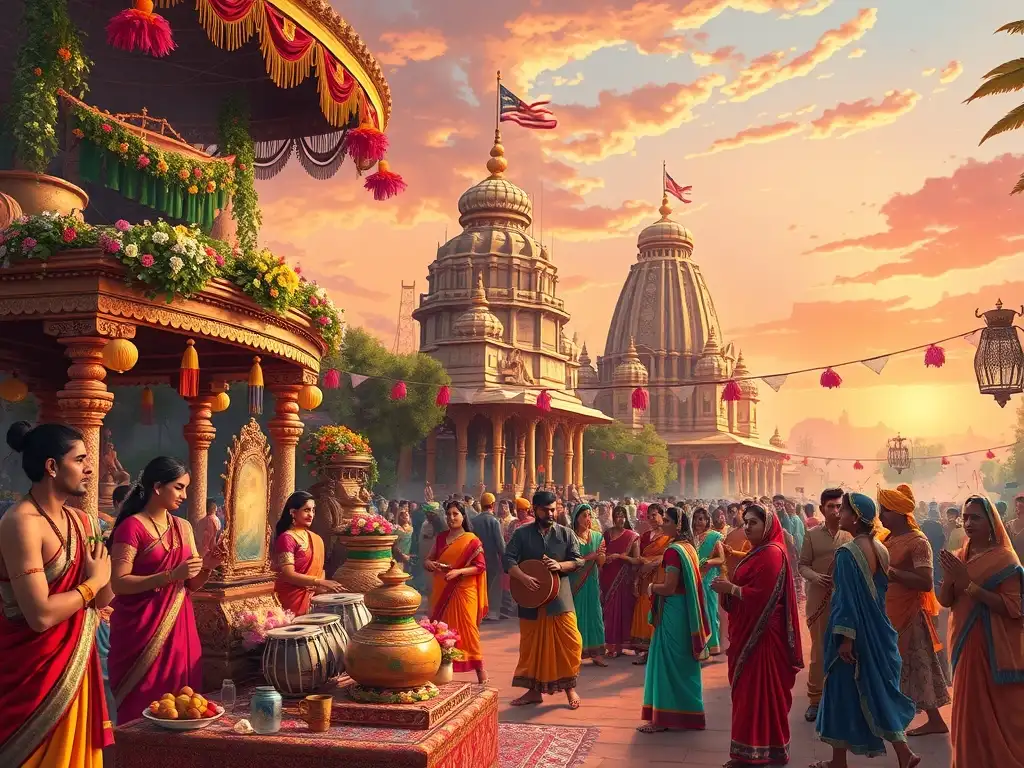
Festivals in ancient India served as vibrant platforms for cultural exchange, bringing together diverse communities and facilitating interactions that transcended geographical boundaries. These celebratory events were not only moments of joy and festivity but also opportunities for trade, diplomacy, and the sharing of ideas, beliefs, and practices. As different cultures converged during major festivals, such as Diwali, Holi, and Makar Sankranti, they fostered a sense of unity and collaboration among various ethnic groups.
The significance of these festivals extended beyond mere festivities; they acted as historical markers that illustrated the interconnectedness of societies. For instance, the festival of Makar Sankranti, celebrated with kite flying, is believed to have origins rooted in agricultural practices and has evolved to include influences from various regions, showcasing the adaptability and amalgamation of cultural elements over time.
Interaction Between Different Cultures Through Festivals
Festivals provided a unique opportunity for the interaction of different cultures in ancient India. Through shared rituals and practices, communities could learn from one another, leading to the exchange of traditions, languages, and artistic expressions. This interaction was particularly prominent along trade routes where merchants and travelers from various regions congregated during festivals.
For example, the Kumbh Mela, a massive pilgrimage and festival, attracted people from all walks of life, including traders, pilgrims, and scholars. This convergence allowed for the exchange of goods, ideas, and religious philosophies, enriching the cultural tapestry of the time. Local customs often merged with those of traveling communities, resulting in a vibrant exchange that shaped the identity of various regions.
Influence of Ancient Indian Festivals on Neighboring Civilizations
The festivals of ancient India did not merely remain confined within its borders; they significantly influenced neighboring civilizations. As trade flourished, so did the dissemination of cultural practices associated with festivals. For instance, the celebration of Diwali, known as the festival of lights, found its way into the cultural practices of Southeast Asian countries, where it is still celebrated today under various names and interpretations.
Moreover, the religious festivals that originated in India, such as Navaratri, have impacted the cultural practices of regions influenced by Indian philosophy and spirituality, including Tibet and parts of Central Asia. The spread of these festivals often occurred alongside the migration of peoples and the expansion of empires, exemplifying how ancient Indian festivals played a crucial role in shaping the cultural landscapes of neighboring societies.
Conclusion: The Enduring Legacy of Ancient Indian Festivals
The enduring legacy of ancient Indian festivals is evident in their continued relevance and celebration in modern society. These festivals, rich in history and meaning, offer insights into the cultural, social, and spiritual life of ancient civilizations. They serve as reminders of the values, beliefs, and traditions that have withstood the test of time, allowing contemporary societies to connect with their historical roots.
Reflection on the Significance of Festivals Today
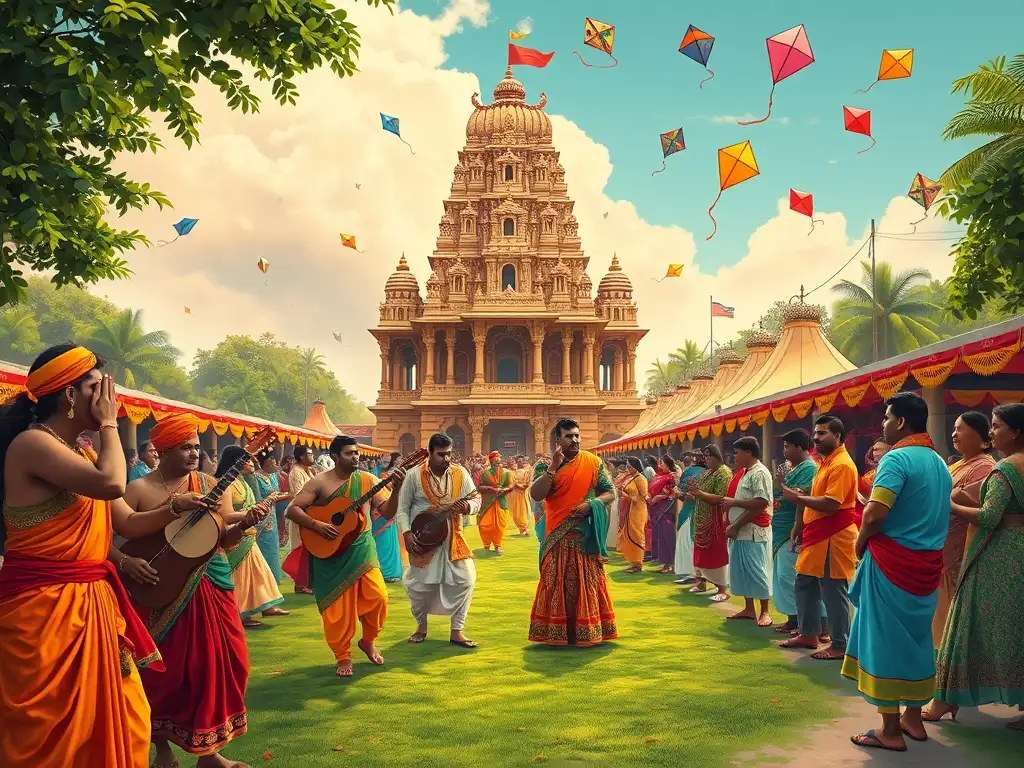
Today, festivals continue to hold immense significance, acting as a bridge between the past and the present. They foster community bonding, cultural identity, and a sense of belonging among individuals. The rituals and customs associated with these festivals provide a platform for storytelling, preserving folklore, and passing down traditions to future generations. Furthermore, the communal aspects of festivals encourage social cohesion and promote inclusivity, reflecting the spirit of unity that characterized ancient celebrations.
The Relevance of Ancient Indian Festivals in Modern Society
In modern society, ancient Indian festivals remain relevant as they adapt to contemporary contexts while retaining their core essence. These celebrations often incorporate modern elements, making them accessible and appealing to younger generations. The significance of ancient Indian festivals extends beyond religious observance; they are now recognized for their contributions to cultural tourism, economic activity, and social harmony.
Moreover, as global awareness of cultural diversity increases, ancient Indian festivals serve as a means of promoting intercultural dialogue and understanding. They highlight the rich heritage of India and provide opportunities for people of various backgrounds to learn, appreciate, and participate in the diverse traditions that have shaped the Indian subcontinent. In this way, ancient Indian festivals not only celebrate the past but also contribute to a more interconnected and harmonious future.
References
The study of ancient Indian festivals reveals a complex tapestry of cultural, religious, and social significance woven into the fabric of society. To delve deeper into the significance and role of festivals in ancient India, various scholarly articles, books, and primary sources provide valuable insights. Below are some references that can enhance understanding of this topic:
- Ancient Indian Culture: A Historical Perspective
- This book encompasses the cultural practices of ancient India, including festivals, rituals, and their socio-religious implications.
- Festivals of India: A Cultural Encyclopedia
- An extensive resource that catalogs various festivals celebrated across different regions, explaining their historical origins and cultural significance.
- The Hindu Festival Calendar
- A detailed analysis of the Hindu calendar, which outlines the major festivals, their meanings, and how they evolved over time.
- Rituals and Festivals in Ancient India
- This research paper explores the significance of various rituals associated with ancient Indian festivals, highlighting their role in community bonding and cultural identity.
- Cultural Heritage of India: Festivals and Traditions
- A comprehensive examination of Indian traditions, focusing on how festivals serve as a reflection of the socio-political and religious landscape of ancient India.
- The Role of Religion in Ancient Indian Society
- This scholarly article discusses the interplay between religion and festivals, illustrating how religious beliefs influenced societal norms and practices.
Suggested Readings and Sources on Ancient Indian Festivals
For those interested in exploring the significance of ancient Indian festivals further, here are some suggested readings and sources that provide in-depth analyses and context:
-
"Festivals and Their Significance in Ancient Indian Society" by Dr. Aditi Sharma
This book provides an academic perspective on the various festivals celebrated in ancient India and their implications on social structure and community life.
-
"Celebrations of the Cosmos: Festivals in Ancient Indian Tradition" by Prof. Rajiv Menon
This work delves into the cosmological significance of festivals, linking celestial events with seasonal celebrations in ancient Indian culture.
-
"The Symbolism of Indian Festivals"
A collection of essays that examine the deeper meanings behind the rituals and celebrations, shedding light on their philosophical underpinnings.
-
"Cultural Dynamics of Ancient Indian Festivals"
This journal article explores the evolution of festivals over time and their adaptability to changing societal norms and values.
-
"Mythology and Ritual in Ancient India"
An insightful exploration of how mythology and ritual practices intertwined to shape the festival calendar and cultural identity in ancient India.
These resources can serve as a foundation for understanding the multifaceted role festivals played in ancient Indian society, illustrating their significance in cultural expression, community cohesion, and religious observance.
- Introduction to Ancient Indian Festivals
- Historical Significance of Ancient Indian Festivals
- Types of Festivals Celebrated in Ancient India
- The Social Impact of Festivals on Ancient Indian Society
- Festivals and Cultural Exchange in Ancient India
- Interaction Between Different Cultures Through Festivals
- Influence of Ancient Indian Festivals on Neighboring Civilizations
- Conclusion: The Enduring Legacy of Ancient Indian Festivals
- Reflection on the Significance of Festivals Today
- The Relevance of Ancient Indian Festivals in Modern Society
- References
- What were the major festivals celebrated in ancient Indian society?
- How did festivals contribute to social cohesion in ancient India?
- What was the significance of religious ceremonies during these festivals?
- How did festivals reflect the diversity of ancient Indian cultures?
- In what ways did ancient festivals influence agricultural practices?
Frequently Asked Questions
What were the major festivals celebrated in ancient Indian society?
Ancient Indian society celebrated various festivals such as Diwali, Holi, and Makar Sankranti, each reflecting cultural beliefs and agricultural cycles.
Festivals served as a means of fostering community bonds, bringing people together for shared rituals, celebrations, and cultural expressions, thereby enhancing social unity.
What was the significance of religious ceremonies during these festivals?
Religious ceremonies during festivals emphasized the spiritual aspect of life in ancient India, reinforcing devotion to deities and the importance of rituals in maintaining cosmic order.
How did festivals reflect the diversity of ancient Indian cultures?
Festivals showcased the regional diversity of ancient India, with varying customs and practices influenced by local traditions, languages, and ethnic backgrounds.
In what ways did ancient festivals influence agricultural practices?
Many ancient festivals were linked to harvest cycles, marking crucial agricultural events, which helped in planning sowing and harvesting, thus ensuring food security for communities.
Final Reflection: The Enduring Significance of Ancient Indian Festivals
The exploration of ancient Indian festivals reveals their profound impact on societal cohesion and cultural identity, demonstrating that the significance of these celebrations transcends time and continues to resonate in contemporary society. Festivals were not merely occasions for merriment; they served as vital threads weaving together the fabric of community life, spirituality, and tradition. Today, as we navigate a rapidly changing world, the lessons embedded in these ancient practices remind us of the importance of connection and celebration in our lives.
The legacy of ancient Indian festivals continues to shape our cultural landscape, fostering a sense of belonging and continuity across generations. The rituals, stories, and communal gatherings associated with these festivals not only honor our past but also inspire present and future generations to engage with their heritage. As the renowned poet Rabindranath Tagore once said, The highest education is that which does not merely give us information but makes our life in harmony with all existence.
This sentiment underscores the idea that understanding our cultural roots through festivals enriches our lives and strengthens our communal bonds.
As we reflect on the significance of ancient Indian festivals, let us embrace the opportunity to incorporate their lessons into our daily lives. Consider how you can celebrate your own heritage or participate in local festivals, fostering a sense of community and connection. By doing so, you not only honor the traditions of the past but also contribute to a vibrant cultural tapestry that will inspire future generations. Let us carry forward the spirit of these ancient celebrations, ensuring that their significance continues to illuminate our paths in an ever-evolving world.
Embrace the Spirit of Ancient Festivals Today!
Thank you for exploring the fascinating world of ancient Indian festivals! We hope you enjoyed uncovering the rich tapestry of cultural traditions that have shaped society. Now, it’s time to connect with this heritage in your everyday life. Here’s how you can honor the vibrant spirit of these celebrations:
- Join a local cultural festival to experience traditional music, dance, and cuisine firsthand—immerse yourself in the joy and sense of community that these events offer!
- Organize a small gathering with friends or family to celebrate an Indian festival. Incorporate traditional elements such as food and storytelling to share the rich history behind these festivities.
- Explore ancient festival rituals—research a specific festival and try to incorporate meaningful practices into your own celebrations.
How have festivals in your community enriched your life, and which one would you like to experience next? We invite you to share your thoughts with us!