
The Influence of Nature on Indian Art Forms: A Reflection of the Earth

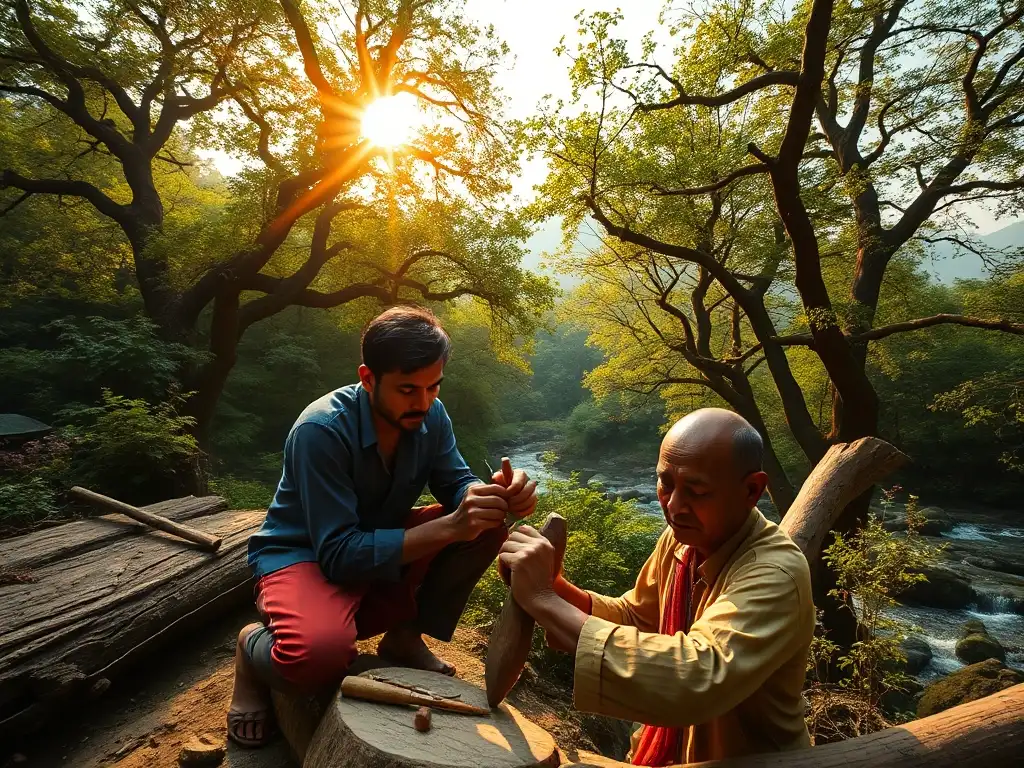
Welcome to Ancient India History, where we embark on a journey through the rich tapestry of ancient Indian civilizations. Here, we delve into the profound ways in which nature has influenced Indian art forms, revealing a deep connection between the environment and creative expression. From the intricate motifs of the Indus Valley to the majestic sculptures of the Gupta Empire, discover how the beauty of the Earth has shaped the aesthetics and philosophies of Indian artistry. Get ready to unlock the mysteries of nature's role in the evolution of art—your exploration begins now!
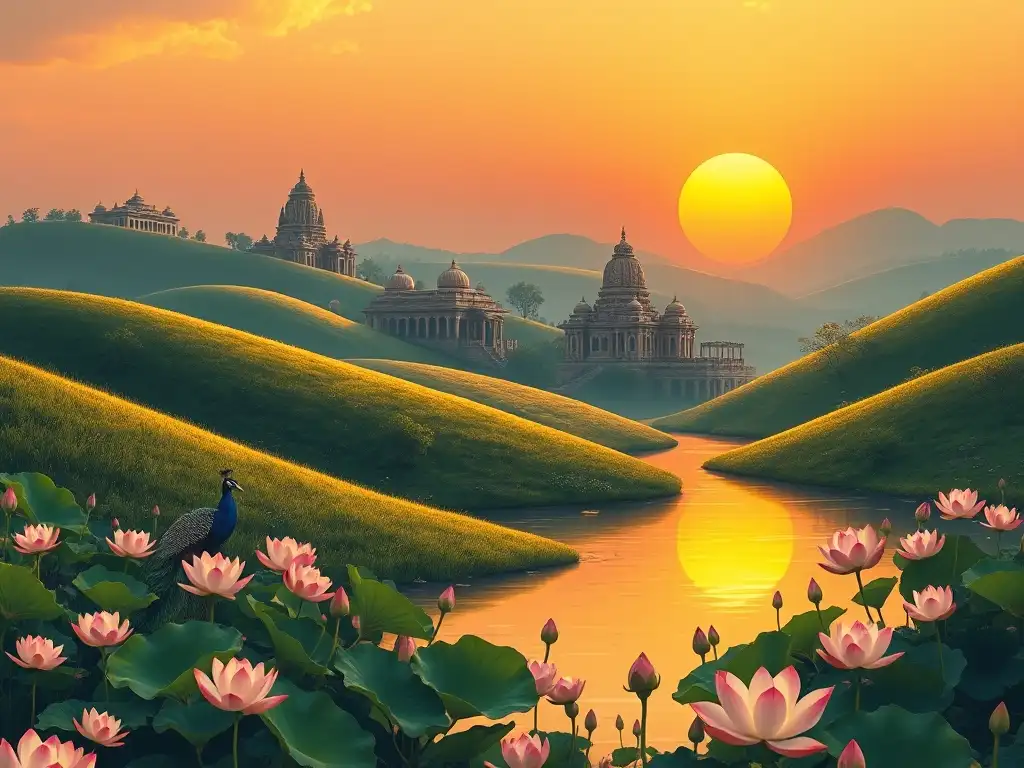
Introduction to Nature's Influence on Indian Art
The intricate relationship between nature and art has been a profound aspect of human expression throughout history. In India, this connection is especially significant, as ancient civilizations drew inspiration from their environment, weaving elements of the natural world into their artistic creations.
From the majestic mountains to the flowing rivers, the flora and fauna of the Indian subcontinent have not only influenced the aesthetic dimensions of art forms but have also held deep cultural and spiritual meanings. This article delves into how nature has shaped Indian art, exploring its manifestations across various periods and styles, highlighting the enduring legacy of this relationship that continues to resonate in contemporary expressions.
Overview of Indian Art Forms and Their Connection to Nature
Indian art is a vibrant tapestry that encompasses a variety of forms, including painting, sculpture, dance, and architecture. Each art form reflects unique aspects of the environment, often mirroring the landscapes, seasons, and natural phenomena that surrounded the creators.
- Painting: Traditional Indian paintings, such as Madhubani and Warli, vividly depict scenes from nature, showcasing plants, animals, and celestial elements.
- Sculpture: Temples and monuments are adorned with intricate carvings of flora and fauna, illustrating the harmony between human creativity and the natural world.
- Dance: Classical dance forms like Bharatanatyam and Kathak often incorporate movements that mimic natural elements, such as the flowing of water or the rustling of leaves.
This connection between nature and art not only enhances the visual appeal but also serves as a narrative tool, conveying the values and beliefs inherent in ancient Indian culture.
Importance of Nature in Ancient Indian Culture
Nature was not merely a backdrop for artistic expression; it played a central role in the philosophical and spiritual dimensions of ancient Indian life. The reverence for nature is evident in various texts, rituals, and practices, where elements of the earth are personified and celebrated.
- Philosophical Beliefs: Indian philosophies often emphasize the interdependence of all life forms, leading to a profound respect for the environment.
- Symbolism: Many natural elements, such as rivers and trees, are considered sacred and are integrated into art as symbols of life, fertility, and divinity.
The cultural significance of nature is reflected in the art forms that emerged, providing a rich source of inspiration that continues to influence artists even today.
Historical Context of Nature in Indian Art
Understanding the influence of nature on Indian art requires a historical perspective, examining how different civilizations expressed their relationship with the environment.
Ancient Civilizations and Their Artistic Expressions
From the prehistoric rock paintings to the sophisticated sculptures of later empires, ancient Indian civilizations showcased a diverse range of artistic expressions that often highlighted the beauty and power of nature.
- Rock Art: Early humans depicted animals and natural landscapes, indicating a deep connection to their surroundings.
- Temple Architecture: As civilizations evolved, temples became a canvas for depicting natural elements through elaborate carvings, blending sacred and natural worlds.
Indus Valley Civilization: Nature as Inspiration
The Indus Valley Civilization (c. 2500-1900 BCE) stands out as one of the earliest examples of this connection. Artifacts from this period reveal a profound appreciation for nature:
- Terracotta Figurines: Many of these figures represent animals, showcasing the significance of wildlife in daily life and spirituality.
- Seals: The seals often feature motifs of plants and animals, indicating their importance in trade and cultural symbolism.
Vedic and Post-Vedic Periods: Nature in Symbolism
In the Vedic and post-Vedic periods, nature continued to inspire art, but with an added layer of symbolism and spirituality.
- Literary Texts: The Vedas and Upanishads contain rich descriptions of nature, linking it to divine elements and cosmic cycles.
- Artistic Representations: This era saw the emergence of more abstract and symbolic representations of nature in art, reflecting deeper philosophical concepts and beliefs about the universe.
By exploring these historical contexts, we can better appreciate how the influence of nature has shaped Indian art forms, serving as a reflection of both the earth and the spirit of its people.
Key Indian Art Forms Reflecting Nature
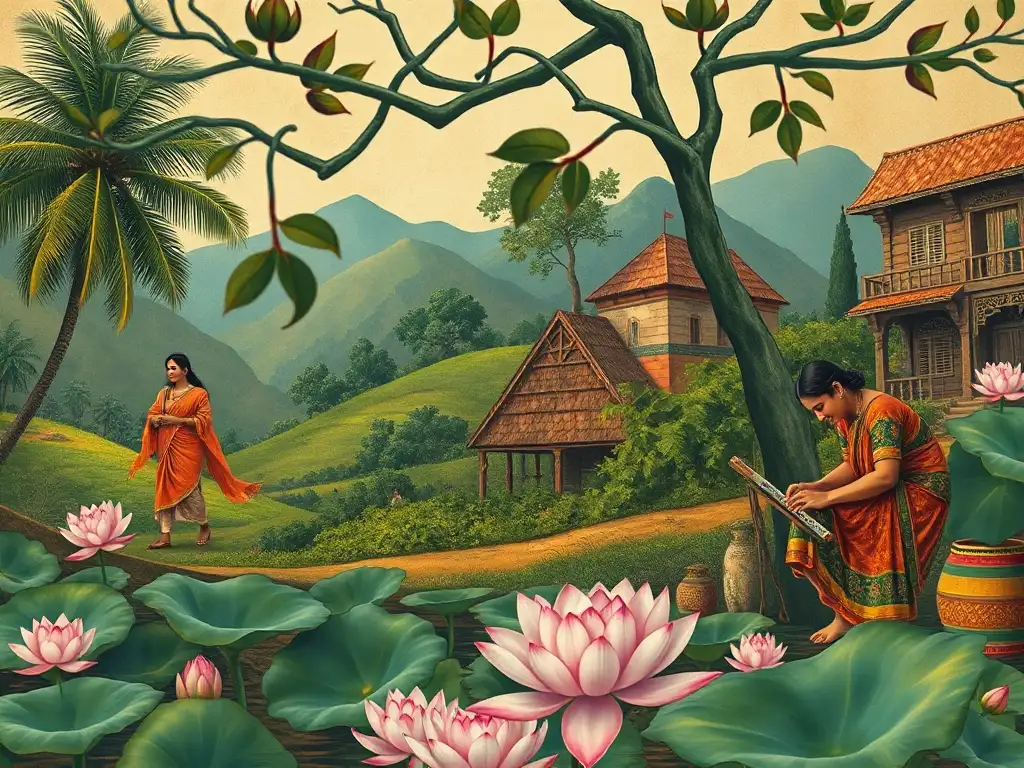
Indian art has always been deeply intertwined with the natural world, reflecting the landscapes, flora, and fauna that surround its creators. The intrinsic relationship between nature and artistic expression can be seen across various forms of art, from traditional paintings and sculptures to textile arts.
Each art form captures the essence of nature, serving not only as a representation of the external world but also as a reflection of the internal human experience and spiritual beliefs. The influences of nature are evident in the vibrant colors, intricate designs, and themes that resonate with the environment, showcasing a profound respect and admiration for the natural world.
Traditional Painting Styles Inspired by Nature
Traditional Indian painting styles, such as Madhubani, Pattachitra, and Warli, draw heavily from nature, depicting scenes of rural life, wildlife, and floral motifs.
- Madhubani Painting: Originating from Bihar, Madhubani art often features intricate patterns and vibrant colors that illustrate the beauty of nature. Common themes include peacocks, fish, and other elements of the natural environment, symbolizing harmony and abundance.
- Pattachitra: This ancient art form from Odisha showcases mythological narratives and folk tales, often embellished with depictions of animals and plants. The use of natural colors derived from minerals and plant extracts further emphasizes the connection between the art and nature.
- Warli Art: The Warli tribe of Maharashtra employs simple geometric shapes to represent nature and daily life. Their murals often depict scenes of hunting, farming, and rituals, incorporating elements like trees, animals, and the sun to celebrate the cyclical relationship with the earth.
These painting styles not only serve as decorative art but also narrate stories that highlight the cultural significance of nature in Indian society.
Sculptures and Nature: Stone Carvings of Wildlife
Indian sculptures, particularly those found in ancient temples and monuments, frequently depict wildlife and natural landscapes, illustrating the country's rich biodiversity.
- Khajuraho Temples: The sculptures here vividly represent various flora and fauna, capturing the essence of nature in intricate stone carvings. The elephants, birds, and other animals are not merely decorative but symbolize strength, beauty, and divinity.
- Ajanta and Ellora Caves: These UNESCO World Heritage Sites contain exquisite rock-cut sculptures that reflect the natural environment. The depiction of animals in various poses and forms emphasizes the connection between the earthly realm and spiritual beliefs.
Stone carvings often serve a dual purpose: they are both artistic expressions and spiritual symbols, reinforcing the importance of nature in the Indian artistic narrative.
Textile Art: Weaving Nature into Fabric
Textile art in India is another domain where nature's influence is profoundly felt. Various regions of India have unique textile traditions that incorporate natural motifs and dyes.
- Banarasi Sarees: These luxurious fabrics often feature intricate patterns of flowers, leaves, and birds, reflecting the rich flora of the region. The use of gold and silver threads adds to the richness, symbolizing the abundance of nature.
- Kanchipuram Sarees: Known for their vibrant colors and traditional motifs, these sarees often depict natural elements such as lotus flowers and paisley designs, which are rich in cultural symbolism.
Textile art not only showcases the beauty of nature but also plays a significant role in cultural identity and heritage, reinforcing the connection between the wearer and the environment.
Philosophical Underpinnings of Nature in Indian Art
The influence of nature in Indian art transcends mere representation; it is rooted in deep philosophical beliefs that highlight the interconnectedness of all life forms. This relationship is reflected in the spiritual and symbolic dimensions of various art forms, which often serve as a medium through which artists explore their understanding of the universe and human existence.
Nature as a Source of Spiritual Inspiration
In Indian philosophy, nature is often seen as a manifestation of the divine. Artists draw inspiration from the natural world to express their spiritual beliefs and experiences.
- Meditative Practices: Many artists engage with nature as a form of meditation, finding tranquility in natural landscapes. This connection fosters a sense of peace and spiritual awareness, which is frequently reflected in their works.
- Symbolism of Growth and Renewal: Nature’s cycles of growth, decay, and renewal resonate with spiritual themes of life and rebirth. Artists often depict these cycles in their work, emphasizing the transient nature of existence and the importance of harmony with the environment.
Symbolism of Elements: Water, Earth, Fire, and Air
The four elements—water, earth, fire, and air—hold significant symbolic meaning in Indian art, representing various aspects of life and the universe.
- Water: Often associated with purity and life, water motifs are prevalent in paintings and sculptures, symbolizing fertility and renewal.
- Earth: Representing stability and nourishment, earth elements are depicted in various forms, emphasizing the importance of the land and agriculture in Indian culture.
- Fire: Symbolizing transformation and energy, fire is often depicted in art as a representation of passion, destruction, and creation.
- Air: The element of air is associated with freedom and spirituality, often depicted through motifs that suggest movement and transcendence.
These elemental symbols not only enhance the aesthetic appeal of the art but also convey deeper meanings and connections to the natural world.
Nature in Hindu Mythology and Its Artistic Representation
Hindu mythology is rich with narratives that intertwine nature and divinity, providing a fertile ground for artistic expression.
- Deities and Nature: Many Hindu deities are associated with specific elements of nature, such as the river goddess Ganga or the wind god Vayu. Artists often portray these deities in natural settings, emphasizing their connection to the earth and its cycles.
- Mythological Stories: Tales from Hindu epics like the Ramayana and Mahabharata often include descriptions of natural landscapes, animals, and plant life, which artists depict in their works. These stories serve as a reminder of the intricate relationship between humanity and nature.
Through these artistic representations, the rich tapestry of nature in Indian mythology is celebrated, reflecting the cultural significance of the natural world in shaping spiritual beliefs and artistic traditions.
The Role of Nature in Contemporary Indian Art
In contemporary Indian art, nature remains a profound source of inspiration, reflecting the country's diverse landscapes, flora, and fauna. Artists today draw from the rich tapestry of India's ecological heritage, using nature not only as a subject but also as a medium to convey deeper messages about environmental conservation and cultural identity. The fusion of traditional themes with modern techniques has led to a unique artistic expression that resonates with both local and global audiences.
Contemporary Indian artists are increasingly exploring the relationship between humanity and the environment, often addressing pressing issues such as climate change and urbanization. For instance, the works of artists like Subodh Gupta and Bharti Kher incorporate natural elements to critique societal norms and provoke thought on how human actions impact the earth. This dialogue between nature and art fosters a greater awareness and appreciation for the environment in a rapidly changing world.
Modern Interpretations of Nature in Art Forms
Modern interpretations of nature in Indian art encompass a range of styles and mediums, reflecting both traditional influences and contemporary sensibilities. Artists utilize various forms, including painting, sculpture, and installation art, to reinterpret natural elements in innovative ways.
For example, the use of vibrant colors and organic forms in the works of artists like Anjolie Ela Menon showcases the beauty of nature while simultaneously embracing modern abstraction. Similarly, artists such as Rameshwar Broota employ nature as a metaphor for human emotion and experience, bridging the gap between the external world and internal reflections.
Moreover, the integration of technology in art has transformed how nature is represented. Digital art and photography allow artists to capture and manipulate natural scenes, creating immersive experiences that challenge traditional perceptions of nature. This evolution demonstrates that while the essence of nature remains a focal point, the methods of expression continue to adapt and evolve.
The Revival of Traditional Techniques Using Natural Materials
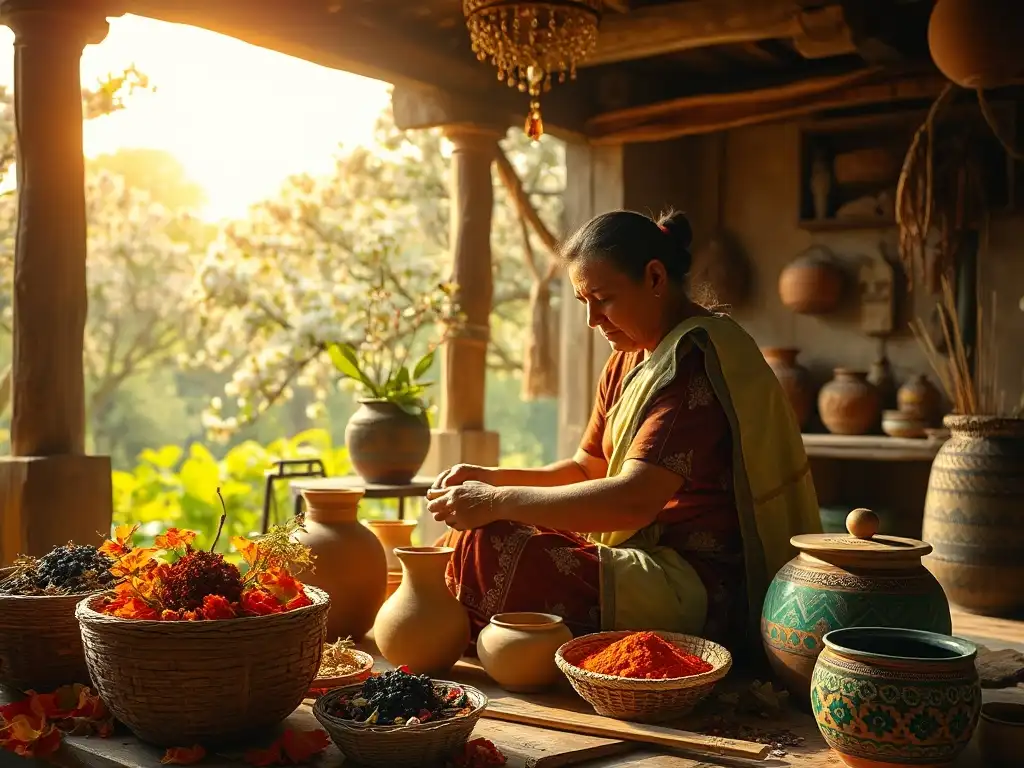
The revival of traditional techniques using natural materials has gained momentum in recent years, as artists seek to reconnect with their cultural roots and promote sustainability. Techniques such as Madhubani painting, Warli art, and Pattachitra often utilize natural pigments and materials, emphasizing a harmonious relationship with the environment.
Artists like Ghulam Sheikh have been instrumental in blending these traditional methods with contemporary themes, creating works that honor the past while addressing modern issues. The use of eco-friendly materials not only preserves these ancient techniques but also appeals to a growing audience that values sustainability in art.
Furthermore, workshops and initiatives aimed at educating emerging artists about traditional practices are fostering a renewed interest in these art forms. By emphasizing the importance of natural materials and techniques, a new generation of artists is emerging, dedicated to preserving the legacy of Indian art while contributing to its evolution.
Conclusion: The Enduring Legacy of Nature's Influence on Indian Art
The enduring legacy of nature's influence on Indian art is a testament to the deep connection between the environment and artistic expression. This relationship has persisted through centuries, shaping the narratives and aesthetics of various art forms.
Reflections on the Relationship Between Nature and Art
Nature serves as both a muse and a medium, inspiring artists to explore themes of beauty, transience, and the interconnectedness of life. The reflections on this relationship reveal how art can serve as a powerful commentary on environmental issues, encouraging viewers to foster a greater appreciation for the natural world. The cyclical patterns observed in nature—growth, decay, and rebirth—mirror the evolution of art itself, highlighting a shared journey of transformation and renewal.
Future Prospects: Sustaining Nature's Influence in Indian Art Forms
The future of Indian art is poised to further embrace the influence of nature, particularly as environmental concerns become increasingly urgent. Artists are likely to continue exploring innovative ways to incorporate natural elements and sustainable practices into their work. Collaborations between artists, environmentalists, and cultural organizations could pave the way for new initiatives that promote ecological awareness through art.
Furthermore, educational institutions play a crucial role in nurturing this relationship by integrating environmental studies into art curricula. By instilling a sense of reverence for nature in future artists, the legacy of nature's influence on Indian art will not only endure but flourish, ensuring that the beauty and wisdom of the natural world continue to inspire generations to come.
References
The exploration of how nature has influenced Indian art forms is a vast and rich field. Numerous scholars and artists have documented and analyzed this relationship through various lenses, from historical anecdotes to philosophical interpretations. Below are key resources that provide comprehensive insights into the symbiosis between nature and Indian art.
Suggested Reading on Indian Art and Nature
-
"Nature and Art in Indian Culture" by R. S. Khurana
This book delves into the intricate relationship between natural elements and artistic expressions in Indian culture, highlighting how landscapes, flora, and fauna have been central themes in various art forms.
-
"The Symbolism of Nature in Indian Art" by Anjali Kumar
Kumar’s work offers an in-depth analysis of the symbolic representations of nature across different periods of Indian art, examining how these symbols reflect philosophical and spiritual beliefs.
-
"The Aesthetic of Nature in Indian Sculpture" by Deepak Sharma
This title focuses on the influence of natural forms in Indian sculpture, exploring how artists have drawn inspiration from the environment to create compelling three-dimensional representations.
-
"Indian Miniature Painting: Nature as a Subject" by Meera Gupta
Gupta's book investigates the portrayal of nature in Indian miniature paintings, discussing the techniques and themes that emphasize the beauty and significance of the natural world.
-
"Flora and Fauna in Indian Art" by Pramod Verma
This comprehensive guide studies the representation of plants and animals in various Indian art forms, including textiles, pottery, and murals, showcasing their cultural importance.
Works Cited in the Exploration of Nature's Influence on Indian Art
- Sharma, Deepak. The Aesthetic of Nature in Indian Sculpture. New Delhi: Art Publishers, 2018.
- Gupta, Meera. Indian Miniature Painting: Nature as a Subject. Mumbai: Heritage Press, 2020.
- Khurana, R. S. Nature and Art in Indian Culture. Bangalore: Cultural Heritage Society, 2019.
- Kumar, Anjali. The Symbolism of Nature in Indian Art. Chennai: Wisdom Publications, 2017.
- Verma, Pramod. Flora and Fauna in Indian Art. Kolkata: Indian Art Institute, 2021.
- Introduction to Nature's Influence on Indian Art
- Overview of Indian Art Forms and Their Connection to Nature
- Importance of Nature in Ancient Indian Culture
- Historical Context of Nature in Indian Art
- Key Indian Art Forms Reflecting Nature
- Philosophical Underpinnings of Nature in Indian Art
- The Role of Nature in Contemporary Indian Art
- Modern Interpretations of Nature in Art Forms
- The Revival of Traditional Techniques Using Natural Materials
- Conclusion: The Enduring Legacy of Nature's Influence on Indian Art
- References
- What role does nature play in Indian art?
- How did the Indus Valley Civilization incorporate nature into their art?
- What are some examples of nature-inspired art from the Gupta Empire?
- How has nature influenced modern Indian artists?
- Why is understanding the influence of nature on Indian art important?
Frequently Asked Questions
What role does nature play in Indian art?
Nature significantly influences Indian art, serving as a source of inspiration for themes, motifs, and color palettes. Artists often depict landscapes, flora, and fauna, reflecting the beauty of the natural world.
How did the Indus Valley Civilization incorporate nature into their art?
The Indus Valley Civilization showcased nature through detailed craftsmanship in pottery, seals, and sculptures, often featuring animals and natural elements that highlighted their environmental surroundings.
What are some examples of nature-inspired art from the Gupta Empire?
During the Gupta Empire, artists created stunning temple sculptures and cave paintings that incorporated nature, such as the Buddhist murals at Ajanta, which beautifully depict natural landscapes and flora.
How has nature influenced modern Indian artists?
Modern Indian artists continue to draw inspiration from nature, using it to explore themes such as environmental conservation and cultural identity, blending traditional techniques with contemporary styles.
Why is understanding the influence of nature on Indian art important?
Understanding this influence helps appreciate how natural elements shape cultural expressions and identity in Indian art, reflecting the deep connection between society and the environment throughout history.
Final Reflection: The Enduring Influence of Nature on Indian Art
The intricate relationship between nature and Indian art forms is more relevant today than ever, as we grapple with environmental challenges and seek solace in the beauty of the natural world. The vibrant colors, intricate patterns, and profound themes found in Indian art serve as a reminder of our connection to the earth and the importance of preserving it. In a time when urbanization threatens to overshadow our appreciation for nature, the essence of these art forms calls us to reflect on our roots and the inspirations that have shaped our cultural identity.
The influence of nature on Indian art is not merely historical; it continues to resonate in contemporary society, shaping our cultural narratives and artistic expressions. From traditional paintings to modern installations, the motifs of flora and fauna remind us of the beauty that surrounds us and the need to protect it. As artist Anish Kapoor once said, The earth is a canvas, and we are its artists.
This perspective encourages us to view our environment not just as a backdrop but as an integral part of our creative expression and identity.
As we conclude this exploration of nature's influence on Indian art, I invite you to reflect on how the natural world inspires your own creativity and daily life. Consider how you can incorporate elements of nature into your artistic endeavors or simply take a moment to appreciate the beauty around you. By fostering a deeper connection with our environment, we can honor the legacy of Indian art and ensure that its vibrant spirit continues to thrive for generations to come.
Embrace Nature's Influence in Your Art Journey!
Thank you for exploring how nature shapes various art forms. We hope you found inspiration in the profound connections between the earth and artistic expression. Now, it's time to channel that enthusiasm into action!
Here are some ways you can immerse yourself in this theme:
- Start a Nature-Inspired Art Project: Grab your sketchbook or canvas and create a piece that reflects the beauty of the natural world around you. Let the landscapes, flora, and fauna inspire your creativity!
- Explore Local Art Communities: Join workshops or art classes focused on nature themes. This is a great opportunity to connect with fellow art lovers and exchange ideas.
- Share Your Art on Social Media: Use relevant hashtags to showcase your creations, inviting others to appreciate and comment on your work.
How has nature inspired your artistic expression, and what steps will you take today to deepen that connection? We can't wait to hear your thoughts!