
The Engineering Genius of Ancient Indian Water Harvesting Systems


Welcome to Ancient India History, where we embark on a captivating journey through the remarkable tapestry of ancient Indian civilizations. Dive into our featured article on Ancient Indian water harvesting techniques, where you will discover the ingenious engineering methods that sustained thriving communities long before modern innovations. Uncover the secrets of sustainability and ingenuity that still resonate today, and let your curiosity guide you deeper into the fascinating world of ancient technology and culture. Join us as we illuminate the brilliance that shaped not only a civilization but also the very essence of environmental consciousness.
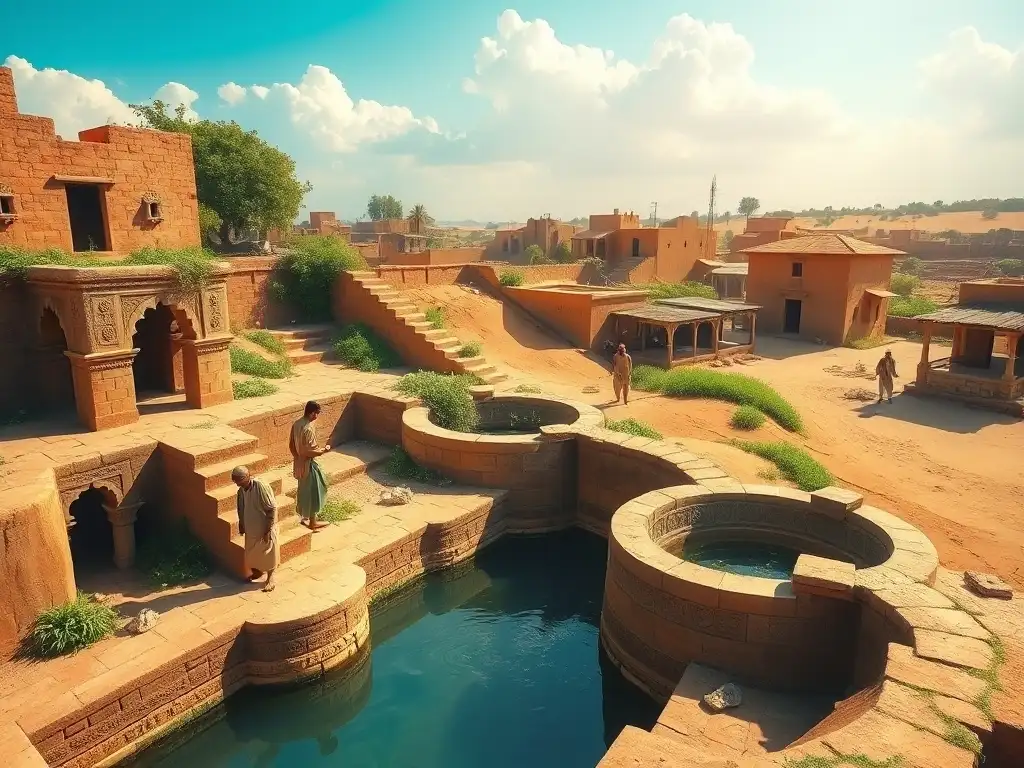
Introduction to Ancient Indian Water Harvesting Techniques
Water is a fundamental resource for sustaining life, agriculture, and urban development. In ancient India, the innovative approaches to water harvesting were not merely practical solutions; they represented a profound understanding of environmental management and engineering prowess. Ancient Indian water harvesting techniques, ranging from intricate reservoir systems to sophisticated rainwater collection methods, exemplify the ingenuity of civilizations that thrived in diverse geographical landscapes. This article delves into the engineering genius behind these systems, highlighting their significance in ensuring water availability and quality throughout history.
Overview of Water Harvesting in Ancient India
Water harvesting in ancient India encompassed a variety of techniques designed to capture, store, and manage water effectively. These methods included:
- Stepwells: Deep wells with steps leading down to the water table, allowing easy access to groundwater.
- Reservoirs and Tanks: Large artificial lakes or ponds that collected rainwater for agricultural and domestic use.
- Bamboo Drip Irrigation: A unique method using bamboo pipes to channel water directly to crops, minimizing evaporation.
- Rainwater Harvesting: Systems designed to collect and store rainwater from rooftops and other surfaces.
These techniques demonstrate a deep understanding of hydrology, geography, and community needs, showcasing the advanced engineering capabilities of ancient Indian civilizations.
Importance of Water Management in Ancient Civilizations
Effective water management was critical for the survival and prosperity of ancient civilizations. In regions where rainfall was unpredictable, the ability to harvest and store water determined agricultural productivity and, consequently, the stability of local economies. The strategic implementation of water harvesting techniques allowed ancient Indian societies to:
- Increase Agricultural Yield: By ensuring a reliable water supply, farmers could cultivate crops throughout the year.
- Support Urbanization: Well-managed water resources enabled the growth of cities, fostering trade and cultural exchange.
- Mitigate Drought Risks: Effective water storage systems provided a buffer against drought, ensuring community resilience.
Historical Context of Water Harvesting in India
The rich history of water harvesting in India can be traced back to some of the earliest civilizations. Understanding this historical context reveals the evolution of these techniques and their impact on society.
Early Civilizations and Water Management
From the dawn of civilization, communities recognized the necessity of water management. Early agricultural societies began to develop rudimentary systems for capturing rainwater and managing rivers. As populations grew, so did the complexity of these systems. The transition from nomadic lifestyles to settled agricultural communities necessitated more sophisticated approaches to water management, leading to innovations that would lay the foundation for future advancements.
The Indus Valley Civilization: A Case Study in Water Innovation
The Indus Valley Civilization (c. 3300–1300 BCE) stands as a remarkable example of ancient Indian engineering and water management. This civilization, known for its advanced urban planning, featured:
- Well-Structured Drainage Systems: Cities like Mohenjo-Daro and Harappa had extensive drainage networks, ensuring sanitation and efficient water disposal.
- Public Bathing Areas: Large public baths, such as the Great Bath of Mohenjo-Daro, indicate a sophisticated understanding of water utility and hygiene.
- Sophisticated Water Storage: The use of large reservoirs for capturing monsoon rains highlights their foresight in water resource management.
These innovations not only catered to the immediate needs of the population but also demonstrated an understanding of sustainable practices that would influence subsequent generations.
With this foundation, the article will further explore the intricate details of ancient Indian water harvesting techniques and their lasting impact on subsequent engineering practices and societal development.
Types of Ancient Indian Water Harvesting Techniques
Ancient Indian civilizations developed a variety of sophisticated water harvesting techniques that catered to their environmental conditions and societal needs. These methods were essential for managing water resources, particularly in arid and semi-arid regions. The primary categories of these techniques include surface water harvesting methods and rainwater harvesting techniques, each with its unique designs and applications.
Surface Water Harvesting Methods
Surface water harvesting methods involve the collection and storage of water from rivers, streams, and other surface sources. These techniques were particularly prevalent in regions where rainfall was seasonal, and water bodies were the primary sources of freshwater.
- Check Dams: Constructed across small streams, check dams impound water during the rainy season. They help recharge groundwater levels and prevent soil erosion.
- Nadi: These are traditional water bodies or tanks that collect runoff water. Nadi systems often include channels that direct water into storage tanks, maximizing water retention.
- Talabs: Large reservoirs or ponds were constructed to collect surface runoff. Talabs served multiple purposes, including irrigation and domestic use.
- Kunds: These are deep, circular water storage systems used primarily in Rajasthan. Kunds collect rainwater and surface runoff, providing a sustainable water source throughout the year.
Rainwater Harvesting Techniques
Rainwater harvesting techniques specifically focus on capturing and storing rainwater for later use. Ancient Indians designed various systems to optimize the collection of rainfall, ensuring a reliable water supply.
- Roof Water Harvesting: Many ancient Indian houses had sloping roofs designed to channel rainwater into storage tanks or underground cisterns. This method maximized the use of available roof space for water collection.
- Percolation Tanks: These are artificial basins built to capture rainwater, allowing it to percolate into the ground. This method replenishes groundwater aquifers and enhances the surrounding soil moisture.
- Groundwater Recharge Pits: Small excavated pits or trenches were filled with stones or gravel to facilitate water absorption into the ground. These pits played a crucial role in augmenting groundwater levels.
- Step Wells: Step wells, or Baolis, were ingeniously designed to access groundwater. They featured a series of steps leading down to the water level, allowing for easy extraction of water, especially during dry seasons.
Engineering Principles Behind Ancient Water Harvesting Systems

The engineering principles behind ancient Indian water harvesting systems reflect a deep understanding of hydrology, topography, and environmental sustainability. These systems were designed with a focus on efficiency, durability, and minimal environmental impact.
Hydraulic Engineering Techniques in Ancient India
Ancient Indians mastered hydraulic engineering techniques that allowed them to manipulate and manage water flow effectively. Key principles included:
- Gravity-Driven Systems: Many water harvesting techniques utilized gravity to channel water from higher elevations to storage areas. This principle reduced the need for mechanical pumps and ensured a steady flow of water.
- Slope and Contour Planning: Engineers carefully designed structures to align with the natural contours of the land. This approach minimized soil erosion and maximized water retention.
- Silt Management: Ancient systems often incorporated mechanisms to manage siltation, ensuring that water storage facilities remained functional over time. Check dams and sedimentation tanks were commonly used for this purpose.
Materials and Construction Methods Used
The materials and construction methods employed in ancient water harvesting systems were both innovative and locally sourced. This adaptability contributed to the longevity and effectiveness of these systems.
- Local Materials: Builders used locally available materials such as stone, clay, and mud. These materials were not only cost-effective but also suited the climatic conditions of specific regions.
- Durable Construction Techniques: Techniques such as dry stone masonry and the use of lime mortar contributed to the durability of structures. Many ancient water harvesting systems have survived for centuries due to their robust design.
- Integration with Landscape: Ancient engineers designed systems that harmonized with the surrounding landscape, ensuring that structures complemented natural features rather than disrupting them.
Sustainability of Ancient Water Harvesting Systems
The sustainability of ancient water harvesting systems is evident in their design and operation. These systems were inherently aligned with environmental conservation principles.
- Water Conservation: Ancient techniques focused on maximizing water capture and minimizing waste. This approach promoted sustainable water use in agricultural and domestic settings.
- Biodiversity Support: Many water harvesting systems, such as check dams and ponds, created micro-ecosystems that supported local flora and fauna. This biodiversity contributed to the resilience of the environment.
- Cultural Significance: Water harvesting systems were often integrated into the cultural and social fabric of communities. Festivals and rituals centered around water collection reinforced the importance of sustainable practices.
By understanding and appreciating the engineering genius of ancient Indian water harvesting techniques, we can glean valuable insights into sustainable practices that are highly relevant today.
Regional Variations in Water Harvesting Practices
Ancient Indian water harvesting techniques were not uniform; rather, they exhibited significant regional variations tailored to the unique geographical and climatic conditions of different areas. Each region developed distinct methods that not only addressed the local needs for water supply but also integrated seamlessly into the cultural and social fabric of the communities. These practices reflect the ingenuity of ancient civilizations in managing water resources sustainably.
Southern India: The Role of Tanks and Check Dams
In Southern India, particularly in the states of Tamil Nadu and Karnataka, water harvesting predominantly revolved around the creation of tanks and check dams. These structures were critical for storing rainwater and managing surface runoff.
- Tanks: Ancient tanks, often referred to as 'eri' in Tamil, were built to capture and store rainwater. They featured embankments made of mud or stone and were designed to prevent evaporation and seepage. These tanks not only served agricultural purposes by providing irrigation but also supported local ecosystems.
- Check Dams: Smaller than tanks, check dams were constructed across streams to slow down water flow, allowing it to percolate into the ground and recharge aquifers. This technique played a vital role in maintaining groundwater levels, especially during dry seasons.
The synergy between these water harvesting methods helped sustain agriculture and fostered community cooperation in maintenance and management.
Northern India: Stepwells and Their Cultural Significance
In Northern India, particularly in Rajasthan and Gujarat, stepwells emerged as a prominent feature of water harvesting. These architectural marvels served multiple purposes beyond mere water collection.
- Stepwells: Constructed as deep wells with stepped sides, stepwells allowed users to access water at varying depths. They were ingeniously designed to capture rainwater and utilized during dry spells. The architectural designs often included intricate carvings and served as community gathering spaces.
- Cultural Significance: Stepwells were more than functional structures; they held significant cultural and social importance. Many stepwells were places for rituals and festivals, fostering community bonds. They are emblematic of the harmony between utility and artistry in ancient Indian engineering.
The stepwell system reflects the high degree of planning and social organization that characterized ancient Northern Indian societies.
Western India: Rainwater Harvesting in Arid Regions
Western India, particularly in the arid regions of Rajasthan, employed innovative rainwater harvesting techniques to combat water scarcity. The harsh climatic conditions necessitated unique solutions.
- Traditional Tanks and Johads: These are small earthen dams built to capture and store rainwater. Johads are particularly effective in replenishing groundwater and preventing soil erosion. Communities relied on these structures to ensure a reliable water supply for agriculture and daily living.
- Innovative Techniques: The region also saw the development of techniques such as the use of perforated pipes to channel rainwater into underground reservoirs, showcasing the adaptability of local populations to their environment.
These practices not only addressed immediate water needs but also contributed to sustainable land use and agricultural practices, allowing communities to thrive in challenging conditions.
Impact of Ancient Indian Water Harvesting Techniques on Society
The engineering excellence displayed in ancient Indian water harvesting techniques had profound impacts on society, influencing agriculture, urban development, and cultural practices.
Agricultural Productivity Boost
The implementation of sophisticated water harvesting systems significantly increased agricultural productivity across ancient Indian civilizations.
- Irrigation Support: The availability of stored rainwater allowed farmers to cultivate crops throughout the year, reducing dependency on seasonal rainfall. This led to multiple cropping cycles and the ability to grow a diverse range of crops.
- Soil Fertility: Techniques such as tank irrigation enhanced soil moisture levels, improving soil fertility and crop yields. This agricultural surplus played a crucial role in supporting larger populations and fostering economic stability.
Enhancement of Urban Settlements
Water harvesting techniques also contributed to the growth and sustainability of urban settlements in ancient India.
- Urban Planning: Cities were often designed with integrated water management systems, including reservoirs and canals, which ensured a steady water supply for domestic and industrial needs. This planning facilitated urbanization and supported trade.
- Public Health: Access to clean and reliable water sources contributed to better public health outcomes by reducing the incidence of waterborne diseases, thus improving the quality of life in urban areas.
Cultural and Religious Significance of Water Systems
Water harvesting systems in ancient India were not only practical but also held immense cultural and religious significance.
- Religious Rituals: Water bodies such as tanks and stepwells often served as sites for religious ceremonies and festivals, reinforcing their importance in the cultural landscape. Many communities believed that water was sacred, and these structures became focal points for worship.
- Community Cohesion: The management and maintenance of these water systems fostered a sense of community among local populations. Collective efforts in building and preserving these resources often led to strengthened social bonds and shared cultural practices.
The ancient Indian water harvesting techniques were pivotal in shaping agricultural practices, urban development, and cultural traditions, reflecting a deep understanding of environmental management and community cooperation.
Modern Relevance of Ancient Indian Water Harvesting Techniques
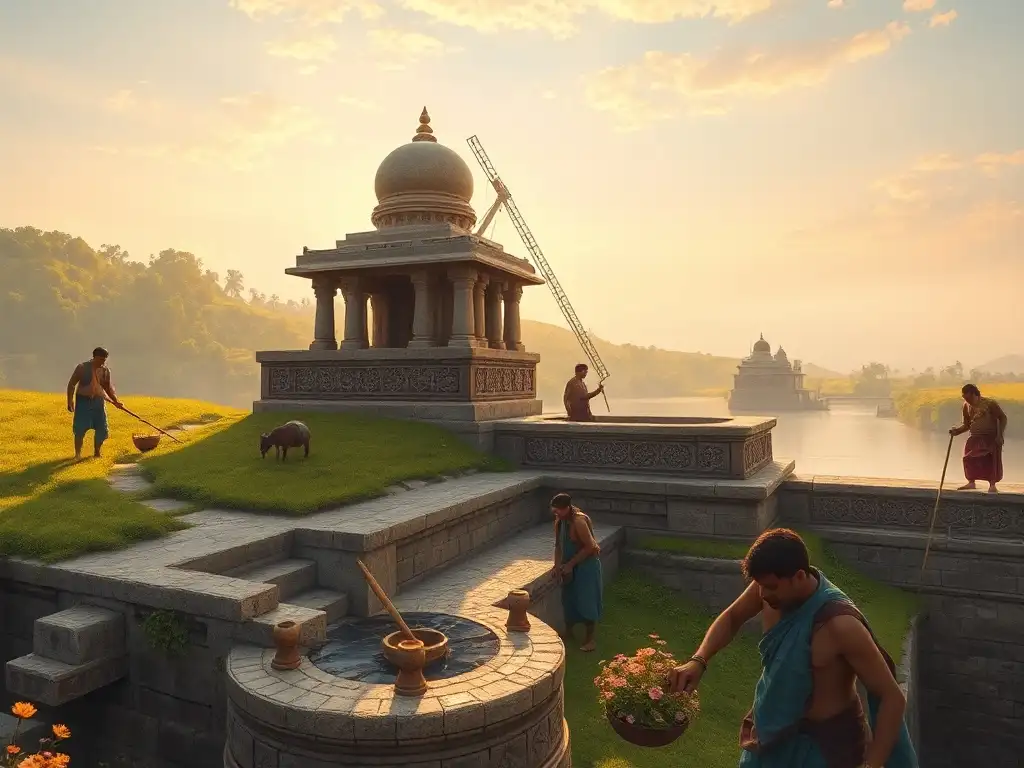
The ancient Indian water harvesting techniques are not just relics of the past; they hold significant relevance in today's context of environmental sustainability and water management. As the world grapples with climate change and increasing water scarcity, the innovations of ancient civilizations provide invaluable insights into sustainable practices. Techniques such as step wells, tanks, and check dams, which were meticulously designed to capture and store rainwater, are being revisited as effective solutions to enhance water security in arid and semi-arid regions.
Moreover, these methods emphasize the importance of local materials and community involvement, encouraging a decentralized approach to water management. The principles underlying these ancient systems can inform modern infrastructure development, making it more resilient and adaptable to changing climatic conditions. By integrating traditional knowledge with contemporary engineering practices, communities can achieve a harmonious balance between development and environmental stewardship.
Lessons for Contemporary Water Management
Ancient Indian water harvesting systems offer several lessons that can be applied to contemporary water management practices:
- Community Engagement: The success of these ancient systems relied heavily on community participation in their construction and maintenance. Involving local populations today can foster a sense of ownership and responsibility towards water resources.
- Local Adaptation: Techniques were tailored to local geography and climate, showcasing the need for adaptable solutions that consider specific environmental conditions. Modern water management strategies must similarly be context-sensitive, recognizing the unique challenges faced by different regions.
- Multi-Purpose Structures: Many ancient systems served multiple functions, such as irrigation, drinking water supply, and flood control. Designing contemporary systems that fulfill several needs can enhance efficiency and resource use.
- Sustainability: The use of local materials and low-impact construction methods in ancient techniques promotes sustainability. Modern projects can adopt similar approaches to minimize ecological footprints and enhance resilience against climate variability.
Revival of Traditional Techniques in Modern India
In recent years, there has been a resurgence of interest in traditional water harvesting techniques in India. Various non-governmental organizations and government initiatives have sought to revive ancient practices, recognizing their effectiveness in addressing current water challenges.
For instance, the revival of step wells, or "baolis," has gained traction in several states, providing not only functional water storage but also embracing cultural heritage. Furthermore, the integration of traditional methods with modern technology—such as rainwater harvesting systems in urban areas—demonstrates the potential for synergy between the old and the new.
Educational programs aimed at raising awareness about these techniques are also gaining momentum, ensuring that the knowledge of ancient water management practices is passed down to younger generations. This revival not only aids in practical water conservation efforts but also fosters a deeper appreciation for India’s rich engineering heritage.
Conclusion: The Legacy of Ancient Indian Water Harvesting Systems
The legacy of ancient Indian water harvesting systems is profound, influencing both historical and contemporary practices in water management. These systems exemplify a sophisticated understanding of environmental dynamics and community needs, showcasing the engineering prowess of ancient Indian civilizations. Their enduring relevance speaks to the need for sustainable practices that respect and utilize local resources.
Summary of Key Contributions to Engineering and Sustainability
Ancient Indian water harvesting techniques contributed significantly to engineering and sustainability in several ways:
- Innovative Design: Ingenious structures like step wells and tanks optimized water capture and storage.
- Sustainable Practices: Emphasis on local materials and community involvement ensured long-term viability and ecological balance.
- Cultural Integration: These systems were interwoven with social and cultural practices, highlighting the importance of context in engineering solutions.
Future Implications for Water Conservation Strategies
The insights gleaned from ancient Indian water harvesting techniques can guide future water conservation strategies in several ways:
- Holistic Approaches: Emphasizing the integration of traditional and modern methods can lead to more effective and sustainable water management solutions.
- Policy Development: Policymakers can draw on historical successes to formulate frameworks that promote sustainable practices and community engagement.
- Educational Initiatives: Raising awareness of ancient techniques can inspire innovative solutions to contemporary challenges, fostering a culture of sustainability.
As the world faces increasing water scarcity, the wisdom embedded in ancient Indian water harvesting systems provides a beacon of hope for future generations, reminding us of the importance of sustainable practices rooted in historical knowledge.
References
List of scholarly articles, books, and resources related to ancient Indian water harvesting techniques
-
Books
-
Water Management in Ancient India by Rajendra Singh
This book explores various water management techniques employed in ancient India, detailing the significance of these practices in sustaining agriculture and urban life.
-
The Indus Civilization: A Contemporary Perspective by Shereen Ratnagar
Ratnagar provides insights into the sophisticated water systems of the Indus Valley Civilization, examining archaeological findings that illustrate their advanced engineering capabilities.
-
Ancient Indian Technology: The Science of Water Management by Dinesh Mohan
This work discusses the engineering principles behind ancient water harvesting techniques, including step wells and irrigation systems, emphasizing their relevance to modern practices.
-
-
Scholarly Articles
-
"Ancient Water Harvesting Systems in India: A Review" by S. M. Gupta, published in Journal of Water Resource Management
This article reviews various ancient water harvesting systems across India, highlighting their designs, materials used, and the socio-economic impacts on local communities.
-
"Engineering Marvels of Ancient India: Water Harvesting Techniques" by Neha Sharma, published in International Journal of Civil Engineering and Technology
Sharma examines the engineering innovations of ancient Indian water harvesting systems, including their adaptation to different geographical conditions.
-
-
Online Resources
-
Archaeological Survey of India
The official website offers comprehensive details about ancient Indian water harvesting structures, including case studies and conservation initiatives.
-
Indian National Trust for Art and Cultural Heritage (INTACH)
INTACH provides resources on traditional water harvesting techniques, documenting efforts to revive and preserve these systems in contemporary India.
-
-
Theses and Dissertations
-
"The Role of Water Harvesting in Ancient Indian Agrarian Society" by Priya Desai, Master’s Thesis, University of Delhi
This thesis investigates the relationship between water harvesting techniques and agricultural productivity in ancient India, using archaeological evidence to support its claims.
-
"Sustainable Water Management Practices in Ancient India" by Arjun Malhotra, PhD Dissertation, Indian Institute of Technology
Malhotra's research focuses on the sustainability of ancient water management practices and their lessons for modern water conservation strategies.
-
These references provide a solid foundation for further exploration of ancient Indian water harvesting techniques, showcasing the ingenuity and advanced engineering skills of past civilizations.
- Introduction to Ancient Indian Water Harvesting Techniques
- Historical Context of Water Harvesting in India
- Types of Ancient Indian Water Harvesting Techniques
- Engineering Principles Behind Ancient Water Harvesting Systems
- Regional Variations in Water Harvesting Practices
- Impact of Ancient Indian Water Harvesting Techniques on Society
- Modern Relevance of Ancient Indian Water Harvesting Techniques
- Conclusion: The Legacy of Ancient Indian Water Harvesting Systems
- References
- What were the main water harvesting techniques used in ancient India?
- How did water harvesting contribute to ancient Indian agriculture?
- What role did the Indus Valley Civilization play in water management?
- How did the Gupta Empire influence water harvesting practices?
- Are there modern applications of ancient Indian water harvesting techniques?
Frequently Asked Questions
What were the main water harvesting techniques used in ancient India?
Ancient Indian civilizations utilized various techniques, including stepwells, tank systems, and check dams to efficiently collect and store water, essential for agriculture and daily life.
How did water harvesting contribute to ancient Indian agriculture?
Water harvesting systems enhanced agricultural productivity by ensuring a reliable water supply, enabling farmers to cultivate crops even during dry seasons and supporting food security in ancient communities.
What role did the Indus Valley Civilization play in water management?
The Indus Valley Civilization is renowned for its advanced urban planning, including sophisticated drainage systems and reservoirs, showcasing their engineering prowess in water management.
How did the Gupta Empire influence water harvesting practices?
During the Gupta Empire, there was a significant advancement in hydraulic engineering, leading to the development of more effective canal systems and water conservation methods, which improved irrigation.
Are there modern applications of ancient Indian water harvesting techniques?
Yes, many traditional water harvesting methods are being revived and adapted today to tackle water scarcity issues, emphasizing the importance of sustainable practices rooted in ancient wisdom.
Final Reflection: The Timeless Wisdom of Ancient Indian Water Harvesting Techniques
The ingenuity of ancient Indian water harvesting systems is not just a relic of the past; it is a beacon of sustainable practices that resonate deeply with our current environmental challenges. As we face unprecedented water scarcity and climate change, the innovative techniques developed by our ancestors serve as a powerful reminder of the importance of resource management and ecological balance. The lessons embedded in these ancient practices are more relevant today than ever, urging us to rethink our approach to water conservation.
These ancient techniques have profoundly shaped our cultural and social landscapes, influencing modern sustainable practices and community resilience. The intricate systems of rainwater harvesting, check dams, and step wells not only provided water security but also fostered a sense of community and shared responsibility. Water is the source of life, and how we manage it defines our future.
This quote encapsulates the ongoing relevance of these techniques, as they inspire contemporary movements towards sustainability and environmental stewardship.
As we reflect on the wisdom of our ancestors, let us take a moment to consider how we can incorporate these ancient practices into our lives today. I invite you to explore your own relationship with water and think about how you can contribute to its conservation. Whether it's implementing rainwater harvesting in your home, advocating for sustainable water policies, or simply being mindful of your water usage, every small action counts. Together, we can honor the legacy of ancient Indian water harvesting techniques and ensure a sustainable future for generations to come.
Unveil the Wonders of Ancient Water Harvesting!
Thank you for delving into the remarkable ingenuity of ancient Indian water harvesting systems! Your curiosity today not only enriches your knowledge but also honors the genius of our ancestors who crafted sustainable solutions.
Now, let’s take actionable steps to connect more deeply with this incredible heritage:
- Explore local water conservation efforts. Get involved or start your own initiative inspired by ancient techniques!
- Share your newfound knowledge with friends or on social media. Spread the word about these sustainable practices and their relevance today.
- Join community workshops or webinars focused on water sustainability to learn innovative methods inspired by our ancient past.
How can you contribute to preserving our precious water resources in your community today?