
The Construction of Ancient Indian Cities: A Study of Urban Engineering

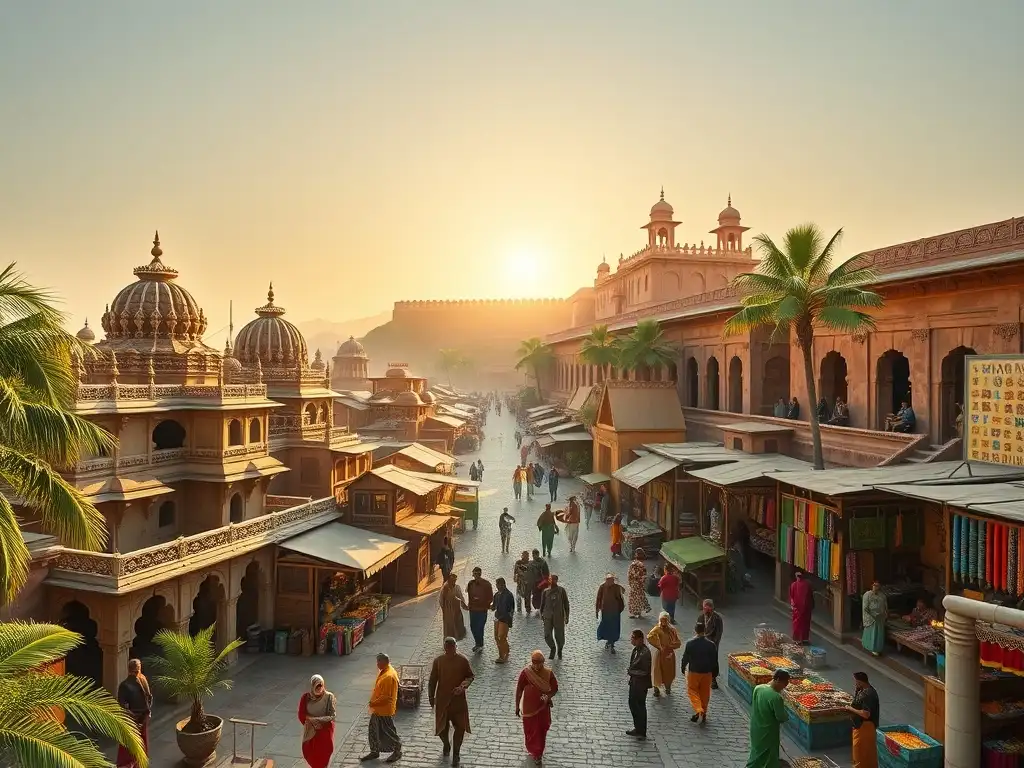
Welcome to Ancient India History, where we delve into the captivating realms of history, culture, and innovation of ancient Indian civilizations. Prepare to embark on a journey that unveils the remarkable urban engineering techniques that shaped the very foundations of cities from the Indus Valley to the Gupta Empire. Have you ever wondered how these ancient societies mastered the art of construction and urban planning? Join us as we explore the intricate designs and innovations that not only defined their cities but also laid the groundwork for modern engineering marvels. Your adventure into the past begins now!
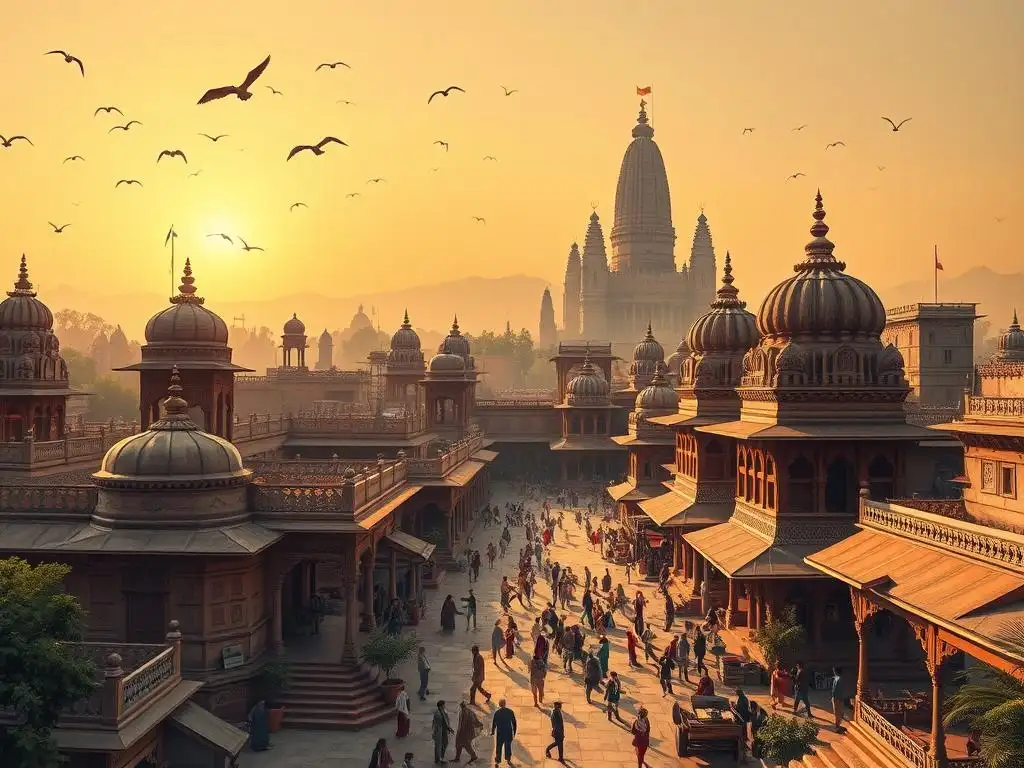
Introduction to Ancient Indian Urban Engineering Techniques
Ancient Indian urban engineering techniques represent a remarkable blend of innovation, practicality, and cultural significance that shaped the cities of early civilizations. From the meticulously planned streets of the Indus Valley Civilization to the sophisticated structures of the Gupta Empire, these techniques reflect the advanced understanding of urban planning and engineering that characterized ancient India.
This article explores the intricate methods employed in the construction of cities, highlighting the contributions of various civilizations to urban engineering. As we delve into the details, we will uncover the significance of these techniques in the context of their time and their enduring impact on modern urban planning.
Overview of Ancient Indian Civilizations
Ancient India was home to several flourishing civilizations, each contributing uniquely to the tapestry of its history. The Indus Valley Civilization (c. 3300–1300 BCE) is celebrated for its advanced urban planning, characterized by grid layouts, sophisticated drainage systems, and public baths. Cities like Harappa and Mohenjo-Daro exemplify this meticulous approach to urban design.
Following this period, the Vedic Age (c. 1500–500 BCE) saw the rise of a more decentralized form of settlement, with urban centers emerging around trade routes and rivers. The Maurya Empire (c. 322–185 BCE) further advanced urban engineering, introducing features like fortified cities and extensive road networks.
The Gupta Empire (c. 240–550 CE) marked a golden age in Indian history, showcasing remarkable achievements in art, culture, and technology. Cities during this time were designed with a focus on aesthetics and functionality, incorporating gardens, temples, and public spaces that enhanced the quality of urban life.
Importance of Urban Planning in Ancient India
Urban planning in ancient India was not merely a matter of constructing buildings; it was an intricate science that involved understanding the geographical, social, and economic contexts of a region. Effective urban planning facilitated:
- Public Health: Well-organized drainage and sanitation systems minimized the risk of waterborne diseases.
- Social Cohesion: The layout of cities, with communal spaces, fostered social interaction and community building.
- Economic Prosperity: Strategic placement of marketplaces and trade routes encouraged commerce and economic growth.
The thoughtful integration of these elements into urban design underscores the importance of urban planning as a foundational aspect of ancient Indian civilization.
Purpose of the Study on Urban Engineering
This study aims to illuminate the various urban engineering techniques employed in ancient India, drawing connections between historical practices and contemporary urban development. By examining the principles of ancient Indian urban engineering, we seek to inspire a new appreciation for sustainable practices that prioritize environmental harmony and community well-being.
Key Features of Ancient Indian Urban Engineering
Layout and Design of Cities
The layout of ancient Indian cities was meticulously planned, often featuring a grid pattern that facilitated efficient movement and organization. Key characteristics included:
- Main Thoroughfares: Wide streets served as main arteries for trade and transportation.
- Zoning: Cities were often divided into specific zones for residential, commercial, and religious purposes.
- Public Spaces: Central parks and gathering areas promoted community interaction and cultural activities.
These design principles reflect a comprehensive understanding of urban dynamics, highlighting the sophistication of ancient Indian city planners.
Water Management Systems
Water management was a critical aspect of urban engineering in ancient India. Innovative techniques included:
- Well-Structured Drainage Systems: Cities like Mohenjo-Daro featured advanced drainage systems that ensured efficient wastewater management.
- Reservoirs and Tanks: Large water bodies were constructed to collect rainwater, providing a reliable water supply for drinking and irrigation.
- Stepwells: Ingeniously designed stepwells allowed access to groundwater, reflecting the importance of sustainable water practices.
These water management systems not only supported daily life but also showcased the engineering acumen of ancient Indian civilizations.
Building Materials and Techniques
The choice of building materials and construction techniques played a significant role in the durability and functionality of ancient Indian cities. Key aspects included:
- Use of Fired Bricks: The Indus Valley Civilization is known for its use of standard-sized fired bricks, which enhanced structural integrity.
- Stone Construction: Temples and public buildings often utilized locally sourced stones, reflecting regional architectural styles.
- Vastu Shastra Principles: Ancient Indian architectural guidelines emphasized harmony with nature, orientation, and spatial arrangement.
By examining these materials and techniques, we gain insight into the ingenuity and resilience of ancient Indian urban engineering practices.
Case Studies of Prominent Ancient Indian Cities
Exploring the urban engineering techniques of ancient India necessitates a closer look at some of the most prominent cities that highlight the ingenuity of their time. Each city serves as a testament to the architectural prowess, urban planning, and engineering skills that were cultivated in various epochs of ancient Indian history.
The Indus Valley Civilization
The Indus Valley Civilization, which flourished around 2500 BCE, is renowned for its advanced urban planning and engineering techniques. Cities like Harappa and Mohenjo-Daro were laid out in a grid pattern, showcasing a remarkable level of organization. Key features included:
- Drainage Systems: One of the most significant engineering feats was the sophisticated drainage system that ensured sanitation. Almost every house was connected to a central drainage system, which was constructed with baked bricks and sloped to facilitate efficient waste removal.
- Water Management: The inhabitants constructed large public baths, such as the Great Bath of Mohenjo-Daro, which indicates an advanced understanding of water management and hygiene practices. Wells were also strategically placed throughout the cities for easy access to water.
- Standardized Bricks: The use of uniformly sized baked bricks for construction not only facilitated easier building but also indicated sophisticated manufacturing processes that were ahead of their time.
These features illustrate the remarkable urban engineering techniques employed by the Indus Valley civilization, emphasizing their focus on functionality and public health.
The Maurya Empire
The Maurya Empire, which thrived from 322 to 185 BCE, further developed the urban engineering practices initiated during the Indus Valley period. Cities like Pataliputra (modern-day Patna) exemplified advanced urban planning with distinct features:
- Fortifications: Pataliputra was fortified with massive walls that included watchtowers and gateways, showcasing military engineering prowess and the importance of defense in urban design.
- Road Networks: The Mauryan period saw the establishment of extensive road networks to facilitate trade and communication. The Grand Trunk Road, one of the ancient trade routes, connected various regions and demonstrated advanced planning for transportation.
- Public Utilities: The Mauryan rulers, particularly Ashoka, emphasized public welfare by constructing hospitals, rest houses, and irrigation systems. The integration of such utilities into urban planning reflects a comprehensive approach to city design.
The urban engineering of the Maurya Empire laid the groundwork for future developments in ancient Indian cities, emphasizing infrastructure that supported both commerce and community well-being.
The Gupta Empire
The Gupta Empire, which reigned from around 320 to 550 CE, is often referred to as the Golden Age of India. The cities during this period showcased a blend of art, architecture, and engineering:
- Urban Layouts: Gupta cities such as Ujjain and Nalanda featured well-planned layouts with wide roads, public spaces, and administrative buildings. The emphasis was on aesthetics alongside functionality.
- Waterworks and Irrigation: The Guptas advanced irrigation techniques, which included the construction of canals and reservoirs to support agriculture. This engineering feat was critical for sustaining the growing population and enhancing agricultural productivity.
- Religious Architecture: The Gupta period is also noted for its temples, such as the Dashavatara Temple in Deogarh, which exemplified intricate stonework and innovative architectural designs, showcasing the merging of engineering with religious and cultural expressions.
Through these advancements, the Gupta Empire significantly influenced the architectural and urban engineering landscape of ancient India.
Comparisons with Other Ancient Civilizations
When examining ancient Indian urban engineering techniques, it is valuable to compare and contrast them with those of other ancient civilizations. This comparison provides insights into the uniqueness and shared characteristics of urban development across cultures.
Ancient Indian Urban Engineering vs. Mesopotamian Techniques
Ancient Indian urban engineering shared similarities with Mesopotamian techniques, particularly in terms of city planning and infrastructure. Both civilizations showcased:
- Grid Layouts: Like the Indus Valley, Mesopotamian cities such as Ur and Babylon were organized in grid patterns, facilitating navigation and organization.
- Drainage Systems: Both cultures developed advanced drainage systems, although the Mesopotamians utilized more open channels while the Indus Valley's systems were enclosed.
However, the significant difference lies in the materials used; while Mesopotamians primarily used mud bricks, the Indus civilization relied on standardized baked bricks, indicating differences in resource utilization and engineering approaches.
Similarities and Differences with Ancient Egyptian Urban Planning
Ancient Indian urban planning also reveals both similarities and differences with that of ancient Egypt.
- Centralized Planning: Both civilizations displayed centralized planning with monumental structures. Egyptian cities often revolved around temples and pyramids, whereas Indian cities prioritized public baths and granaries.
- Water Management: Egyptians utilized the Nile's floodwaters for irrigation and urban development, while ancient Indians developed complex systems for rainwater harvesting and drainage.
Despite these differences, both civilizations shared a common goal of creating sustainable urban environments that prioritized the needs of their inhabitants.
Influence of Ancient Indian Engineering on Neighboring Cultures
Ancient Indian urban engineering techniques significantly influenced neighboring cultures, particularly in Southeast Asia.
- Architectural Styles: The spread of Indian architectural styles can be seen in the construction of temples in regions like Cambodia and Indonesia, where intricate carvings and urban layouts mirrored those found in Gupta-era India.
- Urban Planning Principles: The principles of urban planning, such as water management and public amenities, were adopted by cultures in Sri Lanka and beyond, demonstrating the exportation of Indian engineering knowledge.
Overall, the legacy of ancient Indian urban engineering continues to resonate in the architectural and urban planning practices of various cultures, highlighting its enduring impact through the ages.
The Legacy of Ancient Indian Urban Engineering
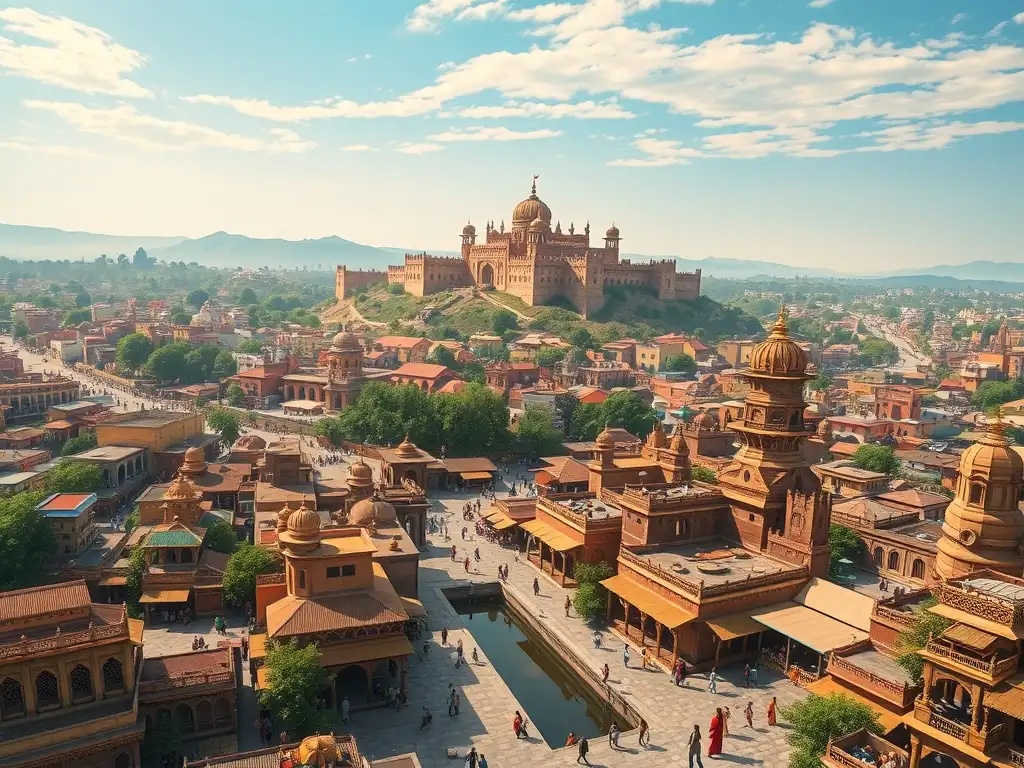
The legacy of ancient Indian urban engineering is profoundly significant, showcasing sophisticated techniques and a deep understanding of environmental dynamics that allowed cities to thrive. The Indus Valley Civilization, which dates back to around 2500 BCE, is among the earliest examples of advanced urban planning. Cities like Mohenjo-Daro and Harappa featured well-planned drainage systems, standardized fired-brick buildings, and grid patterns that suggest a high level of organization and foresight.
Moreover, the Mauryan and Gupta Empires further exemplified this legacy through monumental architecture, including stupas and intricate temple complexes. The use of water management systems, such as reservoirs and canals, not only facilitated agriculture but also promoted urban growth. These engineering feats were a testament to the ingenuity of ancient Indian civilizations and their ability to harmonize with their surroundings, leaving a lasting impact on urban design principles.
Impact on Modern Urban Planning
Ancient Indian urban engineering techniques continue to influence modern urban planning. Concepts such as spatial organization, efficient waste management, and water conservation practices are increasingly relevant in today's rapidly urbanizing world. Urban planners and architects often draw inspiration from historical layouts to create sustainable and livable cities.
For instance, the grid-like patterns found in ancient cities are being revisited in modern designs to enhance connectivity and accessibility. The emphasis on integrating green spaces and water bodies, as seen in ancient sites, is now a critical consideration in urban development to promote environmental sustainability and improve the quality of life for residents. Furthermore, the focus on community-centric designs from ancient times is being recognized as essential in fostering social interactions within urban environments.
Contributions to Sustainable Urban Development
Ancient Indian urban engineering was inherently sustainable, with practices that prioritized resource conservation and environmental balance. The construction of cities often included features that maximized natural resources, such as sunlight and wind, for heating and cooling. The use of locally sourced materials reduced the carbon footprint of construction activities, a principle that is gaining traction in contemporary architecture.
Additionally, the innovative water management systems, which included wells, reservoirs, and drainage systems, ensured the sustainable use of water resources. These systems are a crucial focus in today’s efforts to combat urban flooding and water scarcity. By studying these ancient practices, modern urban developers can adopt more eco-friendly approaches, promoting resilience against climate change while ensuring the longevity and functionality of urban spaces.
Preservation of Ancient Engineering Techniques
Preserving the knowledge of ancient Indian engineering techniques is vital for understanding our historical context and enhancing current practices. Various organizations and institutions are dedicated to documenting and studying historical sites, ensuring that the techniques used in ancient constructions do not fade into obscurity.
Archaeological excavations provide insights into the materials and methods employed, while conservation efforts aim to maintain the integrity of ancient structures. Educational programs that highlight these techniques and their relevance to modern engineering are essential for fostering appreciation among new generations of architects and engineers. By blending traditional knowledge with contemporary technology, we can develop innovative solutions that respect and utilize the wisdom of the past.
Conclusion
The exploration of ancient Indian urban engineering reveals a wealth of knowledge that has shaped cities for centuries. From the meticulous planning of the Indus Valley Civilization to the sophisticated structures of the Gupta Empire, these practices laid a foundation for urban development that remains relevant today.
Summary of Key Findings on Ancient Indian Urban Engineering Techniques
Key findings from the study of ancient Indian urban engineering techniques highlight their advanced understanding of urban planning, resource management, and environmental integration. The systematic layout of cities, effective drainage systems, and innovative use of materials reflect a high level of engineering skill. These techniques not only facilitated urban growth but also established a sustainable framework that modern urban planners can learn from.
The Relevance of Ancient Practices in Contemporary Context
In a contemporary context, the relevance of ancient Indian urban engineering practices is underscored by the increasing need for sustainability and resilience in urban environments. By incorporating ancient wisdom into modern designs, we can address pressing challenges such as climate change, urban sprawl, and resource depletion. The lessons learned from ancient cities provide a blueprint for creating more sustainable, inclusive, and livable urban spaces in the future.
References
Academic sources and literature on ancient Indian urban engineering
The study of ancient Indian urban engineering has garnered significant attention through various academic sources and literature. Key texts include:
- "The Indus Civilization: A Contemporary Perspective": by Gregory L. Possehl, which delves into the urban planning and architectural innovations of the Indus Valley Civilization, exploring how their techniques influenced subsequent developments in urban engineering.
- "Ancient Indian Architecture and Art" by Michael W. Meister, a comprehensive resource that outlines the various architectural styles and engineering methods employed in ancient Indian cities, including the use of local materials and advanced construction techniques.
- "Urbanization in Ancient India" by R. C. Sharma provides an in-depth analysis of the evolution of urban centers in ancient India, detailing the planning, infrastructure, and technological advancements that characterized these cities.
- Journals like the "Journal of Asian Studies" and "The Indian Journal of History of Science" feature numerous articles discussing the engineering marvels of ancient Indian cities, offering peer-reviewed insights into specific case studies and archaeological evidence.
These sources not only highlight the engineering prowess of ancient Indian civilizations but also contextualize their achievements within the broader narrative of world history.
Archaeological findings and studies related to ancient Indian cities
Archaeological research has played a pivotal role in uncovering the urban engineering techniques of ancient India. Notable findings include:
- The ruins of Mohenjo-Daro and Harappa, which reveal sophisticated urban planning, including grid layouts, advanced drainage systems, and well-constructed public baths. These sites serve as prime examples of the engineering capabilities of the Indus Valley Civilization.
- Excavations at Pataliputra, the capital of the Maurya Empire, have unveiled evidence of extensive fortifications, road networks, and water management systems, showcasing urban engineering's evolution during the historical period.
- Research conducted at the ancient city of Vijayanagara, where studies of irrigation systems and the use of natural topography in urban design illustrate the integration of environmental considerations into urban planning.
- The discovery of ancient brick structures and inscriptions in cities like Ujjain and Kanchipuram further highlights the advanced techniques employed by ancient Indian builders, including the use of fired bricks and precise cutting methods.
These archaeological findings provide invaluable insights into the urban engineering techniques of ancient Indian civilizations, demonstrating their ingenuity and adaptability in creating resilient urban environments. The ongoing research continues to shed light on the complexities of their engineering practices, enriching our understanding of ancient Indian history.
- Introduction to Ancient Indian Urban Engineering Techniques
- Key Features of Ancient Indian Urban Engineering
- Case Studies of Prominent Ancient Indian Cities
- Comparisons with Other Ancient Civilizations
- The Legacy of Ancient Indian Urban Engineering
- Conclusion
- References
- What were some key urban engineering techniques used in ancient India?
- How did the Indus Valley Civilization influence urban engineering?
- What role did water management play in ancient Indian cities?
- How did the Gupta Empire contribute to urban engineering?
- Are there any modern influences of ancient Indian urban engineering?
Frequently Asked Questions
What were some key urban engineering techniques used in ancient India?
Ancient Indian civilizations utilized advanced techniques such as drainage systems, water management, and grid patterns for city layout, showcasing their ingenuity in urban planning.
How did the Indus Valley Civilization influence urban engineering?
The Indus Valley Civilization is renowned for its well-planned cities, featuring sophisticated drainage systems and standardized brick sizes, setting a precedent for future urban engineering in India.
What role did water management play in ancient Indian cities?
Water management was crucial, with cities like Mohenjo-Daro incorporating public baths and extensive drainage systems, ensuring a reliable water supply and sanitation for inhabitants.
How did the Gupta Empire contribute to urban engineering?
During the Gupta Empire, advancements in architecture and city planning emerged, with temple construction and improved infrastructure, reflecting the cultural and technological achievements of the time.
Are there any modern influences of ancient Indian urban engineering?
Many modern urban planning concepts draw inspiration from ancient Indian practices, particularly in sustainable water management and urban layout, emphasizing the lasting legacy of these ancient techniques.
Final Reflection: The Enduring Legacy of Ancient Indian Urban Engineering
The exploration of ancient Indian urban engineering techniques reveals a profound connection between past innovations and contemporary urban challenges. As we navigate the complexities of modern city planning, the ingenuity of ancient civilizations serves as a powerful reminder of the timeless principles of sustainability, functionality, and community integration. The architectural marvels and urban layouts of ancient Indian cities not only showcase advanced engineering but also reflect a deep understanding of environmental harmony and social dynamics.
The influence of these ancient techniques continues to resonate in today's urban landscapes, inspiring architects and planners to draw from a rich heritage of knowledge. The principles of water management, waste disposal, and spatial organization found in ancient Indian cities are increasingly relevant as we confront the pressing issues of urbanization and climate change. The past is not dead; it is not even past.
– William Faulkner. This quote encapsulates the essence of how historical practices can inform and enhance our present and future urban environments.
As you reflect on the lessons of ancient Indian urban engineering, consider how these insights can be applied in your own life and community. Embrace the challenge of integrating sustainable practices into your daily routines and advocate for thoughtful urban development that honors the wisdom of the past. By doing so, you contribute to a legacy that values innovation, respect for nature, and the well-being of all citizens, ensuring that the brilliance of ancient engineering continues to inspire generations to come.
Unveil the Secrets of Ancient Indian Urban Engineering!
Thank you for taking the time to explore the fascinating world of ancient Indian cities with us! We're thrilled to have shared insights into the incredible urban engineering feats that shaped these majestic civilizations. Now it’s your turn to dive deeper and connect with this rich history.
Here are some actionable steps to further your journey:
- Visit a local museum or historical site that showcases ancient Indian architecture and engineering marvels. Experience the beauty in person!
- Join a community forum dedicated to ancient history. Share your insights, ask questions, and discover more about these incredible urban designs.
- Explore our recommended reading list on ancient Indian urban engineering. Expand your knowledge with books that delve into the specifics of these remarkable developments.
As you embark on this exploration, we’d love to know:
What aspect of ancient Indian urban engineering intrigues you the most, and how will you share your newfound knowledge with others?