
The Science of Ayurveda: Why Ancient Practices Work for Modern Wellness


Welcome to Ancient India History, where we embark on a fascinating journey through the rich tapestry of ancient Indian civilizations. From the marvels of the Indus Valley to the intellectual heights of the Gupta Empire, our exploration uncovers the profound contributions that continue to shape our world today. In our featured article, "The Science of Ayurveda: Why Ancient Practices Work for Modern Wellness," we delve into the timeless wisdom of Ancient Ayurveda and its relevance in contemporary life.
Are you curious about how these age-old practices can enhance your modern wellness journey? Join us as we unravel the secrets of Ayurveda, inviting you to discover how the past can illuminate a healthier future.

Introduction to Ancient Ayurveda for Modern Wellness
Ayurveda, a holistic healing system that originated in ancient India over 3,000 years ago, is gaining renewed attention in the context of modern wellness practices. This time-tested approach emphasizes the connection between body, mind, and spirit, offering a comprehensive framework for achieving optimal health.
The growing interest in ancient Ayurveda for modern wellness reflects a broader trend towards natural and integrative health solutions, where individuals seek to harness the wisdom of traditional practices to address contemporary health challenges. As we explore the principles and applications of Ayurveda, we uncover how its rich heritage can inform and enhance our understanding of wellness today.
The Principles of Ayurveda: Understanding the Foundations
At the core of Ayurveda lies a set of fundamental principles that guide its practices and treatments. Understanding these foundations is crucial for appreciating how ancient Ayurvedic wisdom can be effectively applied to modern lifestyles.
What is Ayurveda?
Ayurveda, derived from the Sanskrit words "Ayur" (life) and "Veda" (knowledge), translates to "the knowledge of life." This ancient science encompasses a wide range of practices, including herbal medicine, dietary guidelines, yoga, meditation, and body treatments like Abhyanga (oil massage). It operates on the belief that health is a state of balance among the body’s three doshas— Vata, Pitta, and Kapha—which represent different elemental energies.
- Vata: Associated with air and space, Vata governs movement and communication.
- Pitta: Linked to fire and water, Pitta regulates digestion and metabolism.
- Kapha: Related to earth and water, Kapha provides stability and structure.
By understanding one’s unique dosha, individuals can tailor their lifestyle and dietary choices to promote harmony and well-being.
The Role of Balance in Ayurvedic Wellness
Central to Ayurvedic philosophy is the idea that balance is essential for health. This balance extends beyond physical health to include mental, emotional, and spiritual well-being. Ayurveda posits that imbalances in the doshas can lead to disease, and thus, the goal of Ayurvedic practice is to restore equilibrium.
Key concepts include:
- Dietary adjustments: Specific foods can enhance or diminish particular doshas.
- Lifestyle practices: Daily routines (Dincharya) and seasonal routines (Ritucharya) are designed to align with natural rhythms.
- Detoxification: Ayurvedic treatments often involve cleansing protocols, such as Panchakarma, to eliminate toxins (ama) from the body.
By integrating these principles into daily life, individuals can experience improved health, resilience, and a deeper connection to themselves and their environment. Ultimately, the science of Ayurveda offers timeless wisdom that resonates with modern wellness seekers aiming to cultivate a balanced and fulfilling life.
The Science Behind Ayurveda: Why It Works
Ayurveda, often referred to as the "Science of Life," is an ancient Indian system of medicine that emphasizes balance, harmony, and holistic wellness. The core philosophy of Ayurveda is that health is not merely the absence of disease but a state of complete physical, mental, and spiritual well-being. This approach recognizes that each individual is unique, with specific needs that vary according to their constitution or "dosha." The three primary doshas—Vata, Pitta, and Kapha—represent different combinations of the five elements (earth, water, fire, air, and space) and dictate one’s physical and mental characteristics.
Research has shown that Ayurvedic practices can lead to improved health outcomes through their focus on prevention, personalized treatment, and natural remedies. The integration of dietary adjustments, herbal formulations, and lifestyle changes fosters a deeper understanding of one's body and its needs. This personalized approach enhances the body's natural healing capabilities and promotes overall well-being.
Evidence-Based Benefits of Ancient Ayurveda
Recent studies have begun to substantiate the effectiveness of Ayurvedic practices, highlighting various evidence-based benefits:
- Stress Reduction: Practices such as meditation, yoga, and breathing exercises have been shown to significantly reduce stress levels and promote relaxation. Research indicates that these techniques enhance emotional resilience and mental clarity.
- Anti-Inflammatory Properties: Many Ayurvedic herbs, such as turmeric (curcumin) and ginger, possess anti-inflammatory and antioxidant properties. Clinical trials have confirmed their role in managing chronic conditions like arthritis and heart disease.
- Digestive Health: Ayurveda emphasizes the importance of digestion (Agni) in maintaining health. Studies suggest that Ayurvedic dietary practices improve gut health and support the microbiome, leading to better nutrient absorption and enhanced immunity.
- Weight Management: Ayurvedic principles encourage balanced eating and lifestyle habits, which have been linked to effective weight management and metabolic health. Personalized dietary recommendations based on one's dosha can help individuals achieve their health goals sustainably.
Holistic Healing: Mind-Body Connection
Ayurveda operates on the premise that the mind and body are interconnected, influencing each other profoundly. This holistic perspective recognizes that mental and emotional well-being directly affects physical health.
- Mindfulness Practices: Techniques such as meditation and yoga foster a state of mindfulness, allowing individuals to connect with their inner selves. This connection promotes emotional stability and enhances self-awareness, leading to better decision-making regarding health and wellness.
- Emotional Wellness: Ayurveda recognizes the impact of emotions on physical health. By addressing emotional imbalances through practices like counseling, meditation, and herbal remedies, individuals can achieve a more stable mental state, which in turn supports physical healing.
- Stress Management: The emphasis on mindfulness and stress reduction techniques in Ayurveda not only alleviates anxiety but also mitigates the physiological effects of stress on the body. This synergy between mental and physical health is crucial for achieving long-term wellness.
Ancient Ayurveda Practices for Modern Wellness
Ancient Ayurvedic practices have transcended time, offering valuable insights into modern wellness. By adapting these practices to contemporary lifestyles, individuals can harness their benefits for improved health and vitality.
Ayurvedic Diet: Nourishing the Body
The Ayurvedic diet is a cornerstone of wellness, focusing on the consumption of seasonal, fresh, and wholesome foods tailored to one's dosha. Key principles include:
- Food as Medicine: Ayurveda views food as a source of energy and medicine. Each food has specific qualities (rasa) that can influence bodily functions. For example, soothing foods like ghee and warm spices can balance digestive fires.
- Mindful Eating: Ayurveda encourages mindfulness in eating, promoting awareness of hunger cues and the enjoyment of food. This practice helps prevent overeating and fosters a deeper appreciation for nourishment.
- Seasonal Eating: Aligning dietary habits with seasonal changes enhances vitality. For instance, heavier foods in winter provide warmth and sustenance, while lighter foods in summer help maintain balance and hydration.
Daily Routines (Dinacharya) for Well-Being
Dinacharya, or daily routines, is an essential aspect of Ayurvedic practice that promotes harmony and balance throughout the day. Key components include:
- Morning Rituals: Starting the day with practices such as tongue scraping and oil pulling enhances oral health and digestion, setting a positive tone for the day.
- Balanced Activities: Ayurveda emphasizes the importance of balancing work, relaxation, and physical activity throughout the day. Incorporating yoga or gentle exercises into daily routines can boost energy levels and reduce stress.
- Sleep Hygiene: Prioritizing restorative sleep is vital for overall health. Ayurveda recommends establishing a regular sleep schedule and creating a calming bedtime ritual to enhance sleep quality.
By incorporating these ancient practices into modern lifestyles, individuals can foster a deeper connection to their health and well-being, ultimately leading to a more balanced and fulfilling life.
Integrating Ancient Ayurveda into Modern Life
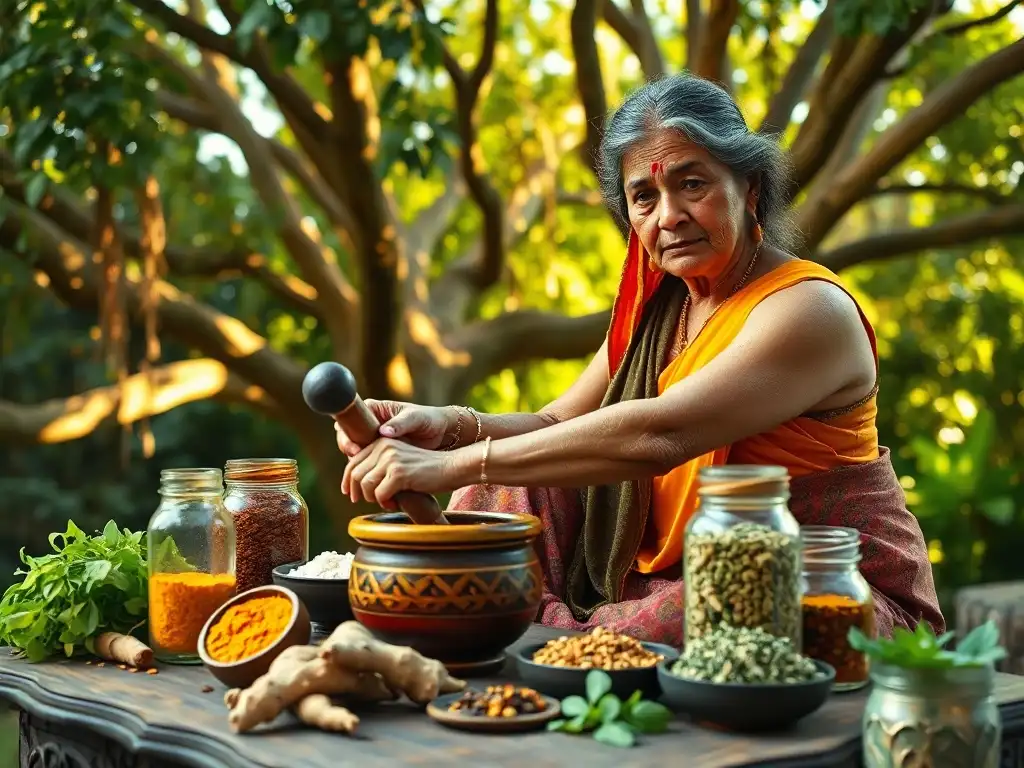
Integrating ancient Ayurveda into modern life involves harmonizing traditional principles with contemporary lifestyles. At its core, Ayurveda emphasizes balance, understanding individual constitution (Prakriti), and the dynamic relationship between body, mind, and environment. By incorporating Ayurvedic practices, individuals can foster holistic wellness.
To begin, one can start with dietary adjustments. Ayurveda promotes the consumption of seasonal, local, and fresh foods tailored to one's constitution. For instance, a Vata person might benefit from warm, moist foods, while a Pitta individual may thrive on cooling, hydrating options. Furthermore, incorporating daily routines (Dinacharya) such as waking up early, engaging in meditation, and practicing yoga can significantly enhance physical and mental well-being.
Another vital aspect is the use of herbal remedies and natural supplements. Ayurvedic herbs like Ashwagandha, Turmeric, and Brahmi offer various health benefits, from reducing stress to improving cognitive functions. Integrating these herbs into daily routines can provide a natural way to support health without the side effects often associated with synthetic medications.
Creating a Personalized Wellness Plan
Creating a personalized wellness plan in Ayurveda involves a detailed assessment of one's body type, lifestyle, and health goals. The first step is identifying your Prakriti, which is determined by the unique combination of the three doshas: Vata, Pitta, and Kapha. Each dosha influences various aspects of health, including digestion, energy levels, and emotional well-being.
Once your dosha is identified, you can tailor your diet to include foods that balance your unique constitution. For example:
- Vata: Emphasize warm, oily, and grounding foods like soups and stews.
- Pitta: Focus on cooling foods, such as salads and herbal teas, to mitigate excess heat.
- Kapha: Incorporate light, stimulating foods, like spicy dishes and fresh fruits, to counterbalance heaviness.
Next, establish a daily routine that includes practices such as yoga, meditation, and detoxification techniques (like Panchakarma). Regularly engaging in these activities can help maintain doshic balance and enhance overall health.
Regular consultations with an Ayurvedic practitioner can further refine your wellness plan, ensuring it adapts to changing needs and life stages.
The Role of Ayurvedic Spa Experiences
Ayurvedic spa experiences play a vital role in promoting holistic wellness by providing a space for rejuvenation and healing. These spas often offer treatments rooted in ancient practices, such as Abhyanga (oil massage), Shirodhara (oil pouring on the forehead), and herbal steam therapies. Each treatment is designed to detoxify the body, balance the doshas, and promote relaxation.
A distinctive feature of Ayurvedic spas is their focus on the individual. Treatments are customized based on an assessment of the client's constitution and current health conditions. For example, someone with a Vata imbalance might receive a warm oil massage to soothe dry skin and calm the nervous system.
Additionally, these spa experiences often incorporate elements of Ayurvedic philosophy, such as mindfulness and meditation, enhancing the relaxation experience. By immersing oneself in this ancient practice, individuals can disconnect from daily stressors and reconnect with their inner selves, promoting a profound sense of well-being.
Ancient Ayurveda vs. Modern Medicine: A Comparative Perspective
The comparison between ancient Ayurveda and modern medicine reveals both distinct methodologies and complementary philosophies. Ayurveda, with its holistic approach, emphasizes prevention and balance, while modern medicine often focuses on diagnosing and treating specific ailments.
Ayurveda views health as a state of equilibrium among the body, mind, and spirit, encouraging lifestyle modifications and natural remedies. Conversely, modern medicine typically relies on pharmacological interventions and technological diagnostics to address symptoms and diseases.
Despite these differences, there is a growing recognition of the potential for integration. Many healthcare practitioners now advocate for a more holistic approach that combines the strengths of both systems, leading to comprehensive patient care.
Strengths and Limitations of Both Approaches

Both ancient Ayurveda and modern medicine have their strengths and limitations.
Strengths of Ayurveda:
- Holistic Approach: Ayurveda addresses the individual as a whole, considering mental, emotional, and spiritual well-being alongside physical health.
- Preventive Care: The emphasis on prevention and lifestyle management can lead to longer-lasting health benefits.
- Natural Remedies: Utilization of herbal treatments and dietary changes can minimize the side effects often associated with pharmaceuticals.
Limitations of Ayurveda:
- Lack of Scientific Validation: Many Ayurvedic practices lack rigorous scientific studies, which can create skepticism in the modern medical community.
- Time-Consuming: Implementing lifestyle changes and natural remedies can require more time than conventional treatments.
Strengths of Modern Medicine:
- Evidence-Based: Modern medicine relies on extensive research and clinical trials, leading to scientifically validated treatments.
- Rapid Action: Conventional medicine can provide quick relief for acute conditions through medications and surgeries.
Limitations of Modern Medicine:
- Symptom-Focused: Often, modern medicine addresses symptoms rather than underlying causes, potentially leading to recurring issues.
- Side Effects: Many pharmaceutical interventions come with adverse effects, which can complicate treatment.
Case Comparisons: Ayurveda and Western Medicine
A comparative analysis of case studies between Ayurveda and Western medicine illustrates their differing methodologies and outcomes.
Case Study 1: Chronic Stress Management
- Ayurveda Approach: A patient with chronic stress may be treated with a combination of herbal supplements (like Ashwagandha), yoga, and meditation practices designed to restore balance and improve resilience.
- Western Medicine Approach: The same patient might receive a prescription for anti-anxiety medications that address symptoms but do not necessarily resolve underlying lifestyle factors contributing to stress.
Case Study 2: Digestive Disorders
- Ayurveda Approach: In cases of digestive issues, Ayurveda would recommend dietary adjustments, herbal remedies, and detoxification therapies tailored to the individual's dosha.
- Western Medicine Approach: Traditional treatment may involve medications to alleviate symptoms, often without addressing dietary habits or lifestyle changes.
These comparisons demonstrate how Ayurveda can provide a comprehensive, individualized approach, while modern medicine excels in rapid intervention and symptom management. The best outcomes often emerge from a collaborative approach that incorporates the strengths of both systems, offering patients a more holistic path to wellness.
Myths and Realities About Ancient Ayurveda for Modern Wellness
The practice of Ayurveda, which dates back thousands of years, is often shrouded in myths and misconceptions. While many people are aware of its holistic approach to health, there are various misunderstandings that can hinder a proper appreciation of its benefits in modern wellness contexts. Understanding the realities behind these myths is crucial for anyone looking to incorporate ancient Ayurveda into their contemporary lifestyle.
Commonly, Ayurveda is viewed as merely a system of herbal remedies, but it encompasses a much broader philosophy that includes diet, lifestyle, and mental well-being. Another prevalent myth is that Ayurvedic treatments are only suitable for certain conditions or for individuals with specific doshic imbalances. In truth, Ayurveda offers a wide range of practices that can be customized to fit individual needs, promoting overall health regardless of one's current state.
Debunking Common Misconceptions
-
Ayurveda is Not Just Herbal Medicine
While herbs play a significant role in Ayurveda, the practice also involves dietary guidelines, detoxification processes, yoga, and meditation. It emphasizes a balanced lifestyle tailored to individual constitutions, known as doshas: Vata, Pitta, and Kapha.
-
Ayurveda is Outdated
Many people perceive Ayurveda as an archaic system. However, numerous studies have highlighted its relevance and effectiveness in managing chronic diseases, stress, and overall wellness. The integration of Ayurvedic principles into modern healthcare is gaining traction, with many practitioners recognizing its holistic approach to health.
-
All Ayurvedic Treatments Are Safe
While Ayurvedic treatments can be beneficial, not all are universally safe. It is essential to consult qualified practitioners who can tailor treatments appropriately. Some herbal remedies may interact with conventional medicines, so awareness and professional guidance are key.
-
Ayurveda Is Only for the East
Although Ayurveda originated in India, its principles can be applied universally. People worldwide have begun to adopt Ayurvedic practices, tailoring them to fit diverse lifestyles and health needs.
Evidence-Based Practices That Support Ayurveda
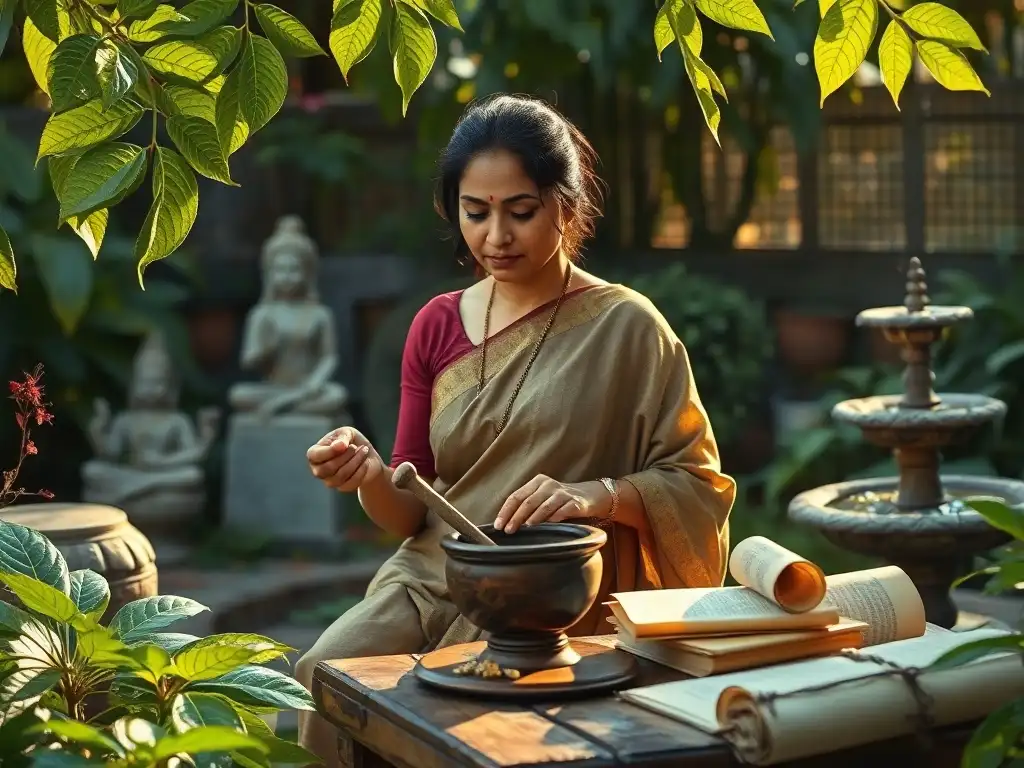
The scientific community has increasingly acknowledged various Ayurvedic practices, providing empirical evidence that supports their efficacy. Here are some notable examples:
- Dietary Approaches: Research suggests that Ayurvedic dietary guidelines, which emphasize whole foods and seasonal eating, can lead to better metabolic health and weight management. Studies indicate that a balanced diet aligned with one's dosha can enhance digestive health and overall vitality.
- Stress Reduction Techniques: Practices such as meditation and yoga, which are integral parts of Ayurveda, have been extensively studied and shown to reduce stress, anxiety, and depression. These practices promote mental clarity and emotional well-being, aligning well with modern wellness trends.
- Herbal Remedies: Certain Ayurvedic herbs, like Ashwagandha and Turmeric, have been validated through scientific research for their anti-inflammatory and adaptogenic properties. These herbs are increasingly used in dietary supplements and wellness products.
- Detoxification Practices: Panchakarma, a traditional detoxification process in Ayurveda, has been shown to improve health outcomes in various studies. It combines massage, herbal treatments, and therapies to cleanse and rejuvenate the body, addressing both physical and emotional toxins.
Conclusion: Embracing Ancient Ayurveda for a Modern Wellness Journey
Incorporating ancient Ayurveda into modern wellness practices offers a rich tapestry of knowledge that can significantly enhance health and well-being. By debunking myths and highlighting evidence-based practices, individuals can approach Ayurveda not just as an ancient system, but as a practical and beneficial framework for contemporary living.
Embracing Ayurveda allows individuals to achieve a state of balance, harnessing the wisdom of the past to navigate the complexities of modern life. Whether through dietary adjustments, stress management techniques, or holistic health practices, ancient Ayurveda provides tools that resonate with today’s pursuit of wellness, encouraging a deeper connection with oneself and the surrounding environment. By honoring these time-tested practices, we pave the way for a healthier future rooted in tradition.
Recommended Resources for Further Exploration
To deepen your understanding of Ayurveda and its application in modern wellness, consider exploring the following resources:
- Books:
- The Complete Book of Ayurvedic Home Remedies by Vasant Lad: This comprehensive guide offers practical advice on how to integrate Ayurvedic principles into daily life.
- Ayurveda: The Science of Self-Healing by Dr. Vasant Lad: A great introduction to the foundational principles of Ayurveda and how they can be applied for personal health.
- Online Courses:
- The Ayurvedic Institute: Offers a variety of online courses that cover everything from basic concepts of Ayurveda to specialized topics like nutrition and herbal medicine.
- Coursera & edX: Provide courses from accredited universities focusing on Ayurveda's impact on health and wellness.
- Podcasts:
- The Ayurveda Experience: A podcast that discusses various aspects of Ayurveda, featuring interviews with experts in the field.
- The Doctor's Farmacy with Mark Hyman: Occasionally features episodes on Ayurvedic practices and how they relate to modern medicine.
- Websites and Blogs:
- The Ayurveda Journal: A platform dedicated to research and articles on Ayurveda, offering insights into current studies and practices.
- Joyful Belly: A resource for Ayurvedic recipes and dietary guidelines, with a focus on seasonal eating.
Exploring these resources can help you appreciate the depth of Ayurvedic wisdom and its relevance in today's health and wellness landscape.
Call to Action: Start Your Ayurvedic Wellness Journey Today
Embarking on your Ayurvedic wellness journey can lead to profound changes in your health and well-being. Here’s how to take the first steps:
- Self-Assessment: Begin by understanding your unique body constitution (dosha). You can find online quizzes or consult with an Ayurvedic practitioner to identify your dosha and learn how it influences your health and lifestyle.
- Incorporate Ayurvedic Practices: Start integrating Ayurvedic practices into your daily routine. This can include:
- Diet: Embrace a balanced diet tailored to your dosha, focusing on whole foods and seasonal ingredients.
- Daily Routines (Dinacharya): Establish a daily routine that includes practices such as tongue scraping, oil pulling, and meditation to enhance mental clarity and physical health.
- Herbal Remedies: Explore the use of Ayurvedic herbs that can support your wellness goals, but consult with a practitioner for personalized recommendations.
- Seek Professional Guidance: Consider booking a consultation with a certified Ayurvedic practitioner. They can offer tailored advice on lifestyle changes, dietary adjustments, and herbal supplements.
- Join a Community: Engage with local or online Ayurvedic communities. Sharing experiences and learning from others can enrich your journey and provide support.
By taking these steps, you can harness the power of ancient Ayurveda for modern wellness, leading to a more balanced and healthier life. 🌿✨
- Introduction to Ancient Ayurveda for Modern Wellness
- The Principles of Ayurveda: Understanding the Foundations
- The Science Behind Ayurveda: Why It Works
- Ancient Ayurveda Practices for Modern Wellness
- Integrating Ancient Ayurveda into Modern Life
- Creating a Personalized Wellness Plan
- The Role of Ayurvedic Spa Experiences
- Ancient Ayurveda vs. Modern Medicine: A Comparative Perspective
- Strengths and Limitations of Both Approaches
- Case Comparisons: Ayurveda and Western Medicine
- Myths and Realities About Ancient Ayurveda for Modern Wellness
- Debunking Common Misconceptions
- Evidence-Based Practices That Support Ayurveda
- Conclusion: Embracing Ancient Ayurveda for a Modern Wellness Journey
- Recommended Resources for Further Exploration
- Call to Action: Start Your Ayurvedic Wellness Journey Today
Frequently Asked Questions
What is Ayurveda?
Ayurveda is a traditional Indian system of medicine that emphasizes a holistic approach to health and wellness, focusing on the balance between mind, body, and spirit.
How does Ayurveda contribute to modern wellness?
Ayurvedic practices, such as herbal treatments, dietary guidelines, and lifestyle modifications, are increasingly used in modern wellness to promote physical health and mental clarity.
What are some key principles of Ayurveda?
Ayurveda is based on the concept of doshas, which are the three energies (Vata, Pitta, Kapha) that govern our physical and mental characteristics, guiding personalized health and wellness strategies.
Can ancient Ayurvedic practices be integrated with modern medicine?
Yes, many practitioners advocate for a synergistic approach, combining ancient Ayurvedic practices with modern medical treatments to enhance overall health outcomes.
What role does diet play in Ayurveda?
Diet is a cornerstone of Ayurveda, emphasizing the consumption of natural, whole foods tailored to an individual’s unique constitution, which helps maintain balance and support wellness.
Final Reflection: Embracing Ancient Ayurveda for Modern Wellness
The principles of Ayurveda are not just relics of the past; they are vital tools for navigating the complexities of modern life. In a world where stress and imbalance are rampant, the ancient wisdom of Ayurveda offers a holistic approach to health that resonates deeply with contemporary wellness seekers. As we face unprecedented challenges in our physical and mental well-being, understanding and integrating these time-tested practices can lead to profound transformations in our lives.
The influence of Ayurveda extends far beyond individual health; it shapes our cultural and social landscapes by fostering a deeper connection to nature and ourselves. As more people turn to holistic practices for healing, Ayurveda serves as a bridge between ancient traditions and modern scientific understanding. The greatest wealth is health.
– Virgil. This quote encapsulates the essence of Ayurveda, reminding us that true wellness is the foundation of a fulfilling life. By embracing these ancient practices, we not only enhance our own well-being but also contribute to a collective shift towards a more balanced and harmonious society.
As you reflect on the insights shared in this article, consider how you can incorporate elements of Ayurveda into your daily routine. Take a moment to pause, breathe, and connect with your inner self. Whether it's through mindful eating, herbal remedies, or simple daily rituals, each small step can lead to significant changes in your health and happiness. Let the wisdom of Ayurveda guide you toward a more vibrant and harmonious existence, and inspire those around you to embark on their own journey of wellness.
Embrace Your Wellness Journey Today!
Thank you for diving into the fascinating world of Ayurveda with us! You've uncovered the incredible ways ancient practices can enhance modern wellness. Now it's time to put this knowledge into action and transform your life!
Here are some powerful steps you can take right away:
- Begin a Daily Ritual: Incorporate a morning routine inspired by Ayurvedic practices, such as meditation or oil pulling, to start your day with clarity and energy.
- Explore Herbal Remedies: Research and try out simple Ayurvedic herbs or spices like turmeric or ashwagandha to naturally boost your health.
- Share Your Journey: Connect with friends or family to discuss your experiences—consider hosting a wellness night to explore Ayurvedic cooking together!
How do you plan to integrate the wisdom of Ayurveda into your daily life? Let's start a conversation below!