
Ritualistic Art Forms in Ancient India: Significance and Practices

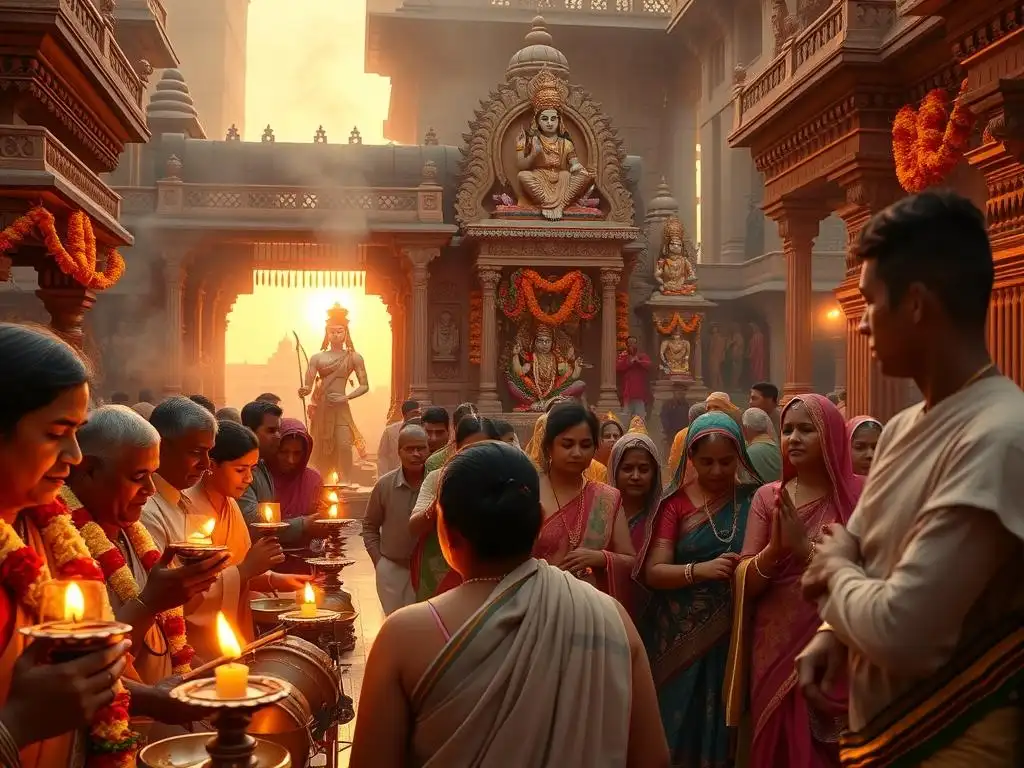
Welcome to Ancient India History, where we embark on a fascinating journey through the vibrant tapestry of ancient Indian civilizations. Discover the intricate beauty and profound significance of ritualistic art in ancient India, a cornerstone of cultural expression that reflects the spiritual and philosophical underpinnings of the time. As we delve into the significance and practices surrounding these art forms, you’ll uncover the profound connections between artistry and devotion that shaped the ancients. Join us as we uncover the stories behind these masterpieces and explore how they continue to resonate with us today. Read on to ignite your curiosity!
- Ritualistic Art in Ancient India: An Overview
- Historical Context of Ritualistic Art in Ancient India
- Key Characteristics of Ritualistic Art in Ancient India
- Major Types of Ritualistic Art Forms
- Regional Variations in Ritualistic Art Practices
- The Role of Ritualistic Art in Religious Practices
- The Contemporary Relevance of Ritualistic Art in Ancient India
- Conclusion: The Enduring Legacy of Ritualistic Art in Ancient India
- Frequently Asked Questions
- Final Reflection: The Enduring Legacy of Ritualistic Art in Ancient India
- Unveil the Ancient Wisdom: Connect with Ritualistic Art Forms Today!
Ritualistic Art in Ancient India: An Overview
Ritualistic art forms in ancient India stand as a testament to the intricate tapestry of beliefs, practices, and cultural expressions that defined various civilizations throughout the subcontinent's history. Encompassing a wide array of artistic expressions—from murals and sculptures to textiles and ceremonial objects—these art forms played a crucial role in religious and social ceremonies, serving as both a means of worship and a reflection of the community's values and beliefs. This article explores the significance and practices of ritualistic art in ancient India, shedding light on its profound impact on the cultural landscape and its enduring legacy.
Introduction to Ritualistic Art Forms
Ritualistic art forms in ancient India are deeply intertwined with the spiritual and ceremonial practices of diverse communities. These art forms emerged from the need to express religious devotion, commemorate significant life events, and facilitate a connection with the divine. Key elements of ritualistic art include:
- Symbolism: Every element of ritualistic art carries profound meaning, often reflecting mythology, spirituality, and cultural narratives.
- Materials: Artists utilized various materials such as clay, wood, metal, and textiles, each chosen for its significance and suitability for the intended ritual.
- Techniques: Traditional techniques, often passed down through generations, were employed to create intricate designs and representations.
The manifestation of ritualistic art can be seen in numerous ancient sites, where structures and artifacts reveal the artistic prowess and spiritual aspirations of their creators. From the intricate carvings of temples to the vibrant frescoes adorning cave walls, these art forms invite us to delve deeper into the beliefs and practices that shaped ancient Indian society.
Importance of Ritualistic Art in Ancient Indian Culture
The significance of ritualistic art in ancient Indian culture cannot be overstated. It served as a medium for:
- Cultural Identity: Ritualistic art forms were integral to the expression of community identity, reinforcing shared beliefs and practices among members.
- Religious Expression: These art forms were often dedicated to deities or used in religious ceremonies, highlighting the importance of spirituality in daily life.
- Historical Documentation: Through ritualistic art, we gain insights into the social, political, and economic conditions of ancient civilizations, as well as their interactions with neighboring cultures.
The role of ritualistic art in ancient Indian culture is not merely limited to aesthetics; it embodies a complex interplay of spirituality, community, and identity that continues to resonate in contemporary practices. Understanding these art forms offers a window into the rich cultural heritage of ancient India and underscores the importance of preserving such traditions for future generations.
Historical Context of Ritualistic Art in Ancient India
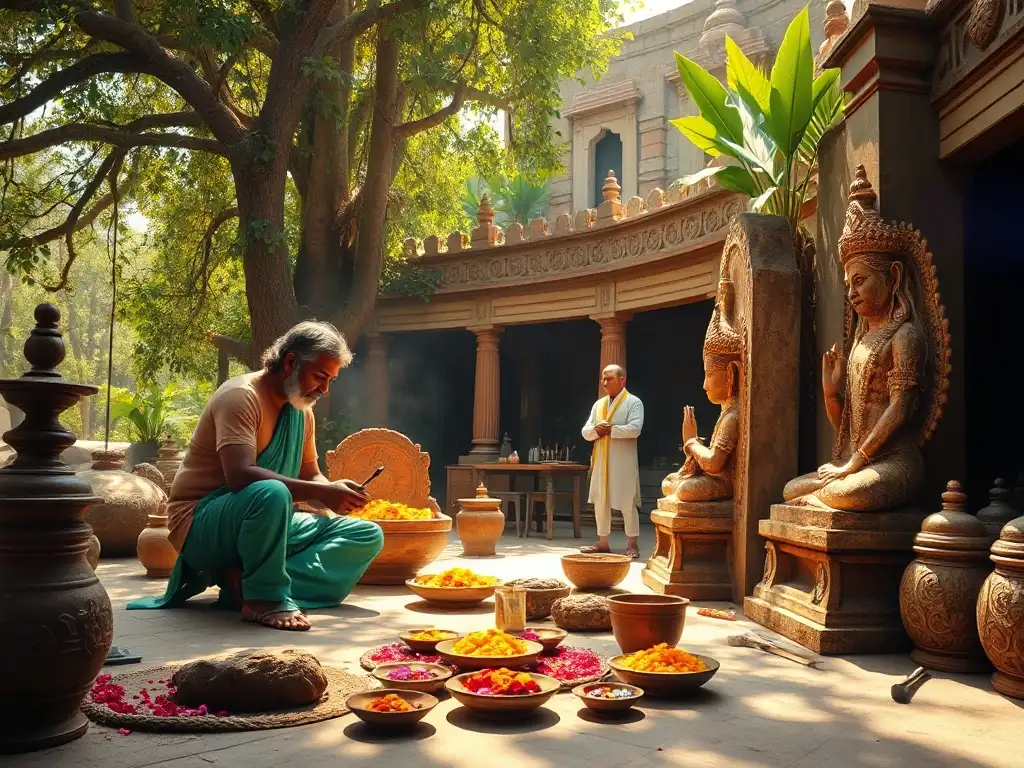
Ritualistic art in ancient India has its roots deeply embedded in the socio-cultural and religious fabric of the time. This art form served not only as a means of expression but also as a vehicle for conveying spiritual beliefs and practices. Understanding the historical context is crucial to appreciating the significance of these art forms, which evolved through various stages, influenced by diverse civilizations and religious ideologies.
The development of ritualistic art can be traced back to the Indus Valley Civilization (c. 3300–1300 BCE), where early forms of artistic expression began to emerge in the form of seals, terracotta figurines, and pottery. These artifacts often depicted religious symbols and motifs that hinted at the ritualistic practices of the time. As ancient Indian civilization progressed, the subsequent periods saw the integration of ritualistic art into broader cultural expressions, influenced by the rise of religions such as Hinduism, Buddhism, and Jainism.
Evolution of Ritualistic Art from the Indus Valley Civilization
The Indus Valley Civilization laid the groundwork for ritualistic art in ancient India with its advanced urban planning and craftsmanship. Artisans created intricate seals featuring animals, deities, and geometric patterns, which likely held ritual significance. The use of motifs such as the Pashupati seal, which depicts a figure seated in a yogic posture surrounded by animals, suggests an early connection to spiritual practices.
As the Vedic period (c. 1500–500 BCE) unfolded, ritualistic art began to evolve, reflecting the themes of sacrifice and worship prevalent in Vedic texts. This period saw the introduction of art forms such as sacred altars and ritual implements, which were essential for conducting various ceremonies.
Moving into the Mauryan period (c. 322–185 BCE), ritualistic art became more prominent with the establishment of Buddhism. The Ashoka Pillars and rock-cut caves of this era often feature intricate carvings and inscriptions that illustrate Buddhist teachings and rituals. The Sanchi Stupa, for instance, is adorned with sculptures that narrate the life of the Buddha and highlight the importance of ritual in Buddhist practice.
The Gupta period (c. 320–550 CE) marked a golden age for art and culture in India. This era saw the flourishing of temple architecture and sculpture, where ritualistic art became an integral part of religious structures. Temples were adorned with elaborate carvings depicting deities engaged in rituals, symbolizing the divine relationship between the worshippers and the divine.
Influence of Religion on Ritualistic Art Practices
Religion played a pivotal role in shaping ritualistic art in ancient India. The interrelation between art and spirituality is evident in the various religious traditions that thrived throughout the subcontinent.
- Hinduism: In Hinduism, ritualistic art often manifests through temple sculptures and paintings that depict various deities and mythological scenes. The iconography used in these artworks serves to educate devotees about religious narratives and principles. The Brahma, Vishnu, and Shiva trinity is commonly represented in temple art, illustrating the significance of these deities in Hindu worship.
- Buddhism: The emergence of Buddhism introduced new themes in ritualistic art, focusing on the life and teachings of the Buddha. Stupas and viharas were created as sacred spaces for meditation and worship, adorned with frescoes and sculptures that depicted Jataka tales—stories of the Buddha’s previous lives—serving both educational and devotional purposes.
- Jainism: Jain ritualistic art is characterized by its emphasis on non-violence and the veneration of Tirthankaras. Jain temples are often intricately carved with images of Tirthankaras and celestial beings, serving as focal points for worship and meditation.
The influence of these religions not only enriched the diversity of ritualistic art in ancient India but also created a lasting legacy that continues to inspire contemporary practices. The synthesis of artistic styles and religious themes reflects the pluralistic nature of Indian spirituality, making ritualistic art a vital aspect of the country's cultural heritage.
The historical context of ritualistic art in ancient India reveals a dynamic interplay between art, culture, and religion. From the origins in the Indus Valley to the elaborate temple art of the Gupta Empire, this art form has profoundly shaped and been shaped by the spiritual beliefs of the time, offering a glimpse into the rich tapestry of ancient Indian civilization.
Key Characteristics of Ritualistic Art in Ancient India
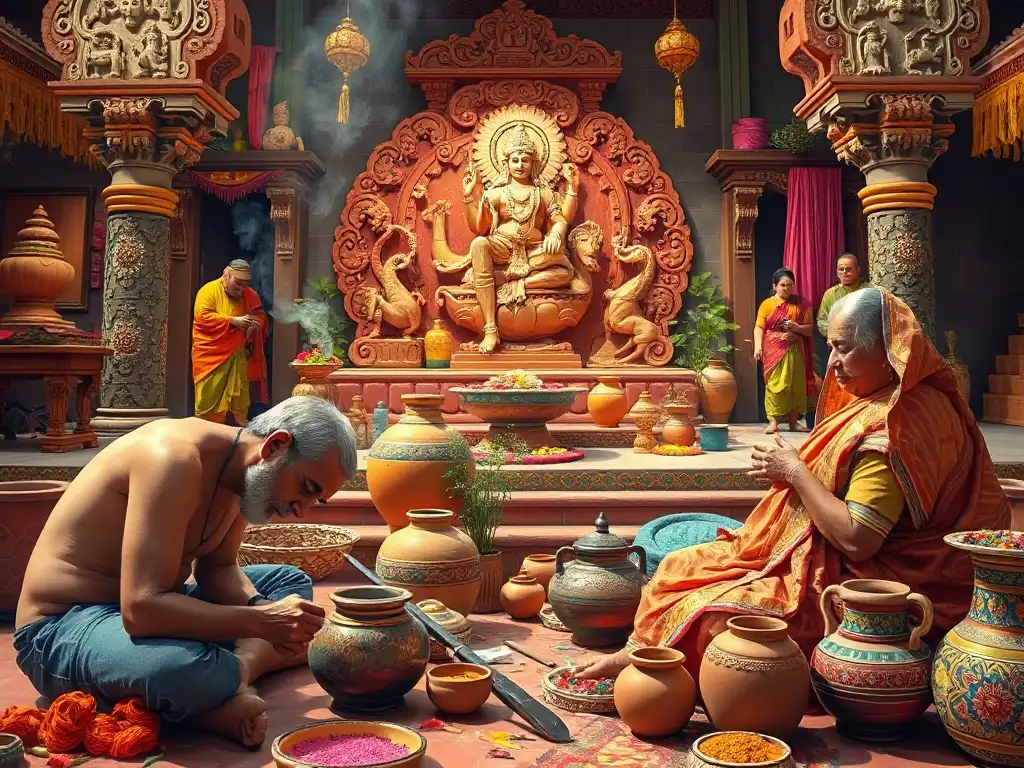
Ritualistic art in ancient India is characterized by its profound connection to spirituality and cultural practices. This art form serves as a medium through which communities express their beliefs, rituals, and devotion to deities. Below are the key characteristics that define ritualistic art in ancient India:
- Spiritual and Religious Themes: The primary focus of ritualistic art is to depict religious narratives, deities, and spiritual concepts. This includes painting, sculpture, and architecture that celebrate Hinduism, Buddhism, and Jainism, reflecting the intertwining of art and spirituality.
- Ceremonial Functionality: Unlike typical art forms, the purpose of ritualistic art is deeply rooted in ceremonies and rituals. Artworks are often created for specific religious events, such as pujas (worship), festivals, and rites of passage, emphasizing their functional aspect.
- Use of Iconography: Ritualistic art is rich in iconographic elements, where each symbol holds a specific meaning. For example, the lotus flower symbolizes purity and spiritual awakening, while different hand gestures (mudras) convey various teachings and philosophies.
- Cultural Diversity: Ancient India's ritualistic art reflects the diverse cultural practices across regions and communities. From the intricate carvings of the temples in Khajuraho to the vibrant frescoes of Ajanta, each region has its unique style, showcasing local traditions and beliefs.
- Integration with Architecture: Many ritualistic artworks are integrated within architectural structures, such as temples and stupas. This integration enhances the spiritual ambiance, allowing worshippers to engage with art in a sacred space.
Symbolism in Ritualistic Art
Symbolism plays a crucial role in ritualistic art in ancient India, serving as a visual language that conveys complex spiritual ideas and cultural values. Here are some of the prominent symbols used in this art form:
- Deities and Avatars: Each deity is represented with specific attributes and symbols. For example:
- Lord Shiva is often depicted with a trident (trishula) and a crescent moon.
- Goddess Durga is shown riding a lion, symbolizing power and courage.
- Nature Elements: Natural elements are frequently used to symbolize spiritual concepts. Common motifs include:
- Trees and Plants: The Banyan tree symbolizes eternal life, while the sacred fig (Peepal) represents knowledge.
- Animals: Elephants symbolize wisdom, while peacocks represent beauty and grace.
- Geometric Patterns: Many ritualistic artworks incorporate intricate geometric designs, which are believed to represent the universe's order. Mandalas, for instance, are circular designs that signify unity and harmony.
- Color Symbolism: Colors in ritualistic art are imbued with meaning:
- Red signifies power and passion.
- Yellow represents knowledge and learning.
- White is associated with purity and peace.
The rich symbolism in ritualistic art not only enhances its aesthetic appeal but also serves to educate and inspire spiritual reflection among practitioners and observers.
Common Materials and Techniques Used in Ritualistic Art
The creation of ritualistic art in ancient India involved a variety of materials and techniques, each selected for its symbolic significance and practical application. Below are some of the common materials and techniques employed:
- Materials:
- Stone: Used primarily for sculpture and temple architecture, stone carvings were often intricately detailed, depicting deities and mythological scenes.
- Wood: Wood was used for smaller sculptures and ritual implements, often adorned with carvings that represented divine attributes.
- Metal: Bronze and other metals were commonly used for casting idols and ritual objects, such as bells and lamps, which played a role in worship.
- Paint and Dyes: Natural pigments derived from minerals and plants were utilized to create vibrant frescoes and paintings on temple walls.
- Techniques:
- Carving and Sculpting: Advanced techniques in stone carving allowed artisans to create detailed reliefs and three-dimensional sculptures that captured the essence of divine forms.
- Mural Painting: Techniques such as fresco and tempera were used to adorn the walls of temples, with scenes from religious texts bringing stories to life.
- Casting: The lost-wax casting method was employed for creating bronze idols, enabling precise detailing and intricate designs.
- Embroidery and Weaving: Textiles used in rituals often featured embroidered patterns that conveyed spiritual meaning, integrating art into daily religious practices.
The materials and techniques used in ritualistic art not only reflect the artistic skill of ancient Indian artisans but also highlight the deep-rooted connection between art, spirituality, and everyday life in ancient Indian civilization.
Major Types of Ritualistic Art Forms
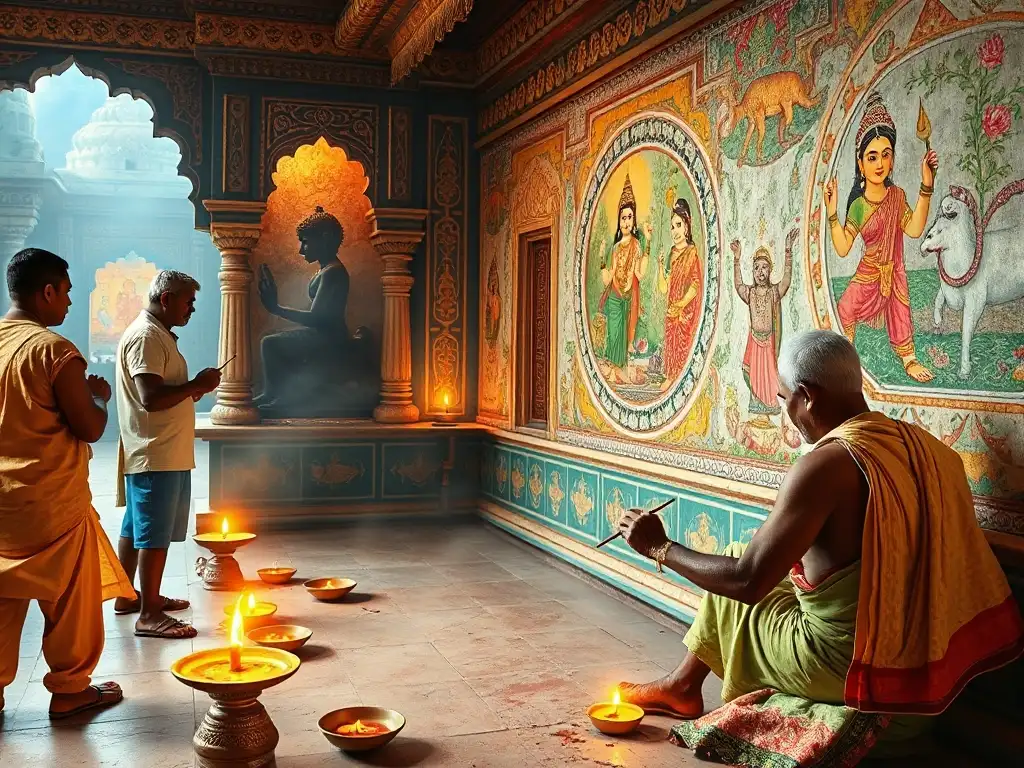
Ritualistic art in ancient India encompasses a variety of forms, each with its unique significance and practices. These art forms served not only as means of aesthetic expression but also as critical components of religious and cultural rituals. The major types of ritualistic art forms include sculpture, painting, and textile arts, each contributing to the spiritual and ceremonial life of ancient Indian civilizations.
Sculpture as a Ritualistic Art Form
Sculpture holds a prominent place in the realm of ritualistic art in ancient India. From the intricate carvings of the Indus Valley Civilization to the grand statues of deities during the Gupta period, sculpture has been a crucial medium for expressing religious devotion and beliefs.
- Types of Sculptural Practices:
- Stone Carving: The use of stone for creating deities and mythological figures was prevalent. Temples like the Brihadeeswarar Temple in Thanjavur showcase exquisite stone sculptures that served as focal points for worship.
- Bronze Casting: The Chola dynasty was renowned for its bronze sculptures, particularly of Hindu gods like Nataraja, which were used in temple rituals and processions.
- Terracotta Figures: The Indus Valley Civilization produced terracotta figurines that likely held ritual significance, possibly used in fertility rites or domestic worship.
The symbolism in these sculptures often reflects cosmic beliefs and spiritual narratives, inviting devotees to engage with the divine through visual representation. The craftsmanship involved highlights the importance of ritualistic art as a medium to connect the physical and spiritual worlds.
Painting and Murals in Ritual Practices
Painting, particularly in the form of murals, has played an essential role in ritualistic art in ancient India. These artworks are not merely decorative; they convey stories and teachings central to religious practices.
- Murals in Temples:
- Ajanta Caves: The frescoes at Ajanta depict Buddhist Jataka tales and are integral to monastic life, enhancing the meditative atmosphere during rituals.
- Khajuraho Temples: The erotic sculptures and murals reflect various aspects of life, including the spiritual significance of love and union, often linked to rituals of fertility and devotion.
- Miniature Paintings:
- Mughal Miniatures: These small-scale paintings often include themes related to courtly life and divine love, incorporating elements that resonate with the spiritual practices of their time.
The colors and themes used in these paintings are deeply symbolic, often representing different aspects of life and spirituality, making them vital for enhancing the ritual experience.
Textile Arts and Their Ritual Significance
Textile arts also represent a significant aspect of ritualistic art in ancient India. Fabrics and clothing were not only functional but also held deep spiritual meanings and were often used in various religious ceremonies.
- Types of Textiles in Rituals:
- Saris and Drapery: The traditional sari, often adorned with intricate patterns and motifs, is used in many rituals, including weddings and poojas, symbolizing grace and femininity.
- Prayer Flags and Cloths: In certain regions, cloths are used in rituals, such as the colorful prayer flags in Tibetan Buddhism, which carry prayers and blessings.
- Weaving Techniques:
- Kanchipuram Silk: Known for its rich colors and gold threads, Kanchipuram silk sarees are considered auspicious and are worn during significant rituals and festivals.
- Block Printing: This technique often features motifs related to deities and nature, making the textiles suitable for ritualistic purposes.
The integration of textiles into ritual practices underscores their cultural and spiritual significance, as they often serve as offerings or items of reverence in various ceremonies.
The major types of ritualistic art forms in ancient India—sculpture, painting, and textile arts—each play a vital role in expressing and enhancing the spiritual experiences of their respective cultures. These art forms not only reflect the aesthetic values of their time but also serve as enduring symbols of faith and devotion.
Regional Variations in Ritualistic Art Practices
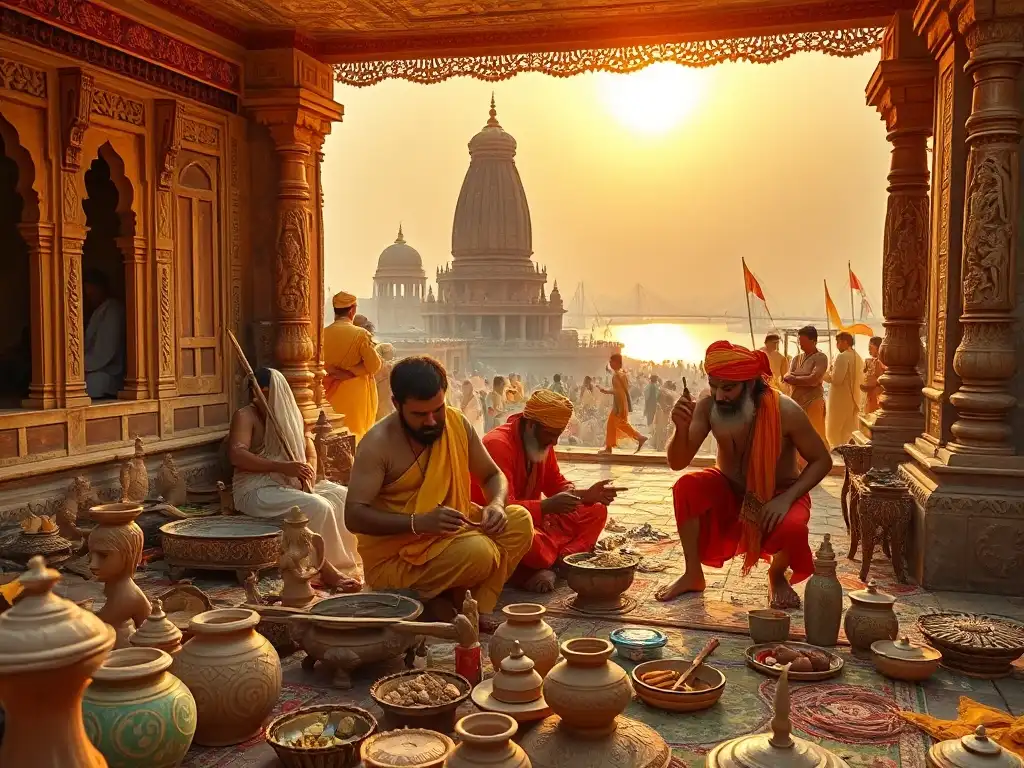
The rich tapestry of ritualistic art in ancient India is not monolithic; rather, it is characterized by a multitude of regional variations that reflect diverse cultural, religious, and social influences. Each region has developed its own unique practices, styles, and themes, often deeply intertwined with local traditions and beliefs. This section explores the distinct forms of ritualistic art found across different regions of India, shedding light on their significance and the practices associated with them.
Ritualistic Art in Northern India
Northern India has a profound legacy of ritualistic art, heavily influenced by Hindu, Buddhist, and Islamic traditions. The region is renowned for its intricate temple architecture, vibrant paintings, and sculptural representations.
- Temples and Architecture: The temples of Northern India, such as those found in Varanasi and Khajuraho, serve as not just places of worship but also as canvases for ritualistic art. The Kandariya Mahadeva Temple in Khajuraho is famous for its erotic sculptures that embody the essence of life and spirituality. These carvings depict various deities and mythological stories, inviting devotees to connect with the divine through visual storytelling.
- Mural Paintings: The Madhubani paintings of Bihar and the Pahari paintings from the Himalayan region also illustrate ritualistic themes. These artworks often depict gods, goddesses, and scenes from Hindu epics, serving as both decorative and devotional elements in homes and temples.
- Festivals and Rituals: Festivals like Navaratri highlight the role of ritualistic art in public celebrations, where vibrant decorations and intricate rangoli designs are created to honor the goddess Durga.
Ritualistic Art in Southern India
Southern India boasts a unique and rich tradition of ritualistic art, characterized by its distinct styles of temple architecture, classical dance forms, and folk art.
- Temple Sculptures: The intricately carved stone sculptures of the Brihadeeswarar Temple in Thanjavur exemplify the grandeur of Dravidian architecture. These sculptures often depict deities and mythological narratives, serving as a medium for storytelling and devotion.
- Classical Dance and Music: Ritualistic art in the South is also expressed through classical dance forms like Bharatanatyam and Kathakali, which incorporate elaborate costumes and make-up, transforming performers into divine entities. Each performance is imbued with spiritual significance, often narrating mythological tales that resonate with audiences.
- Folk Art: The Kolam, a traditional floor art made with rice flour, is created daily in many Southern households as an offering to deities. These patterns not only beautify the space but also serve as a form of worship, connecting the household to the divine.
Unique Practices in Eastern and Western India
The Eastern and Western regions of India exhibit unique ritualistic art practices that reflect their cultural diversity and historical contexts.
- Eastern India: The Pattachitra painting from Odisha is notable for its storytelling abilities, often depicting religious themes and folklore. These scrolls are used in religious rituals and festivals, such as the Rath Yatra, where they play a crucial role in the celebrations.
- Chhau Dance: Originating from Odisha and West Bengal, this dance form combines martial arts and folk traditions with ritualistic elements. The performers wear elaborate masks and costumes, representing various deities, and engage in storytelling through movement.
- Western India: The Warli paintings of Maharashtra, created by tribal communities, depict daily life and nature through simple yet profound motifs. These artworks are often used in rituals during festivals and ceremonies, showcasing a deep connection to nature and spirituality.
- Gujarat’s Folk Art: The Kutch region is famous for its mirror work and embroidery, which are integral to the region’s rituals and festivals. These intricate designs often adorn traditional clothing and household items, bringing vibrancy and a sense of community to celebrations.
The ritualistic art in ancient India is a vivid reflection of the country's diverse cultural heritage. Each region contributes to this rich legacy through its unique practices, styles, and themes, making ritualistic art an essential facet of India's historical identity.
The Role of Ritualistic Art in Religious Practices
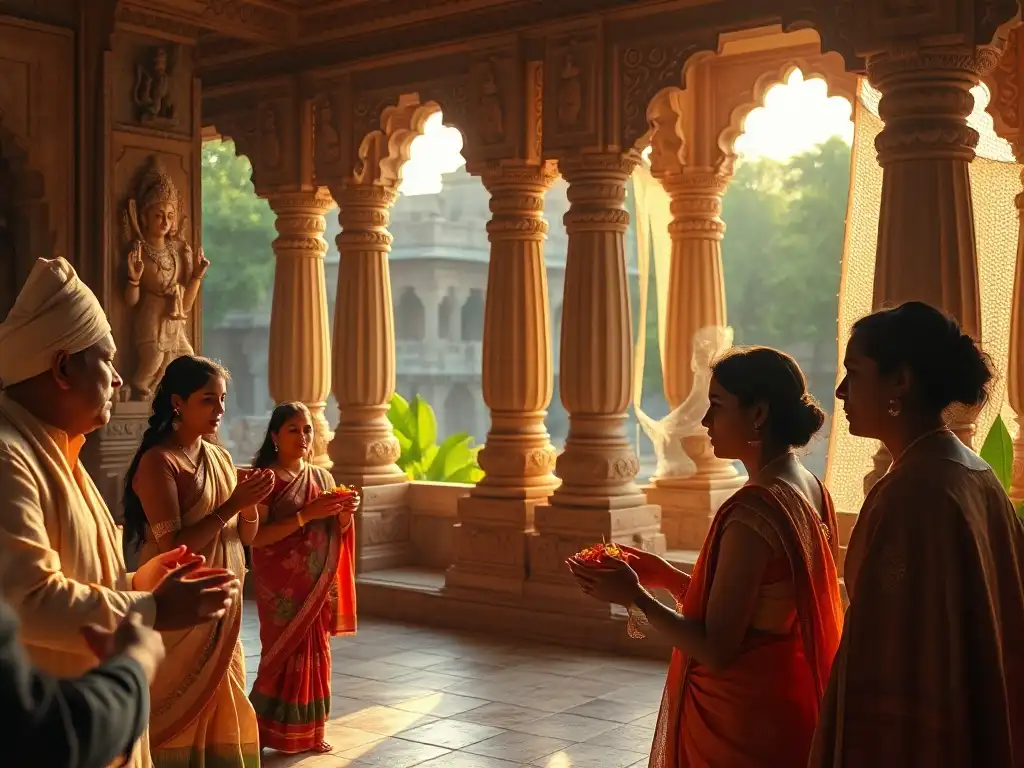
Ritualistic art in ancient India played a vital role in shaping the spiritual landscape and cultural identity of its civilizations. This art form served not just as a means of aesthetic expression but also as a medium for religious and spiritual communication. Each piece of art—be it a sculpture, painting, or any ceremonial artifact—was imbued with profound meanings and was often created with specific intentions related to rituals and worship.
The significance of ritualistic art can be observed across various religions, each embedding unique symbolism and practices into their artistic expressions. These art forms acted as a bridge between the material and spiritual worlds, facilitating the connection between devotees and the divine. Moreover, they often depicted mythological narratives, moral lessons, and cosmic principles, serving educational purposes in addition to their ceremonial roles.
Ritualistic Art in Hinduism
Ritualistic art in Hinduism is rich and multifaceted, deeply rooted in the religion's diverse beliefs and practices. From intricate temple carvings to vibrant paintings, each artwork reflects the core tenets of Hindu philosophy and spirituality.
Key Elements of Hindu Ritualistic Art
- Iconography: The depiction of deities, such as Vishnu, Shiva, and Durga, is central to Hindu art. Each figure is portrayed with specific attributes that convey their divine powers and characteristics.
- Symbolism: Artworks often include symbols like the lotus (purity), swastika (prosperity), and conch shell (the call to arms), which carry significant meanings in rituals.
- Architecture: Temples, adorned with elaborate sculptures and carvings, serve as physical embodiments of cosmic order. The structural design often follows sacred geometry, believed to enhance spiritual energy.
Hindu rituals frequently involve offerings made to these artworks, signifying respect and devotion. Festivals are often marked by the creation of temporary art forms, such as rangoli, which welcomes deities into homes and public spaces.
Influence of Buddhism on Ritualistic Art
Buddhism introduced a unique perspective on ritualistic art, emphasizing simplicity and spiritual enlightenment. The artistic expressions in Buddhism are characterized by their focus on the life of the Buddha and the principles of Dharma.
Characteristics of Buddhist Ritualistic Art
- Stupas and Monasteries: Architectural structures like stupas serve as reliquaries and are often adorned with detailed carvings depicting Jataka tales—stories of the Buddha's previous lives.
- Buddha Images: Statues and images of the Buddha are central in Buddhist rituals, representing the ideal of enlightenment. They are often made from stone, bronze, or clay, and their postures convey specific teachings.
- Mandalas: These intricate designs symbolize the universe, serving as meditation aids. The creation of mandalas is often a ritualistic practice, reflecting spiritual journey and cosmic harmony.
Buddhist art also emphasizes the importance of non-attachment, often eschewing extravagance in favor of serene simplicity, encouraging practitioners to focus on inner peace and mindfulness.
Jain Ritualistic Art and Its Significance
Jain ritualistic art is distinguished by its emphasis on non-violence and truth, reflecting the core values of Jainism. The art form manifests through sculptures, paintings, and manuscripts that convey deep philosophical teachings.
Distinct Aspects of Jain Ritualistic Art
- Tirthankara Images: Jain art primarily revolves around the Tirthankaras, spiritual teachers who guide souls toward liberation. Statues are meticulously crafted, often depicted in meditative poses.
- Illustrated Manuscripts: Textual art, such as the Kalpa Sutra, contains illustrations that narrate the lives of Tirthankaras and convey moral lessons, serving both educational and ritualistic purposes.
- Temple Art: Jain temples are adorned with intricate carvings and frescoes that depict stories from Jain scriptures, often designed to evoke a sense of reverence and contemplation.
Jain ritualistic art underscores the principles of ahimsa (non-violence) and asceticism, encouraging practitioners to engage in spiritual practices that promote inner purity and ethical living.
The exploration of ritualistic art in ancient India reveals a profound intersection between spirituality and creativity. Each religious tradition—Hinduism, Buddhism, and Jainism—contributed unique elements to this rich tapestry of artistic expression, reflecting the diverse beliefs and practices that shaped the cultural heritage of ancient Indian civilizations.
The Contemporary Relevance of Ritualistic Art in Ancient India
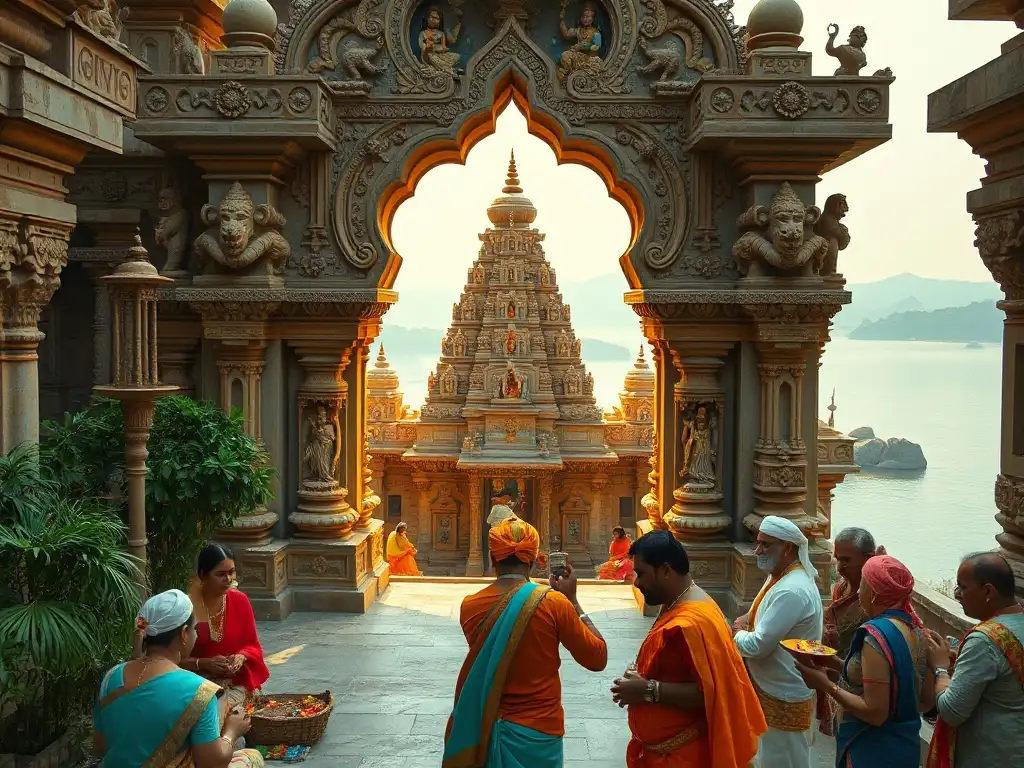
Ritualistic art in ancient India holds a profound significance that transcends time, continuing to influence contemporary practices and artistic expressions. This relevance is evident in various aspects, including cultural identity, spiritual practices, and artistic innovation. The rituals and art forms developed by ancient Indian civilizations were not merely aesthetic; they served as vital components of societal norms, religious beliefs, and communal harmony.
Preservation of Ritualistic Art Forms
The preservation of ritualistic art forms is crucial in maintaining the cultural heritage of India. Various organizations and cultural institutions are dedicated to safeguarding these artistic expressions through:
- Documentation and Research: Scholars are actively engaged in researching and documenting ancient texts, sculptures, and paintings that depict ritualistic practices. This ensures that knowledge about these forms is not lost to time.
- Restoration Initiatives: Many temples and sites with significant ritualistic art have undergone restoration efforts. For instance, the restoration of the Brihadeeswarar Temple in Thanjavur has helped preserve intricate sculptures that represent various deities and rituals.
- Cultural Festivals: Events like the Kumbh Mela and Durga Puja not only celebrate ancient rituals but also showcase the associated art forms, thereby keeping them alive in public consciousness.
- Educational Programs: Institutions are offering courses on traditional arts, educating younger generations about the significance of these forms. This knowledge transfer is essential for sustaining the legacy of ritualistic art in ancient India.
Modern Interpretations of Ancient Ritualistic Art
Modern interpretations of ritualistic art in ancient India showcase a blend of traditional techniques and contemporary sensibilities. Artists today are reinterpreting these ancient forms in innovative ways, reflecting current societal themes while honoring their roots. Key aspects include:
- Fusion of Styles: Many contemporary artists are experimenting with fusion art, combining traditional motifs with modern aesthetics. This approach results in unique pieces that resonate with both ancient and modern audiences.
- Technological Integration: Digital platforms are being used to create art that reflects ancient rituals. Artists employ multimedia installations to engage viewers, bringing ancient practices into the digital age.
- Social Commentary: Artists are using ritualistic themes to comment on contemporary issues such as environmentalism, gender, and identity. This not only revitalizes interest in ancient art forms but also addresses relevant societal concerns.
- Global Influence: As global interest in Indian culture grows, ritualistic art forms are being showcased in international exhibitions. This exposure allows for cross-cultural dialogue and the appreciation of India's rich artistic heritage.
The ongoing evolution and reinterpretation of ritualistic art in ancient India highlight its enduring significance, ensuring that it remains a vital part of cultural discourse in both India and the global artistic landscape.
Conclusion: The Enduring Legacy of Ritualistic Art in Ancient India
Summary of the Significance of Ritualistic Art
Ritualistic art in ancient India holds profound significance, deeply intertwined with cultural, spiritual, and social practices. It served as a medium for expressing devotion and reverence towards deities, often manifesting in various forms such as paintings, sculptures, and dance. The intricate designs and symbolic motifs found in these art forms were not merely for aesthetic appeal; they conveyed profound philosophical and spiritual meanings.
- Spiritual Expression:
- Ritualistic art was a crucial aspect of religious ceremonies. For instance, the vibrant murals of the Ajanta caves depict elaborate narratives from Buddhist texts, reflecting the spiritual journey and teachings of the Buddha.
- The use of sacred symbols, such as the lotus and swastika, in art emphasized purity, prosperity, and auspiciousness, reinforcing the connection between the divine and the earthly.
- Cultural Identity:
- Ritualistic art played a significant role in preserving cultural identity among various regions and communities. Each art form, whether it be the intricate wood carvings of Kerala or the colorful folk paintings of Madhya Pradesh, encapsulates unique traditions and stories.
- Festivals like Diwali and Durga Puja prominently feature ritualistic art, showcasing the community's shared values and beliefs, thus fostering a sense of unity and belonging.
- Historical Documentation:
- These art forms serve as historical records, offering insights into the socio-political, economic, and religious contexts of ancient India. The sculptures at Khajuraho, for example, provide a glimpse into the daily life and values of the Chandela dynasty, illustrating the importance of eroticism and spirituality in their culture.
In essence, ritualistic art is not just an artistic endeavor; it is a living testament to the values, beliefs, and philosophies of ancient Indian civilizations, echoing through time and continuing to inspire contemporary practices.
Future Perspectives on Ritualistic Art and Cultural Heritage
As we move forward, the understanding and appreciation of ritualistic art in ancient India are poised to evolve, influenced by modern contexts and global perspectives. There are several key areas where future developments can be anticipated:
- Revival and Preservation Efforts:
- Increased awareness about the importance of preserving traditional art forms is leading to various initiatives aimed at revitalizing ancient practices. Organizations are working towards documenting and archiving these art forms, ensuring that they are not lost to time.
- Workshops and training programs for artisans and the younger generation can help keep these traditions alive. For instance, initiatives focusing on Madhubani painting and Warli art are gaining traction, encouraging artisans to share their skills.
- Integration with Contemporary Art:
- The fusion of ritualistic art with contemporary artistic expressions is an exciting trend. Artists today are incorporating traditional motifs into modern media, creating hybrid forms that resonate with both ancient and modern audiences.
- Collaborations between traditional artisans and contemporary designers can lead to innovative products, such as fashion and home decor, that celebrate India's rich heritage while catering to current market demands.
- Cultural Tourism:
- The growing interest in cultural tourism presents opportunities for ritualistic art to gain global recognition. By promoting art forms through festivals and exhibitions, ancient Indian art can attract tourists, enhancing cultural exchange and understanding.
- Educational programs and guided tours centered around ritualistic art can provide immersive experiences, allowing visitors to engage deeply with the culture and its artistic expressions.
The future of ritualistic art in ancient India is promising, marked by revival, integration, and cultural appreciation. By valuing and promoting these art forms, we not only preserve our heritage but also enrich our contemporary cultural narrative, ensuring that the legacy of ancient Indian civilization continues to inspire generations to come.
Frequently Asked Questions
What is ritualistic art in ancient India?
Ritualistic art in ancient India refers to artistic expressions created for religious and ceremonial purposes, often associated with various deities and spiritual practices.
How did ritualistic art influence Indian culture?
Ritualistic art played a crucial role in shaping cultural identity and traditions, serving as a medium for spiritual communication and community bonding throughout ancient Indian civilizations.
What are some examples of ritualistic art forms found in ancient India?
Examples include sculptures, paintings, and temple carvings that depict deities, mythological scenes, and ritual practices, particularly seen in sites like the Indus Valley and Gupta Empire.
How did ritualistic practices evolve over time in ancient India?
Over centuries, ritualistic practices adapted to changing philosophical beliefs, regional influences, and the emergence of various religious sects, reflecting the dynamic nature of Indian spirituality.
Why is the study of ritualistic art important today?
Studying ritualistic art provides insights into ancient Indian society, values, and religious beliefs, helping us understand the cultural heritage and its relevance in today's world.
Final Reflection: The Enduring Legacy of Ritualistic Art in Ancient India
Ritualistic art in ancient India remains a profound testament to the cultural and spiritual fabric of society today. As we navigate a world increasingly detached from traditional practices, the significance of these art forms serves as a reminder of our collective heritage and the values that once shaped our communities. The intricate rituals and artistic expressions of ancient India not only reflect the beliefs and customs of the time but also continue to resonate with contemporary audiences, urging us to reconnect with our roots.
The influence of ritualistic art in ancient India transcends mere aesthetics; it is a living legacy that informs our understanding of identity, spirituality, and community. From the vibrant murals of temple walls to the delicate sculptures adorning sacred spaces, these art forms encapsulate the essence of devotion and the human experience. As noted by art historian Dr. Vidya Dehejia, The art of ancient India is not just a reflection of the past; it is a dialogue with the present, inviting us to explore the depths of our cultural consciousness.
As we reflect on the lessons embedded within these ritualistic practices, I invite you to consider how you can incorporate the spirit of these ancient traditions into your own life. Take a moment to explore your own rituals, whether they are artistic, spiritual, or communal, and recognize their power to foster connection and meaning. By embracing the wisdom of our ancestors, we can cultivate a deeper appreciation for the art that surrounds us and ensure that the significance of ritualistic art in ancient India continues to inspire future generations.
Unveil the Ancient Wisdom: Connect with Ritualistic Art Forms Today!
Thank you for exploring the fascinating world of ritualistic art forms in ancient India! We hope this article has enriched your understanding of their significance and practices. Now, it’s time to take action and delve deeper into these cultural treasures.
Here are some engaging steps you can take:
- Dive deeper: Visit a local museum or cultural center to experience ancient Indian art firsthand.
- Share your insights: Discuss what you learned with friends or on social media to raise awareness about these rich traditions.
- Join a workshop: Look for classes or online courses that teach traditional Indian art forms, allowing you to immerse yourself in creativity and culture!
Which aspect of ritualistic art are you most excited to explore further, and how do you believe it can influence modern society?