
The Role of Artisans in Bridging Cultural Gaps in Ancient India

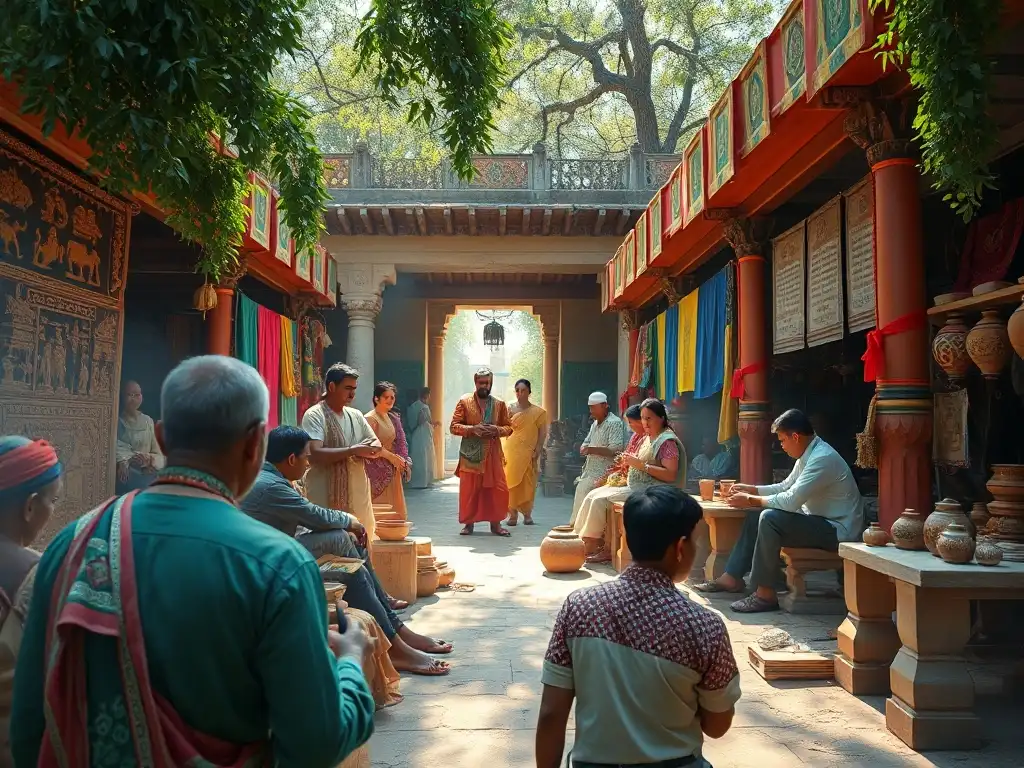
Welcome to Ancient India History, where we delve into the vibrant tapestry of India’s past! Discover how artisans in ancient India played a pivotal role in shaping cultural exchanges and bridging gaps between diverse civilizations. From the intricate designs of the Indus Valley to the artistic innovations of the Gupta Empire, these skilled craftsmen not only contributed to the economy but also enriched the cultural landscape of their time.
Join us as we unravel the fascinating stories behind their craft and influence, inviting you to explore the profound impact of these artisans on the heritage we cherish today. Dive in and uncover the secrets waiting within!
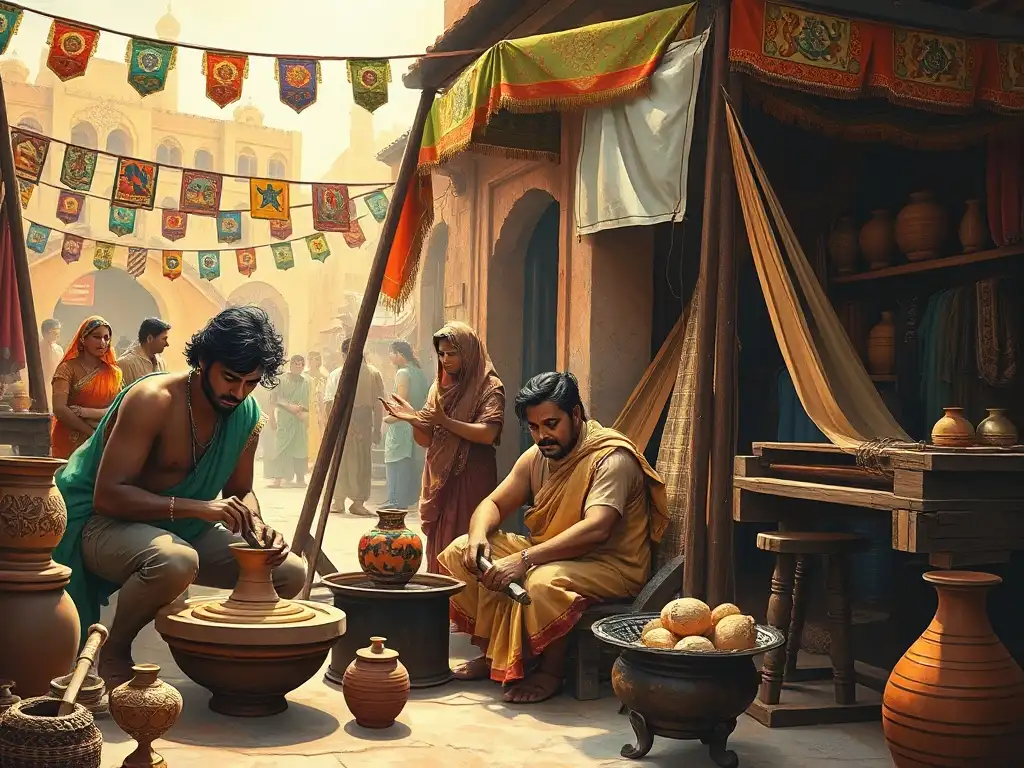
Introduction to Artisans in Ancient India
Artisans in ancient India played a pivotal role in shaping the cultural landscape of the subcontinent. Their skills and craftsmanship not only contributed to the economic vitality of their communities but also served as a vital link in bridging cultural gaps among various civilizations.
From the intricate beadwork of the Indus Valley Civilization to the exquisite sculptures of the Gupta Empire, artisans were instrumental in the expression of art and culture that transcended regional boundaries. Their work fostered a rich interplay of ideas, techniques, and styles that enriched the collective heritage of ancient India, making it a significant contributor to global cultural exchanges.
Overview of the Role of Artisans
Artisans were the backbone of ancient Indian society, engaged in various crafts such as pottery, weaving, metallurgy, and stone carving. They not only produced goods for daily use but also created objects of beauty that held significant cultural and religious meaning. The diversity of their crafts reflected the complex social fabric of ancient India, where artisans often collaborated with priests, merchants, and rulers, leading to a vibrant exchange of ideas and techniques.
- Crafts and Specializations:
- Potters
- Weavers
- Blacksmiths
- Stone masons
- Jewelers
Artisans' work was often influenced by the prevailing socio-political context, leading to the adoption of new materials and methods that enhanced their craftsmanship. This adaptability allowed them to innovate while maintaining traditional practices, showcasing the resilience and creativity of these skilled individuals.
Importance of Artisans in Cultural Exchanges
The significance of artisans transcends mere craftsmanship; they were essential mediators in the cultural exchanges between different regions and communities. As communities interacted through trade, migration, and conquests, artisans absorbed and integrated diverse influences into their work. This process of cultural syncretism not only enriched local traditions but also facilitated the sharing of knowledge and techniques across vast distances.
- Cultural Syncretism:
- Adoption of foreign motifs and styles
- Influence of trade routes on artistic expression
- Collaborative projects among different cultural groups
Artisans not only disseminated local customs but also adapted their practices to incorporate foreign elements, which subsequently influenced the broader cultural dialogue. This dynamic interaction resulted in a unique blend of artistic expressions that continues to be celebrated in modern interpretations of ancient Indian art.
Historical Context of Artisans in Ancient India
To fully appreciate the role of artisans in ancient India, it is essential to understand the historical context in which they operated. Various civilizations flourished across the subcontinent, each contributing to the rich tapestry of craftsmanship that defined ancient Indian art and culture.
Timeline of Artisan Contributions in Indian History
- Indus Valley Civilization (c. 3300–1300 BCE)
- Renowned for advanced metallurgy, pottery, and beadwork.
- Vedic Period (c. 1500–500 BCE)
- Emergence of textiles and ritualistic craftsmanship.
- Maurya Empire (c. 322–185 BCE)
- Flourishing of sculpture and architecture; spread of Buddhist art.
- Gupta Empire (c. 240–550 CE)
- Golden age for arts; intricate temple sculptures and paintings.
This timeline illustrates the evolution of artisan contributions through various epochs, highlighting how each civilization left an indelible mark on the artistic legacy of ancient India.
Key Civilizations and Their Artisans
- Indus Valley Civilization:
- Known for their pottery and terracotta figurines, showcasing advanced artistic techniques.
- Maurya Empire:
- Artisans contributed to monumental architecture, including the famous Ashoka Pillars and stupas.
- Gupta Empire:
- Artists produced exquisite temple carvings and frescoes that depicted religious narratives, reflecting the synthesis of cultural influences.
The artisans of these civilizations not only created functional objects but also crafted items imbued with meaning, serving as a testament to the cultural and spiritual beliefs of their time. Through their work, they established connections that fostered understanding and collaboration among diverse communities, making them key players in the narrative of ancient India's rich cultural history.
Types of Artisans and Their Specializations
Artisans in ancient India played a critical role in the cultural landscape, creating goods that were not only functional but also rich in artistic expression. Their craftsmanship was often tied to regional identities and traditions, reflecting the diverse cultures present in the subcontinent. The main types of artisans included weavers, potters, metalworkers, and sculptors, each contributing uniquely to the cultural tapestry of ancient India.
Weavers and Textile Artisans
Weavers and textile artisans were among the most significant contributors to ancient Indian culture. They produced a variety of textiles, including cotton and silk fabrics, which were highly valued both domestically and in trade. The intricate techniques of weaving, including the use of dyeing and embroidery, showcased regional aesthetics and storytelling.
- Regional Variations: Different regions specialized in particular weaving techniques. For example, the famous Banarasi silk sarees from Varanasi and the intricate Ikat patterns from Odisha highlighted the unique artistic heritage of these locales.
- Cultural Significance: Textiles often held symbolic meanings, associated with social status, festivals, and rituals. The vibrant colors and patterns created by artisans played a crucial role in cultural expressions during ceremonies and daily life.
Potters and Their Cultural Significance
Pottery artisans were essential in ancient India, crafting utilitarian and ceremonial vessels that reflected the cultural practices of their communities. Pottery techniques varied across regions, with distinct styles emerging over time.
- Functional and Artistic: While many pots served practical purposes for storage and cooking, others were adorned with artistic designs, showcasing the potter's skill and creativity.
- Cultural Identity: Pottery styles, such as the painted pottery of the Indus Valley Civilization, provided insights into the societal norms and beliefs of the time. These artifacts continue to be a source of archaeological and cultural interest.
Metalworkers and Their Impact on Society
Metalworkers were pivotal in ancient Indian society, producing tools, weapons, and decorative items from various metals, including bronze, copper, and iron. Their expertise not only facilitated daily life but also contributed to advancements in technology and art.
- Craftsmanship: The creation of intricate jewelry and functional objects demonstrated the high level of skill possessed by metalworkers. Techniques like lost-wax casting allowed for the production of detailed sculptures and artifacts.
- Economic Influence: Metalworking stimulated trade, as metal goods were highly sought after both locally and internationally. The exchange of metal goods played a role in connecting different cultures and facilitating economic interactions.
Sculptors and Stone Carvers
Sculptors and stone carvers were responsible for creating some of the most enduring artistic legacies of ancient India. Their work included temples, monuments, and intricate sculptures that depicted deities, mythological scenes, and everyday life.
- Artistic Techniques: Various stone-carving techniques, such as chisel and hammer methods, allowed artisans to produce detailed and expressive works.
- Cultural Reflection: Sculptures often reflected the prevailing religious beliefs and social structures, serving as a medium for storytelling and cultural preservation. The grandeur of temples like those at Khajuraho exemplifies the spiritual and artistic achievements of ancient Indian sculptors.
Artisans as Cultural Mediators
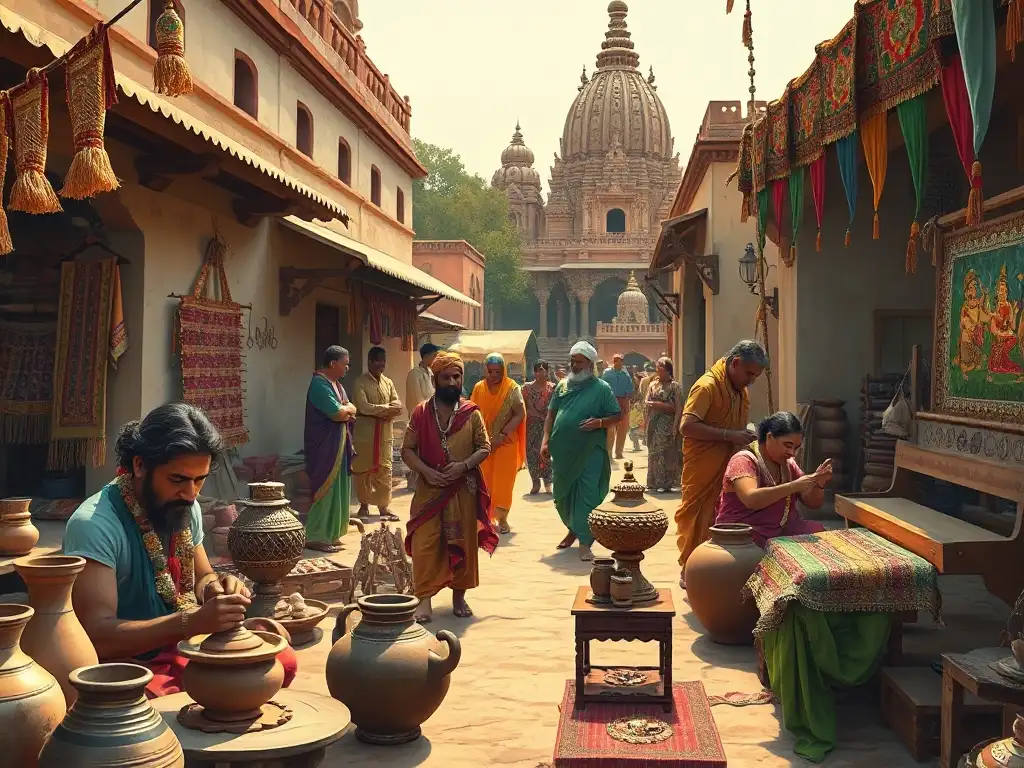
Artisans served as cultural mediators, facilitating interactions among different groups and regions through their crafts. They played a vital role in the exchange of ideas, techniques, and artistic styles, contributing to a rich tapestry of cultural syncretism.
The Role of Artisans in Cultural Syncretism
Artisans were instrumental in promoting cultural syncretism by integrating various artistic influences into their work. As traders and travelers moved across regions, artisans absorbed different styles and techniques, creating hybrid forms of art that reflected a blend of traditions.
- Fusion of Styles: The incorporation of motifs and designs from diverse cultures led to the emergence of new art forms. For instance, the Indo-Islamic architectural style represented a fusion of Hindu and Islamic artistic elements.
- Social Dynamics: Artisans often participated in local and regional fairs, enabling them to share and exchange ideas, thus fostering cultural dialogue and understanding among disparate communities.
Case Studies of Artisans Bridging Cultural Gaps
Several historical instances illustrate how artisans acted as bridges between cultures.
- The Ajanta Caves: The frescoes and sculptures at Ajanta represent a confluence of Buddhist and indigenous styles, showcasing how artisans adapted and integrated various influences into their work.
- Kanchipuram Weavers: The silk weavers of Kanchipuram embraced designs that reflected both regional traditions and broader cultural influences, allowing them to cater to diverse markets while preserving their unique identity.
Examples of Artistic Influences Across Regions
Artisans in ancient India often drew inspiration from diverse cultures, creating artworks that reflected a variety of influences.
- Trade Networks: The Silk Road and maritime routes facilitated the exchange of artistic ideas. For example, the designs found in ancient punch-mark coins reveal motifs that were influenced by Hellenistic and Persian art.
- Cross-Cultural Interactions: The introduction of new materials and techniques, such as glazed pottery from Persian influences, enriched local crafts and led to innovations in artistry.
Artisans in ancient India not only contributed to the economy through their crafts but also played a crucial role in bridging cultural gaps, fostering an environment of artistic and cultural syncretism that shaped the rich heritage of the region.
The Influence of Trade on Artisan Practices
Artisans in ancient India played a pivotal role in the cultural and economic landscape, particularly influenced by the extensive trade networks that connected various regions. These trade routes not only facilitated the exchange of goods but also enabled the sharing of ideas, techniques, and artistic styles. As artisans engaged with foreign traders, they adapted their practices, incorporating diverse influences into their craft. This fusion of styles led to the evolution of unique artistic expressions that reflected both local traditions and external inspirations.
The impact of trade on artisan practices can be observed in the way artisans specialized in specific crafts, catering to the demands of various markets. For instance, the production of textiles, pottery, and metalwork was often influenced by the preferences of traders from different cultures. This specialization not only enhanced the skill sets of artisans but also allowed them to innovate and experiment, leading to advancements in techniques and materials used in their crafts.
Trade Routes and Their Impact on Artisan Skills
The ancient Silk Route and maritime trade routes were instrumental in shaping the artisan skills of Indian craftsmen. These routes connected India with distant cultures, including those of the Middle East, Southeast Asia, and beyond. As a result, artisans were exposed to new materials such as silk, spices, and precious metals, which they incorporated into their work.
For example, the introduction of Persian motifs into Indian textile designs occurred through trade interactions. Artisans learned new weaving techniques and patterns that enriched the local textile industry. Similarly, the exchange of pottery styles between Indian and Arab artisans led to the creation of distinctive ceramic forms that combined local aesthetics with foreign elements. This dynamic interaction along trade routes ensured that artisans continually honed their skills, adapting to new trends and demands.
Cultural Exchange through Trade: A Historical Perspective
Historically, trade has been a significant catalyst for cultural exchange. In ancient India, this exchange was not merely economic but profoundly cultural. Artisans were at the forefront of this interaction, facilitating the blending of artistic traditions. For instance, the influence of Hellenistic art on Indian sculpture during the Mauryan period exemplifies this cultural syncretism.
The vibrant markets of ancient cities like Taxila and Pataliputra served as melting pots where artisans from various backgrounds shared techniques and ideas. This cultural exchange was also evident in the spread of motifs, styles, and iconography across regions. The incorporation of Buddhist art forms in the sculptures of South India or the adaptation of Hindu iconography in Southeast Asian temples illustrates the far-reaching impact of trade on artisan practices and cultural dialogues.
Preservation of Cultural Heritage through Artisans
Artisans not only contributed to the cultural landscape of ancient India but also served as vital custodians of its cultural heritage. Through their craftsmanship, they preserved and transmitted traditional skills, stories, and values that defined various communities. This preservation was especially significant in a time of constant change due to invasions, migrations, and cultural exchanges.
Artisans employed traditional methods, often passed down through generations, to create works that reflected their cultural identity. This continuity ensured that unique regional styles and practices remained alive, providing a sense of belonging and pride to communities. Artisans were instrumental in safeguarding the rich tapestry of India's cultural heritage, ensuring that it thrived amidst the evolving influences around them.
Artisans as Custodians of Cultural Traditions
As custodians of cultural traditions, artisans played a crucial role in maintaining the essence of ancient Indian culture. They engaged in practices that were steeped in ritual and symbolism, ensuring that the cultural narratives of their communities were preserved in tangible forms. For example, the intricate woodwork and metalcraft produced by artisans often depicted mythological stories and local legends, thereby embedding cultural values into their work.
Moreover, artisans were responsible for creating ceremonial objects that were essential for religious and cultural rituals. These items, ranging from temple sculptures to ceremonial masks, were not only functional but also served as expressions of the community's spiritual beliefs. By continuing to create these culturally significant artifacts, artisans ensured that their traditions remained vibrant and relevant, even as societies evolved.
The Role of Artisans in Maintaining Regional Identities
Artisans significantly contributed to the maintenance of regional identities in ancient India. The distinct styles of crafts produced in various regions—such as the blue pottery of Jaipur or the intricate shawls of Kashmir—became emblematic of their respective cultures. This regional craftsmanship not only showcased the diversity within India but also fostered a sense of pride among local populations.
As artisans adapted their crafts to reflect local aesthetics and cultural narratives, they reinforced regional identities that were often shaped by geography, history, and community values. The unique skills and techniques developed by artisans in specific locales became a source of cultural pride, helping to distinguish one region from another. This dynamic interplay between artisan practices and regional identity was crucial in fostering a rich cultural mosaic that characterized ancient India, ensuring that each community's legacy endured through time.
Challenges Faced by Artisans in Ancient India
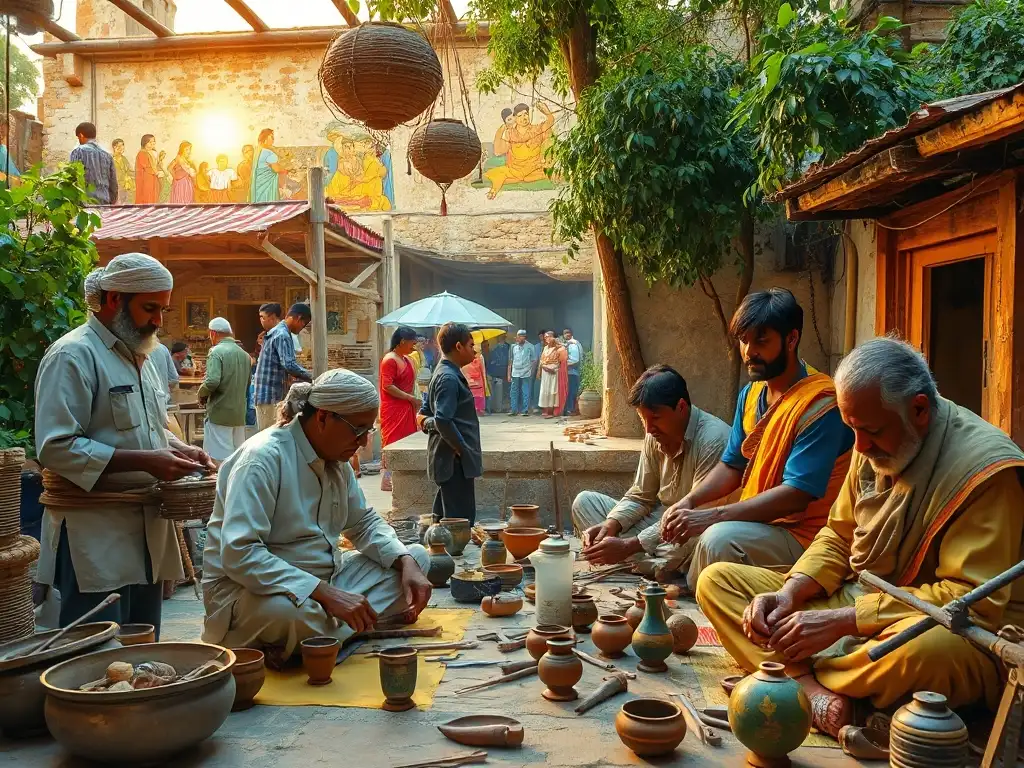
Artisans in ancient India played a crucial role in cultural exchanges and the development of regional identities. However, they faced numerous challenges that hindered their ability to thrive and contribute fully to society. These challenges were multifaceted, encompassing socio-economic factors, political changes, and cultural dynamics.
Socio-economic Factors Affecting Artisans
The socio-economic landscape in ancient India significantly influenced the lives of artisans. Many artisans belonged to specific castes or communities, often limiting their opportunities and access to resources.
- Caste System: The rigid caste structure often dictated the professions allowed to individuals, placing artisans in lower socio-economic strata. This stratification restricted their mobility and access to wealth.
- Resource Accessibility: Artisans frequently struggled with inadequate access to raw materials needed for their crafts. Whether it was precious metals for jewelry or quality wood for sculptures, limitations in resource availability affected their production capacity.
- Market Dynamics: The fluctuating demand for artisan goods, influenced by trade routes and changing consumer preferences, created economic instability. Many artisans relied on local markets, which could be unpredictable and insufficient for sustaining a livelihood.
These socio-economic factors created a challenging environment for artisans, often impeding their ability to innovate and flourish.
The Impact of Political Changes on Artisan Communities
Political shifts throughout ancient Indian history greatly affected artisan communities. Various dynasties, including the Mauryas and the Guptas, influenced artisan practices and their societal roles.
- Royal Patronage: Artisans often thrived under supportive rulers who recognized the importance of their crafts. For instance, during the Gupta Empire, the promotion of art and architecture provided artisans with opportunities for employment and creative expression.
- Wars and Conflict: Conversely, periods of conflict and instability could devastate artisan communities. For example, invasions or internal strife often disrupted trade routes, leading to economic decline and loss of patronage.
- Cultural Policies: Political leaders sometimes imposed cultural policies that favored specific artistic styles or practices, which could marginalize certain artisan groups. Changes in aesthetic preferences could render some crafts obsolete, leaving artisans struggling to adapt.
These political dynamics shaped the artisan landscape, influencing not only their livelihoods but also the cultural products they produced.
Conclusion: The Lasting Legacy of Artisans in Ancient India
Artisans in ancient India were not merely craftsmen; they were vital players in the cultural tapestry of their time, bridging gaps between various communities and fostering a shared identity. Their contributions resonate through history, leaving an enduring legacy that shapes contemporary culture.
Summary of the Role of Artisans in Cultural Integration
Through their craftsmanship, artisans facilitated cultural integration by blending different artistic traditions and practices. Their work often reflected a synthesis of influences from various regions and communities, promoting an exchange of ideas and techniques.
- Artistic Syncretism: Artisans skillfully incorporated elements from foreign cultures, leading to unique art forms that represented a confluence of traditions.
- Community Interaction: By participating in local markets and fairs, artisans fostered interaction between diverse groups, encouraging dialogue and understanding.
This cultural integration was essential in shaping the identity of ancient Indian society, demonstrating the crucial role artisans played in enriching their communities.
The Enduring Influence of Ancient Indian Artisans on Modern Culture
The impact of ancient Indian artisans extends far beyond their era, influencing modern culture in numerous ways.
- Artistic Techniques: Many traditional crafting techniques, such as pottery, weaving, and metalwork, have persisted through generations, maintaining their relevance in contemporary art and craft.
- Cultural Heritage: The legacy of artisans is evident in modern Indian art, which often draws inspiration from ancient styles and motifs. Festivals celebrating traditional crafts continue to highlight the importance of artisans in contemporary society.
- Economic Contributions: Today, artisans remain vital to India’s economy, contributing to local and global markets while preserving cultural heritage.
The rich legacy of artisans in ancient India continues to inspire and shape modern culture, affirming their critical role in the historical narrative of artistic and cultural syncretism.
References
The study of artisans in ancient India reveals a rich tapestry of cultural exchanges and artistic practices that shaped the subcontinent's history. Various scholarly works and archaeological studies have contributed significantly to our understanding of the roles artisans played in bridging cultural gaps. Below are some key references that provide deeper insights into this fascinating subject.
Suggested Readings on Artisans in Ancient India
- "Crafting the Past: Artisans, Trade, and Cultural Exchange in Ancient India" by R. Sharma
- This book explores the intricate relationship between artisans and trade networks, emphasizing how these connections facilitated cultural syncretism across ancient Indian civilizations.
- "Artisans and the Art of Living: The Role of Craft in Ancient Indian Society" by P. Gupta
- Gupta examines the social status and living conditions of artisans, illustrating their vital role in both local economies and broader cultural exchanges.
- "The Indus Valley Civilization: A Study of Artisanship" by S. Kumar
- This work delves into the sophisticated craftsmanship of the Indus Valley civilizations, highlighting the technological innovations and artistic expressions of its artisans.
- "Cultural Syncretism in Ancient India: A Historical Perspective" edited by M. Nanda
- A collection of essays that analyze various aspects of cultural syncretism, including the contributions of artisans in the blending of different artistic styles and practices.
- "The Gupta Empire: Art, Culture, and Society" by V. Desai
- Desai's book focuses on the artistic achievements during the Gupta period, particularly the role played by artisans in creating a unique cultural identity.
Relevant Archaeological Findings and Artifacts
Archaeological discoveries have provided invaluable insights into the lives and works of artisans in ancient India. Some notable findings include:
- Bead-making Workshops at Harappa: Excavations at Harappa revealed specialized workshops where artisans crafted intricate beads from semi-precious stones. These workshops demonstrate advanced techniques and trade connections with other regions.
- Terracotta Figurines: Numerous terracotta figurines unearthed from sites like Mohenjo-Daro showcase the artistic skills of ancient Indian artisans. These artifacts reflect the cultural practices and beliefs of the time, indicating a rich artistic heritage.
- Pottery from the Painted Grey Ware Culture: The discovery of pottery decorated with geometric designs and floral patterns illustrates the craftsmanship of artisans during the early historical period. Such pottery not only served functional purposes but also played a role in cultural expression.
- Metalwork from the Mauryan Empire: Artifacts such as coins and metal tools from the Mauryan period highlight the advanced metallurgical skills of artisans. The craftsmanship in these items indicates a high level of artistry and technical knowledge.
- Sculptures from the Gupta Period: The exquisite stone sculptures found in temples from the Gupta era exemplify the peak of artistic achievement. These works often depict religious themes, showcasing the blend of artistry and spirituality that characterized the time.
These readings and findings reflect the significant contributions of artisans in ancient India, illustrating their essential role in fostering cultural exchanges and bridging gaps between diverse communities.
- Introduction to Artisans in Ancient India
- Historical Context of Artisans in Ancient India
- Types of Artisans and Their Specializations
- Artisans as Cultural Mediators
- The Influence of Trade on Artisan Practices
- Preservation of Cultural Heritage through Artisans
- Challenges Faced by Artisans in Ancient India
- Conclusion: The Lasting Legacy of Artisans in Ancient India
- References
- What was the significance of artisans in ancient India?
- How did artisans contribute to the economy of ancient India?
- What skills did artisans in ancient India possess?
- How did artisans help in cultural exchanges in ancient India?
- What were some notable contributions of artisans during the Gupta Empire?
Frequently Asked Questions
What was the significance of artisans in ancient India?
Artisans played a crucial role in ancient Indian society by creating artistic and functional products that reflected cultural values and facilitated trade among diverse communities.
How did artisans contribute to the economy of ancient India?
Artisans were integral to the economic framework, producing goods that supported local markets and international trade, ultimately enhancing the wealth and prosperity of ancient civilizations.
What skills did artisans in ancient India possess?
Artisans mastered various crafts and techniques, including pottery, weaving, metallurgy, and stone carving, which showcased their expertise and contributed to the rich cultural heritage of the time.
How did artisans help in cultural exchanges in ancient India?
By producing items that were traded across regions, artisans acted as cultural bridges, promoting the exchange of ideas, techniques, and traditions among different communities, thus enriching the cultural tapestry of ancient India.
What were some notable contributions of artisans during the Gupta Empire?
During the Gupta Empire, artisans excelled in creating intricate sculptures and textiles, which not only showcased their craftsmanship but also played a pivotal role in the artistic development of Indian civilization during this golden age.
Final Reflection: The Enduring Legacy of Artisans in Ancient India
The role of artisans in ancient India serves as a powerful reminder of how creativity and craftsmanship can transcend cultural boundaries. In a world increasingly defined by division, the ability of artisans to weave together diverse traditions and practices highlights the importance of cultural exchange. Their work not only enriched their immediate communities but also laid the groundwork for a shared heritage that continues to resonate today. The legacy of these skilled individuals is a testament to the profound impact that art and craftsmanship can have on fostering understanding and unity among different cultures.
Artisans in ancient India were not merely creators; they were the custodians of cultural narratives and symbols that shaped societal identity. Their contributions have left an indelible mark on the social fabric, influencing everything from architecture to textiles. As we look around us, we can see how their spirit lives on in contemporary art forms, reminding us of the interconnectedness of our histories. Art is the most beautiful of all lies,
said Claude Debussy, and indeed, the artisans of ancient India crafted not just objects, but stories that continue to inspire and connect us across time and space.
As we reflect on the lessons from the artisans of ancient India, let us embrace the call to celebrate our own cultural narratives and those of others. Consider how you can contribute to bridging cultural gaps in your own life—through art, dialogue, or community engagement. By honoring the legacy of these artisans, we can cultivate a deeper appreciation for the richness of our shared human experience and work towards a more harmonious future.
Thank you for immersing yourself in the captivating world of ancient artisans and their crucial role in connecting diverse cultures across India. You've discovered how these talented creators shaped societies, fostered connections, and enriched our heritage. Now, it’s time to take action and become an integral part of this ongoing legacy!
Here are some meaningful ways you can engage with this vibrant history:
- Explore local arts and crafts: Visit nearby artisan markets or workshops to experience these traditions firsthand. Your support is essential in keeping these rich cultural practices alive!
- Share your insights: Discuss what you’ve learned with friends or on social media using the hashtag #AncientArtisans. Spread awareness about the significant impact artisans have had throughout history!
- Dive deeper into cultural heritage: Consider reading more about the contributions of artisans from various regions of India or participating in online communities that celebrate and share cultural history.
What aspect of ancient artisan culture inspires you the most, and how will you incorporate it into your own life or community?