
Understanding the Influence of Persian Architecture on Mughal Structures

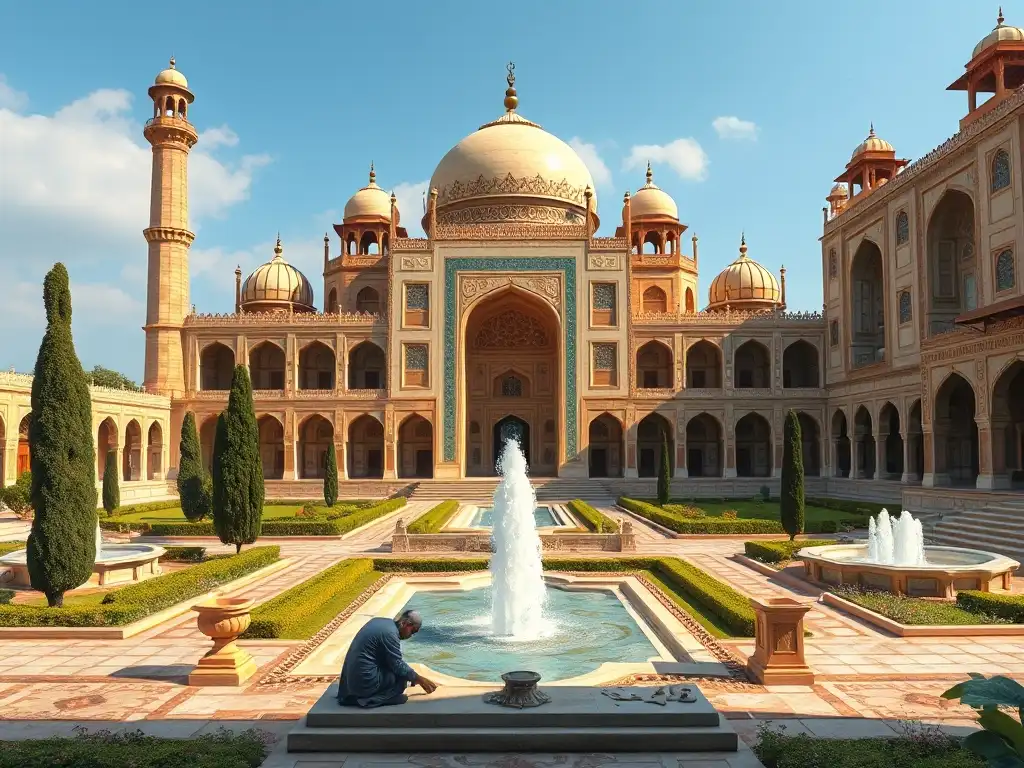
Welcome to Ancient India History, where we embark on a captivating journey through the multifaceted tapestry of ancient Indian civilizations. Dive deep into the rich cultural legacy that shaped not only India but the world, from the Indus Valley to the Gupta Empire. In this exploration, we unravel the fascinating Persian influence on Mughal architecture, a topic that reveals the intricate blend of styles and ideas that defined an era. Prepare to be intrigued as we guide you through the stunning structures that tell stories of artistry, innovation, and cultural exchange. Let's uncover the layers of history that await!
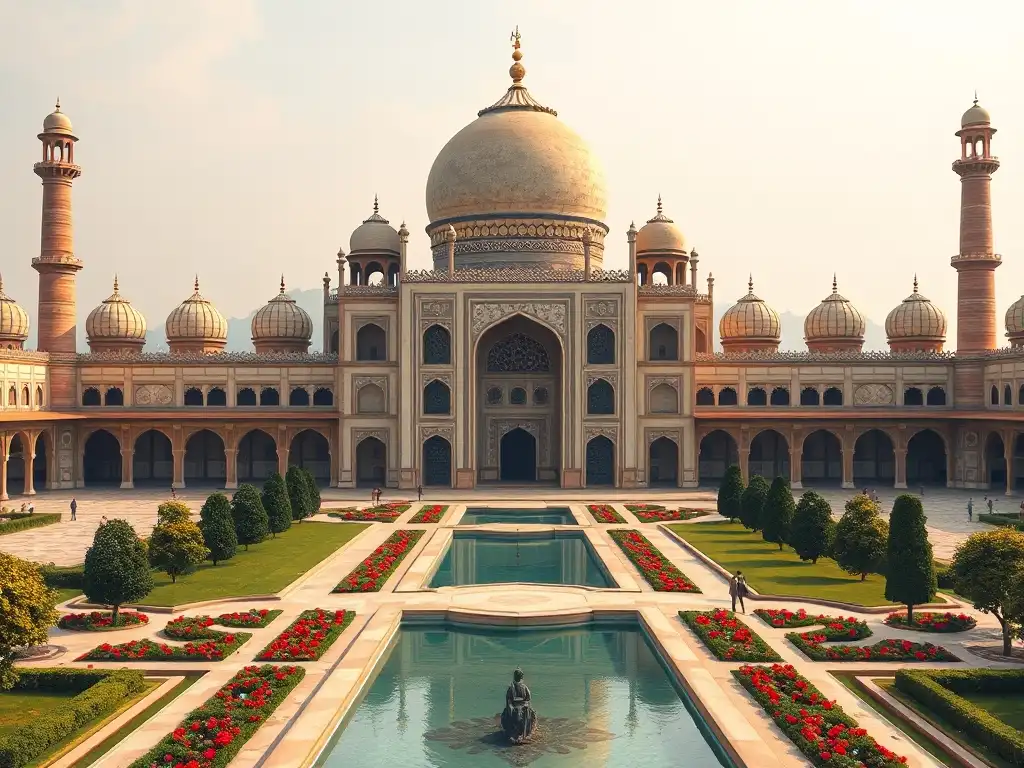
Introduction to Persian Influence on Mughal Architecture
The interplay between Persian architecture and Mughal structures represents a fascinating chapter in the annals of ancient Indian history. As the Mughal Empire flourished in the Indian subcontinent from the early 16th to the 19th century, it was profoundly influenced by the rich architectural traditions of Persia. This influence is evident in the grandeur, intricacy, and aesthetic principles that define Mughal architecture.
From the majestic Taj Mahal to the intricate details of Humayun's Tomb, the Persian impact is not only significant but also transformative, marking a unique blend of cultures that shaped the architectural landscape of India. Understanding this influence provides insight into the broader historical and cultural exchanges that occurred between these two influential civilizations.
Overview of Persian Architecture
Persian architecture, characterized by its ornate designs, intricate tile work, and monumental structures, has its roots in the ancient empires of Persia. The architectural style evolved over centuries, particularly during the Achaemenid, Sassanian, and Safavid dynasties. Key features included:
- Grand Palaces: Structures like Persepolis showcased vast ceremonial spaces adorned with columned halls and elaborate reliefs.
- Mosques: The use of iwan (vaulted halls) and stunning minarets became prominent, often decorated with vibrant mosaics.
- Gardens: Persian gardens, or paradise gardens, emphasized symmetry and were designed to reflect the beauty of nature.
This architectural heritage laid the groundwork for the Mughal Empire, which would integrate these elements while also infusing its unique style.
Historical Context of the Mughal Empire
The Mughal Empire emerged in the early 16th century, founded by Babur after his victory in the Battle of Panipat. This empire not only consolidated power but also became a melting pot of cultures, particularly with the influx of Persian influences due to political alliances and cultural exchanges. The reigns of notable emperors such as Akbar, Jahangir, and Shah Jahan were marked by a significant investment in architecture.
These rulers were deeply inspired by Persian aesthetics, which they sought to incorporate into their building projects. As a result, Mughal architecture became a synthesis of Islamic, Persian, and indigenous Indian styles, characterized by:
- Innovative Planning: The urban designs often included meticulously planned layouts with emphasis on symmetry.
- Cultural Exchange: The Mughal court attracted Persian artisans and architects, further embedding Persian styles into the Mughal architectural vocabulary.
Key Features of Persian Architecture
To understand the Persian influence on Mughal architecture, it's essential to explore the key features that were adopted and adapted by the Mughals.
Use of Geometric Patterns and Symmetry
Persian architecture is renowned for its meticulous geometric patterns and symmetrical designs. This emphasis on geometry not only served aesthetic purposes but also held symbolic significance, representing order and harmony. In Mughal structures, these patterns were often seen in:
- Jali Screens: Intricate lattice work that allowed light to filter through while providing privacy.
- Floor Plans: The use of symmetry in layout, exemplified in the design of tombs and mosques.
Dome Structures and Arches
The innovation of dome structures and arches is another hallmark of Persian architecture that heavily influenced Mughal designs. The Mughals adopted these architectural elements, leading to iconic structures such as:
- Domes: Often bulbous and grand, the domes of Mughal buildings like the Taj Mahal signify Persian influence.
- Arches: Horseshoe arches, a common feature in Persian architecture, were integrated into Mughal designs, enhancing the grandeur and verticality of structures.
Gardens and Waterworks in Persian Design
The concept of gardens as an integral part of architecture is a notable Persian contribution. Persian gardens symbolize paradise and were designed to provide a tranquil escape. The Mughals embraced this idea, evident in their famous gardens such as those at Shalimar and Nishat. Key elements include:
- Water Features: Canals, fountains, and pools that reflect the heavenly nature of gardens.
- Symmetrical Layouts: Garden designs that promote balance and harmony, often divided into four sections, aligning with Persian traditions.
The Persian influence on Mughal architecture is not merely a matter of borrowing styles, but rather a profound integration that resulted in some of the most celebrated architectural achievements in history. The interplay of these two rich traditions continues to captivate historians, architects, and enthusiasts alike.
Transition from Persian to Mughal Architecture
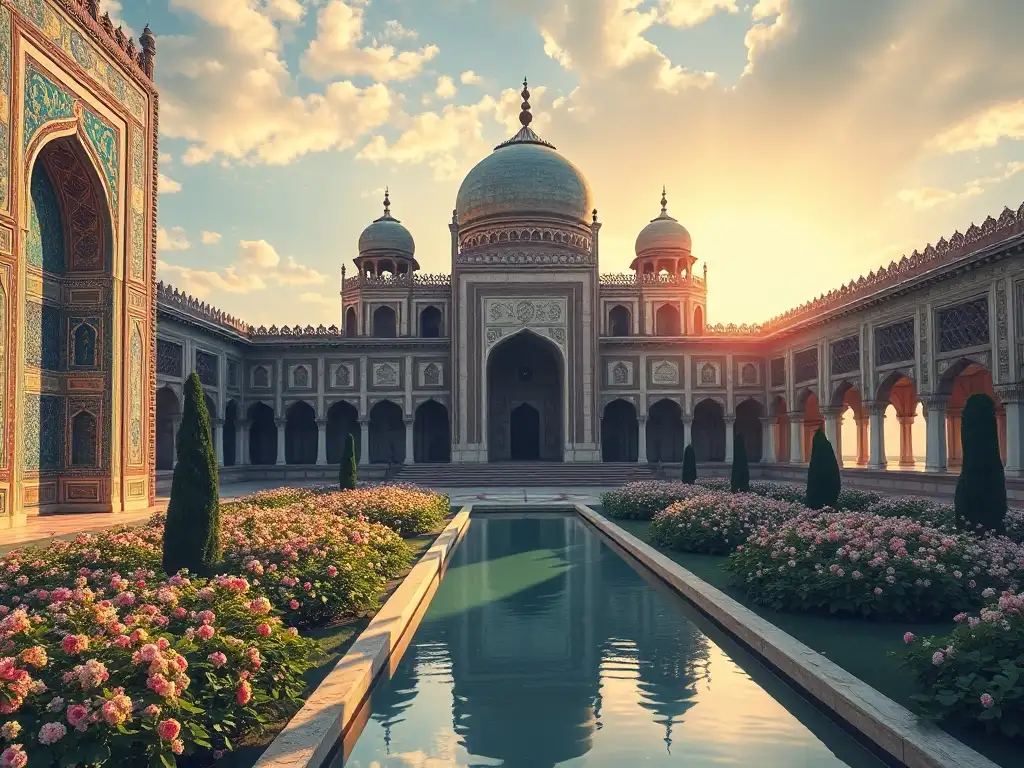
The transition from Persian to Mughal architecture marks a significant evolution in the architectural landscape of India, characterized by the adaptation and integration of Persian design principles into the Mughal architectural vocabulary. This transformation began in the late 15th century and continued through the 16th and 17th centuries, during which the Mughal Empire emerged as one of the most influential dynasties in Indian history. The Mughals, who traced their lineage back to Central Asia and were influenced by Persian culture, brought with them a wealth of architectural knowledge that they began to blend with the indigenous Indian styles.
This architectural transition can be seen as part of a broader cultural syncretism, where the Mughals not only adopted Persian elements but also adapted them to local contexts. This resulted in a unique architectural style that incorporated intricate ornamentation, expansive gardens, and grandiose structures that symbolized power and beauty. The confluence of Persian artistry and Indian craftsmanship paved the way for the creation of some of the most iconic monuments in history.
The Arrival of Persian Influences in India
The arrival of Persian influences in India can be traced back to the early interactions between Indian and Persian cultures, primarily through trade and the movement of peoples across regions. The establishment of the Delhi Sultanate in the late 12th century created a platform for cultural exchanges, as Persian became the language of administration and culture in northern India. The architectural styles introduced during this period, such as Persian domes, arches, and intricately designed calligraphy, laid the groundwork for future developments.
The Mughal Empire, founded by Babur in 1526, further solidified these Persian influences. Babur himself was of Central Asian descent and had a deep appreciation for Persian culture, which he demonstrated through his patronage of the arts. Subsequent Mughal emperors, including Akbar, Jahangir, and Shah Jahan, continued to foster these influences, resulting in a flourishing of architectural innovation that seamlessly integrated Persian aesthetics with Indian traditions.
Key Figures in the Mughal Architecture Movement
Several key figures played pivotal roles in the Mughal architecture movement, each contributing to the unique blend of Persian and Indian styles.
- Babur: As the founder of the Mughal Empire, he initiated the incorporation of Persian elements into Indian architecture, influenced by his Central Asian heritage.
- Akbar: Known for his architectural vision, Akbar commissioned numerous structures that reflected Persian designs, including the Fatehpur Sikri complex, which showcases the harmonious blend of various architectural traditions.
- Shah Jahan: Perhaps the most famous of the Mughal emperors, Shah Jahan's reign saw the construction of the Taj Mahal, a masterpiece that epitomizes the synthesis of Persian and Indian design elements. His patronage of architecture elevated the status of buildings as symbols of imperial power and artistic expression.
- Ustad Ahmad Lahori: The chief architect of the Taj Mahal, he played a crucial role in shaping the visual character of Mughal architecture, employing techniques and styles that were heavily influenced by Persian art.
The contributions of these figures not only advanced the architectural landscape but also facilitated a broader cultural discourse between Persia and India.
Cultural Exchange between Persia and India
The cultural exchange between Persia and India during the Mughal period was multifaceted, encompassing art, literature, and architecture. This exchange was facilitated through various channels, including trade routes, diplomatic relations, and the movement of scholars and artisans.
Persian literature and poetry had a profound impact on Indian culture, with many Mughal emperors being patrons of Persian poets and writers. This cultural intermingling was reflected in the arts, where Persian motifs and themes were adopted and adapted by Indian artists.
In architecture, the use of gardens, water features, and grand gateways in Mughal buildings illustrates the Persian influence. The famous Persian concept of the "charbagh" (fourfold garden) was prominently featured in Mughal designs, representing paradise on Earth. This melding of Persian and Indian elements not only enriched the architectural heritage of the region but also fostered a sense of shared identity and cultural pride.
Major Muggal Structures Reflecting Persian Influence
The major structures built during the Mughal era are testaments to the profound Persian influence on Mughal architecture. These buildings not only serve as historical landmarks but also exemplify the artistic collaboration between Persian and Indian styles.
The Taj Mahal: A Synthesis of Persian and Indian Styles
The Taj Mahal, often regarded as the pinnacle of Mughal architecture, represents a stunning synthesis of Persian and Indian styles. Commissioned by Shah Jahan in memory of his beloved wife Mumtaz Mahal, this mausoleum combines elements such as the grand dome, intricate inlay work, and expansive gardens, which are characteristic of Persian architecture.
The use of white marble, sourced from Makrana, allowed for exquisite detailing, while the layout of the complex follows the Persian charbagh style, emphasizing symmetry and harmony with nature. The intricate calligraphy and geometric patterns reflect the Persian artistic tradition, showcasing how the Mughals adapted these elements to create a uniquely Indian monument that resonates with universal themes of love and beauty.
Red Fort: Architectural Elements Borrowed from Persian Design
The Red Fort in Delhi stands as another remarkable example of the Persian influence on Mughal architecture. Constructed by Shah Jahan in the mid-17th century, the fort exhibits various architectural features inspired by Persian design, such as the use of large iwans (arched entranceways) and intricately carved decorations.
The fort's gardens, particularly the Hayat Bakhsh Bagh, embody the Persian garden concept, featuring a quadrilateral layout and flowing water, symbolizing paradise. The blending of these Persian elements with local craftsmanship created a fortified palace that was not only a military stronghold but also a symbol of the Mughal Empire's artistic sophistication.
Humayun's Tomb: A Landmark of Persian Influence
Humayun's Tomb, commissioned by Empress Bega Begum in the 16th century, is one of the earliest examples of Mughal architecture that showcases the strong influence of Persian design. The tomb features a double dome, a key characteristic of Persian architecture, and is set within a grand garden that follows the charbagh layout.
This structure is noteworthy for its elegant proportions and intricate tile work, which reflect the artistry of Persian craftsmen. The use of red sandstone combined with white marble is also indicative of the Mughal style, demonstrating how Persian influences were skillfully integrated into Indian architectural practices. Humayun's Tomb thus serves as a vital link in the evolution of Mughal architecture, paving the way for later masterpieces such as the Taj Mahal.
The Significance of Persian Aesthetics in Mughal Architecture
The Mughal Empire, flourishing from the early 16th to the 18th century, is renowned for its remarkable architectural achievements. Central to this legacy is the profound influence of Persian aesthetics. Persian architecture introduced various elements that were seamlessly integrated into Mughal structures, creating a unique architectural language that blended local traditions with Persian innovation. Key features such as grand arches, intricate inlay work, and expansive gardens were pivotal in shaping the Mughal architectural identity.
The significance of Persian aesthetics can be observed in several iconic Mughal constructions, including the Taj Mahal, Humayun's Tomb, and the Red Fort. These structures showcase the synthesis of Persian and Indian styles, highlighting the Mughal rulers' appreciation for Persian culture and their desire to project power and sophistication through architecture. The use of geometric patterns, symmetry, and reflection in water features further exemplifies this influence, marking a shift in architectural practices that emphasized beauty and grandeur.
Symbolism of Persian Design Elements
Persian design elements in Mughal architecture carry rich symbolism that reflects both cultural and spiritual dimensions. The incorporation of motifs such as flowers, vines, and geometric patterns not only showcases artistic skill but also conveys deeper meanings. For instance, floral motifs often symbolize paradise, aligning with Islamic beliefs about the afterlife. The use of intricate tile work and calligraphy serves to articulate the divine, reinforcing the connection between architecture and spirituality.
The layout of Mughal gardens, heavily inspired by Persian concepts, emphasizes the idea of paradise on earth. These gardens often feature quadrilateral designs, divided by water channels, creating a harmonious and serene environment. This design reflects the Persian notion of nature as a reflection of the divine order, imparting a sense of tranquility and beauty to the structures that house them.
The Role of Persian Calligraphy and Ornamentation
Persian calligraphy and ornamentation play a vital role in the aesthetic appeal of Mughal architecture. Calligraphy, often inscribed on the walls of monuments, serves not only as decoration but also as a means of conveying religious texts and poetry. The fluidity of Persian script adds a lyrical quality to the visual experience, enhancing the beauty of the architectural form.
Ornamentation in Mughal architecture is characterized by its intricate details and the use of precious materials. The incorporation of semi-precious stones inlay techniques, such as pietra dura, is a direct reflection of Persian craftsmanship. This method, where stones are intricately set into marble to create elaborate designs, can be prominently seen in the Taj Mahal. The combination of calligraphy and ornamentation not only enriches the visual narrative but also serves to elevate the structures to spiritual and cultural landmarks.
Influence on Future Architectural Developments in India
The Persian influence on Mughal architecture laid the groundwork for future architectural developments in India. As Mughal architectural principles merged with local styles, they paved the way for the emergence of new architectural genres during subsequent periods. The distinctive features established during the Mughal era continued to inspire architects and builders, resulting in a rich tapestry of styles that characterized later Indian architecture.
Post-Mughal developments, such as the Indo-Saracenic style during British colonial rule, retained elements of Mughal architecture, showcasing the enduring legacy of Persian influence. Structures like the Victoria Terminus in Mumbai and the Chhatrapati Shivaji Maharaj Vastu Sangrahalaya exhibit a blend of Mughal and Gothic styles, illustrating how Persian elements continued to resonate in Indian architectural practices.
Conclusion: Lasting Legacy of Persian Influence on Mughal Architecture
The lasting legacy of Persian influence on Mughal architecture is a testament to the cultural syncretism that characterized the Mughal Empire. This fusion of Persian aesthetics and local traditions resulted in some of the most iconic and enduring constructions in India, which continue to captivate and inspire. The architectural dialogue between these two cultures not only enriched the visual landscape of the time but also fostered a sense of identity and continuity within Indian architecture.
Reflection on the Architectural Dialogue between Persia and Mughal India
The architectural dialogue between Persia and Mughal India reflects a complex interplay of ideas, aesthetics, and cultural exchanges. This interaction was not merely one-sided; rather, it involved a dynamic process of adaptation and reinterpretation. Persian architects and artisans brought with them a wealth of knowledge and techniques that were integrated with Indian traditions, resulting in a unique architectural expression that transcended geographical boundaries.
The collaboration between Persian and Mughal artisans is evident in the meticulous craftsmanship and attention to detail found in Mughal structures. This dialogue signifies a broader cultural exchange that enriched both Persian and Indian artistic traditions, fostering a legacy that continues to be celebrated and studied today.
Importance of Persian Influence in Understanding Mughal Heritage
Understanding the Persian influence on Mughal architecture is crucial for appreciating the broader context of Mughal heritage. This influence is not limited to architectural forms but extends to art, literature, and cultural practices, illustrating the interconnectedness of these civilizations. The richness of Mughal architecture serves as a visual narrative of the historical and cultural dialogues that shaped the subcontinent.
The study of Persian influence provides insights into the values and aspirations of the Mughal rulers, reflecting their desire to connect with a rich tradition while establishing their own distinct identity. As scholars and enthusiasts continue to explore these connections, the importance of Persian influence in understanding Mughal heritage remains a vital area of inquiry, revealing the depth and complexity of India’s architectural history.
- Introduction to Persian Influence on Mughal Architecture
- Overview of Persian Architecture
- Historical Context of the Mughal Empire
- Key Features of Persian Architecture
- Transition from Persian to Mughal Architecture
- Major Muggal Structures Reflecting Persian Influence
- The Significance of Persian Aesthetics in Mughal Architecture
- Conclusion: Lasting Legacy of Persian Influence on Mughal Architecture
- What is the significance of Persian influence on Mughal architecture?
- How did Persian architecture impact the design of famous Mughal monuments?
- Were there specific Persian architects involved in Mughal architecture?
- Can you name some key Mughal buildings that reflect Persian architectural styles?
- How does the fusion of Persian and Indian styles manifest in Mughal architecture?
Frequently Asked Questions
What is the significance of Persian influence on Mughal architecture?
The Persian influence introduced intricate designs, large domes, and elaborate gardens, significantly shaping the aesthetic and structural elements of Mughal buildings.
How did Persian architecture impact the design of famous Mughal monuments?
Mughal monuments like the Taj Mahal and Red Fort exhibit Persian features such as symmetry, calligraphy, and geometric patterns, showcasing a blend of cultural styles.
Were there specific Persian architects involved in Mughal architecture?
Yes, several Persian architects migrated to India during the Mughal era, contributing their expertise and influencing the construction techniques and design philosophies used in Mughal structures.
Can you name some key Mughal buildings that reflect Persian architectural styles?
Notable examples include the Taj Mahal, Humayun's Tomb, and Fatehpur Sikri, each showcasing distinct Persian elements such as intricate tile work and spacious courtyards.
How does the fusion of Persian and Indian styles manifest in Mughal architecture?
The fusion is evident in the use of local materials, blending of Islamic motifs with Hindu designs, and the incorporation of water features, creating a unique architectural identity.
Final Reflection: The Enduring Legacy of Persian Influence on Mughal Architecture
The intricate relationship between Persian architecture and Mughal structures is not just a historical narrative; it is a testament to the power of cultural exchange and adaptation. Today, as we navigate a world increasingly defined by globalization, the lessons from this architectural dialogue remind us of the beauty that emerges when diverse influences converge. The grandeur of Mughal architecture, infused with Persian elegance, serves as a striking reminder that creativity knows no boundaries and that collaboration can lead to magnificent outcomes.
Cultural landscapes are shaped by the legacies we inherit and the innovations we create. The influence of Persian design on Mughal architecture is a vivid illustration of how one culture can inspire another, leading to a rich tapestry of artistic expression.
This ongoing dialogue between cultures is crucial in our increasingly interconnected world. As the renowned architect Louis Kahn once said, “A great building must begin with the unmeasurable, must go through measurable means when it is being designed and in the end must be unmeasurable.” This encapsulates the essence of how Persian architecture has transcended its origins to become a vital part of Mughal identity, enriching the cultural heritage of both.
As you reflect on the themes of this article, consider how the principles of adaptation and collaboration can be applied in your own life. Embrace the influences around you, whether they stem from different cultures, ideas, or experiences, and allow them to shape your personal and professional journey. Just as the Mughal architects drew inspiration from Persian designs to create something uniquely their own, you too can harness the power of diverse influences to build a future that is rich, vibrant, and reflective of a multitude of perspectives.
Unveil the Beauty of Architectural Fusion!
Thank you for exploring the fascinating world of Persian influence on Mughal architecture with us! By diving into this rich historical interplay, you've gained insight into how cultures shape each other’s artistry. Now, it’s time to take the next step and bring this knowledge to life.
- Explore a Local Mughal-Inspired Site: Find a nearby historical site or garden that embodies the elegance of Mughal architecture and pay it a visit. Experience the exquisite blend of craftsmanship firsthand!
- Share Your Insights: Discuss the impact of Persian architecture with friends or on social media. Use your voice to ignite interest in this beautiful heritage!
- Visit a Virtual Museum: Discover an online museum that showcases Mughal architecture, allowing you to explore its intricate designs and cultural significance from the comfort of your home.
What aspect of this architectural journey resonated with you the most, and how do you plan to engage with this rich history in your own life?