
The Hidden Stories Behind Ancient Indian Architectural Sites

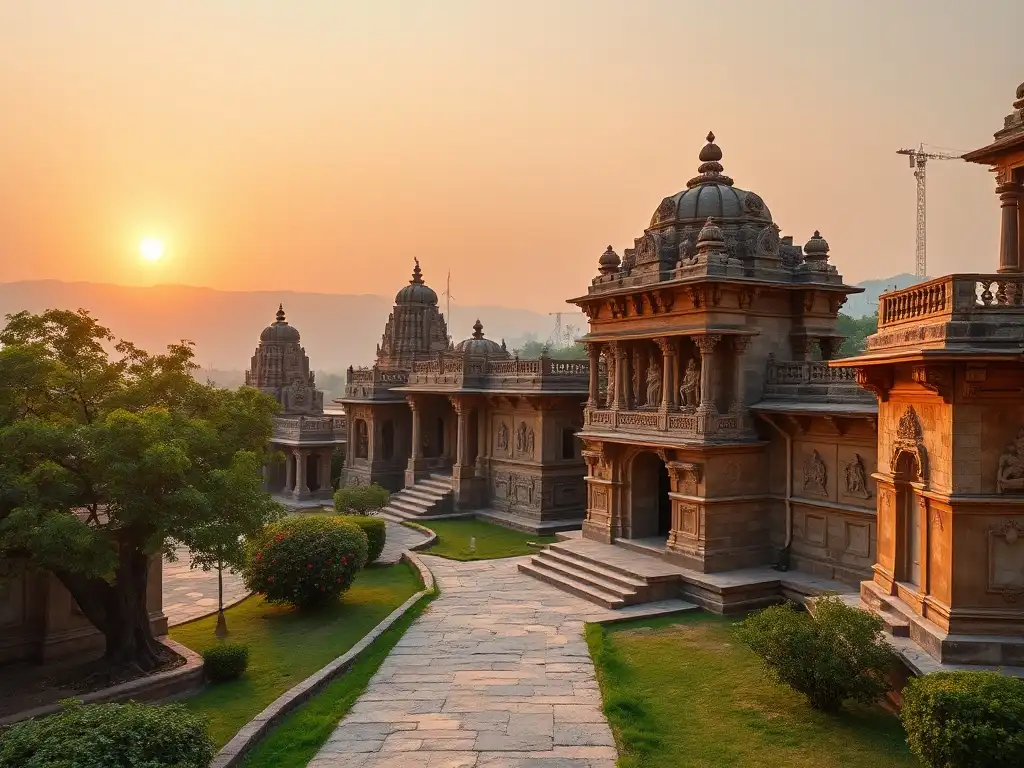
Welcome to Ancient India History, where we embark on a journey through the rich tapestry of India's past. Our latest exploration, "The Hidden Stories Behind Ancient Indian Architectural Sites," unveils the mesmerizing intricacies of ancient Indian architectural history. From the majestic edifices of the Indus Valley to the artistic marvels of the Gupta Empire, each structure whispers tales of ingenuity and cultural significance. Are you ready to uncover the secrets that lie within these ancient walls? Dive in and discover how these architectural wonders shaped the very essence of Indian civilization!
Introduction to Ancient Indian Architectural History
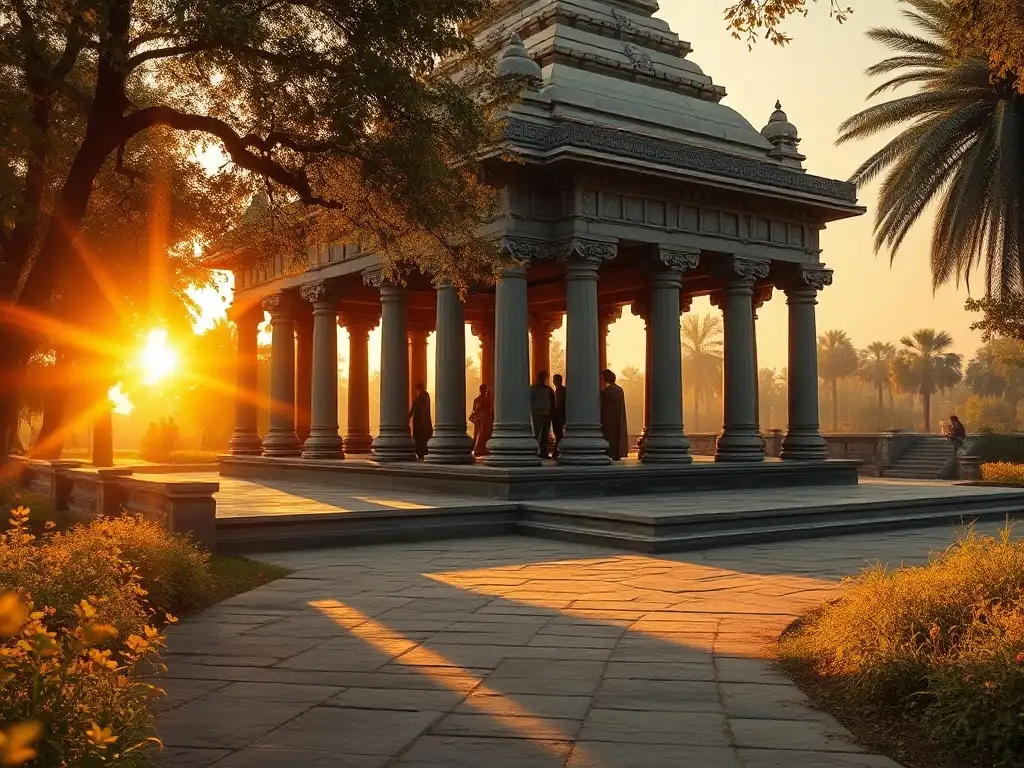
Ancient Indian architectural history is a tapestry woven with the threads of diverse cultures, innovative engineering, and profound spirituality. From the meticulously planned cities of the Indus Valley Civilization to the majestic temples of the Gupta Empire, each structure tells a story that reflects the social, political, and religious nuances of its time.
This exploration not only uncovers the aesthetic brilliance of ancient Indian architecture but also highlights the underlying philosophies and traditions that shaped these remarkable edifices. As we delve into the hidden stories behind these architectural marvels, we gain insights into the identity of a civilization that has significantly influenced the architectural landscape of the world.
Overview of Ancient Indian Architecture
Ancient Indian architecture can be categorized into several distinct phases, each characterized by unique styles and techniques.
- Indus Valley Civilization (c. 3300–1300 BCE): Known for its advanced urban planning and drainage systems.
- Maurya and Post-Maurya Period (c. 322–185 BCE): Marked by the construction of stupas and rock-cut architecture.
- Gupta Empire (c. 320–550 CE): Recognized for its intricate temple designs and sculptures.
Throughout these periods, architecture served not only functional purposes but also spiritual ones, often symbolizing the connection between the divine and earthly realms.
Importance of Architectural Heritage in Indian Culture
The architectural heritage of ancient India is not merely a collection of old buildings; it is a vital part of the nation’s cultural identity. These structures serve as:
- Historical Records: They offer insights into the technological advancements and artistic expressions of their time.
- Cultural Symbols: Temples, forts, and palaces are embodiments of the values, beliefs, and aspirations of ancient Indian societies.
- Tourism and Education: Architectural sites attract scholars and tourists alike, fostering a greater appreciation for India's rich history.
Preserving this heritage is crucial for maintaining a link to the past while educating future generations about the legacy of their ancestors.
The Indus Valley Civilization: Foundations of Architectural Innovation
The Indus Valley Civilization, one of the world's earliest urban cultures, laid the groundwork for architectural innovation in ancient India. Its cities were characterized by remarkable infrastructure and urban design that set standards for future civilizations.
Urban Planning and Design in Indus Valley Cities
Indus Valley cities, such as Harappa and Mohenjo-Daro, showcase advanced urban planning principles that are still admired today. Key features include:
- Grid Layout: Streets were laid out in a grid pattern, ensuring efficient movement and organization.
- Drainage Systems: The civilization implemented sophisticated drainage systems, with covered drains and soak pits, highlighting their emphasis on sanitation.
- Standardized Brick Sizes: The use of uniform bricks facilitated construction and contributed to the durability of structures.
These innovations reflect a society that valued order, functionality, and public health.
Notable Structures: The Great Bath and Citadel
Among the most significant architectural achievements of the Indus Valley Civilization are:
- The Great Bath: A large public bathing area, believed to have had religious significance, showcasing advanced hydraulic engineering.
- The Citadel: A fortified area that likely served as a center for administration and governance, indicating the political complexity of the civilization.
These structures not only exemplify the architectural prowess of the Indus Valley but also offer glimpses into the cultural and religious practices of one of history's great civilizations.
Maurya and Post-Maurya Period: Architectural Advancements
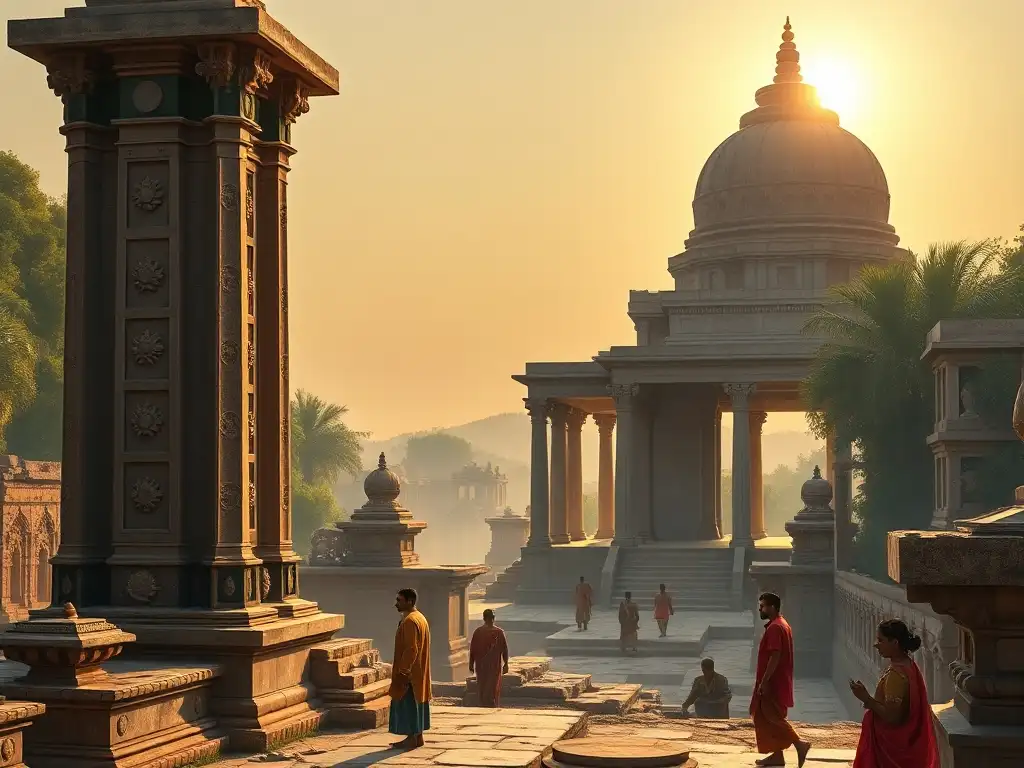
The Maurya period, spanning from 322 to 185 BCE, marked a transformative era in ancient Indian architectural history. Under the reign of Emperor Ashoka, there was a significant shift towards monumental architecture that was not only functional but also deeply symbolic. Ashoka's promotion of Buddhism led to the construction of stupas, pillars, and monasteries that reflected the values and teachings of Buddhism.
One of the most notable architectural advancements during this time was the construction of the Sanchi Stupa, which served as a reliquary for Buddha's remains. It features intricately carved gateways known as toranas, depicting various Jataka tales that showcase the moral lessons of Buddhism. The craftsmanship of these structures demonstrated advanced techniques in stone masonry and artistry that set a precedent for future constructions.
Post-Maurya, the architectural developments continued to flourish, particularly with the evolution of urban planning and the construction of elaborate city layouts. The ruins of Nalanda and Taxila reveal advanced knowledge of architecture, with their monasteries designed to facilitate learning and meditation. These sites highlight the interplay between religious practices and architectural innovation during this period.
The Influence of Buddhist Architecture
Buddhist architecture greatly influenced the architectural landscape of ancient India. The core principles of Buddhist design emphasized harmony with nature, simplicity, and a strong spiritual connection. The construction of stupas became a hallmark of this influence, serving as a focal point for worship and reflection.
The Great Stupa at Sanchi is a prime example, embodying these principles through its hemispherical dome, which represents the universe. The stupas often featured Chhatris (domed pavilions) and intricately carved reliefs that illustrated significant events from the life of Buddha. This artistic expression not only served religious purposes but also acted as a narrative medium to educate the masses.
Moreover, the architectural style spread beyond India, influencing the designs of Buddhist structures in other parts of Asia, including Sri Lanka, Tibet, and Southeast Asia. The emphasis on symmetry, axial alignment, and sacred geometries can be seen in many of these later constructions, showcasing the far-reaching impact of ancient Indian architectural history.
Rock-Cut Architecture: A Marvel of the Time
Rock-cut architecture emerged as a remarkable feat of engineering during the Maurya and post-Maurya periods. This technique involved excavating structures directly from rock formations, which not only showcased the ingenuity of ancient artisans but also allowed for the creation of intricate monastic complexes.
One of the most significant examples of rock-cut architecture is the Ajanta Caves, dating back to the 2nd century BCE. The caves feature exquisite frescoes and sculptures that depict Buddhist themes and narratives. The artistry and craftsmanship displayed in the carvings reveal a profound understanding of form and space, as well as advanced techniques in chiseling and finishing.
Another notable site is the Ellora Caves, where Hindu, Buddhist, and Jain rock-cut temples coexist, illustrating the religious tolerance of the time. The most famous cave, Kailasa Temple, is a monumental structure carved from a single rock, featuring elaborate sculptures and architectural details that reflect the high level of sophistication achieved by ancient Indian builders.
These rock-cut structures not only served as places of worship but also as centers of learning and community gathering, emphasizing the social and cultural significance of architecture in ancient Indian civilization.
Gupta Empire: The Golden Age of Indian Architecture
The Gupta Empire, flourishing from approximately 320 to 550 CE, is often regarded as the Golden Age of Indian architecture. This period witnessed a significant evolution in temple architecture, characterized by intricate carvings, vibrant sculptures, and a profound integration of art and spirituality. The Gupta architects developed a distinct style that laid the foundation for later temple designs in India.
During this era, temples were constructed with a focus on symmetry, proportionality, and the incorporation of various architectural elements, such as shikharas (towering spires) and mandapas (pillared halls). The temples served as a testament to the devotion of the people and reflected the socio-religious ethos of the time.
Temple Architecture: A Blend of Art and Devotion
The temple architecture of the Gupta period is a remarkable blend of artistic expression and religious devotion. Temples were designed as microcosms of the universe, with each element symbolizing different aspects of spiritual significance. The use of sandstone and granite allowed for elaborate carvings and detailed ornamentation that captivated worshippers.
One of the most famous examples of Gupta temple architecture is the Kandariya Mahadeva Temple in Khajuraho. Its intricate sculptures depict various deities, celestial beings, and scenes from daily life, showcasing the artistic prowess of the period. The temple's design, with its towering shikhara, reflects the influence of the Nagara style, characterized by curvilinear forms and verticality.
Moreover, the temples served not only as places of worship but also as centers of economic and social activity. They were often adorned with paintings and reliefs that conveyed moral lessons, religious stories, and the cultural heritage of the time, reinforcing the connection between architecture and the community.
Case Study: The Dashavatara Temple at Deogarh
The Dashavatara Temple at Deogarh, built during the Gupta period (approximately 6th century CE), is a significant case study that exemplifies the architectural advancements and artistic expressions of the time. Dedicated to the ten avatars of Lord Vishnu, this temple is notable for its exquisite carvings and intricate design elements.
The temple's layout features a sanctum sanctorum (garbhagriha) where the idol of Vishnu is enshrined, surrounded by a circumambulatory path. The exterior of the temple is adorned with detailed reliefs, depicting various avatars of Vishnu such as Rama and Krishna, along with celestial beings and flora.
What sets the Dashavatara Temple apart is its architectural style, which showcases a mix of Nagara and Dravidian elements. The decorative motifs and intricate sculptures reflect the high level of craftsmanship achieved during the Gupta era. The temple serves as a testament to the cultural and religious fervor of the time, making it a vital piece of ancient Indian architectural history.
The Dashavatara Temple at Deogarh not only represents the architectural excellence of the Gupta Empire but also encapsulates the spiritual essence and artistic legacy that continue to inspire generations.
Regional Variations in Ancient Indian Architectural Styles
Ancient Indian architectural history showcases a rich tapestry woven from various regional styles that reflect the diverse cultural, religious, and historical contexts of the subcontinent. From the towering temples of the north to the intricately carved structures of the south, each region developed its unique architectural language, driven by local materials, climatic conditions, and prevailing societal norms.
The architectural styles can primarily be classified into two main groups based on geography: Northern Indian and Southern Indian. Each group embodies distinct characteristics and showcases the evolution of local craftsmanship and spiritual expressions.
As we delve deeper into these variations, it's crucial to recognize how they not only serve functional purposes but also embody the ethos of the communities that built them, contributing significantly to our understanding of ancient Indian civilization.
Northern Indian Temples vs. Southern Indian Temples
Northern Indian temples, often characterized by their towering shikharas (spires), exhibit a more vertical orientation. The Nagara style, predominant in this region, emphasizes a high-rise structure crowned with a curvilinear form, often adorned with intricate carvings depicting deities and mythological narratives. Temples such as the Kandariya Mahadeva Temple in Khajuraho exemplify this style, showcasing a wealth of sculptures that narrate stories from Hindu scriptures.
In contrast, Southern Indian temples are renowned for their grand gopurams (gateway towers) and horizontal layout. The Dravidian style dominates this region, marked by expansive courtyards and elaborate stone carvings that often depict deities in vibrant detail. The Brihadeeswarar Temple in Thanjavur stands as a testament to this style, featuring a massive vimana (shrine tower) that dominates the skyline and reflects the grandeur of Chola architecture.
The functional aspects of these temples also differ; Northern temples often serve as pilgrimage sites, while Southern temples are typically community centers, hosting festivals and rituals that integrate local customs and traditions. This regional divergence not only enhances the aesthetic appeal of the structures but also highlights the cultural narratives embedded within their design.
The Influence of Local Cultures on Architectural Styles
Local cultures played a pivotal role in shaping the architectural styles of ancient India. Each region's unique traditions, beliefs, and artistic expressions influenced the construction and decoration of temples and other significant structures. For instance, the architectural styles in Gujarat were heavily influenced by the Jain community, leading to temples that are richly ornamented with intricate carvings and detailed frescoes, reflecting their spiritual ethos.
Further south, the influence of Dravidian culture is evident in the use of granite and sandstone, materials that were readily available and suited to the climate. The incorporation of local motifs, such as floral patterns and animal forms, into architectural designs reflects the harmonious relationship between nature and spirituality in the local belief systems.
Additionally, the interaction between various communities, including the indigenous tribes and migrant artisans, fostered a cross-pollination of ideas that enriched the architectural landscape. This cultural fusion resulted in hybrid styles, such as the Indo-Saracenic architecture that emerged during the colonial period, blending Indian and Islamic architectural elements.
The Role of Symbolism in Ancient Indian Architecture
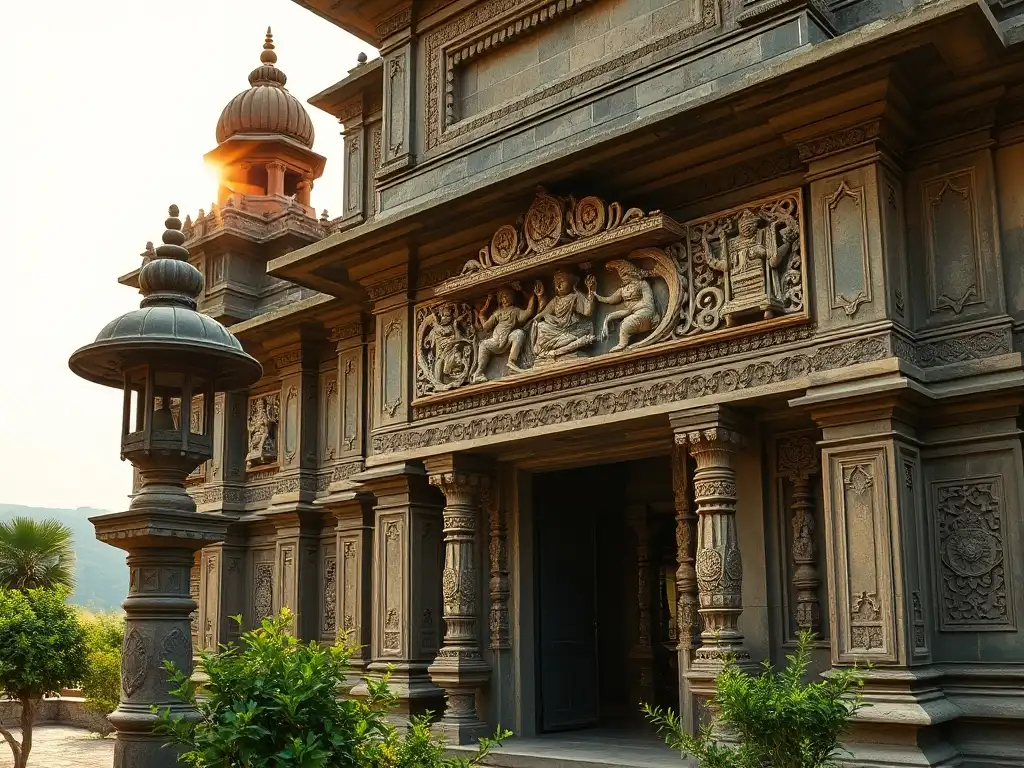
Symbolism is a fundamental aspect of ancient Indian architecture, serving as a medium through which spiritual and philosophical concepts are communicated. The intricate designs, alignments, and spatial arrangements of temples are not merely aesthetic choices; they embody deeper meanings that resonate with the beliefs and practices of the time.
One of the most significant aspects of this symbolism is its connection to cosmology and the universe. Temples were often designed to represent the cosmos, with the sanctum sanctorum symbolizing the center of the universe, where devotees could connect with the divine.
This profound connection between architecture and spirituality is what makes ancient Indian architectural history so fascinating, as it reveals the underlying principles that guided the creation of these magnificent structures.
Understanding Sacred Geometry in Temple Design
Sacred geometry plays a crucial role in the design of ancient Indian temples, reflecting the belief that mathematical proportions and geometric shapes hold spiritual significance. The use of geometric patterns in temple layouts is often governed by the principles of Vastu Shastra, an ancient Indian science of architecture that aligns buildings with cosmic forces.
For instance, the square (or mandala) is a prevalent shape in temple design, representing stability and the earth element. The layout of many temples is based on the cosmic diagram known as the "Sri Yantra," which is believed to embody the essence of creation and the divine feminine. This meticulous attention to geometric precision not only enhances the structural integrity of the temples but also aligns them with the universal order.
Moreover, the orientation of temples is often strategically planned according to cardinal directions, allowing sunlight to illuminate the sanctum during specific times of the year. This interplay between geometry, orientation, and light serves to create a sacred atmosphere that fosters spiritual contemplation and connection.
Iconography and Its Significance in Sculptural Elements
Iconography is a vital aspect of ancient Indian architecture, as it serves to convey religious narratives and philosophical concepts through visual representation. Sculptural elements found on temple walls, columns, and gateways are rich with symbolism, depicting gods, goddesses, and mythological stories that resonate with the spiritual beliefs of the community.
The intricacy of these sculptures varies widely, from the detailed depictions of deities like Shiva and Vishnu to the more abstract representations of cosmic forces. Each figure is imbued with specific attributes, gestures (mudras), and postures that convey a particular message or teaching, making the sculptures not just decorative but also didactic in nature.
Additionally, the placement of these icons within the temple is intentional, often designed to guide the devotee's journey from the outer world to the inner sanctum, where the divine presence resides. This narrative journey is essential in understanding the spiritual significance of the architecture, as it invites worshippers to engage with the stories and teachings embedded in the sculptural elements.
The exploration of iconography in ancient Indian architecture reveals the depth of thought and creativity that went into these masterpieces, showcasing how art and spirituality were intertwined in the fabric of ancient Indian society.
Preservation and Challenges of Ancient Indian Architectural Sites
The preservation of ancient Indian architectural sites is a complex endeavor that intertwines history, culture, and modernity. These sites, which range from the majestic temples of Khajuraho to the ancient urban planning of the Indus Valley Civilization, face a myriad of challenges. Many structures are not only architectural marvels but also hold immense cultural and spiritual significance. The need to protect these sites from degradation is paramount to maintaining the rich tapestry of India's architectural history.
Preservation efforts must address various factors that threaten these irreplaceable structures. While some sites are naturally resilient, others require dedicated attention due to environmental impacts, urban encroachment, and a lack of awareness among local populations. Additionally, the balance between promoting tourism and maintaining site integrity poses a continual challenge for preservationists.
Threats to Heritage Sites: Natural and Human Factors
Ancient Indian architectural sites face threats from both natural and human-induced factors.
- Natural Factors:
- Weathering and Erosion: Monsoon rains and humidity can lead to significant erosion of stone structures. The effects of climate change further exacerbate these issues, leading to unpredictable weather patterns that can hasten degradation.
- Earthquakes and Geological Changes: Certain regions in India are prone to seismic activity, which can severely damage ancient structures. For instance, the temples of Bhuj, located in a seismically active zone, have been at risk.
- Human Factors:
- Urbanization: Rapid urban development often encroaches upon historical sites, leading to structural damage and loss of context. For example, the expansion of cities like Delhi has resulted in the deterioration of nearby ancient ruins.
- Neglect and Vandalism: Many heritage sites suffer from neglect due to insufficient funding and maintenance. Vandalism, whether intentional or through misguided tourism practices, poses another significant threat.
- Pollution: Industrial pollution can lead to chemical reactions that deteriorate the materials used in ancient architecture, particularly sandstone and limestone.
Efforts in Conservation: Government and NGO Initiatives
Recognizing the threats to ancient Indian architectural sites, various governmental and non-governmental organizations have initiated conservation efforts.
- Government Initiatives:
- The Archaeological Survey of India (ASI) plays a crucial role in identifying, documenting, and preserving heritage sites. They enforce laws to protect ancient structures and conduct restoration projects.
- In recent years, the government has launched campaigns to raise awareness about the importance of heritage conservation, encouraging public participation in preservation efforts.
- NGO Initiatives:
- Numerous NGOs, such as the Indian National Trust for Art and Cultural Heritage (INTACH), work tirelessly to advocate for the preservation of heritage sites. They organize workshops, engage with local communities, and provide training in conservation techniques.
- Collaborative projects between NGOs and international organizations often focus on specific sites, employing modern technology and methodologies to enhance preservation efforts.
Conclusion: The Legacy of Ancient Indian Architectural History
The legacy of ancient Indian architectural history is not merely a collection of stone structures; it encapsulates the beliefs, values, and creativity of past civilizations. Each site tells a story, reflecting the socio-political climate and technological advancements of its time. Preserving these sites is essential not only for historical scholarship but also for future generations to connect with their cultural heritage.
Reflection on the Importance of Preserving Architectural Heritage
Preserving architectural heritage is vital for various reasons:
- Cultural Identity: These structures contribute to the cultural identity of communities and serve as a physical manifestation of their history.
- Educational Resource: They provide invaluable information for historians, archaeologists, and architects, offering insights into ancient construction techniques, artistic expressions, and societal organization.
- Tourism and Economy: Well-preserved sites can boost local economies through tourism, creating jobs and fostering community pride.
Ultimately, the preservation of ancient Indian architectural sites is a shared responsibility that necessitates collaboration between government bodies, NGOs, local communities, and the general public.
Future Prospects for Research and Exploration in Ancient Indian Architecture
The future of research and exploration in ancient Indian architecture holds immense potential. Advances in technology, such as 3D scanning, drones, and digital modeling, are revolutionizing how we study and preserve these sites.
- Interdisciplinary Studies: Collaborative research across disciplines, including archaeology, history, and environmental science, can yield new insights into the construction and use of these ancient sites.
- Public Engagement: Increasing public interest in heritage conservation can lead to more grassroots movements aimed at preserving local sites. Educational programs can empower communities to take an active role in safeguarding their heritage.
- Sustainability in Preservation: Future efforts must also focus on sustainable practices that balance the need for preservation with the pressures of modern development.
The rich tapestry of ancient Indian architectural history is a treasure trove of knowledge and culture that must be preserved for future generations. The journey of conservation is ongoing, and with concerted efforts, the hidden stories behind these architectural marvels will continue to inspire and educate.
- Introduction to Ancient Indian Architectural History
- Overview of Ancient Indian Architecture
- Importance of Architectural Heritage in Indian Culture
- The Indus Valley Civilization: Foundations of Architectural Innovation
- Maurya and Post-Maurya Period: Architectural Advancements
- Gupta Empire: The Golden Age of Indian Architecture
- Regional Variations in Ancient Indian Architectural Styles
- The Role of Symbolism in Ancient Indian Architecture
- Preservation and Challenges of Ancient Indian Architectural Sites
- Conclusion: The Legacy of Ancient Indian Architectural History
Frequently Asked Questions
What is Ancient Indian architectural history?
Ancient Indian architectural history refers to the development and evolution of architectural styles and techniques in India, showcasing influences from various civilizations, including the Indus Valley and the Gupta Empire.
What are some notable ancient architectural sites in India?
Some notable sites include the Ajanta Caves, Ellora Caves, and the Sun Temple in Konark, each representing unique styles and cultural significance in ancient Indian architecture.
How did the geography of India influence its architecture?
The diverse geography of India, including mountains, rivers, and plains, shaped architectural practices, resulting in regional variations and the use of local materials that reflect the environment and climate.
What role did religion play in ancient Indian architecture?
Religion significantly influenced ancient Indian architectural history, with many structures built for Hindu, Buddhist, and Jain practices, embodying spiritual beliefs and serving as places of worship.
How can one explore ancient Indian architectural sites today?
Visitors can explore ancient Indian architectural sites through guided tours, archaeological studies, and cultural heritage programs, which provide insights into the historical context and artistic achievements of these monuments.
Final Reflection: Unveiling the Legacy of Ancient Indian Architectural History
The intricate narratives woven into ancient Indian architectural sites are not just relics of the past; they are living testaments to a rich cultural heritage that continues to resonate today. As we explore these magnificent structures, we uncover the stories of innovation, spirituality, and artistry that shaped the very fabric of Indian society. The significance of these sites transcends mere aesthetics; they embody the historical and philosophical underpinnings of a civilization that has influenced countless generations.
The impact of ancient Indian architectural history is profound, shaping not only our understanding of art and design but also our cultural identity. These sites serve as a bridge connecting us to our ancestors, reminding us of the values and traditions that have endured through time. As we reflect on their enduring presence, we are reminded of the words of the renowned architect Charles Correa: Architecture is not just about buildings; it is about the people who inhabit them.
This sentiment encapsulates the essence of our exploration, urging us to recognize the human stories that breathe life into these architectural wonders.
As we conclude this journey through the hidden stories of ancient Indian architecture, I invite you to reflect on your own connection to these historical narratives. Consider how the lessons embedded within these structures can inspire your own life and creativity. Whether you seek to appreciate the artistry, understand the cultural significance, or draw inspiration for your own endeavors, let the legacy of ancient Indian architectural history guide you toward a deeper appreciation of the past and a more meaningful engagement with the present.
Unearth the Mysteries: Take Action Today!
Thank you for diving into the captivating world of ancient Indian architectural sites! Your curiosity has unveiled the rich stories woven into the fabric of history. Now, it’s time to transform your newfound insights into action.
Here are some steps you can take to deepen your connection to this remarkable heritage:
- Plan a Visit to a nearby ancient site and explore its history firsthand—experience the grandeur that time has preserved.
- Join a Local Historical Society or an online community to engage with fellow enthusiasts and continue the conversation about these architectural marvels.
- Share your favorite architectural discovery on social media, and invite others who may find inspiration in our rich heritage to join the dialogue.
What hidden stories within these architectural wonders resonate most with your own life experiences? We would love to hear your thoughts below!