
Exploring the Philosophy Behind Indian Art: Beauty, Truth, and Spirituality

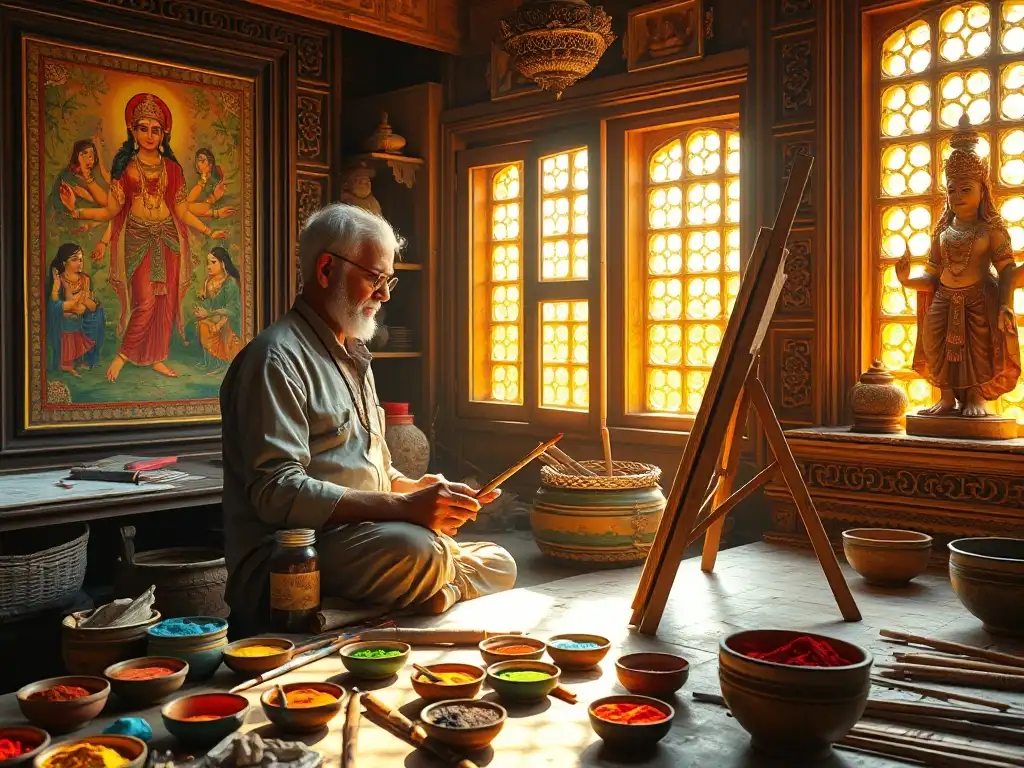
Welcome to Ancient India History, where we embark on a captivating journey through time, exploring the rich tapestry of Indian civilizations. In our featured article, “Exploring the Philosophy Behind Indian Art: Beauty, Truth, and Spirituality,” we delve into the profound principles that shaped the artistic expressions of ancient India. Discover how the intricate philosophies of Indian art intertwine with culture and spirituality, inviting you to ponder the deeper meanings behind the masterpieces that have stood the test of time.
Join us as we uncover the beauty and wisdom of a vibrant heritage that continues to inspire and provoke thought. Your exploration begins now!
-
Exploring the Philosophy of Indian Art History: An Overview
- Understanding the Roots of Indian Art Philosophy
- The Concept of Beauty in Indian Art
- The Interconnection of Truth and Art in India
- Spirituality as a Core Element of Indian Art
- Major Art Forms Reflecting Indian Philosophy
- The Role of Mythology in Indian Art Philosophy
- Contemporary Reflections on the Philosophy of Indian Art
- Conclusion: The Enduring Legacy of the Philosophy of Indian Art History
- Frequently Asked Questions
- Final Reflection: The Enduring Essence of Indian Art Philosophy
- Unleash Your Inner Artist: Dive Deeper into Indian Philosophy!
Exploring the Philosophy of Indian Art History: An Overview
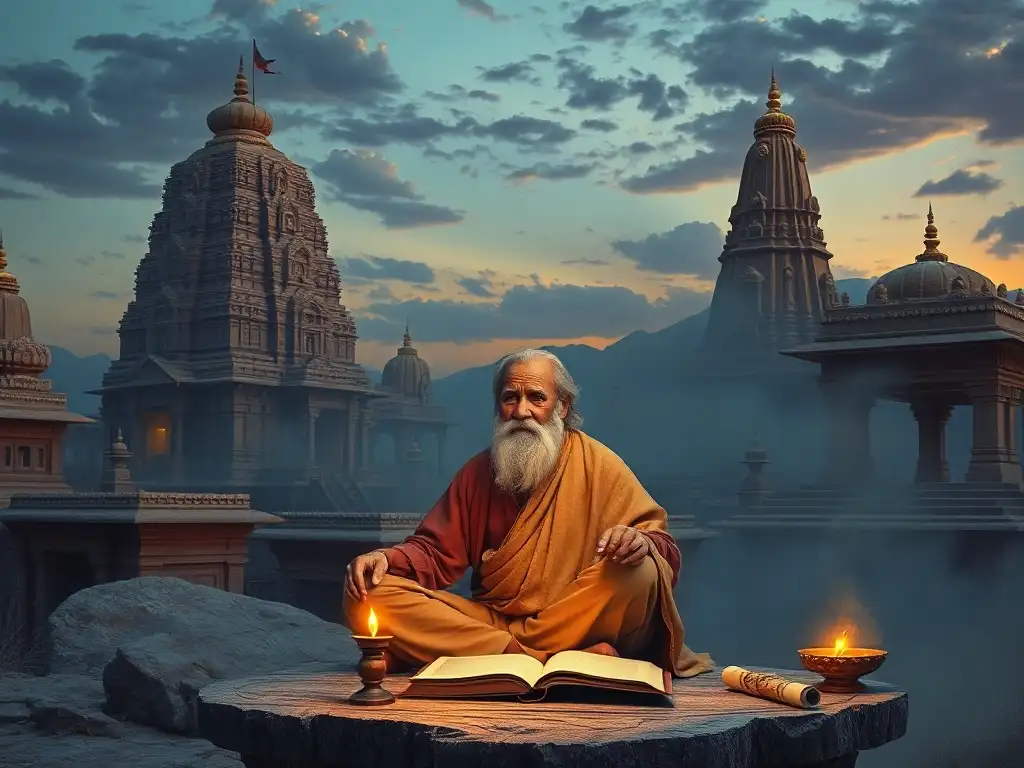
The philosophy of Indian art history is a profound and intricate subject that delves into the aesthetics, ethics, and spiritual dimensions of artistic expression in ancient India. This exploration reveals how art has been a crucial medium for communicating philosophical ideas and cultural values throughout the ages. From the meticulous craftsmanship of the Indus Valley Civilization to the elaborate sculptures of the Gupta Empire, Indian art encapsulates a rich tapestry of beauty, truth, and spirituality.
Understanding this philosophy not only enhances our appreciation of Indian art forms but also provides insight into the underlying principles that have shaped the historical narrative of India's diverse artistic legacy. In this article, we will navigate through the philosophical roots, concepts of beauty, and the aesthetics that define Indian artistic expression.
Understanding the Roots of Indian Art Philosophy
Historical Context of Indian Art
Indian art history is deeply rooted in the socio-cultural and religious contexts of its time. As early as the 3rd millennium BCE, the Indus Valley Civilization showcased a high degree of sophistication in its urban planning, pottery, and seal carving. Over centuries, various dynasties and cultural shifts contributed to the evolution of artistic styles, such as the Mauryan, Gupta, and Chola periods. Each era brought unique influences, responding to the prevailing philosophical and religious ideologies.
Some notable historical milestones include:
- Mauryan Art (322–185 BCE): Influenced by Buddhism, characterized by grand stupas and intricate sculptures.
- Gupta Period (c. 240–550 CE): Known as the Golden Age of India, marked by advancements in sculpture, painting, and temple architecture.
- Chola Dynasty (c. 300–1200 CE): Renowned for its bronze sculptures and temple architecture, reflecting Shaivism and Vaishnavism.
These historical contexts are pivotal for understanding how philosophical ideas were manifested in art forms, shaping the traditional narratives that continue to influence contemporary interpretations.
Key Philosophical Influences on Indian Art
The philosophy of Indian art is profoundly influenced by various schools of thought, including Hinduism, Buddhism, and Jainism. Each of these philosophies imparts unique perspectives on the purpose and meaning of art.
- Hindu Philosophy: Emphasizes the concepts of Dharma (duty), Karma (action), and Moksha (liberation). Artistic expression is viewed as a means to convey divine truths and to inspire devotion.
- Buddhist Philosophy: Focuses on the impermanence of life and the quest for enlightenment. Art serves as a tool for meditation and reflection, often depicting the life of the Buddha and his teachings.
- Jain Philosophy: Highlights non-violence and the quest for spiritual purity. Jain art is characterized by intricate detail and symbolism, aiming to inspire ethical living.
These philosophical foundations not only shape the themes and techniques of Indian art but also provide a framework for understanding its deeper meanings.
The Concept of Beauty in Indian Art
Traditional Definitions of Beauty in Indian Philosophy
In Indian philosophy, beauty transcends mere aesthetic pleasure. It is often associated with the concept of Rasa, which refers to the emotional essence or flavor of an experience. Art is seen as a vehicle for evoking Rasa, thereby connecting the viewer to a higher spiritual reality.
The Sanskrit term "Saundarya" embodies the traditional definition of beauty, encompassing harmony, proportion, and moral goodness. The interplay between form and content is crucial; true beauty in Indian art is not only about visual appeal but also about conveying profound truths and evoking spiritual emotions.
The Role of Aesthetics in Indian Artistic Expression
Aesthetics in Indian art serves as a bridge between the material and spiritual worlds. It is through aesthetic experience that individuals engage with the divine and the philosophical underpinnings of existence.
Key aspects of aesthetics in Indian art include:
- Symbolism: Colors, forms, and motifs carry significant meanings, often rooted in religious and philosophical contexts.
- Narrative Techniques: Many artworks tell stories from mythology and scripture, conveying moral lessons and philosophical concepts.
- Use of Space and Form: Artistic compositions are carefully planned to create a sense of balance and harmony, reflecting the underlying philosophical ideals of unity in diversity.
The philosophy of Indian art history offers a comprehensive understanding of how beauty, truth, and spirituality are interwoven within artistic expressions, reflecting the rich cultural heritage of ancient India.
The Interconnection of Truth and Art in India
In the context of Indian art history, the concept of truth is often intertwined with artistic expression. Indian philosophy posits that art is not merely a visual representation but a medium to convey deeper truths about existence, the cosmos, and the divine. This interconnection is rooted in ancient texts and traditions, where artists were seen as creators who reflect the universal truths through their work.
The philosophical underpinnings of this relationship can be traced back to various schools of thought in Indian philosophy, such as Vedanta and Buddhism, which emphasize the pursuit of truth as a fundamental aspect of life. In these traditions, the representation of truth in art often transcends the material realm and delves into the metaphysical, allowing viewers to experience a connection with higher realities. Through art, the complexities of existence, human emotions, and spiritual quests are beautifully articulated, making the pursuit of truth an essential theme in Indian artistic endeavors.
Philosophical Perspectives on Truth in Indian Culture
Indian culture has long been influenced by diverse philosophical schools, each offering unique perspectives on truth. The concept of 'Satya,' or truth, is a foundational principle in Indian philosophy, celebrated in texts such as the Upanishads and the Mahabharata. These texts emphasize that truth is not just a factual representation but encompasses moral and spiritual dimensions.
Moreover, the distinction between empirical truth (the observable world) and ultimate truth (Brahman or the absolute reality) plays a crucial role in shaping artistic expression. For instance, artists often strive to capture the essence of the divine, which transcends ordinary reality. The exploration of truth in Indian art is also seen in the use of symbolism, where colors, forms, and motifs convey deeper meanings, inviting viewers to contemplate and reflect on their own understanding of truth.
How Truth Influences Artistic Representation
Truth influences artistic representation in India by guiding the thematic choices of artists and the techniques they employ. Traditional Indian art forms, such as painting and sculpture, often depict mythological narratives, moral lessons, and spiritual teachings, all of which are grounded in the pursuit of truth.
For example, in the intricate murals of the Ajanta caves, stories from the Jataka tales emphasize virtues such as compassion and wisdom, illustrating truths about human behavior and moral dilemmas. Similarly, the use of perspective in Mughal miniatures reflects a quest for realism, while simultaneously maintaining an idealized portrayal that resonates with deeper truths about beauty and harmony.
The creative process itself is viewed as a spiritual journey for the artist, where truth serves as a guiding principle. Artists often engage in meditative practices, seeking inspiration and clarity, which reflects their commitment to portraying a truth that resonates with viewers on multiple levels.
Spirituality as a Core Element of Indian Art
Spirituality is intrinsically woven into the fabric of Indian art, serving as a core element that shapes its themes, styles, and purposes. The spiritual dimension of Indian art transcends mere aesthetics, transforming it into a sacred expression of the divine and the cosmos. This relationship between art and spirituality is evident in various forms, from temple architecture to classical dance and music, all of which aim to evoke a sense of the divine presence.
The spiritual essence in Indian art can be attributed to the belief that art is a means of connecting with the divine. Artists often channel their devotion and spiritual experiences into their creations, resulting in works that are imbued with profound meaning. This spiritual connection enhances the viewer's experience, prompting contemplation and reflection on their own spiritual journey.
The Relationship Between Spirituality and Artistic Creation
The relationship between spirituality and artistic creation in India is characterized by a deep reverence for the divine, where artists view themselves as mediums through which spiritual truths can be expressed. This perspective is evident in the meticulous processes involved in crafting sacred art forms, such as temple sculptures and religious paintings.
For instance, the creation of a statue of a deity involves rituals and invocations, underscoring the belief that the artistic act is a spiritual practice. This process not only elevates the significance of the artwork but also imbues it with a sense of sacredness, turning it into an object of devotion. Artists often seek divine inspiration, which leads to a harmonious blend of creativity and spirituality, resulting in works that resonate with both beauty and spiritual depth.
Major Spiritual Themes in Indian Artistic Works
Indian art is rich with spiritual themes that reflect the diverse belief systems prevalent throughout history. Some of the major themes include:
- Divinity and Divine Narratives: Many Indian artworks depict deities, mythological stories, and avatars, conveying spiritual truths and moral lessons. For example, the intricate carvings of Hindu gods in temple architecture serve not only as decorative elements but as embodiments of divine principles.
- The Cycle of Life and Rebirth: Representations of life, death, and rebirth are common in various art forms, particularly in Buddhist art, which emphasizes the cycle of samsara. These themes encourage viewers to contemplate their own existence and spiritual evolution.
- Nature and the Cosmos: Indian art often reflects a deep connection with nature and the universe, illustrating how spirituality permeates all aspects of life. The use of natural elements in paintings and sculptures symbolizes the unity of the cosmos and the divine.
The exploration of spirituality in Indian art fosters a deeper understanding of not only the artistic practices but also the philosophical and cultural contexts that have shaped these expressions over millennia.
Major Art Forms Reflecting Indian Philosophy
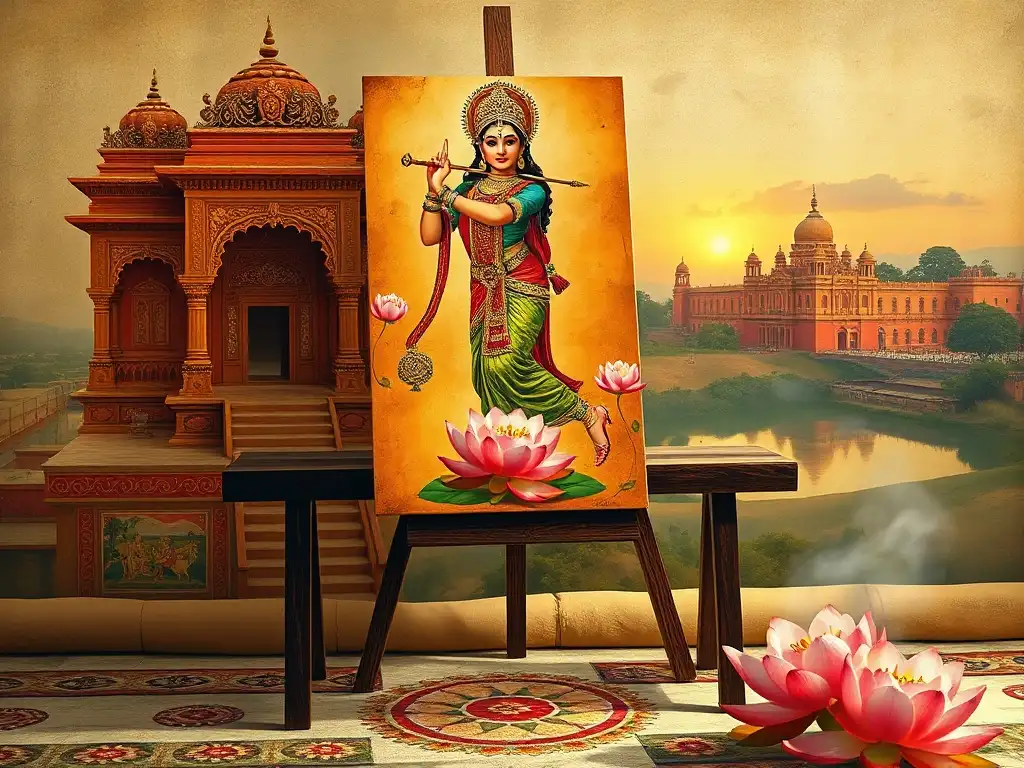
Indian art is deeply intertwined with the philosophical tenets that have shaped the civilization over millennia. The major art forms—classical sculpture, traditional paintings, and architecture—serve as reflections of profound philosophical concepts, revealing the intricate relationship between beauty, truth, and spirituality.
Classical Sculpture: Capturing Divine Beauty
Classical sculpture in India, especially during the periods of the Maurya and Gupta empires, is a remarkable manifestation of the philosophy of beauty. Sculptors aimed to create works that transcended mere physical form, embodying divine qualities that resonate with spiritual ideals. The intricate carvings found in sites like Sanchi and Khajuraho often depict deities, celestial beings, and mythological figures, demonstrating a commitment to capturing the essence of the divine.
These sculptures are not only aesthetically pleasing but also serve a higher purpose: they are intended to inspire devotion and reflection among viewers. For instance, the famous Ashoka Pillar sculptures illustrate the principles of dharma and moral governance, inviting contemplation on the nature of righteousness. In this light, classical sculpture becomes a bridge between the material and spiritual realms, illustrating the philosophy that true beauty lies beyond the physical attributes of a form.
Traditional Paintings: Expression of Truth and Spirituality
Traditional Indian paintings, such as Madhubani, Pattachitra, and Mughal art, encapsulate the philosophical ideas of truth and spirituality. Each painting tells a story, often derived from ancient texts like the Vedas, Puranas, and epics such as the Ramayana and Mahabharata. These narratives are not just artistic expressions but are imbued with deeper meanings that highlight moral values, cosmic truths, and the interconnectedness of life.
The use of vibrant colors and intricate designs in these artworks reflects the belief that art should evoke emotions and convey spiritual truths. For example, the intricate floral patterns and symbolic motifs in Madhubani paintings represent the harmony of nature and the cosmos, reinforcing the philosophical idea of unity in diversity. Thus, traditional paintings serve as visual texts that invite viewers to engage with profound truths about existence and spirituality through their beauty.
Architecture: The Philosophical Foundations of Indian Temples
Indian architecture, particularly temple design, is a profound expression of philosophical thought. Temples are not merely places of worship; they are built to represent the cosmos and the divine. The layout of a temple often follows astrological and geometric principles, symbolizing the relationship between the earthly and the celestial.
For instance, the design of the Brihadeeswarar Temple in Thanjavur reflects the philosophy of the universe's order and the belief in the divine presence within the material world. The towering vimana (shrine) symbolizes Mount Meru, the axis of the universe in Hindu cosmology. This architectural philosophy emphasizes that every aspect of the temple—from its orientation to its intricate sculptures—serves to evoke a sense of spirituality and remind devotees of the eternal truths of existence. In this way, architecture becomes a language of philosophy, articulating the ideas of transcendence and divine beauty through its form and structure.
The Role of Mythology in Indian Art Philosophy
Mythology plays a crucial role in shaping the philosophy of Indian art, offering a rich tapestry of narratives that inform artistic expression. These myths are not just stories; they encapsulate moral lessons, existential questions, and spiritual truths, making them integral to understanding Indian art forms.
Exploring Mythological Narratives in Art
Indian art is replete with mythological narratives that serve as a basis for artistic inspiration. Sculptures, paintings, and architectural motifs frequently depict scenes from Hindu epics and stories of deities, such as Krishna, Shiva, and Durga. Each narrative encapsulates philosophical themes, such as the battle between good and evil, the nature of dharma (righteousness), and the quest for enlightenment.
For example, the depiction of the churning of the ocean in various art forms symbolizes the quest for knowledge and immortality, illustrating the philosophical belief that true wisdom often arises from the struggle between opposing forces. By embedding these narratives in art, artists convey complex philosophical ideas in a manner that is accessible and engaging, inviting viewers to reflect on their meanings.
How Myths Convey Philosophical Ideas
The philosophical ideas embedded in Indian mythology are conveyed through symbolism and allegory in art. Each character, action, and object within a mythological narrative is carefully chosen to represent deeper truths about existence, morality, and the human condition. For instance, the character of Rama in the Ramayana exemplifies the ideals of dharma, while the trials faced by Sita reflect the challenges of virtue and fidelity.
Artworks that depict these stories are designed to provoke thought and reflection, serving as a reminder of the moral and ethical lessons inherent in the myths. The use of divine imagery and symbolic motifs reinforces the belief that art is a medium through which philosophical ideas can be communicated, transcending the boundaries of time and culture. In this way, mythology enriches Indian art by providing a framework through which complex philosophical concepts can be explored and understood.
Contemporary Reflections on the Philosophy of Indian Art
The philosophy of Indian art has transcended time, evolving through various historical epochs while retaining its core values of beauty, truth, and spirituality. In contemporary society, there is a noticeable resurgence of interest in traditional philosophies, as artists and scholars seek to reconnect with the rich heritage of Indian art.
This revival is marked by a blend of ancient concepts with modern sensibilities, leading to innovative expressions that resonate with today's audiences. Contemporary Indian artists often explore themes rooted in ancient philosophies, such as the relationship between the spiritual and the material, the role of nature, and the quest for inner truth, thereby creating a dialogue between the past and the present.
In addition, the integration of technology and new media has prompted artists to reinterpret traditional motifs and techniques. This fusion not only preserves the essence of ancient art but also makes it accessible to a broader audience. Exhibitions, installations, and multimedia presentations often reflect these contemporary reflections, inviting viewers to engage with the philosophical underpinnings of Indian art in novel ways. As a result, the philosophy of Indian art continues to inspire and challenge, urging contemporary practitioners to delve deeper into its profound insights.
Modern Interpretations of Traditional Philosophies
Modern interpretations of traditional philosophies in Indian art can be observed through various artistic movements and individual practices. Artists today often draw from foundational texts such as the Vedas, Upanishads, and various philosophical schools like Advaita Vedanta and Samkhya, reimagining these ancient concepts within their works. This approach not only honors traditional wisdom but also allows for critical engagement with its meanings in the context of contemporary issues.
For instance, the idea of Rasa, or aesthetic emotion, remains central to many modern artworks. Artists like Subodh Gupta and Bharti Kher employ this concept to evoke emotional responses, using materials that reflect the socio-political landscape of contemporary India. Similarly, the integration of spirituality in artworks can be seen in the practices of artists such as Anish Kapoor and Nalini Malani, who explore themes of identity, existence, and transcendence.
Moreover, the contemporary art scene in India is witnessing a shift where artists are not merely replicating traditional forms but are also questioning and redefining them. This critical engagement fosters a dynamic dialogue between the old and the new, allowing for a richer exploration of the philosophy of Indian art.
The Evolution of Indian Art in Relation to Global Philosophical Trends
The evolution of Indian art has always been in dialogue with global philosophical trends, particularly in the wake of colonialism and globalization. As Western philosophies permeated the Indian subcontinent, artists began to incorporate these influences into their work, leading to a hybridization of styles and ideas. The colonial encounter prompted a reassessment of indigenous artistic practices, leading to movements that sought to assert local identities while engaging with global dialogues.
In the post-independence era, the philosophy of Indian art was further influenced by global movements such as Modernism and Postmodernism. Artists like M.F. Husain and F.N. Souza blended traditional Indian aesthetics with modernist techniques, creating artworks that resonate with both local and international audiences. This evolution reflects not only a response to external influences but also an internal quest for identity, as artists navigate the complexities of tradition and modernity.
As the world becomes increasingly interconnected, contemporary Indian artists continue to engage with global philosophical trends, often addressing universal themes such as existentialism, environmentalism, and social justice. This engagement enriches the discourse surrounding Indian art, affirming its relevance in a global context while preserving its unique philosophical heritage.
Conclusion: The Enduring Legacy of the Philosophy of Indian Art History
The enduring legacy of the philosophy of Indian art history lies in its ability to adapt and resonate across time and cultures. As we explore the intricate relationship between art and philosophy, it becomes evident that the insights derived from ancient traditions continue to inform and inspire contemporary practices. The philosophical frameworks established by early Indian thinkers provide a foundation for understanding the significance of beauty, truth, and spirituality in artistic expression.
Summarizing Key Philosophical Insights
Key philosophical insights from Indian art history underscore the importance of holistic understanding and interconnectedness. Concepts such as Dharma (duty/righteousness), Karma (action), and Moksha (liberation) are integral to the philosophical landscape, emphasizing the moral and ethical dimensions of art. Furthermore, the aesthetic principles of Sampoorna (wholeness) and Shanta (tranquility) highlight the pursuit of harmony and balance within artistic creation. These insights serve as guiding principles for both artists and scholars, fostering a deeper appreciation of the philosophical underpinnings that shape Indian art.
Future Directions in the Study of Indian Art Philosophy
Looking ahead, the study of Indian art philosophy is poised to explore new dimensions, particularly through interdisciplinary approaches that integrate art history, cultural studies, and philosophy. As globalization continues to influence artistic practices, researchers will benefit from examining the dialogues between Indian art and international movements. Additionally, there is a growing need to focus on underrepresented voices and marginalized narratives within the context of Indian art history, enriching our understanding of its diverse tapestry.
Moreover, the advent of digital technologies presents exciting opportunities for the dissemination and engagement with Indian art philosophy. Virtual exhibitions, online platforms, and social media can serve as vital tools for connecting artists, scholars, and audiences, fostering a global community that appreciates the timeless relevance of Indian art. As we navigate the complexities of the modern world, the philosophy of Indian art remains a vital resource for exploring beauty, truth, and spirituality in all their forms.
Frequently Asked Questions
What are the main themes of Indian art history?
Indian art history primarily explores beauty, truth, and spirituality as its central themes, reflecting the rich cultural heritage of ancient civilizations.
How did spirituality influence Indian art?
Spirituality played a crucial role in shaping Indian art, often representing divine concepts and mythological narratives that connect the viewer with the spiritual realm.
Can you explain the significance of the Indus Valley in Indian art history?
The Indus Valley Civilization is significant for its advanced urban planning and artistic expressions, showcasing the early development of Indian cultural and artistic traditions.
What contributions did the Gupta Empire make to Indian art?
The Gupta Empire is known for its remarkable advancements in art and architecture, particularly in the fields of sculpture, painting, and the establishment of iconography that influenced subsequent generations.
How does the philosophy of Indian art reflect its cultural diversity?
The philosophy of Indian art encompasses a wide range of cultural influences, demonstrating the diversity of thought and expression across various regions and communities throughout ancient India.
Final Reflection: The Enduring Essence of Indian Art Philosophy
The philosophy behind Indian art, steeped in beauty, truth, and spirituality, remains profoundly relevant in today's world. As we navigate an era marked by rapid technological advancement and cultural shifts, the timeless principles that underpin Indian art offer a sanctuary for reflection and understanding. The intricate relationship between aesthetics and spirituality in Indian art invites us to reconsider our own definitions of beauty and truth in a society that often prioritizes the superficial over the profound.
The influence of this philosophy extends far beyond the canvas, shaping cultural narratives and social values across generations. The teachings embedded in Indian art encourage a deeper connection to our inner selves and the world around us.
As the renowned Indian philosopher Rabindranath Tagore once said, "> The highest education is that which does not merely give us information but makes our life in harmony with all existence." This sentiment resonates today, as we seek meaning and connection in a fragmented world, reminding us that art is not merely a visual experience but a pathway to understanding our place in the universe.
As you reflect on the insights shared in this article, I invite you to embrace the philosophy of Indian art in your own life. Consider how the principles of beauty, truth, and spirituality can guide your actions and decisions. Whether through creating art, appreciating it, or simply engaging with the world around you, let these timeless concepts inspire you to cultivate a deeper awareness and connection to the beauty that surrounds us. In doing so, we not only honor the rich heritage of Indian art but also enrich our own lives with meaning and purpose.
Unleash Your Inner Artist: Dive Deeper into Indian Philosophy!
Thank you for exploring the profound world of Indian art with us! We hope you’ve uncovered the beautiful interplay of beauty, truth, and spirituality that defines this rich tradition. Now, let’s put that inspiration into action!
Here’s how you can deepen your engagement:
- Dive into a local art workshop: Get hands-on experience with traditional Indian art forms. Seek out classes in your area that focus on Madhubani, Warli painting, or any creative form that resonates with you.
- Start a discussion: Share your thoughts on how Indian art reflects philosophical concepts with friends on social media or during your next gathering. It’s a wonderful way to spread appreciation for the art and its deeper meanings!
- Create your own art piece: Let your imagination flow by crafting a work that embodies beauty and spirituality. Use the ideas you’ve gathered here to inspire your creation, whether it’s a painting, poem, or performance.
What aspect of Indian art most inspires your creativity, and how do you plan to express it?