
Understanding the Concept of Dharma in Personal and Social Contexts


Welcome to Ancient India History, where we embark on a fascinating journey through the rich tapestry of ancient Indian civilizations. From the enigmatic Indus Valley to the illustrious Gupta Empire, each era holds treasures of culture and wisdom. In our featured article, we delve into the importance of dharma in society, unraveling how this profound concept shaped personal ethics and social structures throughout history. Prepare to ignite your curiosity as we explore how the principles of dharma continue to resonate today, urging you to read on and discover the timeless lessons from the past!
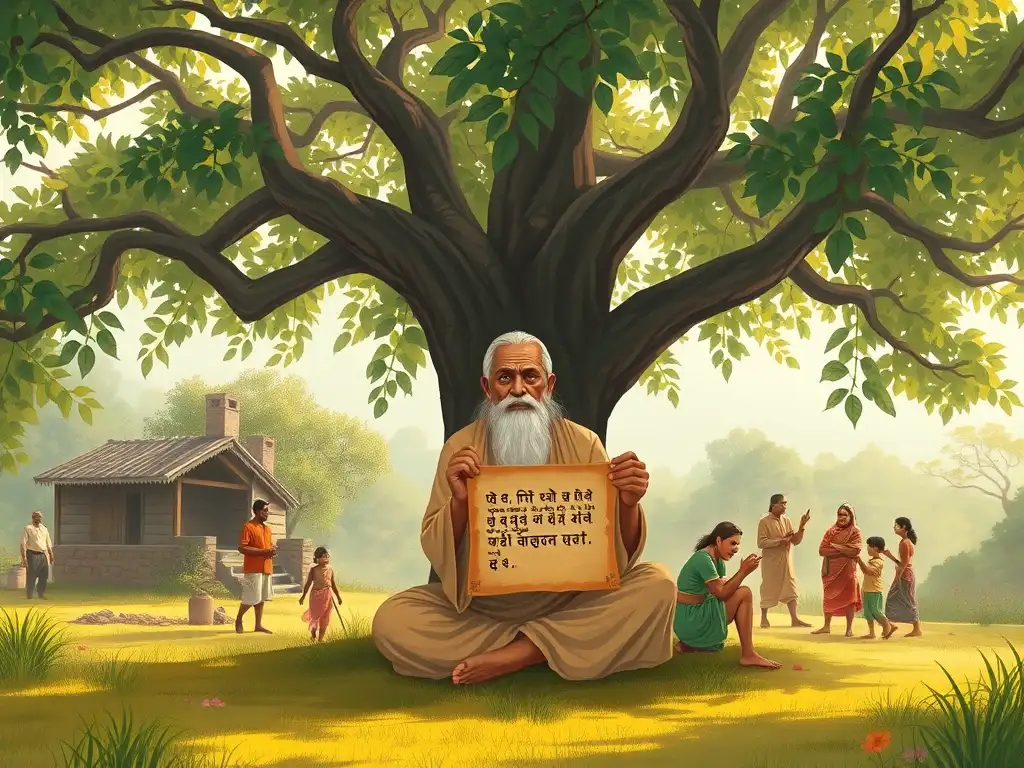
The concept of Dharma holds a pivotal place in the philosophical and cultural fabric of ancient Indian history. It serves as a guiding principle that influences both personal conduct and social dynamics. Derived from the root word "dhr," which means to uphold or maintain, Dharma encapsulates a complex set of moral, ethical, and societal obligations that govern individual behavior and community interactions.
Understanding Dharma is essential for comprehending how ancient Indian civilizations organized their societies and upheld values that contributed to their longevity and coherence. In this article, we will delve into the multifaceted nature of Dharma, examining its definitions, historical roots, and, most importantly, its significance within the societal framework of ancient India.
Introduction to Dharma
Dharma is not merely a religious term; it embodies a holistic view of life that integrates ethical living with spiritual growth. As we explore this concept, we will first define Dharma within the context of Hindu philosophy and trace its historical evolution in ancient India.
Definition of Dharma in Hindu Philosophy
In Hindu philosophy, Dharma is often defined as one's duty or righteousness, encompassing both personal and societal responsibilities. It includes various dimensions, such as:
- Ritual duties: Obligations towards religious practices.
- Moral duties: Ethical conduct towards others.
- Social duties: Responsibilities towards family, community, and society at large.
The concept of Dharma is often contextual, varying with factors like age, caste, gender, and circumstances, emphasizing the need for adaptability in ethical practices. It is essential to recognize that Dharma is not a static set of rules but a dynamic framework guiding individuals through life's challenges.
Historical Context of Dharma in Ancient India
The historical roots of Dharma can be traced back to the Vedic texts, where it was initially articulated as a cosmic principle governing the universe. Over time, various texts, including the Upanishads, Mahabharata, and Manusmriti, expanded on its implications for human behavior. Notably, the Bhagavad Gita presents a profound discourse on Dharma through the dialogue between Arjuna and Krishna, emphasizing the importance of adhering to one's duty even in the face of personal dilemmas.
The Importance of Dharma in Society
The significance of Dharma extends beyond individual conduct; it is fundamental in shaping the fabric of society. Understanding this role can provide insights into the stability and harmony of ancient Indian civilizations.
How Dharma Shapes Social Order
Dharma plays a crucial role in establishing and maintaining social order. It serves as the backbone of the Varna system, which categorizes society into different classes based on occupation and duty. This classification aimed to ensure that everyone contributed to societal welfare according to their abilities and responsibilities.
- Social Cohesion: By delineating roles and responsibilities, Dharma fosters a sense of belonging and community.
- Conflict Resolution: Dharma provides a framework for resolving disputes, ensuring that justice prevails within society.
The Role of Dharma in Ethical Decision-Making
Ethical decision-making is deeply intertwined with the concept of Dharma. In personal and social contexts, individuals are often faced with dilemmas where they must weigh their duties against their desires:
- Guidance in Choices: Dharma offers a moral compass, helping individuals navigate complex situations by prioritizing ethical considerations over personal gain.
- Promotion of Welfare: Decisions made in accordance with Dharma tend to promote the greater good, ensuring that the welfare of the community is upheld.
The importance of Dharma in society is multifaceted, providing a robust framework for ethical living and social harmony that has resonated throughout the ages. By examining its historical roots and contemporary relevance, we can gain a deeper appreciation for the enduring legacy of Dharma in shaping the rich tapestry of ancient Indian civilization.
Personal Aspects of Dharma
Dharma, a concept deeply embedded in Hindu philosophy, pertains not only to the moral and ethical duties one holds in society but also to the personal responsibilities that shape an individual's life. Understanding personal aspects of dharma is crucial in navigating both personal growth and social interactions. It emphasizes the importance of aligning one's actions with their intrinsic nature, values, and societal roles.
Understanding Individual Dharma (Svadharma)
Svadharma refers to an individual's own duty or personal dharma, which is influenced by factors such as age, caste, and individual circumstances. It is the unique path each person must follow to fulfill their purpose in life. In the ancient texts, particularly the Bhagavad Gita, svadharma is highlighted as a guiding principle for individuals to perform their duties without attachment to the results.
For instance, a warrior's dharma might involve bravery and protecting the realm, while a teacher's dharma would center around imparting knowledge and wisdom. Recognizing and adhering to one's svadharma not only fosters personal integrity but also contributes positively to the larger fabric of society. Thus, the concept encourages individuals to introspectively determine their roles and responsibilities, promoting a harmonious balance between personal ambitions and societal expectations.
The Impact of Personal Dharma on Life Choices
The choices individuals make in their lives are profoundly influenced by their understanding and acceptance of personal dharma. For example, when one recognizes their svadharma, they are more likely to pursue careers, relationships, and lifestyles that resonate with their innate values and societal roles.
This alignment with dharma leads to a sense of fulfillment and purpose, ultimately shaping their character and actions. Conversely, neglecting one's dharma can lead to discontentment, moral dilemmas, and societal discord. Decisions grounded in dharma tend to cultivate positive relationships, ethical conduct, and a commitment to the welfare of others, reflecting the interconnectedness of personal and social realms.
Dharma extends beyond individual duties; it encompasses the responsibilities individuals hold toward their communities and society at large. This aspect of dharma plays a crucial role in establishing social order and promoting ethical conduct among individuals, thus reinforcing the significance of social responsibility.
The Interconnection Between Dharma and Social Duties
The interconnection between dharma and social duties is fundamental to the functioning of society. Each individual's adherence to their dharma contributes to the stability and harmony of the community. For example, in an agrarian society, farmers have a dharma to cultivate crops, which sustains not only their families but the entire population.
This social dimension of dharma emphasizes collective well-being over individual desires, urging individuals to act in ways that enhance societal welfare. The principle of dharma thus fosters a sense of unity and mutual responsibility, encouraging individuals to act ethically and contribute positively to societal development and cohesion.
Case Studies of Dharma in Ancient Indian Society
Ancient Indian society offers numerous case studies illustrating the application of dharma in personal and social contexts. One notable example is the ruling principles of King Ashoka, who embraced Buddhism and utilized his authority to promote dharma through non-violence and social welfare. His edicts emphasized ethical governance, compassion, and respect for all living beings, which transformed societal norms during his reign.
Another example can be observed in the life of Mahatma Gandhi, who, although from a much later period, drew heavily on ancient Indian philosophies of dharma. His approach to social justice, non-violent resistance, and community service reflects the essence of dharma as a guiding force for personal conduct and social change.
These historical instances highlight the enduring relevance of dharma in shaping individual actions and societal structures, demonstrating its importance in fostering ethical behavior and social responsibility throughout ancient Indian history.
Dharma in Contemporary Contexts
Dharma, a fundamental concept in Hindu philosophy, continues to resonate in contemporary society, shaping moral frameworks and guiding ethical behavior. In modern contexts, dharma transcends its traditional religious confines, influencing various aspects of life including law, education, and personal relationships. The essence of dharma—characterized by righteousness, duty, and morality—serves as a compass for individuals navigating complex societal dynamics.
In today’s world, the interpretation of dharma has broadened, allowing for a more inclusive understanding that accommodates diverse perspectives. This adaptability has made dharma relevant in discussions surrounding social justice, environmental stewardship, and global ethics. Individuals and communities are encouraged to reflect on their duties not just to themselves but also to society and the planet, fostering a sense of interconnectedness that aligns with the core teachings of dharma.
Relevance of Dharma in Modern Society
The importance of dharma in society is particularly evident in its role in promoting social harmony and ethical governance. In an age marked by rapid globalization and cultural exchange, dharma provides a framework for resolving conflicts and fostering mutual respect among different communities. It emphasizes the need for individuals to act in ways that uphold societal values, encouraging behaviors that contribute to the common good.
Moreover, the principles of dharma manifest in various modern practices, including corporate social responsibility, where businesses are urged to operate ethically and contribute positively to the communities they serve. This reflects a growing recognition that economic success should not come at the expense of social and environmental well-being. By aligning corporate practices with dharmic principles, organizations can enhance their reputation and build trust, ultimately benefiting both society and themselves.
Challenges to Dharma in Today's World
Despite its enduring relevance, the concept of dharma faces significant challenges in today’s rapidly evolving landscape. One of the prominent issues is the clash between traditional values and modernity. As societies become increasingly influenced by globalization and technological advancement, the interpretation and practice of dharma may become diluted or misrepresented.
Additionally, the rise of individualism often undermines the collective aspect of dharma. In a world where personal success is frequently prioritized over communal responsibility, the essence of dharma can be overshadowed. This shift may lead to ethical dilemmas where individuals struggle to balance personal ambitions with their duties to family, community, and environment.
Furthermore, the misuse of dharma by various factions to justify actions that may contradict its true essence poses a significant threat. Such misappropriation can lead to social division and conflict, highlighting the need for a critical examination of how dharma is invoked in public discourse and action.
Conclusion
The importance of dharma in society cannot be overstated. It serves as a guiding principle that fosters ethical behavior, social responsibility, and communal harmony. By embracing dharma, individuals and societies can cultivate a more just and equitable world, where the rights and responsibilities of all are acknowledged and respected.
Summarizing the Importance of Dharma in Society
The concept of dharma remains a vital component of social discourse, influencing moral judgment and collective behavior. Its relevance extends beyond religious contexts, becoming a crucial element in the pursuit of justice, equity, and sustainability. Understanding and applying dharmic principles can enhance individual character and promote societal well-being, creating a balanced relationship between personal desires and collective needs.
Future Implications of Dharma in Cultural Preservation
Looking ahead, the preservation of dharma's principles is essential for maintaining cultural heritage and identity. As societies continue to evolve, the challenge will be to adapt these timeless values to contemporary issues without losing their essence. Educational initiatives that emphasize the importance of dharma can play a significant role in fostering a sense of responsibility among future generations. By instilling a deep understanding of dharma, cultural continuity can be ensured, allowing ancient wisdom to inform modern practices and contribute positively to society's evolution.
- Introduction to Dharma
- The Importance of Dharma in Society
- Personal Aspects of Dharma
- Dharma and Social Responsibility
- Dharma in Contemporary Contexts
- Conclusion
- What is the concept of dharma in ancient Indian society?
- How did dharma influence ancient Indian civilizations?
- Why is the importance of dharma in society emphasized in ancient texts?
- How does dharma relate to personal ethics and responsibilities?
- What are the modern implications of understanding dharma?
Frequently Asked Questions
What is the concept of dharma in ancient Indian society?
Dharma refers to the moral and ethical duties that individuals must follow based on their role in society, ensuring harmony and balance in both personal and social contexts.
How did dharma influence ancient Indian civilizations?
Dharma played a crucial role in shaping social order, guiding individuals in their responsibilities, and fostering a sense of community and cooperation among different groups.
Why is the importance of dharma in society emphasized in ancient texts?
Ancient texts highlight the importance of dharma as a foundational principle for maintaining justice, order, and overall well-being within society, ensuring that individuals act in ways that benefit the community.
How does dharma relate to personal ethics and responsibilities?
In personal contexts, dharma dictates an individual's ethical obligations, helping them navigate moral dilemmas and make choices that align with their values and societal roles.
What are the modern implications of understanding dharma?
Understanding dharma today can inform contemporary discussions on ethics, social justice, and individual responsibilities, promoting a more harmonious and responsible society.
Final Reflection: The Enduring Importance of Dharma in Society
The concept of Dharma remains a cornerstone of ethical and moral conduct, shaping both personal lives and societal norms. In today's fast-paced world, where values often seem to waver, understanding Dharma is more crucial than ever. It serves as a guiding principle, reminding us of our responsibilities not only to ourselves but also to our communities. The importance of Dharma in society is not merely a philosophical idea; it is a practical framework that can lead to harmony and balance in our increasingly complex lives.
Dharma influences our cultural and social landscapes in profound ways, providing a compass for navigating ethical dilemmas and fostering a sense of duty. As we witness the challenges of modern society, from environmental crises to social injustices, the teachings of Dharma encourage us to act with integrity and compassion. Dharma is not just a set of rules; it is the essence of our existence, guiding us toward the greater good.
This perspective invites us to reflect on how our actions resonate within the broader tapestry of society, urging us to contribute positively to the world around us.
As we conclude our exploration of Dharma, I invite you to take a moment to reflect on your own life and the role you play within your community. Consider how you can embody the principles of Dharma in your daily actions, fostering a sense of responsibility and interconnectedness. The journey of understanding and implementing Dharma is ongoing, and each of us has the power to make a difference. Let us embrace this wisdom, allowing it to inspire our choices and shape a brighter future for ourselves and society as a whole.
Embrace Your Dharma Today!
Thank you for diving into the fascinating world of Dharma with us! You've explored its profound significance in both personal and social realms, gaining valuable insights. Now it's time to put that knowledge into action.
Here are some practical steps to help you embrace your Dharma and make a positive impact:
- Reflect on Your Values: Take a moment to identify what truly matters to you. Write down **three guiding principles** that shape your actions and decisions.
- Share Your Insights: Discuss your understanding of Dharma with friends or family. Encourage a conversation about how each person interprets and applies these principles in their lives.
- Join a Community: Seek out online or local groups focused on personal development or spiritual growth. Engaging with others can deepen your understanding and commitment to living your Dharma.
What does living in alignment with your Dharma look like for you? **We invite you to share your thoughts below! **