
The Role of Iconography in Indian Art: Understanding Symbols and Meanings

Welcome to Ancient India History, where we embark on a fascinating journey through the rich tapestry of ancient Indian civilizations. Delve into the intricacies of Indian art iconography symbols meaning, a captivating topic that unveils how symbols have shaped the artistic landscape of India, reflecting its diverse culture and philosophical depth. As you explore the role of iconography in Indian art, prepare to uncover the profound meanings behind these symbols and their impact on society.
What stories do these images tell? Join us as we illuminate the past and inspire your curiosity to learn more about the vibrant heritage of ancient India!
Introduction to Indian Art Iconography
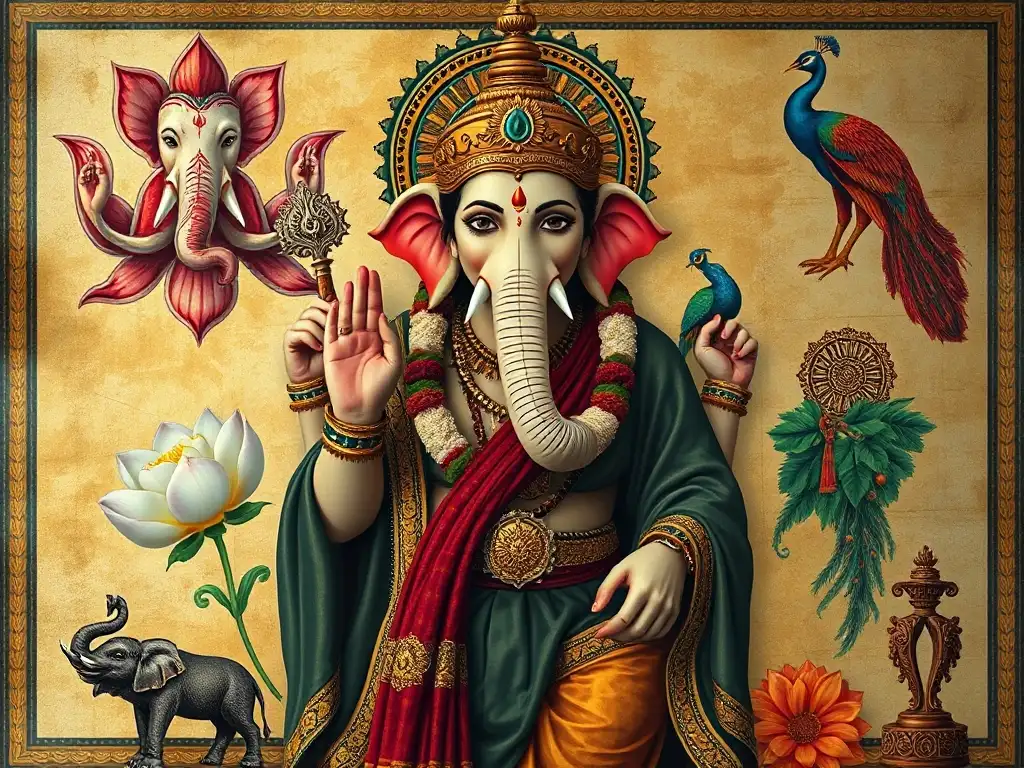
Indian art iconography is a profound and intricate aspect of the country's artistic heritage, serving as a visual language that communicates deep cultural narratives and philosophical ideas. From the elaborate carvings of ancient temples to the vibrant colors of traditional paintings, iconography in Indian art encapsulates a wealth of symbols and meanings that reflect the diverse beliefs, practices, and values of its civilizations.
Understanding these symbols not only enhances our appreciation of the artwork but also opens a window into the historical and spiritual contexts that shaped them. This article delves into the significance of Indian art iconography, unraveling the layers of meaning that these symbols convey and their enduring relevance in the cultural fabric of India.
Definition of Iconography in Indian Art
Iconography refers to the study and interpretation of the symbolic meanings of images, icons, and signs within various forms of art. In the context of Indian art, it encompasses a vast range of representations, including gods, goddesses, mythological figures, and natural elements. Each symbol is imbued with specific meanings and associations, often derived from religious texts, folklore, and regional traditions. Understanding the iconography of Indian art involves not just recognizing these symbols, but also grasping their broader cultural, historical, and spiritual implications.
Importance of Symbols in Indian Culture
Symbols play a pivotal role in Indian culture, acting as conduits for expressing complex ideas and emotions. In a society where oral traditions have historically coexisted with visual representations, symbols often transcend language barriers, making them accessible to diverse audiences. For instance, the lotus flower symbolizes purity and enlightenment, while the conch shell represents the divine sound of creation. Through these symbols, artists communicate profound philosophical concepts, ethical values, and societal norms, fostering a shared cultural identity among communities.
Historical Context of Indian Art Iconography
Understanding Indian art iconography requires an exploration of its historical context, which spans thousands of years and encompasses various dynasties and regions. The evolution of art and its associated symbols reflects the socio-political and religious transformations that have occurred throughout India’s history.
Overview of Indian Art Through Ages
Indian art can be categorized into distinct periods, each characterized by unique styles, themes, and iconographic elements. From the prehistoric rock art of Bhimbetka to the sophisticated sculptures of the Gupta Empire, each era contributed to the rich tapestry of Indian artistic expression:
- Indus Valley Civilization: Early examples of iconography, such as the famous "Dancing Girl" statue, showcase the civilization's artistic skills.
- Maurya Period: The Ashoka Pillars and the development of Buddhist iconography marked a significant advancement.
- Gupta Era: Known as the "Golden Age" of India, this period witnessed the flourishing of temple architecture and the refinement of iconographic symbols.
Evolution of Iconography in Ancient Indian Civilizations
The evolution of iconography in ancient Indian civilizations is a testament to the dynamic interplay of culture, religion, and art. Each civilization brought forth new symbols and meanings, often influenced by the prevailing philosophical and religious ideologies of the time. For example:
- Buddhism: Introduced specific symbols like the Bodhi tree and the stupa, which conveyed deep spiritual significance.
- Hinduism: Developed a rich iconographic vocabulary, with deities represented in various postures and attributes, each conveying specific powers and qualities.
- Jainism: Utilized symbols like the hand (representing non-violence) and the swastika (symbolizing well-being) to convey its core teachings.
The continuity and transformation of these symbols over centuries illustrate the resilience and adaptability of Indian art iconography, making it a vital area of study for understanding the cultural heritage of India.
Major Symbols in Indian Art
Indian art is rich in symbolism, where each element conveys deeper meanings tied to religion, culture, and philosophy. Major symbols found in Indian art often represent various deities, concepts, and philosophies that are integral to the beliefs of the time. For instance, the lotus flower signifies purity and spiritual awakening, while the swastika symbolizes auspiciousness and good fortune. Additionally, animals such as elephants and lions often represent strength and wisdom, respectively.
These symbols are not merely decorative; they serve as narrative devices that communicate stories and teachings from ancient texts. In essence, understanding these symbols is crucial for interpreting the narratives embedded in Indian art forms, including sculpture, painting, and architecture.
Symbols in Hindu Art and Iconography
Hindu art is characterized by a plethora of symbols that represent various deities and spiritual concepts. For example, the trident (trishula) of Lord Shiva symbolizes his three fundamental aspects: creation, preservation, and destruction. Similarly, the conch shell (shankha) represents the cosmic sound of creation and is often associated with Lord Vishnu.
Each deity has specific attributes that are visually represented in art, such as Goddess Durga being depicted with multiple arms, signifying her ability to perform various tasks simultaneously. Furthermore, the use of colors in Hindu iconography also has significant meanings; for instance, blue represents the infinite and the divine, particularly in depictions of Lord Krishna.
These symbols not only help devotees identify deities but also serve to convey moral and philosophical teachings that are central to Hindu belief systems.
Buddhist Iconography and Symbolism
Buddhist iconography is rich with symbols that convey the teachings of Buddhism and the life of the Buddha. The lotus flower is a prominent symbol in Buddhist art, representing enlightenment and purity, as it rises from muddy waters untouched by dirt. The wheel of dharma (dharmachakra) symbolizes the teachings of Buddha and the path to enlightenment.
Buddhist figures are often depicted in various mudras (hand gestures) that convey specific meanings; for example, the meditation mudra signifies inner peace and contemplation. Additionally, the stupa—a dome-shaped structure—serves as a reliquary and symbolizes the mind of the Buddha.
Understanding these symbols is essential for grasping the philosophical underpinnings of Buddhism and its representation in art.
Jain Iconography and Its Unique Features
Jain iconography is distinct and focuses heavily on the portrayal of Tirthankaras, the enlightened beings who have achieved liberation. Each Tirthankara has specific symbols associated with them; for instance, Lord Mahavira is often depicted with a lion, which symbolizes courage and strength.
Jain art emphasizes clarity and precision, with intricate carvings that depict narratives of the Tirthankaras' lives. The use of symbolism in Jain art is often more subdued compared to Hindu and Buddhist art, focusing on the spiritual rather than the ornate.
Moreover, the emphasis on non-violence (ahimsa) in Jainism is reflected in their art, which often features motifs of plants and animals that celebrate life and promote respect for all living beings.
Interpretation of Iconography in Indian Art
The interpretation of iconography in Indian art requires a deep understanding of the cultural and historical contexts in which the art was created. Symbols can vary in meaning across different regions and periods, making it essential for scholars and enthusiasts to consider the socio-political environment of the time.
Understanding the Context and Meaning of Symbols
To fully appreciate Indian art iconography, one must delve into the historical context surrounding the symbols used. For instance, the transition from the Indus Valley Civilization's art to the subsequent Vedic and post-Vedic periods reflects changes in spiritual beliefs and societal structures.
Symbols are often layered in meaning; for example, the depiction of a serpent can represent both danger and protection, depending on the context. By analyzing the historical events, religious texts, and cultural practices of a particular era, one can gain insights into the multi-faceted meanings of these symbols.
The Role of Mythology in Shaping Iconography
Mythology plays a pivotal role in shaping the iconography of Indian art. The narratives found in texts like the Ramayana and Mahabharata provide a wealth of symbols and stories that artists draw upon for inspiration.
For example, the Ramayana’s depiction of Lord Rama with his bow and arrow symbolizes righteousness and the battle against evil. These mythological stories are not only significant in their own right but also inform the iconography of various deities and figures, enriching the narratives conveyed through art.
Cultural Significance of Iconographic Elements
The cultural significance of iconographic elements in Indian art extends beyond religious contexts; they also reflect social values, historical events, and philosophical ideas. Symbols often convey messages about the human condition, morality, and the relationship between the divine and the mundane.
For instance, the use of specific colors and motifs can denote social status or geographic origins, while also serving to unify communities through shared cultural narratives. Thus, iconography in Indian art serves as a mirror reflecting the complexities of society, spirituality, and the human experience throughout history.
Techniques and Styles in Indian Art Iconography
Indian art iconography is characterized by a rich tapestry of techniques and styles that have evolved over centuries. Artists have employed various methods to convey complex meanings through symbols, often rooted in religious and cultural narratives.
One prominent technique is relief sculpture, commonly seen in temple architecture, where figures are carved in relief from a flat background. This style can be traced back to the ancient Indus Valley Civilization and continued to thrive through different dynasties, adapting to regional tastes.
Another significant style is painting, which encompasses a wide range of techniques, including frescoes, miniatures, and wall paintings. Each painting style, such as Madhubani, Pattachitra, and Tanjore, incorporates specific iconographic elements that represent deities, mythological stories, and cultural traditions. The vibrant colors and intricate patterns often hold deeper meanings, reflecting the spiritual beliefs of the time.
Additionally, textile art plays a crucial role in iconography, with traditional motifs woven into fabrics used in clothing and religious ceremonies. Techniques like block printing and embroidery showcase symbols that resonate with local lore and beliefs, further enriching the narrative of Indian art.
Different Art Forms Incorporating Iconography
Iconography in Indian art transcends various forms, each contributing to a broader understanding of cultural and spiritual narratives.
- Sculpture: Sculptural works, especially those found in temples, are replete with iconographic symbols that depict gods, goddesses, and celestial beings. The intricate carvings serve not only as decorative elements but also as visual storytelling, conveying moral and ethical lessons.
- Painting: Traditional Indian paintings, such as those from the Rajput and Mughal schools, utilize iconography to illustrate historical events and religious themes. The use of symbolic colors and figures allows for a deeper interpretation of the depicted scenes.
- Architecture: Temples and monuments often feature iconography in their structural designs. Elements such as domes, pillars, and façades are adorned with carvings and motifs that represent various deities and cosmological principles, reinforcing the connection between the physical and spiritual realms.
- Ceramics and Pottery: Iconographic symbols are also found on pottery, where designs may incorporate mythological themes or everyday life, linking the material culture to the spiritual beliefs of the community.
Regional Variations in Iconographic Practices
India's vast geographical and cultural diversity has led to significant regional variations in iconographic practices. Each region boasts its own unique styles and interpretations of symbols.
- North India: Here, iconography is heavily influenced by Hindu mythology, with vibrant depictions of deities like Krishna and Rama. The use of bright colors and dynamic forms is prominent in folk art forms such as Madhubani and Warli.
- South India: Iconographic practices in South India often focus on intricate carvings in temple architecture, particularly in the Dravidian style. The deities are depicted in elaborate forms, showcasing detailed ornamentation and a rich use of symbolism.
- East India: In states like Odisha and West Bengal, traditional arts such as Pattachitra highlight regional folklore and religious narratives, using iconography that resonates with local cultural identities. The art features a distinctive style characterized by mythological themes and vibrant colors.
- West India: The art forms in Gujarat and Rajasthan often integrate local traditions with influences from neighboring cultures. Iconography in textiles, wall paintings, and pottery reflects the unique lifestyles and beliefs of the communities.
The Influence of Iconography on Contemporary Indian Art
Contemporary Indian art continues to draw inspiration from traditional iconography, reflecting the dynamic interplay between the past and present. Artists are increasingly exploring these symbols in innovative ways, merging historical contexts with modern themes.
Modern Interpretations of Traditional Symbols
Many contemporary artists reinterpret traditional symbols to address current societal issues. For instance, the motifs of deities may be used to comment on contemporary challenges such as gender equality, environmentalism, and social justice. By recontextualizing these icons, artists create a dialogue that connects ancient wisdom with modern realities.
Additionally, the incorporation of mixed media and technology allows artists to experiment with iconographic elements in new formats. Installations and digital art can engage audiences in ways that traditional forms might not, broadening the reach and impact of the message.
The Role of Iconography in Current Artistic Expressions
In today's artistic landscape, iconography serves as a powerful tool for expression and identity. Artists utilize symbols not only to reflect cultural heritage but also to challenge conventions and provoke thought. This resurgence of interest in iconography can be seen in various art exhibitions and public installations, where traditional elements are juxtaposed with contemporary contexts.
Furthermore, the global art scene has embraced Indian iconographic elements, leading to cross-cultural exchanges that enrich both local and international artistic dialogues. As a result, iconography in contemporary Indian art remains a vibrant and evolving field, continuously redefining itself while honoring its rich historical roots.
Conclusion
The exploration of Indian art iconography reveals a profound tapestry of symbols and meanings that have shaped the cultural landscape of the subcontinent for millennia. From the intricate carvings of the Indus Valley Civilization to the vibrant frescoes of the Gupta period, the use of iconography in Indian art serves not only as a medium of aesthetic expression but also as a vessel of spiritual and philosophical ideas. Each symbol, whether it be a deity, an animal, or a geometric pattern, is imbued with significance, often reflecting the societal values, beliefs, and traditions of the time.
Understanding these symbols and their meanings allows us to appreciate the depth and complexity of Indian art. It invites us to look beyond the surface and engage with the narratives that have been passed down through generations. This insight into iconography enriches our experience of art, bridging the past with the present and enabling a deeper connection to the cultural heritage of India.
The Enduring Legacy of Indian Art Iconography
The legacy of Indian art iconography is enduring and pervasive, influencing not only contemporary artists but also global art movements. Iconography has been a foundational element in various forms of Indian art, including sculpture, painting, textiles, and architecture. Its principles continue to resonate in modern artistic expressions, where traditional symbols are often reinterpreted to convey contemporary themes.
Moreover, the study of Indian art iconography has found a place in academic discourse, where scholars and enthusiasts alike delve into the meanings behind various symbols. This scholarly interest ensures that the significance of these symbols is preserved and appreciated in a modern context. Workshops, exhibitions, and cultural festivals frequently highlight the relevance of traditional iconography, showcasing its adaptability and timelessness.
The impact of Indian art iconography is not limited to the borders of India; it has transcended into international art scenes, inspiring artists across the globe. The universal themes of spirituality, nature, and humanity that are encapsulated within these symbols continue to foster cross-cultural dialogues, enriching the global artistic narrative.
Final Thoughts on Symbols and Their Meanings in Indian Culture
Symbols in Indian culture are far more than mere representations; they are the essence of a rich philosophical and spiritual heritage. Each symbol carries layers of meaning, often reflecting the intricate relationship between the material and the spiritual worlds. The ability of these symbols to convey complex ideas in a visually striking manner is a testament to the sophistication of Indian art practices.
As we engage with Indian art iconography, it is crucial to recognize the cultural context from which these symbols arise. The meanings attributed to them may vary across different regions, communities, and historical periods, underscoring the diversity within Indian culture. This dynamic interplay of symbols invites viewers to explore, question, and connect with the narratives embedded in the artwork.
Ultimately, the study of Indian art iconography opens a window into the soul of ancient civilizations, offering insights that remain relevant today. By appreciating these symbols and their meanings, we can foster a deeper understanding of not only Indian art but also the broader human experience that transcends time and geography.
- Introduction to Indian Art Iconography
- Historical Context of Indian Art Iconography
- Major Symbols in Indian Art
- Interpretation of Iconography in Indian Art
- Techniques and Styles in Indian Art Iconography
- Different Art Forms Incorporating Iconography
- Regional Variations in Iconographic Practices
- The Influence of Iconography on Contemporary Indian Art
- Conclusion
Frequently Asked Questions
What is iconography in Indian art?
Iconography refers to the visual images and symbols used in Indian art to convey deeper meanings and themes. It serves as a key tool for interpreting the cultural and spiritual narratives of ancient Indian civilizations.
Why are symbols important in Indian art?
Symbols play a crucial role in communicating complex ideas and beliefs. They help in understanding the cultural values and religious practices of different periods, from the Indus Valley civilization to the Gupta Empire.
How do iconographic symbols vary across different Indian cultures?
Iconographic symbols may vary significantly due to the diversity of cultures and regional practices in India. Each region can have its own unique symbols that reflect local beliefs, traditions, and artistic styles.
Can you give examples of common symbols in Indian art?
Common symbols include the lotus, representing purity and enlightenment, and the swastika, symbolizing good fortune and prosperity. These symbols often carry deep spiritual significance across various artistic expressions.
How does understanding iconography enhance the appreciation of Indian art?
Understanding iconography allows viewers to appreciate the layered meanings behind artworks, enriching their experience and knowledge of Indian history and culture. It fosters a deeper connection with the artistic traditions of the past.
Final Reflection: The Enduring Significance of Indian Art Iconography
The exploration of Indian art iconography reveals a profound connection between symbols and their meanings, which resonates with contemporary society. In a world increasingly driven by visual communication, understanding the layers of meaning embedded in art becomes essential. The intricate symbols found in Indian art not only reflect cultural narratives but also serve as a bridge connecting us to our shared human experience. As we navigate through modernity, the relevance of these symbols remains strikingly powerful.
The influence of Indian art iconography extends beyond mere aesthetics; it shapes cultural identity and fosters a sense of belonging. The symbols and meanings encapsulated in this art form continue to inspire artists, scholars, and enthusiasts alike, reminding us of the rich tapestry of history and spirituality that defines Indian culture. As noted by art historian Dr. Vidya Dehejia, Iconography is not just about the representation of deities; it is a language that speaks to the soul of a civilization.
This ongoing dialogue between the past and present underscores the importance of preserving and understanding these artistic expressions.
As we reflect on the role of iconography in Indian art, I invite you to consider how these symbols can enrich your own life. Take a moment to explore the meanings behind the art you encounter, whether in galleries, temples, or everyday objects. Allow yourself to engage with these symbols, and let them inspire a deeper appreciation for the cultural narratives they convey. By embracing the lessons of Indian art iconography, we can cultivate a more profound understanding of our world and the connections that bind us all.
Unveil the Symbols: Dive Deeper into Indian Iconography!
Thank you for exploring the fascinating world of Indian art and its rich symbolism with us! We hope you’ve uncovered valuable insights into how iconography shapes cultural narratives and meanings. Now, it's time to elevate your understanding even further!
Here are some actionable steps you can take right away:
- Visit local museums or galleries that showcase Indian art, and observe the symbols used. What stories do they convey?
- Participate in a workshop or class focused on Indian art and iconography to discover the intricacies of these symbols through hands-on experience.
- Share your newfound insights with friends or on social media! Engage in discussions about the influence of these symbols in contemporary culture and art.
Which symbol or piece of art resonates with you the most, and what do you believe makes it significant in Indian culture? Let’s ignite a discussion in the comments below!