
Ancient Indian Engineering: The Science Behind Stepwells

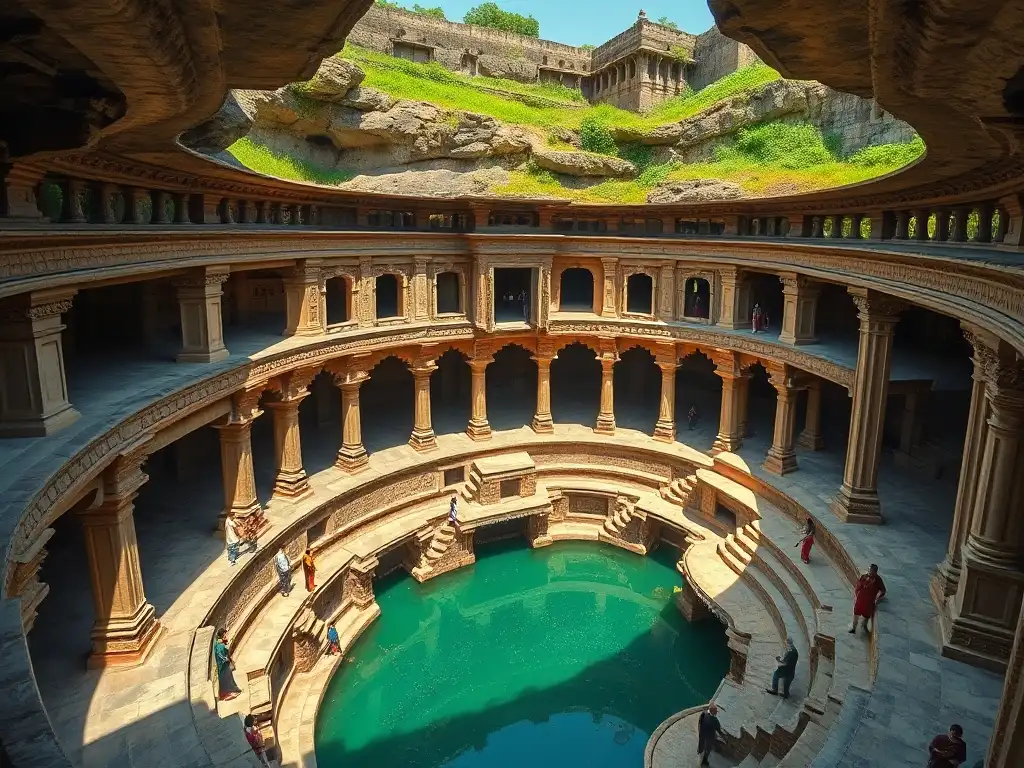
Welcome to Ancient India History, where we embark on a fascinating journey through the rich tapestry of ancient Indian civilizations. Prepare to delve into the world of extraordinary engineering feats, as we explore the captivating story of Ancient Indian stepwell engineering. These architectural marvels not only served as vital water sources but also reflected the ingenuity and advanced understanding of hydraulic science in ancient times. Join us as we uncover the science behind these remarkable structures and the cultural significance they held. Your exploration of ancient innovations begins here—are you ready to dive in?
-
Ancient Indian Stepwell Engineering: An Overview of Techniques and Innovations
- Introduction to Ancient Indian Stepwells
- The Historical Significance of Stepwells
- Architectural Features of Stepwells
- The Science Behind Stepwell Engineering
- Cultural Impact of Stepwells on Ancient Indian Society
- Stepwells as Social Hubs
- Artistic and Architectural Influence
- Preservation of Ancient Indian Stepwells
- Conclusion: The Legacy of Ancient Indian Stepwell Engineering
- Frequently Asked Questions
- Final Reflection: The Enduring Legacy of Ancient Indian Stepwell Engineering
- Unveil the Marvels of Ancient Engineering!
Ancient Indian Stepwell Engineering: An Overview of Techniques and Innovations
Introduction to Ancient Indian Stepwells
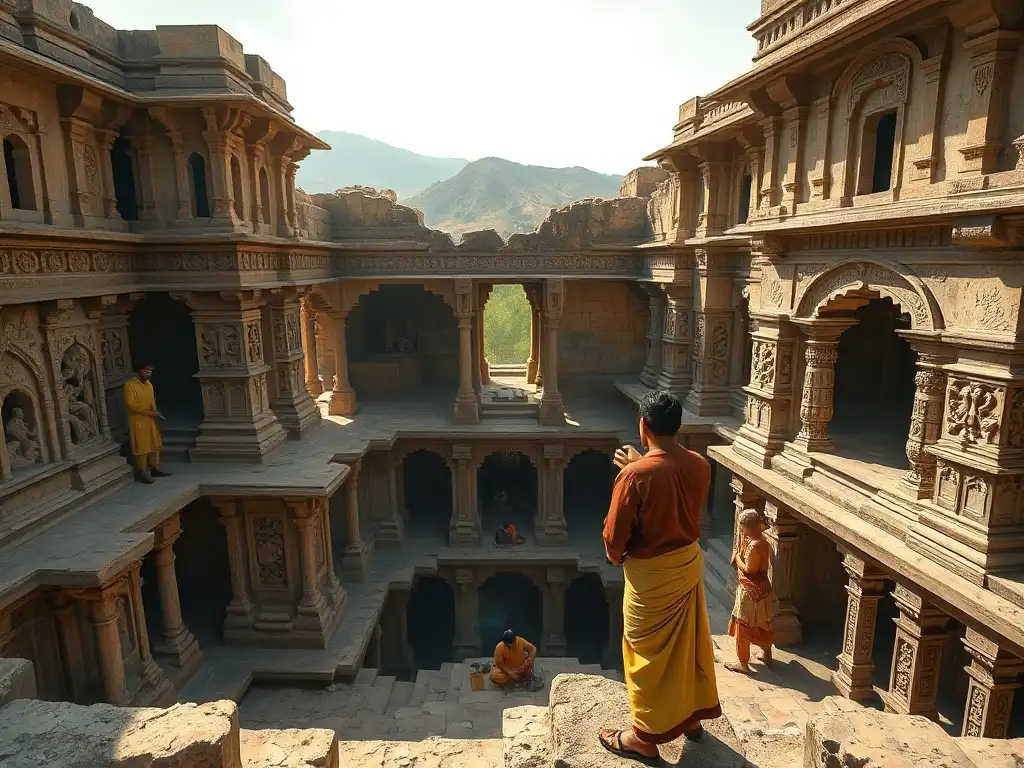
Ancient Indian stepwells represent a remarkable fusion of functionality, artistry, and engineering ingenuity, showcasing the advanced understanding of hydraulics and architecture in ancient Indian civilizations. These subterranean structures, designed for water storage and retrieval, are not merely utilitarian; they are also intricate marvels that reflect the social, cultural, and environmental contexts of their time. Originating as early as the 3rd century BCE, stepwells were developed in response to the arid climates of regions such as Gujarat and Rajasthan, where access to fresh water was crucial for survival and sustenance.
The engineering behind these stepwells involves an impressive blend of techniques, with features such as staircases, chambers, and elaborate carvings. Each stepwell serves a dual purpose: providing access to water and acting as a social hub for the community. As we delve into the fascinating world of ancient Indian stepwell engineering, it becomes evident that these structures are not only vital for understanding water management practices but also serve as cultural icons reflecting the values and technological prowess of their creators.
The Historical Significance of Stepwells
The historical significance of stepwells extends beyond their practical use; they are a testament to the ingenuity and adaptability of ancient Indian societies. These structures symbolize the intricate relationship between humans and their environment, highlighting the innovative approaches adopted to address challenges posed by nature.
- Cultural and Social Hub: Stepwells were often community gathering places, where people came together not only to collect water but also to socialize and celebrate festivals. The architectural designs typically included seating areas, allowing for interaction and leisure, making these wells an integral part of community life.
- Architectural Marvels: The craftsmanship displayed in the construction of stepwells is noteworthy. Each stepwell features unique designs and intricate carvings that reflect local artistic traditions. The most famous examples, such as the Rani ki Vav in Patan and the Adalaj Stepwell, showcase elaborate sculptures and motifs that narrate myths and legends, demonstrating the artistic capabilities of their builders.
- Technological Innovations: The engineering principles utilized in stepwell construction were advanced for their time. The depth and design of these wells allowed for the harvesting of rainwater and groundwater, ensuring a reliable water supply throughout the year. Techniques such as the use of gravitational flow and the strategic placement of terraces were critical to maximizing the efficiency of these structures.
Ancient Indian stepwell engineering not only addresses the practical need for water management but also embodies the cultural richness and technological innovations of ancient Indian civilizations. As we explore further, we will uncover the various engineering techniques employed in the creation of stepwells and their lasting legacy in the field of architecture and engineering.
Architectural Features of Stepwells
Stepwells are remarkable structures that combine functionality with aesthetic appeal, showcasing the ingenuity of ancient Indian engineering. These architectural marvels were primarily constructed in arid regions to provide access to groundwater, particularly in regions where water sources were scarce. The design of stepwells often reflects the cultural and religious beliefs of the time, incorporating intricate carvings and motifs that tell stories of the era.
The layout of stepwells typically consists of a deep vertical shaft, which is lined with steps on one or more sides, allowing users to descend to the water level. The architectural features can vary widely, from simple designs to elaborate multi-storied constructions. Many stepwells feature ornate pillars, arches, and niches, often adorned with sculptures of deities and mythological figures. These embellishments serve both decorative and spiritual purposes, as stepwells were often considered sacred spaces.
In addition to their aesthetic qualities, the architectural design of stepwells was highly functional. The steps were carefully constructed to provide stability and safety for users, while the shaft's depth ensured that the water table was accessible throughout the year. Some stepwells even included covered chambers or platforms, providing shade and a resting place for travelers and locals alike.
Design Elements of Ancient Indian Stepwells
The design of ancient Indian stepwells highlights a blend of practical engineering and artistic expression. Key elements include:
- Symmetry and Proportions: Many stepwells exhibit symmetrical designs, which not only enhance their visual appeal but also contribute to structural stability. The proportions of the steps and the depth of the well were meticulously calculated to optimize accessibility and functionality.
- Carvings and Sculptures: Decorative motifs often feature floral patterns, animals, and figures from Hindu mythology. These carvings not only serve an aesthetic purpose but also reflect the cultural significance of the well within the community.
- Multiple Entry Points: Some stepwells were designed with multiple entrances, allowing for easy access from different directions. This feature was particularly useful in busy urban areas where many people relied on the well for water.
- Chambers and Platforms: Certain stepwells include additional chambers or platforms at various levels, offering space for storage or gathering. These areas could serve as communal spaces for rituals or social interactions.
Water Management Techniques
Ancient Indian stepwells exemplified advanced water management techniques that were crucial for sustaining communities in arid regions. The engineering of these structures involved meticulous planning and execution to ensure efficient water collection and storage. Key techniques include:
- Silt Filtration: The design of stepwells often incorporated natural filtration systems, where water would pass through layers of soil and silt before reaching the well. This process helped to purify the water and reduce sedimentation.
- Catchment Areas: Many stepwells were built in conjunction with catchment systems that directed rainwater into the well. These systems included channels and drains that collected surface runoff, increasing the well's water supply during monsoon seasons.
- Maintenance Protocols: Regular maintenance of stepwells was essential for water quality and accessibility. Communities developed practices for cleaning and repairing wells to prevent contamination and ensure a continuous supply of water.
The Science Behind Stepwell Engineering
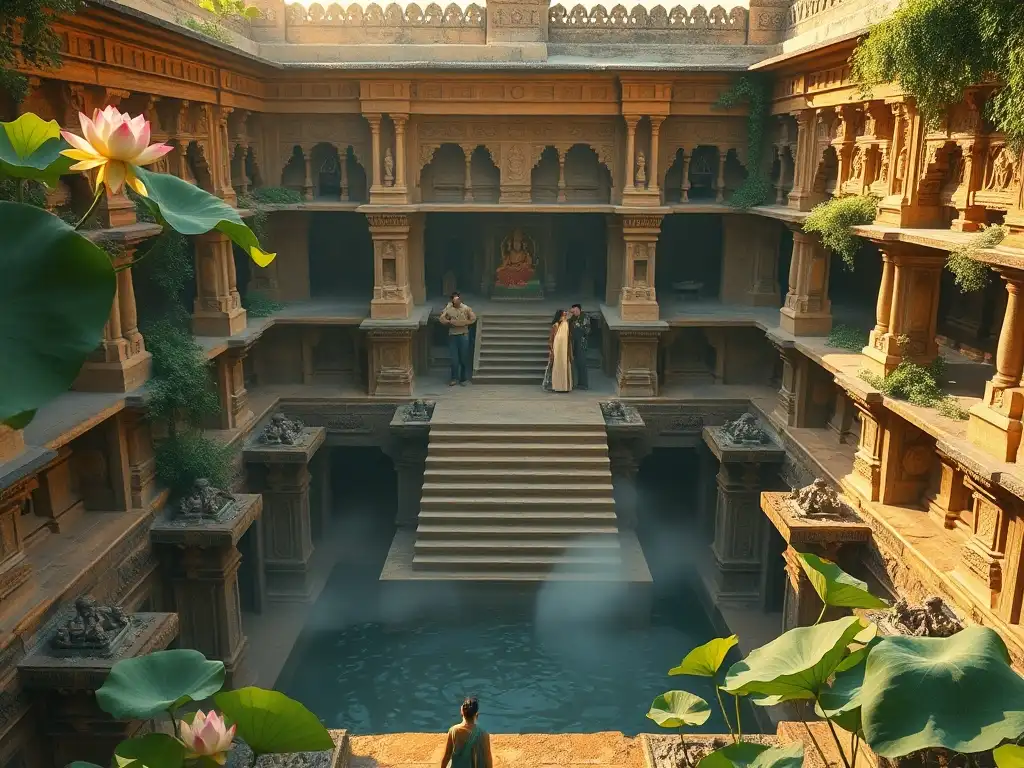
The engineering of stepwells is rooted in a deep understanding of hydrology and materials science. Ancient engineers employed principles of physics and geology to design and construct these structures, ensuring their effectiveness and longevity.
Hydrological Principles in Stepwell Construction
Hydrology played a crucial role in the construction of stepwells. Ancient engineers understood the behavior of groundwater and the factors influencing its availability. Key principles include:
- Groundwater Levels: The positioning of stepwells was often determined by the local groundwater table. Engineers conducted surveys to identify optimal locations where the water level would remain consistently accessible.
- Soil Composition: Knowledge of soil types and their permeability was essential in determining the appropriate construction techniques. Engineers selected materials that would enhance the structural integrity of the stepwell while allowing for effective water retention.
- Evaporation Control: The design of stepwells aimed to minimize evaporation losses. Deep shafts and shaded areas helped to maintain cooler temperatures, preserving the water supply even in hot climates.
Innovations in Stepwell Design
Ancient Indian stepwell engineering showcased several innovative techniques that have influenced modern water management practices. Notable innovations include:
- Geometric Optimization: Stepwells often employed geometric shapes that maximized volume while minimizing material usage. The circular or square designs allowed for efficient structural integrity and reduced the risk of collapse.
- Modular Construction: Many stepwells were built using modular techniques, where pre-fabricated components were assembled on-site. This approach streamlined construction processes and allowed for rapid deployment in various locations.
- Integration with Natural Landscapes: Engineers skillfully integrated stepwells into the natural topography, utilizing existing features such as hills and depressions to enhance water collection and storage capabilities. This integration ensured that the stepwell functioned harmoniously within its environment.
These innovations not only reflect the advanced engineering capabilities of ancient India but also provide valuable lessons for contemporary water management solutions in similar climatic contexts.
Cultural Impact of Stepwells on Ancient Indian Society
Stepwells are more than just functional water reservoirs; they encapsulate the intricate relationship between engineering, culture, and community in ancient Indian society. These remarkable structures were not only designed for practical purposes but also served as significant cultural landmarks. Their presence reflects the socio-economic conditions, religious practices, and communal interactions prevalent in ancient India.
The construction of stepwells enabled communities to thrive in arid regions, ensuring a reliable water supply for both daily use and agricultural pursuits. This accessibility to water facilitated the growth of settlements and played a crucial role in the advancement of urbanization in ancient India. Furthermore, stepwells became symbols of communal cooperation, as they required collective efforts for their construction and maintenance.
Stepwells served as vital social hubs within ancient Indian communities, acting as gathering places for various activities. People would congregate around these wells not only to fetch water but also to engage in social interactions, celebrate festivals, and conduct local markets. The architectural design of stepwells often included niches, platforms, and pavilions, providing spaces for rest and socializing.
These structures also held religious significance. Many stepwells were adorned with sculptures and carvings depicting deities, which transformed them into sacred spaces where rituals and religious ceremonies were performed. This dual function as a source of water and a social/religious gathering point fostered a sense of community and connected individuals to their cultural heritage.
Artistic and Architectural Influence

The artistry and architectural innovations of stepwells are a testament to the advanced engineering skills of ancient Indian societies. Each stepwell features intricate carvings, decorative motifs, and inscriptions that reflect the local craftsmanship and aesthetic sensibilities. The design variations across different regions showcase the adaptability of stepwell architecture to various environmental and cultural contexts.
The depth and structure of stepwells also represent a sophisticated understanding of hydraulic engineering. Techniques such as the use of arches, pillars, and cantilevers illustrate the engineering prowess that allowed for functional yet visually captivating designs. The influence of stepwell architecture is evident in later constructions, inspiring a variety of structures, from temples to palaces, thereby leaving a lasting legacy on Indian architecture.
Preservation of Ancient Indian Stepwells
Preserving ancient Indian stepwells is crucial for maintaining the rich cultural heritage and historical narratives they embody. Many stepwells face threats from urbanization, neglect, and environmental factors, leading to deterioration and loss of these architectural marvels. Recognizing their historical significance, several initiatives have been undertaken to restore and protect these structures.
Efforts to preserve stepwells often involve community engagement, where locals are educated on the importance of these sites. Restoration projects not only aim to repair physical damage but also to reintegrate stepwells into the social fabric of contemporary communities. By revitalizing interest and awareness, these initiatives encourage sustainable tourism, which can provide economic support for ongoing preservation efforts.
In addition, documentation and research on ancient stepwell engineering techniques contribute to a better understanding of their historical context and construction methods. This knowledge is essential for future restoration efforts and for inspiring modern engineering solutions that respect traditional practices. By preserving these remarkable structures, we ensure that the legacy of ancient Indian stepwell engineering continues to be appreciated for generations to come.
Conclusion: The Legacy of Ancient Indian Stepwell Engineering
The legacy of ancient Indian stepwell engineering is a testament to the advanced understanding of hydraulics, architecture, and environmental adaptation that ancient Indian civilizations possessed. These remarkable structures not only served practical purposes in water conservation and management but also reflected the social and cultural values of the communities that built them.
Stepwells were ingeniously designed to harness groundwater, an invaluable resource in the arid regions of India. Their intricate designs, often featuring multiple levels, allowed for access to water at different depths throughout the year, depending on the water table. This engineering marvel underscored a sophisticated grasp of geology and water systems, demonstrating that ancient engineers were not only builders but also environmental stewards.
Moreover, stepwells served as social and cultural hubs. They were often adorned with elaborate carvings and sculptures, providing a space for community gatherings, religious rituals, and social interaction. The artistic expressions found in stepwells highlight the cultural richness of the era, making them important historical artifacts that offer insight into the values and beliefs of ancient Indian societies.
In contemporary times, the significance of stepwells continues to resonate. As modern India grapples with water scarcity and management challenges, the ancient techniques and principles embodied in stepwell engineering are increasingly being recognized as valuable resources for sustainable practices. Efforts to restore and preserve these structures not only honor the ingenuity of our ancestors but also provide lessons for future generations on the importance of water conservation and community resilience.
The legacy of ancient Indian stepwell engineering is multifaceted, encompassing technological innovation, cultural significance, and environmental awareness. These enduring structures stand as monuments to the brilliance of ancient Indian civilization and serve as a reminder of the vital relationship between humanity and water resources. As we explore and appreciate this rich heritage, we can draw inspiration from their wisdom to address contemporary challenges in water management and sustainability.
Frequently Asked Questions
What are stepwells in ancient Indian engineering?
Stepwells are architectural structures designed to access groundwater. They feature steps leading down to a water reservoir, showcasing the ingenuity of ancient Indian water management.
How did ancient Indian civilizations design stepwells?
Ancient Indian engineers utilized local materials and geographical knowledge to create stepwells. They designed them to be both functional and aesthetically pleasing, often incorporating intricate carvings and sculptures.
What was the purpose of stepwells in ancient India?
Stepwells served as water sources during dry seasons, providing communities with essential drinking water. They also functioned as social and cultural spaces for gatherings and rituals.
Where can we find notable examples of ancient Indian stepwell engineering?
Some of the most famous stepwells include the Rani ki Vav in Gujarat and the Pushkarni in Rajasthan. These sites reflect the architectural brilliance of ancient Indian civilization.
How did stepwell engineering influence modern water management?
The techniques used in ancient Indian stepwell engineering have influenced contemporary water conservation practices. They emphasize the importance of sustainable water use and community involvement in resource management.
Final Reflection: The Enduring Legacy of Ancient Indian Stepwell Engineering
The ingenuity of ancient Indian stepwell engineering continues to resonate in today's world, highlighting the profound relationship between culture, technology, and sustainability. As we navigate modern challenges such as water scarcity and urbanization, the innovative designs and practical solutions of these ancient structures remind us that the past holds valuable lessons for our future. The intricate craftsmanship and thoughtful planning behind stepwells are not just relics of history; they are blueprints for sustainable living that we can still learn from today.
The impact of ancient Indian stepwell engineering extends beyond mere architecture; it reflects a deep understanding of community needs and environmental harmony. These structures were not only functional but also served as social hubs, fostering a sense of community and shared responsibility. As we look around us, we can see that the principles of accessibility and sustainability are more relevant than ever. > “The greatest innovations often arise from the wisdom of those who came before us.” This quote encapsulates the essence of how ancient practices can inform contemporary solutions, urging us to appreciate and learn from the past.
As we conclude this exploration of ancient Indian stepwell engineering, I invite you to reflect on how these lessons can be applied in your own life. Consider how you can incorporate sustainable practices into your daily routine or community projects, drawing inspiration from the ingenuity of our ancestors. Let the legacy of these remarkable structures inspire you to think creatively about solving modern problems, fostering a deeper connection with both history and the environment. Together, we can honor the wisdom of the past while paving the way for a more sustainable future.
Unveil the Marvels of Ancient Engineering!
Thank you for exploring the fascinating world of Ancient Indian engineering with us! We hope you’ve uncovered the remarkable ingenuity behind stepwells and how they reflect the brilliant minds of the past. Now, let’s take that curiosity a step further!
Here’s how you can deepen your connection with this rich legacy:
- Dive Deeper: Research a local stepwell or water management system in your area and share its story—you might be surprised by what you discover!
- Join the Conversation: Engage with fellow history enthusiasts in our community forums to discuss the impact of ancient engineering on contemporary solutions.
- Spread the Word: Share this article with friends or on social media—let’s inspire more people to appreciate these incredible feats of architecture!
As you reflect on the ingenuity of the past, consider this: How can the principles of ancient engineering inspire us to address today’s water and sustainability challenges? We’re eager to hear your insights!