
Ancient Indian Water Management: Lessons from the Past

Welcome to Ancient India History, where we embark on a fascinating journey through the vibrant tapestry of ancient Indian civilizations! Dive into our latest article, "Ancient Indian Water Management: Lessons from the Past," and uncover the innovative water management techniques that not only sustained agriculture but also shaped the economy and culture of the era. Prepare to be intrigued by the wisdom of our ancestors and the remarkable systems they devised to harness nature’s bounty. Join us as we explore these timeless lessons and discover how they can inspire modern practices. Your adventure through history begins now!
-
Ancient Indian Water Management Techniques: Lessons from the Past
- Introduction to Ancient Indian Water Management
- The Evolution of Water Management Techniques in Ancient India
- Key Ancient Indian Water Management Techniques
- Case Studies of Successful Water Management in Ancient India
- Lessons Learned from Ancient Indian Water Management Techniques
- Conclusion: The Enduring Legacy of Ancient Indian Water Management
- References and Further Reading on Ancient Indian Water Management Techniques
-
Frequently Asked Questions
- What were some key ancient Indian water management techniques?
- How did the Indus Valley Civilization contribute to water management?
- What role did the Gupta Empire play in water management?
- Why is studying ancient Indian water management important today?
- How did religion influence water management in ancient India?
- Final Reflection: Reviving Ancient Wisdom for Modern Water Challenges
- Revitalize Your Relationship with Water Management!
Ancient Indian Water Management Techniques: Lessons from the Past
Introduction to Ancient Indian Water Management
Water management has played a pivotal role in the development of ancient Indian civilizations, significantly influencing agriculture, urbanization, and trade. The techniques employed for managing water resources not only reflect the ingenuity of these societies but also highlight their understanding of sustainability and environmental stewardship.
From the sophisticated drainage systems of the Indus Valley Civilization to the elaborate irrigation networks during the Gupta Empire, ancient Indian water management techniques offer valuable insights into how these civilizations thrived in diverse geographical landscapes. Exploring these techniques not only enhances our appreciation of ancient engineering marvels but also serves as a reminder of the importance of sustainable practices in contemporary society.
Understanding the Importance of Water Management in Ancient India
Water management in ancient India was crucial for several reasons:
- Agricultural Productivity: Effective water management ensured a steady supply of water for irrigation, which was essential for cultivating staple crops such as rice, wheat, and millet. This directly impacted food security and economic stability.
- Urban Development: As urban centers emerged, proper drainage and water storage systems became vital to support growing populations and prevent flooding.
- Cultural Significance: Water bodies held a significant place in the spiritual and cultural life of ancient Indians. Rivers like the Ganges and Yamuna were not just sources of water but also revered as sacred.
Overview of Ancient Indian Civilizations and Their Water Systems
Ancient India was home to several prominent civilizations, each developing unique water management systems:
- Indus Valley Civilization: Known for its advanced urban planning, cities like Mohenjo-Daro featured sophisticated drainage and sewage systems.
- Vedic Period: During this time, water management was closely tied to agricultural practices, with the creation of small reservoirs and canals.
- Mauryan and Gupta Empires: These empires witnessed significant advancements in irrigation techniques, including the construction of large-scale dams and canals.
The Evolution of Water Management Techniques in Ancient India
The evolution of water management in ancient India is a testament to the innovative spirit of its civilizations. Each era brought forth new techniques and enhancements that adapted to the changing needs of society.
Historical Context: Water Management in the Indus Valley Civilization
The Indus Valley Civilization (circa 3300–1300 BCE) is often celebrated for its remarkable urban planning and water management techniques. Key features included:
- Well-Designed Drainage Systems: Streets were equipped with covered drains, ensuring efficient wastewater disposal.
- Public Baths: Structures like the Great Bath of Mohenjo-Daro demonstrate advanced sanitation and water storage capabilities.
- Water Harvesting: The civilization employed techniques to capture rainwater, which were crucial in arid regions.
Innovations in Water Management During the Vedic Period
The Vedic period (circa 1500–500 BCE) saw significant innovations in water management related to agriculture:
- Irrigation Canals: Farmers developed channels to divert river water to fields, enhancing crop yields.
- Reservoirs and Tanks: The construction of small reservoirs facilitated water storage, allowing for irrigation during dry spells.
- Seasonal Flood Management: Techniques to manage seasonal floods were crucial for protecting agricultural lands.
Advances in Water Management Under the Mauryan and Gupta Empires
The Mauryan (circa 322–185 BCE) and Gupta (circa 240–550 CE) empires marked a golden age for water management advancements:
- Large-Scale Irrigation Projects: These empires undertook ambitious projects, such as the construction of extensive canal systems that connected rivers to farmlands.
- Dams and Embankments: Significant investments were made in building dams to control river flow and store water for irrigation.
- Agricultural Texts: Scholars like Kautilya and Varahamihira documented various techniques and practices, emphasizing the importance of water management for agricultural prosperity.
Through these historical analyses, it is evident that ancient Indian water management techniques not only sustained agricultural practices but also fostered economic growth and urban development, leaving a legacy that continues to inspire modern water management solutions.
Key Ancient Indian Water Management Techniques
Ancient India showcased remarkable ingenuity in water management, employing a variety of techniques to harness and conserve water resources effectively. These methods were not only essential for agriculture but also for sustaining urban populations and maintaining ecosystems. The key techniques included rainwater harvesting, the construction of stepwells, the development of canals for irrigation, and innovative groundwater recharge practices. Each technique reflects a deep understanding of the local environment and the importance of water in sustaining life and promoting economic prosperity.
Rainwater Harvesting Practices in Ancient India
Rainwater harvesting in ancient India was a crucial technique for capturing and utilizing precipitation, particularly in regions with erratic rainfall patterns. Techniques varied from region to region but generally included the construction of small ponds, tanks, and reservoirs. For example, the traditional practice of constructing johads in Rajasthan involved creating earthen embankments to capture rainwater, which helped recharge groundwater and supported agriculture during dry spells. This method not only conserved water but also mitigated soil erosion, demonstrating the integration of environmental awareness into agricultural practices.
Construction of Stepwells and Their Significance
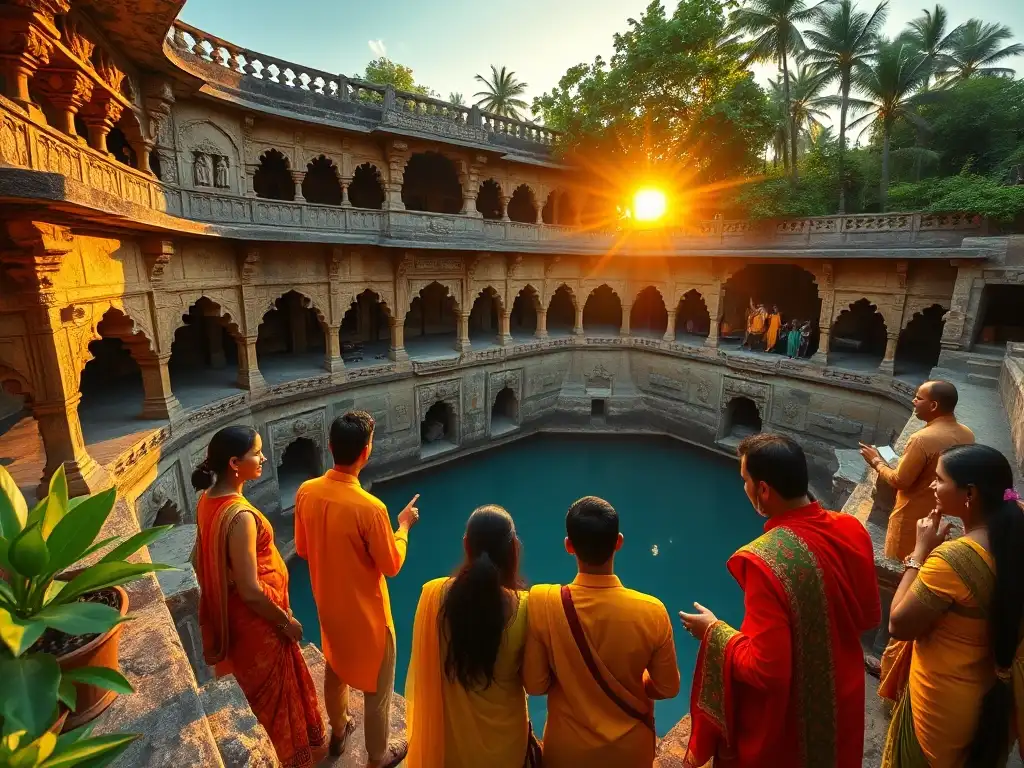
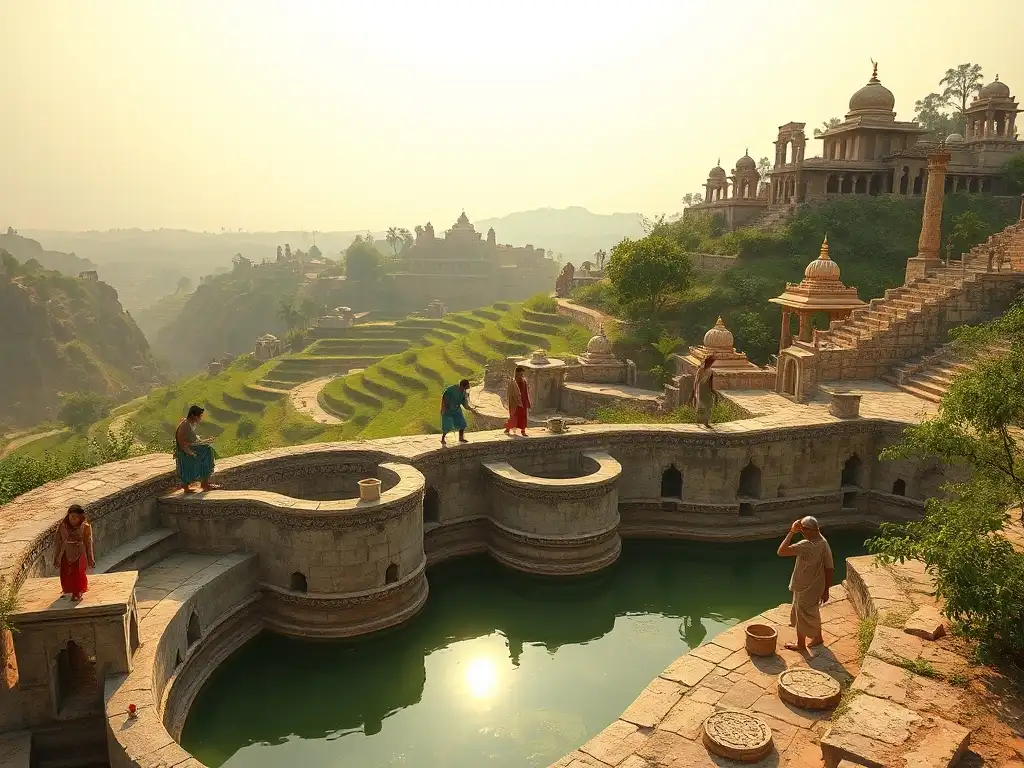
Stepwells, known as baolis or vavs, served as vital sources of water in arid regions of India. These structures were ingeniously designed to access groundwater, featuring a series of steps leading down to the water level, allowing for easy access. The construction of stepwells can be traced back to the 6th century CE, with notable examples found in Gujarat and Rajasthan. Beyond their functional purpose, stepwells often served as community gathering spaces and played a significant role in social and cultural interactions, reflecting the architectural and engineering prowess of ancient Indian civilizations.
The Role of Canals and Irrigation Systems in Agriculture
Canals and irrigation systems were pivotal in ancient Indian agriculture, enhancing productivity and ensuring food security. The Indus Valley Civilization is one of the earliest examples, where an extensive network of canals was used to irrigate fields, supporting crops such as wheat and barley. Similarly, during the Mauryan and Gupta periods, larger irrigation projects were developed, including the construction of channels and reservoirs that allowed for controlled water distribution. These systems not only facilitated agricultural expansion but also fostered trade and economic development, illustrating the interconnectedness of water management and agricultural practices.
Techniques for Groundwater Recharge and Conservation
Ancient Indians employed various techniques for groundwater recharge and conservation, recognizing the importance of sustaining this vital resource. Techniques such as percolation tanks and check dams were used to slow down surface runoff and promote groundwater infiltration. Communities also practiced the construction of kunds, which are underground water storage systems that allowed for the collection and filtration of rainwater. These methods not only ensured a steady supply of water but also contributed to the preservation of local ecosystems, highlighting a sophisticated understanding of hydrology.
Case Studies of Successful Water Management in Ancient India
Ancient India is replete with examples of successful water management systems that stand as testament to the innovative spirit of its civilizations. These case studies illustrate the effective integration of technology, local knowledge, and community involvement in creating sustainable water management practices.
The Dhanukula System of Water Management
The Dhanukula system, prevalent in the Deccan region, exemplifies the collaborative efforts of communities in managing water resources. This system involved the construction of small water bodies, which were interconnected through a series of canals. The Dhanukula system facilitated the distribution of water across agricultural fields, ensuring equitable access for farmers. This cooperative approach not only enhanced agricultural productivity but also fostered social cohesion within communities, showcasing the importance of collective action in water management.
The Baolis of Delhi: Engineering Marvels of the Past
The baolis of Delhi are remarkable examples of ancient water management engineering. These stepwells, such as the Rajon Ki Baoli and Agrasen Ki Baoli, reflect sophisticated architectural techniques designed to provide water access throughout the year. Constructed with intricate carvings and spacious landing areas, these structures were not only functional but also served as social and cultural hubs. The continued preservation and restoration of these baolis highlight their historical significance and the ongoing appreciation for ancient engineering.
The Role of Water Tanks in Sustaining Ancient Cities
Water tanks played a critical role in sustaining ancient cities across India, particularly in arid regions. These large reservoirs were designed to capture and store monsoon rains, providing a reliable water supply throughout the year. Cities like Hampi and Mysore relied heavily on such tanks, which facilitated both domestic use and agricultural irrigation. The strategic placement and construction of these tanks demonstrate an advanced understanding of urban planning and resource management, emphasizing the integral role of water in the growth and sustainability of ancient civilizations.
Lessons Learned from Ancient Indian Water Management Techniques

Ancient Indian civilizations demonstrated remarkable ingenuity in their water management practices, which were essential for agriculture and sustaining urban life. The techniques they developed were not only innovative but also sustainable, ensuring that water resources were effectively utilized and conserved. Some key lessons learned from these ancient practices include the importance of harnessing local resources, understanding the natural landscape, and the intricate relationship between water management and social organization. Many of these techniques, such as rainwater harvesting, tank systems, and the construction of step wells, show a deep understanding of hydrology and environmental stewardship that can inspire modern practices.
Sustainable Practices and Their Relevance Today
The sustainable practices of ancient Indian water management hold significant relevance in today's context, especially with the growing challenges of climate change and water scarcity. Techniques such as:
- Rainwater Harvesting: Ancient structures were designed to capture and store rainwater, significantly reducing dependence on surface water sources.
- Check Dams and Tanks: Small earthen dams created to slow down water runoff not only helped in water storage but also recharged groundwater levels.
- Canal Systems: Ingenious canal networks facilitated irrigation, ensuring that water reached even the most arid areas.
These practices emphasize the need for holistic water management strategies that prioritize conservation and regeneration. By adopting similar sustainable practices, modern societies can enhance their resilience against water-related challenges.
Integrating Traditional Techniques with Modern Water Management
Integrating traditional ancient Indian water management techniques with contemporary methods can create a more effective and sustainable water management framework. This integration may involve:
- Reviving Traditional Structures: Restoring ancient tanks and wells that have fallen into disuse can help in managing local water resources better.
- Community Engagement: Utilizing local knowledge and skills in water management fosters a sense of ownership and responsibility among communities.
- Technological Innovation: Combining traditional wisdom with modern technology—like GIS mapping and data analytics—can help optimize water distribution and usage.
This synergistic approach not only preserves cultural heritage but also enhances the efficiency of water management systems in the face of modern challenges.
The Importance of Community Participation in Water Management
Community participation has always been a cornerstone of effective water management in ancient India. Local populations were actively involved in the construction, maintenance, and management of water resources. This collaborative approach fostered a sense of community ownership and accountability. The benefits of such participation include:
- Local Knowledge Utilization: Local communities possess invaluable insights into the regional climate, soil, and water dynamics, which can inform better management practices.
- Cohesion and Trust: Engaging communities in decision-making processes fosters social cohesion, trust, and a unified approach to water management.
- Sustainability: When communities are invested in the management of their water resources, they are more likely to practice sustainable usage and conservation.
Recognizing the importance of community involvement can lead to more effective and equitable water management strategies today.
Conclusion: The Enduring Legacy of Ancient Indian Water Management
The legacy of ancient Indian water management techniques is a testament to the ingenuity and adaptive strategies of past civilizations. These methods, rooted in sustainability and community engagement, continue to offer invaluable lessons that are relevant today. As we confront modern water challenges, reflecting on these ancient practices can guide us toward more sustainable and resilient water management systems.
Reflecting on the Impact of Ancient Techniques on Modern Water Systems
The impact of ancient Indian water management techniques on modern systems is profound. Many contemporary practices, such as watershed management and community irrigation schemes, echo the principles established centuries ago. By studying these historical methods, modern engineers and policymakers can develop more sustainable approaches that not only enhance water availability but also respect ecological balances. This reflection encourages a return to a mindset that values the wisdom of the past while innovating for the future.
Future Directions: Learning from the Past for Sustainable Water Management
Looking forward, it is crucial to learn from ancient Indian water management techniques to address current and future water challenges. Strategies may include:
- Policy Integration: Incorporating traditional knowledge into water management policies can enhance their effectiveness and sustainability.
- Educational Initiatives: Promoting awareness and education about ancient practices can inspire future generations to adopt sustainable water management techniques.
- Research and Development: Further research into ancient systems can uncover more effective ways to integrate these methods with modern technology.
By embracing the lessons of the past, we can forge a path towards sustainable water management that honors our heritage while meeting the needs of a growing population.
References and Further Reading on Ancient Indian Water Management Techniques
Understanding ancient Indian water management techniques offers invaluable insights into sustainable practices that can inform modern irrigation strategies. Below are some suggested resources that delve deeper into the historical context and methodologies employed by ancient Indian civilizations.
Suggested Books and Articles on Historical Water Management Practices
-
"Water and Society in India: From Ancient Times to the Present" by R. P. Khatri
This book explores the evolution of water management practices in India, examining how societal needs shaped the development of irrigation systems throughout history.
-
"The Indus Civilization: A Contemporary Perspective" by Gregory L. Possehl
Possehl provides a comprehensive analysis of the Indus Valley Civilization, highlighting their innovative water management techniques, including drainage systems and urban planning.
-
"Ancient Indian Water Harvesting Systems: A Study in Sustainability" by R. L. Joshi
This article discusses various water harvesting techniques used in ancient India, emphasizing their relevance to contemporary water scarcity issues.
-
"Irrigation in Ancient India: A Historical Perspective" by M. M. Sharma
Sharma’s work traces the development of irrigation systems from the Vedic period to the Gupta Empire, providing detailed accounts of various techniques and their impacts on agriculture.
-
"The Heritage of Water Management in India" - Edited by J. R. Sinha
This compilation of essays addresses different aspects of water management in India, including ancient practices, cultural significance, and legacy.
Online Resources for Further Exploration of Ancient Indian Irrigation Systems
-
Digital India Initiative
The Digital India initiative hosts a variety of resources, including articles, research papers, and digital archives related to ancient Indian water management.
-
Indian National Digital Library in Agriculture (INDIA)
This online platform offers access to a wealth of documents and research focused on agricultural practices in India, including ancient irrigation methods.
-
Smithsonian Institution’s Asian Art Museum
The museum's website includes features and articles on the art and culture of ancient India, often touching on water management techniques as depicted in historical art.
-
World Heritage Sites - UNESCO
This site provides insights into various UNESCO World Heritage Sites in India, many of which include ancient water management systems, such as the stepwells of Gujarat and the tanks of Rajasthan.
-
ResearchGate
An academic social networking site where researchers publish papers and articles, offering access to a range of studies on ancient Indian water management practices.
These resources collectively illustrate the complexity and ingenuity of ancient Indian water management techniques, reflecting a deep understanding of environmental stewardship that remains relevant today.
Frequently Asked Questions
What were some key ancient Indian water management techniques?
Ancient India utilized various innovative techniques such as stepwells, tank systems, and canal irrigation to efficiently manage water resources.
How did the Indus Valley Civilization contribute to water management?
The Indus Valley Civilization is renowned for its sophisticated drainage systems, including covered drains and wells, which showcased their advanced understanding of urban planning and sanitation.
What role did the Gupta Empire play in water management?
During the Gupta Empire, there was a significant advancement in irrigation methods, including the construction of canals and water reservoirs, which supported agriculture and population growth.
Why is studying ancient Indian water management important today?
Understanding ancient Indian water management techniques can provide valuable insights for modern water conservation practices, especially in regions facing water scarcity.
How did religion influence water management in ancient India?
In ancient India, religious beliefs often dictated water management practices, leading to the construction of sacred ponds and temple tanks, which served both spiritual and practical purposes.
Final Reflection: Reviving Ancient Wisdom for Modern Water Challenges
The exploration of ancient Indian water management techniques reveals a profound connection between our past and present. As we grapple with escalating water scarcity and environmental degradation, the wisdom of our ancestors offers invaluable insights. The innovative systems they developed not only sustained their communities but also fostered a deep respect for nature. Today, as we face unprecedented challenges in water management, it is crucial to recognize that the solutions may lie in the very practices that have stood the test of time.
The influence of ancient water management practices extends far beyond historical interest; it shapes our cultural and social landscape today. Incorporating these techniques into modern practices can lead to sustainable solutions that honor both tradition and innovation. The resilience of these systems reminds us that our ancestors understood the delicate balance of ecosystems long before contemporary science articulated it. We do not inherit the earth from our ancestors; we borrow it from our children.
This quote encapsulates the responsibility we carry to learn from the past and implement sustainable practices for future generations.
As we reflect on the lessons from ancient Indian water management, let us take a moment to consider how we can integrate these teachings into our daily lives. I invite you to explore your local water practices, advocate for sustainable management, and share the wisdom of the past with your community. By doing so, we not only honor our heritage but also pave the way for a more sustainable and equitable future. Together, we can transform our relationship with water, ensuring that it remains a vital resource for generations to come.
Revitalize Your Relationship with Water Management!
Thank you for taking the time to explore the fascinating world of ancient Indian water management. You've uncovered valuable insights into sustainable practices that resonate even today. Now, let's turn that knowledge into action!
Here are a few steps you can take to embrace these lessons in your life:
- Implement a rainwater harvesting system at home or in your community to conserve precious resources.
- Explore and engage with local water bodies by participating in clean-up drives to foster environmental stewardship.
- Share this article with friends and family to inspire them to discover the wisdom of ancient practices.
What innovative water management practices can you adopt in your life to help address contemporary challenges?