
Sangam Literature as a Historical Source: Insights into Ancient Tamil Civilization

Welcome to Ancient India History, where we embark on a fascinating journey through the rich tapestry of ancient Indian civilizations! Delve into the Sangam literature—a treasure trove of insights into Tamil history that not only reflects the vibrant culture and social dynamics of its time but also serves as a crucial historical source.
As you explore this captivating article, "Sangam Literature as a Historical Source: Insights into Ancient Tamil Civilization," prepare to uncover the profound contributions of the Tamil people and the enduring legacy of their literary masterpieces. Your adventure into the depths of history begins now—what secrets will you discover?
- Introduction to Sangam Literature and Tamil History
- Historical Context of Sangam Literature
- Themes and Characteristics of Sangam Literature
- Sangam Literature as a Historical Source
- Notable Works of Sangam Literature
- The Role of Sangam Literature in Understanding Ancient Tamil Civilization
- Conclusion: The Relevance of Sangam Literature in Historical Studies
- References and Further Reading
- Frequently Asked Questions
- Final Reflection: Sangam Literature as a Window into Tamil History
- Unveil the Rich Tapestry of Ancient Tamil Culture!
Introduction to Sangam Literature and Tamil History
Sangam literature serves as a pivotal cornerstone in the understanding of ancient Tamil civilization, offering invaluable insights into its rich cultural, social, and historical fabric. Originating from the Tamil-speaking regions of South India, this body of work, produced between approximately 300 BCE and 300 CE, encapsulates the thoughts, emotions, and experiences of a diverse array of poets and scholars.
The significance of Sangam literature extends beyond mere artistic expression; it is a vital historical source that sheds light on the political, economic, and social dynamics of the time. By examining the themes and contexts within these texts, we can unravel the complex tapestry of ancient Tamil history, exploring the interplay between literature and the lived experiences of its people.
Definition of Sangam Literature
Sangam literature refers to a collection of Tamil poems and writings composed during the Sangam period, which is characterized by the flourishing of Tamil language and culture in the southern part of the Indian subcontinent. This literary corpus includes over 2,000 poems written by various poets, categorized primarily into two genres: Aham and Puram.
- Aham focuses on themes of love and personal relationships, often set against the backdrop of nature, while
- Puram addresses themes of valor, heroism, and the socio-political landscape.
The term "Sangam" itself denotes an assembly or gathering, highlighting the collaborative nature of this literary movement, where poets and scholars came together to share and critique their works. This literature not only serves as a testament to the artistic achievements of the time but also provides a window into the social and cultural norms prevailing in ancient Tamil society.
Importance of Sangam Literature in Tamil History
The importance of Sangam literature in Tamil history cannot be overstated. It acts as a historical source that preserves the voices of various societal groups and reflects the complexities of their experiences. Through its vivid descriptions and nuanced portrayals, Sangam literature provides critical insights into:
- Social Structure: The texts reveal the hierarchical nature of ancient Tamil society, including the roles of various castes and the status of women.
- Political Landscape: They document the reigns of various kings and chieftains, illustrating the military and diplomatic endeavors that shaped the region.
- Cultural Practices: The poems reflect the religious beliefs, festivals, and daily life of the people, offering a rich narrative of their traditions and customs.
- Economic Activities: Insights into trade, agriculture, and craftsmanship highlight the economic foundations of ancient Tamil civilization.
By studying these literary works, historians and scholars can piece together a more comprehensive understanding of the past, illustrating how literature can illuminate historical realities.
Overview of Ancient Tamil Civilization
Ancient Tamil civilization, which flourished in the southern regions of India, is marked by significant advancements in various fields, including art, architecture, and governance. The civilization is often characterized by its strong regional kingdoms, notably the Chola, Pandya, and Chera dynasties, each contributing to the cultural and political landscape of the time.
Some notable features of ancient Tamil civilization include:
- Urban Development: Cities like Madurai and Kaveripattinam served as key urban centers, showcasing advanced urban planning and trade networks.
- Art and Architecture: The period saw the emergence of unique architectural styles, including temples with intricate sculptures and carvings that reflected the religious fervor of the time.
- Linguistic Flourishing: The Tamil language reached new heights during this era, with the establishment of a rich literary tradition that influenced subsequent generations.
Overall, the study of Sangam literature provides a vital lens through which we can explore and appreciate the complexities of ancient Tamil civilization, offering a deeper understanding of its contributions to the broader tapestry of Indian history.
Historical Context of Sangam Literature
Sangam literature, a treasure trove of ancient Tamil poetry and prose, provides invaluable insights into the Tamil civilization from approximately 300 BCE to 300 CE. This literary corpus, composed by numerous poets during the Sangam period, serves as a critical source for understanding the socio-cultural and historical dynamics of ancient Tamil society. Through its verses, scholars can glean information about the lives, beliefs, and practices of the people who inhabited the southern regions of India during this epoch.
The Sangam period is characterized by the flourishing of the Tamil language and culture, with a rich tradition of oral poetry that was later transcribed into texts. These works not only reflect the literary prowess of the time but also encapsulate the ethos and values of the society in which they were created. The historical significance of Sangam literature lies in its dual role as both an artistic expression and a documentary source that captures the essence of Tamil life during a transformative era.
Time Period of Sangam Literature
The Sangam period is generally divided into three distinct phases, each contributing uniquely to the development of Tamil literature:
-
Early Sangam (300 BCE - 100 CE)
This phase marks the emergence of Tamil poetry, characterized by themes of love (akam) and war (puram). The poems from this era often depict the natural landscape, societal norms, and the emotional experiences of individuals.
-
Middle Sangam (100 CE - 200 CE)
The middle Sangam period saw a refinement in poetic expression and a greater emphasis on the socio-political context. The works produced during this time reflect the complexities of relationships, kingly duties, and the role of poets in society.
-
Later Sangam (200 CE - 300 CE)
In this phase, the literature begins to reflect the changing political landscape, including the rise of kingdoms and the impact of external influences. The themes of devotion and philosophy become more pronounced, paving the way for later Tamil literature.
The timeline of Sangam literature is crucial for understanding its evolution and the historical backdrop against which these texts were created. The dating of these works remains a topic of scholarly debate, yet they collectively provide a lens through which we can analyze ancient Tamil society.
Key Historical Figures in Sangam Literature
Several prominent poets and rulers emerged during the Sangam period, playing pivotal roles in shaping the literary landscape:
-
Tiruvalluvar
Renowned for his work, the Tirukkural, Tiruvalluvar is often regarded as a philosopher and moralist. His verses encapsulate ethical teachings and reflect the values of ancient Tamil society.
-
Kapilar
A celebrated poet known for his contributions to the Purananuru anthology, Kapilar's works often focus on the themes of love, heroism, and the relationship between the poet and the patron.
-
Auvaiyar
Auvaiyar is celebrated as one of the few female poets of the Sangam period. Her poems, filled with wisdom and wit, are integral to Tamil literature and highlight the role of women in society.
-
Karikala Chola
A legendary king of the Chola dynasty, Karikala is often mentioned in Sangam literature as a patron of poets. His rule is depicted as a time of prosperity and cultural flourishing.
These figures not only contributed to the literary heritage of Tamil Nadu but also reflect the intersection of politics and poetry, where rulers often commissioned works that celebrated their reigns and valor.
Socio-Political Landscape of Ancient Tamil Nadu
The socio-political landscape of ancient Tamil Nadu during the Sangam period was marked by several kingdoms and dynasties, each vying for power and influence. The three primary kingdoms of the time were:
-
Chola
Known for their naval prowess and trade, the Chola dynasty played a significant role in the expansion of Tamil culture beyond the Indian subcontinent.
-
Pandya
The Pandya dynasty is often associated with the flourishing of trade and commerce. Their capital, Madurai, became a center of learning and culture, attracting poets and scholars.
-
Cheras
The Chera dynasty is noted for its contributions to agriculture and local governance. Their interactions with coastal trade routes facilitated cultural exchanges and the spread of Tamil literature.
The social structure during this time was complex, with a clear distinction between various classes, including warriors, poets, and merchants. The patronage system allowed poets to thrive, as they were often supported by kings and chieftains who sought to immortalize their legacies through literature.
The Sangam literature offers a rich tapestry of insights into the historical context, key figures, and socio-political dynamics of ancient Tamil civilization. Through these texts, we gain a deeper understanding of the values, struggles, and triumphs of a society that laid the foundation for the vibrant Tamil culture we recognize today.
Themes and Characteristics of Sangam Literature
Sangam literature, a collection of ancient Tamil poetic works, is a crucial historical source that provides valuable insights into the socio-political and cultural dimensions of Tamil civilization. Composed from around 300 BCE to 300 CE, the themes and characteristics of Sangam literature reflect the rich tapestry of life during this period, showcasing the values, beliefs, and traditions of ancient Tamil society.
Major Themes in Sangam Poetry
Sangam poetry encompasses a diverse range of themes, primarily categorized into two broad groups: akam (interior) and puram (exterior).
- Akam poetry focuses on love, emotions, and personal relationships, exploring the complexities of human feelings and the nuances of romantic love. It delves into various stages of love, from longing to union, often set against the backdrop of nature. For instance:
- Kural: Reflects the emotional states of lovers.
- Mood: Varies from joy to melancholy, depicting the lover's experiences.
- Puram poetry, on the other hand, addresses external themes such as valor, heroism, and the responsibilities of kingship. It often celebrates the achievements of warriors and rulers, highlighting their contributions to society. Key aspects of puram poetry include:
- Heroic deeds: Celebrating the bravery of warriors.
- Ethical values: Emphasizing the importance of dharma (righteousness) in governance.
The intertwining of these themes illustrates the duality of existence in ancient Tamil culture, where love and valor coexisted harmoniously.
Literary Styles and Techniques in Sangam Works
Sangam literature is characterized by its unique literary styles and techniques that enhance the depth and beauty of the poems. Some notable features include:
- Imagery and metaphors: Vivid descriptions of natural landscapes serve as metaphors for emotional experiences. For example, the imagery of the kanni flower symbolizes the beauty and fragility of love.
- Alliteration and assonance: The use of sound devices enriches the musical quality of the poems. This technique is evident in the rhythmic patterns that make the verses more engaging and memorable.
- Symbolism: Objects and elements from nature are often imbued with symbolic meanings, reflecting cultural beliefs and values. For instance, the paddy field can symbolize prosperity, while the river may represent the flow of time and life.
- Cyclic narratives: Many poems portray a cyclical understanding of life, where love, loss, and renewal are recurrent themes, mirroring the natural cycles of the seasons.
These literary techniques not only elevate the aesthetic appeal of Sangam works but also deepen their thematic resonance, providing layers of meaning that invite readers to reflect on the human experience.
Cultural Significance of Sangam Literature
The cultural significance of Sangam literature extends beyond its poetic form; it serves as a vital historical source that sheds light on various aspects of ancient Tamil civilization. Key points of cultural relevance include:
- Social structure: The poems reflect the societal norms, caste dynamics, and gender roles prevalent during the Sangam period. They provide insights into the lives of different social groups, including farmers, warriors, and poets.
- Religious beliefs: Sangam literature reveals the spiritual landscape of ancient Tamil society, including the early forms of Hinduism and the worship of local deities. The poems often highlight the relationship between the divine and the human, showcasing ritual practices and devotional sentiments.
- Historical context: The references to historical events, geographical locations, and notable rulers in Sangam poetry offer a glimpse into the political landscape of the time. This historical context is invaluable for understanding the emergence of Tamil identity and the region's socio-political development.
- Cultural identity: Sangam literature plays a crucial role in the preservation of Tamil language and culture, contributing to a sense of identity that persists to this day. The works continue to inspire contemporary Tamil literature and art, reflecting the enduring legacy of this rich literary tradition.
Sangam literature is not merely a collection of poems; it is a profound historical source that encapsulates the essence of ancient Tamil civilization. Through its themes, literary styles, and cultural significance, it offers invaluable insights into the lives, values, and beliefs of a society that laid the foundations for Tamil culture as we know it today.
Sangam Literature as a Historical Source
Insights into Ancient Tamil Society through Sangam Texts
Sangam literature provides a profound insight into the social structures, customs, and daily life of ancient Tamil society. This body of work, composed between approximately 300 BCE and 300 CE, is a rich repository of information that reflects the characteristics and values of the time.
- Social Hierarchy: The texts reveal a well-defined social structure, including kings, nobles, and commoners. The kings, often referred to as "Nayakkar," are depicted as patrons of art and culture, emphasizing their role in fostering the literary tradition. The presence of various classes illustrates a complex society where each group had its role and significance.
- Cultural Practices: The Sangam poems vividly portray the daily lives of people, including their customs, festivals, and rituals. For instance, the Akananuru and Purananuru collections highlight the importance of love, valor, and the connection to nature, showcasing how intertwined these elements were in the lives of the Tamils.
- Gender Roles: Women in Sangam literature are often depicted as strong and influential figures within their households and society. The portrayal of women in love, as well as in roles of power and respect, challenges the traditional narratives of gender roles, revealing a more nuanced understanding of their status in ancient Tamil culture.
- Geographical Context: The references to various landscapes—from the mountainous regions to coastal areas—provide insights into the geographical diversity of Tamil Nadu. The imagery of nature in poems not only reflects the environmental context but also illustrates how geography influenced the livelihoods and culture of the people.
Economic and Trade Practices in Sangam Literature
The economic landscape of ancient Tamil civilization, as depicted in Sangam literature, reveals a thriving society engaged in various trade practices and economic activities.
- Agriculture: Agriculture was the backbone of the Tamil economy, with numerous references to paddy cultivation, livestock rearing, and harvesting techniques. Texts such as the Kuruntokai highlight the significance of agricultural abundance and its role in sustaining communities.
- Trade Networks: Sangam literature indicates that the Tamils had established extensive trade networks both within the Indian subcontinent and with other regions, including Southeast Asia and the Middle East. The Purananuru mentions trade as a means of exchanging goods like spices, textiles, and precious stones, showcasing the economic prowess of Tamil merchants.
- Craftsmanship and Artisanship: The texts also reflect a high level of craftsmanship, with detailed mentions of artisans and their trades. The production of jewelry, pottery, and textiles is emphasized, highlighting the skills and creativity of Tamil artisans.
- Urbanization and Marketplaces: The emergence of urban centers as hubs of trade is evident in the writings. Markets, known as "kottam," served as vital venues for economic exchange and social interaction, fostering a sense of community among traders and consumers.
Religious and Philosophical Perspectives in Sangam Works
Sangam literature encapsulates a diverse array of religious and philosophical thoughts prevalent in ancient Tamil society, reflecting a rich spiritual landscape.
- Polytheism and Nature Worship: Many poems pay homage to various deities, showcasing the polytheistic nature of Tamil spirituality. The reverence for nature, particularly rivers and mountains, is a recurring theme, emphasizing the connection between the divine and the natural world.
- Moral and Ethical Values: The ethical dimensions of life are explored through the concept of "Aram," which signifies righteousness and moral duty. The Sangam poets often deliberated on the principles of justice, virtue, and the responsibilities of individuals toward their communities.
- Philosophical Inquiry: Some texts delve into philosophical questions regarding existence and the human condition. The poet Kaniyan Pungundranar famously stated, "Yathum Oorey Yavarum Kelir" (every place is my home, everyone is my kin), encapsulating a universalist philosophy that transcends regional and cultural boundaries.
- Influence of Jainism and Buddhism: The impact of Jainism and Buddhism is also discernible in the literary works, with references to ascetic practices and philosophical teachings. This interaction among different belief systems enriched the cultural tapestry of ancient Tamil civilization.
Sangam literature serves as a critical historical source that offers unparalleled insights into ancient Tamil civilization. Through its exploration of society, economy, and spirituality, it not only enriches our understanding of Tamil history but also highlights the complexities and nuances of a vibrant culture that thrived in ancient India.
Notable Works of Sangam Literature
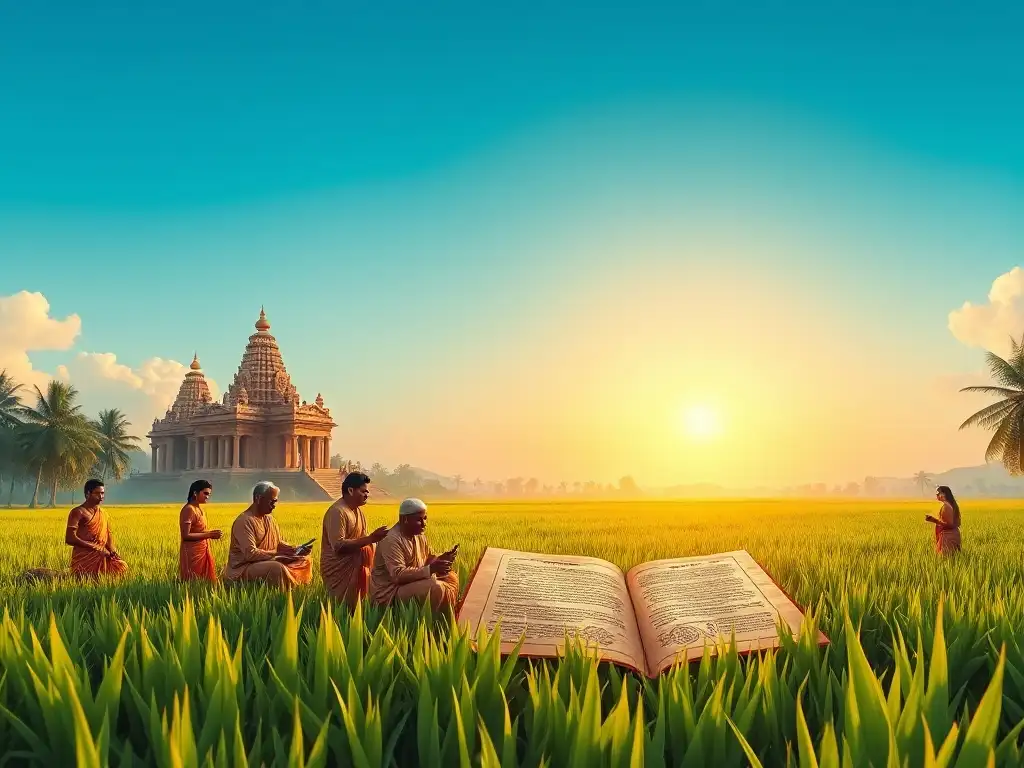
Sangam literature, a treasure trove of ancient Tamil poetry, encompasses a variety of texts that reflect the rich cultural heritage of the Tamil-speaking people. Emerging between 300 BCE and 300 CE, these works serve as crucial historical sources, illuminating various aspects of life, society, and governance during the early Tamil period. Here, we delve into some of the most notable works that define this literary tradition and their significance in understanding Tamil history.
Overview of Key Texts in Sangam Literature
The Sangam literature is primarily categorized into three major anthologies: Ettuthokai, Pattupattu, and the individual works such as Thirukkural. Each of these texts offers unique insights into the social, political, and philosophical landscape of ancient Tamil civilization.
- Ettuthokai: This collection consists of eight anthologies, including notable texts like Akananuru and Purananuru.
- Akananuru focuses on the inner life and emotions of individuals, exploring themes of love and longing.
- Purananuru presents a broader perspective, addressing themes of valor, ethics, and the lives of kings and chieftains.
- Pattupattu: This is another significant collection of ten long poems that celebrate the achievements of various ancient Tamil kings and their heroic deeds. It serves as a historical record, detailing aspects of governance, warfare, and culture.
- Thirukkural: Authored by the sage Thiruvalluvar, this text stands out as a philosophical treatise that transcends time. Comprising 1,330 couplets, it addresses moral values, ethics, and governance, making it a vital work in both literary and historical contexts.
Analysis of “Thirukkural” and its Historical Impact
Thirukkural holds a special place within Sangam literature and Tamil history due to its profound insights into ethics and governance. The text is divided into three sections: Aram (virtue), Porul (wealth), and Inbam (love), each addressing critical aspects of life.
- Historical Context: Written during a period when Tamil society was undergoing significant transformations, Thirukkural reflects the values and principles that governed everyday life. Its teachings emphasize the importance of moral conduct and social responsibility, which were essential for maintaining harmony in society.
- Influence on Governance: The principles outlined in Thirukkural influenced rulers and policymakers, promoting the idea that a just and ethical government is vital for a prosperous society. The text has been referenced by various leaders throughout history, underscoring its enduring relevance.
- Cultural Impact: Beyond governance, Thirukkural has become a cornerstone of Tamil culture, often quoted in literature, speeches, and everyday conversations. Its universal themes resonate beyond the confines of time and geography, establishing it as a significant philosophical work.
Contribution of "Ettuthokai" and "Pattupattu" to Tamil History
The contributions of Ettuthokai and Pattupattu to Tamil history are immense, providing valuable insights into the socio-political landscape of ancient Tamil Nadu.
- Ettuthokai:
- Historical Records: The poems in Ettuthokai serve as historical records, celebrating the lives of ordinary people and their interactions with nature. They offer a glimpse into the agricultural practices, trade, and social structures of the time.
- Cultural Depictions: The exploration of love and emotions in Akananuru reflects societal norms and the importance of personal relationships, while Purananuru highlights the valor and ethics of kings, providing context to the political landscape.
- Pattupattu:
- Heroic Narratives: The poems in Pattupattu recount the heroic deeds of legendary kings and warriors, thus preserving the memory of their contributions to society.
- Insight into Governance: By detailing the governance styles and military exploits, Pattupattu provides a framework for understanding the political dynamics of the time, including alliances, conflicts, and the role of chieftains.
Both Ettuthokai and Pattupattu are invaluable for reconstructing the historical narrative of Tamil civilization, offering perspectives on governance, culture, and social values that have shaped Tamil identity throughout the ages.
The Role of Sangam Literature in Understanding Ancient Tamil Civilization
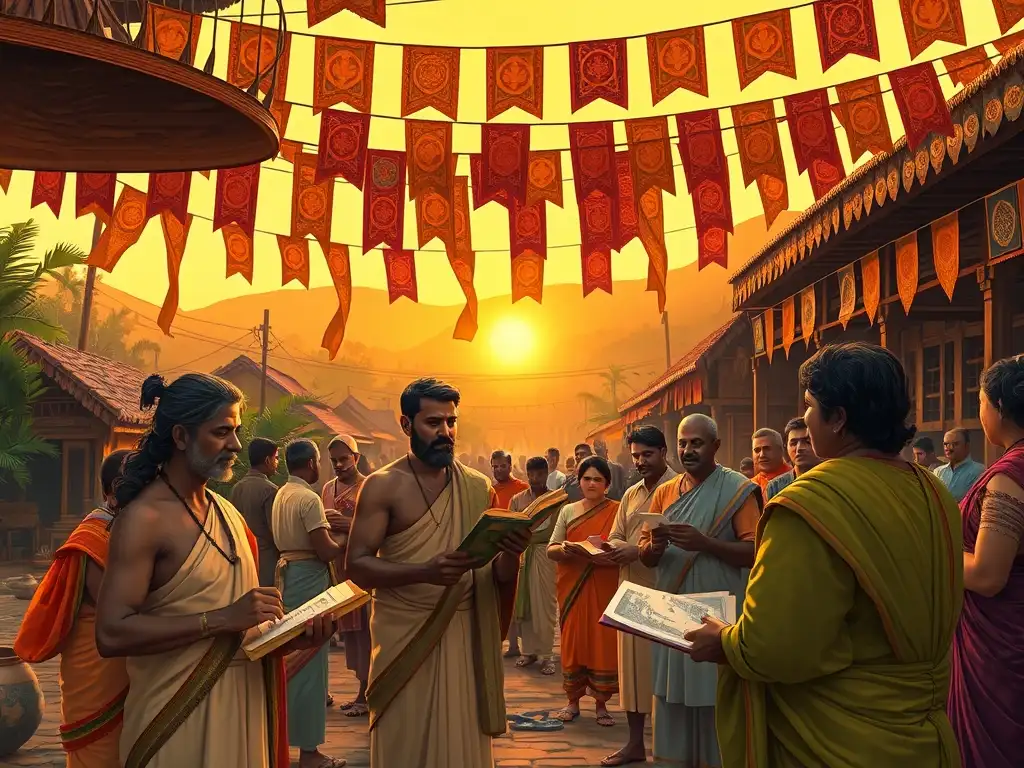
Sangam literature, composed between 300 BCE and 300 CE, serves as a crucial historical source for understanding ancient Tamil civilization. This body of work encompasses a rich array of poetry, prose, and commentary that not only reflects the language and cultural practices of the time but also encapsulates the societal norms, politics, and economic conditions prevalent in ancient Tamil Nadu. Scholars regard Sangam literature as a lens through which we can explore the depths of Tamil history, making it an invaluable asset for historians and linguists alike.
The texts of Sangam literature were produced by a collective of poets known as the Sangam, who lived in various Tamil kingdoms. These texts are primarily divided into two categories: Aham (interior) and Puram (exterior), capturing personal emotions and societal themes, respectively. The poems detail everyday life, love, valor, and the natural environment, providing insights into the complexities of human experiences and societal structures in ancient times.
Connections Between Sangam Literature and Archaeological Findings
The relationship between Sangam literature and archaeological findings is significant, as both serve to complement and validate each other. Archaeological discoveries in Tamil Nadu, such as the remnants of ancient urban centers like Kaveripattinam and Madurai, provide a tangible context for the narratives found in Sangam texts.
- Artifacts and Settlements: Excavations have unearthed pottery, tools, and inscriptions that correlate with references made in Sangam poetry. For instance, the mention of specific plants, animals, and local customs in the poems aligns with the archaeological evidence found in these ancient sites.
- Trade and Economy: Sangam literature highlights the thriving trade relationships between Tamil Nadu and other regions, including the Roman Empire. Archaeological findings, such as Roman coins and amphorae, support the existence of these trade networks, enhancing our understanding of the economic landscape during the Sangam period.
- Rituals and Beliefs: Many Sangam poems reference religious practices and societal rituals, which are echoed in archaeological findings, such as temple remnants and inscriptions that reveal the spiritual life of the Tamil people.
This synergy between literary texts and physical evidence creates a more nuanced understanding of ancient Tamil civilization, allowing researchers to paint a clearer picture of life during the Sangam era.
Influence on Language and Culture in Tamil Nadu
Sangam literature has had a profound impact on the evolution of the Tamil language and culture. The stylistic and thematic elements inherent in these texts have influenced Tamil literature throughout the centuries, establishing a rich literary tradition that persists to this day.
- Linguistic Development: The vocabulary and poetic forms established in Sangam literature laid the foundation for classical Tamil, which continues to be a significant medium of expression in Tamil Nadu. The use of metaphor, simile, and alliteration found in Sangam poetry remains prevalent in contemporary Tamil literature.
- Cultural Identity: Sangam literature plays a vital role in shaping Tamil identity. The values, ethics, and heroic ideals portrayed in the poetry fostered a sense of pride among Tamil speakers and contributed to the preservation of their unique cultural heritage.
- Folklore and Tradition: The stories and characters depicted in Sangam poetry have been integrated into Tamil folklore, influencing art, music, and dance. This oral tradition ensures that the lessons and narratives of the Sangam period continue to resonate in modern Tamil culture.
Through these various avenues, Sangam literature has not only preserved the linguistic richness of Tamil but has also cemented its cultural significance in the hearts and minds of the Tamil people.
Legacy of Sangam Literature in Modern Tamil Society
The legacy of Sangam literature is evident in various facets of modern Tamil society, where its influence is celebrated and honored. This legacy manifests through literature, education, and cultural practices.
- Literary Revival: Contemporary Tamil writers and poets often draw inspiration from Sangam themes, employing similar stylistic devices and exploring similar motifs of love, valor, and nature. This revival underscores the timelessness of Sangam literature and its relevance in addressing modern issues.
- Cultural Celebrations: Festivals and cultural events in Tamil Nadu frequently pay homage to Sangam literature. The Pongal festival, for example, incorporates themes from Sangam poetry, celebrating agricultural abundance and community togetherness.
- Educational Curriculum: Sangam texts are included in the academic syllabus, ensuring that new generations appreciate the literary and historical significance of this body of work. Schools and universities organize seminars and workshops centered around Sangam literature, encouraging critical engagement and appreciation among students.
The rich tapestry of Sangam literature serves as an essential historical source that not only sheds light on ancient Tamil civilization but also continues to influence modern Tamil society. Its enduring legacy is a testament to the power of literature in shaping cultural identity and preserving historical narratives.
Conclusion: The Relevance of Sangam Literature in Historical Studies
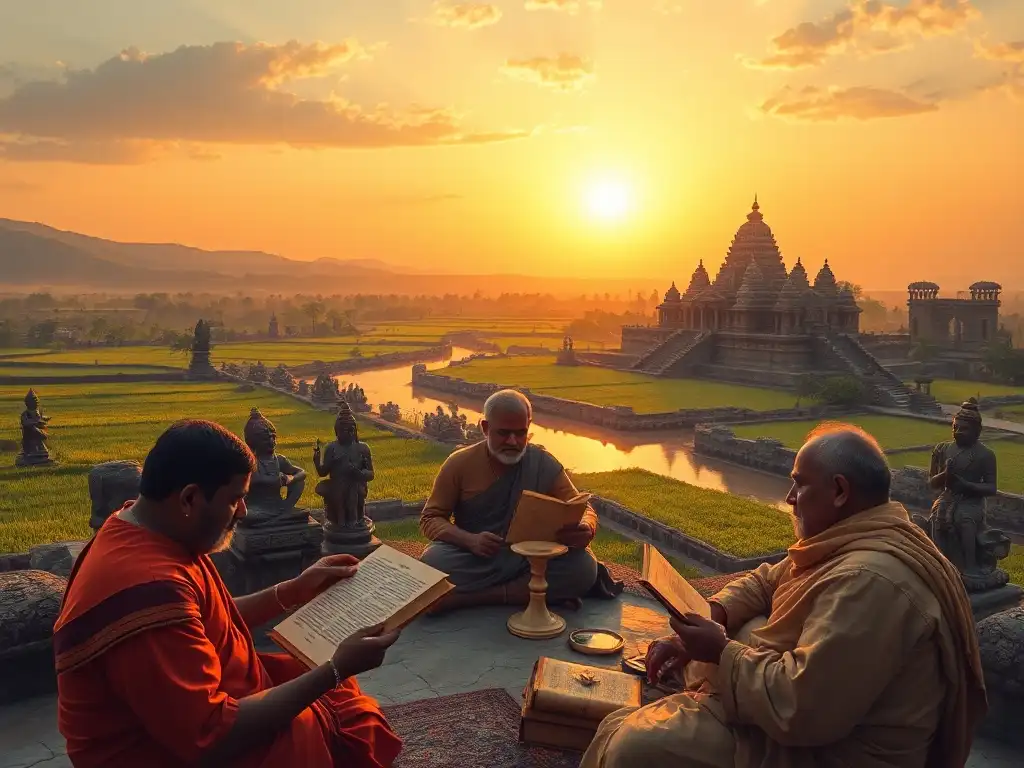
Sangam literature stands as a monumental testament to the vibrant tapestry of ancient Tamil civilization, offering invaluable insights into the social, cultural, and political milieu of the time. This body of work, composed between 300 BCE and 300 CE, provides a rich historical source that transcends mere poetic expression, functioning as a lens through which we can understand the complexities of Tamil history.
The significance of Sangam literature in historical studies is manifold. It encapsulates the ethos of the Tamil people, highlighting their values, traditions, and societal norms. By examining the themes prevalent in these texts—such as love, valor, governance, and nature—scholars can glean essential information about the socio-political structures, economic practices, and cultural exchanges that defined the era. Furthermore, the references to geography and flora and fauna enrich our understanding of the ancient Tamil landscape, grounding historical narratives in a tangible context.
The Enduring Impact of Sangam Literature on Tamil Identity
The influence of Sangam literature extends beyond its historical context, playing a crucial role in shaping contemporary Tamil identity. The poems and prose crafted during this period resonate with modern Tamils, serving as a cultural anchor that fosters a sense of pride and belonging.
- Cultural Continuity: The themes and motifs found in Sangam literature are echoed in modern Tamil art, music, and literature, showcasing a continuity that links ancient practices to contemporary expressions.
- Language and Linguistics: The linguistic richness of Sangam texts has significantly influenced the development of the Tamil language, making it a vital component of Tamil identity. The preservation of ancient vernaculars in modern Tamil reflects the enduring legacy of these literary works.
- Social Values: The moral and ethical teachings embedded in Sangam literature continue to guide the values of Tamil society, emphasizing virtues such as honor, hospitality, and communal harmony.
In effect, Sangam literature not only illuminates the past but also actively contributes to the formation of a collective Tamil identity, bridging generations through shared cultural heritage.
Future Research Directions in Sangam Literature and Tamil History
As scholars continue to explore the vast landscape of Sangam literature, several avenues for future research emerge, promising to deepen our understanding of both Tamil history and the literary canon itself.
- Interdisciplinary Approaches: Integrating archaeology, anthropology, and sociology with literary studies can yield new insights into the socio-political dynamics of ancient Tamil civilization. By examining artifacts alongside literary texts, researchers can construct a more nuanced historical narrative.
- Comparative Studies: Engaging in comparative analyses of Sangam literature with other contemporary literary traditions in India and abroad can reveal cross-cultural influences and exchanges. This may provide a broader context for understanding the uniqueness of Tamil civilization.
- Digital Humanities: The application of digital tools to analyze Sangam texts presents exciting opportunities for researchers. Text mining and data visualization can uncover patterns and themes that may not be immediately apparent through traditional methods.
- Gender Studies: A focused examination of the representation of gender in Sangam literature could illuminate the roles and perceptions of women in ancient Tamil society, contributing to a more comprehensive understanding of social dynamics.
The future of Sangam literature research is ripe with possibilities. By capitalizing on interdisciplinary methodologies and innovative approaches, scholars can continue to unveil the layers of meaning embedded in these ancient texts, enriching the study of Tamil history and its cultural legacy.
References and Further Reading
Suggested Books and Articles on Sangam Literature
-
The Tamil Epic: An Introduction to Sangam Literature by A. K. Ramanujan
This foundational text provides insights into the structure, themes, and cultural significance of Sangam literature, discussing its context within Tamil history.
-
Sangam Literature and the History of Tamil Nadu by S. R. Balasubramanian
This comprehensive work delves into the socio-political landscape of ancient Tamil Nadu, interpreting the poetic works of Sangam literature as reflections of the time.
-
The World of the Tamil Sangam: A Study of the Poetry and its Context by R. Parthasarathy
Parthasarathy examines the poems of the Sangam era, highlighting the connections between poetic forms and the historical events of ancient Tamil civilization.
-
Sangam Literature: An Anthology edited by G. V. N. Reddy
This anthology presents a selection of significant poems from the Sangam corpus, accompanied by English translations and commentary to aid understanding.
-
Tamil Poetry: The Sangam Tradition by V. Ramasamy
This book provides a detailed analysis of the themes, styles, and historical contexts of Sangam poetry, offering a glimpse into the lives of ancient Tamils.
Online Resources for Further Exploration of Tamil History
-
Tamil Virtual Academy
A valuable resource for exploring the history, language, and literature of Tamil Nadu. The website offers a plethora of downloadable books, articles, and research papers related to Sangam literature and Tamil history.
-
Digital Library of India
This online library hosts a range of texts related to Tamil literature, including works from the Sangam period. Users can access digitized versions of ancient manuscripts and scholarly articles.
-
TAMIL-HISTORY: An Online Forum
A collaborative space for historians and enthusiasts to discuss various aspects of Tamil history, including Sangam literature. The forum provides links to academic papers, articles, and discussions on relevant topics.
-
Project Gutenberg
A treasure trove of free literature, including translations and collections of ancient Tamil texts. Search for Sangam literature to find works that are in the public domain.
-
YouTube: Tamil History Documentaries
Various channels offer documentaries and discussions on Tamil history, including the significance of Sangam literature. These visual resources can provide engaging insights into the historical context of the texts.
Frequently Asked Questions
What is Sangam literature?
Sangam literature refers to a body of ancient Tamil texts composed between 300 BCE and 300 CE, showcasing the rich cultural and literary heritage of Tamil civilization.
How does Sangam literature contribute to our understanding of Tamil history?
Sangam literature provides insight into the social, political, and economic life of ancient Tamil society, revealing the values, traditions, and historical events of the time.
What themes are prevalent in Sangam literature?
Common themes in Sangam literature include love, valor, ethics, and the relationship between nature and human emotions, reflecting the complexity of human experiences in ancient times.
Are there any notable works in Sangam literature?
Yes, notable works include Ettuthokai and Pattupattu, which are collections of poems that highlight the diversity of Tamil culture and the significance of heroic narratives.
How is Sangam literature preserved and studied today?
Sangam literature has been preserved through manuscripts and oral traditions, and it continues to be studied by scholars to understand ancient Tamil civilization and its contributions to world history.
Final Reflection: Sangam Literature as a Window into Tamil History
The exploration of Sangam literature as a historical source reveals not only the richness of ancient Tamil civilization but also its enduring relevance in today's cultural landscape. This body of work, steeped in poetic expression and historical narratives, serves as a testament to the values, traditions, and societal structures of a time long past. As we navigate the complexities of modern identity and heritage, the insights gleaned from Sangam literature remind us of the profound connections we share with our ancestors and the stories that shape our present.
The influence of Sangam literature extends far beyond the pages of history; it continues to resonate within the cultural and social fabric of Tamil society today. The themes of love, valor, and nature found in these ancient texts underscore the timeless human experience. As we reflect on the impact of these narratives, we are reminded of the words of renowned Tamil scholar K. A. Nilakanta Sastri: The Sangam literature is not merely a collection of poems; it is a mirror reflecting the life and times of the Tamil people.
This observation highlights how these texts serve as a vital link to our past, providing insights into the values and aspirations that continue to shape our identity.
As we conclude our exploration of Sangam literature and its significance in Tamil history, I invite you to reflect on your own connection to this rich heritage. Consider how the lessons and themes embedded in these ancient texts can inspire your own journey. Let the stories of love, courage, and resilience encourage you to delve deeper into your roots and embrace the cultural narratives that define who you are. In doing so, we not only honor our past but also pave the way for a future enriched by the wisdom of those who came before us.
Unveil the Rich Tapestry of Ancient Tamil Culture!
Thank you for exploring the fascinating world of Sangam literature with us! You've uncovered valuable insights into how this historical treasure illuminates the lives and values of ancient Tamil civilization. Now, it’s time to take the next step in your journey of discovery.
Here’s how you can dive deeper and make an impact:
- Immerse yourself in Sangam texts: Choose a specific poem or prose piece and reflect on its themes. Consider how these ancient expressions relate to contemporary issues in your life.
- Join a discussion group: Engage with fellow history enthusiasts and share your insights from the article. Participating in online forums or local meetups can be a great way to expand your understanding and connect with others.
- Create a visual representation: Challenge yourself to develop a map or infographic that links various elements of Sangam literature to significant historical events. This can be an enjoyable way to reinforce your knowledge and share it with others!
What aspect of ancient Tamil civilization surprised you the most, and how do you think it relates to today's world?