
The Role of Women in Ancient Northern Indian Society: Empowerment and Influence

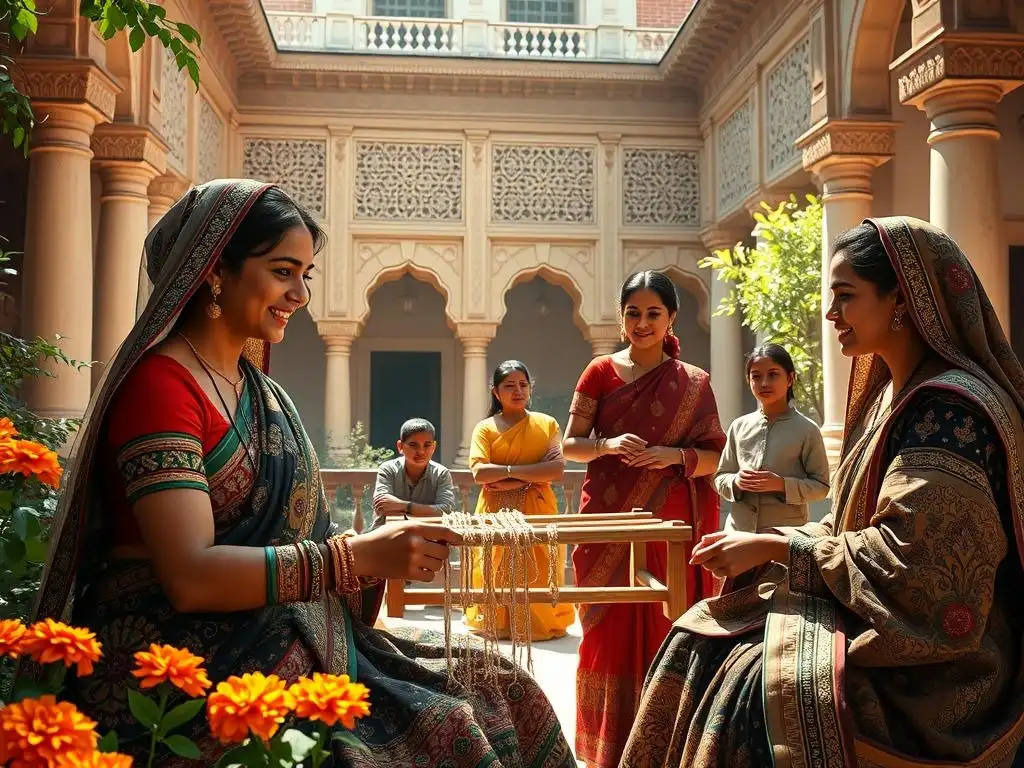
Welcome to Ancient India History, where we delve deep into the rich tapestry of India’s past, revealing the intricate stories woven through time. In this enlightening journey, we invite you to explore our featured article, "The Role of Women in Ancient Northern Indian Society: Empowerment and Influence." Discover how women, often overlooked in historical narratives, played a pivotal role in shaping societies from the Indus Valley to the Gupta Empire.
What were their contributions, and how did they navigate the complexities of their time? Join us as we unravel the layers of their influence, sparking your curiosity and encouraging you to dive deeper into the captivating world of ancient Indian civilizations.
Introduction
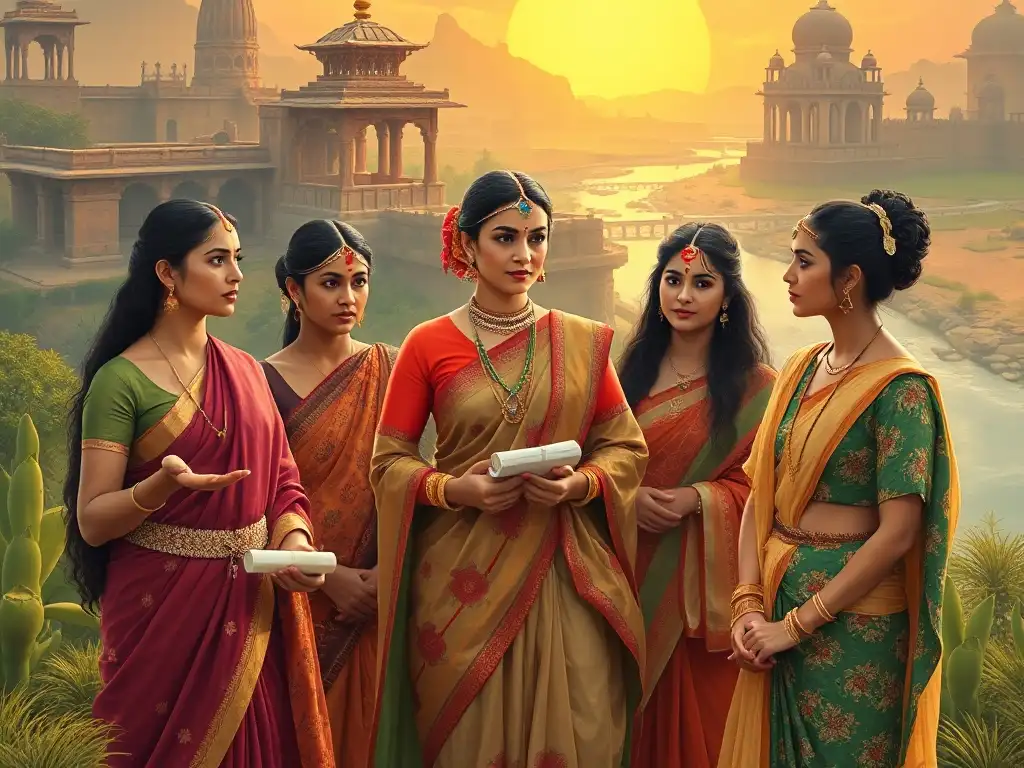
The study of women in ancient Indian society offers a fascinating glimpse into the complexities of gender roles, cultural practices, and social structures that shaped one of the world's most diverse civilizations. In particular, the northern regions of India, which encompass various kingdoms and empires, present a unique perspective on the empowerment and influence women held throughout different historical periods.
This article delves into the multifaceted roles of women in ancient northern Indian society, exploring their contributions, challenges, and the evolving perceptions of femininity. By examining the historical context and social structures, we aim to highlight the significant impact women had in shaping their communities and the legacies they left behind.
Overview of Women in Ancient Indian Society
Women in ancient Indian society were not merely passive figures confined to domestic roles. Rather, they played crucial roles in various domains, including family, economy, religion, and politics. Historical texts and archaeological findings suggest that women actively participated in agricultural practices, trade, and even held positions of power in some instances.
- Education and Knowledge: Women were often educated and contributed to literature and arts, with figures like Gargi and Maitreyi being celebrated for their intellectual prowess.
- Religious Roles: In many traditions, women were central to religious rituals and practices, serving as priestesses and guardians of sacred knowledge.
- Political Influence: Some women, especially from royal families, wielded considerable influence over political affairs, with instances of queens acting as regents or co-rulers.
Importance of Studying Women's Roles in Northern India
Understanding the roles of women in ancient northern Indian society is essential for several reasons:
- Challenging Historical Narratives: Traditional historical narratives often overlook women's contributions, reinforcing stereotypes of passive femininity. By bringing their stories to light, we can foster a more nuanced understanding of history.
- Cultural Insights: Examining women's roles provides valuable insights into the cultural values and societal norms of ancient civilizations.
- Inspiring Modern Discourse: Recognizing the empowerment of women in history can inspire contemporary discussions about gender equality and women's rights, encouraging ongoing advocacy for women's empowerment in modern society.
Historical Context
To grasp the role of women in ancient northern Indian society, it is crucial to understand the broader historical context in which they lived. This section will explore the social structures and cultural dynamics that defined their experiences.
Overview of Northern Indian Society in Ancient Times
Northern India was a melting pot of cultures, home to various kingdoms and empires, including the Maurya and Gupta Empires. Each period brought its own social norms and expectations, influencing the roles women could occupy.
- Diverse Cultures: The blending of indigenous traditions with influences from neighboring regions resulted in rich cultural diversity.
- Religious Diversity: Major religions such as Hinduism, Buddhism, and Jainism coexisted, each shaping women's roles in distinct ways.
- Economic Activities: The agrarian economy relied heavily on both male and female labor, with women often managing households and contributing to agricultural production.
Social Structure and Gender Roles
The social structure in ancient northern India was predominantly patriarchal, yet women often found ways to assert their influence within this framework.
- Patriarchy and Its Nuances: While men held primary authority, women’s roles varied significantly depending on factors such as class, caste, and region.
- Caste System Impact: The caste system influenced women's lives, with higher caste women often having more restrictions compared to their lower caste counterparts, who might engage more freely in economic activities.
- Family and Community Dynamics: Women's identities were often tied to their familial roles, yet they also participated actively in community life, contributing to social cohesion and cultural transmission.
Through this exploration of women's roles in ancient northern Indian society, we uncover a rich tapestry of empowerment, influence, and resilience that has often been overlooked in historical narratives. This article aims to illuminate these aspects, providing a comprehensive understanding of women in ancient Indian society.
Empowerment of Women in Ancient Northern India
The empowerment of women in ancient Northern Indian society is a multifaceted topic that reflects the complexities of their roles and status over various historical periods. While there were certainly instances of oppression and restrictions, many women enjoyed certain rights and privileges that allowed them to contribute significantly to their families and communities. This empowerment can be seen through their access to education, their participation in economic activities, and their influence in political and religious spheres.
Education and Knowledge for Women
In ancient Northern India, education for women was not as widespread as it was for men; however, it did exist in various forms. Texts from the Vedic period indicate that women were educated in disciplines such as philosophy, music, and arts. Notable figures like Gargi and Maitreyi were renowned scholars of their time, participating in philosophical debates and holding their own in intellectual discussions.
Moreover, the ancient texts suggest that some families, particularly those of the higher castes, provided education to their daughters. This education often included training in household management, arts, and scriptures, enabling women to play a significant role in their households and communities. The emphasis on knowledge and wisdom in women is evident in the respect accorded to learned women in society, illustrating the belief that educated women could contribute to the spiritual and moral fabric of society.
Economic Contributions of Women
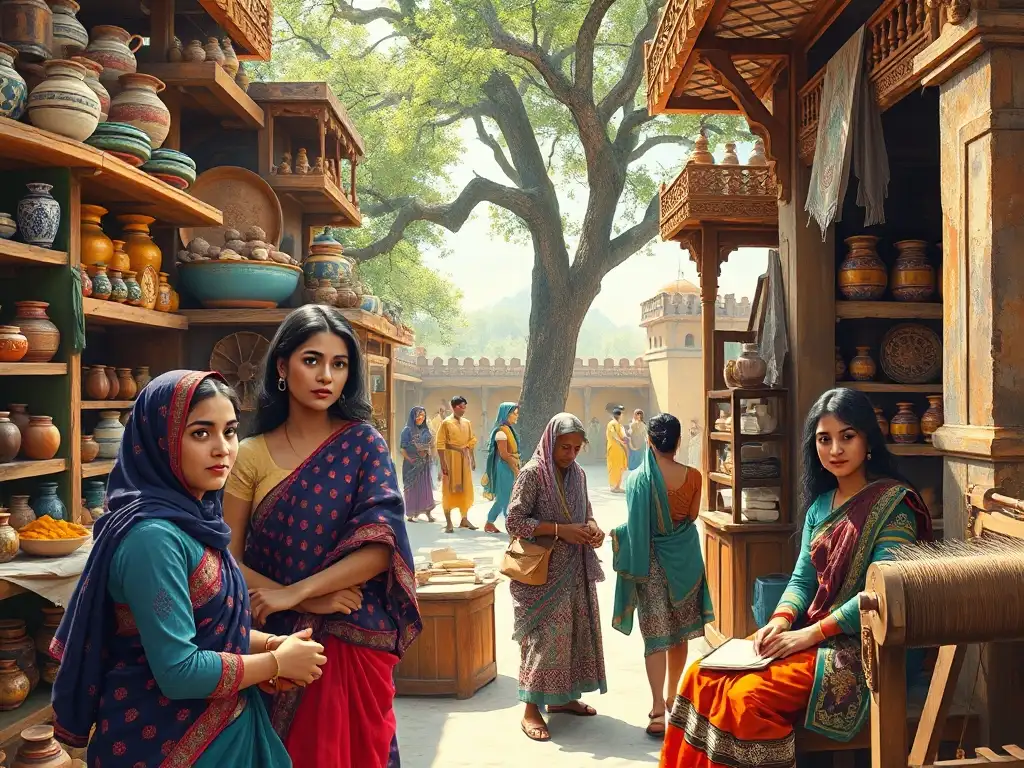
Women in ancient Northern India also made substantial economic contributions, particularly in agrarian societies where they were involved in various agricultural activities. They participated in sowing, harvesting, and processing crops, which were vital for the sustenance of families and local economies. Additionally, women were engaged in textile production, pottery, and handicrafts, often working from home or in communal settings.
Women also played a role in trade and commerce. They could inherit property, and some even managed family businesses, particularly in urban centers where craft and trade flourished. The presence of women in markets and as merchants suggests a degree of economic independence and agency, challenging the notion of women as solely domestic figures.
Influence of Women in Political and Religious Spheres
The influence of women in the political and religious spheres of ancient Northern India was significant and often underappreciated. Despite the patriarchal structures in place, many women found ways to assert their influence and contribute to the governance and spiritual life of their communities.
Women as Political Figures
Women occasionally assumed powerful political roles in ancient Northern India, particularly during times of dynastic succession or when male heirs were lacking. Historical records reference queens and regents who wielded considerable power in the administration of their kingdoms. For instance, rulers like Razia Sultan, the only female monarch of the Delhi Sultanate, demonstrated that women could rise to prominence in political leadership, challenging gender norms of their time.
Moreover, women often acted as advisors and influencers behind the scenes, guiding decisions made by their male counterparts. The ability of women to navigate the political landscape, even if indirectly, suggests a level of influence that was critical for the stability and governance of ancient states.
Religious Roles of Women
In the religious domain, women held essential roles within various spiritual practices and rituals. They were often seen as custodians of family traditions and were responsible for the performance of domestic rituals that ensured household prosperity and harmony. Additionally, women participated in temple activities, serving as priestesses or caretakers in certain religious practices.
Women also played a crucial role in the transmission of cultural and religious knowledge through oral traditions and storytelling, preserving the rich heritage and spiritual teachings of their societies. Their involvement in religious life not only provided them with a platform for influence but also reinforced their importance in the societal fabric of ancient Northern India.
Women in ancient Northern Indian society exhibited empowerment and influence through education, economic participation, and roles in political and religious spheres. Their contributions were significant in shaping the cultural, social, and political landscapes of their time, highlighting the complexity and richness of women's experiences in ancient India.
Cultural Representation of Women
The cultural representation of women in ancient Northern Indian society is multifaceted, showcasing both their empowerment and the challenges they faced. This representation can be traced through various mediums, including literature, art, and religious texts, which reflect the complex roles women played within their families and communities. Women were often depicted as nurturing figures, embodying virtues such as loyalty, devotion, and strength. However, these representations were not monolithic; they varied significantly depending on class, caste, and regional differences.
Artistic expressions, such as sculptures and paintings, frequently illustrated women in domestic roles, engaged in daily activities such as cooking, weaving, and child-rearing. These images celebrated women's contributions to the home and family, emphasizing their importance in maintaining social harmony. Moreover, women were often portrayed in mythological contexts, serving as embodiments of various ideals, which influenced societal views on femininity and virtue.
Depictions of Women in Literature and Art
Literature from ancient Northern India, such as the Vedas, Upanishads, and epics like the Mahabharata and Ramayana, contains numerous references to women that highlight their diverse roles. These texts depict women as wise sages, devoted wives, and powerful queens, showcasing their intellectual and moral strengths. For example, the figure of Savitri in the Mahabharata exemplifies the ideal wife who uses her intellect and determination to save her husband from death, illustrating the revered status of women in certain narratives.
In artistic representations, women are frequently shown adorned with intricate jewelry and beautiful garments, symbolizing both beauty and status. Temples and sculptures often include depictions of women performing rituals, suggesting their active participation in religious life. However, these representations also reflect the societal norms of the time, where women's roles were often confined to the domestic sphere.
Mythological Figures and Their Influence on Gender Perception
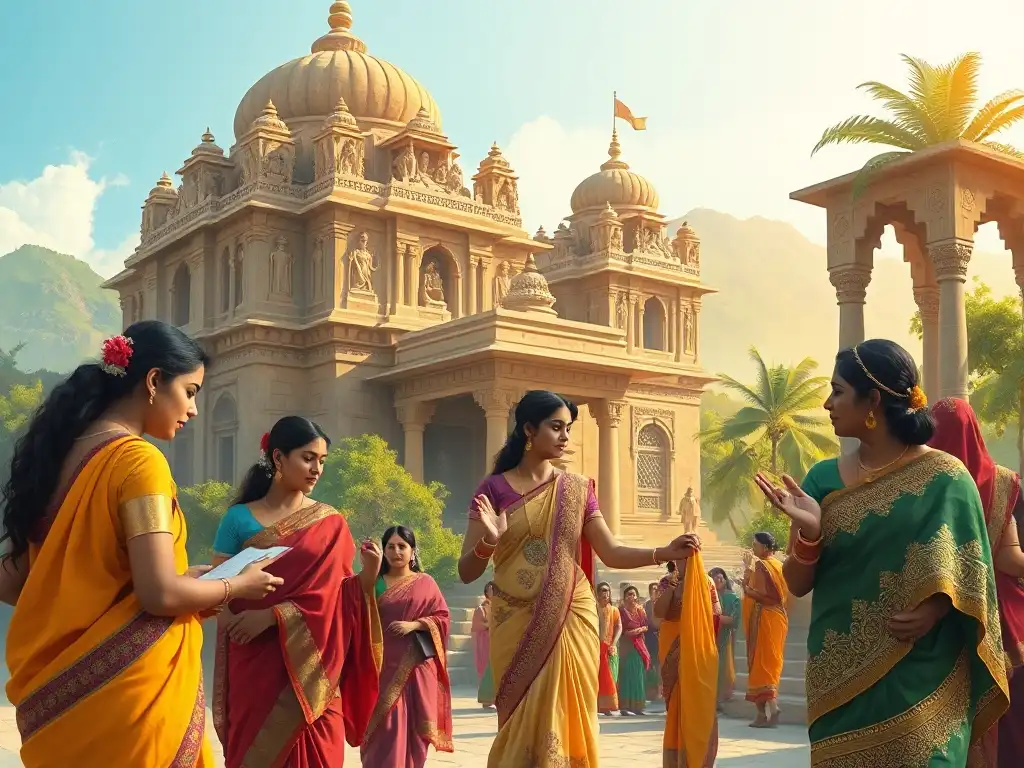
Mythological figures in ancient Indian texts played a crucial role in shaping societal perceptions of gender. Goddesses such as Durga and Saraswati embody strength, wisdom, and resilience, reinforcing the idea of women as powerful entities. Durga, for instance, is celebrated as a warrior goddess who fights against evil and injustice, symbolizing women's potential for empowerment and leadership. Such representations encouraged women to aspire to these ideals, thereby contributing to a more nuanced understanding of femininity.
Conversely, some mythological narratives also perpetuated traditional gender roles. The portrayal of Sita in the Ramayana, who endures trials and tribulations for her husband Rama, reflects the societal expectation of women to prioritize family and loyalty. This duality in mythological representation indicates that while women were celebrated for their strengths, they were also often constrained by societal norms that dictated their behaviors and roles.
Challenges Faced by Women in Ancient Society
Despite the nuanced representations of women in literature and art, ancient Northern Indian society presented several challenges that limited their empowerment. Societal norms and practices often dictated the roles women could occupy, leading to restrictions on their freedom and autonomy. The patriarchal structure prevalent in many ancient Indian communities placed women in subordinate positions, where their identities were often defined in relation to men.
Societal Restrictions and Norms
Women in ancient Northern India faced various societal restrictions that shaped their lives. The institution of child marriage was common, severely limiting girls' opportunities for education and personal development. Additionally, the practice of Sati, where widows were expected to self-immolate on their husband's funeral pyre, exemplified the extreme consequences of societal expectations regarding female loyalty and virtue. These practices not only highlighted the oppressive norms women were subjected to but also reflected broader societal attitudes toward gender.
Furthermore, women's access to education and public life was severely restricted. While some women, particularly from higher castes, had the opportunity to receive education, many were confined to domestic roles, with little autonomy in decision-making processes. This systemic inequality underscored the societal perception of women as dependents rather than individuals with their own rights and aspirations.
Resistance and Resilience of Women
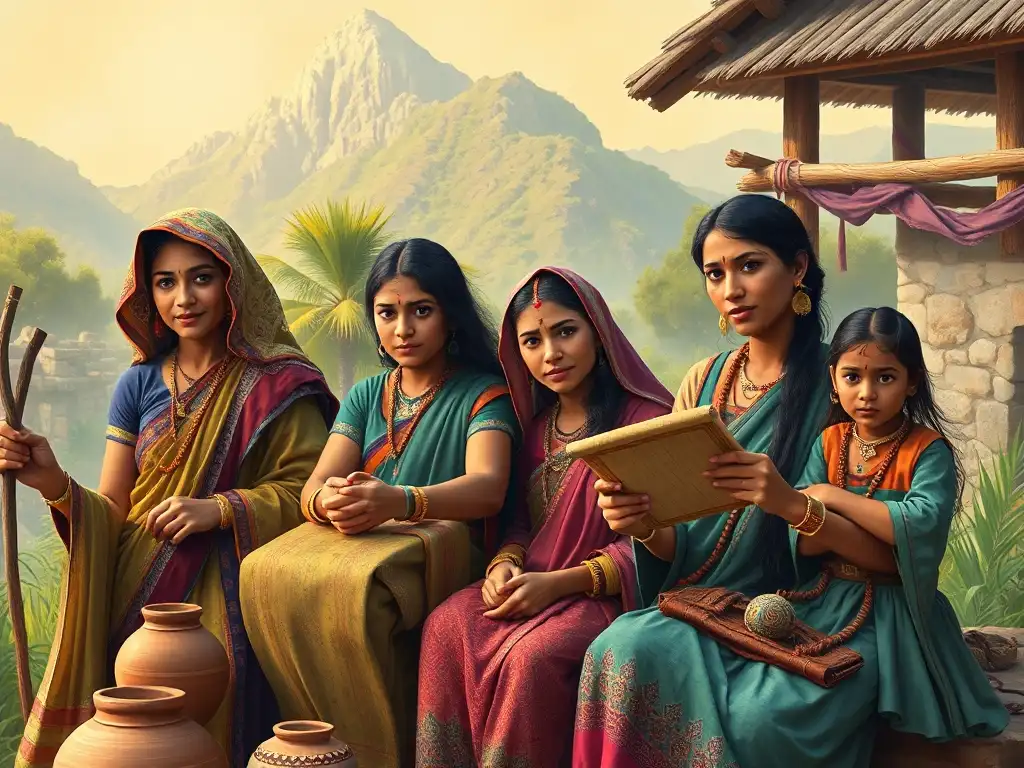
Despite the challenges they faced, women in ancient Northern India exhibited remarkable resilience and resistance. Many women found ways to assert their agency, whether through participation in religious practices, engaging in economic activities, or influencing family decisions. Historical accounts and texts reveal instances of women who defied societal norms, such as ruling queens or influential figures in religious circles, who played pivotal roles in governance and spiritual life.
Additionally, women often formed supportive networks within their communities, fostering solidarity and collaboration. These informal alliances allowed them to navigate the complexities of their societal roles while seeking opportunities for empowerment. The quiet acts of resistance, whether through education, religious participation, or community leadership, contributed to a gradual shift in perceptions of women's roles, laying the groundwork for future advancements in women's rights and status in society.
The role of women in ancient Northern Indian society was characterized by a complex interplay of empowerment and challenges. Their cultural representation in literature and art revealed both the ideals and limitations imposed upon them, while the resilience shown in the face of societal restrictions highlights their enduring strength and influence.
Conclusion
The exploration of women's roles in ancient Northern Indian society reveals a multifaceted picture of empowerment and influence that challenges modern perceptions. Women engaged actively in various spheres, from domestic responsibilities to significant social, political, and economic contributions. Their roles were not simply confined to the household; rather, they were integral to the fabric of society, often influencing decisions and participating in cultural and religious practices. Understanding these dynamics is crucial for a comprehensive view of ancient Indian civilization, emphasizing that women's contributions were pivotal to the historical narrative.
Summary of Women’s Empowerment and Influence
In ancient Northern India, women enjoyed a range of rights and privileges that varied across different periods and regions. Historical texts and archaeological evidence indicate that women could own property, participate in rituals, and even engage in scholarly pursuits. The Vedic period, for instance, highlighted women's roles as scholars and intellectuals, with figures like Gargi and Maitreyi making significant contributions to philosophical discourse.
Additionally, the presence of women in religious texts and inscriptions showcases their elevated status and the respect afforded to them within their communities. Overall, women's empowerment in ancient Indian society was complex and layered, reflecting both societal norms and individual agency.
Legacy of Women in Ancient Northern Indian Society
The legacy of women in ancient Northern Indian society is profound and enduring. Their influence can be seen through the arts, literature, and religious practices that have persisted over centuries. The patronage of women in the arts, including dance and music, laid the groundwork for the rich cultural traditions that characterize Indian heritage today.
Furthermore, the stories and achievements of historical figures such as Rani Durgavati and Razia Sultana serve as enduring symbols of female strength and resilience. These legacies continue to inspire contemporary discussions around gender roles and equality, highlighting the need to recognize and celebrate women's contributions throughout history.
The Importance of Continuing Research on Women in History
Continuing research on women in ancient Indian society is vital for several reasons. Firstly, it helps to rectify historical narratives that have often marginalized or overlooked women's contributions. By emphasizing their roles and achievements, scholars can provide a more balanced understanding of history that reflects the complexity of societal dynamics.
Secondly, such research fosters a deeper appreciation for the diverse experiences and perspectives of women, allowing for a richer exploration of cultural heritage. Lastly, it encourages modern society to reflect on the progress made towards gender equality and the work that remains to be done, ensuring that the voices of women are included in historical discourse.
References
Key Texts and Resources on Women in Ancient Indian Society
- "Women in Ancient India" by R. D. Choudhury: This text offers a comprehensive examination of women's roles from the Vedic period to the Gupta Empire, highlighting their societal contributions and rights.
- "Historical Perspectives on Women in India" by Kumkum Sangari: This book provides critical insights into the historical narratives constructed around women's experiences in India, focusing on both ancient and medieval periods.
- "The Role of Women in Vedic Society" by R. N. Sharma: A detailed analysis of women's status and contributions during the Vedic age, emphasizing their roles in family and society.
Suggested Further Reading on Northern Indian History
- "The History of Northern India" by R. C. Majumdar: An essential read for understanding the historical context of Northern India, this book covers various aspects of social, political, and cultural developments.
- "Social and Economic History of Northern India" by R. S. Sharma: This text delves into the intricate social and economic structures of Northern India, providing insight into the societal roles of different groups, including women.
- "Women and Society in Ancient India" by S. C. Dutta: A focused study on women's roles and societal expectations throughout ancient Indian history, emphasizing their contributions to cultural and social development.
- Introduction
- Historical Context
- Empowerment of Women in Ancient Northern India
- Education and Knowledge for Women
- Economic Contributions of Women
- Influence of Women in Political and Religious Spheres
- Cultural Representation of Women
- Depictions of Women in Literature and Art
- Mythological Figures and Their Influence on Gender Perception
- Challenges Faced by Women in Ancient Society
- Societal Restrictions and Norms
- Resistance and Resilience of Women
- Conclusion
- References
Frequently Asked Questions
What was the role of women in ancient Indian society?
Women in ancient Indian society held various roles, from managing households to participating in religious rituals, often reflecting their cultural significance and social influence.
Were women in ancient India educated?
Yes, many women in ancient India received education, particularly in the upper classes, where they learned subjects like literature, music, and philosophy, contributing to their empowerment.
How did women's rights evolve in ancient Indian cultures?
Women's rights in ancient Indian cultures varied over time and region, with some periods allowing for property ownership and participation in public life, while others imposed stricter social constraints.
What were some notable contributions of women in ancient India?
Women contributed to art, literature, and religion, with figures like Gargi and Maitreyi making significant impacts in philosophy, showcasing their intellectual influence.
How did the status of women change during the Gupta Empire?
During the Gupta Empire, women's status fluctuated, with some enjoying greater freedoms in education and artistic expression, while others faced increased restrictions in social and economic rights.
Final Reflection: The Enduring Legacy of Women in Ancient Indian Society
The exploration of women's roles in ancient Northern Indian society reveals a profound truth: their empowerment and influence were not merely historical footnotes but foundational elements that shaped cultural narratives. Today, as we navigate discussions around gender equality and women's rights, understanding the past illuminates the path forward. The stories of these women remind us that their contributions were vital, challenging the notion that empowerment is a modern construct.
The legacy of women in ancient Indian society continues to resonate in contemporary cultural and social landscapes. Their stories of resilience and agency inspire movements for equality and justice today. As we reflect on their influence, we recognize the words of the poet Maya Angelou: I am a woman, phenomenally. Phenomenal woman, that’s me.
This sentiment echoes the strength and dignity that women have embodied throughout history, serving as a reminder of the ongoing journey toward recognition and respect.
As you ponder the insights shared in this article, I invite you to reflect on the powerful narratives of women in ancient Indian society and consider how these lessons can inspire action in your own life. Embrace the strength of your voice and the impact of your actions, for the legacy of those who came before us is a call to continue the fight for empowerment and influence in our communities today.
Unveil the Legacy of Women: Take Action Today!
Thank you for immersing yourself in the fascinating role of women in ancient northern Indian society. Your engagement highlights the importance of their empowerment and influence in shaping history. Now, let’s translate that knowledge into action!
Here are a few powerful steps you can take to further explore and honor this legacy:
- Dive deeper into women’s history: Read about the remarkable contributions of influential women throughout history. Look for academic articles and books that illuminate their impact on society.
- Share your insights: Discuss what you've learned with friends or on social media—initiate conversations that celebrate the pivotal roles women have played throughout history!
- Join or create a community group: Connect with others who share an interest in ancient history and women’s studies. Consider organizing local meet-ups or online discussion groups to foster deeper connections.
How do you think the empowerment of women in ancient societies can inspire today’s movements for gender equality?