
The Role of Northern India in Shaping Indian National Identity: A Historical Perspective

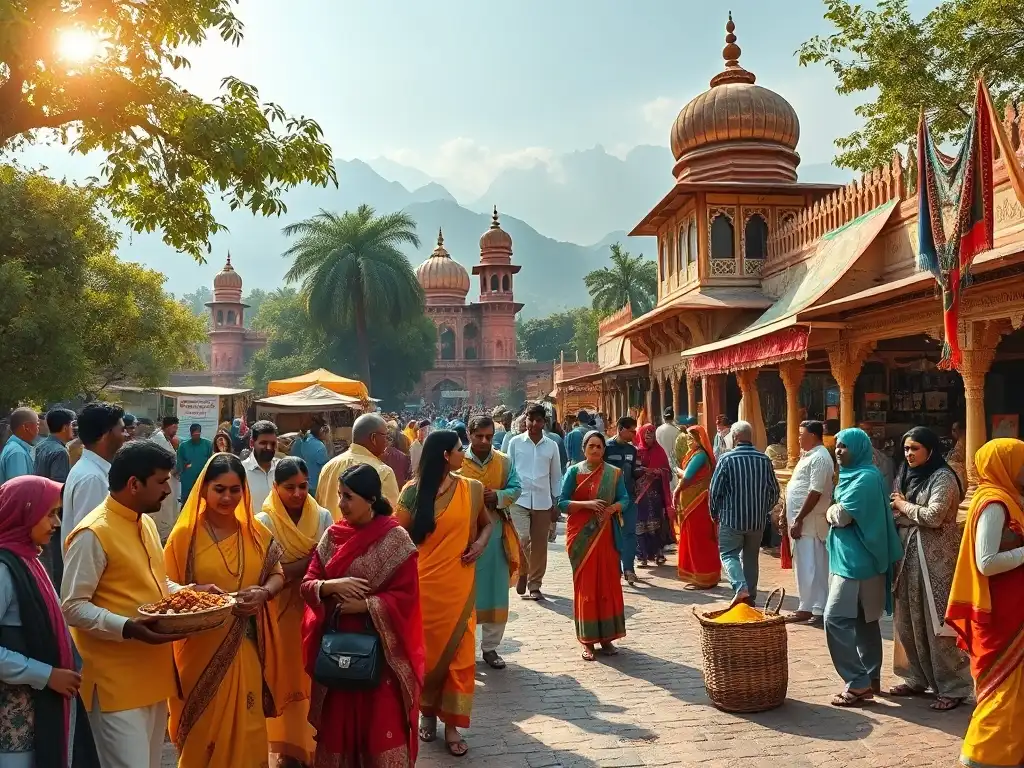
Welcome to Ancient India History, where we embark on a captivating journey through the rich tapestry of India's past. Dive into the historical impact of Northern India as we unravel how this vibrant region played a pivotal role in shaping the Indian national identity. From the flourishing cities of the Indus Valley to the intellectual heights of the Gupta Empire, every corner of Northern India whispers tales of culture, innovation, and resilience.
Are you ready to explore the profound contributions that have defined an entire civilization? Join us as we delve deeper into the fascinating stories that have forged the essence of India today.
Introduction to Northern India’s Historical Impact
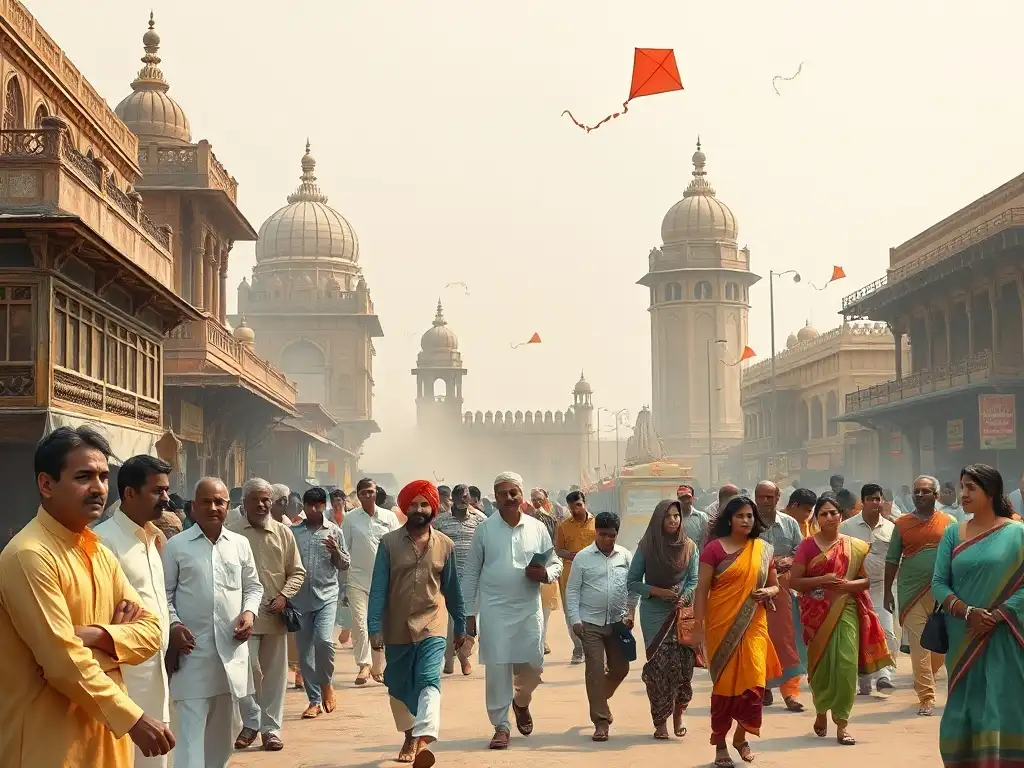
Northern India has played a pivotal role in shaping the Indian national identity through its rich tapestry of history, culture, and civilization. This region, characterized by its diverse landscapes and vibrant communities, has been the cradle of ancient civilizations that laid the foundation for the cultural ethos of modern India.
From the urban sophistication of the Indus Valley Civilization to the philosophical advancements during the Vedic period, Northern India has significantly contributed to the collective identity of the Indian subcontinent. Understanding the historical impact of Northern India is essential to appreciate how these early civilizations influenced contemporary Indian society, politics, and culture.
Understanding the Concept of National Identity in India
National identity in India is a multifaceted concept that encompasses a shared heritage, cultural practices, and historical narratives that bind the diverse population together. It is shaped by:
- Cultural Unity: Despite linguistic, religious, and regional diversity, a sense of belonging to a larger Indian identity is prevalent.
- Historical Narratives: Events and figures from history, particularly those originating in Northern India, are often invoked to foster a sense of pride and unity.
- Civic Nationalism: The modern Indian state promotes a civic identity, emphasizing shared values and rights among its citizens.
This interplay of cultural, historical, and civic elements creates a dynamic national identity that continues to evolve, with Northern India's contributions being a fundamental aspect of this development.
Overview of Northern India’s Historical Significance
Northern India is not only a geographical region but a historical epicenter where significant events and movements have transpired. The significance of Northern India can be summarized in several key points:
- Cultural Crossroads: As a meeting point of various cultures and influences, Northern India has seen the confluence of Aryan, Persian, Greek, and later Islamic cultures, enriching its cultural landscape.
- Centers of Power: Ancient empires such as the Maurya and Gupta empires flourished in this region, establishing political and cultural hegemony that shaped the Indian subcontinent.
- Intellectual Hub: The region has been home to some of the earliest universities, such as Nalanda and Takshashila, fostering advancements in science, philosophy, and literature.
The historical significance of Northern India thus extends beyond its borders, influencing not only Indian identity but also the broader narrative of human civilization.
The Ancient Civilizations of Northern India
The Indus Valley Civilization: A Foundation for Identity
The Indus Valley Civilization, one of the world's earliest urban cultures, emerged around 2500 BCE in what is now Northern India and Pakistan. This civilization set the groundwork for future Indian societies through its:
- Urban Planning: Cities like Harappa and Mohenjo-Daro showcased advanced urban planning, including drainage systems and grid layouts, which reflected a sophisticated societal organization.
- Trade and Economy: The civilization engaged in extensive trade networks, which facilitated cultural exchanges and economic prosperity.
- Cultural Legacy: Artifacts and scripts from this era suggest a rich cultural life, influencing subsequent cultures in the region.
The achievements of the Indus Valley Civilization continue to resonate in the Indian cultural consciousness, serving as a foundation for national identity.
Vedic Period Contributions to Indian Culture and Identity
Following the Indus Valley Civilization, the Vedic period (1500-500 BCE) marked a transformative phase in Northern India's history. This period is characterized by:
- Philosophical Development: The composition of the Vedas, which are foundational texts for Hindu philosophy and spirituality, laid the groundwork for religious and ethical beliefs that continue to shape Indian identity.
- Social Structure: The emergence of the caste system during this time created a complex social hierarchy that influenced social organization for centuries.
- Cultural Practices: Rituals, festivals, and traditions originating from this period remain integral to Indian culture and identity today.
The Vedic period's contributions have had a lasting impact on the spiritual and cultural fabric of India, reinforcing the significance of Northern India in shaping national identity.
The Role of Empires in Northern India
Northern India has played a pivotal role in shaping the historical narrative of the Indian subcontinent through its powerful empires. These empires not only contributed to political unification but also fostered a rich tapestry of cultural, religious, and social dynamics that have significantly influenced the Indian national identity. The Maurya and Gupta Empires stand out as two of the most influential dynasties in this regard, each leaving a lasting legacy that resonates through time.
The Maurya Empire: Unity in Diversity
The Maurya Empire, established in 322 BCE by Chandragupta Maurya, marked a significant turning point in Indian history. It was during this period that Northern India saw extensive political unification, which was essential for the emergence of a collective identity among diverse groups. Under the reign of Ashoka, one of its most illustrious emperors, the empire expanded significantly and embraced a policy of Dhamma, promoting tolerance and social welfare.
Ashoka's promotion of Buddhism and the establishment of stupas and pillars across Northern India facilitated the spread of Buddhist teachings, which emphasized compassion and coexistence. This not only united various ethnic and cultural groups under a common religious umbrella but also contributed to the development of a shared national ethos. The Maurya Empire's administrative sophistication and the integration of various local customs into a broader imperial framework laid the groundwork for future governance models and cultural exchanges.
The Gupta Empire: A Golden Age of Culture and Identity
Following the decline of the Maurya Empire, the Gupta Empire emerged around the 3rd century CE, heralding what is often referred to as the Golden Age of India. This era was characterized by remarkable advancements in arts, science, mathematics, and philosophy, which flourished particularly in Northern India. The Gupta rulers, such as Chandragupta II and Samudragupta, supported scholars like Aryabhata and Kalidasa, whose works laid the foundation for significant cultural and intellectual traditions.
The Gupta Empire also witnessed the consolidation of Hindu culture, which became a cornerstone of Indian identity. Temples built during this time showcased exquisite art and architecture, reflecting the rich cultural heritage of the region. Moreover, the emphasis on education and learning fostered a sense of pride and unity among the populace, reinforcing their connection to a shared history. The legacies of the Gupta Empire continue to influence modern Indian culture and identity, highlighting the historical impact of Northern India in shaping the nation.
Cultural Contributions of Northern India
The cultural contributions of Northern India have been instrumental in shaping the Indian national identity. The region's linguistic diversity, religious influences, and artistic expressions have all played significant roles in creating a collective heritage that resonates across the subcontinent.
Linguistic Diversity and Its Impact on National Identity
Northern India is home to a multitude of languages and dialects, which have contributed significantly to the region's cultural richness. Languages such as Hindi, Punjabi, Urdu, and Bengali, among others, represent the diverse ethnic groups that inhabit this region. This linguistic variety has fostered communication and cultural exchanges among different communities, facilitating a broader understanding of shared narratives and histories.
The evolution of languages in Northern India has also influenced literature, poetry, and folklore, which serve as vehicles for expressing regional identities while contributing to a unified national narrative. The emergence of Hindi as a major language in the 20th century, particularly during the independence movement, further solidified its role in shaping Indian nationalism. The ability of these languages to encapsulate local experiences and sentiments has helped forge a collective identity that transcends regional boundaries.
Religious Influences: Hinduism, Buddhism, and Jainism
Northern India has been a cradle of major religious movements, including Hinduism, Buddhism, and Jainism, each contributing richly to the region's cultural and spiritual identity. Hinduism, with its diverse practices and philosophies, has deeply influenced the socio-political landscape, promoting values of unity and dharma that resonate with the Indian ethos.
Buddhism, originating from Northern India, spread across Asia and played a crucial role in shaping ethical and moral frameworks within society. The teachings of Buddha emphasized compassion and non-violence, ideals that have contributed to India's cultural identity over centuries. Jainism, with its doctrines of non-violence and asceticism, further enriched the spiritual diversity of the region, fostering a culture of tolerance and respect.
The intermingling of these religions has not only contributed to Northern India's identity but has also had a profound impact on the national identity of India as a whole. Religious festivals, rituals, and philosophies have become integral to the cultural fabric of the nation, highlighting the historical impact of Northern India in shaping a diverse yet unified Indian identity.
Historical Events Shaping National Identity
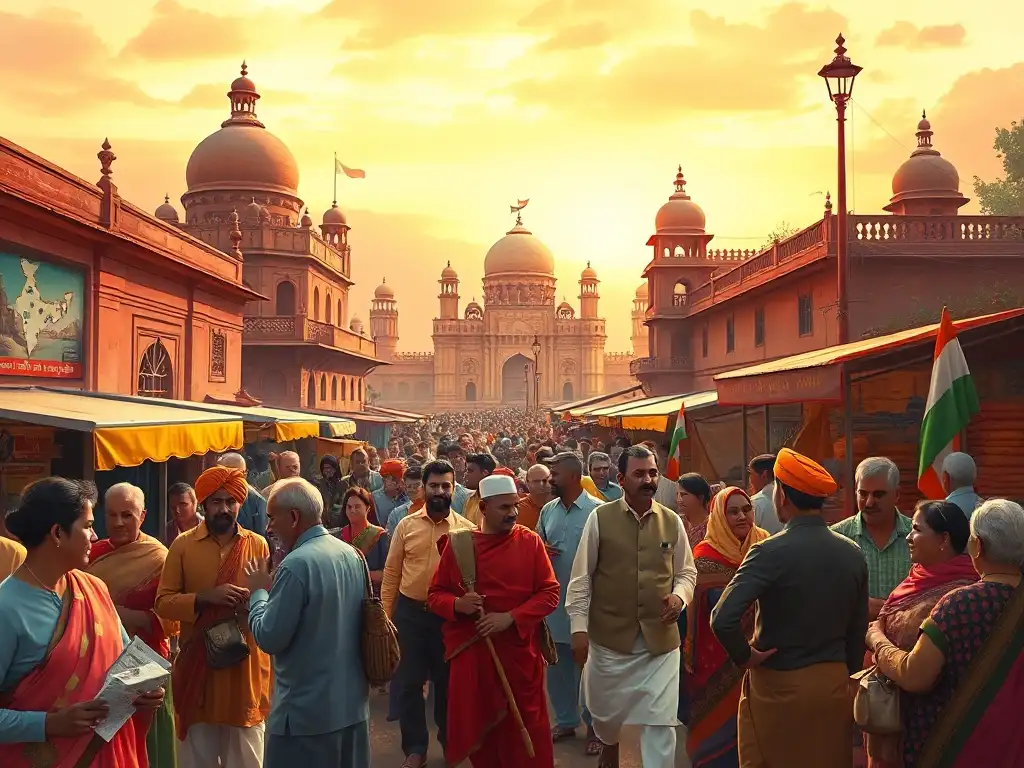
Northern India has been a pivotal region in the formation of Indian national identity, influenced by a myriad of historical events that have shaped cultural, political, and social dynamics. From ancient empires to colonial rule, each era has left an indelible mark on the collective consciousness of the Indian populace. These historical events serve as a backdrop against which the narratives of unity and identity have evolved, reflecting the complexities and diversities of the Indian experience.
The Impact of the Delhi Sultanate on Indian Unity
The establishment of the Delhi Sultanate in the early 13th century marked a significant turning point in Northern India's political landscape. This period saw the unification of various regions under a centralized Muslim rule, which introduced new administrative practices and cultural exchanges. The Sultanate's diverse rule, encompassing various ethnic and religious groups, laid the groundwork for a nascent Indian identity.
- Cultural Synthesis: The intermingling of Hindu and Islamic cultures during this period fostered a unique cultural synthesis seen in architecture, literature, and art. For instance, the construction of iconic structures like the Qutub Minar exemplifies this blend of styles.
- Political Unity: The Delhi Sultanate contributed to political unity by encouraging the concept of a shared governance model, albeit through a feudal system. This model helped in establishing a sense of collective identity among various regions, as local rulers began to identify with the central authority of the Sultanate.
- Religious Tolerance: While the Sultanate faced challenges related to religious strife, certain rulers promoted policies of tolerance, enabling a coexistence that would resonate in the Indian ethos of pluralism.
Mughal Influence: Integration and Identity Formation
The Mughal Empire, succeeding the Delhi Sultanate, further solidified the processes of integration and identity formation in Northern India. Under rulers like Akbar, the Mughals adopted a more inclusive approach, promoting not only military conquests but also cultural and religious amalgamation.
- Cultural Flourishing: The Mughal era is celebrated for its contributions to art, literature, and cuisine. The establishment of the Din-i Ilahi by Akbar aimed at creating a syncretic faith, reflecting an early understanding of a unified identity across religious lines.
- Administrative Reforms: The introduction of a centralized administrative system by the Mughals facilitated efficient governance and economic stability, which in turn promoted a sense of belonging among diverse communities.
- Legacy of Tolerance: The Mughal emphasis on religious tolerance and patronage of various cultures laid a foundation for a composite Indian identity that would play a crucial role in later nationalistic movements.
Colonial Period and Its Effects
The colonial period, particularly under British rule, posed profound challenges to the established identities within Northern India. The British Raj not only attempted to reshape the socio-political landscape but also ignited a sense of nationalism that sought to reclaim India's identity.
The British Raj: Challenges to Indian Identity
The British Raj introduced a series of administrative and legal changes that significantly impacted traditional Indian society. These changes often marginalized indigenous customs and practices, leading to a crisis of identity for many Indian communities.
- Cultural Imperialism: The British policy of cultural imperialism sought to impose Western ideologies and educational systems, often disregarding indigenous knowledge systems. This created a cultural dissonance among the Indian populace.
- Economic Exploitation: The extraction of resources and exploitation of labor disrupted local economies, leading to widespread poverty and a sense of disenfranchisement. This socio-economic turmoil fostered a desire for a distinct Indian identity that was separate from colonial influences.
- Resistance Movements: The challenges posed by colonial rule spurred various resistance movements across Northern India, which were instrumental in fostering a collective national identity. Figures like Rani Lakshmibai and leaders of the Indian National Congress rallied the populace around a common cause of independence.
The Rise of Nationalism in Northern India
The late 19th and early 20th centuries witnessed a surge in nationalist sentiments, especially in Northern India. This period was characterized by the emergence of various political and social movements that sought to define and articulate an Indian identity.
- Formation of Political Organizations: The Indian National Congress and other political organizations began to articulate a vision of a united India, transcending regional and communal divisions. They emphasized the need for self-governance and the importance of cultural heritage.
- Literary Movements: The rise of vernacular literature and the promotion of regional languages played a crucial role in galvanizing public sentiment. Writers and poets drew upon historical narratives to invoke a sense of pride in India's rich heritage.
- Communal Harmony and Identity: Nationalist leaders like Mahatma Gandhi emphasized communal harmony, advocating for a vision of India that embraced both Hindu and Muslim identities. This approach aimed to forge a cohesive national identity amidst the diverse cultural fabric of India.
The historical events in Northern India have been instrumental in shaping the Indian national identity, with each phase contributing distinct elements that collectively define the region's rich heritage.
Case Studies of Northern Indian Leaders
The historical impact of Northern India on Indian national identity is significantly attributed to its influential leaders. A few case studies highlight how these figures shaped the socio-political landscape of India and contributed to a unified national identity.
- Mahatma Gandhi: A pivotal figure in the Indian independence movement, Gandhi's philosophy of non-violence and civil disobedience resonated across diverse social strata. His leadership in the Salt March and other movements galvanized millions, fostering a sense of shared identity and purpose among Indians.
- Jawaharlal Nehru: As the first Prime Minister of India, Nehru played a crucial role in nation-building. His vision for a secular, democratic India laid the foundation for a national identity that embraced the country’s diversity. His policies aimed at modernization and education further reinforced a cohesive national narrative.
- B.R. Ambedkar: An architect of the Indian Constitution, Ambedkar's advocacy for the rights of marginalized communities transformed social dynamics in India. His emphasis on equality and justice has had a lasting impact on the Indian identity, ensuring that it includes voices from all backgrounds.
Key Figures in Shaping Indian National Identity
The key figures from Northern India have been instrumental in articulating and promoting an Indian national identity that transcends regional and cultural boundaries. Figures such as:
- Raja Ram Mohan Roy: Often regarded as the father of modern India, his efforts in social reform and education laid the groundwork for a national consciousness that emphasized rationalism and reform.
- Bal Gangadhar Tilak: Known as the "Father of Indian Nationalism," Tilak's slogan, “Swaraj is my birthright,” inspired a generation to aspire for self-rule. His work in promoting Indian culture and heritage was crucial in forming a unified identity.
- Sardar Vallabhbhai Patel: As a key leader in the integration of princely states post-independence, Patel's contributions to national unity are integral to understanding the cohesive identity of India today.
Movements and Their Historical Impact on Identity
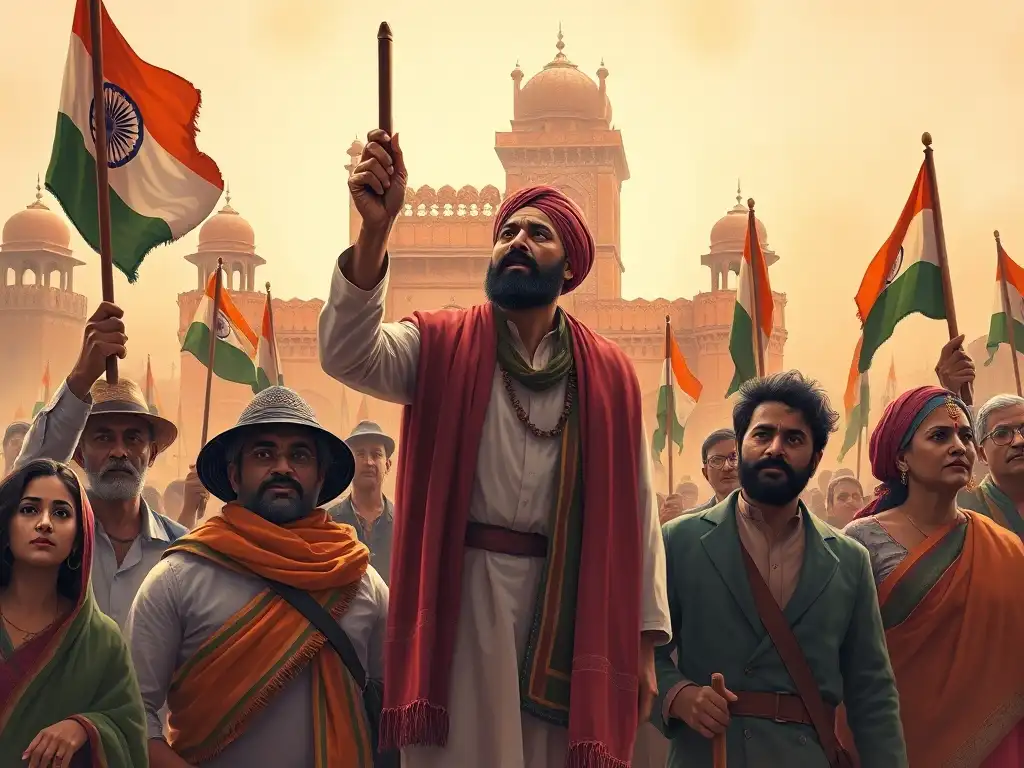
Numerous movements originating in Northern India have significantly influenced the historical impact of Northern India on national identity:
- The Indian National Congress: Founded in 1885, the Congress became a platform for articulating Indian aspirations. Leaders from Northern India were at the forefront, advocating for self-rule and civil rights.
- The Khilafat Movement: This movement sought to protect the Ottoman Caliphate and mobilized a large section of Indian Muslims, emphasizing a pan-Indian identity that included diverse religious communities in the struggle for independence.
- The Non-Cooperation Movement: Launched in 1920, this movement marked a significant shift in Indian politics, promoting mass participation in the freedom struggle. It united people from various backgrounds under a common cause, reinforcing a collective national identity.
Conclusion: The Lasting Legacy of Northern India
Northern India has played a crucial role in shaping the historical narrative of the Indian national identity. The contributions of its leaders and movements have left an indelible mark on the collective consciousness of the country.
Summary of Historical Contributions to National Identity
The leaders and movements from Northern India have significantly contributed to the evolution of a national identity characterized by unity in diversity. They emphasized values of egalitarianism, secularism, and collective action, which continue to resonate in contemporary India. By fostering a sense of belonging among various cultural and religious groups, they laid the groundwork for a cohesive national identity.
Future Implications for Understanding Indian National Identity
The historical impact of Northern India on Indian national identity serves as a vital lens through which to understand contemporary issues. As India continues to grapple with its diverse cultural landscape, the lessons from its past can inform present-day discussions on identity, unity, and inclusivity. The legacy of Northern Indian leaders and movements is a reminder of the potential for collective action in shaping a resilient national identity that honors its rich heritage while embracing the future.
References and Further Reading on Northern India’s Historical Impact
To gain a deeper understanding of the historical impact of Northern India and its pivotal role in shaping Indian national identity, a variety of resources can be explored. These references include academic books, articles, and online platforms that provide insights into the rich tapestry of Northern India’s history, culture, and its influence on the broader Indian narrative.
Recommended Books and Articles
-
"The History of India: From the Earliest Times to the Present Day" by Romila Thapar
This comprehensive work offers an expansive view of Indian history, with significant emphasis on Northern India’s contributions to the formation of national identity. Thapar's analysis of historical events and cultural developments provides a nuanced understanding of the region's importance.
-
"Delhi: A Historical Narrative" by Ravi Bahl
This book delves into the historical evolution of Delhi, a key city in Northern India, examining how its political and cultural significance has shaped the collective identity of the Indian subcontinent.
-
"The Northern Frontier: A Social History of the Northern Indian Plains" by R. S. Sharma
Sharma's work focuses on the social dynamics of Northern India, exploring how various communities and their interactions contributed to the broader historical context of the region and its identity.
-
"Cultural History of Northern India" by M. N. Deshpande
This text captures the cultural developments in Northern India, detailing how art, literature, and philosophy from this region have influenced the Indian identity through centuries.
-
"The Making of Modern India: From the Indus Valley to the Gupta Empire" by Shireen Moosvi
This article provides an overview of the historical trajectory of India, emphasizing the role of Northern India in shaping modern national consciousness and identity.
Online Resources for Exploring Northern Indian History
-
Digital South Asia Library (DSAL)
An extensive online resource that provides access to historical maps, photographs, and texts related to South Asia, with a particular focus on Northern India's rich heritage.
-
Indian History Congress
The official website offers a plethora of research papers, articles, and proceedings from historical conferences that delve into various aspects of Indian history, including the impact of Northern India.
-
The Archaeological Survey of India (ASI)
This site provides valuable information on archaeological sites in Northern India, helping to contextualize the region's historical significance.
-
The British Library Online Gallery
A treasure trove of digitized manuscripts, maps, and documents that reflect the historical narratives of Northern India, showcasing its contributions to Indian culture.
-
Wikipedia’s "History of Northern India" Page
While not a scholarly source, this page offers a broad overview and includes references to more in-depth resources for those looking to understand the historical impact of Northern India.
By engaging with these resources, readers can better appreciate the profound historical impact of Northern India on the formation of Indian national identity, exploring the intricate layers of its heritage and cultural evolution.
- Introduction to Northern India’s Historical Impact
- The Ancient Civilizations of Northern India
- The Role of Empires in Northern India
- Cultural Contributions of Northern India
- Historical Events Shaping National Identity
- Colonial Period and Its Effects
- Case Studies of Northern Indian Leaders
- Key Figures in Shaping Indian National Identity
- Movements and Their Historical Impact on Identity
- Conclusion: The Lasting Legacy of Northern India
- References and Further Reading on Northern India’s Historical Impact
- What was the significance of Northern India in ancient civilizations?
- How did Northern India influence Indian national identity?
- What contributions did Northern India make to Indian culture?
- How did trade routes in Northern India impact its history?
- In what ways did Northern India's historical events shape its future?
Frequently Asked Questions
What was the significance of Northern India in ancient civilizations?
Northern India was crucial in the development of ancient civilizations like the Indus Valley and later empires, serving as a cultural and economic hub.
How did Northern India influence Indian national identity?
The historical events and cultural exchanges that occurred in Northern India played a pivotal role in forming a collective national identity, shaping modern India.
What contributions did Northern India make to Indian culture?
Northern India contributed significantly to arts, literature, and philosophy, with notable achievements during the Gupta Empire, which is often referred to as the Golden Age of India.
How did trade routes in Northern India impact its history?
Trade routes in Northern India facilitated the exchange of goods, ideas, and cultures, which were instrumental in the economic and cultural development of the region.
In what ways did Northern India's historical events shape its future?
Major historical events, such as the Mughal Empire's rise and decline, shaped the political landscape of Northern India and influenced the trajectory of the subcontinent's history.
Final Reflection: The Enduring Legacy of Northern India’s Historical Impact
The historical impact of Northern India is not merely a relic of the past; it continues to resonate in the fabric of contemporary Indian society. As we explore the intricate tapestry of cultural, political, and social influences that have emerged from this region, it becomes evident that the narratives forged in Northern India have played a pivotal role in shaping the national identity of India today. The echoes of history remind us that understanding our roots is essential for navigating the complexities of modern identity.
Clearly, the historical impact of Northern India has been profound and multifaceted. From the ancient civilizations that thrived along the banks of the Indus River to the vibrant cultural exchanges during the Mughal era, Northern India has been a crucible of ideas and identities. This region has not only contributed to the formation of a unified national consciousness but has also fostered a rich diversity that reflects the pluralistic nature of Indian society. History is not just what happened; it is how we remember it.
This quote encapsulates the ongoing influence of Northern India's history, reminding us that our collective memory shapes our present and future.
As we reflect on the lessons drawn from the historical impact of Northern India, I invite you to consider how these narratives resonate in your own life. What aspects of this rich history inspire you to engage with your identity and community? Embrace the opportunity to learn from the past, allowing it to inform your actions and aspirations for the future. Let us honor the legacy of Northern India by fostering a deeper understanding of our shared history, ensuring that it continues to inspire and unite us as we move forward together.
Embrace Your Roots and Shape Your Future!
Thank you for exploring the rich history of Northern India and its pivotal role in shaping our national identity. The insights you've gained are not merely reflections of the past; they serve as a foundation for understanding our cultural legacy. Now, it’s time to take action and integrate this knowledge into your life!
- Join the Conversation: Share your thoughts on how the history of Northern India influences our modern identity by commenting below. Your perspective can ignite meaningful discussions!
- Explore Further: Delve into our curated resources on ancient Indian history to broaden your understanding. Check out our recommended reading list on related topics that pique your interest.
- Connect with Others: Follow us on social media for daily insights, historical posts, and opportunities for community engagement. Let’s bring history to life in our everyday conversations!
What aspect of Northern India’s historical impact on our national identity resonates with you the most, and how do you think it shapes our present? We would love to hear your insights!