
How Ancient Western India Contributed to Global Civilization

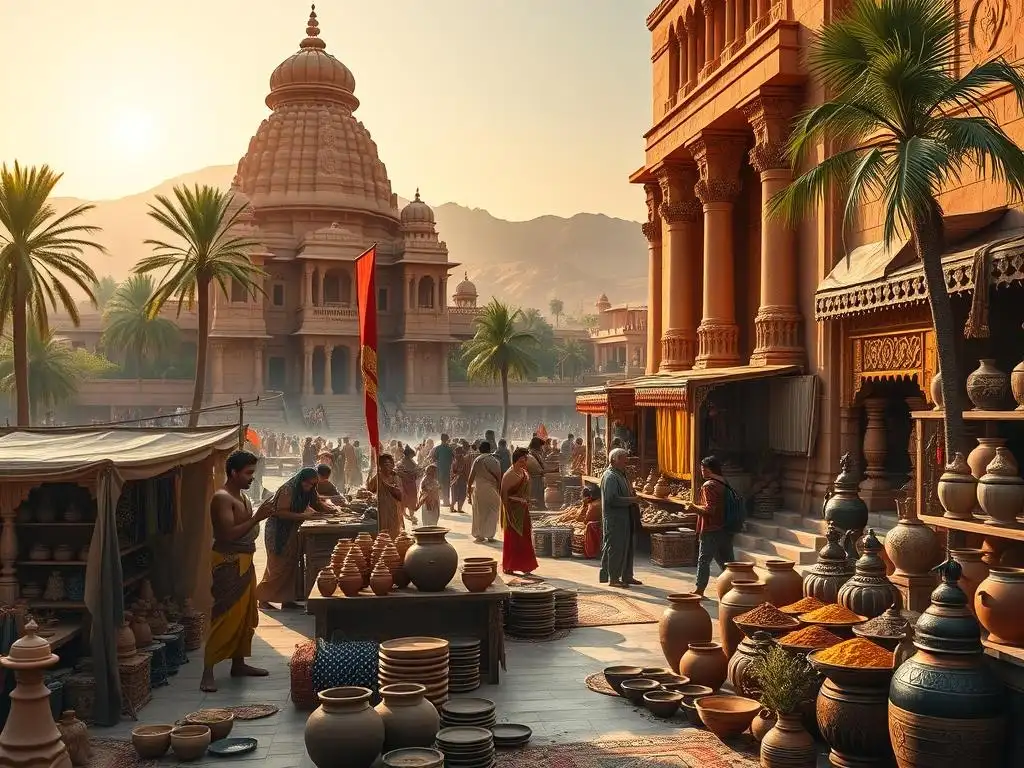
Welcome to Ancient India History, where we delve into the rich tapestry of civilizations that shaped the world as we know it today. In our featured article, "How Ancient Western India Contributed to Global Civilization," we uncover the remarkable achievements and innovations of ancient Western India that have often been overlooked.
From groundbreaking advancements in trade and art to profound philosophical insights, the contributions of this vibrant region are truly captivating. Join us on this journey through time as we explore how these ancient wonders laid the foundation for a global legacy, inviting you to discover the stories that connect us all.
- Introduction to Ancient Western India Contributions
- Historical Context of Ancient Western India
- Key Contributions of Ancient Western India
- Cultural Contributions of Ancient Western India
- Religion and Spiritual Contributions
- Influence on Global Civilization
- Conclusion: The Enduring Legacy of Ancient Western India Contributions
-
Frequently Asked Questions
- What were the major contributions of ancient Western India to global civilization?
- How did trade influence the development of ancient Western India?
- What role did religion play in ancient Western India's contributions?
- Can you name some key architectural wonders from ancient Western India?
- How has the history of ancient Western India impacted modern India?
- Final Reflection: The Enduring Legacy of Ancient Western India
- Unveil the Treasures of Ancient Western India!
Introduction to Ancient Western India Contributions
Ancient Western India is a treasure trove of cultural, economic, and intellectual advancements that significantly shaped not only the Indian subcontinent but also influenced various aspects of global civilization. This region, encompassing states like Gujarat, Maharashtra, and Rajasthan, was a melting pot of diverse communities and ideas, fostering a dynamic environment for innovation and trade.
From the flourishing trade routes of the Indus Valley Civilization to the profound philosophical and artistic contributions of the Gupta Empire, Ancient Western India played a pivotal role in the tapestry of world history. This article aims to explore the myriad ways in which Ancient Western India contributed to global civilization, illuminating its lasting impact on culture, science, and society.
Overview of Ancient Western India
Ancient Western India is characterized by its unique geographic and cultural landscape, which includes the vast deserts of Rajasthan, the fertile plains of Gujarat, and the coastal regions of Maharashtra. Each of these areas contributed distinct elements to the historical narrative of the region.
- Indus Valley Civilization: One of the earliest urban cultures, known for its advanced city planning, drainage systems, and trade networks.
- Mauryan Empire: A significant political entity that expanded its influence across much of the Indian subcontinent, with its capital at Pataliputra.
- Gupta Empire: Often regarded as the Golden Age of India, marked by remarkable achievements in art, science, and philosophy.
This rich historical backdrop laid the foundation for a vibrant society that engaged actively with neighboring cultures, contributing to important advancements in various fields.
Importance of Ancient Western India in Global Civilization
The contributions of Ancient Western India to global civilization are manifold, spanning several domains:
- Trade and Commerce:
- The region was pivotal in the establishment of trade routes connecting India with the Mediterranean, facilitating the exchange of goods such as spices, textiles, and precious stones.
- Ports like Lothal emerged as critical hubs in maritime trade, showcasing advanced shipbuilding techniques and navigation skills.
- Cultural Exchange:
- Diverse communities coexisted, fostering a rich cultural milieu that blended local traditions with influences from Persia, Greece, and beyond.
- The spread of Buddhism and Jainism from this region played a crucial role in promoting spiritual teachings and ethical philosophies across Asia.
- Scientific and Technological Innovations:
- Ancient Western India was home to significant advancements in mathematics and astronomy, with scholars like Aryabhata making groundbreaking contributions that influenced later developments in the field.
- Innovations in metallurgy, particularly with the production of high-quality steel, had far-reaching implications for tools and weaponry globally.
- Art and Architecture:
- The region contributed to the evolution of unique architectural styles, evidenced in the intricate carvings of the Ajanta and Ellora caves.
- Artistic expressions, including sculpture and painting, reflected a synthesis of indigenous and foreign elements, enriching the global artistic heritage.
The contributions of Ancient Western India were instrumental in shaping the contours of global civilization, leaving a legacy that continues to resonate in contemporary society. By delving into these contributions, we can gain a deeper appreciation for the historical significance of this remarkable region.
Historical Context of Ancient Western India
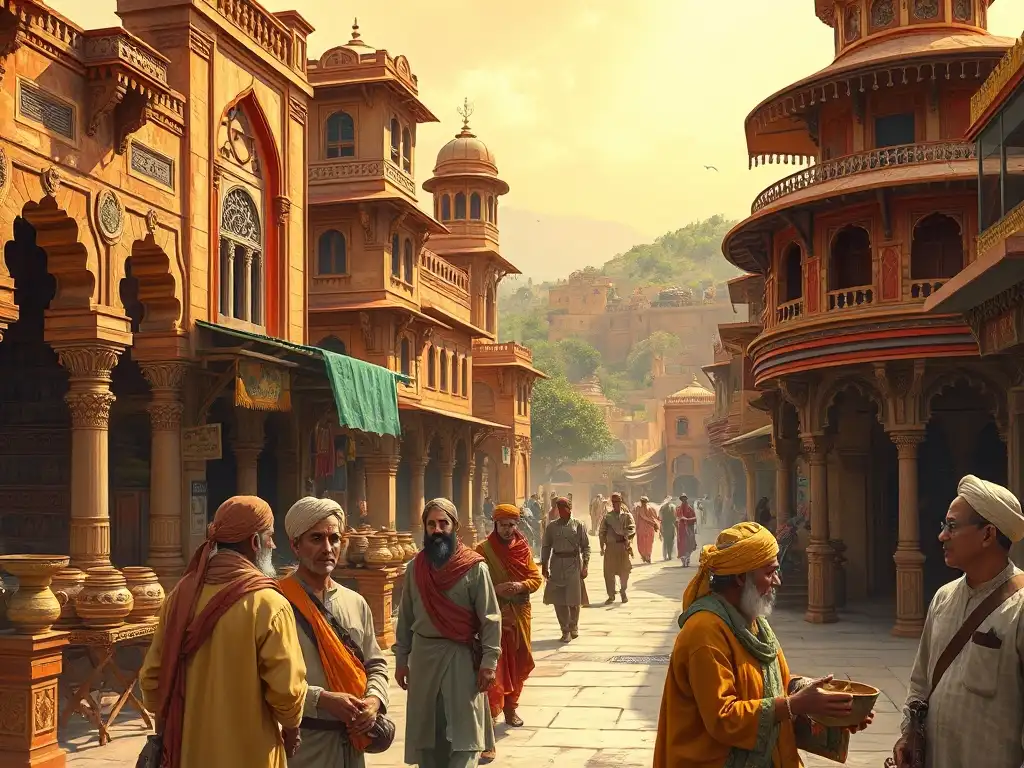
Ancient Western India, encompassing regions such as Gujarat, Maharashtra, and Rajasthan, played a pivotal role in the development of various cultural and economic frameworks that contributed significantly to global civilization. This region's strategic geographic location facilitated trade routes connecting the Indian subcontinent with the Middle East, Africa, and beyond. Throughout its history, Western India has been a melting pot of diverse cultures, languages, and religions, fostering an environment ripe for innovation and exchange.
The historical narrative of this region is characterized by its ability to adapt and thrive through various phases, including the rise and fall of significant empires and the influence of various cultural movements. Understanding this context is crucial for appreciating the profound contributions of ancient Western India to not only Indian civilization but also the broader tapestry of global history.
Geographical Significance of Western India
The geographical landscape of Western India is marked by a varied topography that includes coastal regions, deserts, and fertile plains. This diversity has not only shaped the lifestyle of its inhabitants but also facilitated various forms of economic activities.
- Coastal Access: The Arabian Sea coastline has historically enabled maritime trade, establishing links with ancient civilizations in Mesopotamia, Persia, and East Africa. Ports such as Lothal and Bharuch became bustling centers for trade, exporting goods like textiles, spices, and precious stones.
- Trade Routes: Western India served as a crucial junction on the Silk Road and other trade routes, connecting the East and West. This strategic position allowed for the exchange of ideas, technologies, and cultural practices, enriching local traditions while influencing global developments.
- Natural Resources: The region's rich natural resources, including minerals and agricultural produce, supported thriving economies. The fertile lands of the Narmada and Tapti river valleys became hubs of agricultural innovation, contributing to food security and trade.
Major Ancient Civilizations in Western India
The Indus Valley Civilization
The Indus Valley Civilization (IVC), one of the world's earliest urban cultures, thrived from approximately 3300 BCE to 1300 BCE.
- Urban Planning: Cities like Mohenjo-Daro and Harappa showcased advanced urban planning, featuring grid layouts, drainage systems, and standardized fired bricks. This meticulous architecture reflects a high degree of social organization and technological prowess.
- Trade and Economy: The IVC was renowned for its trade networks, both inland and maritime. Artifacts such as seals and weights indicate a sophisticated system of commerce. The civilization engaged in trade with Mesopotamia, exchanging goods like cotton textiles and metalwork.
- Cultural Contributions: The IVC contributed significantly to agricultural practices, introducing crops such as cotton, which would later become a cornerstone of Indian textiles. The civilization's undeciphered script, although limited in understanding, hints at a complex social structure and cultural identity.
The Maurya and Gupta Empires
The Maurya (circa 322-185 BCE) and Gupta (circa 320-550 CE) Empires represent two of the most significant ancient Indian empires, both of which had their stronghold in Western India.
- Maurya Empire: Under the leadership of Chandragupta Maurya and later Ashoka, the Maurya Empire expanded rapidly, promoting political unity and stability. Ashoka's embrace of Buddhism and his edicts advocating for moral governance left a lasting impact on Indian society and beyond.
- Cultural Exchange: The Maurya Empire facilitated cultural exchanges with Hellenistic civilizations, particularly after Alexander the Great's campaigns, influencing art, architecture, and philosophy.
- Gupta Empire: Known as the "Golden Age of India," the Gupta Empire saw remarkable advancements in science, mathematics, and the arts. This era birthed significant contributions such as the concept of zero, the decimal system, and classical Sanskrit literature.
- Art and Architecture: The Gupta period is noted for its exquisite temple architecture and sculpture, exemplified by sites like Ajanta and Ellora caves, which depict intricate narratives of religion and culture.
The contributions of ancient Western India are profound and multifaceted, spanning urban planning, trade, cultural exchange, and advancements in science and philosophy. The legacy of these civilizations continues to resonate in contemporary society, highlighting the enduring impact of this historically rich region.
Key Contributions of Ancient Western India
Contributions to Trade and Economy
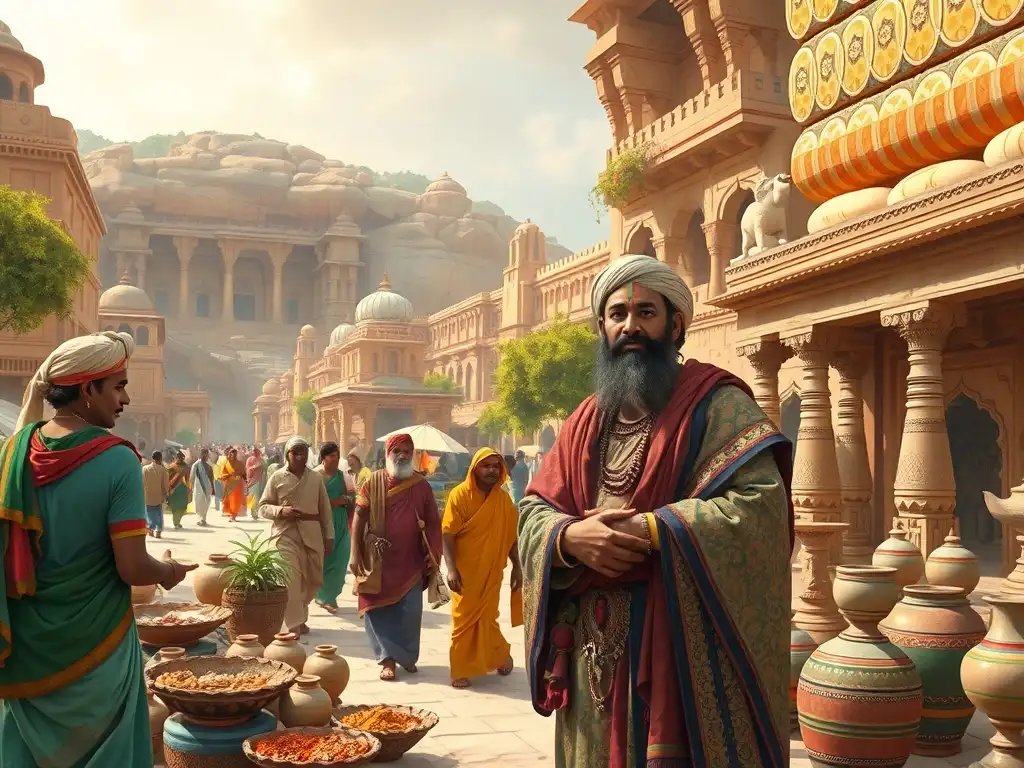
Ancient Western India played a pivotal role in shaping the trade dynamics of the region and the wider world. With its strategic location along the western coastline, this area facilitated extensive commercial interactions with various civilizations, leading to significant economic contributions.
Maritime Trade Routes
The maritime trade routes established by ancient Western Indian civilizations, particularly around the coastal regions of Gujarat and Maharashtra, were essential for connecting India with other parts of the ancient world. The ports of Lothal and Dwarka are notable examples, serving as thriving hubs for maritime commerce.
- Lothal: This ancient city is often regarded as one of the earliest dockyards in the world, with sophisticated docking facilities that enabled the anchoring of ships.
- Trade Links: Ancient Western India engaged in maritime trade with regions as far as Mesopotamia, Egypt, and the Arabian Peninsula, facilitating the exchange of goods and cultural ideas.
The trade routes not only enhanced economic prosperity but also fostered relationships with diverse cultures, leading to a rich tapestry of shared knowledge and traditions.
Trade Goods and Cultural Exchange
The goods traded from ancient Western India were varied and valuable, contributing significantly to the regional and global economy. Key goods included:
- Textiles: Western India was famous for its intricate textiles, particularly cotton and silk fabrics, which were highly sought after in foreign markets.
- Spices: Spices such as black pepper and cardamom were essential commodities that attracted traders from across the world.
- Metals and Gems: The region was a source of precious metals and gemstones, including gold, silver, and diamonds, which were traded extensively.
This vibrant trade network facilitated cultural exchange, where ideas, religions, and technologies traveled alongside goods. For instance, the spread of Buddhism and Hinduism to other regions can be traced back to these trade interactions, showcasing the profound impact of ancient Western India on global civilization.
Innovations in Science and Technology
The contributions of ancient Western India extended beyond trade, significantly impacting fields such as science and technology. The civilizations in this region were at the forefront of several innovations that would later influence societies around the world.
Advances in Mathematics and Astronomy
Ancient Western India was a center of mathematical and astronomical advancements, laying the groundwork for future developments. Key contributions included:
- Numerical System: The region is credited with the development of the decimal system and the concept of zero, which revolutionized mathematics and computation globally.
- Astronomical Observations: Scholars like Aryabhata, who hailed from this region, made significant contributions to the understanding of planetary motion and eclipses. His works laid the foundation for future astronomical studies in India and beyond.
These advancements not only reflect the intellectual prowess of ancient Western Indian civilization but also demonstrate how their knowledge influenced subsequent cultures.
Development of Urban Planning
The urban planning of ancient Western Indian cities, such as those found in the Indus Valley Civilization, was remarkably advanced for its time. Key features of their urban planning included:
- Grid Layout: Cities were often designed in a grid pattern, showcasing a high level of organization and foresight in urban design.
- Sewage and Drainage Systems: The sophisticated drainage systems found in cities like Harappa and Mohenjo-Daro highlight the engineering skills and public health awareness of these civilizations.
Such urban planning practices not only improved the quality of life for inhabitants but also set standards for future urban developments in other cultures across the globe. The legacy of ancient Western India's contributions to urban planning continues to be acknowledged in modern architectural and urban design principles.
Cultural Contributions of Ancient Western India
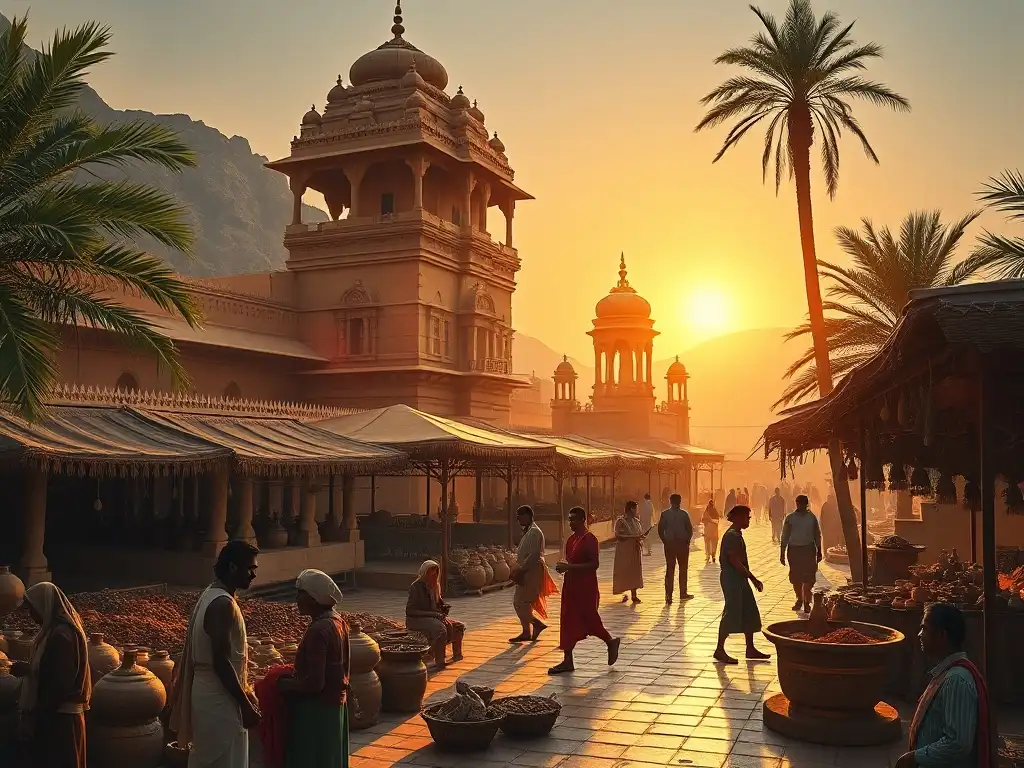
Ancient Western India, comprising regions such as Gujarat, Maharashtra, and Rajasthan, played a pivotal role in shaping the cultural landscape of India and beyond. Its contributions in art, architecture, literature, and philosophy were instrumental in influencing not only regional developments but also global civilization. This section delves into the various cultural contributions that emerged from this vibrant region.
Art and Architecture
The artistic and architectural legacy of Ancient Western India is characterized by a blend of indigenous styles influenced by several cultural interactions over centuries. This section examines the notable achievements and their enduring impact.
Famous Structures and Temples
Ancient Western India is home to some of the most iconic structures and temples, showcasing intricate craftsmanship and architectural brilliance. Notable examples include:
- The Sun Temple at Modhera: Built in the 11th century, this temple is dedicated to the Sun God and is known for its stunning stepwell and detailed stone carvings.
- The Ajanta Caves: A UNESCO World Heritage site, these rock-cut Buddhist caves date back to the 2nd century BCE to about 480 CE and feature exquisite frescoes and sculptures that depict the life of the Buddha.
- The Elephanta Caves: Located on Elephanta Island near Mumbai, these caves are famous for the massive sculptures of the Hindu god Shiva, particularly the Trimurti, which is a 20-foot representation of a three-headed Shiva.
- The Chaitya Hall at Karla: This structure, dating back to the 1st century BCE, is one of the largest rock-cut chaityas in Western India and exemplifies early Buddhist architecture.
The architectural innovations of this period not only served religious purposes but also reflected the socio-political dynamics and artistic sensibilities of the time.
Influence on Regional Artistic Styles
The artistic styles developed in Ancient Western India significantly influenced the broader Indian artistic traditions. Key influences include:
- Merging of Styles: The confluence of various cultures, including Persian, Greek, and local Indian traditions, gave rise to unique artistic expressions in sculptures and paintings.
- Iconography: The symbolism used in art, particularly in temple sculptures, often conveyed deep philosophical meanings, influencing the artistic narratives of later periods.
- Regional Schools of Art: The emergence of distinct regional schools, such as the Western Indian style of painting, which emphasized vibrant colors and intricate detailing, can be traced back to this era.
These artistic developments not only enriched the cultural fabric of India but also laid the groundwork for future artistic endeavors across the subcontinent.
Literature and Philosophy
The intellectual contributions of Ancient Western India are equally significant, with a rich tradition of literature and philosophy that has left a lasting impact on global thought.
Prominent Literary Works from Western India
Ancient Western India produced a wealth of literary works, many of which continue to be revered today. Highlights include:
- The Arthashastra: Attributed to Kautilya (Chanakya), this ancient treatise on statecraft, economic policy, and military strategy is foundational in political literature.
- The Dnyaneshwari: A 13th-century commentary on the Bhagavad Gita by the saint Dnyaneshwar, this work is celebrated for its poetic beauty and philosophical depth, making complex ideas accessible to the common people.
- The works of Kalidasa: Often regarded as one of the greatest Sanskrit poets and playwrights, Kalidasa's plays and poems—like "Shakuntala" and "Meghaduta"—have been instrumental in shaping Indian literature.
These literary works not only reflect the linguistic richness of the region but also provide insights into the social, political, and spiritual ethos of their time.
Philosophical Schools of Thought
Western India was a center for philosophical inquiry, with several schools of thought emerging during ancient times. Key contributions include:
- Advaita Vedanta: Promoted by philosophers such as Adi Shankaracharya, this non-dualistic school emphasized the unity of the individual soul (Atman) with the ultimate reality (Brahman).
- Buddhism: The region was a significant hub for the spread of Buddhism, with various sects developing distinct philosophical perspectives that influenced not only India but also neighboring countries.
- Jainism: The teachings of Mahavira and other Tirthankaras emphasized non-violence, truth, and asceticism, shaping ethical thought and practice across Indian society.
These philosophical traditions fostered a spirit of inquiry and reflection that contributed greatly to the intellectual heritage of the world, influencing various fields such as ethics, metaphysics, and epistemology.
The contributions of Ancient Western India to art, architecture, literature, and philosophy have been profound and far-reaching. These cultural legacies continue to be celebrated and studied, underscoring the region's vital role in the tapestry of global civilization.
Religion and Spiritual Contributions
The Role of Religion in Ancient Western India
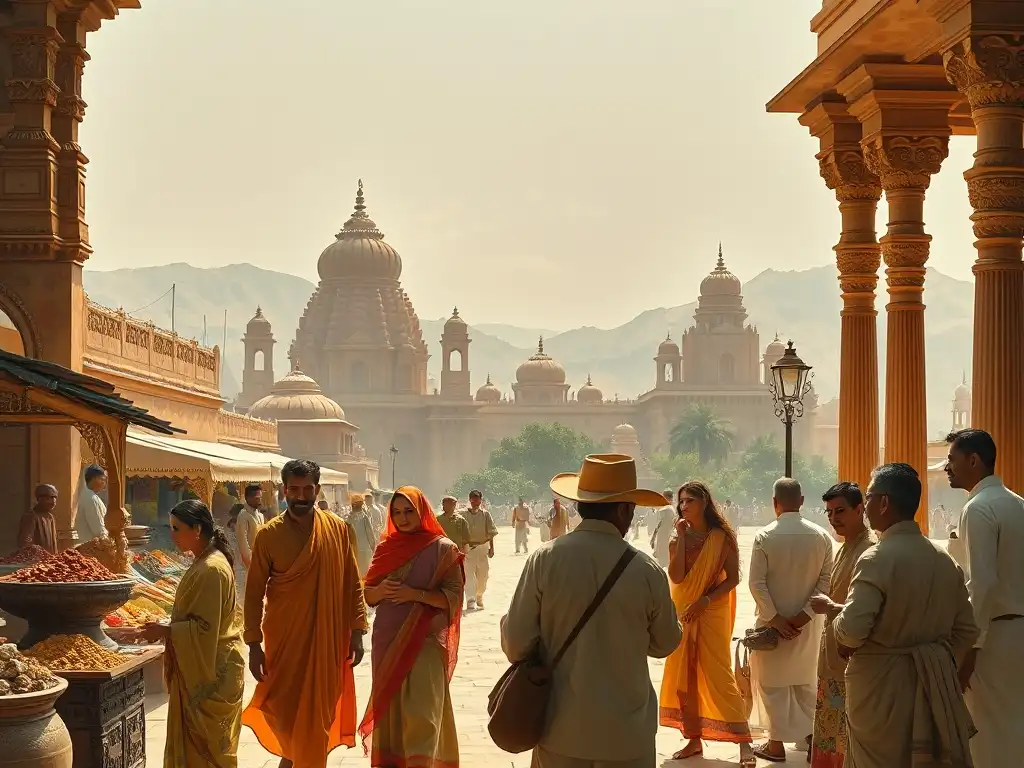
Ancient Western India was a vibrant hub of religious thought and practice that significantly influenced not only the subcontinent but also the world. This region, comprising modern-day Gujarat, Maharashtra, and Rajasthan, was characterized by a confluence of diverse spiritual traditions and philosophies. The sociopolitical climate, enriched by trade routes and cultural exchanges, fostered an environment where various religions could flourish.
Religious practices in ancient Western India extended beyond mere rituals; they were integral to the societal fabric, influencing art, architecture, and philosophy. Temples served as centers of community life and learning, while monastic orders provided spaces for spiritual retreat and intellectual discourse. The syncretic nature of religious practices in this region showcased a remarkable degree of tolerance and coexistence, paving the way for the development of a rich spiritual heritage that later influenced various global religious movements.
Hinduism and Jainism in Western India
Historical Context and Influences
Hinduism, with its deep roots in the Vedic traditions, thrived in ancient Western India. The region is home to numerous ancient texts and scriptures, including the Mahabharata and the Puranas, which were instrumental in shaping Hindu philosophy and practice. Temples such as the Sun Temple at Modhera and the Somnath Temple are architectural marvels that reflect the artistic and spiritual aspirations of the time.
Jainism also emerged as a significant religious force in Western India, particularly during the reign of the Mauryan Empire. The teachings of Mahavira, the 24th Tirthankara, emphasized non-violence and asceticism, attracting a substantial following. The rock-cut caves of Ajanta and Ellora, adorned with intricate carvings and paintings, serve as testament to Jainism’s influence on art and spirituality in the region.
Cultural Contributions
The contributions of Hinduism and Jainism to culture were profound. Festivals such as Navratri and Diwali not only celebrated religious narratives but also fostered community bonding and cultural expression. The ancient texts and philosophical discourse of these religions contributed to the development of ethics, aesthetics, and governance, influencing societal norms that resonate even today.
The Spread of Buddhism
Buddhism, which emerged in the 6th century BCE with the teachings of Gautama Buddha, found fertile ground in ancient Western India. The region played a pivotal role in the dissemination of Buddhist thought across Asia. Notably, the Mauryan Emperor Ashoka, who ruled in the 3rd century BCE, was instrumental in promoting Buddhism through edicts and monastic support.
Influences on Trade and Cultural Exchange
Western India was strategically located along key trade routes, facilitating cultural exchanges that contributed to the spread of Buddhism. The Western Ghats served as a natural barrier, creating a unique ecosystem for the growth of monastic communities. These monasteries became centers of learning, attracting scholars and travelers from distant lands, including Central Asia and the Mediterranean.
Architectural and Artistic Legacy
The artistic legacy of Buddhism is profoundly reflected in the rock-cut caves and stupas found throughout Western India. The Kanheri Caves and Ajanta Caves are prime examples of how Buddhist art evolved, showcasing intricate sculptures and frescoes that narrate the life of Buddha and various Jataka tales. This artistic heritage not only enriched local culture but also influenced subsequent artistic movements across Asia.
Ancient Western India contributed significantly to the spiritual landscape of global civilization through its rich tapestry of religious traditions, particularly Hinduism, Jainism, and Buddhism. These contributions continue to resonate in modern culture, philosophy, and spiritual practices worldwide.
Influence on Global Civilization
Impact of Ancient Western Indian Trade on Global Markets
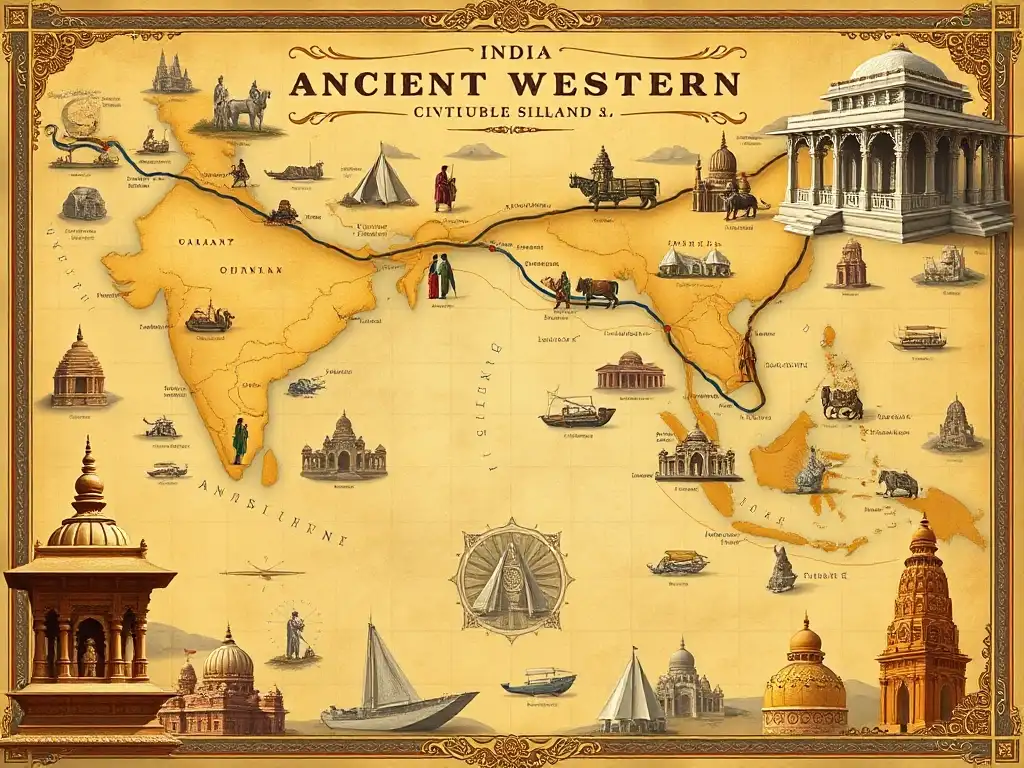
Ancient Western India, particularly regions like Gujarat and Maharashtra, was a crucial hub for trade that significantly influenced global markets. The strategic location of this region along the Arabian Sea facilitated maritime trade with various civilizations, including Mesopotamia, Egypt, and later, the Roman Empire. This trade network was not only pivotal for economic exchanges but also for cultural interactions that shaped societies across continents.
- Maritime Trade Routes: The ports of Bharuch and Sopara served as prominent trade centers. Historical records indicate that these ports were bustling with merchants from different parts of the world, exchanging goods such as spices, textiles, and precious stones. The trade in textiles, particularly cotton, led to the establishment of Western India as a global center for textile production.
- Goods and Commodities: The export of goods such as:
- Spices: Black pepper, cardamom, and turmeric were in high demand in international markets.
- Textiles: Cotton and silk fabrics were sought after for their quality and craftsmanship.
- Metals: Gold, silver, and copper were traded extensively, reflecting the wealth of the region.
- Cultural Exchange: The trade routes facilitated not just the exchange of goods but also ideas, religions, and technologies. The arrival of Buddhism and later Jainism in these trade networks exemplified how commerce was intertwined with cultural diffusion.
The impact of these trade activities extended beyond mere economic benefits; they laid the foundation for what would eventually become a global marketplace, influencing trade practices and economic policies in various civilizations.
The Legacy of Ancient Western India in Modern Culture
The contributions of Ancient Western India continue to resonate in modern culture, reflecting a rich tapestry of traditions, art, and philosophy that have transcended time. Various aspects of this legacy can be observed in contemporary society.
- Art and Architecture: The architectural marvels from ancient Western India, such as the rock-cut caves of Ajanta and Ellora, showcase intricate craftsmanship and storytelling through art. These sites not only attract tourists but also inspire modern architects and artists who draw from their aesthetic and historical significance.
- Culinary Influence: The cuisine of Western India, known for its diverse flavors and spices, has greatly influenced global culinary traditions. Dishes such as Dhokla and Puran Poli reflect the agricultural diversity of the region and its extensive trade in spices, which have become integral to many international cuisines.
- Philosophical Contributions: Ancient Western Indian thinkers and philosophers contributed significantly to various fields, including mathematics and astronomy. The work of scholars like Aryabhata, who hailed from the region, laid the groundwork for future scientific advancements. Their ideas continue to be studied and respected in modern educational curriculums worldwide.
- Textiles and Fashion: The legacy of textile production persists today, with traditional crafts such as Bandhani and Patola continuing to be celebrated and sought after in both national and international markets. The influence of these textiles can be seen in contemporary fashion trends that embrace traditional techniques.
The contributions of Ancient Western India have left an indelible mark on not only the region itself but also on global civilization. Through commerce, culture, and intellectual pursuits, the legacies of this ancient civilization continue to thrive, showcasing the lasting influence of its contributions.
Conclusion: The Enduring Legacy of Ancient Western India Contributions
Summary of Key Contributions
Ancient Western India, particularly during the eras of the Indus Valley Civilization, Maurya Empire, and Gupta Empire, played a pivotal role in shaping not just regional, but also global civilization. Here’s a breakdown of the key contributions from this remarkable region:
- Urban Planning and Architecture: The cities of the Indus Valley, such as Harappa and Mohenjo-Daro, showcased advanced urban planning. These cities were characterized by:
- Grid layouts: Streets were meticulously organized in a grid pattern.
- Drainage systems: Sophisticated drainage systems ensured sanitation and hygiene.
- Public baths: The Great Bath at Mohenjo-Daro is an early example of public bathing, indicating social and ritualistic importance.
- Trade and Economy: Ancient Western India was a significant hub for trade, noted for:
- Maritime trade routes: With the Arabian Sea facilitating trade with Mesopotamia and beyond.
- Craftsmanship and exports: Notable for producing high-quality textiles, beads, and pottery that were traded extensively.
- Cultural Synthesis: The region served as a melting pot for various cultures, contributing to:
- Religious diversity: The spread of Hinduism, Buddhism, and Jainism from Western India influenced spiritual practices across Asia.
- Art and literature: The rich artistic traditions, including sculpture and literature, laid foundational elements for subsequent Indian art.
- Scientific and Mathematical Innovations: The scholars from Western India made significant advancements in:
- Mathematics: The concept of zero and advancements in algebra can be traced back to Indian mathematicians.
- Astronomy: Notable figures like Aryabhata originated from this region, contributing to early astronomical understandings.
Reflection on the Importance of Ancient Western Indian History in Today's World
The contributions of Ancient Western India resonate profoundly in today's global landscape. Understanding these historical legacies not only enriches our comprehension of human civilization but also highlights the importance of cultural exchange and collaboration.
- Cultural Identity: The diverse heritage of Ancient Western India continues to shape the cultural identity of modern India, influencing art, religion, and traditions. This cultural continuity serves as a bridge between past and present, fostering pride among communities.
- Lessons for Modern Society: The innovative urban planning and environmental considerations from the Indus Valley can inspire contemporary urban development, particularly in sustainability and community planning. The emphasis on sanitation and public health from ancient times is especially relevant today, as global populations grapple with similar challenges.
- Global Influence: The intellectual contributions, particularly in mathematics and astronomy, laid the groundwork for developments that have shaped the modern world. Their influence can be seen in various fields, including science, technology, and philosophy, underscoring the interconnectedness of civilizations.
The enduring legacy of Ancient Western India not only illustrates its contributions to global civilization but also serves as a reminder of the rich tapestry of human history. By studying and appreciating these contributions, we can foster a deeper understanding of our shared heritage and the importance of collaboration across cultures.
Frequently Asked Questions
What were the major contributions of ancient Western India to global civilization?
Ancient Western India made significant contributions in areas such as trade, art, and architecture, particularly during the Indus Valley Civilization and Gupta Empire.
How did trade influence the development of ancient Western India?
Trade routes facilitated the exchange of goods and ideas, allowing ancient Western India to be a cultural melting pot and enhancing its economic prosperity and cultural exchange with other civilizations.
What role did religion play in ancient Western India's contributions?
Religion, especially Buddhism and Hinduism, influenced art and architecture, leading to the creation of magnificent temples and sculptures that reflect the region's spiritual significance and artistic achievements.
Can you name some key architectural wonders from ancient Western India?
Prominent architectural wonders include the Ajanta Caves and the Ellora Caves, known for their intricate rock-cut designs and magnificent frescoes, showcasing the artistic genius of the time.
How has the history of ancient Western India impacted modern India?
The rich cultural heritage and significant contributions of ancient Western India laid the foundation for modern Indian society, influencing art, philosophy, and social structures that persist today.
Final Reflection: The Enduring Legacy of Ancient Western India
The contributions of Ancient Western India to global civilization are not just historical footnotes; they are vibrant threads woven into the fabric of our modern world. From groundbreaking advancements in mathematics and astronomy to the rich tapestry of cultural exchanges, the legacy of this region continues to shape our understanding of science, art, and philosophy today. The profound impact of these contributions serves as a reminder of the interconnectedness of human achievement across time and space.
The influence of Ancient Western India resonates deeply within our contemporary cultural and social landscape. The principles of mathematics and the philosophical inquiries that originated in this region have laid the groundwork for countless innovations and ideas that we often take for granted. As Mahatma Gandhi once said, “A nation’s greatness is measured by how it treats its weakest members.” This sentiment echoes the inclusive spirit of Ancient Western India, where knowledge was shared and celebrated, reminding us that the pursuit of wisdom is a collective journey.
As we reflect on the remarkable contributions of Ancient Western India, let us carry forward the torch of curiosity and collaboration. I invite you to explore the lessons of this rich heritage in your own life. Whether through embracing diverse perspectives, fostering innovation, or nurturing a spirit of inquiry, we can all contribute to a future that honors the past while paving the way for new discoveries. Together, let us celebrate and build upon the legacy of Ancient Western India, ensuring that its wisdom continues to inspire generations to come.
Unveil the Treasures of Ancient Western India!
Thank you for diving into the rich legacy of Ancient Western India with us! We hope you feel inspired by the profound contributions this region has made to global civilization. Now, let’s take the next step toward honoring and exploring this incredible history.
Here’s how you can continue your journey:
- Explore further: Visit our website at ancientindiahistory.com for in-depth articles and resources that reveal even more about the remarkable achievements of Ancient Indian civilizations.
- Engage with the community: Join our discussion forum to share your insights and discover new perspectives from fellow history enthusiasts!
- Share the knowledge: Spread the word by sharing this article with friends or on social media—let’s inspire others to learn about this fascinating history together!
What aspect of Ancient Western India do you find most intriguing, and how has it shaped your understanding of global history?