
From Temples to Trade: The Journey of Indian Artifacts in International Collecting

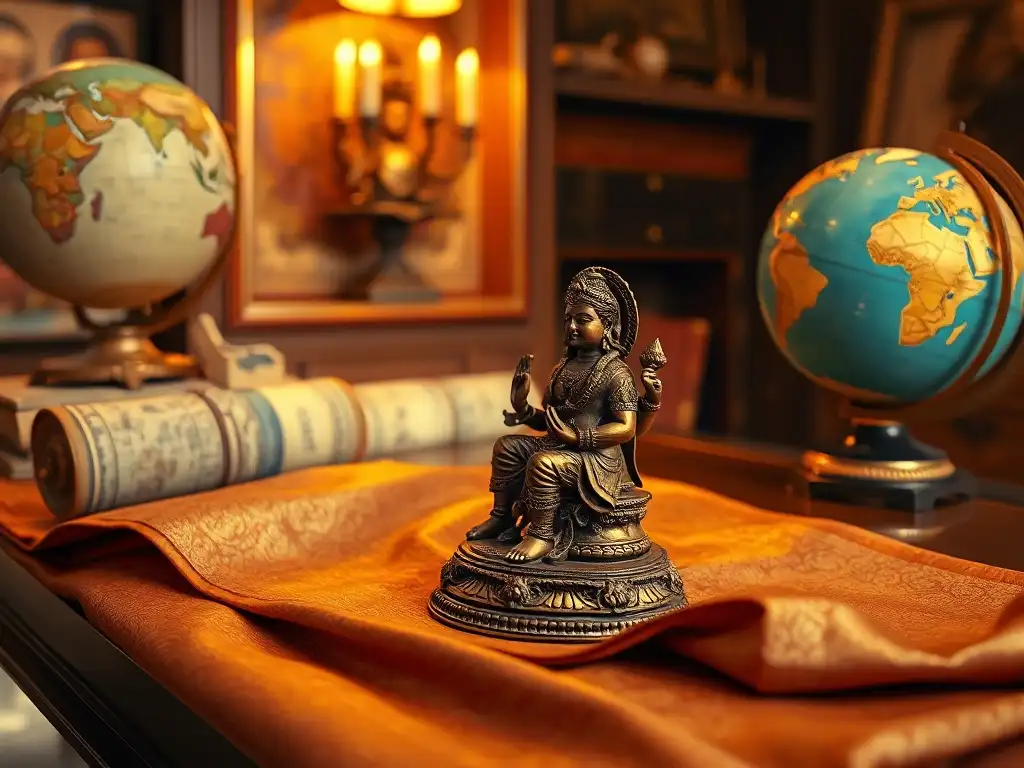
Welcome to Ancient India History, where we embark on a captivating journey through the rich tapestry of India's past. Here, we delve into the intriguing world of Indian artifacts and their significant role in international trade. Our latest article, "From Temples to Trade: The Journey of Indian Artifacts in International Collecting," uncovers how these remarkable treasures have traversed borders, influencing cultures and economies along the way.
Join us as we explore the fascinating intersection of history and commerce, and discover how the legacies of ancient Indian civilizations continue to resonate in today’s global market. Are you ready to uncover the secrets behind these exquisite artifacts? Dive in and let the adventure begin!
Introduction to Indian Artifacts and Their Cultural Significance
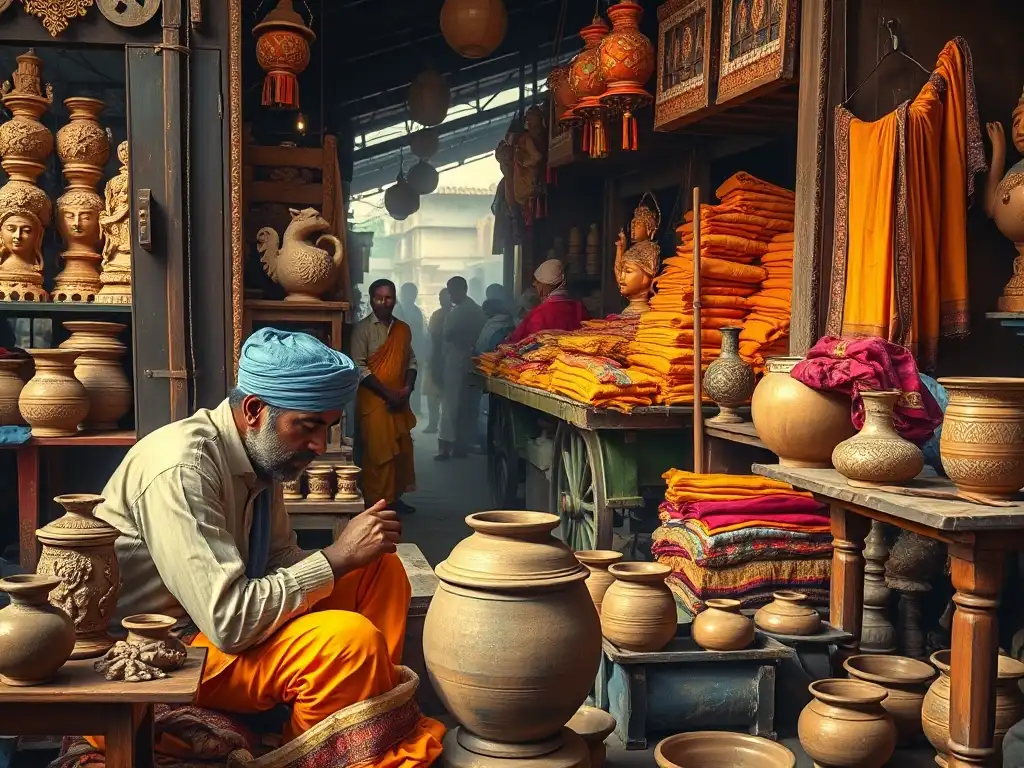
Indian artifacts hold a unique place in the tapestry of global history, reflecting the complexities and richness of ancient Indian civilizations. From intricately carved sculptures to exquisite textiles, these artifacts are not merely objects; they are storytellers that echo the beliefs, traditions, and artistic visions of their time.
The journey of Indian artifacts in international trade has been shaped by a multitude of factors, including cultural exchange, colonialism, and the growing appreciation of heritage in contemporary society. As these artifacts traverse borders, they not only represent their creators but also contribute to a broader understanding of cultural identity and heritage on a global scale.
The significance of Indian artifacts extends beyond their aesthetic appeal; they embody the spiritual, economic, and social dynamics of the eras they originate from. This article delves into the intricate relationship between these artifacts and the historical processes that have influenced their production and trade, thereby highlighting the profound connections between ancient Indian civilizations and the modern global marketplace.
The Historical Context of Indian Artifacts
Understanding the journey of Indian artifacts in international collecting necessitates a look into their historical context. Indian civilizations, particularly the Indus Valley Civilization, laid the groundwork for a rich tradition of craftsmanship that flourished over millennia. The production of artifacts was deeply intertwined with the religious and social frameworks of the time, with many pieces serving not just decorative purposes but also functional and spiritual roles.
Moreover, the trade routes established during ancient times, such as the Silk Road, facilitated the exchange of goods, ideas, and cultural practices, allowing Indian artifacts to reach distant lands. This exchange not only enriched the artisans' skills but also introduced Indian art forms to diverse audiences, paving the way for a complex web of cultural interactions that would shape the future of international collecting.
The Role of Temples in the Production of Artifacts
Temples have historically been at the heart of Indian art production, serving as both spiritual and artistic hubs. They were not only places of worship but also centers for skilled craftsmanship. Many artisans worked under the patronage of temples, creating sculptures, carvings, and decorative items that adorned these sacred spaces. The intricate designs and the spiritual significance of these artifacts often reflected the religious beliefs and practices of the time.
- Artistic Techniques: Various techniques such as stone carving, bronze casting, and textile weaving developed in these temple workshops, resulting in a diverse range of artifacts.
- Cultural Impact: The artifacts produced in temples often carried symbolic meanings, representing deities, mythological stories, and local traditions, which played a crucial role in the cultural heritage of the region.
As a result, the artifacts from temples not only served religious purposes but also became valuable commodities in the international market, attracting collectors and scholars interested in their historical and cultural significance.
The Evolution of Indian Art Forms
The evolution of Indian art forms is marked by a continuous dialogue between tradition and innovation. Over centuries, various styles emerged, influenced by changing political landscapes, trade interactions, and cultural exchanges. This evolution can be observed through the following phases:
- Classical Periods:
- The Mauryan and Gupta periods saw the flourishing of sculpture and architecture, with significant contributions to Buddhist and Hindu art.
- Medieval Influences:
- The arrival of Islamic influences during the medieval period introduced new artistic techniques and hybrid styles, leading to the creation of exquisite artifacts like intricate inlay work and calligraphy.
- Colonial Era:
- The British colonial period brought about a shift in the perception and demand for Indian art, with many artifacts being collected and exported to Europe, often stripped of their cultural context.
Through these phases, Indian artifacts have not only survived but thrived, adapting to new contexts while retaining their intrinsic values. This rich tapestry of evolution highlights the significance of Indian artifacts in the global art market today, making them sought-after items for collectors and investors alike.
Understanding the Global Market for Indian Artifacts
The global market for Indian artifacts has evolved significantly over the past few decades, driven by a resurgence in interest from collectors, museums, and investors. This market encompasses a diverse range of items, including sculptures, pottery, textiles, and ceremonial objects, each carrying a rich historical and cultural significance. The demand for these artifacts has not only highlighted their intrinsic value but also illuminated the complexities involved in their collection and trade.
This growing interest is largely fueled by the globalization of culture and the increasing accessibility of information about ancient Indian civilizations. As collectors seek to acquire unique pieces that reflect their personal interests or investment goals, the dynamics of supply and demand have shifted. The rise of international auction houses, online marketplaces, and specialized galleries has made it easier than ever for enthusiasts around the world to engage in the trade of Indian artifacts.
However, the global market is not without its challenges. Issues of provenance, authenticity, and ethical sourcing have become increasingly prominent, raising questions about the impact of international collecting on the preservation of cultural heritage. As the market continues to grow, stakeholders must navigate these complexities to ensure that the trade of Indian artifacts is conducted responsibly and sustainably.
The Rise of International Collecting of Indian Artifacts
The rise of international collecting of Indian artifacts can be traced back to several key factors. Firstly, the increasing globalization of art and culture has led to a heightened appreciation for the aesthetic and historical narratives embedded in Indian artifacts. Collectors from various backgrounds are now actively seeking pieces that represent the diverse cultural tapestry of India, which includes influences from ancient civilizations such as the Indus Valley, Maurya, and Gupta empires.
Moreover, the proliferation of online platforms has revolutionized how collectors source and acquire artifacts. Auctions and galleries that specialize in Indian art have become more accessible, allowing buyers from around the globe to participate in the market without geographical constraints. This accessibility has contributed to a surge in the number of collectors interested in acquiring Indian artifacts, further driving demand.
Additionally, the increasing recognition of the investment potential of art and artifacts has attracted wealthier individuals and institutions into the market. Many collectors view Indian artifacts not only as cultural treasures but also as valuable assets that can appreciate over time. This investment angle has intensified competition among buyers, often resulting in higher prices and increased focus on acquiring rare and historically significant pieces.
Indian Artifacts in the International Trade Landscape
In the international trade landscape, Indian artifacts occupy a unique position, characterized by both opportunity and challenge. The trade encompasses a wide variety of items, including sculptures, paintings, textiles, and ceremonial objects, each with its own cultural significance and historical context. This diversity attracts a broad spectrum of collectors, from private individuals to major museums.
However, the international trade of Indian artifacts has also raised legitimate concerns regarding the legality and ethics of such transactions. The illicit trade of cultural property has been a significant issue, leading to the loss of invaluable heritage items. Governments and international organizations have implemented various regulations aimed at preventing the illegal trade of artifacts, which has added layers of complexity for legitimate collectors and dealers.
Moreover, the provenance of artifacts has become a focal point in international trade discussions. Buyers are increasingly seeking assurances regarding the authenticity and legal acquisition of pieces, which has led to the establishment of stringent due diligence processes. As the market evolves, the emphasis on transparency and ethical practices will likely grow, influencing how Indian artifacts are collected and traded globally.
The Process of Acquiring Indian Artifacts
Acquiring Indian artifacts requires a systematic approach, particularly for collectors who wish to navigate the complexities of the international market. Understanding the nuances of sourcing, pricing, and legal considerations is essential for making informed decisions that align with both personal interests and ethical standards.
Steps to Purchase Indian Artifacts for Collectors
- Research: Begin with extensive research on the specific types of artifacts of interest. This includes understanding the historical context, cultural significance, and identifying reputable dealers and auction houses specializing in Indian artifacts.
- Setting a Budget: Determine a budget that reflects your financial capacity and investment goals. The prices of Indian artifacts can vary widely based on age, rarity, and provenance.
- Verification of Authenticity: Prioritize the verification of authenticity through certificates of provenance, expert appraisals, or third-party authentication services. This step is crucial in ensuring that the artifact is genuine and legally acquired.
- Negotiation and Purchase: Engage with dealers or auction houses to negotiate the price. Be prepared to walk away if the terms do not align with your expectations or ethical standards.
- Documentation: Ensure that all purchase transactions are documented. Obtain receipts and any relevant documentation that proves legal ownership and provenance.
- Post-Purchase Care: After acquisition, consider the appropriate care and preservation methods for the artifacts to maintain their condition and value over time.
Understanding Legal and Ethical Considerations in International Trade
Legal and ethical considerations play a pivotal role in the international trade of Indian artifacts. As collectors engage in this market, it is essential to understand the implications of ownership and the responsibilities that accompany the acquisition of cultural heritage items.
- Cultural Heritage Laws: Many countries, including India, have laws governing the export and sale of cultural artifacts. Familiarizing oneself with these regulations is critical to avoid legal repercussions and ensure compliance.
- International Treaties: Several international treaties and agreements, such as the UNESCO Convention on the Means of Prohibiting and Preventing the Illicit Import, Export, and Transfer of Ownership of Cultural Property, establish frameworks for protecting cultural heritage. Collectors must be aware of these treaties and their implications for the trade of artifacts.
- Ethical Sourcing: The ethical sourcing of artifacts has gained prominence in recent years. Collectors are encouraged to prioritize items with documented provenance and to support dealers who adhere to ethical practices in their sourcing methods.
- Impact on Cultural Heritage: Beyond legalities, collectors should consider the broader impact of their purchases on cultural heritage. Engaging with artifacts responsibly contributes to the preservation of history and culture for future generations.
By navigating these legal and ethical considerations, collectors can participate in the international trade of Indian artifacts in a manner that respects cultural heritage and promotes sustainable practices.
Notable Auctions and Sales of Indian Artifacts

The international trade of Indian artifacts has witnessed several notable auctions and sales that highlight the immense value and cultural significance of these items. Renowned auction houses, such as Sotheby’s and Christie’s, have regularly included Indian artifacts in their sales catalogs, attracting collectors and investors from around the globe.
One of the most significant auctions took place in 2014, where a rare 18th-century Indian miniature painting fetched over $1.5 million. This auction not only showcased the artistic merit of Indian artifacts but also underscored the growing interest among international collectors. Similarly, in 2018, a collection of bronze sculptures from South India was sold for over $3 million, further solidifying the status of Indian artifacts in the high-end auction market.
These sales often reflect broader trends in collecting and investment, as they can reveal which types of artifacts are currently in demand. The increasing value of Indian artifacts can be attributed to a combination of factors, including their historical significance, aesthetic appeal, and the growing awareness of India's rich cultural heritage among global collectors.
High-Profile Sales of Indian Artifacts
High-profile sales of Indian artifacts have garnered significant media attention, often leading to increased interest in the broader market. For instance, in 2020, a collection of ancient terracotta sculptures from the Indus Valley Civilization was auctioned for nearly $2 million, drawing the attention of archaeologists and historians alike.
These sales not only highlight the economic potential of Indian artifacts but also serve as a platform for raising awareness about the importance of preserving cultural heritage. Many collectors are now more conscious of the provenance of the artifacts they purchase, leading to a greater demand for items with verified histories.
Additionally, high-profile sales often spotlight the role of influential collectors in shaping market trends. Prominent figures in the art world, such as museum curators and private collectors, frequently drive the prices of certain artifacts up, creating a ripple effect throughout the market. As these collectors acquire significant pieces, they contribute to the narrative surrounding Indian artifacts, emphasizing their importance in both cultural and financial contexts.
The Role of Online Platforms in Trading Indian Artifacts
The rise of online platforms has transformed the landscape of trading Indian artifacts, making it easier for buyers and sellers to connect across geographical boundaries. Websites like Artsy and 1stdibs have emerged as popular venues for the sale of Indian artifacts, offering a wide range of items from antiquities to contemporary works.
Online auctions and marketplaces have democratized access to Indian artifacts, allowing collectors of all levels to participate in the market. With detailed descriptions, high-quality images, and transparent bidding processes, these platforms provide a level of convenience and accessibility that traditional auctions may lack.
However, the proliferation of online trading also introduces challenges, particularly concerning the authenticity of items. Buyers must exercise caution and conduct thorough research to ensure they are purchasing legitimate artifacts. Online platforms often provide authentication services or links to provenance documentation, which can help mitigate concerns about forgery.
Challenges in the International Trade of Indian Artifacts
While the international trade of Indian artifacts offers lucrative opportunities for collectors and investors, it is not without its challenges. Issues surrounding authenticity, cultural heritage, and legal regulations present significant hurdles for participants in this market.
Issues of Authenticity and Forgery
One of the most pressing challenges in the international trade of Indian artifacts is the issue of authenticity. As demand for these items increases, so does the prevalence of forgeries and misattributed pieces. Counterfeit artifacts can vary from poorly crafted replicas to sophisticated fakes that can deceive even seasoned collectors.
The market for Indian artifacts has seen an influx of forgeries, particularly in regions with rich artistic traditions. Buyers must be vigilant, often seeking expert opinions and provenance documentation to verify the authenticity of items. Auction houses and galleries are increasingly investing in authentication processes to maintain their reputations and protect buyers from fraud.
The challenge of authenticity not only affects individual collectors but also impacts the broader perception of Indian artifacts in the international market. High-profile cases of forgery can lead to skepticism and reluctance among potential buyers, ultimately influencing market dynamics.
Cultural Heritage and Repatriation Efforts
The international trade of Indian artifacts also raises important questions regarding cultural heritage and repatriation. Many artifacts have been removed from their original contexts and sold to collectors abroad, leading to ongoing debates about the ethics of such transactions.
Repatriation efforts are gaining momentum as governments and cultural organizations advocate for the return of artifacts to their countries of origin. In recent years, several high-profile cases have emerged, where museums and collectors have voluntarily returned items to India, acknowledging their cultural significance.
These efforts highlight a growing awareness of the importance of preserving cultural heritage and the need for ethical considerations in the trade of artifacts. As more institutions recognize the value of returning artifacts to their rightful homes, the landscape of international trade is likely to evolve, fostering a more respectful and sustainable approach to the exchange of Indian artifacts.
The Future of Indian Artifacts in International Collecting
The future of Indian artifacts in international collecting is poised for significant transformation, driven by a blend of technology, cultural awareness, and shifting market dynamics. As global interest in Indian culture continues to grow, so too does the demand for authentic artifacts that represent the rich tapestry of India's history. This burgeoning interest is not only led by collectors but also by museums and cultural institutions seeking to broaden their exhibitions with diverse global perspectives.
Moreover, the rise of digital platforms has made it easier for collectors to access and acquire Indian artifacts. Online auctions and marketplaces allow for wider participation, enabling collectors to discover and bid on items from around the world. This accessibility is revolutionizing the way artifacts are traded, offering new opportunities for both buyers and sellers. However, it also raises concerns about authenticity and provenance, necessitating a robust framework for verification and ethical trading practices.
As the market evolves, there is a growing emphasis on ethical collecting. Collectors are increasingly aware of the historical and cultural significance of artifacts, prompting them to prioritize items that are obtained legally and with full transparency regarding their origins. This shift is critical in ensuring that the future of Indian artifacts remains respectful of their cultural heritage while also appealing to a global audience.
Emerging Trends in the Market for Indian Artifacts
Several emerging trends are shaping the market for Indian artifacts, reflecting broader changes in consumer behavior and cultural appreciation.
- Increased Demand for Contemporary Indian Art: While traditional artifacts continue to hold value, there is a noticeable surge in interest for contemporary pieces that bridge traditional craftsmanship with modern aesthetics. This trend is particularly appealing to younger collectors who seek to connect with India's rich artistic heritage while supporting living artists.
- Sustainability and Ethical Collecting: Collectors are increasingly prioritizing sustainability in their purchases. This includes a focus on artifacts sourced from ethical channels that support local artisans and communities. Collectors are more discerning about provenance, seeking assurances that their acquisitions do not contribute to cultural appropriation or the illicit trade of artifacts.
- Digital Innovation: The integration of technology in the art market is transforming how artifacts are bought and sold. Virtual auctions, augmented reality, and blockchain for provenance tracking are becoming commonplace, providing collectors with innovative ways to engage with Indian artifacts.
- Collaborations with Indian Artisans: Many collectors and galleries are now collaborating directly with Indian artisans, creating a marketplace that benefits local communities while providing collectors with unique, one-of-a-kind pieces that carry a story.
These trends signify a shift towards a more responsible and informed approach to collecting, one that values the significance of Indian artifacts not just as commodities, but as cultural treasures.
How Collectors Can Support Preservation and Cultural Heritage
Collectors play a pivotal role in the preservation and promotion of Indian cultural heritage through their purchasing decisions and engagement with the community. Here are several ways they can make a meaningful impact:
- Invest in Authentic Artifacts: By prioritizing authentic and ethically sourced artifacts, collectors can help ensure that their purchases support local artisans and cultural preservation efforts. This encourages sustainable practices within the community.
- Participate in Educational Initiatives: Many collectors engage in or support educational initiatives that promote awareness of Indian culture and heritage. This can include funding workshops, exhibitions, or lectures that help educate the public about the historical significance of various artifacts.
- Advocate for Legal and Ethical Standards: Collectors can influence the market by advocating for legal and ethical standards in the trade of Indian artifacts. This includes supporting organizations that work to combat the illegal trade of cultural property and promote transparency in transactions.
- Collaborate with Museums and Institutions: Collaborating with museums and cultural institutions can help collectors share their collections with a wider audience. By lending artifacts for exhibitions or participating in research initiatives, collectors contribute to the preservation of cultural heritage.
By adopting these strategies, collectors not only enhance their own collections but also contribute to the ongoing dialogue surrounding the importance of preserving Indian cultural heritage for future generations.
Conclusion: The Ongoing Journey of Indian Artifacts
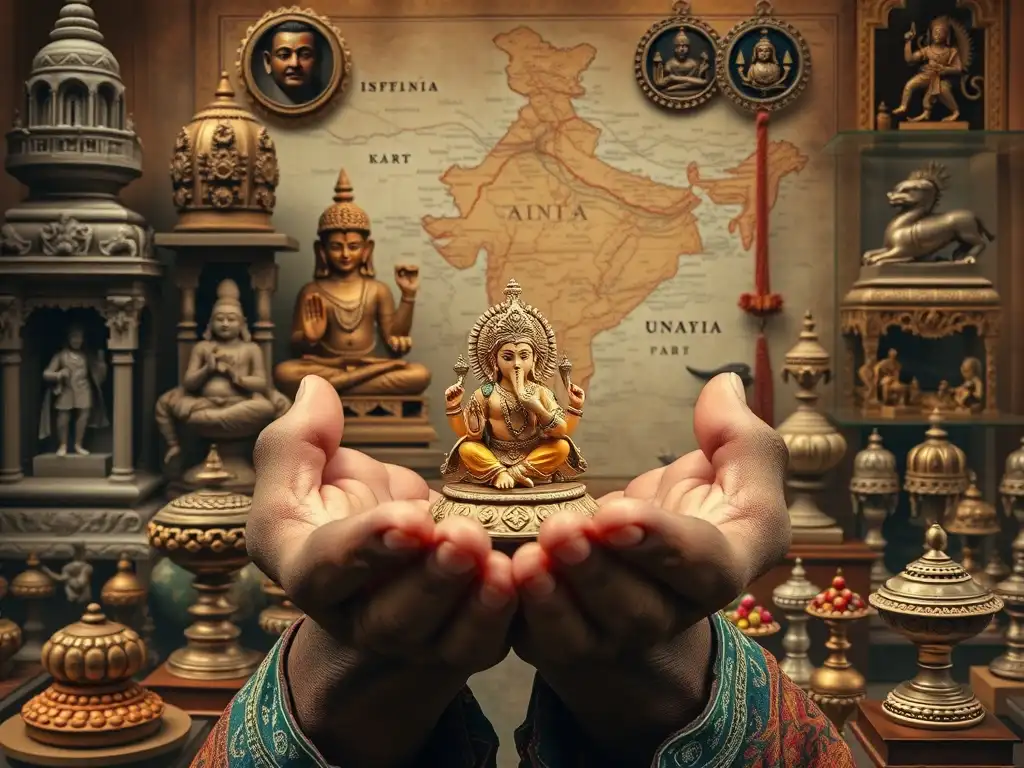
The journey of Indian artifacts in international collecting is a testament to the enduring legacy of India's rich cultural history. As the global market evolves, so too do the narratives surrounding these artifacts, bridging the gap between ancient traditions and modern appreciation. The future holds promise for a more ethical and sustainable approach to collecting that honors the origins and significance of these treasures.
As collectors, institutions, and communities navigate this landscape, it is crucial to recognize the responsibility that comes with ownership. By prioritizing ethical practices, supporting local artisans, and advocating for cultural heritage preservation, the collectors of today can play an instrumental role in shaping a future where Indian artifacts are revered not just for their aesthetic value, but for their profound cultural significance. The ongoing journey of these artifacts reflects not only the complexities of international trade but also the shared human experience that transcends borders and time.
Additional Resources for Collectors of Indian Artifacts
Collecting Indian artifacts can be a fulfilling endeavor, rich with historical significance and cultural appreciation. To aid collectors in their journey, a variety of resources are available that provide valuable information, guidance, and community support.
1. Books and Publications
A wealth of literature exists on the topic of Indian artifacts and their historical context. Notable titles include:
- "Indian Art: A History" by Partha Mitter: - This book offers an expansive overview of the evolution of Indian art, exploring its various forms and influences.
- "The Arts of India" by Susan Stronge - This publication delves into the diverse artistic traditions of India, providing insights into regional styles and their historical backgrounds.
- "Collecting Indian Art" by Robert A. S. G. Kelledy - A practical guide aimed at collectors, this book covers essential aspects such as provenance, valuation, and market trends.
2. Museums and Galleries
Visiting museums and galleries that specialize in Indian art can provide collectors with firsthand experience and knowledge. Some renowned institutions include:
- The National Museum, New Delhi - Home to a vast collection of artifacts that span ancient to contemporary Indian history.
- The British Museum, London - Features a significant collection of Indian art and artifacts, offering insights into their historical and cultural significance.
- The Peabody Essex Museum, Salem - Known for its collection of Indian decorative arts, providing a unique perspective on the craftsmanship of Indian artisans.
3. Online Platforms and Forums
The digital age has brought forth numerous online platforms where collectors can connect, share knowledge, and trade artifacts. Some notable online resources include:
- Auction Houses - Websites like Sotheby’s and Christie’s often feature Indian artifacts in their auctions, providing access to market pricing and trends.
- Social Media Groups - Platforms like Facebook and Reddit host groups dedicated to collecting Indian art, where enthusiasts can share experiences and advice.
- eBay and Etsy - These platforms can be useful for finding unique artifacts, but collectors should exercise caution and verify authenticity before purchasing.
4. Collecting Associations and Organizations
Joining associations can provide collectors with networking opportunities, access to exclusive events, and resources for further education. Some prominent organizations include:
- The International Council of Museums (ICOM) - Offers guidelines and best practices for collectors, including ethical considerations in the acquisition of artifacts.
- The Association of Art Museum Directors (AAMD) - While primarily focused on museums, membership can provide insights into collections and exhibitions relevant to Indian art.
- The Indian Art Collectors Association - A platform for collectors in India to connect, share resources, and participate in events related to Indian artifacts.
5. Workshops and Seminars
Participating in workshops and seminars can enhance a collector's understanding of Indian artifacts. Look for programs that cover topics such as:
- Artifact Preservation - Learning the best practices for preserving and restoring artifacts.
- Valuation and Appraisal - Gaining knowledge on how to assess the value of artifacts accurately.
- Cultural Significance - Understanding the historical and cultural contexts that give artifacts their value.
Conclusion
These resources serve as a foundation for collectors of Indian artifacts, providing essential knowledge, support, and community connection. Engaging with these materials and communities will not only enhance the collecting experience but also promote a deeper appreciation for the rich heritage of Indian civilization. Collectors are encouraged to explore these avenues to enrich their understanding and enjoyment of their collections.
- Introduction to Indian Artifacts and Their Cultural Significance
- The Historical Context of Indian Artifacts
- Understanding the Global Market for Indian Artifacts
- The Process of Acquiring Indian Artifacts
- Notable Auctions and Sales of Indian Artifacts
- Challenges in the International Trade of Indian Artifacts
- The Future of Indian Artifacts in International Collecting
- Conclusion: The Ongoing Journey of Indian Artifacts
- Additional Resources for Collectors of Indian Artifacts
- Conclusion
- What are some notable Indian artifacts traded internationally?
- How did international trade affect the spread of Indian culture?
- What role did the Indus Valley civilization play in trade?
- How did the Gupta Empire influence artifacts in trade?
- What impact does the collecting of artifacts have on cultural heritage?
Frequently Asked Questions
What are some notable Indian artifacts traded internationally?
Many Indian artifacts include intricately designed statues, jewelry, and textiles that highlight the rich craftsmanship and cultural significance of ancient India.
How did international trade affect the spread of Indian culture?
International trade facilitated the exchange of ideas, art, and cultural practices, allowing Indian culture to influence various regions and leading to a rich tapestry of global heritage.
What role did the Indus Valley civilization play in trade?
The Indus Valley civilization established early trade networks, exporting goods such as cotton textiles and metalwork, which contributed to their prosperity and cultural development.
How did the Gupta Empire influence artifacts in trade?
During the Gupta Empire, there was a significant flourish in art and culture, leading to the creation of high-quality artifacts that became highly sought after in international markets.
What impact does the collecting of artifacts have on cultural heritage?
The collecting of artifacts can lead to both preservation and cultural appreciation, but it also raises concerns about looting and the ethical implications of owning pieces of a shared heritage.
Final Reflection: The Enduring Legacy of Indian Artifacts in Global Trade
The journey of Indian artifacts from sacred temples to international trade highlights the intricate relationship between culture and commerce. Today, as we witness the globalization of art and culture, it becomes increasingly crucial to recognize the significance of preserving the stories and heritage behind these artifacts. The movement of these treasures across borders not only reflects the evolution of artistic expression but also raises important questions about ownership, authenticity, and cultural respect.
The impact of Indian artifacts on the cultural landscape is profound and ongoing. These items serve as tangible connections to our shared history, bridging gaps between diverse communities and fostering a deeper understanding of the rich tapestry of human experience. As we navigate the complexities of international trade, we must remember the words of Mahatma Gandhi: A nation's greatness is measured by how it treats its weakest members.
This sentiment invites us to consider the ethical implications of collecting and trading artifacts, urging us to honor their origins and the cultures they represent.
As we reflect on the lessons from the journey of Indian artifacts, I invite you to consider your own role in this narrative. How can you contribute to the appreciation and preservation of cultural heritage in your community? Whether through supporting local artisans, advocating for ethical collecting practices, or simply educating yourself and others about the significance of these artifacts, every action counts. Let us strive to ensure that the legacy of Indian artifacts continues to inspire future generations, fostering a world where culture is celebrated and respected across borders.
Thank you for joining us on this exploration of the fascinating journey of Indian artifacts in the realm of international collecting! You've gained insights into their rich history and cultural significance. Now, let's take that knowledge further!
Here’s how you can dive deeper and make an impact:
- Visit local museums or galleries to discover Indian artifacts in your area; they often share lesser-known stories.
- Join or connect with online communities dedicated to art collecting or Indian heritage. Engage in discussions and share your thoughts with like-minded individuals!
- Consider volunteering with organizations focused on heritage preservation to help protect and promote the legacy of these ancient treasures.
What surprising stories do you think these artifacts could tell if they could speak? We invite you to share your thoughts and ideas in the comments!