
The Role of Trade Shows in Boosting Indian Exports: How to Make the Most of Them

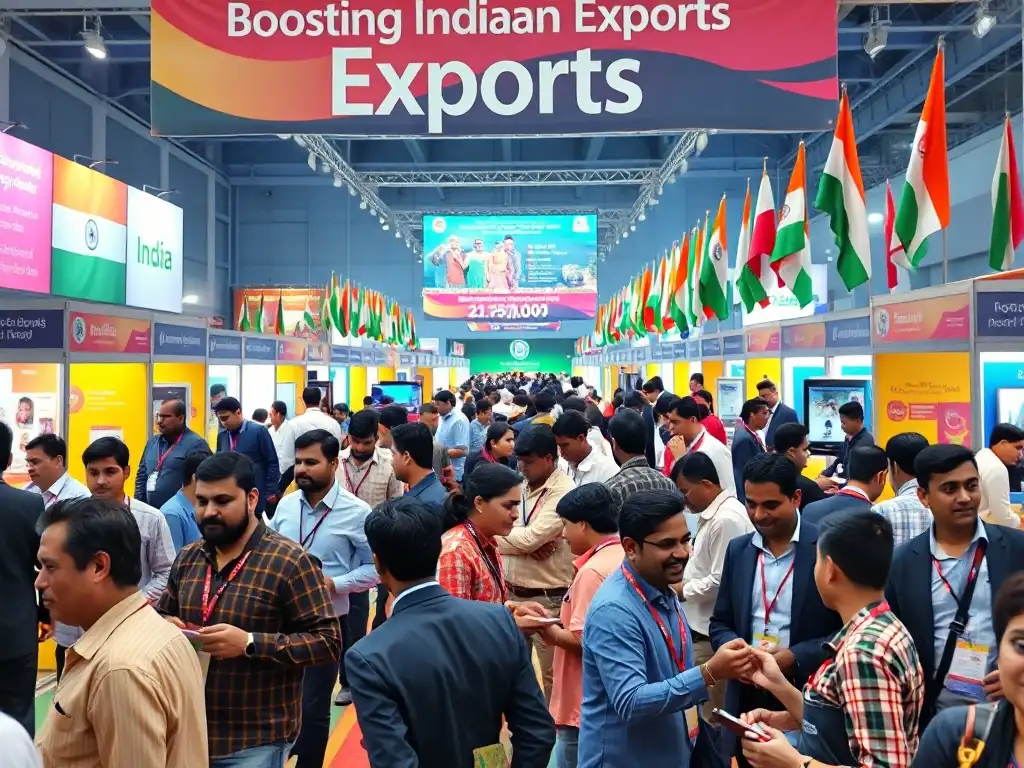
Welcome to Ancient India History, where we embark on a fascinating journey through the vibrant tapestry of India’s past. In this exploration, we delve deep into the rich stories, cultures, and innovations of ancient Indian civilizations, from the remarkable Indus Valley to the illustrious Gupta Empire.
Today, we invite you to uncover the pivotal role of trade in enhancing Indian exports, as we discuss “The Role of Trade Shows in Boosting Indian Exports: How to Make the Most of Them.” Discover how these events are not just a platform for commerce but a bridge connecting our historical legacies to modern economic triumphs. Join us as we unravel the intricate links between ancient practices and contemporary strategies that continue to shape India’s global trade today.
- Introduction: Understanding the Role of Trade Shows in Boosting Indian Exports
- The Connection Between Trade Shows and Export Opportunities
- Preparing for Trade Shows: Key Steps to Maximize Exposure
- Effective Strategies for Making the Most of Trade Shows
- Case Studies: Successful Indian Exporters at Trade Shows
- Post-Trade Show Follow-Up: Converting Leads into Sales
- Challenges and Solutions in Exporting through Trade Shows
- Conclusion: The Future of Boosting Indian Exports through Trade Shows
-
Frequently Asked Questions
- What are trade shows and their significance in boosting Indian exports?
- How can Indian businesses prepare effectively for trade shows?
- What types of products are commonly featured at Indian trade shows?
- How do trade shows support the Indian economy?
- What strategies can businesses adopt post-trade show participation?
- Final Reflection: Harnessing Trade Shows for a Brighter Export Future
- Unlock New Opportunities at Trade Shows!
Introduction: Understanding the Role of Trade Shows in Boosting Indian Exports
In an increasingly interconnected world, trade shows have emerged as pivotal platforms for fostering international business relationships and promoting exports. For India, a nation with a rich tapestry of goods and services, leveraging these events can significantly contribute to boosting Indian exports.
Trade shows not only provide opportunities for Indian manufacturers and exporters to showcase their products but also facilitate valuable networking and market insights. This article delves into the various aspects of trade shows, exploring how they can enhance export growth and the strategies that can be employed to maximize their potential in the context of the Indian economy.
Importance of Trade Shows for Export Growth
Trade shows serve as a crucial bridge between producers and global consumers. Here are some key reasons why they are vital for export growth:
- Direct Access to Global Markets: Trade shows attract international buyers, allowing Indian exporters to engage directly with potential customers and partners.
- Brand Visibility and Promotion: By participating in these events, Indian companies can enhance their brand recognition on a global scale, showcasing their unique offerings.
- Market Trends and Insights: These events provide a platform for exporters to gauge market trends, understand consumer preferences, and gather feedback, enabling them to tailor their products accordingly.
- Networking Opportunities: Trade shows facilitate networking with industry leaders, potential clients, and other stakeholders, fostering collaborations that can lead to increased export opportunities.
Trade shows are instrumental in shaping the export landscape, providing Indian exporters with the tools and connections necessary to thrive in competitive international markets.
Overview of the Indian Export Landscape
India boasts a diverse export portfolio, ranging from textiles and handicrafts to pharmaceuticals and technology. The following points highlight the current state of Indian exports:
- Diverse Product Range: Indian exports include agricultural products, engineering goods, gems and jewelry, and IT services. This diversity allows for broader opportunities in various markets.
- Key Trade Partners: Major export destinations for India include the United States, the United Arab Emirates, and China, showcasing a dynamic global trading network.
- Government Initiatives: The Indian government has introduced various schemes and incentives aimed at boosting exports, such as the Merchandise Exports from India Scheme (MEIS) and the Trade Infrastructure for Export Scheme (TIES).
- Challenges and Opportunities: While there are significant opportunities for growth, challenges such as logistical issues, regulatory hurdles, and competition from other countries persist. However, leveraging trade shows can help address some of these challenges by enhancing visibility and market access.
Understanding the intricacies of the Indian export landscape is crucial for exporters to navigate the complexities of global trade and make the most of opportunities that arise through trade shows.
The Connection Between Trade Shows and Export Opportunities
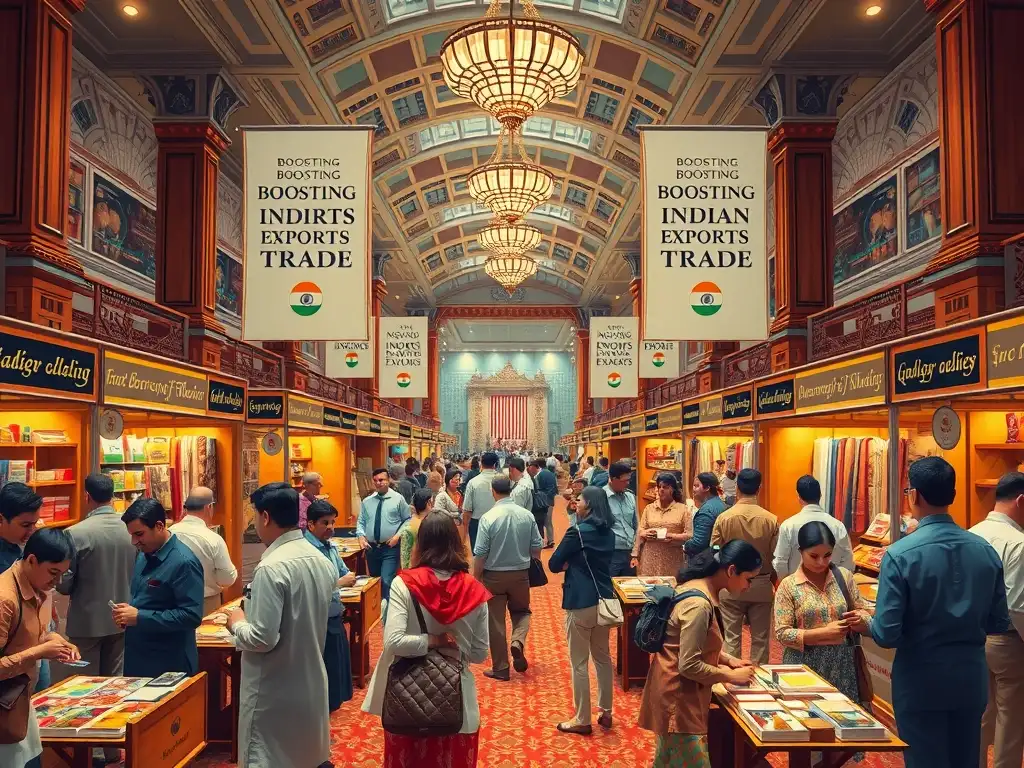
Trade shows have emerged as pivotal platforms for businesses looking to expand their reach and boost their exports. In a globalized economy, these events provide unique opportunities for Indian exporters to connect with international buyers, distributors, and partners. The dynamic nature of trade shows facilitates not just visibility but also fosters relationships that can lead to increased sales and market penetration.
How Trade Shows Facilitate Global Market Access
Trade shows serve as a bridge between Indian exporters and the global market. Here are several ways in which they facilitate this access:
- Networking Opportunities: Trade shows gather industry stakeholders under one roof. Exhibitors can meet potential buyers, suppliers, and partners, establishing critical connections that might not happen otherwise.
- Market Insights: Participating in trade shows allows exporters to gain valuable insights into global market trends, consumer preferences, and competitive landscapes. This knowledge can inform product development and marketing strategies.
- Brand Visibility: Exhibiting at prominent trade shows enhances brand visibility. A well-placed booth can attract attention from international media, leading to greater exposure and potential sales.
- Product Demonstrations: Trade shows offer a platform for live demonstrations of products. This interactive experience can help exporters showcase the quality and benefits of their goods to a global audience.
- Lead Generation: Collecting leads during trade shows can significantly boost an exporter’s customer base. Interested buyers can be followed up post-event, converting initial interest into actual sales.
The cumulative effect of these factors is a more robust entry into international markets, thereby boosting Indian exports.
The Impact of Trade Shows on Exporting Indian Goods
The impact of trade shows on the export landscape for Indian goods is multifaceted and significant. Here are some key aspects:
- Increased Sales Opportunities: Trade shows often lead to immediate sales opportunities. According to industry reports, companies that exhibit at trade shows can see a substantial increase in sales within the months following the event. This is particularly crucial for sectors such as textiles, handicrafts, and technology.
- Access to New Markets: Indian exporters can explore and enter new markets through trade shows. For instance, participation in trade fairs in Europe or North America can open doors to previously untapped markets, enhancing the diversity of export destinations.
- Collaboration with International Buyers: Trade shows often attract buyers looking for partnerships. Many Indian exporters have successfully forged joint ventures or distribution agreements at these events, thus enhancing their export capabilities.
- Promotion of Cultural Goods: Trade shows also play a significant role in promoting India's rich cultural heritage. Products such as traditional handicrafts, textiles, and organic foods can gain international recognition, leading to higher export volumes.
- Feedback and Improvement: Engaging directly with international consumers provides exporters with immediate feedback. This interaction can help businesses refine their products to better meet the demands of global markets.
Trade shows are instrumental in boosting Indian exports. By facilitating global market access and providing numerous opportunities for engagement, they enable Indian exporters to thrive in an increasingly competitive international landscape. Embracing these opportunities can lead to sustained growth and success in exporting Indian goods.
Preparing for Trade Shows: Key Steps to Maximize Exposure
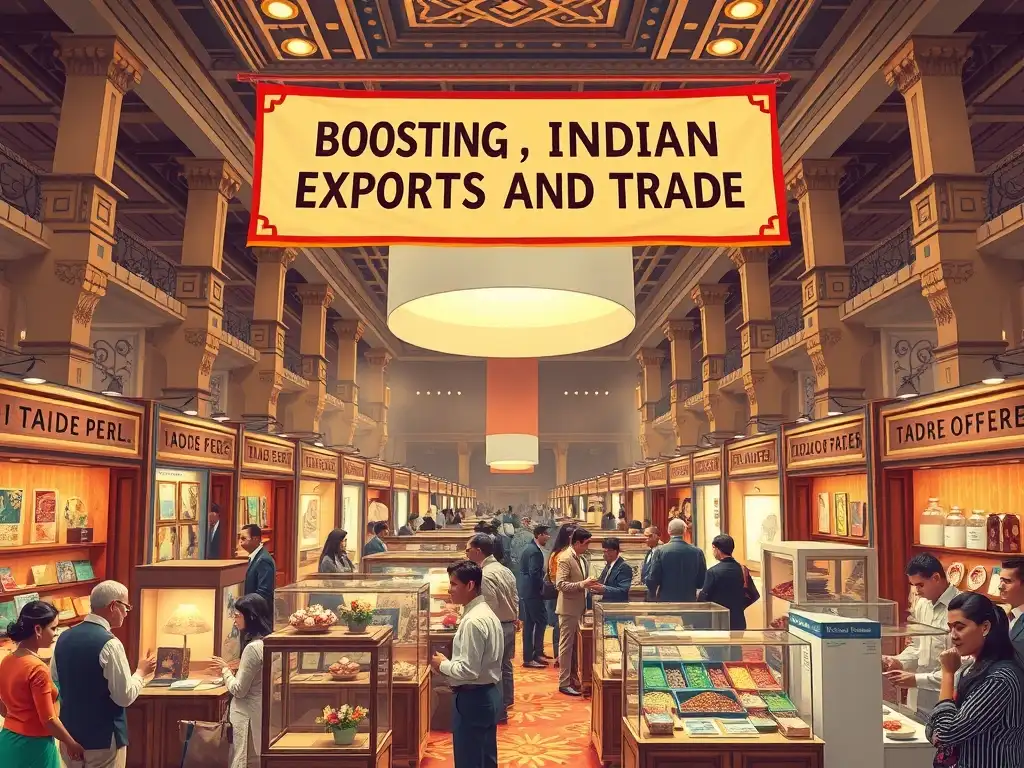
Preparing for trade shows is a critical component for businesses aiming to boost Indian exports through trade. Trade shows offer a unique platform for networking, showcasing products, and connecting with potential buyers. To maximize exposure and ensure a successful exhibition, exporters must follow key steps in their preparation.
Researching Trade Shows Relevant to Indian Export Markets
Conducting thorough research is the foundation of effective participation in trade shows. Here are some key elements to consider:
- Identify Target Markets:
- Research the specific countries or regions that are most promising for your products.
- Use market analysis reports to understand consumer demand and competition.
- Evaluate Trade Show Options:
- Look for trade shows that focus on your industry sector. For example:
- Textiles: India International Textile Machinery Exhibitions (ITME)
- Automobiles: Auto Expo
- Food and Agriculture: Annapoorna - ANUFOOD India
- Look for trade shows that focus on your industry sector. For example:
- Check Past Exhibitor and Visitor Profiles:
- Evaluate which companies and buyers participated in previous editions.
- This can help gauge the quality and relevance of the trade show to your objectives.
- Assess Location and Timing:
- Consider the geographical convenience for your target audience.
- Timing is crucial; participate in shows that align with peak buying seasons for your products.
- Utilize Online Resources:
- Platforms like Eventbrite or trade directories can provide insights into upcoming trade shows globally.
- Government export promotion councils can also offer guidance on relevant events.
Setting Clear Objectives for Participation
Defining clear objectives is vital for achieving desired outcomes from trade shows. Here’s how to set effective goals:
- Determine Your Primary Goals:
- Lead Generation: Aim to collect leads from potential buyers and distributors.
- Brand Awareness: Focus on increasing visibility and recognition of your brand in new markets.
- Establish Measurable Success Criteria:
- Use metrics such as:
- Number of leads generated
- Number of meetings scheduled
- Social media engagement
- Use metrics such as:
- Align Objectives with Company Strategy:
- Ensure that trade show participation aligns with your overall business strategy for exports.
- For instance, if you are entering a new market, focus on building relationships rather than immediate sales.
- Develop a Timetable:
- Create a timeline for achieving each objective, from pre-show preparations to post-show follow-ups.
- Engage Your Team:
- Involve your team in the goal-setting process to foster a shared vision and commitment to achieving objectives.
Selecting the Right Products to Showcase for Export
Choosing the right products to showcase at trade shows is crucial to attracting the right audience and maximizing your impact. Consider the following:
- Understand Market Demand:
- Research current trends and consumer preferences in your target export markets.
- Use surveys or feedback from previous customers to guide your selections.
- Highlight Unique Selling Propositions (USPs):
- Choose products that have distinct advantages or features that set them apart from competitors.
- For example, organic textiles or handicrafts that emphasize traditional craftsmanship.
- Prepare a Diverse Product Range:
- Showcase a variety of products to cater to different buyer interests. This can include:
- Best Sellers: Items that have proven successful in the past.
- New Launches: Innovative products that can attract attention.
- Complementary Goods: Items that can be marketed together.
- Showcase a variety of products to cater to different buyer interests. This can include:
- Ensure Quality Presentation:
- Invest in high-quality displays and promotional materials to present your products attractively.
- Consider interactive elements or demonstrations to engage visitors.
- Gather Feedback and Iterate:
- After showcasing your products, gather feedback from attendees to refine your selection for future events.
By meticulously preparing for trade shows through research, objective setting, and product selection, businesses can significantly enhance their chances of boosting Indian exports through trade, tapping into new markets, and building valuable connections.
Effective Strategies for Making the Most of Trade Shows
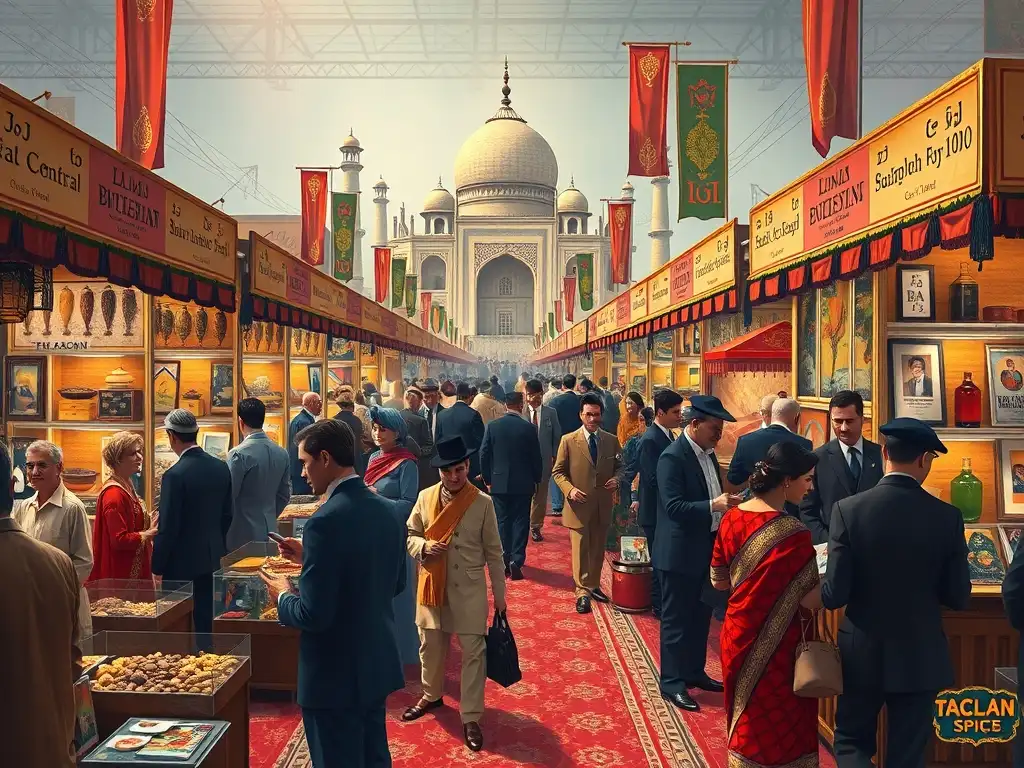
Trade shows can serve as a powerful catalyst for boosting Indian exports, providing a unique platform for businesses to showcase their products and connect with international buyers. To maximize the benefits of participating in trade shows, it’s essential to implement effective strategies that enhance visibility, engagement, and connection with potential clients. Here are some key strategies to consider:
Building an Engaging Trade Show Booth to Attract Buyers
Creating an attractive and engaging trade show booth is crucial for drawing in attendees. Here are some tips to help you design an effective booth:
- Visual Appeal: Use vibrant colors, clear branding, and eye-catching graphics to make your booth stand out. Ensure that your company name and logo are prominently displayed.
- Interactive Elements: Incorporate interactive elements such as product demonstrations, touchscreens, or virtual reality experiences to engage visitors and leave a lasting impression.
- Clear Messaging: Use concise and impactful messaging on banners and displays. Visitors should quickly understand what your company offers and the benefits of your products.
- Comfortable Space: Create a welcoming environment with seating areas for discussions. This can encourage longer conversations with potential buyers.
- Promotional Materials: Provide brochures, business cards, and samples that visitors can take home. Ensure these materials are high-quality and reflect your brand's professionalism.
Utilizing Digital Marketing to Promote Your Presence
In the digital age, leveraging online marketing strategies can significantly enhance your trade show presence. Here are some effective ways to utilize digital marketing:
- Social Media Promotion: Use platforms like LinkedIn, Twitter, and Facebook to announce your participation in the trade show. Share updates, behind-the-scenes content, and engage with attendees before and during the event.
- Email Marketing: Send targeted emails to your contacts and potential leads, inviting them to visit your booth. Include personalized messages and highlight what they can gain from visiting.
- Website Landing Page: Create a dedicated landing page on your website for the trade show. Include details about your booth, featured products, and any special promotions.
- Live Updates: During the trade show, share live updates on your social media channels. Post photos, videos, and testimonials to create buzz and attract more visitors to your booth.
- Follow-Up Campaigns: After the trade show, follow up with leads through email campaigns. Thank them for visiting your booth and provide them with additional information or offers.
Networking Strategies: Connecting with Potential Export Partners
Networking is a fundamental part of trade shows, providing opportunities to connect with potential partners, distributors, and buyers. Here are some effective networking strategies:
- Pre-Show Research: Research attendees and exhibitors in advance. Identify key players in your industry and make a plan to connect with them during the event.
- Attend Workshops and Seminars: Participate in any workshops or seminars hosted at the trade show. These sessions can offer valuable insights and provide networking opportunities.
- Utilize Business Cards: Always carry plenty of business cards to distribute. Consider using QR codes on your cards that link directly to your website or portfolio.
- Engage in Conversations: Be proactive in initiating conversations with other exhibitors and attendees. Ask questions about their businesses and express genuine interest in their products.
- Join Networking Events: Many trade shows host networking events, such as dinners or receptions. Take advantage of these opportunities to build relationships in a more informal setting.
By implementing these strategies, businesses can significantly enhance their presence at trade shows, ultimately leading to increased visibility and opportunities for boosting Indian exports.
Case Studies: Successful Indian Exporters at Trade Shows
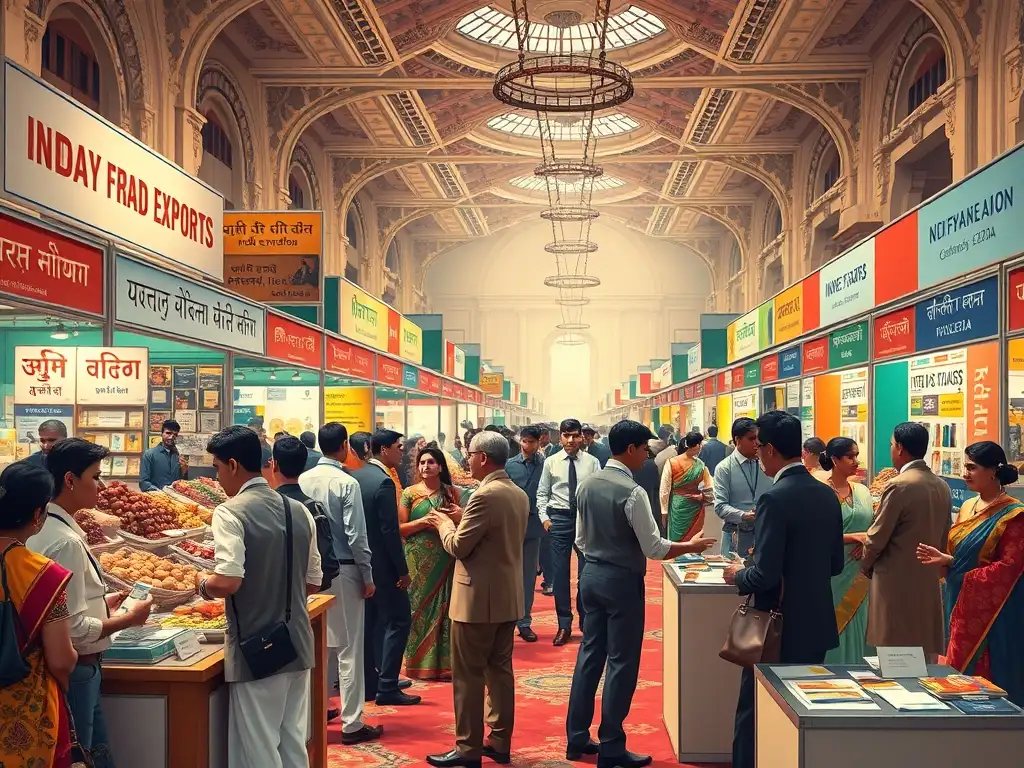
Exploring real-world examples of Indian businesses that have successfully leveraged trade shows can provide valuable insights into effective strategies for boosting Indian exports through trade. The following case studies highlight how these companies navigated the complexities of international markets and utilized trade shows to enhance their global presence.
Case Study 1: Tanishq's International Expansion Through Trade Shows
Tanishq, a prominent Indian jewelry brand, has made significant strides in international markets through strategic participation in various global trade shows. The brand's approach emphasizes showcasing its unique craftsmanship and heritage at international events, which has attracted a diverse clientele.
- Strategic Participation: Tanishq identified key trade shows in regions with a high demand for luxury jewelry, such as Baselworld in Switzerland and JCK Las Vegas. These platforms allowed them to connect directly with potential distributors and retailers.
- Cultural Representation: By incorporating elements of Indian culture into their displays, Tanishq effectively communicated the story behind their products, creating a deeper emotional connection with international buyers.
- Networking Opportunities: Trade shows provided Tanishq with invaluable networking opportunities. They established relationships with international jewelers and gained insights into market trends, enabling them to tailor their offerings accordingly.
As a result, Tanishq successfully expanded its international footprint, leading to a notable increase in exports and brand recognition globally.
Case Study 2: Sustainable Apparel from India Gaining Global Attention
Another exemplary case is that of a consortium of Indian sustainable apparel brands that participated in the Copenhagen Fashion Summit. This trade show focused on sustainability and attracted global buyers looking for eco-friendly products.
- Highlighting Sustainability: The Indian brands showcased their commitment to sustainable practices, from sourcing organic materials to ethical production processes. This focus resonated with the increasing global demand for sustainable fashion.
- Collaborative Marketing: By collaborating as a group, these brands created a stronger presence at the trade show. They pooled resources for a shared booth, maximizing visibility and reducing costs, which is particularly beneficial for small to medium-sized enterprises (SMEs).
- Engaging Presentations: Each brand presented its unique story and value proposition through engaging multimedia presentations and live demonstrations, allowing buyers to experience the quality and ethos of the products firsthand.
As a result of their participation in the summit, these brands not only secured significant export orders but also established long-term partnerships with international retailers committed to sustainability.
Lessons Learned from Successful Participation
The experiences of Tanishq and the sustainable apparel consortium illustrate several key lessons for businesses looking to boost Indian exports through trade:
- Identify Relevant Trade Shows: Research and select trade shows that align with your product offerings and target markets. Participation in the right events can yield significant returns.
- Leverage Cultural Heritage: Highlighting cultural uniqueness can create a competitive edge. Showcasing craftsmanship and storytelling can enhance brand appeal.
- Network Strategically: Trade shows provide a platform for networking. Building relationships with potential clients and partners can lead to valuable collaborations and insights.
- Focus on Sustainability: As global consciousness shifts towards sustainable practices, emphasizing eco-friendly approaches can attract a new customer base.
- Collaborate for Impact: Smaller businesses can benefit from collaboration, sharing costs, and resources to create a stronger presence at trade events.
By following these lessons, Indian exporters can effectively utilize trade shows as a powerful tool to boost their international presence and expand their market reach.
Post-Trade Show Follow-Up: Converting Leads into Sales
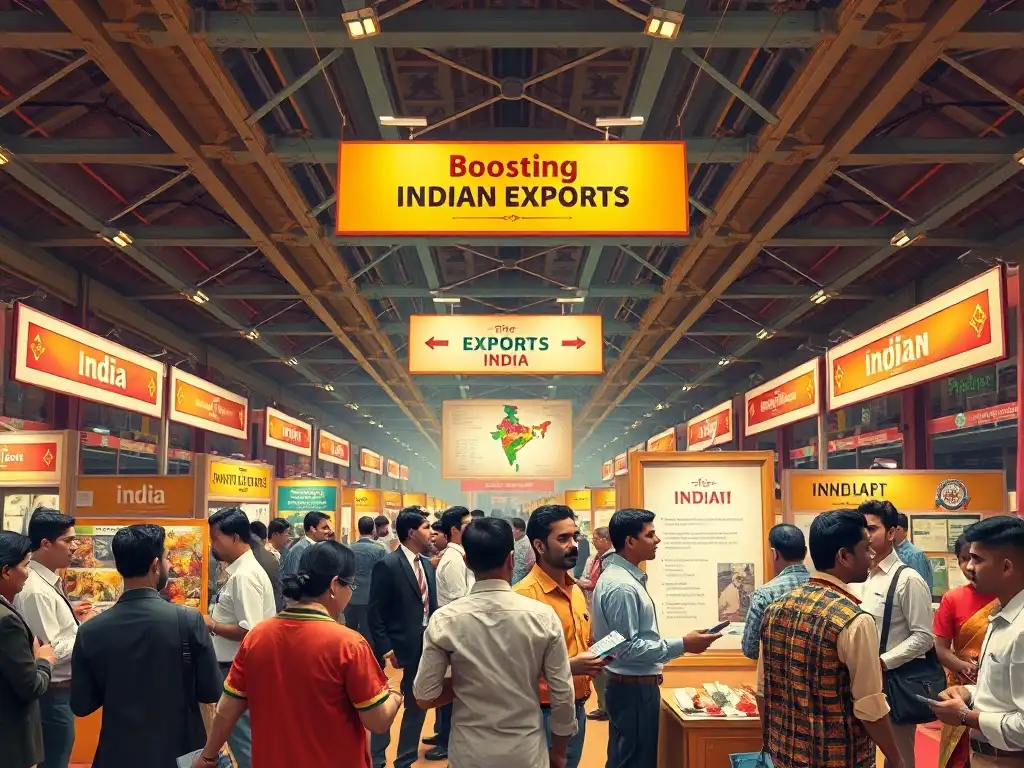
Post-trade show follow-up is a critical phase in the process of boosting Indian exports through trade. After investing time and resources in participating in trade shows, companies must ensure that the connections made translate into actual sales. A well-structured follow-up strategy can significantly enhance the chances of converting leads into loyal customers, thereby driving export growth.
Importance of Timely Follow-Up for Export Success
Timely follow-up after a trade show can be the difference between a lost opportunity and a successful export deal. When leads are nurtured promptly, it demonstrates professionalism and a genuine interest in the potential client's needs. Here are several key reasons why timely follow-up is essential:
- Capitalizing on Interest: Leads collected from trade shows often express interest in specific products or services. A prompt follow-up can capitalize on this interest while the memory of the interaction is fresh.
- Building Trust: Quick responses help foster trust and credibility. In the context of international trade, establishing trust is crucial, as buyers are more likely to engage with exporters who are responsive and reliable.
- Differentiation from Competition: Many exhibitors attend trade shows, and several may contact the same leads. A timely follow-up can set your business apart from competitors who may delay their engagement.
To illustrate the significance of follow-up, a study revealed that companies that followed up within 24 hours of a trade show were 60% more likely to convert leads into sales compared to those who waited longer.
Tools and Services for Managing Trade Show Leads
Effectively managing leads gained from trade shows requires the use of various tools and services. These can streamline the follow-up process, maintain organization, and enhance communication. Here are some recommended tools:
- Customer Relationship Management (CRM) Systems:
- Salesforce: A leading CRM platform that helps manage customer interactions and track leads throughout the sales process.
- HubSpot: Offers a free CRM that is user-friendly and integrates well with marketing tools, making it ideal for small to medium-sized exporters.
- Email Marketing Platforms:
- Mailchimp: Enables targeted email campaigns to nurture leads, track engagement, and convert prospects into customers.
- Constant Contact: Offers tools specifically designed for managing contacts and sending follow-up emails.
- Lead Retrieval Apps:
- LeadSquared: Captures leads at trade shows and allows for easy access and management post-event.
- Cvent: Provides comprehensive solutions for lead retrieval and event management.
Using these tools, exporters can efficiently categorize leads based on interest and potential, ensuring that the follow-up process is tailored and effective.
Strategies for Maintaining Relationships with International Buyers
Maintaining relationships with international buyers is vital for sustaining and boosting Indian exports through trade. Here are some strategies to consider:
- Regular Communication: Establish a schedule for regular check-ins with buyers through emails or calls. This ongoing communication can help keep your products top-of-mind.
- Personalized Correspondence: Tailor your messages to the specific needs and interests of each buyer. Mention any previous conversations or details relevant to their business, which shows attentiveness and dedication.
- Provide Value: Share industry insights, product updates, or relevant news that could benefit the buyer. Positioning yourself as a knowledgeable partner can strengthen the relationship.
- Leverage Social Media: Utilize platforms like LinkedIn to connect and engage with international buyers. Sharing valuable content and participating in discussions can enhance visibility and credibility.
- Offer Support and Solutions: Be proactive in addressing any concerns or questions that arise after the trade show. Providing solutions and support demonstrates your commitment to the partnership.
Maintaining robust relationships with international buyers not only facilitates immediate sales but also opens doors for future opportunities and referrals, creating a sustainable export ecosystem.
Challenges and Solutions in Exporting through Trade Shows
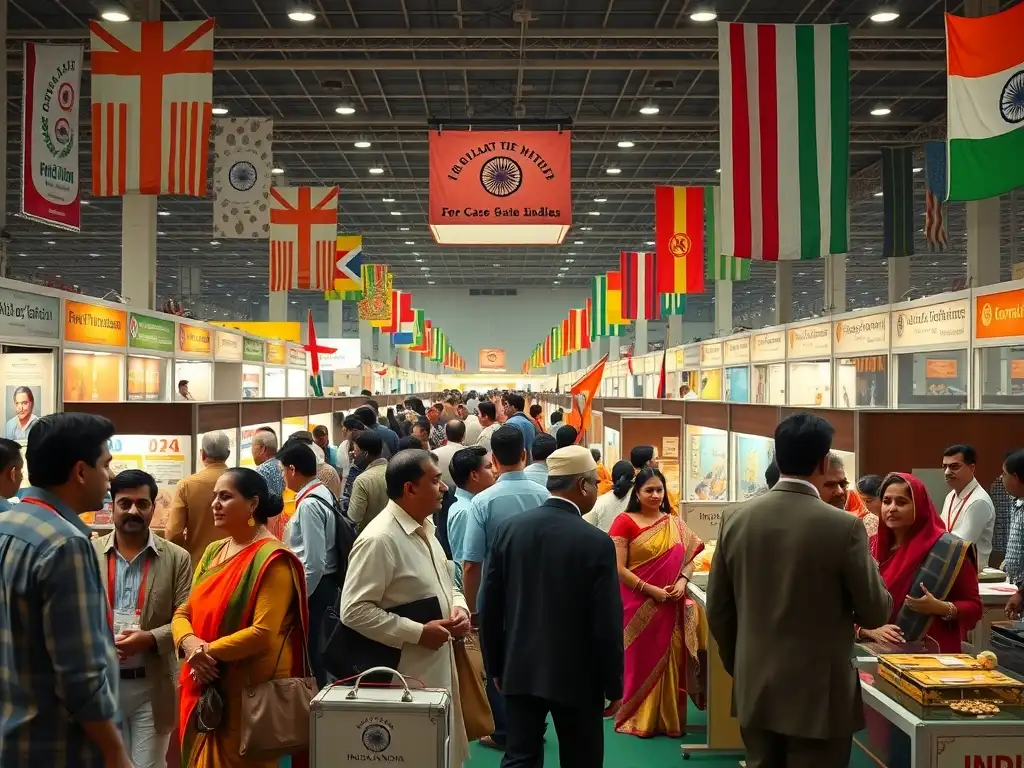
Common Obstacles Faced by Indian Exporters at Trade Shows
Exporting through trade shows presents a unique set of challenges for Indian exporters. Understanding these obstacles is crucial for devising effective strategies to navigate them. Here are some of the most common hurdles:
- High Costs of Participation
- The expenses associated with trade shows can be substantial. Costs typically include booth rental, travel, accommodation, promotional materials, and shipping of products. These can quickly add up, especially for small and medium enterprises (SMEs).
- Intense Competition
- Trade shows often feature numerous exhibitors, leading to fierce competition for attention. Indian exporters must find ways to stand out amid a crowded marketplace, which can be daunting.
- Cultural Barriers
- Exporters may encounter cultural differences that affect communication and relationship-building with potential buyers. Understanding local customs and practices is essential for successful engagement.
- Logistical Challenges
- Coordinating the logistics of transporting goods to and from trade shows can be complicated. Issues such as customs clearance, shipping delays, and storage can impact overall performance.
- Limited Follow-Up Post-Event
- After the trade show, maintaining connections with leads can be challenging. Without an effective follow-up strategy, valuable contacts may be lost, hindering the potential for future sales.
Solutions and Tips for Overcoming Trade Show Challenges
To effectively tackle the challenges associated with exporting through trade shows, Indian exporters can employ several strategies:
- Budget Planning and Cost Management
- Create a detailed budget before committing to a trade show. Identify essential costs and explore sponsorship opportunities or government grants that may alleviate financial burdens. Utilizing digital marketing techniques can also reduce promotional costs.
- Unique Value Proposition
- Develop a strong Unique Selling Proposition (USP) that clearly differentiates your products from competitors. This can involve highlighting unique features, benefits, or cultural significance of the goods, making them more appealing to potential buyers.
- Cultural Competency Training
- Invest in cultural competency training for the team attending the trade show. Understanding local customs, etiquette, and business practices can enhance communication and relationship-building efforts.
- Efficient Logistics Planning
- Collaborate with experienced logistics partners to streamline the shipping and handling process. Consider using pre-show shipping options to ensure timely delivery and minimize last-minute issues.
- Effective Follow-Up Strategies
- Develop a structured follow-up plan that includes personalized emails, phone calls, or social media interactions. Utilize Customer Relationship Management (CRM) tools to track interactions and manage leads effectively.
- Leverage Technology
- Utilize digital tools such as virtual trade shows or augmented reality presentations to reach a broader audience and enhance engagement. This can complement physical attendance and expand market reach.
By strategically addressing these challenges, Indian exporters can enhance their experience at trade shows and significantly boost Indian exports through trade. With proper planning and execution, trade shows can serve as a powerful platform for connecting with international buyers and expanding market presence.
Conclusion: The Future of Boosting Indian Exports through Trade Shows
As India continues to navigate the complexities of the global market, the role of trade shows in boosting Indian exports becomes increasingly significant. These platforms not only facilitate direct interactions between exporters and potential buyers but also serve as a catalyst for innovation, collaboration, and visibility on a global scale. By harnessing the power of trade shows, Indian exporters can effectively showcase their products, connect with international partners, and ultimately enhance their export potential.
Recap of Key Takeaways for Export Success
- Networking Opportunities: Trade shows provide invaluable networking opportunities, allowing exporters to meet industry leaders, potential clients, and partners.
- Market Insights: Attending trade shows can offer insights into market trends, consumer preferences, and competitor strategies, enabling exporters to adapt their offerings accordingly.
- Brand Visibility: Showcasing products at trade shows enhances brand recognition and visibility, driving interest and sales in international markets.
- Feedback and Improvement: Direct interactions with potential customers can provide critical feedback that exporters can use to refine their products and services.
- Access to Resources: Many trade shows offer workshops and seminars that present valuable information on exporting practices, regulations, and market entry strategies.
Final Thoughts on the Role of Trade Shows in Enhancing India’s Export Potential
Trade shows are not just events; they are strategic tools that can significantly impact the trajectory of Indian exports. By actively participating in these exhibitions, exporters can position themselves advantageously in the global marketplace. The combination of networking, market intelligence, and brand exposure creates a fertile ground for boosting Indian exports through trade.
As we look towards the future, it is essential for Indian exporters to embrace these opportunities with a strategic mindset. Investing time and resources into preparing for trade shows, understanding target markets, and establishing clear objectives can yield substantial returns. With the right approach, trade shows will continue to play a pivotal role in enhancing India's export potential, driving economic growth, and solidifying the nation's position as a key player in the global trade arena.
Frequently Asked Questions
What are trade shows and their significance in boosting Indian exports?
Trade shows are exhibitions where businesses showcase their products and services. They play a crucial role in facilitating trade, helping Indian exporters connect with potential buyers and partners.
How can Indian businesses prepare effectively for trade shows?
Indian businesses should focus on market research, creating an engaging booth, and training staff to engage with visitors. Proper preparation enhances visibility and improves chances of successful networking.
What types of products are commonly featured at Indian trade shows?
Indian trade shows often feature products from sectors like textiles, handicrafts, electronics, and agriculture. This diversity showcases the rich cultural heritage and innovation of Indian industries.
How do trade shows support the Indian economy?
Trade shows contribute to the Indian economy by promoting exports, creating jobs, and fostering international business relationships. They serve as platforms for economic growth and collaboration.
What strategies can businesses adopt post-trade show participation?
After trade shows, businesses should follow up with leads, assess their performance, and gather feedback. This helps in refining their approach and maximizing the benefits of exhibiting at future events.
Final Reflection: Harnessing Trade Shows for a Brighter Export Future
In an era where global trade dynamics are rapidly evolving, the role of trade shows in boosting Indian exports has never been more significant. These platforms not only facilitate direct connections between exporters and potential buyers but also serve as a catalyst for innovation and collaboration. As we navigate the complexities of international markets, it becomes increasingly clear that leveraging trade shows is essential for Indian businesses to thrive. The potential for growth and expansion is immense, and the time to seize these opportunities is now.
The influence of trade shows extends far beyond mere transactions; they shape the cultural and social landscape of the export industry. By participating in these events, businesses not only showcase their products but also engage in meaningful dialogues that can lead to lasting partnerships.
The exchange of ideas and best practices at these gatherings fosters a spirit of community and collaboration among exporters. As Mahatma Gandhi once said, “The best way to find yourself is to lose yourself in the service of others.” This sentiment resonates deeply within the context of trade shows, where the collective effort to uplift one another can lead to unprecedented growth for the Indian export sector.
As we reflect on the insights shared in this article, I invite you to consider how you can apply these lessons in your own journey. Whether you are an exporter, a business leader, or an aspiring entrepreneur, the call to action is clear: engage with trade shows, network with peers, and embrace the opportunities that lie ahead.
Together, we can harness the power of these platforms to not only boost Indian exports but also to contribute to a thriving economy that benefits all. The future is bright, and it begins with each of us taking proactive steps toward collaboration and growth.
Unlock New Opportunities at Trade Shows!
Thank you for exploring the dynamic world of trade shows and their impact on boosting Indian exports. By delving into strategies to optimize these events, you’ve taken a significant step towards enhancing your business ventures. Now, it’s time to put that knowledge into action!
Here are some impactful ways to capitalize on your trade show experiences:
- Focus on engagement: Actively connect with potential clients and partners at the next trade show you attend — don’t wait for them to find you.
- Share your journey: Post about your trade show experiences on social media — your insights could inspire and empower others in the industry.
- Join a community: Engage in online forums or groups centered around trade shows to gain valuable insights and share best practices with peers in your field.
What unique strategies have you found effective in enhancing your trade show experience? Let’s discuss in the comments!