
The Legacy of Ancient Indian Agricultural Texts: Wisdom Through the Ages

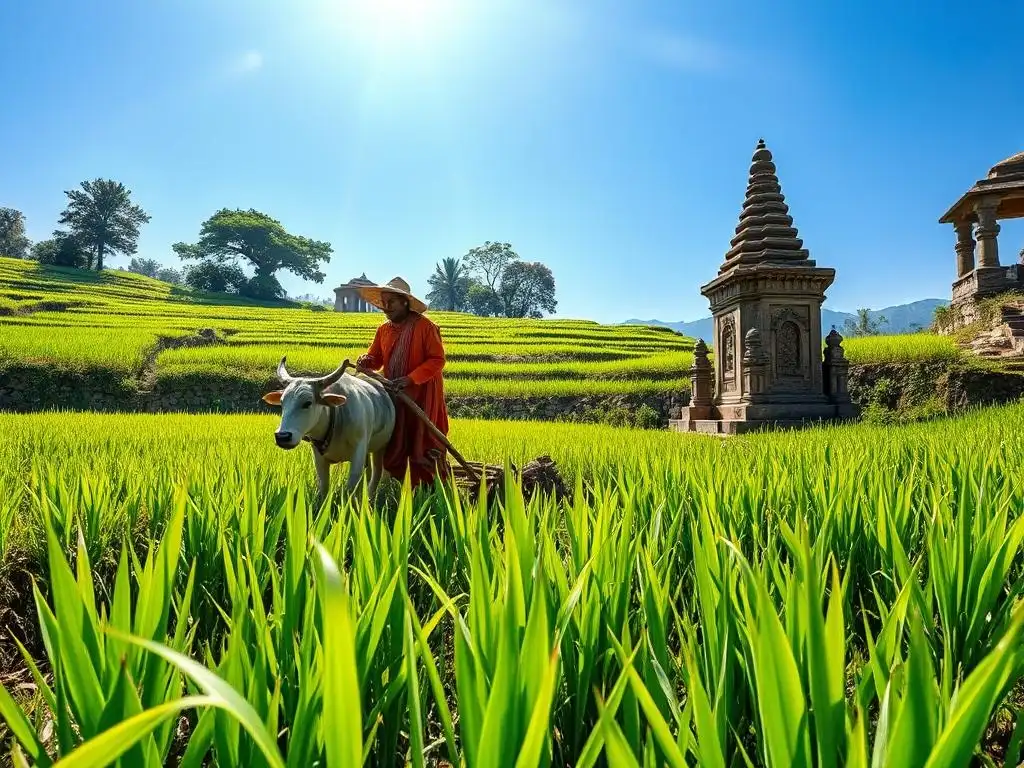
Welcome to Ancient India History, where we embark on a fascinating journey through the rich tapestry of India's past! Here, we delve into the intriguing world of ancient Indian agricultural practices, uncovering the wisdom embedded in the agricultural texts that have shaped the very fabric of society through the ages. From the innovative techniques of the Indus Valley civilization to the sophisticated methods employed during the Gupta Empire, the legacy of these practices is not just historical—it's a testament to resilience and ingenuity.
Join us as we explore how these ancient insights continue to influence modern agriculture and economy, and discover the secrets that lie within these timeless teachings. Dive deeper to unveil the remarkable stories that await!
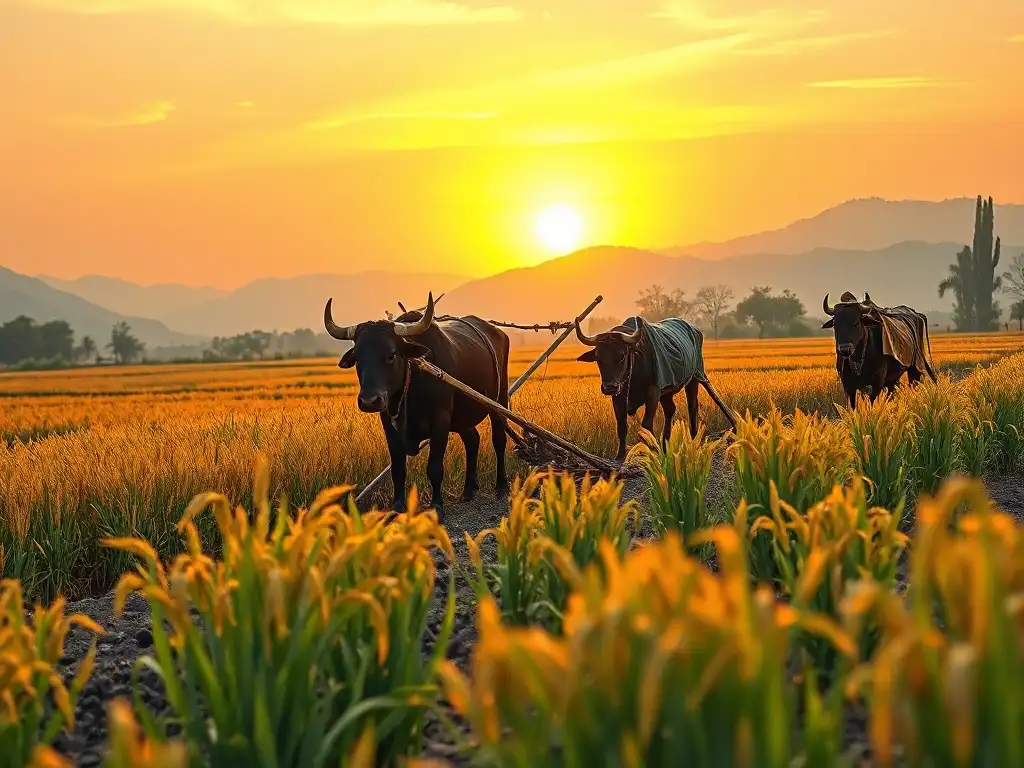
Introduction to Ancient Indian Agricultural Practices
The legacy of ancient Indian agricultural texts offers a profound insight into the agricultural practices that shaped the subcontinent's civilizations for millennia. From the fertile plains of the Indus Valley to the agrarian innovations of the Gupta Empire, ancient Indian agriculture reflects a rich tapestry of knowledge, tradition, and adaptation to diverse ecological conditions.
These texts not only serve as historical documents but also as repositories of wisdom that continue to influence modern agricultural practices. By exploring these ancient agricultural practices, we uncover the foundational techniques and philosophies that have sustained communities and contributed to the socio-economic fabric of ancient India.
Overview of Ancient Indian Agriculture
Agriculture in ancient India was characterized by a variety of crops, advanced irrigation techniques, and the implementation of diverse farming methods. The earliest evidence of agricultural practices can be traced back to the Indus Valley Civilization, where archaeological findings indicate the cultivation of wheat, barley, and cotton. The agrarian lifestyle evolved over the centuries, driven by the need for sustenance and trade.
- Key crops cultivated:
- Wheat
- Barley
- Rice
- Pulses (lentils and chickpeas)
- Cotton
The knowledge of crop rotation and the selection of seeds were also critical components of ancient Indian agriculture. This understanding facilitated the sustainable cultivation of land, ensuring yields that could support growing populations.
Significance of Agricultural Texts in Ancient India
The ancient agricultural texts, such as the Krishi Parashara and Bhavishya Purana, played a crucial role in documenting and disseminating agricultural wisdom. These texts encompassed a range of topics, including:
- Soil management
- Seasonal planting techniques
- Pest control methods
- Harvesting practices
The significance of these texts lies not only in their practical applications but also in their cultural implications. They reflected the agrarian society's values, rituals, and relationship with nature. By preserving this knowledge, these texts ensured that generations of farmers could learn from their predecessors, fostering a continuous cycle of agricultural innovation.
Historical Context of Agricultural Practices in Ancient India
The Development of Agriculture in the Indus Valley Civilization
The Indus Valley Civilization (circa 3300–1300 BCE) is often regarded as one of the earliest centers of agriculture in the world. The fertile land along the Indus River supported an advanced agrarian society that was capable of producing surplus crops, which laid the groundwork for urbanization. Archaeological evidence suggests sophisticated irrigation systems using canals and reservoirs, which allowed for efficient water management.
- Key features:
- Urban planning with granaries
- Advanced irrigation techniques
- Crop diversity and specialization
The agricultural advancements during this period set a precedent for future civilizations, highlighting the importance of sustainable practices in the face of climatic challenges.
Agricultural Innovations During the Vedic Period
The Vedic Period (circa 1500–500 BCE) marked a significant transformation in ancient Indian agricultural practices. The texts from this era, including the Rigveda, reveal insights into the agrarian lifestyle, emphasizing the importance of agriculture in sustaining society.
Innovations included:
- Use of iron tools for plowing
- Development of new crop varieties
- Systematic cultivation through seasonal calendars
These advancements were crucial for enhancing productivity and contributed to the socio-economic stability of the time.
Contributions from the Maurya and Gupta Empires
The Maurya (circa 322–185 BCE) and Gupta Empires (circa 320–550 CE) further advanced agricultural practices in ancient India. Under these empires, agriculture became increasingly organized and commercialized. The implementation of state-sponsored agricultural policies and the promotion of trade networks facilitated the exchange of agricultural goods.
- Notable contributions:
- Improved irrigation systems
- Agricultural manuals and treatises
- Support for agricultural research and development
These civilizations recognized the significance of agriculture in sustaining their empires, leading to innovations that would influence farming practices for centuries to come.
Through the exploration of these rich historical contexts, we can appreciate the profound impact of ancient Indian agricultural practices on contemporary farming methods and the enduring legacy of these agricultural texts.
Key Ancient Indian Agricultural Texts
Ancient Indian agricultural texts serve as crucial sources of knowledge, reflecting the advanced agricultural practices of their time. These works are not only practical guides for farmers but also embody the cultural and philosophical ideals surrounding agriculture. The texts emphasize harmony with nature, sustainability, and the importance of agriculture in social and economic life. Prominent among these texts are "Krishi Parashara," "Manasollasa," and "Vrikshayurveda," each contributing unique insights into ancient agricultural methodologies.
"Krishi Parashara": A Comprehensive Guide to Farming
"Krishi Parashara," attributed to the sage Parashara, is one of the earliest and most comprehensive texts on agriculture in ancient India. This text encompasses a wide range of topics, including the selection of seeds, soil management, irrigation techniques, and various methods of cultivating crops.
- Soil Fertility: Parashara emphasizes the importance of soil health, advocating for the use of natural amendments to enhance fertility. He categorizes soils based on their properties and provides recommendations for optimizing their use for different crops.
- Irrigation: The text outlines various irrigation techniques, including the construction of canals and the use of wells, which were vital in ensuring adequate water supply for crops, especially in arid regions.
- Crop Management: Detailed instructions on planting, nurturing, and harvesting crops are provided, along with guidance on pest management and disease control.
The practical wisdom contained in "Krishi Parashara" has significantly influenced agricultural practices in India and continues to be relevant today.
"Manasollasa": The Encyclopedia of Agriculture and Horticulture
"Manasollasa," composed by King Somesvara III in the 12th century, is a vast encyclopedia that covers various fields, including agriculture, horticulture, and animal husbandry. This text reflects the integration of agriculture with daily life and its significance in the socio-economic fabric of the time.
- Crop Cultivation: The text provides detailed descriptions of various crops, their growth conditions, and cultivation techniques. It includes information on cereals, pulses, vegetables, and fruits, highlighting the diversity of ancient Indian agriculture.
- Horticulture Techniques: "Manasollasa" also delves into horticultural practices, detailing methods for grafting, planting, and maintaining fruit-bearing trees. The emphasis on aesthetic gardening reflects the cultural appreciation for nature.
- Animal Husbandry: The text underscores the role of livestock in agriculture, detailing breeding practices and the management of animals for labor and produce.
The comprehensive nature of "Manasollasa" illustrates a sophisticated understanding of the interdependencies within agricultural practices.
"Vrikshayurveda": The Science of Plant Life
"Vrikshayurveda," meaning "the science of trees," is a seminal text focused on botany and plant cultivation, attributed to the sage Surapala. This work is significant for its detailed examination of plant life and the principles of agroecology.
- Plant Physiology: "Vrikshayurveda" discusses the physiological needs of plants, including water requirements, nutrient uptake, and the effects of different climates on plant growth. This knowledge is foundational for modern agronomy.
- Medicinal Plants: The text emphasizes the cultivation and uses of medicinal plants, linking agriculture to health and wellness. It provides insights into the preparation of herbal remedies and their applications.
- Pest Management: Innovative pest control methods are outlined, focusing on the use of natural deterrents and promoting biodiversity to maintain ecological balance.
The principles laid out in "Vrikshayurveda" form the basis of many traditional agricultural practices, showcasing the wisdom of ancient Indian farmers.
Core Principles of Ancient Indian Agricultural Practices
Ancient Indian agricultural practices were characterized by a deep understanding of natural ecosystems and a commitment to sustainability. The core principles that guided these practices include sustainable farming techniques, crop rotation, soil management, and the use of organic fertilizers.
Sustainable Farming Techniques in Ancient India
Sustainability was a cornerstone of ancient Indian agriculture, with practices designed to maintain soil health and ecosystem balance. Farmers employed methods that minimized environmental impact while maximizing yield.
- Intercropping: This technique involved growing multiple crops in the same field, enhancing biodiversity and reducing pest infestations.
- Agroforestry: The integration of trees into agricultural landscapes not only provided shade and shelter for crops but also contributed to soil fertility through leaf litter and organic matter.
- Water Conservation: Traditional irrigation methods like rainwater harvesting and the use of bunds (earthen barriers) helped in conserving water and preventing soil erosion.
These sustainable techniques underscore the ancient Indian understanding of agriculture as a holistic practice, essential for the health of both the land and the community.
Crop Rotation and Soil Management Strategies
Crop rotation was a fundamental practice in ancient Indian agriculture, aimed at maintaining soil fertility and preventing pest cycles.
- Nutrient Cycling: By rotating different crops, farmers could replenish soil nutrients, as different plants have varying nutrient requirements and contributions to the soil. For example, legumes restored nitrogen levels, benefiting subsequent crops.
- Pest Control: Changing crops each season disrupted pest life cycles, reducing the need for chemical interventions. This practice promoted a balanced ecosystem that naturally controlled pests.
- Soil Erosion Prevention: Diverse cropping systems protected the soil from erosion and degradation, ensuring sustainable productivity over generations.
These strategies reflect an advanced understanding of agronomy and ecology among ancient Indian farmers.
Use of Organic Fertilizers and Natural Pest Control
Ancient Indian agricultural practices heavily relied on organic fertilizers and natural pest control methods, emphasizing a harmonious relationship with nature.
- Organic Fertilizers: Farmers utilized compost, cow dung, and green manure to enrich the soil. These organic inputs not only provided essential nutrients but also improved soil structure and moisture retention.
- Natural Pest Control: Techniques such as introducing beneficial insects, using plant extracts, and creating barriers were common. For instance, neem leaves were often used to deter pests, showcasing the integration of botanical knowledge in agriculture.
- Crop Diversity: The cultivation of a variety of crops helped reduce vulnerability to pests and diseases, creating a resilient agricultural system.
These practices highlight the commitment to ecological balance and sustainable agriculture that characterized ancient Indian farming systems.
The Influence of Ancient Agricultural Wisdom on Modern Practices
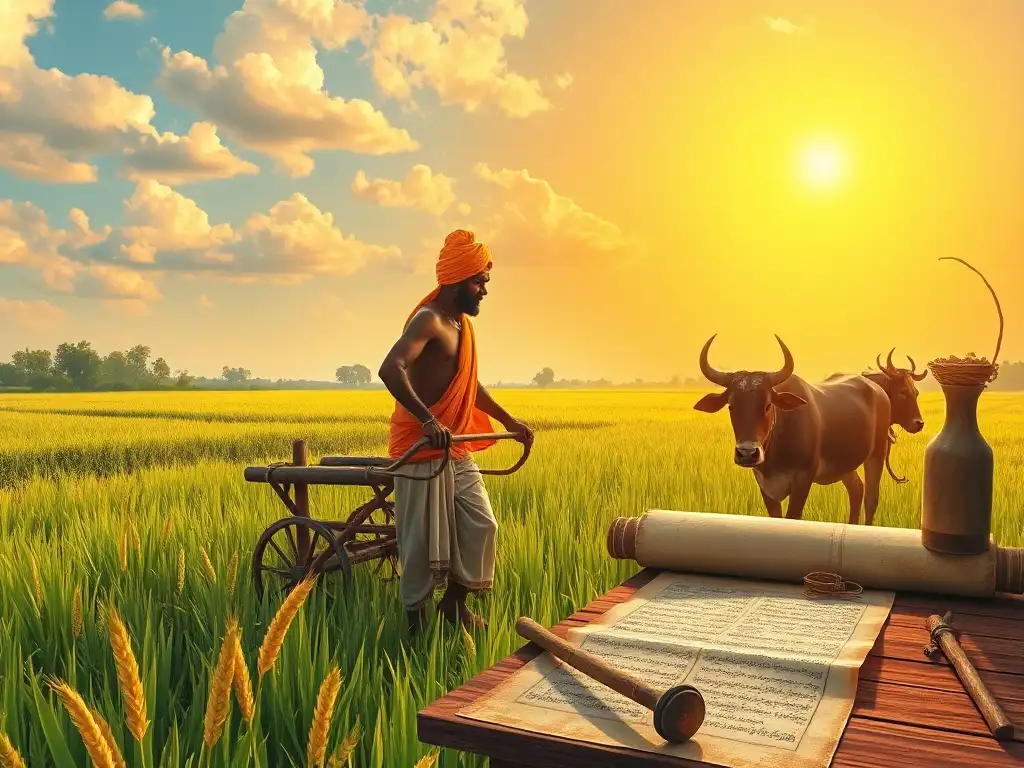
The ancient Indian agricultural texts, such as the Arthashastra and Krishi Parashara, have profoundly influenced modern agricultural practices. These texts not only provided insights into crop cultivation but also emphasized sustainable farming methods that are increasingly relevant today. For centuries, the knowledge encapsulated in these works has guided farmers in various regions of India, focusing on crop rotation, soil management, and pest control.
Moreover, the principles outlined in these texts highlight the importance of understanding local ecosystems and adapting farming techniques to suit specific environmental conditions. This holistic approach has paved the way for organic farming methods that prioritize biodiversity and soil health, resonating with the contemporary shift towards eco-friendly agriculture.
Reviving Ancient Techniques in Contemporary Agriculture
In recent years, there has been a notable revival of ancient agricultural techniques among farmers seeking sustainable solutions. Techniques such as intercropping, where different crops are grown together to enhance productivity and reduce pests, have their roots in ancient practices. Farmers are now looking to these time-tested methods to combat the challenges posed by modern monocultures and chemical reliance.
Restoration of traditional irrigation techniques, such as the use of step wells and underground channels, demonstrates how ancient wisdom can provide sustainable water management solutions. These methods not only conserve water but also improve soil moisture retention, which is crucial in arid regions of India. The resurgence of these practices is a testament to the enduring relevance of ancient agricultural wisdom in addressing contemporary challenges.
Integrating Traditional Knowledge with Modern Farming
The integration of traditional knowledge with modern farming techniques is essential for achieving sustainable agricultural practices. Collaboration between agricultural scientists and traditional farmers can lead to innovative solutions that leverage the strengths of both worlds. For instance, the use of indigenous seeds, known for their resilience and adaptability, can be complemented with modern techniques such as precision farming to optimize yields.
Research initiatives are increasingly focusing on documenting and preserving indigenous farming techniques to ensure that this valuable knowledge is not lost. By incorporating traditional pest management strategies, such as the use of beneficial insects or natural repellents, farmers can reduce their dependence on chemical pesticides. This fusion of ancient wisdom and modern technology promotes a more sustainable agricultural landscape and enhances food security.
Conclusion: The Enduring Legacy of Ancient Indian Agricultural Texts
The legacy of ancient Indian agricultural texts continues to shape our understanding of sustainable farming practices today. These texts serve as a rich repository of knowledge that highlights the importance of biodiversity, soil health, and water conservation. By revisiting and applying these principles, we can cultivate a more resilient agricultural system that meets the demands of a growing population while preserving our natural resources.
Reflection on Agricultural Wisdom Through the Ages
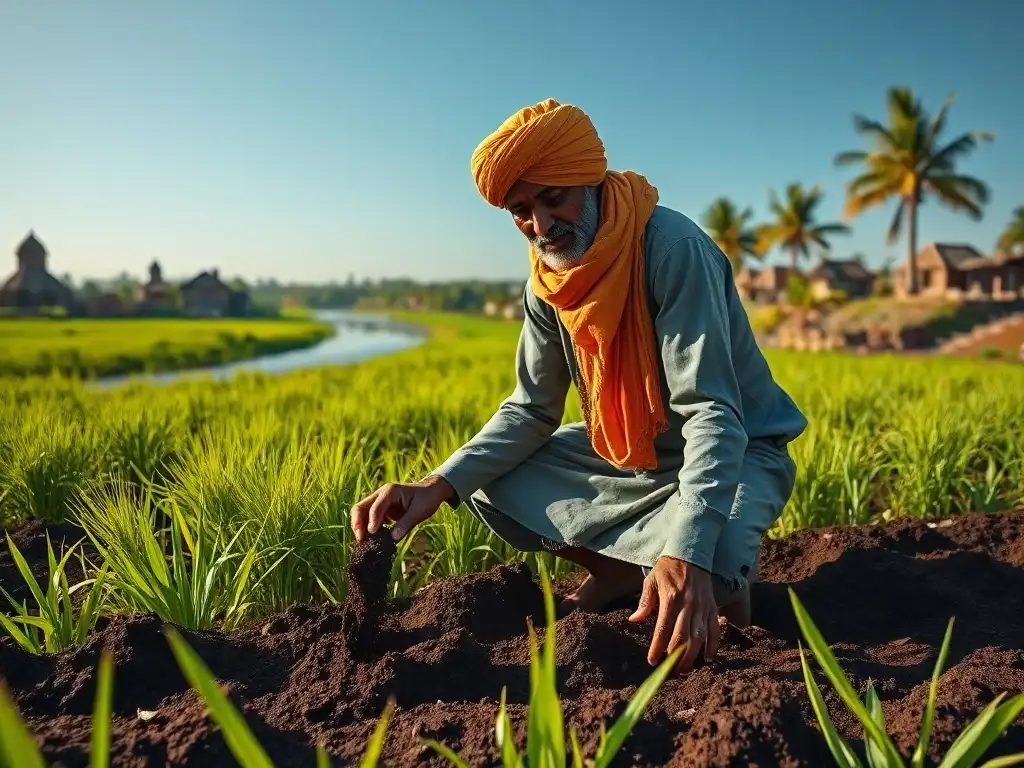
Reflecting on the agricultural wisdom passed down through generations reveals a profound understanding of the interconnectedness of nature and agriculture. Ancient texts not only focused on the technical aspects of farming but also emphasized ethical practices and respect for the land. This holistic perspective remains relevant, reminding us of the need for a balanced approach to agriculture that honors both tradition and innovation.
As we navigate the complexities of modern agriculture, revisiting these ancient teachings can inspire a more thoughtful and sustainable approach. The wisdom embedded in these texts encourages us to embrace practices that promote ecological balance and social equity, ensuring that agriculture can thrive for future generations.
Future Implications for Sustainable Agriculture Practices
The future of agriculture lies in the ability to integrate the best of both ancient wisdom and modern technology. By adopting practices rooted in ancient texts, farmers can develop more sustainable agricultural systems that align with contemporary needs. The focus on organic farming, permaculture, and agroecology reflects a growing recognition of the limitations of industrial agriculture.
As we face global challenges such as climate change, food insecurity, and biodiversity loss, the teachings of ancient Indian agricultural practices offer valuable guidance. Emphasizing sustainability, resilience, and community engagement, these practices can lead to the development of agricultural systems that not only nourish people but also protect the planet. The enduring legacy of ancient agricultural wisdom will continue to inspire future generations, contributing to a more sustainable and equitable agricultural future.
Additional Resources for Exploring Ancient Indian Agriculture
To delve deeper into the rich tapestry of ancient Indian agricultural practices, a myriad of resources is available that can enhance your understanding and appreciation of this vital aspect of history. Below is a curated list of recommended books, literature, and online courses that focus specifically on ancient Indian agriculture, providing insights into the techniques and wisdom of the time.
Recommended Books and Literature
-
"Agricultural Practices in Ancient India" by Ramesh Chandra Dutt
This book explores the various agricultural methods employed in ancient India, detailing the crops cultivated and the techniques used. Dutt's extensive research provides a comprehensive overview of the agrarian society that flourished in different regions.
-
"The Vedas and Agriculture" by R. K. Sharma
An enlightening work that connects the spiritual and practical aspects of agriculture in ancient India as reflected in the Vedic texts. Sharma discusses rituals, seasonal cycles, and the cultural significance of farming practices.
-
"Indian Agriculture: A Historical Perspective" by M. S. Swaminathan
M. S. Swaminathan, a renowned agricultural scientist, offers a historical overview of agricultural practices from ancient to modern times, emphasizing sustainable methods that can be drawn from ancient wisdom.
-
"The Art of Agriculture in Ancient Civilizations" by N. R. Pal
This book provides a comparative analysis of agricultural practices in various ancient civilizations including India. It highlights the innovations and techniques that were unique to Indian farmers.
-
"Sanskrit Literature on Agriculture" by A. S. Raghunathan
Raghunathan examines ancient Sanskrit texts that discuss farming methodologies, irrigation practices, and crop management, offering valuable translations and interpretations.
Online Courses and Workshops on Ancient Agricultural Techniques
-
"Ancient Indian Agricultural Systems: A Comprehensive Course"
Offered by various online platforms, this course covers the evolution of agricultural practices in ancient India. It includes modules on crop rotation, soil management, and the use of traditional tools and implements.
-
"Sustainable Farming Practices from Ancient India"
This workshop focuses on the sustainable techniques used by ancient farmers, including organic practices and biodiversity conservation. Participants will learn how these methods can be applied in modern contexts.
-
"Heritage of Indian Agriculture: From the Indus Valley to Modern Times"
A specialized course that explores the historical development of agriculture in India, this program includes case studies of ancient agricultural texts and their relevance today.
-
"Farmers of the Past: Techniques and Tools"
An interactive online course that allows participants to explore the tools and techniques of ancient Indian farmers through virtual simulations and practical assignments.
-
"Crops and Cultivation in Ancient Indian Society"
This course emphasizes the social and economic implications of agriculture in ancient India, examining how farming practices influenced societal structures and trade.
These resources provide a gateway to understanding the intricate agricultural practices of ancient India, encouraging further exploration and appreciation of this critical aspect of the civilization's legacy.
- Introduction to Ancient Indian Agricultural Practices
- Historical Context of Agricultural Practices in Ancient India
- Key Ancient Indian Agricultural Texts
- Core Principles of Ancient Indian Agricultural Practices
- The Influence of Ancient Agricultural Wisdom on Modern Practices
- Reviving Ancient Techniques in Contemporary Agriculture
- Integrating Traditional Knowledge with Modern Farming
- Conclusion: The Enduring Legacy of Ancient Indian Agricultural Texts
- Reflection on Agricultural Wisdom Through the Ages
- Future Implications for Sustainable Agriculture Practices
- Additional Resources for Exploring Ancient Indian Agriculture
- What were the main agricultural practices in ancient India?
- How did ancient Indian texts influence agriculture?
- What role did the Indus Valley Civilization play in agriculture?
- How did the Gupta Empire contribute to agricultural advancements?
- Are there any modern practices derived from ancient Indian agriculture?
Frequently Asked Questions
What were the main agricultural practices in ancient India?
Ancient Indian agricultural practices included crop rotation, irrigation techniques, and the use of organic fertilizers. These methods significantly contributed to the productivity of their farming systems.
How did ancient Indian texts influence agriculture?
Ancient texts provided guidelines and knowledge about various farming techniques, crop selection, and seasonal planting. They emphasized the importance of sustainable practices that are still relevant today.
What role did the Indus Valley Civilization play in agriculture?
The Indus Valley Civilization was known for its advanced irrigation systems and urban planning, which allowed for efficient crop cultivation. Their techniques laid the foundation for future agricultural developments in the region.
How did the Gupta Empire contribute to agricultural advancements?
The Gupta Empire saw a rise in agricultural productivity through innovations in tools and techniques. They also promoted trade in agricultural products, enhancing the economy and food security.
Are there any modern practices derived from ancient Indian agriculture?
Yes, many modern practices, such as organic farming and crop rotation, have roots in ancient Indian agricultural wisdom. These practices emphasize sustainability and have gained popularity in contemporary agriculture.
Final Reflection: Embracing the Wisdom of Ancient Indian Agricultural Practices
The legacy of ancient Indian agricultural texts is not just a relic of the past; it serves as a guiding light for modern sustainable practices. As we grapple with the challenges of climate change, food security, and environmental degradation, the insights from these texts remind us of the profound connection between agriculture and the well-being of our planet. The wisdom encapsulated in these ancient practices is more relevant today than ever, urging us to rethink our relationship with the land and the resources it provides.
The influence of ancient Indian agricultural practices extends far beyond historical significance; it shapes our cultural identity and informs contemporary agricultural methods. These texts not only offer practical techniques for farming but also embody a philosophy of harmony with nature. As we witness a resurgence in interest towards organic farming and sustainable agriculture, we recognize that these ancient teachings resonate deeply within our collective consciousness. The earth is our mother; we must care for her.
This sentiment echoes the teachings of our ancestors, reminding us that stewardship of the land is a timeless responsibility.
As we reflect on the lessons from these ancient texts, let us take a moment to consider how we can integrate this wisdom into our daily lives. I invite you to explore your own relationship with agriculture, whether through supporting local farmers, practicing sustainable gardening, or simply appreciating the food on your plate. By embracing the principles of ancient Indian agricultural practices, we can cultivate a future that honors our past while nurturing the earth for generations to come. Together, let us sow the seeds of change and foster a deeper connection with the land that sustains us.
Unveil the Wisdom of Ancient Agriculture!
Thank you for exploring the rich legacy of ancient Indian agricultural texts with us! You've uncovered timeless wisdom that can inspire sustainable practices today. Now, it's time to take action and make a meaningful difference in your own gardening or farming journey.
- Dive deeper into these ancient texts—read one and reflect on how its principles can be applied in your life today.
- Share your insights with friends or family—start a discussion on how ancient wisdom can shape modern practices. You might even consider initiating a community garden project inspired by these teachings.
- Experiment with traditional techniques—try out at least one new method you've discovered, such as crop rotation or companion planting, and observe the results as they unfold.
What ancient farming practice captivates your interest the most, and how do you envision incorporating it into your life?