
The Role of Women in Ancient Indian Agriculture: A Hidden History

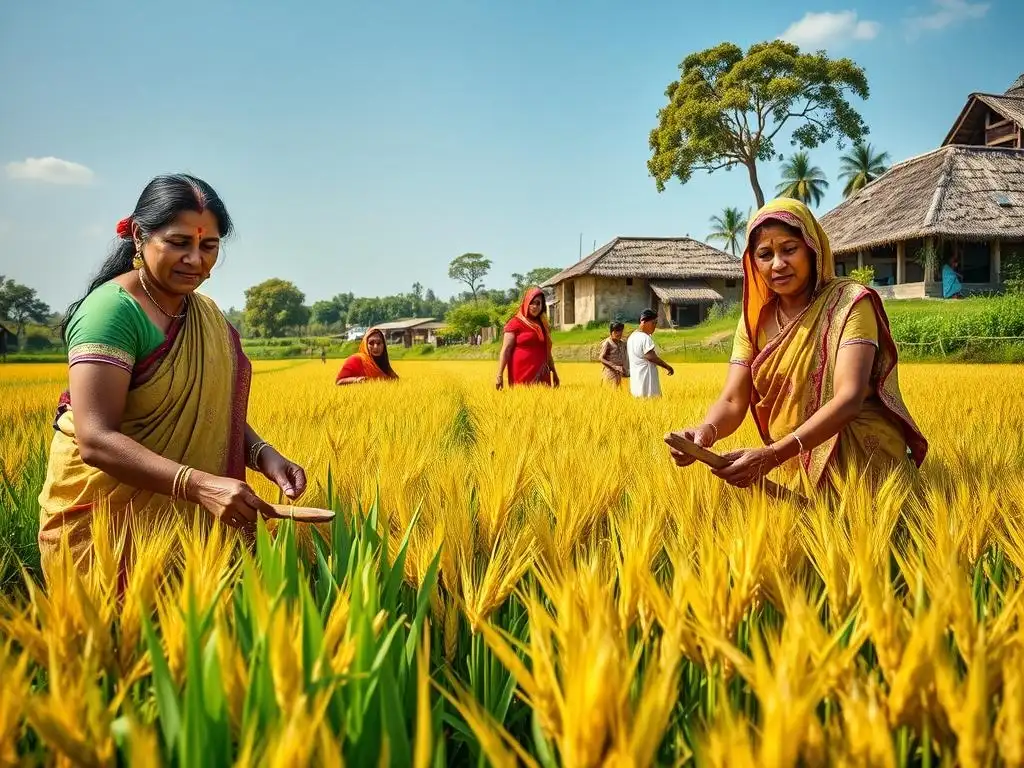
Welcome to Ancient India History, where we embark on a captivating journey through the rich tapestry of India's past. Delve into the often-overlooked yet vital contributions of women in ancient agriculture, as we uncover their pivotal roles in shaping the agricultural landscape from the Indus Valley to the Gupta Empire. In our featured article, “The Role of Women in Ancient Indian Agriculture: A Hidden History,” we explore the strength and ingenuity of these women, revealing stories that have long been shrouded in silence.
Are you ready to discover how their legacies have influenced the very foundations of our economy? Join us as we unveil this hidden chapter of history and inspire your curiosity to learn more!
Introduction to Women in Ancient Indian Agriculture
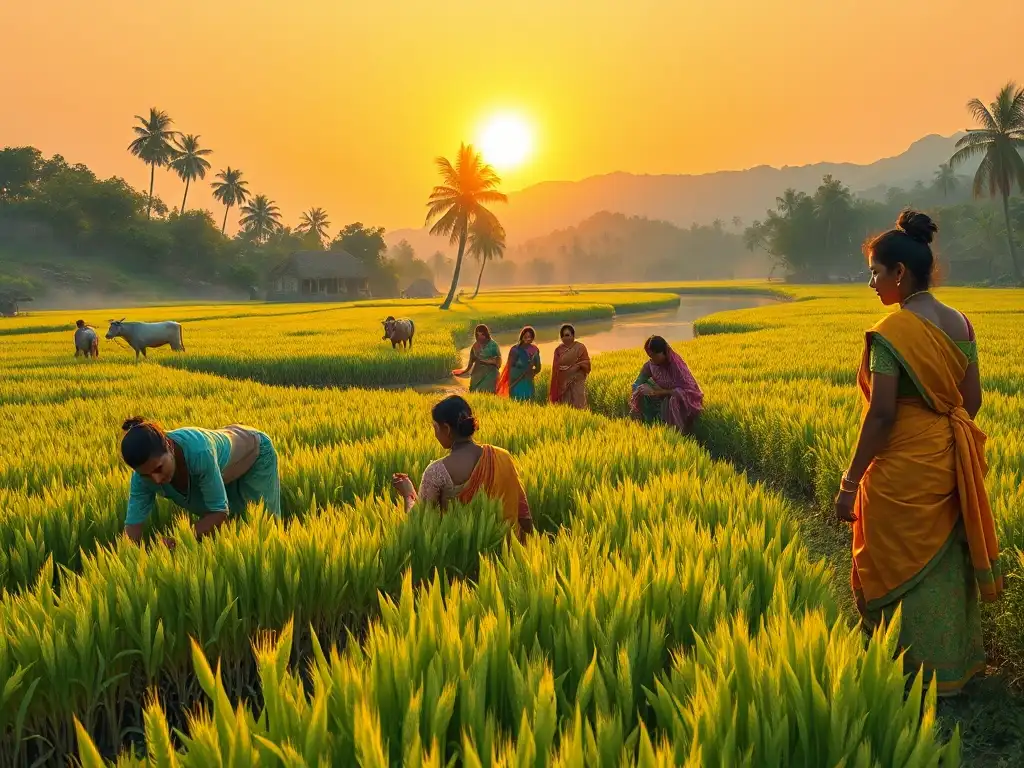
The role of women in agriculture has often been overlooked in historical narratives, particularly in the context of ancient civilizations. In Ancient India, women were not merely passive participants but were integral to the agricultural processes that sustained their communities. From sowing seeds to harvesting crops, women contributed significantly to the agricultural economy.
Their involvement went beyond mere labor; it encompassed knowledge, innovation, and the transmission of agricultural practices through generations. Understanding the contributions of women in ancient Indian agriculture offers a richer perspective on the socio-economic fabric of these civilizations and highlights the importance of gender roles in agricultural development.
Overview of Women's Contributions in Agriculture
Women in ancient India played multifaceted roles in agriculture, which included:
- Seed Selection and Sowing: Women were often responsible for selecting seeds and sowing them, utilizing their knowledge of local varieties and optimal planting times.
- Crop Maintenance: Tasks such as weeding, watering, and protecting crops from pests were predominantly carried out by women, showcasing their expertise in crop management.
- Harvesting and Processing: Women participated actively in harvesting, threshing, and processing grains, ensuring that food supplies were abundant and secure.
These contributions were essential not only for sustaining families but also for ensuring the food security of entire communities.
Importance of Studying Women's Roles in Ancient Agriculture
Exploring the roles of women in ancient Indian agriculture is crucial for several reasons:
- Revealing Hidden Histories: Acknowledging women's contributions challenges the traditional male-centric narratives of history, shedding light on their pivotal roles in subsistence and economic stability.
- Influencing Modern Perspectives: Understanding historical gender roles can inform contemporary discussions on gender equality in agriculture and empower women in modern agricultural practices.
- Cultural Heritage: Recognizing the significance of women in agriculture helps preserve cultural heritage and promotes appreciation for traditional knowledge systems.
Historical Context of Agriculture in Ancient India
To fully appreciate the role of women in ancient Indian agriculture, it is essential to understand the historical context in which these practices developed. Agriculture in ancient India evolved through various civilizations, each contributing to the techniques and social structures that defined farming practices.
Agricultural Practices in Ancient Civilizations
Ancient Indian civilizations, such as those in the Indus Valley and later periods, developed sophisticated agricultural techniques. These included:
- Irrigation Systems: The establishment of irrigation systems allowed for the cultivation of crops in arid regions, significantly enhancing agricultural productivity.
- Crop Rotation and Diversification: Farmers practiced crop rotation and diversified their agricultural outputs to maintain soil fertility and ensure a stable food supply.
These practices were not only dependent on technological advancements but also on the labor and knowledge of both men and women.
The Indus Valley Civilization and Gender Roles in Farming
The Indus Valley Civilization, one of the earliest urban cultures, showcased advanced agricultural techniques alongside distinct gender roles. Archaeological evidence suggests that:
- Women were actively involved in farming, contributing to both fieldwork and household food production.
- Artifacts such as terracotta figurines depict women engaged in agricultural activities, indicating their importance in the agrarian economy.
The gender roles established during this period laid the foundation for subsequent agricultural practices in ancient India.
Evolution of Agricultural Techniques from Vedic Period to Gupta Empire
The transition from the Vedic period to the Gupta Empire marked significant advancements in agricultural techniques, influenced by both technological innovations and societal changes. Key developments included:
- Introduction of New Crops: The expansion of trade networks led to the introduction of various crops, enriching the agricultural landscape.
- Enhanced Tools and Techniques: The use of iron tools and plowing techniques improved efficiency in farming, enabling greater yields and more complex agricultural practices.
Throughout these changes, women's roles remained crucial, adapting alongside the evolution of agriculture to sustain their families and communities. Understanding these dynamics is essential in recognizing the comprehensive contributions of women in ancient Indian agriculture.
Women as Key Players in Agricultural Activities
Women played a pivotal role in ancient Indian agriculture, often engaging in various tasks that were crucial for the sustenance and productivity of farming communities. Their active participation was not merely supplementary; it was integral to the agricultural economy. Women were involved in several stages of the agricultural cycle, from sowing seeds to harvesting crops, and their knowledge of traditional farming techniques was passed down through generations. This expertise contributed significantly to the efficiency and sustainability of agricultural practices in ancient times.
Moreover, women were responsible for managing household resources, which included the production and preservation of food. Their roles extended beyond the fields, as they also engaged in the processing of agricultural products, transforming raw materials into consumable goods. This multifaceted involvement underscores the essential contributions of women to both the agricultural sector and the broader economic framework of ancient Indian society.
Roles of Women in Crop Cultivation
In ancient India, women were primarily responsible for several key activities in crop cultivation. They engaged in:
- Seed Selection and Sowing: Women played an essential role in selecting seeds, often based on their knowledge of the most suitable varieties for the local climate and soil conditions. Sowing was typically a communal activity, with women taking the lead in preparing the fields and planting seeds.
- Weeding and Irrigation: The upkeep of crops involved regular weeding to prevent the growth of unwanted plants that could compete for nutrients. Women were adept at manual weeding and were also responsible for irrigation practices, ensuring that crops received adequate water.
- Fertilization: Women contributed to fertilizing crops, often using organic materials like cow dung or compost. Their understanding of natural fertilizers was crucial for maintaining soil fertility and promoting healthy crop growth.
This comprehensive involvement in crop cultivation highlights the essential roles women played in ensuring food security and sustaining agricultural practices in ancient Indian societies.
Women in Harvesting and Post-Harvest Activities
The harvesting of crops was another critical area where women’s contributions were significant. During the harvest season, women were often seen working alongside men, demonstrating their physical strength and agricultural knowledge. Their roles included:
- Harvesting Techniques: Women utilized traditional tools and methods to efficiently harvest crops. They often worked in teams, ensuring that the harvest was completed swiftly and effectively.
- Processing and Storage: After harvesting, women were responsible for processing the crops. This included threshing, winnowing, and storing grains properly to prevent spoilage. Their expertise in storage techniques safeguarded the harvest for future use.
- Food Preparation: Post-harvest, women transformed raw agricultural products into meals for their families and communities. This not only ensured nutrition but also preserved traditional recipes and cooking methods.
The involvement of women in these activities not only boosted agricultural productivity but also reinforced their central role in sustaining the household and community.
The Socio-Economic Impact of Women in Agriculture
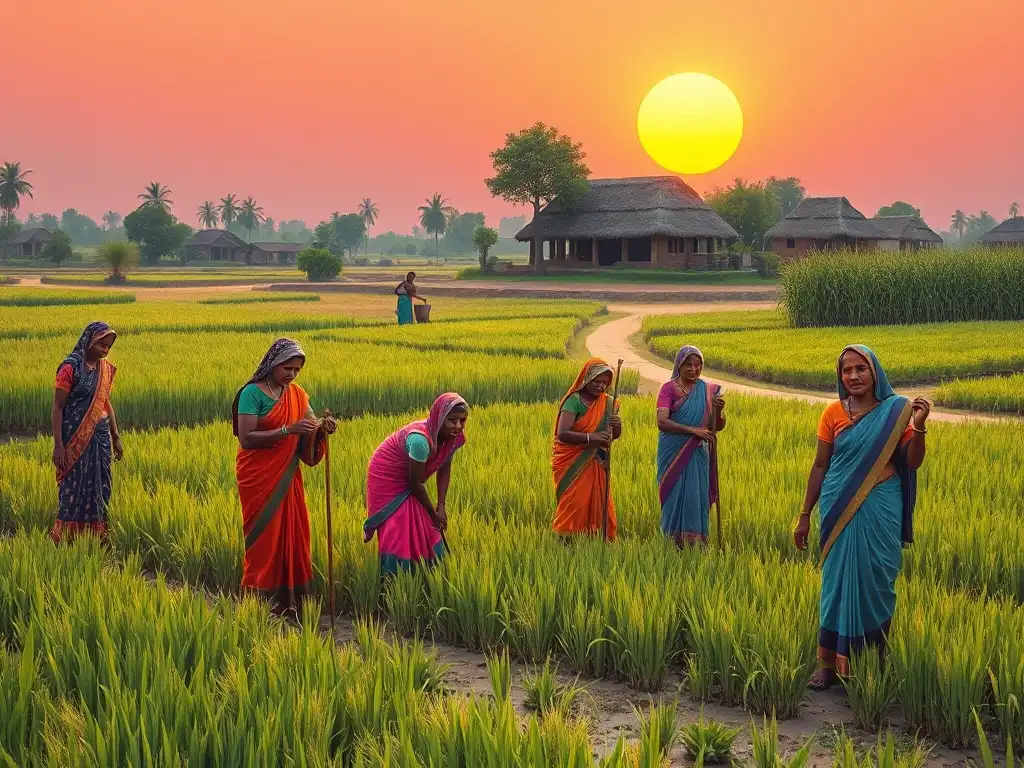
The contributions of women in ancient Indian agriculture had profound socio-economic implications. Their active participation in farming influenced community dynamics, economic stability, and cultural practices.
Economic Contributions of Women in Ancient Indian Farming
Women’s labor in agriculture directly contributed to the economic foundation of their communities. They were not just workers; they were essential economic agents who influenced agricultural output and productivity. The roles women played allowed families to produce enough food, which was vital for survival and trade.
The surplus produced by women-led farming efforts often supported local economies, enabling the exchange of goods and services. This economic activity helped sustain households and fostered a sense of community interdependence, as women frequently collaborated with each other in agricultural tasks.
Women's Influence on Local Markets and Trade
Women also significantly influenced local markets and trade through their agricultural contributions. By participating in the cultivation and processing of crops, they were able to control the quality and quantity of goods produced. This control allowed them to engage in local trade, selling surplus produce at markets and contributing to the economic vibrancy of their communities.
Furthermore, women’s involvement in the market not only provided them with economic independence but also empowered them socially. Their presence in trade contributed to a gradual shift in gender dynamics, as women became recognized for their economic contributions and expertise.
Gender Dynamics and Land Ownership Rights
The role of women in agriculture also intersected with issues of land ownership and rights. In many ancient Indian societies, women had specific rights to land, either through inheritance or as part of familial structures. This ownership provided women with a degree of autonomy and control over agricultural production.
However, the dynamics of land ownership varied significantly across regions and communities. While some societies recognized women as landholders, others imposed restrictions that limited their rights. These variations highlight the complex interplay between gender, agriculture, and socio-economic structures in ancient India.
Women in ancient Indian agriculture were not merely supplemental contributors; they were central figures whose roles shaped the agricultural landscape and influenced economic and social dynamics within their communities. Their legacy is a testament to the hidden history of women's contributions to agriculture, underscoring the need for greater recognition of their vital roles in ancient societies.
Cultural Representation of Women in Agriculture
The cultural representation of women in ancient Indian agriculture is rich and multifaceted, encompassing various aspects of society, spirituality, and daily life. Women were not just participants in agricultural activities; they were integral to the agricultural framework, embodying the nurturing spirit that was essential for sustenance and fertility. This representation is reflected in both ancient texts and artistic expressions, highlighting the significant role women played in agricultural practices and their contributions to the economy.
Depictions in Ancient Texts and Literature
Ancient Indian texts provide a wealth of information about the roles of women in agriculture. Texts such as the Mahabharata and Ramayana, as well as various Puranas, often depict women engaged in farming activities, demonstrating their involvement in sowing, harvesting, and managing crops. For instance, the Rigveda mentions women participating in agricultural rituals, emphasizing their connection to fertility and the earth.
Furthermore, texts like Manusmriti outline the duties of women, including those related to agriculture, indicating that they were responsible for the management of household farms and the cultivation of crops. These references underscore the dual role of women as caretakers of both the family and the land, highlighting their essential contributions to sustaining agricultural life.
Symbolism of Women in Agriculture in Art and Culture
The symbolism of women in agriculture is vividly portrayed in various art forms throughout ancient India. Sculptures, murals, and pottery often feature women engaged in agricultural tasks such as planting seeds, harvesting crops, and tending to livestock. These artistic representations not only celebrate the physical labor of women but also associate them with fertility, abundance, and the nurturing aspects of nature.
In addition to the visual arts, traditional folk songs and dances often celebrate women's roles in agriculture, portraying them as vital to the success of farming endeavors. Such cultural expressions reinforce the idea of women as the backbone of agricultural society, linking their identity to the cycles of planting and harvest, and embedding their contributions into the cultural narrative of ancient India.
Challenges Faced by Women in Ancient Indian Agriculture
Despite their essential roles, women in ancient Indian agriculture faced numerous challenges that limited their participation and recognition. These challenges stemmed from societal norms, gender restrictions, and historical events that shaped the agricultural landscape.
Societal Norms and Gender Restrictions
Societal norms during ancient times often relegated women to subordinate roles, curtailing their autonomy in agricultural practices. Cultural expectations dictated that women primarily focus on household duties, limiting their involvement in decision-making processes related to agriculture.
Moreover, inheritance laws and property rights frequently disadvantaged women, restricting their ability to own land or benefit from agricultural outputs. This systemic inequality meant that while women contributed significantly to farming, their contributions were often unrecognized and undervalued, perpetuating a cycle of dependency and marginalization within agricultural communities.
Historical Events Impacting Women's Roles in Agriculture
Historical events have also played a significant role in shaping women's positions in agriculture. For example, during periods of invasion or conflict, such as the decline of the Maurya Empire or the invasions by foreign powers, women's roles often shifted dramatically. In times of crisis, women may have been compelled to take on more labor-intensive roles to ensure the survival of their families and communities, leading to a temporary shift in their agricultural status.
Additionally, the introduction of new agricultural practices and crop systems, influenced by trade and cultural exchanges, sometimes marginalized traditional roles, further complicating women's positions in agriculture. As economic structures evolved, women's contributions became less visible, and their roles were often overshadowed by male dominance in agricultural labor and management.
While women played a critical role in ancient Indian agriculture, their contributions were often obscured by societal norms and historical challenges, reflecting a hidden history that deserves recognition and appreciation.
Modern Perspectives on Women's Roles in Ancient Agriculture
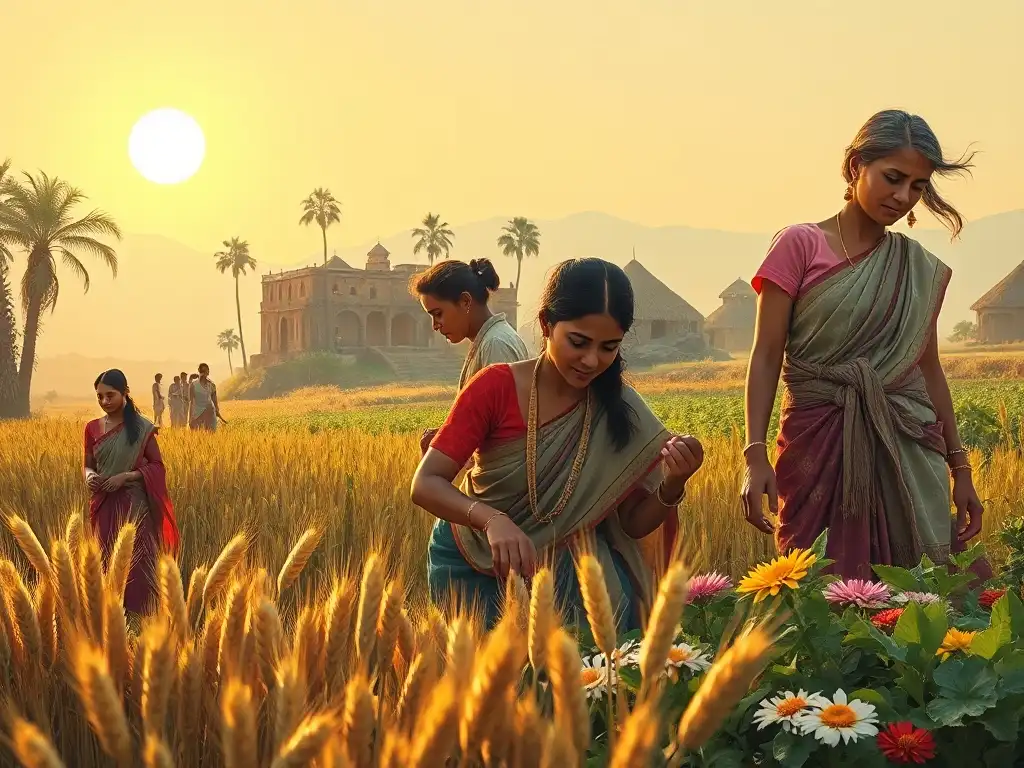
In recent years, there has been a growing recognition of the significant roles women played in ancient Indian agriculture. Traditionally, the contributions of women have often been overshadowed by their male counterparts, resulting in a historical narrative that inadequately represents their involvement. Modern scholars and historians are now re-examining ancient texts, archaeological findings, and oral histories to uncover the myriad ways in which women engaged in agricultural practices.
Research indicates that women were not just passive participants but were actively involved in various stages of agriculture, from sowing and harvesting to the processing and storage of crops. The division of labor in ancient agricultural societies often saw women working in tandem with men, contributing their knowledge of crop cultivation and sustainability. This paradigm shift in understanding women's roles has opened new avenues for appreciating their contributions to food security and agricultural innovation in ancient India.
Furthermore, contemporary feminist scholarship emphasizes the need to recognize the socio-economic and cultural contexts that shaped women's roles in agriculture. By acknowledging these perspectives, we can better understand the complexities of gender dynamics in ancient societies and the profound impact women had on agricultural practices.
Lessons from Ancient Practices for Contemporary Agriculture
The agricultural practices of ancient Indian women offer valuable lessons for modern sustainable farming. Women were often the custodians of traditional knowledge related to seed selection, crop rotation, and organic farming techniques, which are increasingly relevant in today’s context of environmental degradation and climate change.
- Biodiversity Preservation: Women in ancient India practiced diverse cropping systems, which helped preserve biodiversity and maintain soil health. Contemporary agricultural practices can benefit from these time-tested methods to enhance resilience against pests and diseases.
- Community Engagement: Women’s roles in agriculture fostered community ties and cooperation. This communal approach can inform modern farming initiatives, particularly in promoting cooperative farming and shared resources, which can improve productivity and sustainability.
- Cultural Practices and Sustainability: Many of the rituals and cultural practices surrounding agriculture were developed by women, reflecting a deep understanding of natural cycles and ecological balance. Drawing from these practices can inspire current agricultural policies that prioritize sustainability and environmental stewardship.
Reviving Interest in Women’s Contributions to Agriculture
There has been a resurgence of interest in the historical contributions of women to agriculture, driven by academic research, grassroots movements, and increased awareness of gender equality issues. Initiatives aimed at documenting and celebrating women's roles in ancient agricultural practices are gaining momentum.
- Research and Documentation: Universities and research institutions are now focusing on interdisciplinary studies that highlight women's contributions. These studies are crucial for creating a more inclusive historical narrative.
- Cultural Heritage Programs: Efforts to revive ancient agricultural techniques often include women as key stakeholders in the process. By promoting workshops and community education programs, these initiatives help to share women's traditional knowledge with younger generations.
- Policy Advocacy: Advocacy for gender-sensitive policies in agriculture is becoming more prominent. By recognizing and incorporating women's contributions into policy-making, we can create a more equitable agricultural landscape that harnesses the potential of all individuals.
Conclusion: Recognizing the Legacy of Women in Ancient Indian Agriculture
The legacy of women in ancient Indian agriculture is a vital aspect of our understanding of historical agricultural practices and societal structures. Their contributions were crucial not only in sustaining communities but also in shaping the agricultural landscape of ancient India.
Summary of Women's Impact on Agricultural Development
Women played multifaceted roles in agricultural development, contributing their skills and knowledge to enhance productivity and sustainability. Their involvement in crop cultivation, livestock management, and food processing significantly impacted food security and economic stability in their communities. This historical insight emphasizes the necessity of including women's narratives in the broader discourse on agricultural history.
Call to Acknowledge and Celebrate Women’s Historical Contributions
It is imperative that we acknowledge and celebrate the historical contributions of women in agriculture. By doing so, we not only honor their legacy but also empower future generations to recognize the importance of gender inclusion in agricultural practices. Celebrating these contributions can inspire contemporary movements for gender equity in agriculture, ensuring that the voices of women are heard and valued in the ongoing narrative of agricultural development. This acknowledgment forms the foundation for a more equitable and sustainable future in farming practices.
References and Further Reading on Women in Ancient Indian Agriculture
The exploration of women's roles in ancient Indian agriculture is a vital yet often overlooked aspect of history. This section aims to provide a comprehensive list of references and resources for those interested in delving deeper into the subject. The literature encompasses texts that highlight the contributions of women in agricultural practices as well as academic studies that analyze gender roles within the context of ancient Indian societies.
Suggested Texts and Resources for Deeper Understanding
-
"Women and Work in India: A Historical Perspective" by R. C. Sharma
This book provides an extensive overview of women's involvement in various sectors, including agriculture, throughout Indian history. It emphasizes the significance of women's labor in sustaining agrarian economies.
-
"The Agrarian History of India: From the Earliest Times to the Present" by B. R. K. Agrawal
This comprehensive work offers insights into agricultural practices in India, with specific sections dedicated to the roles of women in farming activities and household food production.
-
"Women in Ancient India" by S. R. Bhatt
A focused study that explores the lives of women during various ancient periods, including their contributions to agricultural practices and societal structures.
-
"Gender and Agriculture: A Global Perspective" edited by A. D. Sinha
While this book examines gender roles in agriculture worldwide, it includes case studies from India that shed light on the historical context of women’s agricultural work.
-
"Farming Women: Gender, Work, and Family in the Rural Economy" by K. N. Jha
This text discusses the intersection of gender and agricultural labor, highlighting the essential roles women played in farming and household economy.
Academic Studies on Gender and Agriculture in Ancient India
-
"Women, Agriculture, and the Environment in Ancient India" by P. R. Gupta
This scholarly article analyzes the interplay between women’s agricultural roles and environmental sustainability in ancient Indian contexts.
-
"The Role of Women in the Agricultural Economy of Ancient India" published in the Journal of Historical Sociology
This study examines the economic impact of women’s agricultural labor, arguing that their contributions were central to the agrarian economy.
-
"Gender Dynamics in Ancient Indian Agriculture" by N. M. Rao
Through archaeological evidence and historical texts, this research explores how gender roles influenced agricultural practices and decision-making in ancient Indian societies.
-
"Women’s Agency in Agricultural Production: Perspectives from Ancient India" in the International Journal of South Asian Studies
This paper presents a critical view of women’s roles as active agents in agricultural production, challenging traditional narratives that portray them merely as passive participants.
-
"Revisiting the Historical Contributions of Women in Ancient Indian Agriculture" by A. K. Sharma
This article calls for a reevaluation of historical sources to better understand the nuanced roles women played in agriculture, emphasizing their significance in both crop cultivation and community resilience.
By exploring these references and academic studies, readers can gain a richer understanding of the essential roles women played in ancient Indian agriculture, illuminating their contributions that have shaped agricultural practices through history.
- Introduction to Women in Ancient Indian Agriculture
- Historical Context of Agriculture in Ancient India
- Women as Key Players in Agricultural Activities
- The Socio-Economic Impact of Women in Agriculture
- Cultural Representation of Women in Agriculture
- Challenges Faced by Women in Ancient Indian Agriculture
- Modern Perspectives on Women's Roles in Ancient Agriculture
- Conclusion: Recognizing the Legacy of Women in Ancient Indian Agriculture
- References and Further Reading on Women in Ancient Indian Agriculture
- What was the role of women in ancient Indian agriculture?
- How did women's agricultural practices differ across ancient Indian civilizations?
- Were there any specific crops women were associated with in ancient India?
- Did women in ancient India hold any leadership roles in agriculture?
- What were the societal impacts of women's involvement in agriculture?
Frequently Asked Questions
What was the role of women in ancient Indian agriculture?
Women played a crucial role in ancient Indian agriculture, often engaged in planting, harvesting, and processing crops. Their contributions were integral to food production and community sustenance.
How did women's agricultural practices differ across ancient Indian civilizations?
Different civilizations like the Indus Valley and the Gupta Empire saw variations in women's roles, influenced by local customs and geography, but they consistently contributed to agricultural practices.
Were there any specific crops women were associated with in ancient India?
Women were often involved in the cultivation of staple crops such as rice, wheat, and millets, and they played a key role in the domestication of plants that became essential to Indian agriculture.
Did women in ancient India hold any leadership roles in agriculture?
Yes, women occasionally took on leadership roles in agricultural communities, especially in collective farming practices and during festivals, where they would oversee harvest activities and rituals.
What were the societal impacts of women's involvement in agriculture?
The involvement of women in agriculture helped to strengthen family units and communities, ensuring economic stability and promoting gender equality in certain aspects of ancient Indian society.
Final Reflection: Unveiling the Legacy of Women in Ancient Indian Agriculture
The contributions of women in ancient Indian agriculture are not just historical footnotes; they are the backbone of a thriving civilization. As we delve into the past, we uncover the vital roles women played in agricultural practices, shaping not only the economy but also the cultural fabric of society. Today, as we strive for gender equality and recognition of women's contributions across various fields, it is imperative to acknowledge and celebrate these hidden histories that have long been overshadowed.
The influence of women in agriculture resonates through generations, reminding us that their labor and knowledge were integral to the sustenance of communities. Their skills in crop cultivation, seed preservation, and resource management were foundational to agricultural success. As we reflect on this legacy, we are reminded of the words of historian Vandana Shiva: Women are the backbone of agriculture, and their contributions must be recognized for a sustainable future.
This acknowledgment not only honors the past but also empowers current and future generations to appreciate the importance of women's roles in agriculture and beyond.
As we move forward, let us take a moment to reflect on how we can honor and amplify the voices of women in agriculture today. Consider how you can support initiatives that recognize women's contributions in farming, promote gender equality in agricultural policies, or even engage in local agricultural practices that celebrate this rich heritage. By doing so, we not only pay homage to the women who shaped ancient Indian agriculture but also pave the way for a more inclusive and equitable future.
Unveil the Legacy of Women in Agriculture!
Thank you for exploring the remarkable role of women in ancient Indian agriculture with us! You've uncovered the essence of their contributions and how they shaped the agricultural landscape of India. Now, let’s take those insights further and make a difference together!
Here are some actionable steps you can take right now:
- Share your newfound knowledge: Discuss the insights you've gained from this article with friends or on social media. Let’s spread awareness about these influential figures!
- Join a community or online group focused on women’s history and share what you’ve learned about their agricultural practices. Engage in discussions that celebrate their legacy!
- Research further: Consider exploring specific regions or practices highlighted in the article. You might even write your own blog post or paper to share your findings!
What aspect of women’s contributions in ancient agriculture resonates most with you, and how can we continue to honor their legacy in our modern practices?