
Persian Military Influence on Indian Warfare Tactics

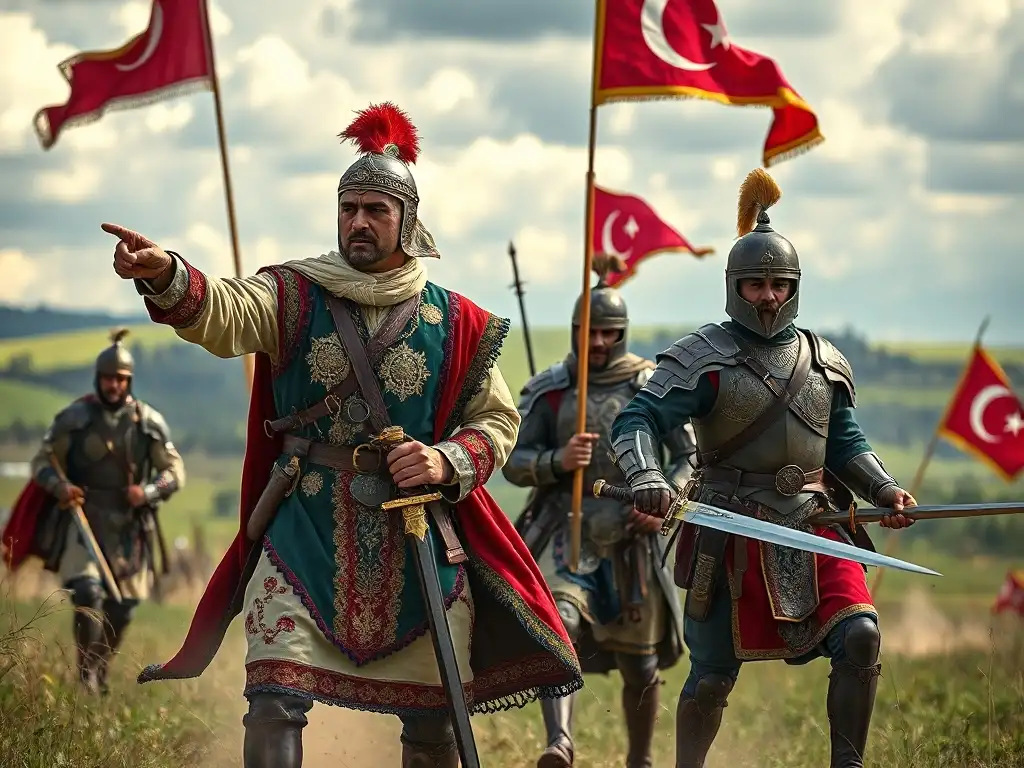
Welcome to Ancient India History, where we embark on a captivating journey through the vibrant tapestry of India's past. Today, we delve into the intriguing Persian influence on Indian warfare, a fascinating topic that reveals how ancient civilizations interacted and shaped one another. Discover the profound impact of Persian military tactics on Indian strategies, and explore the rich cultural exchanges that defined an era. Get ready to uncover the layers of history that continue to resonate in modern times—your adventure into the depths of ancient Indian warfare awaits!
- Introduction to Persian Influence on Indian Warfare
- Historical Context of Persian Influence on Indian Warfare
- Persian Military Strategies Adopted in Indian Warfare
- The Role of Persian Influences in Indian Kingdoms
- Comparative Analysis of Persian and Indian Warfare Tactics
- Legacy of Persian Military Influence on Indian Warfare
- Conclusion: The Enduring Impact of Persian Influence on Indian Warfare
-
Frequently Asked Questions
- What is the significance of Persian influence on Indian warfare?
- How did Persian military tactics differ from those used in India?
- What time period is primarily discussed regarding Persian influence in Indian warfare?
- Can you name any specific battles where Persian influence was evident?
- How did the Gupta Empire respond to Persian military practices?
- Final Reflection: The Enduring Legacy of Persian Influence on Indian Warfare
- Unveil Revolutionary Tactics for Today's Warriors!
Introduction to Persian Influence on Indian Warfare
The interplay between ancient Indian and Persian civilizations is a fascinating chapter in the annals of history, particularly when it comes to military tactics and warfare. The Persian Empire, known for its formidable military organization and innovative strategies, had a profound impact on the way warfare was conducted in India.
By examining the Persian influence on Indian warfare, we can uncover the various ways these two great cultures interacted and shaped each other's military practices. This article delves into the dynamics of this influence, exploring the state of Indian warfare prior to Persian contact and the lasting significance of Persian military tactics in the region.
Overview of Indian Warfare Before Persian Influence
Before the arrival of Persian influence, Indian warfare was characterized by a variety of indigenous tactics and strategies. The ancient Indian subcontinent had a rich tradition of warfare, with regional kingdoms and tribes employing a mix of infantry, cavalry, and chariots. The primary features of Indian warfare during this period included:
- Use of Chariots: Chariots were a prominent feature in early Indian battles, serving as mobile platforms for archers and warriors.
- Infantry and Cavalry: Various kingdoms maintained infantry units composed of foot soldiers and cavalry, which were essential for both offense and defense.
- Fortifications: Cities and forts were commonly constructed, providing strategic advantages and protection against invasions.
- Warrior Codes: The Kshatriya class, responsible for warfare, adhered to specific codes of honor and conduct on the battlefield.
Despite these established practices, Indian warfare was often localized and lacked the centralized coordination seen in larger empires, making it susceptible to innovations introduced by external forces, particularly the Persians.
Significance of Persian Military Tactics in Ancient History
The introduction of Persian military tactics marked a transformative period in Indian warfare. Persian influence brought several key innovations that enhanced the effectiveness and organization of Indian military forces:
- Cavalry Integration: The Persian emphasis on cavalry units, particularly mounted archers, significantly altered the dynamics of Indian warfare. The ability to maneuver quickly and strike effectively changed battle strategies across the subcontinent.
- Strategic Organization: The Persians introduced a more structured approach to military organization, including the use of specialized units for various combat roles, which led to improved coordination in battle.
- Logistics and Supply Lines: Persian military campaigns emphasized the importance of maintaining supply lines and logistics, a practice that Indian kingdoms adopted to sustain their forces during prolonged conflicts.
- Diplomacy and Alliances: Persian tactics included the strategic use of diplomacy to forge alliances, which influenced Indian rulers to adopt similar approaches in their military engagements.
These Persian military innovations not only enhanced the capabilities of Indian armies but also laid the groundwork for future military exchanges and interactions, further enriching the tapestry of Indian warfare and its historical evolution.
By understanding the depth of this influence, we gain valuable insights into how ancient Indian civilization adapted and thrived amidst external pressures, ultimately shaping its unique military legacy.
Historical Context of Persian Influence on Indian Warfare
The Rise of Persian Empires and Their Expansion
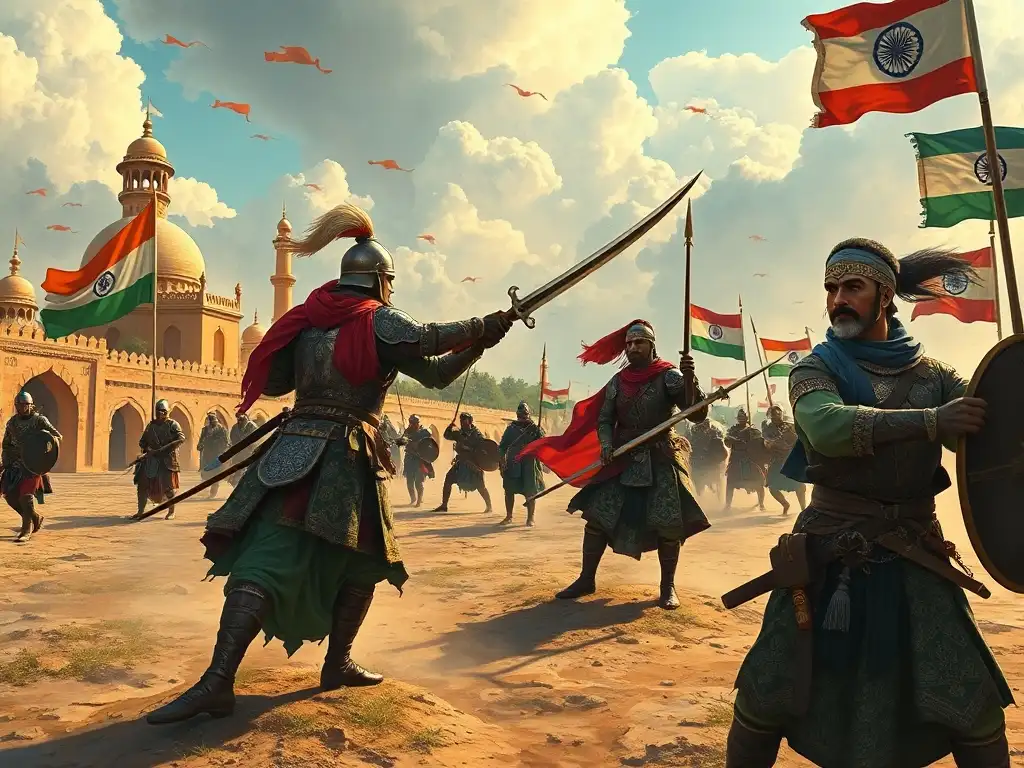
The Persian Empire, particularly during the Achaemenid period (c. 550–330 BCE), marked a significant era of expansion and interaction with neighboring regions, including the Indian subcontinent. The Achaemenid dynasty, founded by Cyrus the Great, established one of the largest empires in ancient history, stretching from the Balkans to the Indus Valley. This vast territorial expanse facilitated military and cultural exchanges that had a lasting impact on Indian warfare tactics.
Persian Military Innovations
The Persian military was renowned for its organization and strategic innovations, which included:
- Cavalry Units: The Persians were among the first to effectively integrate cavalry into their military operations. This tactic allowed for greater mobility and the ability to conduct swift raids across vast territories.
- Use of Archers: Skilled Persian archers were a formidable force on the battlefield, often deployed to soften enemy formations before a direct engagement.
- Logistics and Supply Lines: The Persians excelled in maintaining supply lines, which ensured their armies could operate far from home. This focus on logistics is a tactical element that influenced Indian military strategy.
The Persian approach to warfare emphasized flexibility and adaptability, traits that were observed and gradually adopted by Indian rulers during and after their interactions with Persian forces.
Key Interactions Between Persian and Indian Civilizations
The interactions between Persian and Indian civilizations were multi-faceted, involving trade, diplomacy, and military alliances that evolved over centuries.
Historical Encounters
- The Achaemenid Conquest of the Indus Valley: The Persian Empire's expansion under Darius I included the conquest of parts of the northwestern Indian subcontinent, specifically the regions of Gandhara and the Indus Valley. This encounter led to direct military and cultural exchanges.
- Cultural Assimilation: The infiltration of Persian administrative practices into Indian governance systems is notable. The introduction of a bureaucratic structure and coinage influenced the Indian political landscape. Indian rulers began to adopt Persian military tactics, which were evident in the incorporation of cavalry units into their armies.
Notable Figures and Events
- Darius' Invasions: Historical records indicate that Darius I launched expeditions into India, which served not only military purposes but also aimed at establishing trade routes. These expeditions facilitated the flow of goods and ideas between the two civilizations.
- The Mauryan Empire: The rise of the Mauryan Empire under Chandragupta Maurya saw further Persian influence, particularly during the reign of Ashoka. The Mauryan military adopted several Persian techniques, which contributed to their expansion and dominance in the region.
Conclusion
The Persian influence on Indian warfare is a testament to the profound impact of intercultural exchanges in ancient times. The tactical innovations, military organization, and administrative practices introduced by the Persians were assimilated into Indian strategies, shaping the course of Indian military history. This dynamic relationship not only transformed warfare but also laid the groundwork for future interactions between the two civilizations, highlighting the importance of Persian contributions to the evolution of Indian military tactics.
Persian Military Strategies Adopted in Indian Warfare
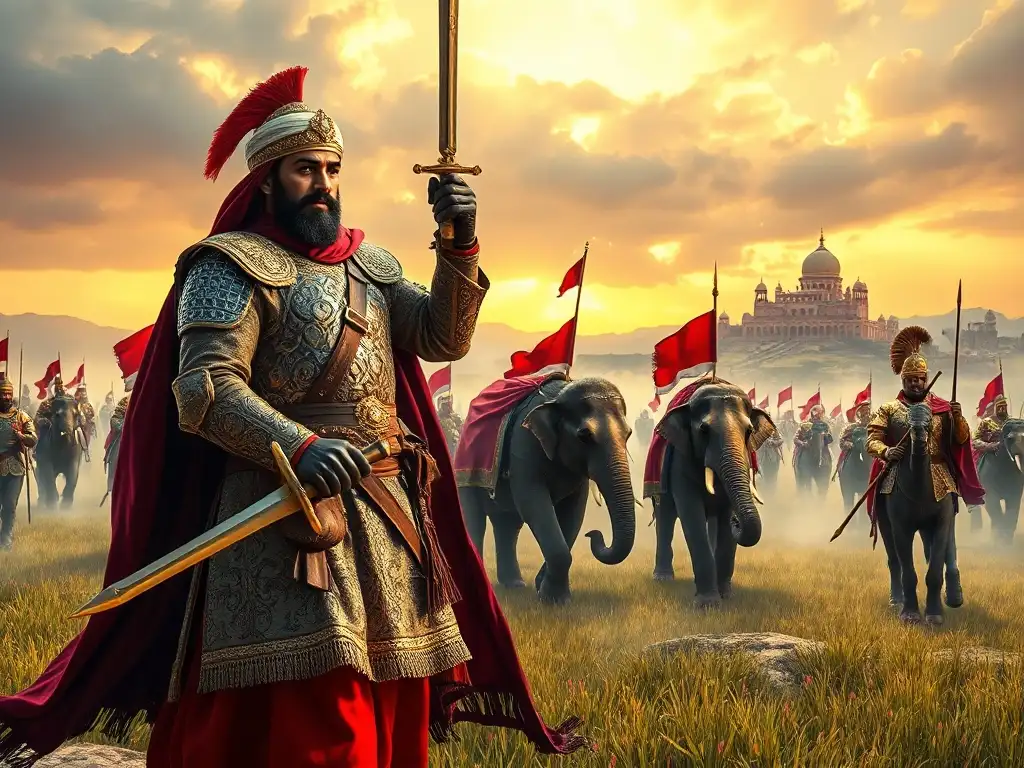
The influence of Persian military strategies on Indian warfare is a fascinating aspect of ancient history that highlights the interconnectedness of civilizations. As various Indian kingdoms encountered Persian empires, they adopted and adapted several military practices, which not only enhanced their own capabilities but also reshaped the nature of warfare on the subcontinent. This section explores the key elements of Persian military tactics that found resonance in Indian warfare.
Overview of Persian Military Organization and Structure
The Persian military was renowned for its structured organization and effective command hierarchy, which played a crucial role in its success across vast territories. Central to this organization was the "Immortal" unit, an elite corps that ensured a steady supply of trained soldiers. The Persian military was divided into various segments, including:
- Infantry: Formed the backbone of the army, equipped with a range of weapons like spears, bows, and swords.
- Cavalry: Essential for mobility and rapid strikes, Persian cavalry units often included heavily armed horsemen.
- Chariots: Used in battle for both offense and defense, they provided a platform for archers and other troops to launch attacks while remaining mobile.
The incorporation of such a structured approach into Indian military practices allowed Indian rulers to enhance their armies' effectiveness significantly. For instance, Mauryan and Gupta empires adopted similar units and formations, reflecting this organizational influence.
Key Tactics and Techniques Influenced by Persian Warfare
The strategic prowess of the Persian military introduced several key tactics and techniques that were assimilated into Indian warfare. These adaptations not only improved the efficiency of Indian armies but also facilitated more effective responses to external threats.
Cavalry and Chariotry Innovations
One of the most notable influences of Persian military strategies on Indian warfare was in the realm of cavalry and chariotry. The Persians excelled in the use of cavalry units, which were critical for their mobility in battle. This innovation led to several developments in Indian warfare, including:
- Heavy Cavalry Units: Indian kingdoms began to form their own heavy cavalry divisions, inspired by Persian designs, which included armored units capable of striking fear into the enemy.
- Chariot Warfare: The Persian use of chariots, often manned by archers, prompted Indian rulers to enhance their own chariot units, leading to more dynamic and versatile battlefield tactics.
This integration of cavalry and chariotry not only increased the speed of warfare but also improved tactical options available to Indian commanders, allowing for flanking maneuvers and rapid retreats when necessary.
Siege Warfare and Fortification Strategies
Another critical area of Persian influence was in siege warfare and fortification strategies. Persians were adept at besieging fortified cities, employing techniques that Indian kingdoms adopted to protect and expand their territories. Key elements included:
- Advanced Siege Equipment: The introduction of catapults, battering rams, and siege towers transformed Indian approaches to warfare, enabling them to lay siege effectively.
- Fortification Techniques: Persian methods of constructing and reinforcing fortifications inspired Indian rulers to build stronger, more resilient forts. The use of walls, moats, and strategic positioning became common, enhancing defensive capabilities.
These adaptations not only fortified Indian cities but also allowed for more strategic planning during military campaigns, making sieges a vital aspect of warfare in ancient India.
The Persian influence on Indian warfare is a testament to the dynamic exchanges between civilizations. By adopting and modifying Persian military strategies, Indian kingdoms were able to enhance their military capabilities, leading to significant developments in their warfare techniques that shaped the history of the subcontinent.
The Role of Persian Influences in Indian Kingdoms
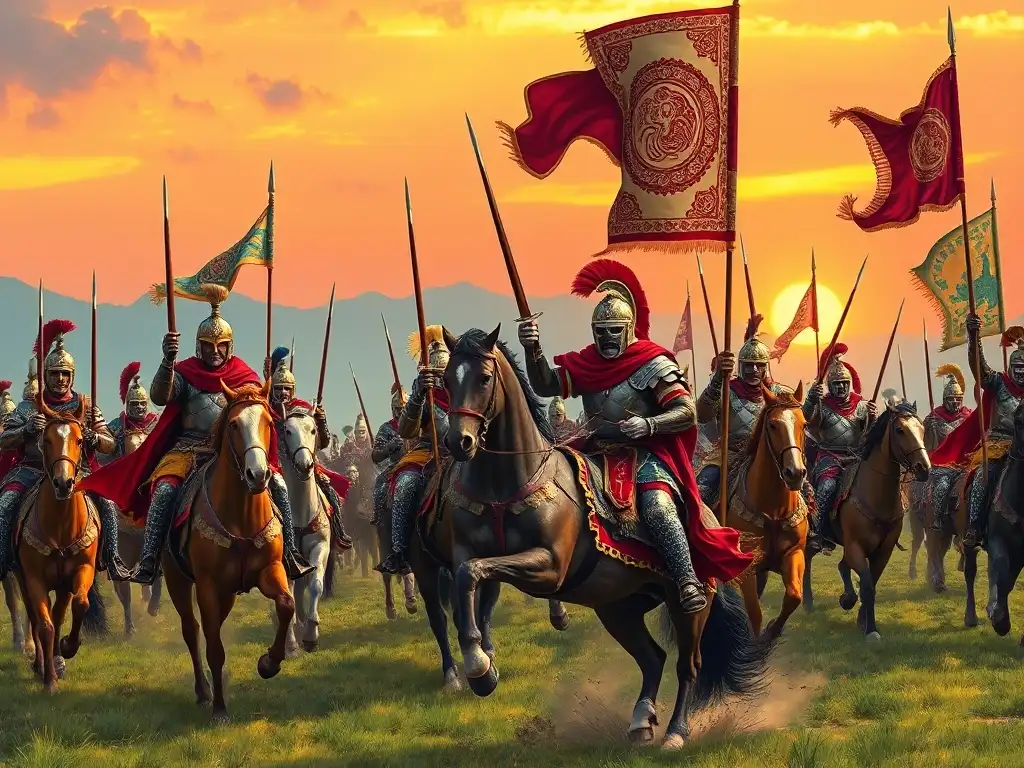
The Persian influence on Indian warfare is a fascinating aspect of the historical interactions between these two great civilizations. The arrival of Persian military tactics and technologies significantly altered the landscape of Indian warfare, particularly during the periods of the Maurya and Gupta Empires. These influences were not limited to the battlefield alone; they extended to aspects of administration, diplomacy, and culture, shaping the overall military strategies of Indian kingdoms.
Major Indian Kingdoms Impacted by Persian Warfare Tactics
The Maurya Empire
The Maurya Empire (circa 322-185 BCE) stands out as one of the earliest Indian kingdoms to exhibit significant Persian military influences. Under the reign of Chandragupta Maurya, who established the empire with the help of his mentor Chanakya, several elements of Persian warfare were integrated into the Mauryan military system.
- Use of War Elephants: The Persians had a sophisticated approach to using war elephants, which the Mauryas adopted and enhanced. These massive creatures became integral to their military formations, serving both as a psychological weapon and a physical force on the battlefield.
- Cavalry and Archery: The incorporation of Persian cavalry tactics, particularly the use of mounted archers, transformed the Mauryan army. This tactical shift allowed for greater mobility and ranged combat, giving them an advantage in various confrontations.
- Siege Warfare: The Mauryas also learned advanced siege techniques from the Persians, which facilitated the successful capture of fortified cities.
The combination of these tactics enabled the Maurya Empire to expand its territory significantly, illustrating the profound impact of Persian military strategies.
The Gupta Empire
The Gupta Empire (circa 320-550 CE) is often referred to as the "Golden Age of India," marked by unprecedented achievements in arts, science, and military organization. The Persian influence during this period was evident in several key areas:
- Military Organization: Gupta rulers implemented a more structured military hierarchy that mirrored the Persian model. This organization included specialized units such as cavalry, infantry, and war elephants, allowing for a more coordinated approach to warfare.
- Diplomacy and Alliances: The Gupta emperors engaged in diplomatic relations with Persian rulers, leading to exchanges of military knowledge and tactics. These interactions facilitated the adaptation of Persian strategies, such as the use of feigned retreats and ambush tactics.
- Cultural Exchange: The Persian influence extended beyond military tactics to include art and culture. The Gupta period saw the incorporation of Persian motifs in architecture and coinage, reflecting the blending of these two rich traditions.
The ability of the Gupta Empire to adapt and innovate upon Persian military tactics contributed to its successes in both defense and expansion.
Case Studies of Persian Influence in Specific Battles
The impact of Persian military tactics can be observed in several significant battles throughout Indian history. These case studies highlight specific instances where Persian influence was notably effective.
- The Battle of Chandawar (c. 1030 CE):
- This battle saw the forces of Mahmud of Ghazni, a Persian ruler, confront the Rajputs. Mahmud employed a combination of cavalry charges and archery, tactics influenced by traditional Persian methods, which ultimately led to a decisive victory.
- The Battle of Tarain (1191 CE):
- In this confrontation, Muhammad Ghori faced Prithviraj Chauhan. Ghori's use of tactical feigned retreats, a hallmark of Persian warfare, played a crucial role in his victory, demonstrating how Persian strategies could decisively turn the tide of battle.
- The Siege of Kanauj (c. 1033 CE):
- During this siege, Persian siege techniques, including the use of catapults and battering rams, were employed effectively against the fortified city. The siege exemplified the transformation of Indian military practices under Persian influence.
These case studies underscore the significant role that Persian military strategies played in shaping the course of Indian warfare, emphasizing the enduring legacy of these interactions. The integration of Persian tactics into Indian military practices not only enhanced the effectiveness of Indian armies but also fostered a rich exchange of cultural and military knowledge between two great civilizations.
Comparative Analysis of Persian and Indian Warfare Tactics
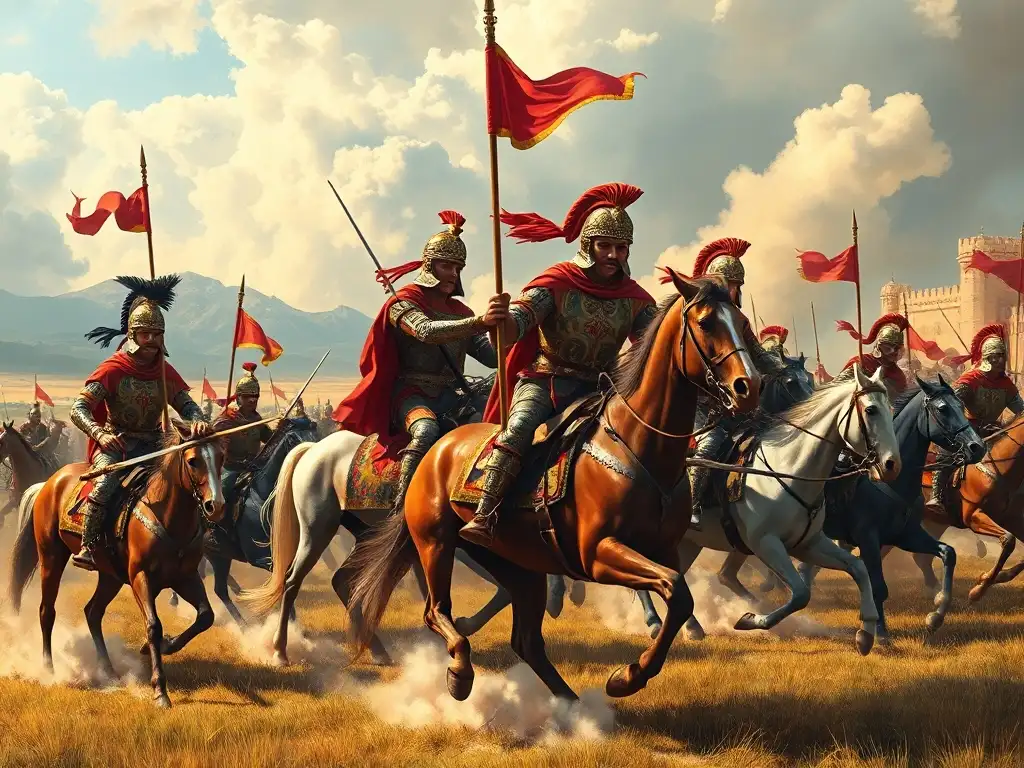
The interaction between Persian and Indian civilizations led to significant developments in military tactics and strategies. Both cultures had their own unique approaches to warfare, yet their exchanges fostered a rich tapestry of military evolution. This comparative analysis will explore the similarities and differences in their warfare tactics, as well as the lasting impact of Persian influence on Indian military practices.
Similarities in Military Strategies
Both Persian and Indian military strategies exhibited notable similarities, primarily due to the cross-cultural exchanges that took place over centuries. Some of the key similarities include:
-
Use of Cavalry:
Both civilizations recognized the importance of cavalry in warfare. Persian armies, renowned for their horse archers, influenced Indian kings to incorporate similar units. The mobility and speed provided by cavalry units became central to both cultures' military strategies.
-
Siege Warfare Techniques:
The Persians were adept at siege warfare, employing advanced techniques such as the use of siege towers and battering rams. Indian kingdoms, particularly those in northern India, began to adopt these methods, enhancing their capabilities to besiege fortified cities.
-
Logistics and Supply Lines:
The organization of supply lines was crucial for sustaining military campaigns. Both Persian and Indian armies developed sophisticated logistics systems to ensure their troops were well-supplied. This included strategic placement of supply depots and the use of local resources.
-
Use of Elephants:
While elephants were primarily an Indian innovation, Persian armies recognized their value on the battlefield. The integration of war elephants into Persian tactics reflected an understanding of Indian warfare, blurring the lines between the two cultures' military practices.
Differences in Tactical Approaches
Despite the similarities, there were significant differences in how Persian and Indian armies approached warfare. These differences stemmed from their unique geographical, cultural, and political contexts:
-
Battlefield Formation:
Persian armies often employed a more structured and hierarchical formation, with a clear chain of command. In contrast, Indian tactics were typically more fluid, allowing for improvisation based on the battlefield dynamics. This flexibility enabled Indian commanders to adapt quickly to changing circumstances.
-
Emphasis on Archery:
Persian warfare heavily emphasized archery, particularly from horseback. While archery was also a component of Indian warfare, Indian armies often favored close combat and melee tactics, especially with the use of swords and spears. This difference influenced how battles were fought and resolved.
-
Naval Warfare:
The Persians were known for their naval capabilities, particularly in controlling trade routes and conducting maritime operations. In contrast, Indian warfare was predominantly land-based, with limited emphasis on naval confrontations until later periods.
-
Strategic Objectives:
Persian military campaigns were often characterized by a desire for territorial expansion and control over trade routes. Indian warfare, particularly during the Maurya and Gupta periods, frequently focused on unifying diverse regional powers and establishing political stability through alliances.
The Evolution of Warfare in India Post-Persian Influence
The Persian influence on Indian warfare extended beyond immediate tactical adaptations; it catalyzed a broader evolution in military practices. Following the Persian incursions and interactions, several key developments emerged:
-
Integration of New Technologies:
The introduction of Persian military technologies and tactics led to the modernization of Indian warfare. This included improved siege techniques and the adoption of more sophisticated weaponry, enhancing the overall effectiveness of Indian armies.
-
Formation of New Military Units:
The blending of Persian and Indian military traditions resulted in the creation of new military units, such as the incorporation of cavalry and trained archers into Indian forces. These units became instrumental in various regional conflicts and power struggles.
-
Cultural Exchange and Military Treatises:
The interaction between Persian and Indian scholars facilitated the exchange of military knowledge. Treatises on warfare, strategies, and tactics emerged, further influencing the evolution of Indian military thought.
-
Rise of Regional Powers:
The Persian influence contributed to the rise of several powerful regional kingdoms in India. As these kingdoms adopted and adapted Persian military strategies, they enhanced their capabilities, leading to increased competition and conflict across the subcontinent.
The Persian influence on Indian warfare was multifaceted, fostering a rich interplay of military tactics and strategies that shaped the evolution of warfare in ancient India. The convergence of these cultures not only impacted immediate military practices but also laid the groundwork for future developments in the region's historical narrative.
Legacy of Persian Military Influence on Indian Warfare
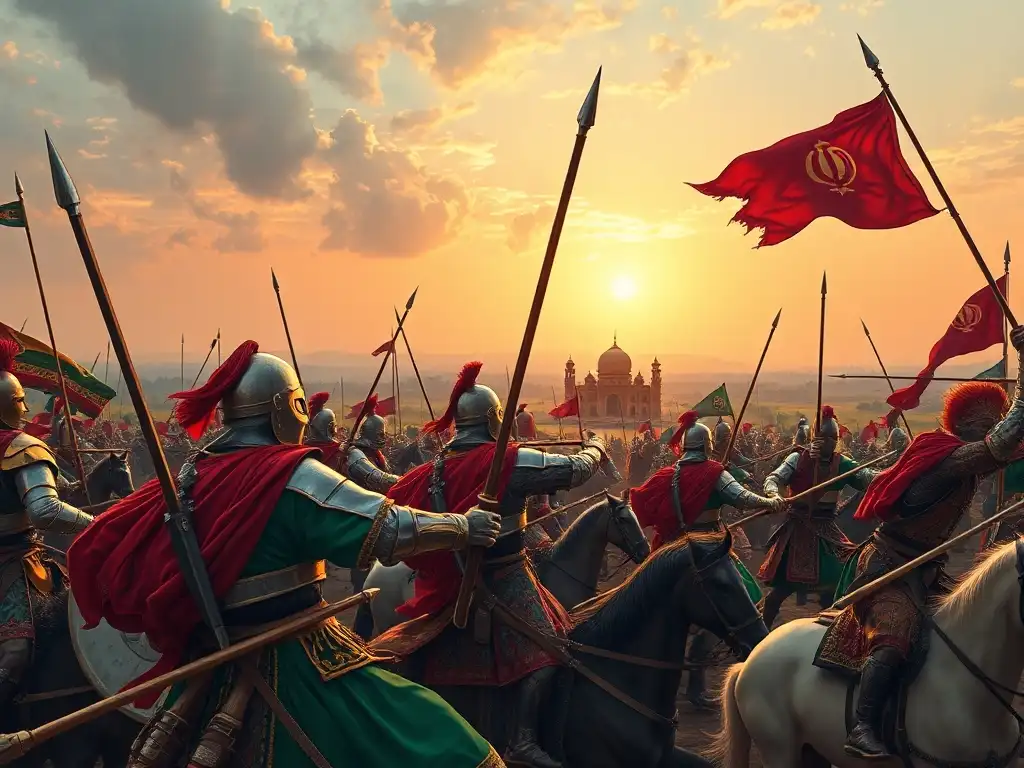
The Persian influence on Indian warfare is a fascinating subject that highlights the intricate interactions between these two ancient civilizations. This influence can be traced back to various periods, particularly during the Achaemenid Empire and the subsequent interactions through trade, diplomacy, and military conquests. The Persian military strategies, organization, and technologies left a lasting legacy on Indian warfare that is still evident in various historical records and military traditions.
Long-Term Effects on Indian Military Traditions
The Persian model of warfare introduced several key elements that significantly impacted Indian military traditions. Some of these long-term effects include:
- Cavalry Tactics: The Persians were known for their highly mobile cavalry units, which played a crucial role in their military success. Indian armies began to adopt similar tactics, emphasizing the use of cavalry for rapid strikes and flanking maneuvers. This adaptation can be seen in the Mauryan and Gupta empires, where cavalry units became essential components of their military forces.
- Siege Warfare: The Persians excelled in siege tactics, employing techniques such as the use of siege engines and the construction of fortifications. Indian states learned from these strategies, as evidenced by the advanced fortifications built during the medieval period. The use of siege towers and battering rams became commonplace in Indian warfare, showcasing the Persian influence on these tactics.
- Military Organization: Persian armies were known for their structured organization, with a clear hierarchy and specialized units. Indian military leaders began to implement similar organizational principles, creating more effective and disciplined fighting forces. This shift contributed to the ability of Indian states to mobilize and sustain larger armies, which became particularly important during conflicts with foreign invaders.
- Use of Archery and Projectile Weapons: Persian archers were renowned for their skill and effectiveness on the battlefield. The integration of advanced archery techniques and the development of composite bows in Indian armies can be traced back to Persian influence. This advancement allowed Indian warriors to engage enemies from a greater distance, enhancing their combat effectiveness.
Influence on Subsequent Indian Empires and Warfare
The Persian influence on Indian warfare not only shaped immediate military practices but also had a profound impact on subsequent Indian empires. The following points illustrate this influence:
- The Mauryan Empire: Under Chandragupta Maurya, the influence of Persian military strategies became evident as he sought to consolidate and expand his empire. The use of cavalry, advanced siege techniques, and organized military structures can be linked to Persian practices, which allowed the Mauryan Empire to become one of the largest in ancient India.
- The Gupta Empire: The Gupta period saw a further refinement of military tactics influenced by Persian methods. The Gupta rulers employed a combination of infantry, cavalry, and war elephants, optimizing these forces for both defense and expansion. The strategic deployment of these units was reminiscent of Persian battle formations, showcasing a continued legacy of Persian military thought.
- Medieval and Mughal Warfare: The arrival of the Mughals in India brought a resurgence of Persian military traditions. The Mughal Empire adopted and adapted Persian warfare methods, including the use of artillery and organized cavalry units. The integration of these tactics proved instrumental in establishing Mughal dominance over vast territories in India.
- Cultural Exchange: Beyond military tactics, the Persian influence extended to cultural and political realms, where Persian art, literature, and administrative practices were integrated into Indian society. This cultural amalgamation often manifested in military ceremonies and the portrayal of warfare in art and literature, further solidifying the Persian legacy in Indian history.
The Persian influence on Indian warfare is a testament to the profound impact of intercultural exchanges in ancient times. The adaptations and innovations inspired by Persian military strategies not only reshaped Indian military practices but also laid the groundwork for the evolution of subsequent empires, making this influence a pivotal chapter in the history of warfare in India.
Conclusion: The Enduring Impact of Persian Influence on Indian Warfare
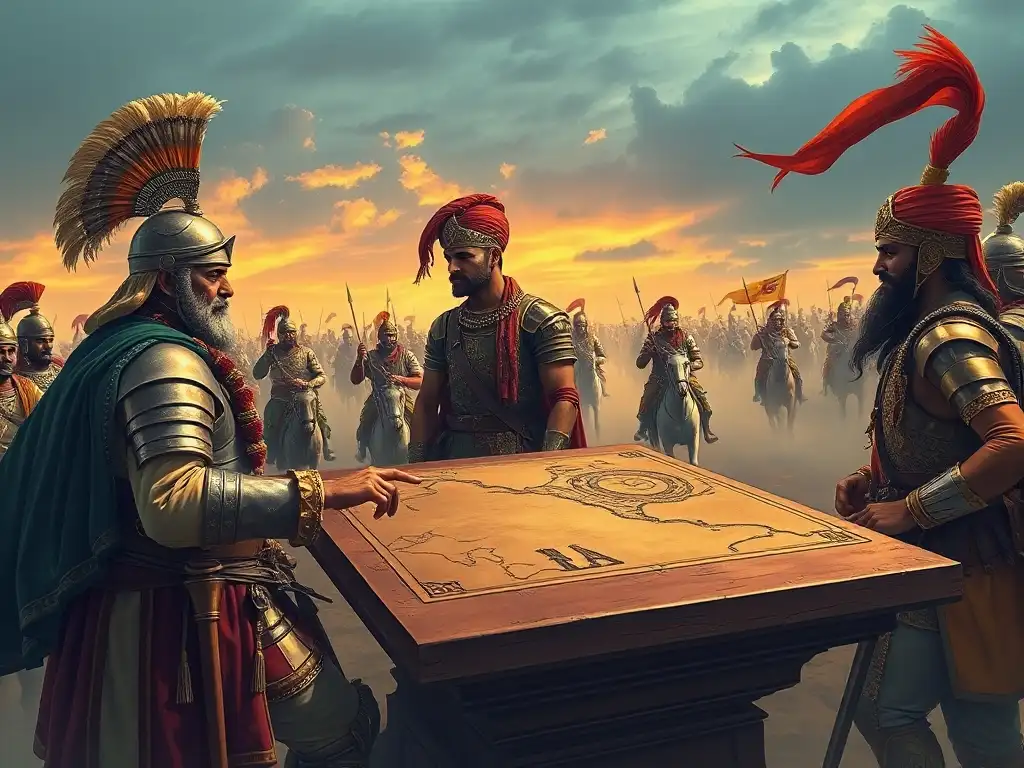
The Persian influence on Indian warfare represents a significant chapter in the history of military tactics and strategies utilized in the Indian subcontinent. The interactions between Persian empires and Indian kingdoms facilitated not only the exchange of military knowledge but also the transfer of cultural elements that shaped the way warfare was conducted in India. This cross-pollination of ideas is evident in various aspects of military organization, weaponry, and battlefield strategies that emerged during and after the Persian contact.
Summary of Key Points
- Military Organization: Persian military structures introduced more systematic formations and hierarchical command structures, which were later adopted and adapted by Indian rulers. This shift allowed for better coordination and efficiency in military campaigns.
- Tactics and Strategies: The Persians emphasized the use of cavalry and archers, which influenced Indian warfare. Indian armies began to incorporate these tactics, resulting in more dynamic and versatile combat strategies that were effective in various terrains.
- Weaponry and Technology: Persian innovations in metallurgy and weapon design contributed to advancements in Indian arms. The introduction of specific types of swords, shields, and siege equipment enhanced the capabilities of Indian warriors.
- Cultural Exchange: The blending of Persian and Indian cultures fostered a unique military ethos that influenced not just warfare but also the way military leaders were perceived in society. This included the adoption of Persian titles and rituals among Indian nobility.
- Long-Term Effects: The enduring impact of Persian military influence can be seen in subsequent Indian dynasties, particularly during the Mughal era, where Persian tactics were further refined and integrated into Indian warfare.
Reflection on the Importance of Cross-Cultural Military Exchange
The cross-cultural military exchange between Persia and India is a prime example of how civilizations can mutually benefit from shared knowledge and practices. Such interactions not only enhance military effectiveness but also foster greater understanding and cooperation between diverse cultures. The Persian influence on Indian warfare serves as a reminder of the interconnectedness of ancient societies and the profound effects these connections can have on military evolution.
In a broader context, recognizing the importance of these exchanges encourages a more nuanced view of history, illustrating how borders are often permeable to ideas, technologies, and practices. This reflection on cross-cultural military dynamics highlights the significance of collaboration in shaping not just military tactics but also the cultural identities of nations. As we examine the historical tapestry of interactions between civilizations, the Persian influence on Indian warfare stands out as a testament to the power of cultural exchange in the realm of conflict and strategy.
Frequently Asked Questions
What is the significance of Persian influence on Indian warfare?
The Persian influence brought advanced military strategies and tactics to India, enhancing the effectiveness of Indian armies during the ancient period.
How did Persian military tactics differ from those used in India?
Persian tactics emphasized cavalry and archery, which contrasted with the more traditional infantry-focused Indian strategies prevalent before their influence.
What time period is primarily discussed regarding Persian influence in Indian warfare?
The article mainly covers the time from the Indus Valley civilization to the Gupta Empire, highlighting significant military interactions during these eras.
Can you name any specific battles where Persian influence was evident?
Though the article doesn't list individual battles, it notes that the introduction of Persian military units and tactics improved outcomes in various conflicts throughout ancient India.
How did the Gupta Empire respond to Persian military practices?
The Gupta Empire adapted certain Persian tactics, incorporating them into their own strategies, which contributed to their military success and territorial expansion.
Final Reflection: The Enduring Legacy of Persian Influence on Indian Warfare
The intricate tapestry of Persian influence on Indian warfare tactics remains profoundly relevant today, as it not only shaped historical military strategies but also laid the groundwork for cultural exchanges that continue to resonate in modern times. The confluence of Persian and Indian military practices illustrates how interconnected our histories are, reminding us that the lessons learned from the past can inform our present and future.
Clearly, the Persian influence on Indian warfare has left an indelible mark on the subcontinent's military landscape, enriching it with diverse strategies and techniques. This blending of cultures not only transformed how battles were fought but also fostered a spirit of collaboration and innovation. History is not just about the past; it is a bridge to understanding our present and shaping our future.
This ongoing influence invites us to explore how historical interactions can inspire contemporary approaches to conflict resolution and cooperation.
As we reflect on the significance of Persian military strategies in shaping Indian warfare, let us embrace the lessons of adaptability, innovation, and cultural exchange. I encourage you to consider how these historical influences can inspire your own actions today. Whether in personal conflicts or broader societal challenges, recognizing the value of diverse perspectives can lead to more effective solutions and a deeper understanding of our shared human experience.
Unveil Revolutionary Tactics for Today's Warriors!
Thank you for diving into the fascinating world of Persian military influence on Indian warfare tactics. We hope you gained valuable insights into how these historical strategies can still inspire modern approaches to conflict and leadership. Now, it’s time to take what you’ve learned and put it into action!
Here are some exciting ways you can continue exploring this theme and harness the wisdom of the past:
- Reflect on a historical battle: Choose a significant battle that showcases Persian strategies and analyze its tactics. Consider how these insights could be applied in contemporary scenarios.
- Join a discussion group: Find or initiate a forum focused on ancient military strategies, where you can exchange ideas with fellow enthusiasts or researchers eager to delve deeper into this rich history.
- Share your knowledge: Write a blog post or create social media content that highlights the unexpected parallels you discovered between Persian and Indian tactics.
What insights about the blending of cultures and military strategies will you carry forward in your own life? We invite you to share your thoughts!