
The Role of Vedic Texts in Shaping Hindu Ethics and Morality


Welcome to Ancient India History, where we delve into the fascinating tapestry of ancient Indian civilizations and their profound contributions to our world. In this exploration, we uncover the pivotal influence of Vedic texts on Hindu ethics and morality, a topic that has shaped not just a religion, but a culture that thrives even today. Prepare to embark on a journey through time as we unravel the intricate connections between these sacred writings and the ethical frameworks that guide millions.
Are you ready to discover how ancient wisdom continues to resonate in modern life? Let’s dive deeper into this captivating narrative!
Introduction to Vedic Texts and Their Significance
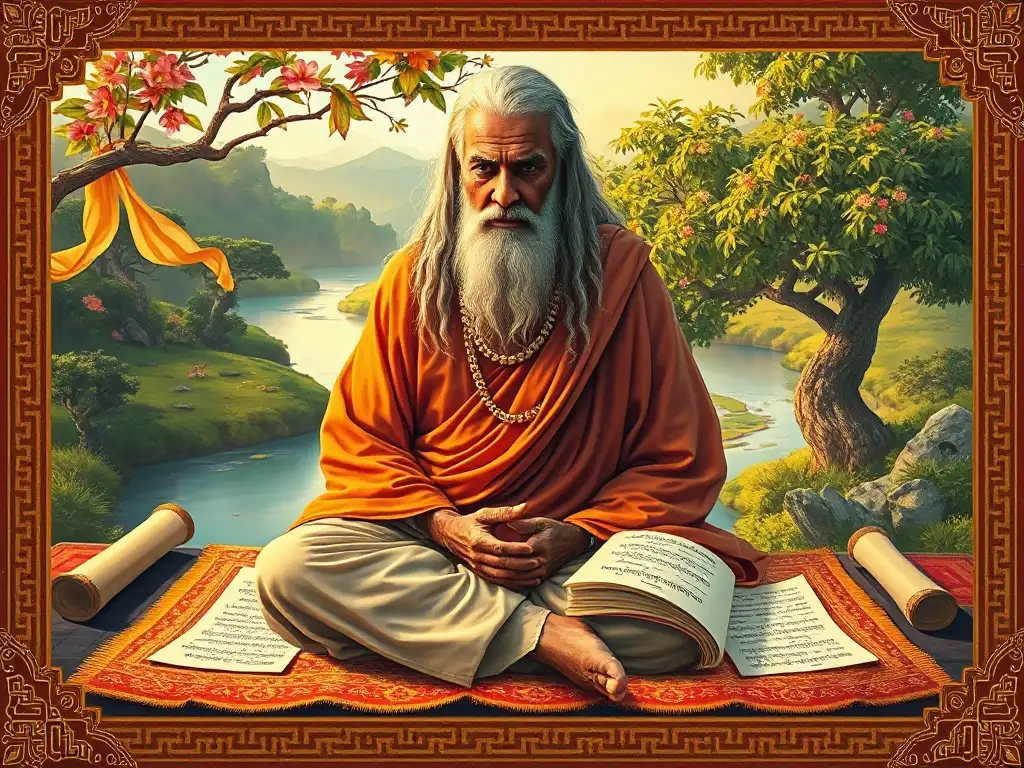
The Vedic texts, composed between approximately 1500 and 500 BCE, represent one of the foundational pillars of ancient Indian civilization and are crucial for understanding the development of Hindu ethics and morality. These texts, primarily written in Sanskrit, encompass a vast body of literature including hymns, rituals, philosophical discourses, and guidelines for ethical living.
As the earliest sacred scriptures of Hinduism, the Vedas not only provide insights into the spiritual and ritualistic practices of ancient India but also establish a framework for moral conduct and social responsibilities. The influence of Vedic literature extends beyond religious contexts, permeating various aspects of Indian culture, philosophy, and law, thereby shaping the ethical landscape of society for centuries.
Overview of Vedic Literature and Its Components
Vedic literature consists of four major texts: the Rigveda, Samaveda, Yajurveda, and Atharvaveda. Each of these texts has distinct components and purposes:
- Rigveda: A collection of hymns dedicated to various deities, exploring themes of creation, nature, and human existence.
- Samaveda: Primarily focused on musical chants and rituals, it serves as a guide for performing sacrifices.
- Yajurveda: Contains prose mantras and instructions for the performance of rituals, emphasizing the practical aspects of worship.
- Atharvaveda: A more diverse text that includes spells, incantations, and philosophical discussions, addressing everyday life and moral questions.
These texts collectively embody the spiritual and ethical teachings of ancient India, reflecting the values and norms that governed society.
Importance of Vedic Texts in Ancient Indian Culture
The Vedic texts were not merely religious scriptures; they were instrumental in forming the cultural and ethical fabric of ancient Indian society. They provided a comprehensive moral framework that guided individuals in their personal and communal lives.
- Ethical Principles: Concepts such as Dharma (duty/righteousness), Rta (cosmic order), and Samskara (rituals marking life stages) are rooted in Vedic teachings, forming the basis for ethical behavior.
- Social Structure: Vedic texts helped establish the Varna system (social classes), which shaped societal roles and responsibilities, influencing the moral compass of communities.
- Philosophical Inquiry: Many Vedic texts engage in philosophical discussions that question the nature of existence, morality, and the universe, fostering a culture of intellectual exploration.
Historical Context of Vedic Texts
Understanding the historical context of the Vedic texts is essential to appreciate their role in shaping Hindu ethics and morality. The evolution of these texts is closely linked to the socio-political and cultural developments of ancient India.
Timeline of Vedic Texts in Ancient India
The formation and codification of Vedic texts occurred over several centuries, marked by significant historical milestones:
- 1500-1200 BCE: Composition of the earliest hymns in the Rigveda during the Indo-Aryan migration into India.
- 1200-800 BCE: Development of the Yajurveda and Samaveda, reflecting the increasing complexity of rituals.
- 800-500 BCE: Compilation of the Atharvaveda, representing a shift towards more diverse and practical concerns in society.
This timeline illustrates the gradual evolution of Vedic literature, adapting to the changing needs and values of the society.
Influences of Historical Events on Vedic Writings
The historical backdrop of ancient India played a significant role in shaping the content and focus of Vedic texts. Key events and transitions influenced their themes:
- Cultural Exchanges: Interaction with other civilizations, such as the Indus Valley, enriched Vedic thought and practices.
- Political Changes: The rise and fall of various kingdoms and empires prompted reflections on governance, justice, and social order within Vedic literature.
- Religious Developments: The emergence of new philosophical schools and sects led to dialogues within Vedic texts, allowing for the integration of diverse ethical perspectives.
These historical influences are crucial for understanding how Vedic texts not only reflect the moral values of their time but also contribute to the ongoing discourse on ethics and morality in Hinduism.
Understanding Hindu Ethics and Morality

Hindu ethics and morality represent a rich tapestry woven from ancient scriptures, cultural practices, and philosophical inquiries. At the core of this ethical framework is the interplay between individual duties (dharma), rights, and the overarching goals of human life. Hinduism does not merely present a static set of moral codes; rather, it embraces a dynamic approach where ethical living is aligned with the cosmic order and the individual's stage in life. This understanding is deeply embedded in the Vedic texts, which serve as foundational scriptures guiding moral conduct and ethical decision-making.
Definition of Ethics and Morality in Hinduism
In Hinduism, ethics refers to the principles that govern behavior, encompassing duties and obligations that an individual has to society, family, and themselves. Morality, on the other hand, pertains to the differentiation between right and wrong, often informed by cultural norms and spiritual teachings. The Vedic texts articulate these concepts through various narratives and teachings, emphasizing the importance of living a life that is not only beneficial to oneself but also harmonious with the community and the universe. Thus, Hindu ethics is characterized by a holistic approach that integrates personal virtue with societal well-being.
Key Concepts of Hindu Ethics Derived from Vedic Texts
The Vedic texts lay down several key concepts that form the bedrock of Hindu ethics:
- Dharma: The principle of duty and righteousness, which varies based on one’s age, caste, and gender.
- Karma: The law of cause and effect, emphasizing that one's actions dictate future experiences.
- Ahimsa: The principle of non-violence, which advocates for compassion and respect towards all living beings.
- Satyam: The emphasis on truthfulness, integrity, and honesty in thought, word, and deed.
- Samskara: The rites of passage that reinforce ethical behavior and societal values throughout different stages of life.
These principles are not only theoretical; they manifest in the daily lives of practitioners, shaping their interactions and decisions.
Vedic Texts and Ethical Guidelines
Vedic texts serve as crucial sources of ethical guidance, providing frameworks for understanding moral dilemmas and the nature of righteous living. Through hymns, rituals, and philosophical discourse, these texts elucidate the values that should underpin human conduct. The teachings encapsulated in the Vedas encourage adherents to reflect on their actions and their implications for both personal development and societal harmony.
The Four Purusharthas: Goals of Human Life
Central to the ethical teachings of Hinduism are the Four Purusharthas, which represent the essential goals of human life:
- Dharma (Righteousness): Engaging in ethical conduct and fulfilling one's duties.
- Artha (Prosperity): Acquiring wealth and resources in a lawful manner to support oneself and others.
- Kama (Desire): Pursuing pleasure and emotional fulfillment, provided it is aligned with dharma.
- Moksha (Liberation): Striving for spiritual liberation and the ultimate realization of the self beyond material existence.
These goals are interrelated, and achieving them in a balanced manner is essential for a fulfilling life. The Vedic texts articulate how each of these objectives contributes to the overall well-being of an individual and society.
Dharma: The Principle of Righteousness in Vedic Teachings
Dharma is perhaps the most significant ethical concept in Hinduism, intricately linked to the Vedic texts. It encompasses a range of meanings, including law, duty, and morality, and serves as a guiding principle for righteous living. The Vedas outline various forms of dharma, which can be categorized into:
- Sva-dharma: One's personal duty, determined by individual circumstances, including caste, age, and life stage.
- Samanya-dharma: Universal moral principles applicable to all, such as truthfulness and non-violence.
- Varnashrama-dharma: Duties associated with one's caste (varna) and stage of life (ashrama), emphasizing the social dimensions of ethical conduct.
By adhering to dharma, individuals contribute to the cosmic order (Rta), ensuring harmony in their lives and in the world around them. The Vedic texts provide numerous narratives and precepts illustrating the importance of dharma in shaping ethical behavior, making it a cornerstone of Hindu morality.
Vedic Philosophy and Its Ethical Implications
Vedic philosophy is foundational to Hindu thought and lays the groundwork for the ethical framework that governs human behavior and societal norms. Central to this philosophy is the understanding of Dharma, which signifies duty, righteousness, and moral law. The Vedas, particularly through their hymns and rituals, express a profound awareness of the interconnectedness of all existence. This interconnectedness fosters a sense of responsibility towards others and the universe, influencing followers to act in ways that uphold harmony and order.
The Vedic texts emphasize the importance of living in accordance with sattva (truth), rajas (passion), and tamas (ignorance). By cultivating sattva, individuals are encouraged to pursue knowledge, truthfulness, and compassion, which are crucial for ethical living. This philosophical perspective not only informs personal conduct but also shapes collective social ethics, urging communities to maintain a balance between individual desires and societal welfare.
Moreover, the teachings found in the Vedas advocate for an ethical lifestyle that transcends mere adherence to rules. Instead, they promote a deeper understanding of morality rooted in wisdom and the pursuit of a higher truth, thereby influencing generations to reflect on their actions and their implications for themselves and others.
The Role of Brahman and Atman in Ethical Understanding
In Vedic philosophy, the concepts of Brahman and Atman are pivotal in shaping ethical understanding. Brahman, the ultimate reality, is seen as the source of all existence, while Atman, the individual self, represents the divine spark within every person. This relationship suggests that understanding one's true self (Atman) is equivalent to understanding the universe (Brahman), fostering a sense of unity and interconnectedness.
The realization that Atman is not separate from Brahman encourages individuals to act ethically, as harming others is akin to harming oneself. This intrinsic connection promotes a moral compass that seeks to uphold the welfare of all beings. The Vedic texts articulate that ethical behavior is not merely a duty but a reflection of one's understanding of this relationship, guiding individuals towards a life of virtue and compassion.
As practitioners meditate on the nature of the self and its relationship to the cosmos, they are inspired to embody values such as ahimsa (non-violence) and satya (truthfulness). This deeper understanding ultimately cultivates a society aligned with ethical principles rooted in the essence of existence itself.
The Concept of Karma and Its Moral Consequences
The concept of Karma in Vedic texts serves as a critical ethical principle, signifying that every action has consequences that extend beyond immediate gratification. Originating from the root word meaning "to act," Karma emphasizes the importance of intent in determining the moral weight of actions. The Vedic texts elucidate that positive actions lead to favorable outcomes, while negative actions yield adverse effects, thereby establishing a moral framework that encourages individuals to act with integrity.
Furthermore, the Vedas illustrate that Karma is not just about individual actions; it encompasses collective responsibility. Communities are urged to foster an environment where ethical behavior is prioritized, reinforcing the notion that societal well-being is a reflection of the moral choices made by its members. This collective aspect of Karma highlights the interconnected nature of existence, urging individuals to consider the broader implications of their actions on society and the environment.
In essence, the teachings surrounding Karma provide a compelling incentive for ethical living, as individuals are reminded that their choices shape not only their destiny but also the fate of those around them. By understanding the moral consequences of their actions, followers are motivated to cultivate virtues that enhance personal and communal harmony.
Case Studies of Vedic Texts Influencing Ethical Practices
The Vedic texts have profoundly influenced ethical practices throughout Indian history, with specific passages serving as guiding principles for moral conduct. By analyzing these texts, one can observe how ancient teachings continue to resonate in contemporary ethical discourse.
Analysis of Specific Vedic Passages Shaping Morality
Certain verses from the Vedas highlight ethical precepts that have shaped Hindu morality. For instance, the Rigveda emphasizes the significance of truth and righteousness in the famous verse:
Let us be united; let us speak in harmony; let our mind be in agreement.
This passage underscores the importance of unity and truthfulness, advocating for collaborative efforts in pursuing ethical living. Additionally, the Upanishads delve into concepts of selflessness and compassion, with teachings that encourage individuals to act with concern for all living beings, reinforcing the idea of ahimsa.
These specific passages illustrate how Vedic texts provide a framework for ethical behavior, guiding individuals toward a path of righteousness and moral integrity.
Historical Examples of Vedic Influence on Social Ethics
Throughout history, the influence of Vedic texts on social ethics can be observed in various movements and reforms. For instance, during the Maurya Empire, the teachings of the Vedas inspired leaders like Ashoka to adopt principles of non-violence and compassion in governance. His edicts reflected a commitment to ethical rule, advocating for the welfare of all beings and promoting social justice.
Furthermore, the resurgence of Vedic philosophies during the Bhakti movement in medieval India highlighted the ethical implications of love, compassion, and devotion. Saints such as Kabir and Tulsidas emphasized the importance of personal morality aligned with divine principles, fostering a culture of ethical introspection that remains relevant today.
These historical examples showcase the enduring impact of Vedic texts on social ethics, illustrating how ancient wisdom continues to shape moral frameworks and inspire ethical practices across generations.
Comparison of Vedic Ethics with Other Philosophical Systems

Vedic ethics, deeply rooted in the ancient scriptures of India, provide a framework for understanding moral conduct, duty (dharma), and the pursuit of spiritual knowledge. When compared to other philosophical systems, such as Buddhism and Jainism, as well as contemporary ethical frameworks, Vedic ethics present unique characteristics while also showcasing similarities. This comparison reveals how Vedic texts not only shaped Hindu morality but also influenced neighboring philosophical traditions.
Vedic ethics emphasize the importance of dharma, which is often interpreted as righteousness or moral duty, tailored to an individual's role in society and stage of life. This concept contrasts with the more universal ethical principles found in Buddhism, which stresses the Four Noble Truths and the Eightfold Path as a means to alleviate suffering. Similarly, Jainism's focus on non-violence (ahimsa) and truth (satya) adds another dimension to the discourse on ethics that both aligns with and diverges from Vedic principles.
The examination of these systems highlights how Vedic texts both inform and challenge the ethical frameworks of other traditions, revealing a rich tapestry of moral philosophy that has evolved over centuries in the Indian subcontinent.
Vedic Ethics vs. Buddhist Ethics: A Comparative Analysis
The ethical systems of Vedic texts and Buddhism present a fascinating dichotomy. While both traditions seek to alleviate human suffering and promote moral living, their approaches and foundations differ significantly. Vedic ethics, as articulated in texts like the Rigveda and the Upanishads, are heavily intertwined with the concepts of dharma and social order, emphasizing duties aligned with one's varna (social class) and ashrama (stage of life).
Buddhism, on the other hand, prioritizes personal liberation from the cycle of birth and rebirth (samsara). The ethical teachings in Buddhism are encapsulated in the Five Precepts and the Eightfold Path, which guide adherents towards a life of moderation and mindfulness, devoid of attachments and desires. This contrasts with the Vedic focus on fulfilling societal roles and responsibilities, suggesting a more individualistic approach in Buddhism.
However, both systems share an overarching commitment to compassion and non-violence, reflecting a common cultural heritage. The dialogue between Vedic and Buddhist ethics ultimately enriches the understanding of morality in ancient Indian thought, demonstrating how ethical paradigms can coexist and influence one another.
The Influence of Jainism on Hindu Ethical Thought
Jainism has significantly impacted Hindu ethical thought, particularly through its rigorous emphasis on non-violence (ahimsa) and truthfulness (satya). These principles are not only central to Jain doctrine but have also permeated Hindu practices and moral considerations, especially as articulated in the later Vedic texts and Upanishads.
The Jain commitment to ahimsa, which extends to all living beings, challenges the Vedic tradition's acceptance of ritual sacrifice and the hierarchical society structure. Jain philosophers like Mahavira have inspired Hindu thinkers to reassess the ethical implications of violence and the moral responsibilities towards all forms of life. This influence is evident in the writings of Hindu reformers and philosophers who sought to reconcile Vedic teachings with the Jain ethos of compassion.
Moreover, the cross-pollination of ideas between Jainism and Hinduism has led to a more nuanced understanding of ethics in the context of spiritual practice, advocating for a balance between personal spirituality and social responsibility. The synthesis of these ethical principles has enriched the moral landscape of Hinduism and reflected a broader discourse on ethics in ancient Indian civilization.
Contemporary Relevance of Vedic Texts in Hindu Ethics
In modern times, Vedic texts continue to hold significant relevance in shaping Hindu ethics and morality. As contemporary society grapples with complex ethical dilemmas, the principles enshrined in these ancient scriptures offer timeless wisdom and guidance. The resurgence of interest in Vedic philosophy reflects a quest for grounding ethical practices in a rapidly changing world.
Vedic texts address fundamental questions about duty, righteousness, and the nature of the self, providing a philosophical framework that can be applied to contemporary issues such as environmental ethics, social justice, and personal integrity. By revisiting these texts, individuals and communities can find inspiration to navigate moral challenges while remaining rooted in their cultural heritage.
Modern Interpretations of Vedic Principles
Modern interpretations of Vedic principles are varied and diverse, often reflecting the complexities of contemporary life. Scholars and practitioners alike engage with these texts to extract ethical guidelines that resonate with current moral dilemmas. For instance, the concept of dharma is reinterpreted to address contemporary social issues, including gender equality and environmental stewardship.
Additionally, the emphasis on self-realization and inner purity in Vedic texts has found relevance in discussions around mental health and personal development. Practices such as yoga and meditation, derived from Vedic philosophy, are increasingly recognized for their benefits in fostering ethical living and holistic well-being. These modern adaptations of Vedic teachings illustrate the enduring nature of these ancient texts and their capacity to inform and inspire ethical practices today.
The Role of Vedic Texts in Current Ethical Debates in Hinduism
Vedic texts play a pivotal role in ongoing ethical debates within Hinduism, serving as a reference point for discussions on morality, justice, and societal norms. The principles derived from these texts are often invoked in dialogues concerning caste, gender roles, and the ethics of modern practices such as technology and bioethics.
As contemporary Hindu thinkers grapple with the implications of globalization and cultural change, Vedic texts offer a foundation for re-evaluating ethical standards in light of both tradition and modernity. The interplay between ancient wisdom and contemporary issues fosters a dynamic discourse that encourages critical reflection on how Vedic ethics can inform current practices and beliefs.
By engaging with these texts, Hindu communities can navigate the complexities of modern life while honoring their rich cultural heritage, ensuring that the teachings of the Vedas remain relevant and applicable in today's ethical landscape.
Conclusion: The Enduring Legacy of Vedic Texts on Hindu Ethics
The Vedic texts have played a pivotal role in shaping the ethical and moral frameworks within Hinduism, influencing not only spiritual practices but also societal norms and values. These ancient scriptures, comprising the Rigveda, Samaveda, Yajurveda, and Atharvaveda, present a rich tapestry of thought that encompasses cosmology, philosophy, and ethics. The concepts of Dharma (duty/righteousness), Karma (action and its consequences), and the pursuit of Moksha (liberation) are deeply rooted in Vedic literature, providing a foundational basis for moral reasoning in Hindu culture.
Over time, the teachings embedded in the Vedas have been interpreted and expanded upon by various schools of thought, leading to a complex ethical landscape that emphasizes virtues such as truth, non-violence, compassion, and self-discipline. The enduring legacy of these texts is evident in the way they continue to influence modern Hindu practices, ethical discussions, and the understanding of justice and morality in contemporary society.
Summary of Key Points on Vedic Texts and Morality
- Foundational Concepts: The Vedic texts introduce fundamental concepts such as Dharma, which serves as a guiding principle for moral conduct and social order.
- Karma and Rebirth: The idea that actions have consequences, as elaborated in the Vedas, stresses the importance of ethical behavior and its impact on one’s future lives.
- Rituals and Ethics: The Vedic rituals are not solely ceremonial; they embody ethical principles that foster community cohesion and individual responsibility.
- Influence on Later Texts: The Vedic teachings have significantly influenced later scriptures, including the Upanishads and the Bhagavad Gita, which further elaborate on ethical and moral dilemmas faced by individuals.
- Cultural Integration: The ethical precepts derived from Vedic texts have been integrated into various aspects of Indian culture, including law, governance, and social conduct.
Final Thoughts on the Influence of Vedic Texts in Shaping Ethical Frameworks in Hinduism
The influence of Vedic texts on Hindu ethics is profound and multifaceted. As the bedrock of Hindu philosophy, these scriptures continue to provide insight into the moral dilemmas faced by individuals and societies alike. The ethical frameworks derived from the Vedas underscore the importance of responsibility, virtue, and the interconnectedness of life, guiding adherents in their quest for righteousness.
In today’s rapidly changing world, the teachings of the Vedic texts remain relevant, offering timeless wisdom on navigating ethical challenges. Their enduring legacy not only shapes the moral compass of individuals but also fosters a broader understanding of justice, duty, and harmony within society. Ultimately, the Vedic texts serve as a vital link between ancient wisdom and contemporary ethical discourse, ensuring their place in the ongoing exploration of Hindu ethics and morality.
- Introduction to Vedic Texts and Their Significance
- Overview of Vedic Literature and Its Components
- Importance of Vedic Texts in Ancient Indian Culture
- Historical Context of Vedic Texts
- Understanding Hindu Ethics and Morality
- Vedic Texts and Ethical Guidelines
- Vedic Philosophy and Its Ethical Implications
- Case Studies of Vedic Texts Influencing Ethical Practices
- Comparison of Vedic Ethics with Other Philosophical Systems
- Contemporary Relevance of Vedic Texts in Hindu Ethics
- Conclusion: The Enduring Legacy of Vedic Texts on Hindu Ethics
Frequently Asked Questions
What are Vedic texts?
Vedic texts are ancient scriptures of Hinduism, composed in Sanskrit, that form the foundation of Hindu philosophy, rituals, and ethics.
How do Vedic texts influence Hindu ethics?
The Vedic texts outline moral principles and ethical guidelines that shape the behavior and values of individuals, emphasizing dharma (duty) and righteousness.
What is the significance of the Vedic period in Hindu history?
The Vedic period marks a crucial phase in Hindu history, where foundational beliefs and practices were established, influencing later philosophical and ethical developments.
Can you explain the concept of Dharma in Vedic texts?
Dharma refers to the moral order and duty in life, as described in the Vedic texts, guiding individuals toward ethical living and responsibilities within society.
How do Vedic texts relate to modern Hindu practices?
Many modern Hindu practices and beliefs are rooted in the teachings of the Vedic texts, which continue to inform rituals, morality, and spiritual practices today.
Final Reflection: The Enduring Legacy of Vedic Texts in Shaping Hindu Ethics
The exploration of Vedic texts and their profound influence on Hindu ethics and morality reveals a timeless relevance that resonates in today's complex social landscape. As we navigate the challenges of modern life, the foundational principles embedded in these ancient scriptures continue to guide individuals and communities alike. The wisdom contained within these texts serves as a beacon, illuminating the path toward ethical living and moral integrity in an ever-evolving world.
The impact of Vedic texts extends far beyond their historical context; they have woven themselves into the very fabric of contemporary culture and social norms. The teachings of compassion, duty, and righteousness echo through generations, shaping the moral compass of countless individuals. As Mahatma Gandhi once said, The greatness of a nation and its moral progress can be judged by the way its animals are treated.
This sentiment underscores the ongoing relevance of Vedic principles in fostering a sense of responsibility and ethical awareness in our interactions with all living beings.
As we reflect on the lessons imparted by Vedic texts, I invite you to consider how these ancient teachings can inspire your own ethical journey. Take a moment to ponder the values that guide your decisions and actions. How can the principles of dharma (duty) and ahimsa (non-violence) shape your interactions with others and the world around you? Embrace the opportunity to integrate these timeless teachings into your life, fostering a deeper connection to your ethical responsibilities and contributing to a more compassionate society.
Unveil the Wisdom of Vedic Texts Today!
Thank you for exploring the profound influence of Vedic texts on Hindu ethics and morality. Your engagement with this ancient wisdom enhances your understanding of how these teachings continue to shape our values in contemporary society. Now, let’s take your exploration a step further!
Here are some actionable steps you can take:
- Dive deeper:Read a selected verse from the Vedas and reflect on its ethical implications in your daily life.
- Engage with a community:Join a local or online discussion group focused on Vedic philosophy to exchange ideas and deepen your understanding.
- Share your insights:Post a thought or question about the Vedic texts on your social media or in a community forum to spark a conversation.
Which aspect of Vedic ethics resonates most with you, and how can you apply it to modern life?