
The Influence of Buddhism on Music and Dance in Ancient India

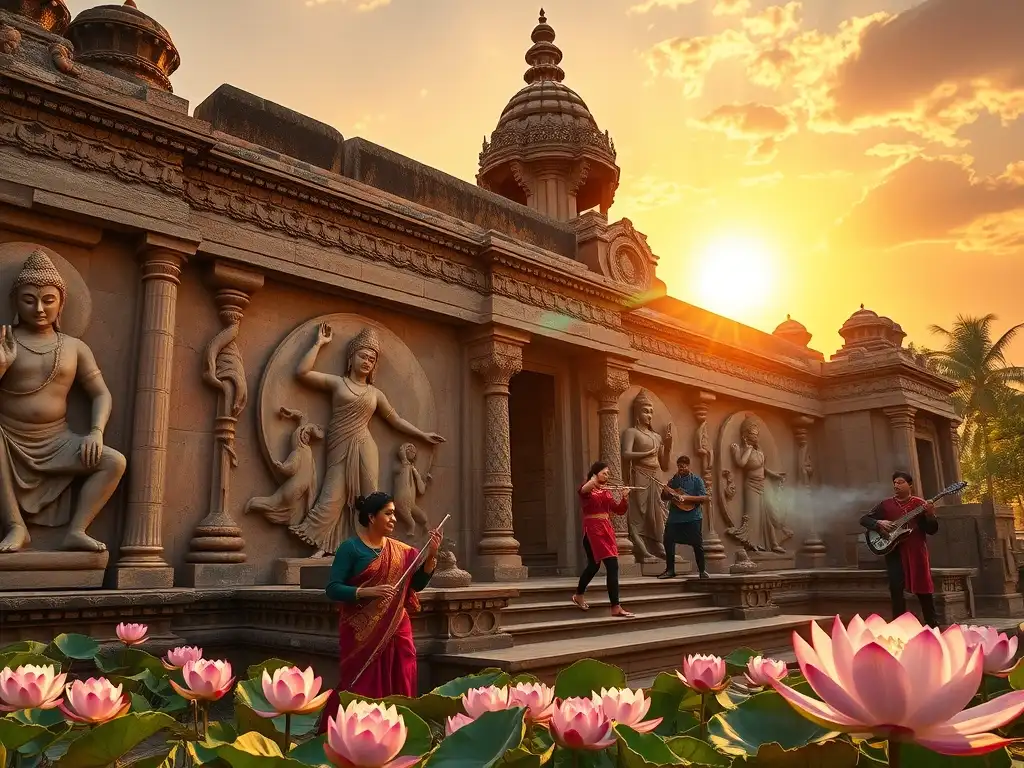
Welcome to Ancient India History, where we embark on an extraordinary journey through the rich tapestry of ancient Indian civilizations. From the bustling streets of the Indus Valley to the scholarly heights of the Gupta Empire, the echoes of the past resonate in every corner of this vibrant culture. In our feature article, “The Influence of Buddhism on Music and Dance in Ancient India,” we delve into how this profound religion shaped the artistic expressions that continue to inspire today.
Prepare to be captivated as we unveil the harmonious blend of Buddhism, music, and dance that defined an era and explore the legacy that remains. Join us as we uncover the stories that have shaped our world!
Introduction to Buddhism and Its Cultural Impact
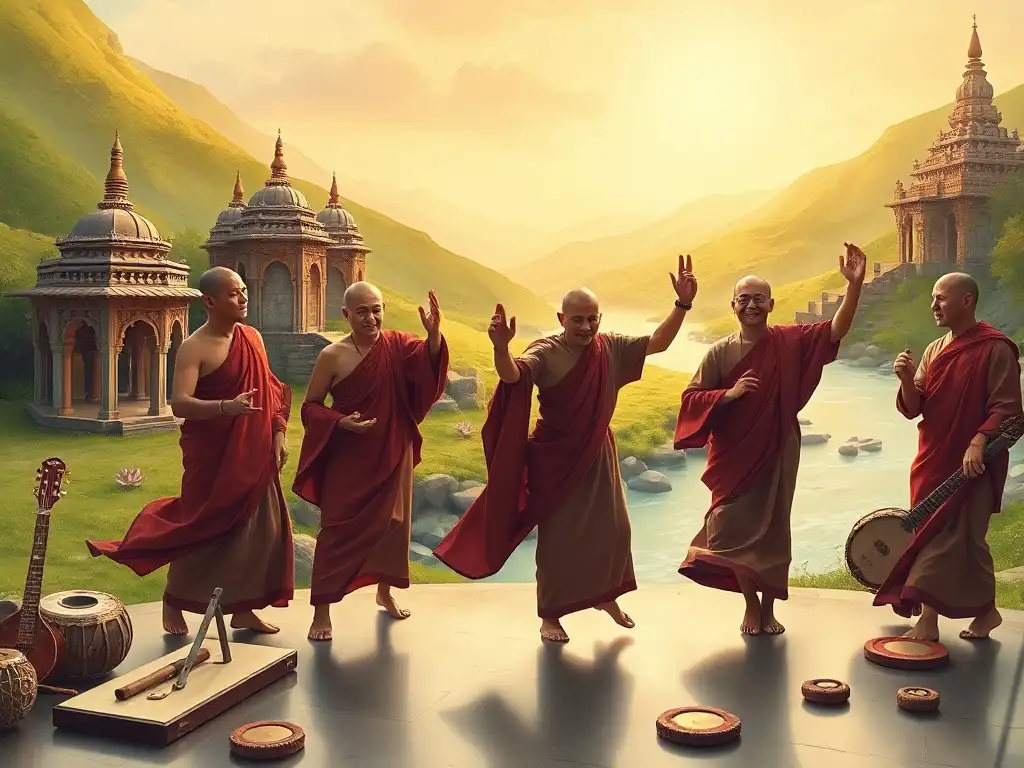
Buddhism, which emerged in the 5th century BCE, significantly shaped the cultural landscape of ancient India. As a major religious and philosophical movement, it not only influenced the spiritual beliefs of millions but also permeated various aspects of daily life, including the arts. Among these, music and dance hold a prominent place, serving as vital expressions of devotion and communal participation.
The interplay between Buddhism and the performing arts reflects a profound relationship that enhanced the richness of ancient Indian culture. This article delves into the influence of Buddhism on music and dance in ancient India, examining their historical context, significance, and the unique characteristics that arose from this symbiotic relationship.
Overview of Buddhism in Ancient India
Buddhism originated with the teachings of Siddhartha Gautama, known as the Buddha, who sought to address the suffering inherent in human existence. His teachings emphasized the Four Noble Truths and the Eightfold Path, which guided followers toward enlightenment and a life free from suffering. As Buddhism spread throughout India and beyond, it adapted to various cultural contexts, leading to a diverse array of practices and interpretations.
In ancient India, monasteries became centers for learning and cultural exchange, where music and dance flourished as forms of expression connected to spiritual practice. The patronage of kings and wealthy merchants further facilitated the growth of these art forms, enabling them to evolve alongside Buddhist teachings.
Significance of Music and Dance in Ancient Indian Culture
In ancient Indian culture, music and dance were not merely entertainment; they served profound spiritual and social functions. These art forms were integral to religious rituals, festivals, and community gatherings, often depicting stories from mythology and scriptures. They provided a means for individuals to connect with the divine, express emotions, and convey moral lessons.
Buddhism brought its own unique contributions to these traditions. The incorporation of chants, hymns, and specific movements in dance reflected Buddhist teachings, allowing practitioners to engage with the spiritual realm actively. This blend of sacred and artistic expression enriched the cultural tapestry of ancient India, fostering a vibrant artistic legacy that continues to resonate today.
Historical Context of Music and Dance in Ancient India
To fully appreciate the influence of Buddhism on music and dance, it is essential to understand the historical context in which these art forms developed. Ancient India saw a variety of cultural influences, with music and dance evolving through interactions with local traditions, religious practices, and philosophical ideas.
The Role of Music in Ancient Indian Society
Music in ancient India was multifaceted, encompassing classical, folk, and devotional forms. It played a crucial role in rituals, ceremonies, and storytelling, often serving as a medium to communicate spiritual concepts. The Vedic texts, dating back to around 1500 BCE, already highlight the significance of music in religious practices, with hymns sung to honor deities and facilitate divine connection.
With the rise of Buddhism, new musical forms emerged, characterized by the use of melodic chanting and instrumental accompaniments. This transformation not only enriched the religious experience of Buddhist practitioners but also influenced the broader musical landscape of ancient India.
The Role of Dance in Ancient Indian Rituals
Dance, like music, was deeply embedded in the religious and cultural practices of ancient India. It was often performed during rituals and festivals, symbolizing devotion and reverence. Various classical dance forms can be traced back to this period, with intricate movements and expressions conveying spiritual narratives.
Buddhism introduced specific dance forms that were meant to embody teachings and principles, further diversifying the dance landscape. These performances often served as a visual representation of Buddhist stories, illustrating the teachings of compassion, mindfulness, and the pursuit of enlightenment.
The profound influence of Buddhism on music and dance in ancient India reflects a rich interplay of spiritual and artistic expressions that have left an indelible mark on the cultural heritage of the region.
The Integration of Buddhism into Music and Dance
Buddhism, emerging in the 6th century BCE, profoundly influenced various aspects of ancient Indian culture, particularly music and dance. As Buddhism spread across the Indian subcontinent and beyond, it adopted and adapted local traditions, leading to a unique synthesis of spiritual and artistic expression. Music and dance were integral to Buddhist rituals, helping to convey teachings and enhance the meditative experience.
The integration of Buddhism into these art forms was not merely an addition of spiritual themes; it involved a deep transformation of existing practices. Traditional music, which often accompanied rituals and festivals, began to incorporate Buddhist principles, such as the importance of compassion and mindfulness. Similarly, dance evolved to reflect the narratives of Buddhist texts, portraying stories of the Buddha's life and the teachings of Dharma. This melding of art and spirituality created a rich tapestry that resonated with practitioners and laypeople alike, facilitating the dissemination of Buddhist ideals throughout society.
How Buddhism Influenced Musical Traditions
Buddhism's impact on musical traditions in ancient India is notable for its emphasis on spiritual themes and the use of music as a vehicle for meditation. Buddhist music often employed specific instruments, such as the naal, bansuri, and dholak, which were used to accompany chants and religious ceremonies. These instruments facilitated a sonic environment conducive to reflection and mindfulness, aligning with Buddhist teachings.
The incorporation of mantras—sacred sounds or phrases repeated in meditation—became a hallmark of Buddhist musical practice. This practice not only aided in the personal spiritual journey but also fostered a communal atmosphere during rituals, as congregations would chant together. As Buddhism spread, it also absorbed influences from various regional musical styles, resulting in a diverse array of forms that reflected local cultures while still adhering to Buddhist principles.
Moreover, the emergence of Natyashastra, a foundational text on performing arts, further delineated the connection between music and spirituality in Buddhism. This text outlined the importance of rhythm, melody, and the emotional expressions conveyed through music, emphasizing their roles in creating a harmonious environment for worship.
The Impact of Buddhism on Dance Forms
The influence of Buddhism on dance forms in ancient India is significant, particularly in the development of religious and storytelling dance styles. Dance became a medium to express Buddha's teachings and the stories of his life, depicted through intricate movements and gestures known as mudras. These gestures not only communicated narratives but also embodied the spiritual essence of Buddhist philosophy.
One notable dance form that evolved under Buddhist influence is Sattriya, originating in Assam. Initially performed in monasteries, this dance embodies themes from Buddhist texts, conveying the values of compassion and enlightenment through expressive storytelling. Similarly, the classical Indian dance styles such as Kathak and Odissi were also shaped by Buddhist motifs, integrating elements that depicted divine narratives and moral lessons.
Furthermore, dance was often performed during religious festivals and ceremonies, enhancing the communal experience of devotion. The rhythmic patterns and movements were designed to invoke a sense of transcendence, fostering spiritual connection among participants and spectators alike. This artistic expression not only served to enhance the understanding of Buddhist teachings but also played a crucial role in the cultural identity of the communities practicing these art forms.
Key Figures and Influences in Buddhist Music and Dance
The development of music and dance within the Buddhist context was significantly shaped by key figures who contributed to the rich artistic landscape of ancient India. These individuals were often monks, scholars, or artists who dedicated their lives to the propagation of Buddhist teachings through various forms of expression.
Prominent Musicians and Dancers in Ancient India
Among the prominent figures were monks who were also accomplished musicians, using their talents to spread Buddhist teachings. For instance, the renowned monk Ashvaghosha is credited with merging poetic recitation with musical performance, creating an engaging way to convey the essence of the Buddha’s Dharma. His works exemplified how music could enhance the understanding of spiritual concepts, making them accessible to a broader audience.
In the realm of dance, figures like Vasavadatta were instrumental in incorporating Buddhist themes into performance art. Their contributions helped lay the groundwork for later classical dance forms that would embrace Buddhist narratives, weaving spirituality into the fabric of performance.
Buddhist Monasteries as Cultural Hubs
Buddhist monasteries played a pivotal role as cultural hubs, fostering the growth of music and dance alongside the study of scriptures. These institutions not only served as places of worship and learning but also as centers for artistic expression. Monks and practitioners would gather to perform music and dance during ceremonies, creating a vibrant cultural atmosphere.
The monasteries encouraged the exchange of ideas and techniques between artists, leading to the emergence of distinct regional styles that still adhered to Buddhist principles. For example, the Nalanda and Taxila monasteries were not just centers for scholasticism but also vibrant cultural spaces where music and dance flourished.
The symbiosis of Buddhism with music and dance in ancient India not only enriched these art forms but also facilitated the dissemination of Buddhist teachings, creating a legacy that continues to influence cultural practices today. Through the integration of spiritual themes and the establishment of cultural hubs, Buddhism left an indelible mark on the musical and dance traditions of ancient India.
Regional Variations of Buddhism in Music and Dance
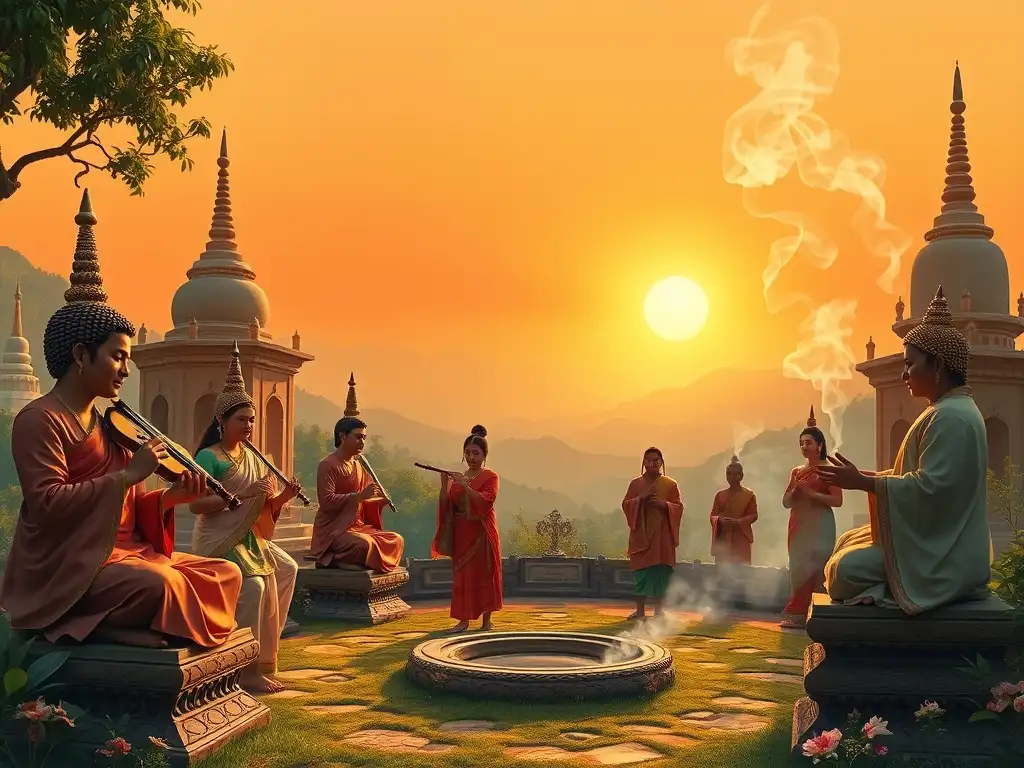
Buddhism, as it spread across ancient India, significantly influenced various regional forms of music and dance. Each region adapted Buddhist themes and principles into its artistic expressions, resulting in a rich tapestry of cultural practices. The diversity of local traditions and the integration of Buddhist philosophy led to unique interpretations of music and dance, reflecting both spiritual and communal aspects of life.
In North India, Buddhist influences can be seen in classical music forms, while South India showcases a variety of dance styles inspired by Buddhist teachings. The regional variations not only highlight the adaptability of Buddhism but also underscore its profound impact on the cultural landscape of ancient India.
North Indian Traditions: Influence of Buddhism on Classical Music
In North India, classical music saw a notable transformation due to Buddhist influences, particularly during the reign of the Maurya and Gupta empires. The use of specific ragas and talas in devotional music was often tied to Buddhist themes, such as compassion, enlightenment, and the teachings of the Buddha.
Musicians employed these elements to evoke spiritual emotions and facilitate a meditative state among listeners. Instruments like the veena and the tabla played significant roles in Buddhist rituals, where music was an integral part of prayer and meditation. The lyrical content of many compositions often drew from Buddhist scriptures, further intertwining music with the spiritual journey of individuals.
Moreover, various monasteries became centers for musical training, where monks would learn to compose and perform music that resonated with Buddhist teachings. This fusion of music and spirituality not only enriched the classical music tradition but also helped disseminate Buddhist values throughout North India.
South Indian Traditions: Dance Forms Inspired by Buddhism
In South India, the influence of Buddhism is vividly reflected in traditional dance forms such as Bharatanatyam and Kathakali. These dance styles incorporate narratives from Buddhist texts, portraying the life and teachings of the Buddha through expressive movements and storytelling.
Bharatanatyam, with its intricate footwork and expressive gestures, often includes themes of devotion that align with Buddhist principles of compassion and enlightenment. Dancers perform pieces that depict significant Buddhist events, such as the Buddha's enlightenment under the Bodhi tree, allowing audiences to connect with the spiritual essence of the dance.
Kathakali, on the other hand, incorporates elaborate costumes and facial expressions to tell stories from Buddhist mythology alongside Hindu epics. The dance form emphasizes the moral and ethical lessons found in Buddhist teachings, thus serving as a medium for both entertainment and spiritual reflection.
The integration of music into these dance forms further enhances their impact, as rhythmic patterns and melodies create an immersive experience for the audience, allowing them to engage deeply with the philosophies conveyed through movement.
The Spiritual Significance of Music and Dance in Buddhism
Music and dance hold profound spiritual significance in Buddhism, serving as vehicles for expression and connection with the divine. They are not merely forms of entertainment; rather, they are integral to the practice of mindfulness and meditation, providing a pathway to deeper understanding and spiritual awakening.
Through music and dance, practitioners can cultivate a sense of inner peace and harmony, allowing the teachings of the Buddha to resonate within themselves. This spiritual dimension enhances the overall experience of Buddhist practice and community gatherings.
Music as a Tool for Meditation and Mindfulness
In Buddhism, music is often utilized as a tool for meditation and mindfulness. Chanting and instrumental music are integral aspects of Buddhist rituals, helping practitioners to focus their minds and enter a state of tranquility.
Traditional chants, known as "mantras," are repeated to invoke spiritual energy and enhance concentration. This rhythmic repetition creates a meditative atmosphere, allowing individuals to transcend their thoughts and connect with a higher state of consciousness.
Moreover, instrumental music, characterized by soft melodies and soothing rhythms, serves as a backdrop for meditation sessions. It aids practitioners in calming their minds, facilitating a more profound engagement with their spiritual practices. The harmonious sounds foster a sense of unity and peace, aligning with the core teachings of Buddhism.
Dance as an Expression of Devotion in Buddhism
Dance in Buddhism is not only an artistic expression but also a profound act of devotion. It embodies the practitioner's reverence for the Buddha and the teachings of Buddhism. Dancers often perform in sacred spaces, using movement to convey their spiritual aspirations and commitment.
The choreographed sequences in Buddhist dance reflect various themes, such as compassion, joy, and the pursuit of enlightenment. Each movement is intentional, symbolizing a deeper spiritual truth or narrative. Through dance, practitioners express their devotion and engage in a form of worship that transcends verbal communication.
Additionally, dance performances often accompany rituals and ceremonies, enhancing the communal experience of spirituality. These gatherings create a shared space for individuals to connect with one another and with the teachings of the Buddha, fostering a sense of unity and collective devotion.
The influence of Buddhism on music and dance in ancient India is a testament to the religion's ability to inspire and transform cultural practices. Through regional variations and the spiritual significance of these art forms, Buddhism has left an indelible mark on the artistic heritage of ancient India, enriching both individual lives and communal experiences.
Conclusion: The Lasting Legacy of Buddhism in Ancient Indian Music and Dance
The influence of Buddhism on music and dance in ancient India is profound and far-reaching. As Buddhism spread across the Indian subcontinent and beyond, it carried with it not only its philosophical teachings but also a rich tapestry of artistic expression. Music and dance became vital components of Buddhist practice, used in rituals, meditation, and storytelling, allowing adherents to connect with the divine and convey the teachings of the Buddha in an engaging manner. The intricate melodies and graceful movements that emerged during this period reflect the deep spiritual significance of these art forms.
The legacy of Buddhist music and dance can be seen in various cultural practices that evolved over centuries. Elements from ancient Buddhist performances have been woven into classical Indian dance forms such as Bharatanatyam, Odissi, and Kathak, showcasing the adaptability and enduring nature of these traditions. Moreover, the chanting of sutras and the incorporation of music in religious ceremonies continue to be significant in contemporary Buddhist practices, demonstrating that the influence of Buddhism on music and dance is not merely a historical phenomenon but an ongoing cultural dialogue.
Reflection on Cultural Exchange and Influence
The interaction between Buddhism and local cultural traditions played a crucial role in shaping the music and dance of ancient India. As Buddhism spread to different regions, it encountered diverse musical styles and performance practices, leading to a rich exchange of ideas and techniques. This cross-pollination can be seen in the incorporation of local instruments, rhythms, and forms into Buddhist performances, which enhanced their accessibility and appeal to a broader audience.
For example, the use of traditional Indian instruments such as the tabla and sitar in Buddhist ceremonies illustrates how local sounds were integrated into religious practices. Furthermore, the storytelling aspects of dance were influenced by Buddhist narratives, leading to the development of performances that conveyed moral and ethical lessons through movement and song. This cultural exchange not only enriched the artistic expression within Buddhism but also contributed to the evolution of Indian classical arts as a whole.
The Continued Relevance of Buddhist Music and Dance Today
Today, the impact of Buddhism on music and dance remains significant, both within and outside the Buddhist community. Many contemporary artists draw inspiration from ancient Buddhist traditions, reviving and reinterpreting classical forms to resonate with modern audiences. The meditative qualities of Buddhist music, characterized by its soothing melodies and rhythmic patterns, are often employed in various wellness practices, such as yoga and meditation, highlighting its ongoing relevance in promoting mindfulness and spiritual well-being.
Moreover, festivals and ceremonies across the globe celebrate Buddhist music and dance, serving as a reminder of the rich heritage that stems from ancient Indian traditions. Events like the Parinirvana Day and various temple festivals feature performances that echo the artistic expressions of centuries past, ensuring that the teachings of Buddhism continue to be shared and appreciated through the universal languages of music and dance.
The influence of Buddhism on music and dance in ancient India is a testament to the enduring power of cultural exchange and artistic expression. As these art forms evolve, they carry with them the essence of Buddhist teachings, fostering a sense of connection and community that transcends time and geography.
- Introduction to Buddhism and Its Cultural Impact
- Historical Context of Music and Dance in Ancient India
- The Integration of Buddhism into Music and Dance
- Key Figures and Influences in Buddhist Music and Dance
- Regional Variations of Buddhism in Music and Dance
- The Spiritual Significance of Music and Dance in Buddhism
- Conclusion: The Lasting Legacy of Buddhism in Ancient Indian Music and Dance
- What was the role of Buddhism in shaping music and dance in ancient India?
- How did Buddhist monastic traditions influence performing arts?
- Were there any specific instruments associated with Buddhist music in ancient India?
- How did Buddhist themes manifest in ancient Indian dance forms?
- What is the legacy of Buddhism on contemporary Indian music and dance?
Frequently Asked Questions
What was the role of Buddhism in shaping music and dance in ancient India?
Buddhism played a significant role in the evolution of music and dance by integrating spiritual themes and practices, which influenced various art forms within ancient Indian culture.
How did Buddhist monastic traditions influence performing arts?
The Buddhist monastic traditions emphasized the importance of music and dance in rituals and celebrations, leading to the development of distinctive styles that reflected Buddhist values and teachings.
Were there any specific instruments associated with Buddhist music in ancient India?
Yes, various instruments like the veena, flute, and drums were commonly used in Buddhist music, enhancing the spiritual experience during ceremonies and meditation.
How did Buddhist themes manifest in ancient Indian dance forms?
Buddhist themes often manifested in dance through storytelling, depicting the life of the Buddha, and illustrating moral teachings, which were integral to the performance art.
What is the legacy of Buddhism on contemporary Indian music and dance?
The legacy of Buddhism continues to influence Indian music and dance today, with many contemporary forms still reflecting the spiritual and philosophical elements introduced by ancient Buddhist practices.
Final Reflection: The Enduring Harmony of Buddhism, Music, and Dance in Ancient India
The intricate relationship between Buddhism, music, and dance in ancient India remains profoundly relevant today, as it highlights the transformative power of art in spiritual expression. This interconnectedness not only shaped the cultural landscape of its time but also continues to resonate in contemporary practices, reminding us that art can be a vehicle for deeper understanding and connection. The rhythms and melodies of ancient traditions echo through the ages, inviting us to explore the spiritual dimensions of creativity.
The influence of Buddhism on music and dance has left an indelible mark on the cultural fabric of India, shaping the way we perceive and engage with these art forms. The spiritual narratives conveyed through dance and music have transcended generations, fostering a sense of community and shared experience. Art is the most beautiful of all lies.
This quote encapsulates the essence of how artistic expression can convey profound truths, allowing us to connect with the divine and with one another in ways that words alone cannot achieve.
As we reflect on the lessons from the rich tapestry of Buddhism's influence on music and dance, let us consider how we can incorporate these principles into our own lives. I invite you to explore the rhythms of your own existence, to find moments of stillness and expression that resonate with your spirit. Whether through creating, listening, or moving, embrace the opportunity to connect with the deeper meanings of art, allowing it to guide you on your journey of self-discovery and spiritual growth.
Ignite Your Passion for Ancient Arts!
Thank you for taking the time to explore the profound influence of Buddhism on music and dance in ancient India. Your curiosity has uncovered the beautiful connections between spirituality and artistic expression, enriching your understanding of a vibrant cultural heritage. Now, it’s time to take action and dive deeper!
Here are a few inspiring steps you can take:
- Join a local dance or music workshop that incorporates Buddhist themes and experience the art form firsthand.
- Share this article with friends and fellow history enthusiasts to spark conversations about the intersection of spirituality and the arts.
- Incorporate meditation into your daily routine to enhance your appreciation of the rhythm and flow found in Buddhist-inspired music and dance.
What unique insights or experiences have you encountered in your exploration of music and dance influenced by various cultures? Share your thoughts, and let’s engage in a meaningful conversation!