
The Role of Sculpture in Ancient Indian Architecture

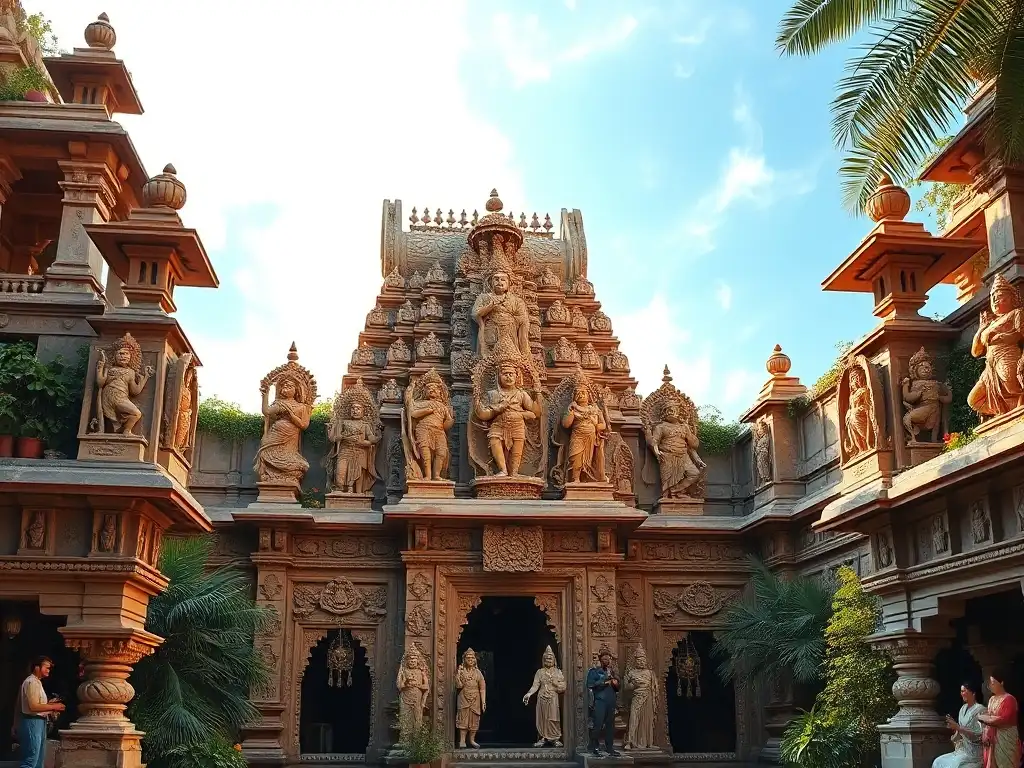
Welcome to Ancient India History, where we embark on a fascinating journey through time to uncover the rich tapestry of India's past. Dive into our latest exploration, “The Role of Sculpture in Ancient Indian Architecture,” and discover how intricate sculptures not only adorned temples and monuments but also told stories of spirituality, culture, and innovation. What secrets do these magnificent works of art hold? Join us as we unveil the profound impact of sculpture on ancient architecture, and let your curiosity lead you deeper into the wonders of Indian civilization.
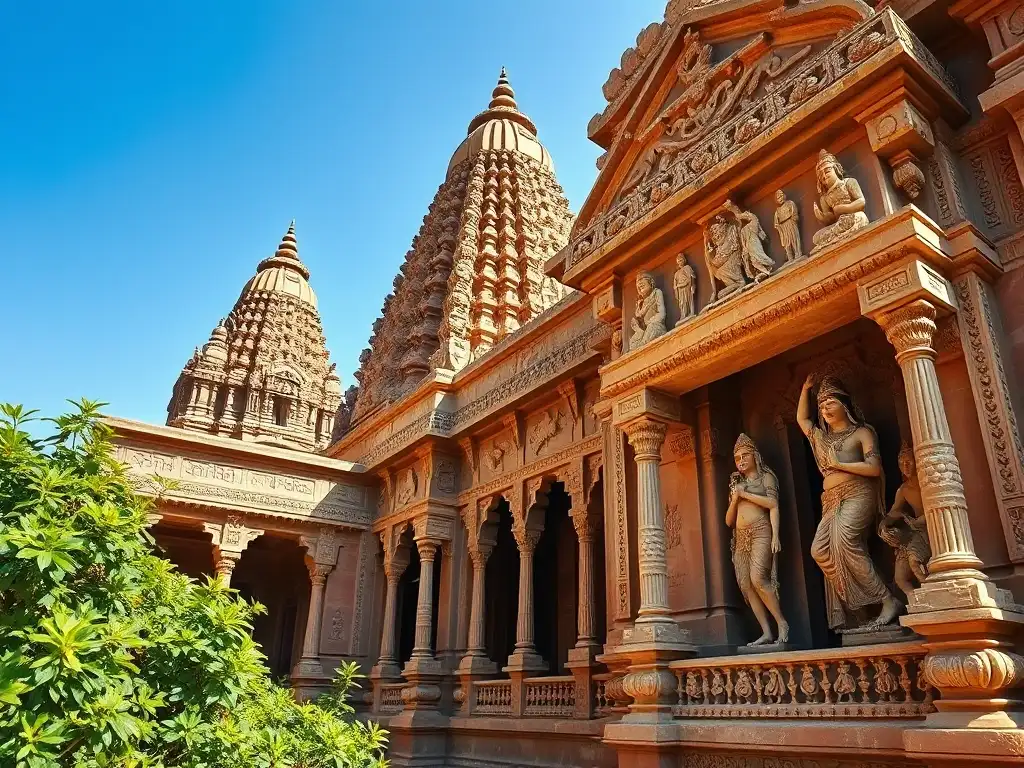
Introduction to Sculpture in Ancient Indian Architecture
Sculpture in Ancient Indian Architecture serves as a profound illustration of the cultural, religious, and artistic evolution that has transpired over the millennia. From the intricate carvings of the Indus Valley Civilization to the majestic sculptures adorning the temples of the Gupta Empire, sculpture has played a pivotal role in conveying the spiritual and philosophical underpinnings of ancient Indian societies.
This art form not only enhanced the aesthetic appeal of architectural structures but also reflected the socio-political dynamics and religious beliefs of the time. By delving into the rich tapestry of sculpture in ancient Indian architecture, we can uncover the remarkable achievements and enduring legacy of these early civilizations.
Overview of Ancient Indian Architecture
Ancient Indian architecture is characterized by its diversity and innovation, encompassing a range of styles and techniques that evolved in response to geographical, cultural, and historical factors. Key architectural forms include:
- Stupas: Dome-shaped structures often used to house relics.
- Temples: Elaborate edifices dedicated to various deities, showcasing intricate designs.
- Cave Architecture: Rock-cut caves serving as monastic retreats and places of worship.
The architectural marvels of ancient India are not merely functional; they are imbued with symbolic meaning and artistic expression, often embellished with elaborate sculptures that narrate mythological stories and convey philosophical ideals.
Importance of Sculpture in Cultural Context
Sculpture in ancient Indian architecture is integral to understanding the cultural and spiritual ethos of the time. It served several vital functions:
- Religious Expression: Sculptures depicted deities, saints, and mythical creatures, acting as focal points for worship and devotion.
- Storytelling: Many sculptures narrate intricate tales from epics like the Ramayana and Mahabharata, making them accessible to the illiterate masses.
- Cultural Identity: The unique styles of sculpture reflect regional variations and influences, showcasing the richness of India's diverse heritage.
By examining the role of sculpture, we gain insight into the values, beliefs, and artistic sensibilities that shaped ancient Indian civilization.
Historical Evolution of Sculpture in Indian Architecture
Early Sculptural Styles: Indus Valley Civilization
The Indus Valley Civilization (circa 3300–1300 BCE) marked the inception of sculptural artistry in ancient India. The sculptures from this era are characterized by:
- Terracotta Figurines: Small, intricately designed figurines that often represented female deities and animals.
- Seals: Carved seals featuring animal motifs and script, used for trade and administrative purposes.
These early forms of sculpture reflect the society's connection to fertility, trade, and spiritual beliefs, laying the groundwork for future artistic endeavors.
Buddhist Influence on Sculpture and Architecture
The emergence of Buddhism in the 6th century BCE brought about significant changes in Indian sculpture and architecture. Key developments include:
- The Creation of Stupas: These structures often featured elaborate relief sculptures depicting the life of the Buddha and Jataka tales.
- Cave Temples: Rock-cut caves, such as those at Ajanta and Ellora, showcased intricate carvings and frescoes illustrating Buddhist teachings.
The Buddhist emphasis on simplicity and spiritual transcendence influenced the sculptural style, leading to a more serene and contemplative artistic expression.
Hindu Temples and Sculptural Innovations
With the rise of Hinduism, particularly during the Gupta period (circa 320–550 CE), sculpture flourished within temple architecture. Notable characteristics include:
- Intricate Carvings: Temples such as the Kandariya Mahadeva Temple in Khajuraho are adorned with detailed sculptures that explore themes of love, nature, and spirituality.
- Iconography: The depiction of gods and goddesses became more elaborate, showcasing a variety of poses and attributes that conveyed deeper meanings.
These innovations not only enhanced the visual splendor of temples but also reinforced the connection between architecture and devotion.
The Impact of Islamic Architecture on Indian Sculpture
The arrival of Islamic rule in India in the 12th century brought new artistic influences, leading to a fascinating fusion of styles. Key aspects include:
- Integration of Calligraphy: Islamic architecture introduced intricate calligraphic inscriptions alongside traditional sculptural elements.
- New Materials and Techniques: The use of red sandstone and marble in structures like the Qutub Minar and Humayun's Tomb showcased a blend of sculptural and architectural practices.
This period marked a significant transformation in Indian sculpture, as artists began to explore new themes and techniques while retaining the essence of traditional Indian artistry.
By tracing the evolution of sculpture in ancient Indian architecture, we can appreciate the myriad influences and innovations that have contributed to its rich heritage.
Key Features of Sculpture in Ancient Indian Architecture
Sculpture in ancient Indian architecture is characterized by its intricate craftsmanship, diverse themes, and deep symbolism. One of the most notable features is the emphasis on naturalism and expressiveness. Sculptors strived to depict human emotions, divine figures, and narratives that resonate with cultural beliefs. This attention to detail not only enhanced the aesthetic appeal of structures but also served to convey complex philosophical and spiritual concepts.
Another key feature is the religious significance embedded in sculptural works. Most sculptures were created for temples and stupas, aimed at illustrating the life stories of deities, significant events from mythology, and moral teachings. This integration of sculpture with spirituality facilitated a deeper connection between the devotees and the divine.
Additionally, regional diversity played a crucial role in the evolution of sculptural styles across ancient India. Different regions developed their unique techniques and motifs, influenced by local traditions and the patronage of various dynasties. This resulted in a rich tapestry of sculptural expressions that reflect the varied cultural landscape of ancient India.
Material and Techniques Used in Sculpting
Ancient Indian sculptors utilized a variety of materials, each contributing to the durability and aesthetic quality of their works. Stone, particularly sandstone, limestone, and granite, was the most common material used for large sculptures and temple carvings. The hardness of these stones allowed for intricate detailing, and their longevity ensured that many works have survived to the present day.
In addition to stone, metal was also widely employed, particularly for smaller sculptures and religious idols. Bronze casting techniques, such as the lost-wax method, enabled artisans to create detailed and expressive figures. This method allowed for smooth surfaces and intricate designs that were often enhanced with gilding.
The techniques of sculpting varied significantly, including carving, modeling, and casting. Carving involved chipping away material from a solid block to form the desired shape, while modeling included shaping pliable materials like clay before casting in metal. The skillful combination of these techniques contributed to the dynamic forms seen in ancient Indian sculpture.
Iconography and Symbolism in Sculptural Art
Iconography in ancient Indian sculpture is rich with symbolism, deeply rooted in religious and cultural contexts. Each sculpture often embodies specific meanings and narratives that reflect the beliefs and values of the society. For example, the lotus flower symbolizes purity and enlightenment, frequently depicted in sculptures of deities to signify their divine nature.
Deities are often represented with multiple arms, each holding different objects that signify their powers and attributes. For instance, Lord Shiva is commonly shown with a trident, symbolizing his role as the destroyer, while Goddess Durga may be depicted with weapons representing her strength to combat evil.
Furthermore, the depiction of mythological stories in sculpture serves as a visual narrative, guiding worshippers through the teachings and legends central to their faith. This symbiotic relationship between iconography and spirituality underscores the importance of sculpture as a medium for conveying complex philosophical ideas.
Integration of Sculpture with Architectural Elements
The integration of sculpture with architectural elements is a hallmark of ancient Indian architecture. Sculptures were not merely decorative; they often played a functional role in enhancing the overall design and spiritual ambiance of structures. For instance, intricate carvings on temple facades, pillars, and doorways served to welcome devotees and evoke a sense of reverence.
One significant aspect of this integration is the concept of expressive space. Sculptures were strategically placed to guide the viewer's journey through the temple, creating a narrative experience. As worshippers moved through different sections, they encountered various deities and scenes that reinforced their spiritual engagement.
Additionally, sculptures often adorned cornices, brackets, and pilasters, merging with architectural features to create a cohesive aesthetic. The interplay between sculptural art and architectural design exemplifies the sophistication of ancient Indian craftsmanship, showcasing a harmonious blend of form and function.
Major Sculptural Works in Ancient Indian Architecture
The Great Stupa at Sanchi
The Great Stupa at Sanchi, dating back to the 3rd century BCE, is a masterpiece of ancient Indian sculpture. This monumental structure is renowned for its relief carvings and toranas (gateways), which depict various Jataka tales and scenes from the life of Buddha. The intricate carvings not only serve a decorative purpose but also convey important moral lessons, making the stupa a significant site for both worship and education.
The sculptures at Sanchi exemplify the Mauryan artistic style, characterized by its attention to detail and the ability to convey narrative through form. The carvings are imbued with a sense of tranquility and spiritual depth, reflecting the values of the Buddhist faith.
Temples of Khajuraho: Sculptural Mastery
The temples of Khajuraho, built between the 9th and 11th centuries, are celebrated for their erotic sculptures and intricate carvings that showcase the artistic zenith of ancient Indian architecture. Each temple is adorned with over 600 sculptures, depicting a wide range of themes, from divine figures to daily life and sensuality.
The artistry in Khajuraho temples reflects a deep understanding of human anatomy and emotion, as evidenced by the graceful poses and expressions of the figures. These sculptures not only celebrate the beauty of the human form but also convey the philosophy of Kama, or desire, as an essential aspect of life.
The Ajanta Caves: A Blend of Painting and Sculpture
The Ajanta Caves, dating from the 2nd century BCE to the 6th century CE, represent a unique fusion of sculpture and painting. The caves are adorned with stunning frescoes and intricate sculptures that depict Buddhist themes, including the life of the Buddha and various bodhisattvas.
The sculptures in Ajanta are notable for their elegance and expressiveness, with figures often portrayed in graceful postures. The skillful use of stone carving techniques, combined with vibrant wall paintings, creates a dynamic visual experience that immerses visitors in the spiritual narratives depicted.
The Brihadeeswarar Temple: Architectural and Sculptural Grandeur
The Brihadeeswarar Temple, built in the early 11th century during the Chola dynasty, is a monumental example of the grandeur of ancient Indian architecture and sculpture. The temple features an impressive shikhara (tower), adorned with intricate carvings and sculptures that depict various deities and mythological figures.
What sets the Brihadeeswarar Temple apart is its sheer scale and the precision of its sculptural work. The Nandi statue, a colossal representation of Lord Shiva's mount, is a highlight, showcasing the Chola artisans' mastery of stone carving. The temple's elaborate sculptures not only enhance its aesthetic appeal but also serve to narrate the divine stories central to Hindu worship.
Thematic Representations in Ancient Indian Sculpture
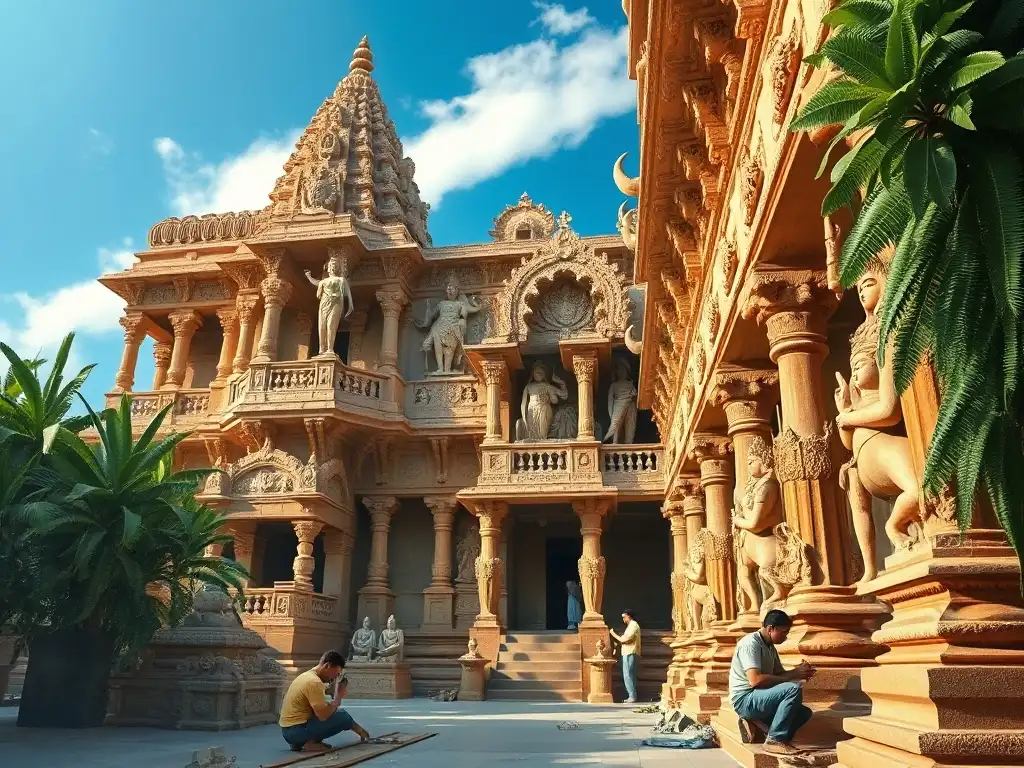
Sculpture in ancient India serves not only as an artistic expression but also as a rich narrative medium that reflects societal values, religious beliefs, and cultural practices. The thematic representations found in these sculptures are vast, often intertwining various elements of daily life, spirituality, and nature. From the intricate carvings of temples to the freestanding sculptures of deities, each piece carries deep symbolic meanings and showcases the artisans' skills and the religious fervor of the time.
The themes represented in ancient Indian sculpture can be categorized into several key areas, including depictions of deities, social narratives, and motifs inspired by nature and animals. Each category not only provides insight into the artistic techniques used but also serves as a historical window into the civilization's beliefs and practices.
Depictions of Deities and Mythological Figures
One of the most prominent themes in ancient Indian sculpture is the depiction of deities and mythological figures. The sculptures of gods and goddesses such as Vishnu, Shiva, Durga, and Ganesha are ubiquitous, often found adorning the walls and entrances of temples. These representations serve not only as decorative elements but also as focal points for worship and devotion.
The sculptural style varies significantly across different regions and periods. For instance, the intricate carvings of the Khajuraho temples reflect the Chandela dynasty's artistic sophistication, showcasing highly detailed figures that embody dynamic poses and expressions. In contrast, the simplicity of early sculptures from the Mauryan period, such as the Ashoka Pillars, emphasizes clarity and grandeur in a more monumental form.
Each figure is typically accompanied by symbolic attributes, which enhance their identification and narrative significance. For example, Shiva is often depicted with a trident (trishula) and a snake, while Lakshmi is shown with lotus flowers, representing prosperity and purity. Understanding these symbols enriches the appreciation of the narratives embedded within these sculptures.
Social and Cultural Narratives in Sculptural Art
Beyond religious themes, ancient Indian sculptures often narrate social and cultural stories, depicting daily life, royal ceremonies, and the roles of individuals within society. The sculptures serve as a historical record, offering glimpses into the customs, attire, and social structures of ancient Indian civilizations.
For instance, the reliefs at the Sanchi Stupa illustrate various scenes from the life of Buddha, showcasing the moral teachings and societal norms of the time. Similarly, the sculptures from the Gupta period often highlight court life, including musicians, dancers, and artisans, reflecting the cultural vibrancy and the patronage of the arts during this golden age.
These narratives are crucial for understanding the evolution of social practices and ideologies in ancient India. They reveal the interconnections between art, society, and religion, showing how sculptural art acted as a medium for storytelling, education, and moral instruction.
Nature and Animal Motifs in Sculpture
Nature and animal motifs play a significant role in ancient Indian sculpture, symbolizing various aspects of life and spirituality. The representation of flora and fauna often reflects the reverence for nature that was prevalent in ancient Indian culture.
Sculptures featuring animals like elephants, lions, and horses are common, often symbolizing strength, power, and nobility. The famous lion capital of Ashoka is a prime example, representing the strength of the Mauryan Empire and its commitment to dharma (moral law). Additionally, motifs of trees and plants are frequently incorporated, symbolizing fertility, growth, and the interconnectedness of life.
These natural elements are not merely decorative; they are imbued with philosophical meanings, illustrating the ancient Indians' understanding of their environment and its sacredness. The integration of nature into sculpture signifies a holistic worldview where humanity and nature coexist harmoniously.
Influence of Sculpture on Contemporary Indian Architecture
The legacy of ancient Indian sculpture continues to influence contemporary architecture, reflecting a blend of traditional elements with modern design principles. This influence is evident in various architectural styles across India, where sculptural motifs from ancient times are revived and reinterpreted.
Revival of Traditional Sculptural Elements
In recent years, there has been a resurgence in the interest in traditional sculptural elements within modern architecture. Architects and designers are increasingly drawing inspiration from ancient motifs, integrating intricate carvings and sculptures into contemporary buildings. This revival not only honors the rich heritage of Indian architecture but also reinforces a sense of identity and continuity in the built environment.
Examples can be seen in modern temples and cultural centers, where traditional stone carvings and friezes complement sleek, modern lines. These structures often serve as a dialogue between the past and the present, where ancient techniques are adapted to meet contemporary aesthetic and functional needs.
Modern Interpretations of Ancient Sculptural Techniques
Moreover, modern interpretations of ancient sculptural techniques have emerged, characterized by innovative materials and methods. Contemporary artists and sculptors are experimenting with traditional forms, utilizing modern technology to reinterpret ancient designs and themes.
For instance, the use of digital tools for design and fabrication allows for the creation of sculptures that maintain the essence of ancient styles while embracing contemporary aesthetics. This fusion not only revitalizes interest in ancient sculptural forms but also encourages dialogue on cultural preservation and innovation.
As the world embraces globalization, the influence of ancient Indian sculpture on contemporary architecture serves as a reminder of the enduring legacy of artistic expression. It highlights the importance of understanding and appreciating the historical context of these art forms, ensuring that they remain a vital part of India's cultural narrative.
Conclusion: The Lasting Legacy of Sculpture in Ancient Indian Architecture
The intricate and expressive sculpture in ancient Indian architecture is a testament to the artistic brilliance and cultural depth of the civilizations that flourished across the subcontinent. From the majestic carvings of the Indus Valley period to the elaborate reliefs of the Gupta Empire, sculptures have played a pivotal role in enhancing the aesthetic and spiritual dimensions of architectural masterpieces. These sculptures not only served decorative purposes but also narrated stories, conveyed religious beliefs, and symbolized the societal values of their time.
The legacy of these artistic endeavors continues to resonate today, influencing contemporary art forms and architectural practices. As we explore ancient Indian sculptures, we uncover the diverse narratives they encapsulate, reflecting the lives, beliefs, and aspirations of a bygone era. This rich heritage has been preserved, not only through physical artifacts but also within the collective memory and cultural identity of the Indian people.
Reflection on Cultural Significance
Sculpture in ancient Indian architecture is more than mere decoration; it is a vital expression of cultural identity and spiritual significance. The motifs and figures carved into stone often embody the philosophical and religious ideologies prevalent during specific periods. For instance, the intricate sculptures found at sites like Khajuraho and Ajanta are not just artistic expressions but also serve as visual representations of Hindu and Buddhist narratives, portraying deities, celestial beings, and scenes from mythology.
These sculptures reflect an understanding of aesthetics that intertwines with spirituality, demonstrating how art was used to enhance the sacredness of spaces such as temples and monasteries. Furthermore, they also illustrate the social and political dynamics of the time, with many sculptures commissioned by rulers as a means of asserting power and legacy. The cultural significance of these artworks continues to inspire and inform modern interpretations of Indian culture, encouraging a revival of traditional practices in contemporary art.
Future Perspectives on Ancient Indian Sculptural Heritage
Looking ahead, the future of ancient Indian sculptural heritage lies in its preservation, study, and interpretation. As globalization continues to influence art and architecture, there is an opportunity to rediscover and integrate the principles of ancient Indian sculpture into modern practices. This can lead to innovative designs that honor traditional aesthetics while meeting contemporary needs.
Moreover, the increasing interest in heritage tourism can provide a platform for educational initiatives that promote awareness of ancient Indian art forms. By engaging communities and fostering a sense of pride in their cultural heritage, we can ensure that the legacy of these sculptures is not only preserved but also celebrated and revitalized for future generations. Collaborative efforts between scholars, artists, and local communities will be essential in keeping the spirit of ancient Indian sculpture alive, ensuring it continues to inspire and educate in the years to come.
- Introduction to Sculpture in Ancient Indian Architecture
- Historical Evolution of Sculpture in Indian Architecture
- Key Features of Sculpture in Ancient Indian Architecture
- Major Sculptural Works in Ancient Indian Architecture
- Thematic Representations in Ancient Indian Sculpture
- Influence of Sculpture on Contemporary Indian Architecture
- Conclusion: The Lasting Legacy of Sculpture in Ancient Indian Architecture
- What is the significance of sculpture in ancient Indian architecture?
- Which ancient Indian civilizations are known for their sculptural work?
- What materials were commonly used in ancient Indian sculpture?
- How did religion influence sculpture in ancient India?
- What are some famous sites of sculpture in ancient Indian architecture?
Frequently Asked Questions
What is the significance of sculpture in ancient Indian architecture?
Sculpture played a crucial role in ancient Indian architecture, serving both decorative and symbolic purposes. It often depicted deities, mythological scenes, and stories, enhancing the spiritual experience of the structures.
Which ancient Indian civilizations are known for their sculptural work?
The Indus Valley Civilization, Maurya Empire, and Gupta Empire are particularly renowned for their sculptural achievements. Each contributed distinct styles and techniques that reflect their cultural values and artistic expressions.
What materials were commonly used in ancient Indian sculpture?
Ancient Indian sculptors primarily used stone, bronze, and terracotta. Stone was favored for its durability, while bronze allowed for intricate details in smaller sculptures.
How did religion influence sculpture in ancient India?
Religious themes were central to ancient Indian sculpture. Many sculptures were created to honor deities and were integral to temples, reflecting the spiritual beliefs of the time.
What are some famous sites of sculpture in ancient Indian architecture?
Notable sites include the Ajanta and Ellora Caves, the Khajuraho Temples, and the Sun Temple at Konark. These sites are celebrated for their elaborate carvings and architectural brilliance.
Final Reflection: The Enduring Legacy of Sculpture in Ancient Indian Architecture
Sculpture in Ancient Indian Architecture serves as a profound testament to the creativity and spiritual depth of a civilization that thrived thousands of years ago. Today, as we navigate a world increasingly defined by rapid technological advancements and fleeting trends, the intricate artistry and cultural significance embedded in these sculptures remind us of the importance of heritage and identity. The beauty and complexity of these works are not merely relics of the past; they are vibrant narratives that continue to resonate with contemporary society.
Sculpture in Ancient Indian Architecture has significantly shaped our understanding of cultural expression and artistic innovation. The intricate carvings and statues found in temples and monuments are not just decorative elements; they embody the philosophical and religious beliefs of their time, influencing generations of artists and architects.
As we reflect on this legacy, we are reminded of the words of the renowned art historian, "Art is the most beautiful of all lies." > This quote encapsulates the idea that while these sculptures may depict mythological tales and divine figures, they also reveal deeper truths about the human experience and our quest for meaning.
As you ponder the lessons from this exploration of Sculpture in Ancient Indian Architecture, consider how you can incorporate the values of creativity, cultural appreciation, and historical awareness into your own life. Reflect on the stories that shape your identity and the art forms that resonate with you. Let the legacy of these ancient sculptures inspire you to embrace your own creative journey and to honor the rich tapestry of history that surrounds us. In doing so, we not only preserve the past but also enrich our present and future.
Unveil the Beauty of Ancient Indian Sculpture!
Thank you for diving into the intricate world of ancient Indian architecture with us! We hope you’ve gained valuable insights into the pivotal role sculpture played in shaping magnificent structures. Now, let’s take your newfound appreciation to the next level.
Here are some actionable steps you can take:
- Visit a local museum or cultural center to explore sculptures that reflect the artistry of ancient India.
- Engage with a community of history enthusiasts—join online forums or social media groups to share your impressions and learn from others who share your passion.
- Consider creating a small art piece inspired by traditional techniques, allowing your creativity to flourish while honoring this rich historical legacy.
What aspects of ancient Indian sculpture resonate with you the most, and how do you see them influencing contemporary art today?