
Wealth Distribution in Ancient Indian Society: A Class Analysis

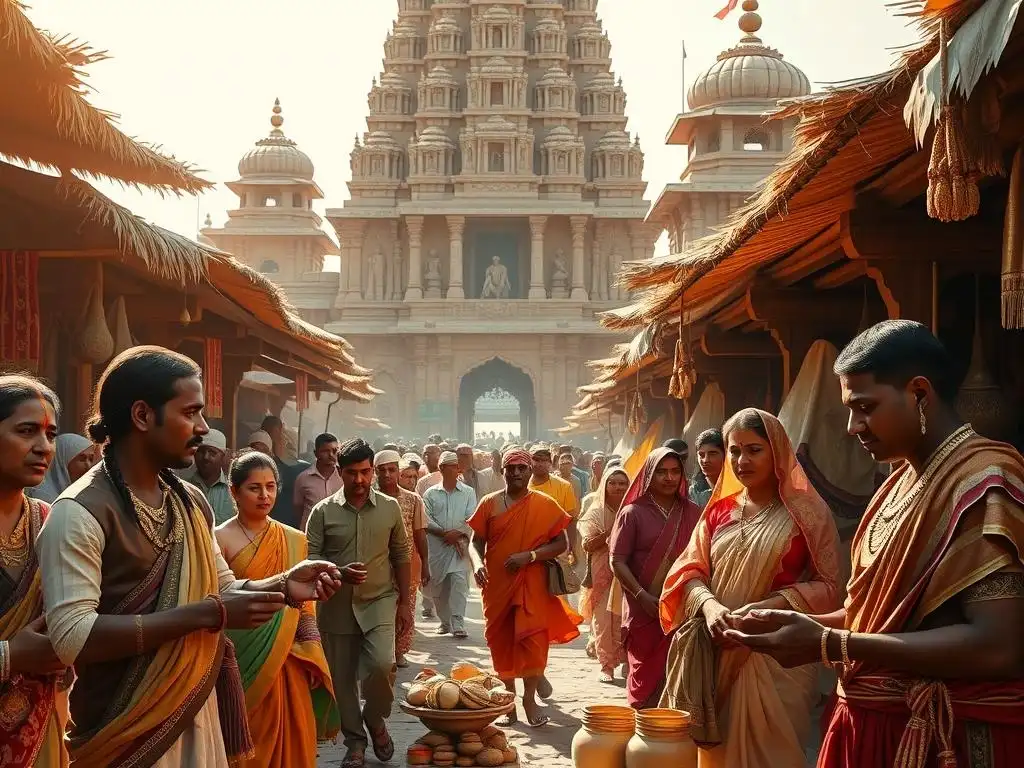
Welcome to Ancient India History, where we embark on a fascinating journey through the rich tapestry of ancient Indian civilizations. Today, we delve into a compelling topic that shaped the very fabric of society: Wealth Distribution in Ancient Indian Society. How did the intricate systems of trade and economy influence social hierarchies from the Indus Valley to the Gupta Empire? As you explore this article, prepare to uncover the hidden dynamics of class and wealth that defined an era. Join us as we unlock the secrets of ancient prosperity and its impact on civilization!
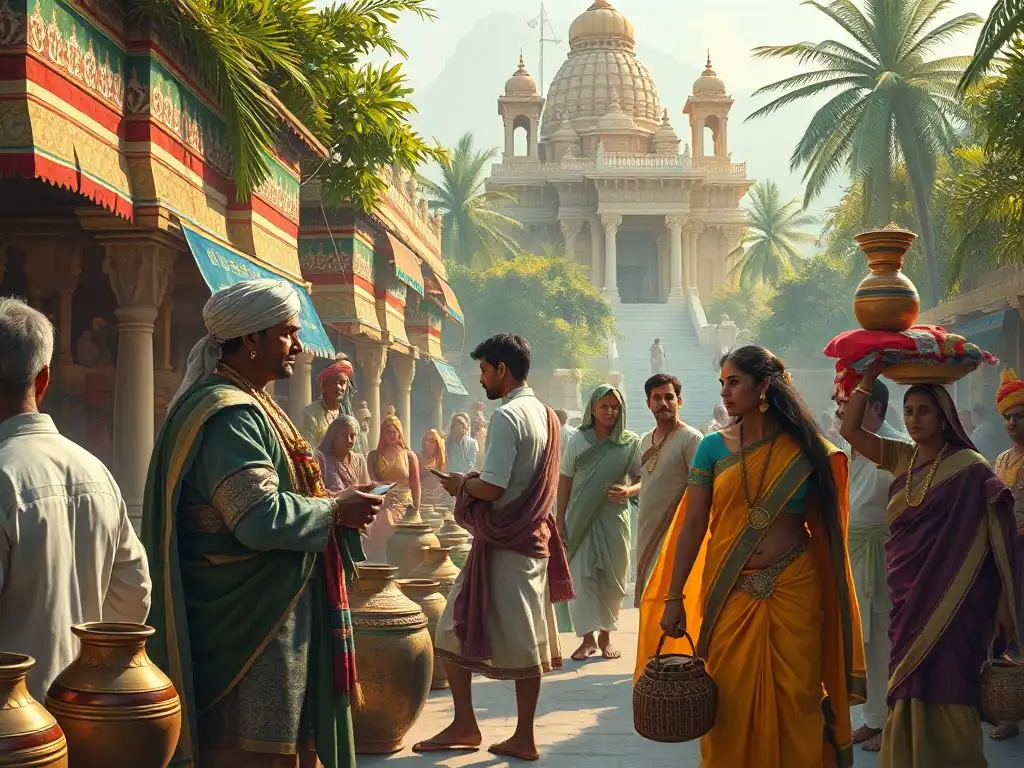
Introduction to Wealth Distribution in Ancient India
The exploration of wealth distribution in ancient India reveals a complex tapestry of economic practices, social structures, and cultural norms that defined the lives of its inhabitants. From the sophisticated urban planning of the Indus Valley Civilization to the flourishing trade routes of the Gupta Empire, the allocation of resources and wealth played a pivotal role in shaping ancient Indian society.
Understanding how wealth was distributed among various classes provides valuable insights into the dynamics of power, social hierarchy, and economic sustainability in these civilizations. This analysis not only uncovers the mechanisms behind wealth distribution but also highlights the interplay between economic practices and social stratification.
Overview of Wealth Distribution Concepts
Wealth distribution in ancient India can be analyzed through various lenses, including:
- Social Classes: The division of society into distinct classes, such as the Brahmins, Kshatriyas, Vaishyas, and Shudras, each with its own economic roles and responsibilities.
- Resource Allocation: The methods by which resources, including land, labor, and capital, were distributed among different social segments.
- Economic Systems: The underlying economic systems that influenced wealth distribution, such as feudalism, trade, and agrarian economies.
These concepts provide a framework for understanding how wealth was not only accumulated but also circulated within ancient Indian societies.
Importance of Class Analysis in Ancient Indian Society
Class analysis is crucial for comprehending the intricacies of wealth distribution in ancient India. By examining the interactions between different social classes, we can gain insights into:
- Power Dynamics: How wealth influenced the political power of various classes, particularly in the context of governance and social mobility.
- Cultural Practices: The role of wealth in shaping cultural and religious practices, including patronage of temples and arts.
- Economic Inequalities: The disparities in wealth and resources that existed between different classes and the implications for social cohesion and conflict.
Historical Context of Ancient Indian Economy
To understand wealth distribution in ancient India, it is essential to examine the historical context of its economy, marked by diverse practices and systems that evolved over millennia.
Economic Practices in Early Indian Civilizations
Early Indian civilizations, such as the Indus Valley Civilization (c. 3300–1300 BCE), showcased advanced economic practices, including:
- Urban Planning: Cities like Harappa and Mohenjo-Daro featured sophisticated infrastructure, which facilitated trade and resource management.
- Craft Production: A thriving artisan class engaged in the production of textiles, pottery, and metalwork contributed to economic diversity.
- Trade Networks: Extensive trade routes connected ancient India with regions as far as Mesopotamia, enhancing wealth accumulation and distribution.
These practices laid the groundwork for the economic complexities that would follow in subsequent eras.
The Role of Trade in Wealth Distribution
Trade played a significant role in shaping the wealth distribution landscape of ancient India. Key factors include:
- Internal Trade: The exchange of goods across various regions fostered economic interdependence and wealth accumulation among merchant classes.
- External Trade: International trade with neighboring civilizations facilitated the inflow of wealth and luxury goods, impacting local economies and social structures.
- Market Regulation: The establishment of markets and trade guilds helped regulate prices and distribution, ensuring a certain level of economic stability.
Understanding the trade dynamics offers insights into how wealth was created and distributed among various classes in society.
Agricultural Systems and Land Ownership
Agriculture was the backbone of the ancient Indian economy, with land ownership being a critical factor in wealth distribution. Considerations include:
- Land Tenure Systems: Various systems, such as direct ownership, sharecropping, and leasing, influenced the distribution of agricultural wealth.
- Taxation: Land taxes collected by ruling authorities played a role in redistributing wealth and funding public projects.
- Caste System: The caste system affected land ownership, with certain classes having privileged access to resources, thereby impacting wealth distribution.
These agricultural practices and ownership structures significantly shaped the socio-economic landscape of ancient India.
Class Structure in Ancient India
The class structure of ancient India was a complex system that defined social roles, economic interactions, and cultural practices. This structure was primarily influenced by two systems: the Varna system, which categorized society into four major classes, and the Jati system, which introduced further stratification within these classes. Understanding this class structure is crucial to analyzing wealth distribution in ancient India, as it directly affected access to resources, opportunities for accumulation, and the overall economic dynamics within various communities.
The interplay between the Varna and Jati systems created a nuanced social hierarchy that dictated not only the economic capabilities of individuals but also their social interactions and rights. As a result, wealth was not evenly distributed across society; instead, it was concentrated among certain classes, particularly those in higher social standings. This led to significant disparities in wealth and power, making the study of wealth distribution essential for understanding the broader economic practices in ancient India.
Varna System: The Four Major Classes
The Varna system is one of the earliest classifications of society in ancient India, dividing people into four principal categories:
- Brahmins: The priestly class, responsible for religious rituals, teaching, and maintaining sacred knowledge. They held significant influence and were often the wealthiest due to their roles in society.
- Kshatriyas: The warrior and ruling class, tasked with protection and governance. Their wealth was often derived from land ownership and military conquests.
- Vaishyas: The merchant and agricultural class, engaged in trade, agriculture, and commerce. Their economic activities were vital for the prosperity of the society, contributing to wealth accumulation.
- Shudras: The laboring class, responsible for serving the other three Varnas. They had limited access to wealth and resources, reflecting the systemic inequalities present in ancient society.
This classification established a framework for social interactions and economic roles, shaping the distribution of wealth in ancient India. The Brahmins and Kshatriyas typically accumulated more wealth and power compared to the Vaishyas and Shudras, leading to pronounced economic disparities.
Jati System: Social Stratification Beyond Varna
While the Varna system provided a broad framework, the Jati system introduced a more intricate layer of social stratification. Jatis, or sub-castes, emerged over time and were often linked to specific professions, regional affiliations, and community practices. Each Jati had its own rules, customs, and social standings, leading to a more complex hierarchy within the overarching Varna categories.
The Jati system allowed for additional layers of wealth distribution and economic dynamics. For instance, certain Jatis within the Vaishya class became wealthy through specialized trade practices, while others remained impoverished. This diversification of social roles meant that wealth could be concentrated within specific Jatis, further complicating the understanding of wealth distribution in ancient India. Consequently, the Jati system not only reinforced existing inequalities but also allowed for some mobility, albeit limited, among the social classes.
Mechanisms of Wealth Accumulation
Wealth accumulation in ancient India was influenced by several mechanisms, each contributing to the overall economic landscape. These mechanisms included land ownership, trade networks, and patronage systems, all of which played significant roles in determining how wealth was distributed and concentrated among various classes.
Land Ownership and Agrarian Wealth
Land ownership was a primary source of wealth in ancient India, fundamentally tied to agrarian practices. The agrarian economy formed the backbone of society, with landholding families often accumulating substantial wealth through agricultural production. Wealthy landowners, typically from the Kshatriya and Brahmin classes, benefited from the labor of Shudras and lower Jatis, further entrenching economic disparities.
Land also served as a symbol of status and power. Ownership rights were often hereditary, leading to the establishment of wealthy dynasties that wielded significant influence over both resources and political affairs. Additionally, the system of land grants, often provided by rulers to Brahmins or Kshatriyas, facilitated the concentration of wealth among the elite, while the laboring class remained largely disenfranchised.
Trade Networks and Economic Prosperity
Trade networks played a crucial role in the economic prosperity of ancient India, facilitating the exchange of goods, ideas, and wealth across regions. Merchants and traders, primarily from the Vaishya class, engaged in both local and long-distance trade, exporting commodities such as spices, textiles, and precious stones.
These trade routes connected ancient Indian civilizations to regions such as the Middle East, Southeast Asia, and beyond, allowing for economic growth and the accumulation of wealth among successful traders. The establishment of trade guilds further enabled the organization of commerce and provided a platform for collective bargaining and resource pooling, enhancing the economic power of certain Jatis within the Vaishya class.
Patronage Systems: Wealth Distribution through Religion and Politics
Patronage systems in ancient India significantly influenced wealth distribution, particularly through the intersections of religion and politics. Wealthy individuals and rulers often engaged in patronage, funding religious institutions, temples, and scholars, thereby reinforcing their social status and influence.
This patronage not only served to consolidate wealth among the elite but also facilitated the redistribution of resources within society. Temples, for instance, became centers of economic activity, attracting donations and providing services to the community. In this way, the patronage system created a complex web of economic dependencies, where the wealthy contributed to the spiritual and cultural life of society while simultaneously reinforcing their economic dominance.
The mechanisms of wealth accumulation in ancient India were multifaceted, with land ownership, trade, and patronage systems playing critical roles in shaping the distribution of wealth across various classes. Understanding these mechanisms provides valuable insights into the economic practices and systems that characterized ancient Indian civilization.
Case Studies of Wealth Distribution in Ancient India
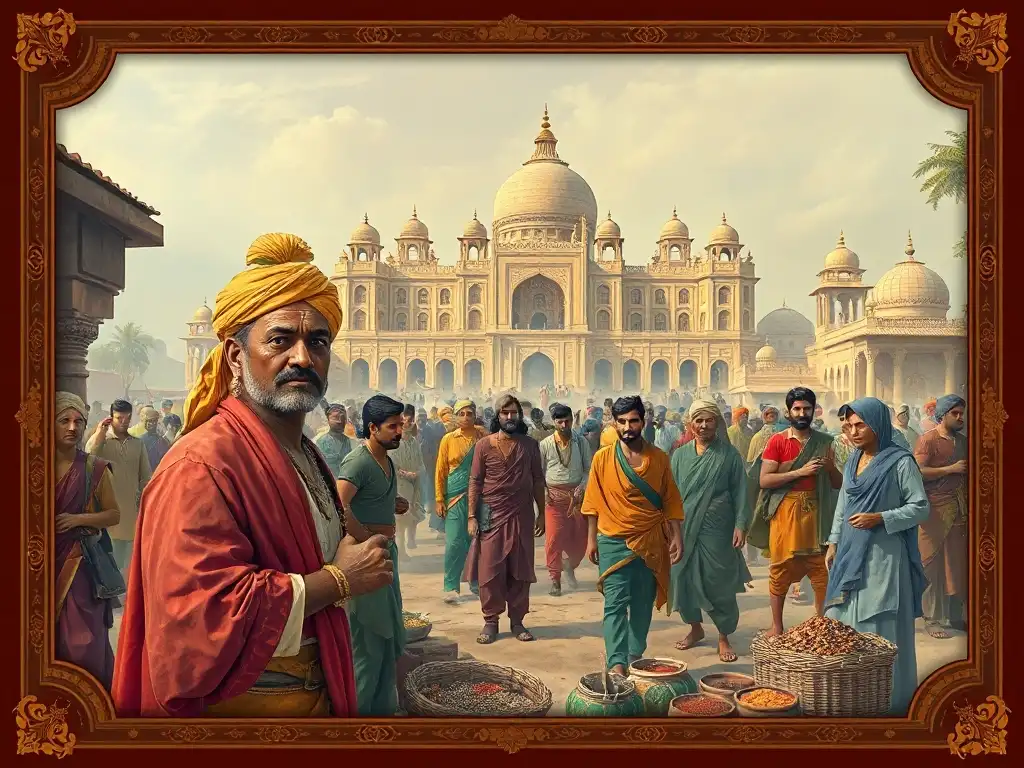
Understanding wealth distribution in ancient India necessitates examining specific periods and practices that highlight how wealth was accumulated, shared, and influenced various societal structures. This analysis will focus on notable epochs, including the Mauryan Empire and the Gupta period, as well as the critical role of guilds in urban centers. Each case study reveals the complexities of wealth distribution and its social implications.
Wealth Distribution during the Mauryan Empire
The Mauryan Empire (322-185 BCE) marked a significant period of centralized governance and economic expansion in ancient India. Under the reign of Chandragupta Maurya and his grandson Ashoka, the empire saw a complex system of wealth distribution that was deeply intertwined with the state’s administrative ethos.
- Centralized Revenue System: The Mauryan state implemented a sophisticated taxation system that collected revenues from agriculture, trade, and crafts. The state was responsible for redistributing wealth through public projects and welfare programs, which were noteworthy in promoting economic stability.
- Role of Land Ownership: Wealth in the Mauryan Empire was significantly concentrated among landowners, especially the aristocratic class. The agrarian economy meant that land was the primary source of wealth, with peasants working under landlords who held significant power.
- Trade and Commerce: The expansion of trade routes, particularly during Ashoka’s reign, facilitated wealth accumulation among merchants and traders. The empire’s policies promoted trade with regions as far as the Mediterranean, leading to increased wealth for those involved in commerce.
Economic Practices in the Gupta Period
The Gupta period (circa 240-550 CE) is often referred to as the "Golden Age" of India due to its advancements in art, science, and economic growth. Wealth distribution during this time was characterized by a more decentralized approach compared to the Mauryan Empire.
- Agricultural Innovations: The introduction of new agricultural techniques and crops led to increased productivity. Landowners gained wealth, but a rise in the peasantry's economic status was also noted, as they could produce surplus goods for trade.
- Craftsmanship and Trade: The Gupta Empire saw a flourishing of crafts and trade, with urban centers becoming hubs of economic activity. Guilds played a vital role in regulating trade practices and ensuring fair distribution among artisans and craftsmen.
- Patronage of Arts and Sciences: Wealthy patrons, including kings and affluent merchants, sponsored artists, scholars, and religious institutions. This patronage not only redistributed wealth but also resulted in cultural and intellectual advancements, further embedding wealth in society’s fabric.
The Role of Guilds in Urban Wealth Distribution
Guilds were crucial in the urban centers of ancient India, acting as associations of artisans and merchants that regulated trade and maintained economic standards. Their influence on wealth distribution is notable for several reasons.
- Economic Regulation: Guilds established norms for pricing, quality, and trade practices, which helped stabilize local economies. They enabled members to pool resources, share risks, and collectively negotiate with suppliers and customers.
- Social Structure: Membership in guilds often determined social standing, as wealth could be accumulated through skilled craftsmanship and trade. Successful guilds could exert significant influence in urban governance, further intertwining economic and social hierarchies.
- Wealth Redistribution: Guilds often engaged in charitable activities, redistributing wealth among their members and supporting communal projects. This practice helped alleviate some inequalities within urban society and fostered a sense of community.
The Impact of Wealth Distribution on Society
The implications of wealth distribution in ancient Indian society were profound, shaping social structures, power dynamics, and cultural contributions across various classes.
Social Mobility and Economic Class Shifts
The nature of wealth distribution in ancient India allowed for some degree of social mobility, albeit limited by various factors such as caste and regional disparities.
- Opportunities for Upward Mobility: In periods of economic growth, such as during the Gupta Empire, individuals could rise through wealth acquisition in trade or craftsmanship. Successful merchants and artisans could elevate their social standing, challenging traditional caste boundaries.
- Impact of Urbanization: The growth of urban centers created new economic opportunities that contributed to shifting class dynamics. As cities expanded, the demand for labor and services increased, allowing lower classes to gain economic power.
- Caste System Influence: Despite opportunities for mobility, the rigid caste system often restricted full access to wealth for certain groups. The interplay between wealth accumulation and caste identity created a complex social landscape.
Wealth Distribution and Power Dynamics
Wealth distribution in ancient India was intrinsically linked to power dynamics, influencing governance, social hierarchies, and political stability.
- Political Power and Wealth: Wealthy landowners and merchants held substantial political power, often influencing decisions made by rulers. Their economic resources allowed them to garner support and maintain loyalty among lower classes.
- State Control: Centralized empires, such as the Mauryan, utilized wealth from taxation to fund military and administrative functions, demonstrating how economic power translated into political authority. The ability to redistribute wealth was crucial for maintaining order and allegiance.
- Conflict and Social Tension: Disparities in wealth often led to social tension and conflict, particularly when lower classes struggled under the burden of taxation and feudal obligations. The reactions of disenfranchised groups could lead to uprisings or shifts in political power.
Cultural Contributions from Different Economic Classes
The economic diversity of ancient Indian society fostered a rich tapestry of cultural contributions across various classes.
- Art and Literature: Wealthy patrons sponsored the arts, while artisans and skilled laborers created cultural artifacts that reflected societal values. The contributions from different economic classes enriched the cultural landscape of ancient India.
- Religious Influence: Economic power often translated into religious patronage, as wealthy individuals funded temples and religious institutions. The resulting blend of religion and wealth shaped cultural practices and community identities.
- Knowledge and Education: Wealthy families invested in education, contributing to advancements in science, mathematics, and philosophy. The intellectual contributions from various economic backgrounds played a critical role in shaping India's historical legacy.
Wealth distribution in ancient India was a multifaceted phenomenon that involved intricate interactions between economic practices, social structures, and cultural contributions. The case studies from different periods highlight the dynamic nature of wealth and its profound impact on society.
Conclusion on Wealth Distribution in Ancient India
The study of wealth distribution in ancient India reveals a complex tapestry of economic practices that were deeply intertwined with social hierarchies and cultural norms. Throughout various periods, from the prosperous days of the Indus Valley Civilization to the structured economic frameworks during the Gupta Empire, wealth was not merely an indicator of individual success but a reflection of societal organization and morality. The stratification of wealth among different classes—ranging from the ruling elites and merchants to farmers and laborers—demonstrates how economic disparities were both a product of and a contributor to the prevailing social order.
Understanding the nuances of wealth distribution in ancient India provides valuable insights into the mechanisms of trade, agriculture, and social interactions. It highlights the importance of land ownership, trade routes, and the role of guilds, which collectively shaped economic prosperity and influenced the livelihoods of various classes. The legacy of these economic structures continues to resonate in the modern socio-economic landscape of India, where historical patterns can still be observed in contemporary wealth distribution.
Summary of Key Findings
- Social Stratification: Wealth distribution was closely linked to social classes, with the Brahmins and Kshatriyas generally enjoying more wealth and privilege compared to the Vaishyas and Shudras.
- Role of Agriculture: Agriculture was a primary source of wealth, with land ownership significantly impacting one's economic standing. The agrarian economy was bolstered by trade and commerce, particularly in urban centers.
- Trade and Guilds: The rise of trade networks and merchant guilds facilitated economic exchange, allowing for wealth accumulation among traders while also contributing to urban prosperity.
- Cultural and Religious Influences: Wealth was often viewed through a moral lens, with religious texts advocating for charitable giving and the redistribution of wealth as a means to achieve social harmony.
- Economic Policies: Various rulers implemented policies that affected wealth distribution, such as taxation systems and state control over certain economic activities, which helped maintain social order.
The Legacy of Ancient Indian Wealth Distribution in Modern Context
The patterns of wealth distribution observed in ancient India have left a lasting impression on contemporary society. Many of the economic practices and social hierarchies established during ancient times can still be traced in modern India. The persistence of caste-based economic disparities highlights how historical wealth distribution continues to influence social dynamics and economic opportunities today.
Furthermore, the ancient emphasis on trade and commerce has evolved into India's current position as a major player in the global economy. The legacy of guilds and regional trade practices has transformed into modern business associations and trade networks. Understanding these connections allows for a more profound appreciation of how ancient economic systems have laid the groundwork for modern economic practices and policies.
References
Suggested Readings on Wealth Distribution in Ancient India
- "The Economic History of India" by Romila Thapar: This book provides a comprehensive overview of the economic structures that shaped ancient Indian society, focusing on wealth distribution and class dynamics.
- "Ancient Indian Economy: A Study": by R. S. Sharma: A detailed analysis of the economic practices in ancient India, exploring the relationship between wealth, agriculture, and social classes.
Academic Sources and Historical Texts on Economic Practices
- "Arthashastra" by Kautilya: An ancient Indian treatise on statecraft, economic policy, and military strategy, offering insights into the economic practices and wealth distribution of the time.
- "The Rigveda": This ancient text includes references to wealth and social classes, providing a glimpse into the early economic and social structures of Vedic society.
- "The Gupta Empire and Its Decline" by B.N. Mukherjee: This historical account discusses the economic practices during the Gupta period, including the distribution of wealth among different classes.
This analysis of wealth distribution in ancient India is crucial for understanding not just the past but also the ongoing socio-economic challenges faced in contemporary society.
- Introduction to Wealth Distribution in Ancient India
- Historical Context of Ancient Indian Economy
- Class Structure in Ancient India
- Mechanisms of Wealth Accumulation
- Case Studies of Wealth Distribution in Ancient India
- The Impact of Wealth Distribution on Society
- Conclusion on Wealth Distribution in Ancient India
- References
- What was the wealth distribution like in ancient India?
- How did caste systems affect wealth distribution?
- What were the main factors influencing economic inequality in ancient Indian society?
- Did ancient Indian civilizations have any systems for redistributing wealth?
- How did the Gupta Empire impact wealth distribution?
Frequently Asked Questions
What was the wealth distribution like in ancient India?
The wealth distribution in ancient India was marked by a significant class divide, where the upper classes held most wealth, while the lower classes had limited resources and opportunities.
How did caste systems affect wealth distribution?
The caste system played a crucial role in wealth distribution, as it often determined access to resources, occupations, and social status, leading to entrenched economic disparities.
What were the main factors influencing economic inequality in ancient Indian society?
Factors such as land ownership, trade practices, and social hierarchy significantly influenced economic inequality, leading to wealth being concentrated among a select few.
Did ancient Indian civilizations have any systems for redistributing wealth?
Yes, some ancient Indian societies implemented mechanisms like charity and taxation to redistribute wealth, though effectiveness varied greatly depending on the ruling class and governance.
How did the Gupta Empire impact wealth distribution?
The Gupta Empire promoted economic prosperity, leading to a more structured wealth distribution system, yet disparities persisted due to patronage of the arts and crafts by the elite.
Final Reflection: Understanding Wealth Distribution in Ancient India
Wealth distribution in ancient India serves as a crucial lens through which we can examine the complexities of social hierarchy and economic practices that shaped one of the world's oldest civilizations. Today, as we grapple with persistent inequalities and the implications of wealth concentration, the lessons from ancient Indian society resonate more than ever. The disparities observed in historical contexts remind us that the structures of wealth and power are often deeply entrenched, influencing not just economic conditions but also cultural and social dynamics.
The analysis of wealth distribution in ancient India reveals a rich tapestry of class relations that continue to inform contemporary discussions about equity and justice. This historical perspective encourages us to reflect on our own societal structures and the ongoing challenges we face. As we navigate the modern world, the echoes of ancient practices can be seen in the ways wealth is accumulated and distributed today. History is not a burden on the memory but an illumination of the soul.
This quote encapsulates the importance of understanding our past to illuminate the path forward, emphasizing how the lessons learned from ancient wealth distribution can guide us in addressing current disparities.
As we conclude this exploration, I invite you to reflect on the implications of wealth distribution in your own life and community. Consider how the lessons from ancient India can inspire you to advocate for a more equitable society. Each of us has the power to challenge the status quo and contribute to a more balanced distribution of resources. Let us take these insights to heart and strive for a future where wealth serves as a bridge rather than a barrier, fostering inclusivity and shared prosperity for all.
Unveil the Wealth Secrets of Ancient India!
Thank you for diving into this exploration of wealth distribution in ancient Indian society. You've gained valuable insights into the complex class dynamics that shaped lives centuries ago. Now it’s time to transform that knowledge into action!
Here's how you can deepen your understanding and engage with the topic further:
- Explore a related historical text that discusses economic conditions in ancient India to broaden your perspective.
- Share your thoughts with friends or on social media—what surprised you the most about wealth distribution in ancient societies?
- Join a forum or community focused on ancient history where you can discuss these findings and learn from others who share your passion.
As you reflect on these insights, consider this: How do you think the wealth distribution of ancient societies influences modern economic structures today? We invite you to share your thoughts below!