
The Role of Guilds and Artisans in Ancient Indian Economy

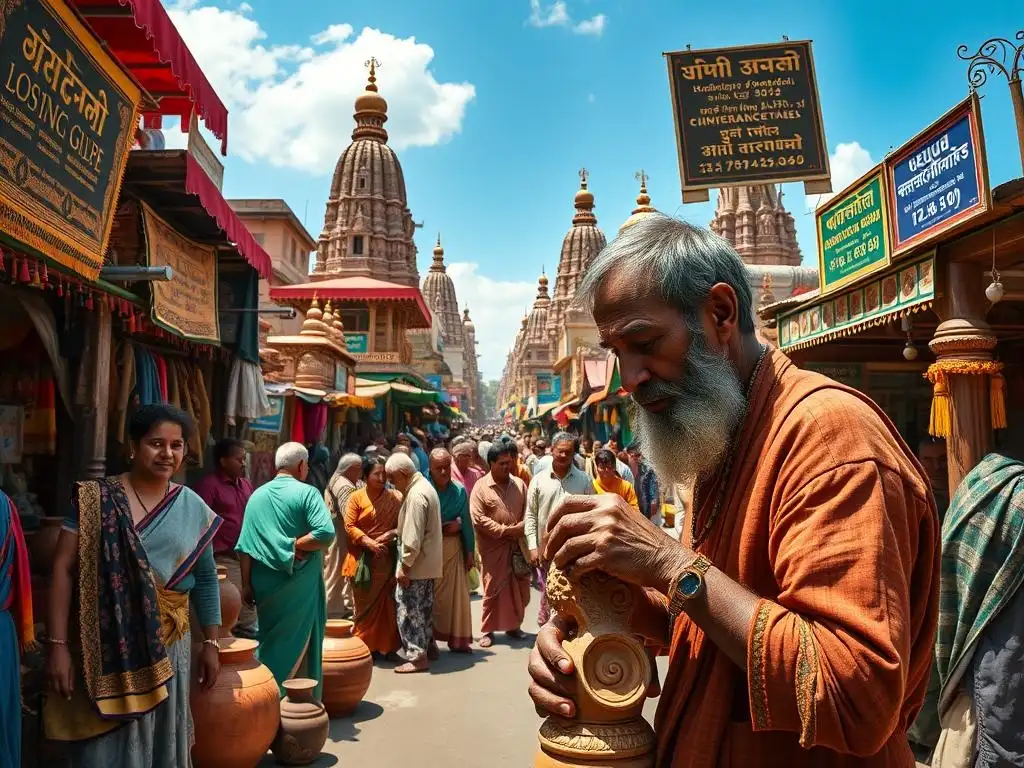
Welcome to Ancient India History, where we embark on a fascinating journey through the rich tapestry of ancient Indian civilizations. From the thriving streets of the Indus Valley to the opulent courts of the Gupta Empire, the legacy of guilds and artisans plays a pivotal role in shaping the economy and culture of this remarkable era. In our featured article, "The Role of Guilds and Artisans in Ancient Indian Economy," we delve into the intricate networks of craftsmanship and commerce that sustained these vibrant societies.
Prepare to uncover the secrets of skilled artisans, their guilds, and how they contributed to the flourishing trade landscape of ancient India. Join us as we explore the past and reveal the connections that continue to resonate today!
Introduction to Guilds and Artisans in Ancient India
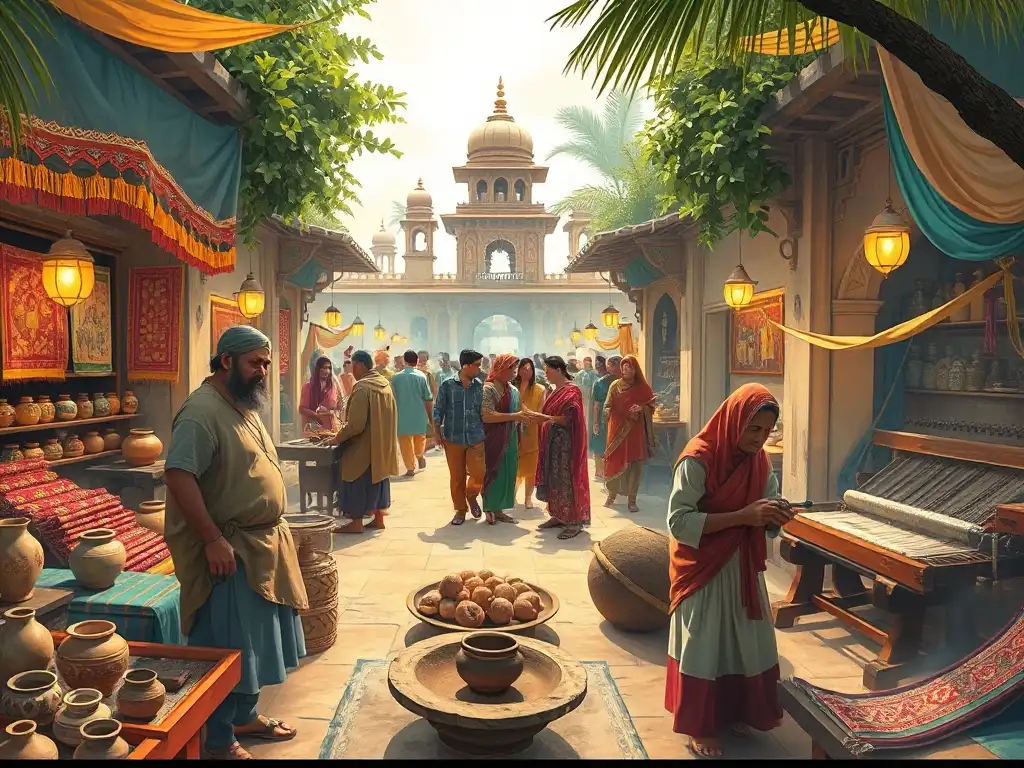
The ancient Indian economy was characterized by a complex network of trade and craftsmanship, where guilds and artisans played a pivotal role in shaping economic practices and systems. Guilds, known as "shrenis," were associations of craftsmen and traders that facilitated commerce, regulated production, and upheld quality standards in their respective industries. These institutions not only contributed to the economic prosperity of ancient India but also fostered a sense of community among artisans.
Artisans, ranging from weavers and potters to metalworkers and carpenters, formed the backbone of the economy, creating goods that were essential for both domestic use and trade. Understanding the role of guilds and artisans in ancient India provides valuable insights into the socio-economic fabric of the time, highlighting their contributions to culture, art, and the overall development of civilization.
Definition of Guilds and Artisans
In the context of ancient India, guilds were formal associations of artisans and traders who came together for mutual benefit. They served several purposes:
- Regulation of Trade: Guilds ensured fair practices within trade, maintaining price controls and quality standards.
- Networking: They provided a platform for artisans to connect, allowing for the exchange of skills and knowledge.
- Collective Bargaining: Guilds represented their members in negotiations with merchants and local rulers.
Artisans, on the other hand, were skilled workers who crafted goods by hand. Their contributions were vital to the economy, and they specialized in various trades, including:
- Weaving: Producing textiles that were highly sought after in both domestic and international markets.
- Pottery: Creating functional and decorative pottery items.
- Metalworking: Crafting tools, weapons, and ornaments from metals.
Historical Context of Guilds in Ancient India
The emergence of guilds in ancient India can be traced back to the Indus Valley Civilization, where evidence of organized trade and craftsmanship is evident. As societies evolved, especially during the Mauryan and Gupta periods, guilds became more structured and influential. Historical texts like the Arthashastra by Kautilya describe the importance of guilds in the economy, highlighting their role in taxation and trade regulations.
During the medieval period, guilds continued to thrive, adapting to changing economic conditions. They played a crucial role in the urbanization of India, facilitating the growth of cities and trade routes. The decline of guilds began with the advent of colonialism, which disrupted traditional economic practices.
The Structure of Guilds in Ancient India
Types of Guilds in Ancient Indian Society
Guilds in ancient India were diverse and specialized based on the crafts and trades they represented. Some common types included:
- Trade Guilds: Focused on specific commodities such as grains, textiles, or spices.
- Craft Guilds: Comprised artisans specializing in crafts like metalwork, pottery, or weaving.
- Merchant Guilds: Included traders who dealt in long-distance trade, often forming alliances for protection and mutual benefit.
Membership and Organization of Guilds
Membership in a guild was often hereditary, passed down through generations. The organization within a guild typically involved:
- Leadership: A council or a headman (often referred to as "shreshthi") who oversaw guild activities and represented members in dealings with external entities.
- Regulations: Guilds established rules for membership, including apprenticeship requirements and standards for production.
- Support Systems: Members provided financial support to one another during times of need or when starting new projects.
Roles and Responsibilities of Guild Members
Members of guilds carried various roles and responsibilities, which included:
- Quality Control: Ensuring that products met the guild's standards before reaching the market.
- Training: Experienced artisans trained apprentices, passing down skills and techniques essential for the trade.
- Community Support: Guilds often engaged in charity work, supporting local temples and providing aid to the less fortunate within their community.
The significance of guilds and artisans in ancient India cannot be overstated; they were integral to the economic structure and cultural identity of the civilization. Understanding their role provides essential insights into how ancient Indian society functioned and thrived economically.
Economic Contributions of Artisans and Guilds
In ancient India, artisans and guilds played a pivotal role in shaping the economy through their specialized skills and organized structures. They were integral to various sectors, including textiles, metalwork, pottery, and carpentry, significantly contributing to local and regional economies. The exchange of goods produced by these artisans not only facilitated trade but also fostered economic interdependence among different regions.
Artisans were not merely producers; they formed guilds that regulated their trades, set standards, and protected their interests. These guilds ensured quality control and fair pricing, which, in turn, enhanced consumer trust and demand for their products. The collaboration among artisans within these guilds allowed for the sharing of techniques and innovations, further enriching the economic landscape of ancient India.
Artisans: The Backbone of Ancient Indian Economy
Artisans in ancient India were essential to the economy, serving as skilled craftsmen who produced a wide variety of goods. They were involved in diverse crafts, including weaving, pottery, metalworking, and sculpture. These artisans not only created products for local consumption but also for export, linking India to broader trade networks.
The significance of artisans can be seen in their ability to adapt and innovate. For instance, the introduction of new weaving techniques in textiles led to the production of exquisite fabrics that became highly sought after in both domestic and international markets. Additionally, artisans often worked in family units or small workshops, fostering a sense of community and preserving traditional skills across generations.
The economic stability provided by these artisans was crucial during periods of political and social change. Their crafts contributed to the wealth of kingdoms and empires, allowing rulers to fund their armies and administrative systems. As a result, artisans played a vital role in the sustenance and growth of ancient Indian economies.
Trade and Commerce Involvement of Guilds
Guilds emerged as organized bodies that represented various trades and crafts, playing a crucial role in the trade and commerce of ancient India. They acted as intermediaries between artisans and the marketplace, facilitating the distribution of goods and ensuring that artisans received fair compensation for their work. Guilds were often involved in the entire supply chain, from production to sales, and played a significant role in the economic infrastructure.
These organizations also helped in negotiating trade agreements and establishing trade routes, both domestically and internationally. The presence of guilds allowed for the standardization of weights and measures, which was essential for trade. Their influence extended beyond mere economic transactions; guilds often held social and cultural significance, organizing festivals and events that promoted community solidarity.
Guilds also played a role in the dissemination of knowledge related to trade practices, market trends, and technological advancements. This knowledge sharing ensured that artisans remained competitive and could adapt to changing market demands, thus enhancing the overall economic health of the regions they operated in.
Crafts and Industries Promoted by Artisans
The artisans of ancient India were involved in a wide array of crafts and industries that not only defined their communities but also contributed significantly to the economy. Some of the prominent crafts included:
- Textile Production: The weaving of cotton, silk, and woolen fabrics was a major industry, with regions like Gujarat and Bengal becoming renowned for their unique textiles.
- Pottery and Ceramics: Artisans produced both functional and decorative pottery, often incorporating intricate designs that reflected local traditions and innovations.
- Metalwork: The crafting of tools, weapons, and ornaments from metals such as gold, silver, and iron was highly developed, with artisans employing techniques that are still admired today.
- Woodwork and Carpentry: Skilled carpenters built not only furniture but also temples and other significant structures, showcasing their craftsmanship through elaborate carvings.
These industries were often tied to the local resources available and reflected the cultural heritage of the region. The products made by artisans were not only essential for everyday life but also served as symbols of identity and pride within communities.
The Influence of Guilds on Local and Regional Economies
The presence of guilds in ancient India had a profound impact on both local and regional economies. They facilitated trade, ensured quality control, and provided a framework for economic cooperation among artisans and merchants. By regulating prices and quality, guilds helped stabilize the market, which was crucial for economic growth.
Guilds and Market Regulation
Guilds were instrumental in regulating markets in ancient India. They established rules and guidelines that governed pricing practices, ensuring that artisans could earn a fair wage for their labor while preventing exploitation by merchants. This regulation fostered a sense of trust among consumers, as they could rely on the quality and authenticity of the goods produced by guild members.
Moreover, guilds often maintained exclusive rights over certain trades, which allowed them to control the supply and demand dynamics within their respective markets. By doing so, they ensured that their members could thrive economically, contributing to the overall stability of the local economies.
Impact on Urban Development and Trade Centers
The influence of guilds extended beyond market regulation; they also played a crucial role in urban development. Many ancient Indian cities grew around trade centers where various guilds operated, facilitating commerce and interaction among different communities. These urban areas became vibrant hubs of economic activity, attracting artisans, merchants, and consumers alike.
Guilds contributed to the infrastructure of these cities by investing in public facilities, such as warehouses and marketplaces, which further enhanced trade efficiency. The establishment of trade routes and the strategic positioning of guild members in different regions facilitated the exchange of goods and ideas, leading to urban growth and cultural exchange.
Guilds in the Context of Regional Trade Networks
Guilds were not isolated entities; they were part of larger regional trade networks that connected various parts of India and beyond. The interconnectivity provided by these networks allowed for the flow of goods, services, and cultural influences across different regions. Guilds often collaborated with other guilds in different areas, creating alliances that strengthened their economic position.
Through these networks, artisans could access a wider market for their products, leading to increased demand and production. The exchange of goods such as spices, textiles, and metalwork facilitated cultural diffusion, enriching the economies and societies of the regions involved. Guilds thus served as crucial links in the intricate web of ancient Indian trade, significantly influencing the economic landscape of the time.
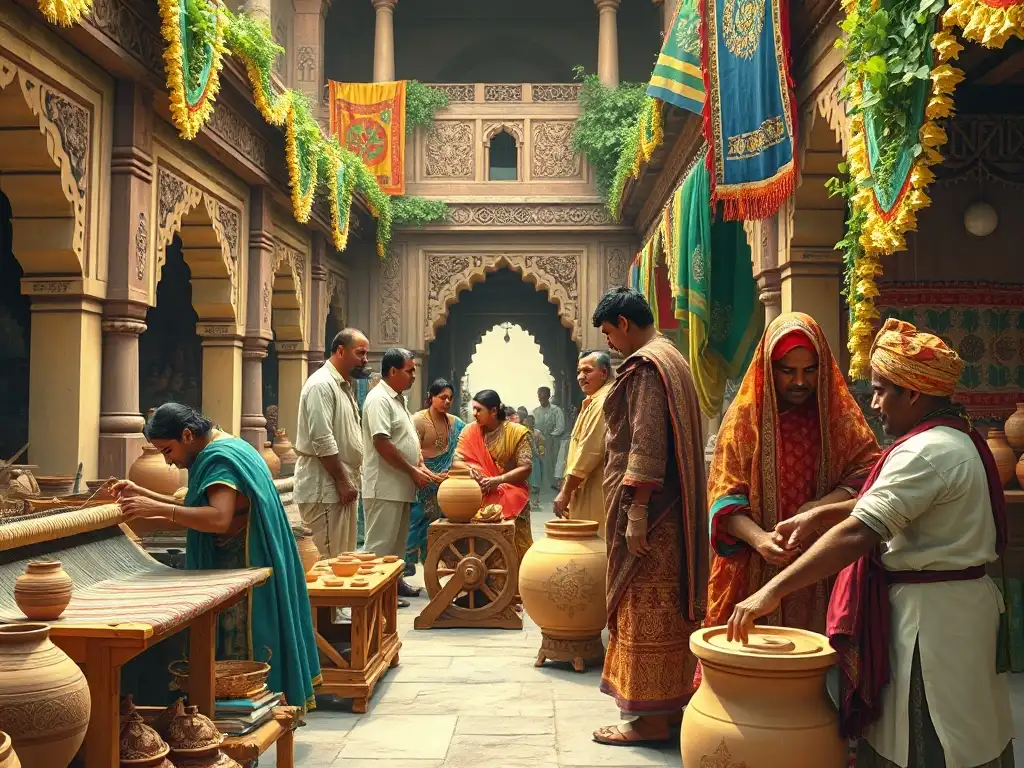
Guilds in ancient India were not merely economic organizations; they were vibrant social entities that played a crucial role in the cultural fabric of society. These guilds, often referred to as shrenis, were composed of artisans, traders, and craftsmen who specialized in various trades, including textiles, metalwork, pottery, and more. The solidarity among members fostered a sense of community, which was further strengthened by shared traditions, rituals, and practices.
Artisans within these guilds often embodied the cultural heritage of their respective regions. Their crafts were not just forms of livelihood but also expressions of identity and artistry that reflected local customs, beliefs, and aesthetics. The knowledge and skills passed down through generations within these guilds contributed to a rich tapestry of cultural practices, ensuring that traditional techniques and styles were preserved and celebrated.
Guilds as Centers of Cultural Exchange
Guilds served as pivotal centers for cultural exchange in ancient India. As trade routes expanded, these organizations facilitated the movement of goods, ideas, and cultural practices across diverse regions. Artisans from different backgrounds would often collaborate, leading to the amalgamation of various artistic styles and techniques.
For example, the interaction between weavers from the southern regions and metalworkers from the north resulted in unique textile designs adorned with intricate metal embellishments. Such collaborations not only enhanced the quality and variety of products but also promoted cultural inclusivity, allowing for a fusion of artistic expressions that influenced the broader Indian culture.
Moreover, guilds often organized fairs and markets that attracted individuals from various regions, further encouraging the exchange of ideas and traditions. This dynamic interaction among artisans and traders fostered a sense of unity and collective identity, reinforcing the significance of guilds beyond their economic functions.
The Role of Artisans in Community and Society
Artisans in ancient India held a significant position within their communities. Beyond their roles as producers of goods, they were often seen as custodians of local craftsmanship and culture. Their expertise was vital not only for economic stability but also for maintaining cultural continuity.
Artisans were frequently involved in community activities, participating in local festivals, rituals, and ceremonies. Their skills were essential for creating items used in religious practices, such as sculptures, temple decorations, and ceremonial artifacts. This close association with spiritual and cultural activities elevated their status within the community, as their work was seen as contributing to the social and religious fabric of society.
In many cases, artisans formed familial and communal ties that extended beyond their guilds, creating a network of support that reinforced their social standing. This interconnectedness among artisans contributed to a cohesive community identity, where the success of one reflected positively on the entire group.
Festivals and Events Celebrated by Guilds
Guilds in ancient India often organized and participated in various festivals and events that celebrated their crafts and contributions. These occasions were not only opportunities to showcase their products but also served as platforms for social bonding and cultural expression.
One of the prominent festivals was the Makar Sankranti, where artisans showcased their crafts through colorful stalls and exhibitions. This festival marked the transition of the sun into the zodiac sign of Capricorn and was celebrated with great enthusiasm, involving various community activities and rituals. Artisans would create special items associated with the festival, such as decorative kites and traditional sweets, which fostered a sense of community spirit.
Additionally, guilds organized annual fairs known as melas, where artisans from different regions would gather to trade goods, share knowledge, and celebrate their crafts. These fairs provided a vibrant atmosphere for cultural exchange, allowing artisans to learn from one another and innovate in their respective crafts. Such events were essential for maintaining the social fabric and ensuring that traditional practices were celebrated and preserved.
Challenges Faced by Guilds and Artisans
Economic Challenges in Ancient India
Despite their significant role in the economy, guilds and artisans faced various economic challenges in ancient India. The fluctuating demand for goods, influenced by changing consumer preferences and external trade dynamics, posed a constant threat to their livelihoods. Additionally, competition from emerging markets and foreign products often undermined local artisans, leading to economic instability.
The introduction of new technologies and production methods also disrupted traditional practices. Artisans had to adapt to these changes, which sometimes required substantial investments in skills and resources. Those unable to keep pace with modernization faced declining fortunes and, in some cases, were forced out of business.
Furthermore, taxation and levies imposed by regional rulers could place an additional burden on guilds. High taxes reduced the profit margins for artisans, hindering their ability to invest in their crafts or expand their operations. This economic strain often led to conflicts within guilds, as members struggled to navigate the challenges posed by external economic pressures.
Social and Political Factors Affecting Guilds
Social and political factors also significantly impacted the functioning of guilds in ancient India. The rise and fall of dynasties often influenced the stability of guilds, as shifts in power dynamics could lead to changes in trade regulations, taxation policies, and levels of patronage.
Guilds were sometimes subject to the whims of local rulers, who could favor certain groups over others based on political alliances or personal preferences. This favoritism could marginalize some artisans, leading to disparities in economic opportunities and social standing within the community.
Moreover, social stratification within society could affect guild membership and participation. Certain trades were often associated with specific castes, limiting the ability of individuals from lower social strata to join certain guilds. This exclusion could perpetuate social inequalities and restrict the flow of knowledge and skills across different groups.
Decline of Guilds: Causes and Consequences
The decline of guilds in ancient India can be attributed to a combination of factors, including economic shifts, political changes, and the advent of colonial influences. As trade routes evolved and new markets emerged, traditional guild structures began to lose their relevance. The increasing commercialization of crafts and the rise of factory-based production systems led to a decline in the artisanal economy.
The impact of colonial rule further exacerbated this decline. Colonial policies often prioritized the interests of foreign industries, leading to the marginalization of local artisans and traders. Importation of cheap foreign goods undercut local production, driving many artisans into poverty and forcing guilds to disband.
The consequences of the decline of guilds were profound, reshaping the economic landscape of ancient India. The loss of traditional craftsmanship and the knowledge associated with these guilds resulted in a cultural erosion that affected local identities. As artisans struggled to survive, the unique skills and artistic expressions that had flourished for centuries began to fade, marking the end of an era in India's rich tapestry of cultural heritage.
Conclusion: The Legacy of Guilds and Artisans in Ancient Indian Economy
The guilds and artisans of ancient India played a pivotal role in shaping the economic landscape of their time. Their contributions were not merely limited to craftsmanship, but extended to the organization of trade, the establishment of market regulations, and the fostering of a sense of community among various professional groups. This intricate network of guilds established standards for quality and pricing, which facilitated smoother transactions and promoted economic stability. Moreover, the skills and techniques honed by these artisans have been passed down through generations, influencing modern practices and contributing to India's rich cultural heritage.
In essence, the legacy of guilds and artisans in ancient India is reflected in the contemporary economy, where traditional crafts continue to thrive and evolve. The principles of collaboration, mutual support, and specialization that characterized these ancient guilds remain relevant today, reminding us of the importance of community in economic systems. Understanding this historical context not only enriches our knowledge of ancient Indian civilization but also provides valuable insights into the dynamics of modern economic practices.
Lasting Impact on Modern Indian Economy
The impact of ancient Indian guilds and artisans is palpable in today's economy, particularly in the crafts and cottage industries. Many artisans still operate within guild-like structures, emphasizing cooperation and collective bargaining to navigate modern market challenges. These traditional practices have been instrumental in sustaining livelihoods and preserving cultural heritage.
Furthermore, sectors such as textiles, pottery, and metalwork, which have their roots in ancient craftsmanship, continue to contribute significantly to India's GDP. The revival of interest in sustainable and locally sourced products has also led to a resurgence of artisanal goods, showcasing both the enduring relevance of ancient practices and the adaptability of these artisans to contemporary consumer preferences.
Reflection on the Importance of Guilds in Economic History
Reflecting on the importance of guilds in economic history, it is clear that they served as foundational institutions that influenced trade practices, labor relations, and economic governance in ancient India. Guilds functioned as regulatory bodies, ensuring that standards were maintained and that the interests of their members were protected. This organization allowed for enhanced productivity and innovation, as artisans could focus on their crafts without the uncertainties that often accompany unregulated markets.
Additionally, guilds fostered social cohesion among artisans, creating a sense of identity and belonging that transcended individual pursuits. This social dimension of guilds was crucial in times of economic fluctuation, as members could rely on one another for support and resources. Thus, the historical significance of guilds extends beyond mere economic transactions; they were vital to the social fabric of ancient Indian society.
References for Further Reading on Guilds and Artisans in Ancient India
Suggested Books and Articles
- "The Economic History of India: From 1200 to 1700" by Tapan Raychaudhuri: This book provides a comprehensive overview of the economic practices in ancient India, including the role of guilds.
- "Crafts and Craftsmen in Ancient India" by K. N. Chandra: An insightful exploration of various crafts and the artisans behind them, highlighting the significance of guilds.
- "Trade and Commerce in Ancient India" by R. N. Mehta: This text delves into the trade networks established by guilds and their economic implications.
Online Resources and Databases
- Digital South Asia Library (DSAL): A rich repository of historical documents and resources related to ancient Indian economic practices, including guilds.
- India History Congress Proceedings: A collection of scholarly articles and papers discussing various aspects of India's economic history, with a focus on guilds and artisans.
- National Digital Library of India: A vast online library offering access to texts and resources on the history of Indian crafts and trade practices.
These resources provide further insights into the rich tapestry of guilds and artisans in ancient India, offering a deeper understanding of their contributions to the economy and society.
- Introduction to Guilds and Artisans in Ancient India
- The Structure of Guilds in Ancient India
- Economic Contributions of Artisans and Guilds
- The Influence of Guilds on Local and Regional Economies
- Cultural and Social Aspects of Guilds and Artisans
- Challenges Faced by Guilds and Artisans
- Conclusion: The Legacy of Guilds and Artisans in Ancient Indian Economy
- References for Further Reading on Guilds and Artisans in Ancient India
Frequently Asked Questions
What were guilds in ancient India?
Guilds, known as 'shrenis', were associations of artisans and traders that played a crucial role in the economic and social structure of ancient Indian society.
How did guilds contribute to the economy?
Guilds facilitated trade and commerce, regulated prices, and ensured quality, which helped bolster the economic prosperity of ancient Indian civilizations.
What types of artisans were part of these guilds?
Artisans from various fields, including weavers, potters, blacksmiths, and jewellers, were integral members of guilds, promoting skilled craftsmanship and innovation in their respective trades.
Guilds not only provided economic support but also fostered community ties among artisans, creating a sense of identity and social responsibility within their professions.
What was the impact of guilds on ancient Indian culture?
Guilds contributed to the cultural exchange and preservation of traditional crafts, significantly influencing art, architecture, and cultural practices throughout ancient India.
Final Reflection: The Enduring Legacy of Guilds and Artisans in Ancient India
The intricate web of guilds and artisans in ancient India not only shaped the economy of their time but also laid the foundation for the socio-cultural dynamics we observe today. The craftsmanship and collaborative spirit of these guilds fostered innovation and community, echoing through the ages as we navigate our modern economic landscape. Their legacy serves as a reminder of the profound impact that skilled artisans can have on society, transcending mere trade to influence culture and identity.
The role of guilds and artisans has been pivotal in shaping the cultural fabric of India, fostering a sense of community and shared purpose. Their contributions extend beyond economic transactions; they have preserved traditions, languages, and art forms that continue to resonate in contemporary society. Artisans are the soul of a culture, weaving together the threads of history, identity, and creativity.
This ongoing influence highlights the importance of recognizing and celebrating the artisans who continue to enrich our lives today.
As we reflect on the lessons from the guilds and artisans of ancient India, let us embrace the spirit of collaboration and craftsmanship in our own lives. Consider how you can support local artisans, engage with your community, or even explore your own creative potential. By honoring the legacy of these skilled individuals, we not only pay tribute to their contributions but also inspire future generations to cultivate their talents and foster a vibrant, interconnected society.
Ignite Your Journey into Ancient Economic Wonders!
Thank you for taking the time to explore the fascinating role of guilds and artisans in the ancient Indian economy. Your curiosity contributes to a deeper understanding of how these communities shaped the vibrant tapestry of trade and craftsmanship. Now, let’s turn that knowledge into action!
Here are some ways you can dive deeper into this rich history:
- Embrace the past: Start a personal project by researching a specific guild or artisan from ancient India, reflecting on how their legacy influences modern practices.
- Engage with your community: Share your insights or findings on social media or within your local history group to spark conversations about the significance of craftsmanship today.
- Visit local markets: Discover local artisans and explore how they keep age-old traditions alive—consider participating in a workshop to experience their craft firsthand!
As you explore these avenues, we invite you to ponder: Which aspect of ancient Indian guilds resonates most with you, and how do you see their influence reflected in contemporary craftsmanship?