
Silk and Spices: The Pillars of Ancient Indian Trade

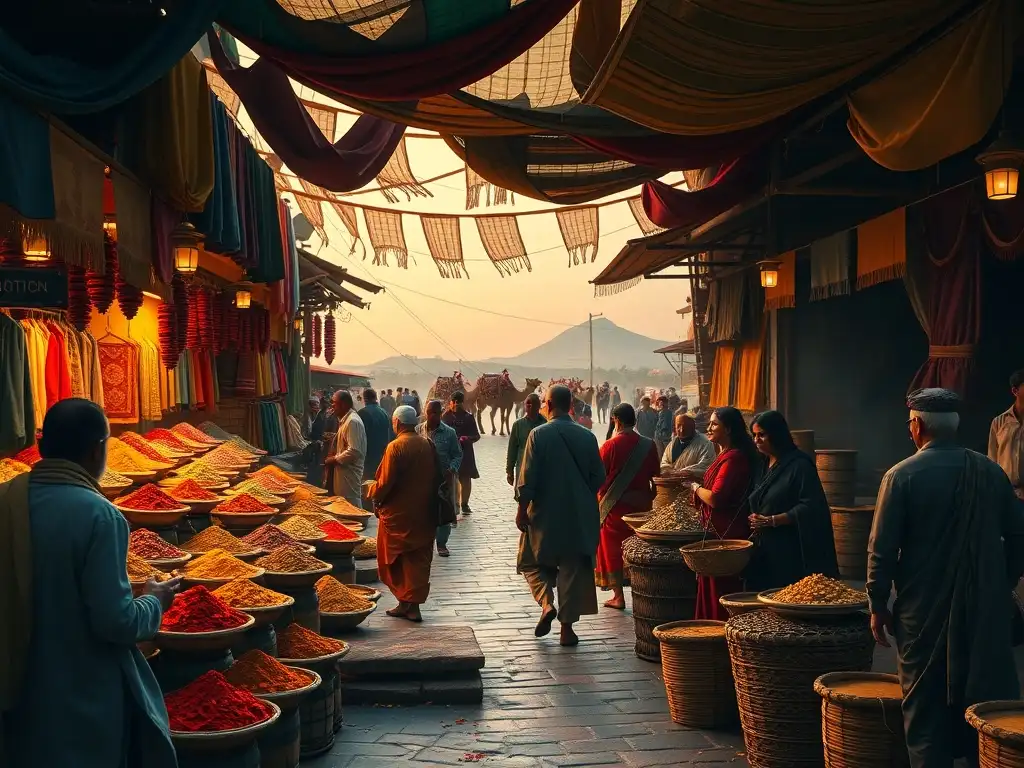
Welcome to Ancient India History, where we embark on a fascinating journey through the vibrant tapestry of India's past. Here, you'll uncover the remarkable tales of ancient civilizations that shaped the world, from the sophisticated Indus Valley to the illustrious Gupta Empire. In our featured article, "Silk and Spices: The Pillars of Ancient Indian Trade," we delve into the intricate web of ancient Indian trade routes that connected cultures, fueled economies, and enriched lives.
Get ready to explore how these pathways not only facilitated the exchange of goods but also the flow of ideas and traditions that still resonate today. Dive in and discover the secrets that lie within the annals of ancient Indian history!
Introduction to Ancient Indian Trade
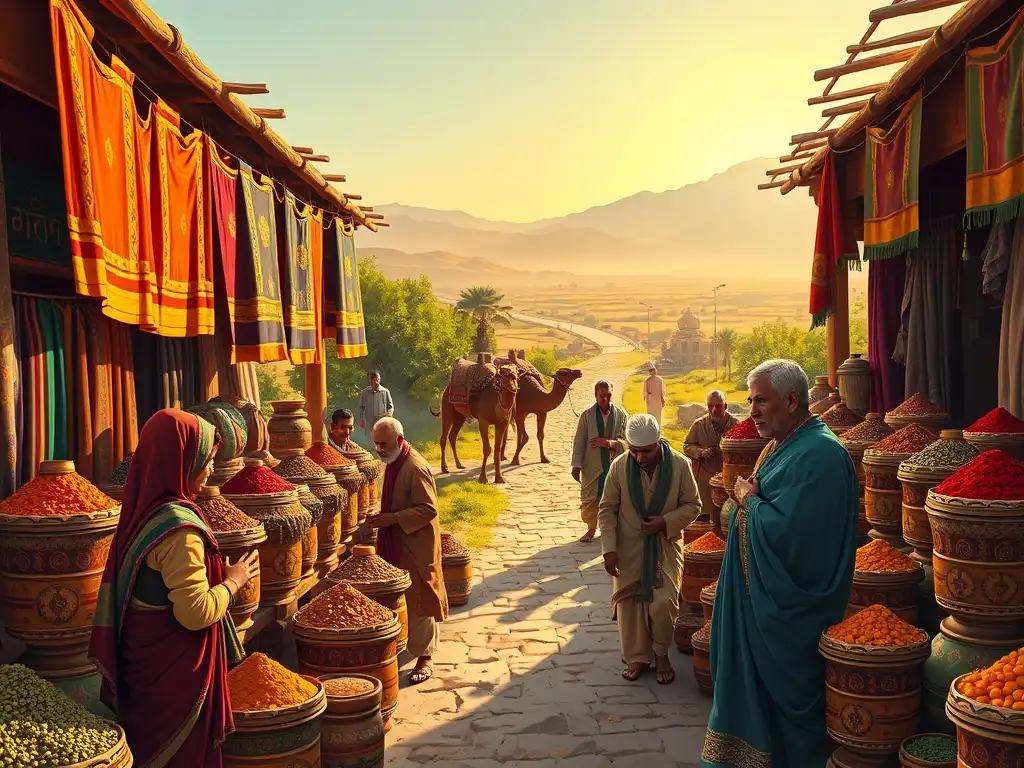
Ancient Indian trade routes played a pivotal role in the development of the subcontinent's economy and cultural exchanges. These routes not only facilitated the movement of goods but also acted as conduits for the exchange of ideas, religions, and technologies. At the core of this intricate web of commerce were two essential commodities: silk and spices.
The richness of India's silk production and the aromatic allure of its spices positioned the region as a significant player in global trade networks, attracting merchants from far and wide. This article delves into the complexities of ancient Indian trade, focusing on the historical significance of these commodities, the trade routes that enabled their distribution, and their lasting impact on society.
Overview of Trade in Ancient India
Trade in ancient India was multifaceted, encompassing a variety of goods and services. The subcontinent was home to several thriving civilizations, such as the Indus Valley and the Maurya and Gupta Empires, which fostered dynamic trade practices. Key elements of ancient Indian trade included:
- Diverse Commodities: Besides silk and spices, goods such as textiles, precious stones, metals, and agricultural products were traded.
- Local and International Markets: Trade networks extended within the Indian subcontinent and reached regions such as Central Asia, the Middle East, and even parts of Africa.
- Barter System: The primary form of trade was barter, where goods were exchanged directly without a standardized currency.
Importance of Trade Routes in Ancient Indian Economy
The trade routes of ancient India were not merely pathways for commerce; they were vital to the economic structure and overall prosperity of the region. Their significance can be highlighted through the following points:
- Economic Growth: Trade routes facilitated the movement of goods, which in turn stimulated local economies and fostered urbanization.
- Cultural Exchange: The interaction between traders from different regions led to a rich exchange of cultural practices, languages, and religions.
- Strategic Alliances: Control over key trade routes often led to political power and alliances among various kingdoms, enhancing their influence over regional trade policies.
The Silk Trade in Ancient India
Historical Context of Silk Production
Silk production in ancient India has a storied history, with evidence suggesting that it dates back to at least the 3rd century BCE. The techniques of sericulture (silk farming) were refined over centuries, with the following aspects highlighting its significance:
- Geographical Regions: The primary regions for silk production included Bengal, Gujarat, and parts of southern India, where suitable climatic conditions prevailed.
- Cultural Significance: Silk was not just a commodity; it was a symbol of wealth and status, often used in royal garments and religious ceremonies.
Key Silk Trade Routes of Ancient India
Several trade routes facilitated the exchange of silk, making it one of the most sought-after commodities in ancient times. Key routes included:
- The Silk Road: Although primarily associated with China, the Silk Road extended through India, linking it to Central Asia and the Mediterranean, facilitating the exchange of silk and other goods.
- Maritime Routes: Indian ports along the Arabian Sea and the Bay of Bengal enabled maritime trade, connecting India with Southeast Asia and beyond, allowing for the transport of silk to distant lands.
Role of Silk in Ancient Indian Society
Silk played an integral role in ancient Indian society, influencing various aspects, including:
- Economic Impact: The silk trade contributed significantly to the wealth of ancient Indian kingdoms, providing revenue through taxes and trade tariffs.
- Cultural Exchange: As silk traveled along trade routes, it carried with it not only goods but also cultural practices, art forms, and philosophies, enriching Indian society.
- Religious Significance: Silk was often used in religious rituals and ceremonies, highlighting its importance in both economic and spiritual life.
The intricate tapestry of ancient Indian trade routes, woven together with silk and spices, showcases the ingenuity and resourcefulness of ancient Indian civilizations. This exploration of trade practices provides a deeper understanding of how these economic systems shaped the cultural and historical landscape of ancient India.
The Spice Trade and Its Significance
The spice trade was a vital component of ancient Indian commerce, significantly shaping both the economy and culture of the region. Spices such as black pepper, cardamom, and cinnamon were highly sought after not just in India but across the world, leading to extensive trade networks that spanned continents. The lucrative nature of the spice trade attracted merchants from various cultures, fostering a rich exchange of goods, ideas, and traditions. This trade was not merely about the spices themselves; it played a crucial role in establishing India's reputation as a center of wealth and sophistication in the ancient world.
Historical Overview of Spice Production
The cultivation of spices in India dates back thousands of years, with archaeological evidence indicating the use of spices in the Indus Valley Civilization around 2500 BCE. Spices were grown in various regions, particularly in the southern parts of India, where the climate proved ideal for their cultivation.
By the time of the Maurya Empire (322-185 BCE), India had established itself as a primary source of spices, which were not only used for culinary purposes but also for medicinal and religious practices. The demand for Indian spices surged during the Roman Empire, leading to increased trade relations between India and the Mediterranean world.
Major Spice Trade Routes in Ancient India
Ancient Indian trade routes for spices were vast and complex, connecting India to various regions across Asia, Europe, and Africa. The most notable routes included:
- The Southern Silk Route: Linking India to Southeast Asia and beyond, this route was crucial for the export of spices, silk, and other goods.
- The Maritime Spice Route: Connecting the western coast of India to ports in the Arabian Peninsula and East Africa, this route facilitated the exchange of spices with traders from different cultures.
- Overland Routes to Central Asia: These routes allowed for the movement of spices into Central Asia and the Middle East, where they were highly valued.
The interconnectivity of these routes made India a pivotal player in the global spice trade, influencing trade dynamics across continents.
Influence of Spices on Indian Culture and Economy
Spices were not only central to trade but also played a significant role in shaping Indian culture and economy. The wealth generated from spice trade contributed to the rise of powerful kingdoms and facilitated the development of urban centers. Culturally, spices influenced Indian cuisine, leading to a diverse culinary tradition that remains integral to Indian identity today.
Additionally, spices were often associated with rituals and traditions, further embedding them into the cultural fabric of ancient Indian society. The economic impact was profound, as spice trade helped establish India as a key player in the global economy, laying the foundation for future trade practices.
The Interconnection of Silk and Spices
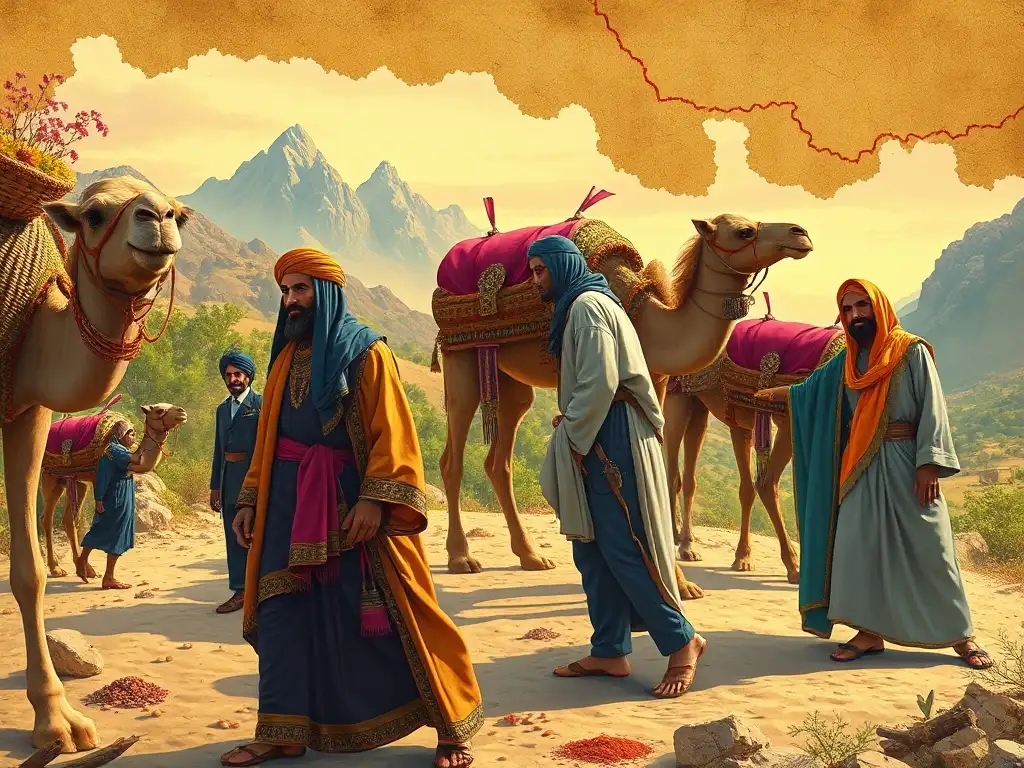
The relationship between silk and spices was symbiotic, with each enhancing the trade dynamics of the other. As silk became a prized commodity in the ancient world, the demand for spices to complement this luxury good grew. The intertwining of these two trade sectors created a robust market that attracted merchants and traders from various backgrounds, fostering an environment of cultural exchange and economic prosperity.
How Silk and Spices Shaped Trade Dynamics
Silk and spices transformed ancient trade dynamics by establishing extensive trade networks that crossed geographical boundaries. The allure of these commodities drove exploration and the establishment of new trade routes, which facilitated not only the exchange of goods but also the sharing of knowledge, culture, and technology. As merchants traveled these routes, they contributed to the globalization of trade long before the modern era, paving the way for future economic interactions between different civilizations.
The Role of Merchants in Silk and Spice Trade
Merchants were key players in the ancient silk and spice trade, acting as intermediaries who connected producers to consumers across vast distances. They navigated complex trade routes, often facing considerable risks, including piracy and unpredictable weather. Their expertise in negotiation and logistics allowed for the efficient movement of goods, which was essential for maintaining the flow of trade. Many merchants established a reputation that transcended borders, leading to the formation of guilds and trade associations that further strengthened the trading community.
Trade Centers and Their Influence on Ancient Indian Trade Routes
Ancient India was home to several prominent trade centers that played a crucial role in the spice and silk trade. Cities such as Taxila, Ujjain, and Kochi emerged as bustling hubs of commerce, where traders from different regions converged. These centers not only facilitated the exchange of goods but also became melting pots of culture and knowledge. The strategic locations of these trade centers along major trade routes allowed them to thrive, significantly influencing the patterns of ancient Indian trade routes and contributing to the overall economic landscape of the region.
The Impact of Ancient Indian Trade Routes on Global Trade
The ancient Indian trade routes were pivotal in shaping not only the economy of India but also the global trade landscape. These routes facilitated the exchange of goods, ideas, and cultures across vast distances, connecting India with distant civilizations such as those in the Middle East, Africa, and Southeast Asia. The most notable routes included the Silk Road and the maritime trade routes across the Indian Ocean. Through these networks, India became a major hub for the trade of silk, spices, gemstones, and textiles, significantly contributing to the wealth of various empires and transforming economic practices worldwide.
The influence of these trade routes extended beyond commerce; they were instrumental in the dissemination of knowledge, religious beliefs, and cultural practices. Merchants and travelers acted as conduits of exchange, spreading innovations in agriculture, science, and art. The trade routes thus not only enhanced India's economic stature but also facilitated a rich tapestry of cultural interactions, which have left a lasting imprint on global heritage.
Influence of Indian Trade on Neighboring Civilizations
Ancient Indian trade significantly influenced neighboring civilizations, paving the way for cultural and economic interdependence. For instance, Indian goods such as spices and textiles were highly sought after in Persia, Rome, and beyond. The influx of Indian products led to increased demand for local exports, fostering economic growth in these regions.
Moreover, trade facilitated the spread of Indian philosophies, religions, and art forms. Buddhism, which originated in India, spread along trade routes, leading to the establishment of monasteries and the exchange of ideas across Asia. Cultural exchanges during trade negotiations often resulted in the fusion of artistic styles and religious practices, enriching the cultural landscapes of neighboring civilizations.
Key Trade Partners and Cultural Exchange
Key trade partners of ancient India included the Roman Empire, the Parthians, and various Southeast Asian kingdoms. The Romans, for example, were particularly enamored with Indian spices, which were essential for flavoring their cuisine and for use in medicinal practices. The exchange was not one-sided; Indian merchants also sought luxury goods from these partners, such as gold, silver, and glassware.
Cultural exchanges were abundant along these trade routes. For instance, Indian astronomy and mathematics influenced the scientific advancements in the Arab world. Similarly, Indian art and architecture left a mark on the cultures of Southeast Asia, evident in the intricate designs of temples and sculptures in places like Cambodia and Indonesia. This mutual exchange helped to foster understanding and cooperation among diverse cultures, laying the groundwork for future interactions.
Legacy of Ancient Indian Trade Routes in Modern Commerce
The legacy of ancient Indian trade routes is profoundly evident in modern commerce. The routes established the foundations for global trade networks that we recognize today. For instance, the concepts of trade fairs and marketplaces have their roots in ancient practices, where merchants would gather to exchange goods and ideas.
In contemporary times, the significance of spices and textiles remains, with India being one of the leading producers and exporters of these commodities. The historical trade routes also influence modern logistics and supply chain management, as businesses continue to seek efficient pathways for transporting goods across international borders. The enduring impact of these ancient trade practices illustrates how they have shaped not only regional economies but the global marketplace.
Conclusion: The Enduring Legacy of Ancient Indian Trade Routes
The ancient Indian trade routes were not merely pathways for goods; they were vibrant arteries of cultural, intellectual, and economic exchange that shaped the course of history. These routes played a crucial role in establishing India as a significant player in global trade, facilitating interactions that would influence civilizations for centuries.
Reflection on the Historical Importance of Silk and Spices
Silk and spices emerged as the cornerstones of ancient Indian trade. The luxurious nature of silk and the culinary and medicinal properties of spices made them highly coveted by cultures around the world. The pursuit of these goods fueled exploration and trade expeditions, significantly impacting the economies of both India and its trade partners. Historical accounts, such as those from Roman and Chinese merchants, highlight the immense value placed on these commodities, underscoring their importance in the development of trade practices.
The Relevance of Ancient Trade Practices in Contemporary Times
The relevance of ancient trade practices is still observable today, as modern economies continue to rely on trade networks that echo those established in ancient times. The principles of trade negotiation, market expansion, and cultural diplomacy that evolved during ancient Indian trade are foundational to contemporary economic interactions. Moreover, the rich heritage of India’s trade history serves as an inspiration for current and future generations to appreciate the interconnectedness of global cultures and economies, reminding us that the fabric of commerce is woven from both historical legacy and modern innovation.
- Introduction to Ancient Indian Trade
- The Silk Trade in Ancient India
- The Spice Trade and Its Significance
- The Interconnection of Silk and Spices
- The Impact of Ancient Indian Trade Routes on Global Trade
- Conclusion: The Enduring Legacy of Ancient Indian Trade Routes
Frequently Asked Questions
What were the key ancient Indian trade routes?
The ancient Indian trade routes included the Silk Road and the Maritime Spice Route, facilitating trade with China, Southeast Asia, and beyond.
How did trade impact ancient Indian civilizations?
Trade significantly influenced ancient Indian civilizations by promoting cultural exchange, enhancing economic prosperity, and fostering political connections with other regions.
What were the main goods traded in ancient India?
Spices, silk, gemstones, and textiles were among the primary goods traded, with spices being particularly sought after for their value and culinary significance.
How did the Indus Valley Civilization contribute to trade?
The Indus Valley Civilization established early trade networks with Mesopotamia, showcasing advanced urban planning and the use of standardized weights for commerce.
What role did the Gupta Empire play in trade?
The Gupta Empire marked a golden age of trade, with improved infrastructure and maritime routes, promoting economic growth and cultural achievements across ancient India.
Final Reflection: The Enduring Legacy of Ancient Indian Trade Routes
The intricate web of ancient Indian trade routes not only facilitated the exchange of silk and spices but also fostered cultural connections that resonate in our globalized world today. As we navigate the complexities of modern commerce and cultural exchange, it is essential to recognize how these historical pathways laid the groundwork for the interconnected societies we inhabit. The significance of these routes transcends mere economic transactions; they symbolize the rich tapestry of human interaction and shared heritage that continues to shape our world.
The influence of ancient Indian trade routes is palpable in our contemporary cultural landscape, where the fusion of ideas, traditions, and goods remains a driving force in globalization. These routes were not just conduits for commodities; they were highways of knowledge and cultural exchange that enriched civilizations. As the historian William McNeill aptly stated, Trade is a great civilizer, and it has been the most important factor in the development of human society.
This observation underscores the ongoing relevance of trade in fostering understanding and collaboration among diverse cultures, reminding us that our shared history is a powerful tool for unity.
As we reflect on the lessons of ancient Indian trade, let us embrace the spirit of connection and collaboration in our own lives. Consider how you can contribute to the ongoing dialogue between cultures, whether through travel, learning, or simply engaging with diverse perspectives in your community. The legacy of these trade routes invites us to explore, connect, and celebrate our shared humanity, encouraging each of us to be active participants in the ongoing story of global exchange.
Thank you for diving into the fascinating world of ancient Indian trade with us! You've explored how silk and spices shaped the economy and culture of this vibrant period. Now, let’s harness that knowledge and take action to celebrate and learn more about these incredible legacies.
- Unveil the history yourself! Visit your local museum dedicated to ancient trade civilizations or explore virtual exhibits online that focus on India’s extensive trading networks.
- Share your newfound insights! Discuss what you've learned with friends or family, or post about it on social media to inspire others to appreciate the richness of ancient culture.
- Connect with the community! Join forums or online groups centered around ancient history where you can share ideas, ask questions, and engage with fellow enthusiasts.
As you reflect on this incredible journey, consider this: What discoveries about ancient Indian trade have sparked your curiosity, and how do you see their influence in today’s world?