
The Influence of Chandragupta Maurya on Subsequent Indian Dynasties

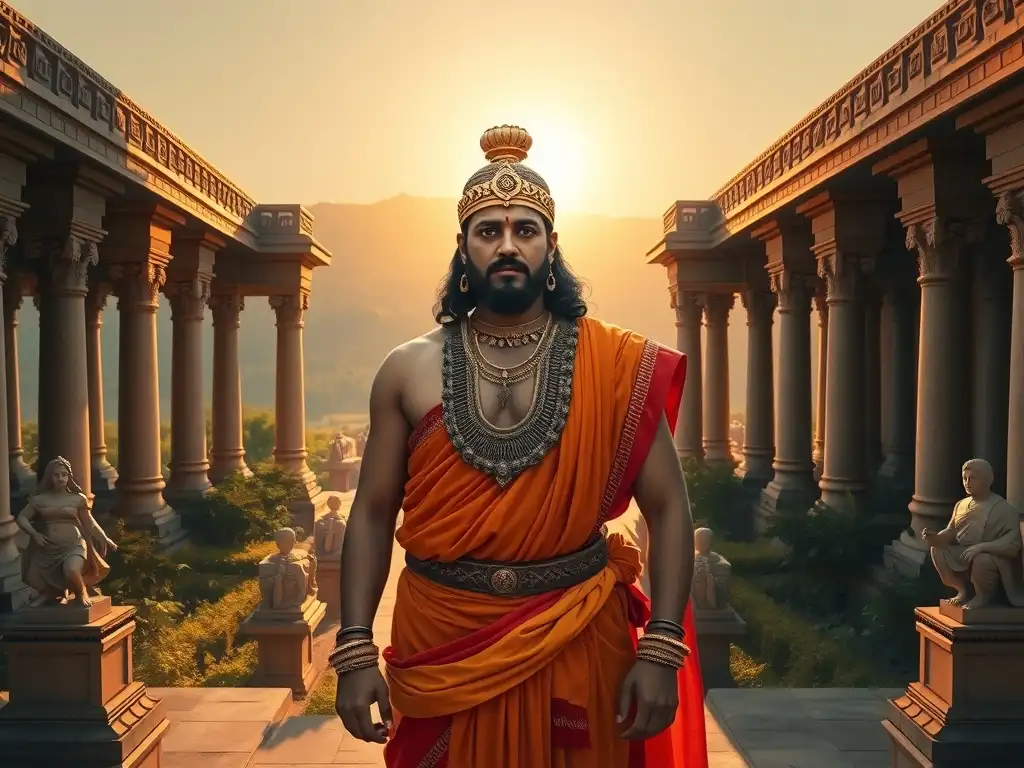
Welcome to Ancient India History, your gateway to uncovering the rich tapestry of India's past! Here, we delve into the fascinating narratives that have shaped our civilization, from the enigmatic Indus Valley to the flourishing Gupta Empire. In our featured article, we explore Chandragupta Maurya's impact on India, a pivotal figure whose legacy reverberated through subsequent dynasties. What were the far-reaching consequences of his reign? Join us on this journey as we unravel the transformative influence of this key historical figure and ignite your curiosity about the vibrant history that continues to inspire generations.
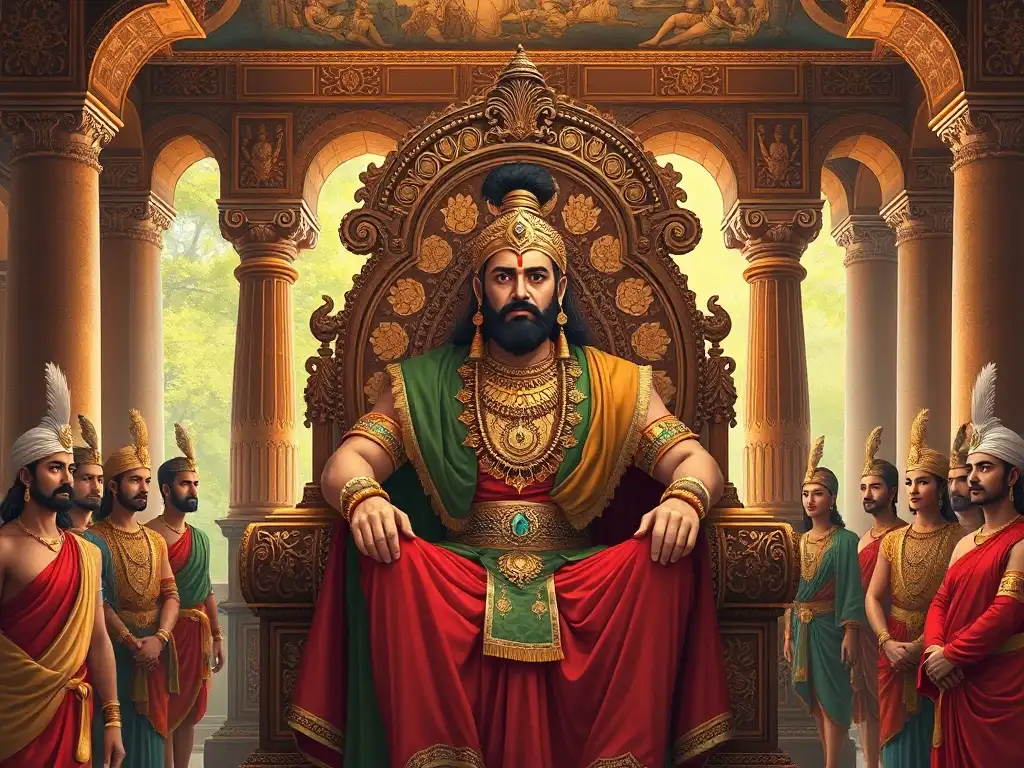
Introduction to Chandragupta Maurya's Impact on India
Chandragupta Maurya, the founder of the Maurya Empire, stands as a monumental figure in ancient Indian history. His reign marked a pivotal era that not only shaped the political landscape of India but also laid the groundwork for subsequent dynasties and empires that followed.
Understanding Chandragupta Maurya's impact on India is crucial as it reveals the extensive influence his governance, military strategies, and administrative reforms had on the evolution of Indian civilization. This article seeks to explore the profound legacy left by Chandragupta Maurya, examining how his approaches to unification, statecraft, and culture resonate through the ages, ultimately influencing future rulers and societal structures in India.
Overview of Chandragupta Maurya's Life and Reign
Chandragupta Maurya was born around 340 BCE in a humble family in present-day Bihar. His early life was marked by the political turmoil of the time, dominated by regional kingdoms and foreign invasions, particularly by Alexander the Great. Emerging as a leader through astute alliances and military prowess, he overthrew the Nanda Dynasty around 321 BCE, establishing the Maurya Empire.
- Key Events in His Life:
- Alliance with Chanakya: His partnership with the brilliant strategist and philosopher Chanakya was instrumental in both his rise to power and the establishment of a cohesive state.
- Confrontation with Alexander's Successors: Chandragupta successfully defended his realm against the remnants of Alexander's army, showcasing his military capabilities and strategic acumen.
Chandragupta's reign lasted until around 297 BCE, after which he abdicated in favor of his son, Bindusara. His governance set a benchmark for future rulers, emphasizing centralized authority and a structured administrative framework.
Importance of Chandragupta Maurya in Indian History
The significance of Chandragupta Maurya extends beyond his military conquests. His establishment of the Maurya Empire signified the first large-scale political unification of India, which had profound implications for the region's culture, economy, and governance.
- Contributions to Governance:
- Centralized Administration: He implemented a bureaucratic system that allowed for efficient tax collection and law enforcement, which became a model for future dynasties.
- Promotion of Trade and Economy: Under his rule, trade flourished due to improved infrastructure and security, fostering economic stability.
Chandragupta's legacy is evident in the administrative practices and cultural developments that followed, influencing the likes of the Gupta Empire and other significant dynasties in Indian history.
The Establishment of the Maurya Empire
Founding the Maurya Dynasty: Key Events
The founding of the Maurya Dynasty was marked by a series of strategic maneuvers and decisive battles. Chandragupta's journey from a local leader to the emperor of a vast empire involved several critical events:
- Overthrowing the Nandas: This decisive act was not merely a change of rulers but a transformation of the political structure in Northern India.
- Expanding the Empire: Chandragupta expanded his territory southward and westward, establishing control over a large part of the Indian subcontinent.
These events not only solidified his power but also set the stage for a united Indian identity, which was pivotal in the region's historical narrative.
Chandragupta Maurya's Strategies for Unification
Chandragupta Maurya's strategies for unification were multifaceted, involving both military and diplomatic tactics:
- Military Campaigns: His military campaigns were characterized by strategic brilliance, particularly in employing guerrilla tactics and forming alliances with local rulers.
- Diplomatic Alliances: By forging alliances with influential clans and communities, he was able to stabilize and consolidate his rule across diverse regions.
These strategies were crucial in fostering a sense of unity among the various kingdoms and cultures of India, paving the way for a cohesive empire that would influence generations to come.
Political Influence of Chandragupta Maurya
Chandragupta Maurya, the founder of the Maurya Empire, significantly transformed the political landscape of ancient India. His ascension to power around 321 BCE marked the beginning of centralized governance in India, moving away from the fragmented states that characterized the region before his reign. By defeating the Nanda Dynasty, Chandragupta established a strong and unified empire that laid the foundation for subsequent political entities. His political influence extended well beyond his lifetime, inspiring numerous dynasties and rulers who sought to replicate his model of governance.
One of the most notable aspects of his political influence was the establishment of a bureaucratic system that emphasized efficiency and organization. Chandragupta's reign demonstrated that a centralized authority could effectively manage diverse populations and vast territories. This model of governance was emulated by later dynasties, such as the Gupta Empire, which adopted similar administrative structures to maintain order and ensure effective rule.
Administrative Innovations Introduced by Chandragupta Maurya
Chandragupta Maurya introduced several key administrative innovations that revolutionized governance in ancient India. One of his most significant contributions was the creation of a centralized administration that allowed for efficient management of his vast empire. This system divided the empire into provinces, each overseen by a governor, ensuring local issues were addressed while maintaining overall control from the central authority.
Additionally, Chandragupta's administration implemented a system of spies and informants, which provided the emperor with vital information regarding the sentiments and conditions of different regions. This intelligence network not only helped in maintaining peace but also in quelling dissent swiftly. Furthermore, he established a standardized system of taxation, which ensured a steady revenue stream for the empire and laid the groundwork for sophisticated economic governance.
The Role of Chandragupta Maurya in Shaping Indian Governance
Chandragupta Maurya's role in shaping Indian governance cannot be overstated. He not only unified the Indian subcontinent but also set precedents for governance that would influence generations of leaders. His emphasis on a strong, centralized government allowed for the development of laws and regulations that facilitated trade, commerce, and social order.
Moreover, Chandragupta's partnership with his advisor, Kautilya (Chanakya), led to the formulation of the Arthashastra, a treatise on statecraft and economic policy. This work not only provided insights into effective governance but also influenced political thought across India. The principles outlined in the Arthashastra, such as diplomatic strategies and the importance of economic stability, continued to resonate in Indian governance long after the Maurya Empire's decline.
Cultural and Economic Contributions of Chandragupta Maurya
Chandragupta Maurya's reign was marked by significant cultural and economic advancements that enriched Indian civilization. His policies fostered an environment conducive to trade, art, and intellectual pursuits, which had lasting impacts on the cultural landscape of India.
Economic Policies and Trade Expansion under Chandragupta Maurya
The economic policies instituted by Chandragupta Maurya played a crucial role in expanding trade and enhancing wealth across his empire. By establishing a network of roads and infrastructure, he facilitated the movement of goods and resources, effectively linking various regions of the empire. This network not only encouraged internal trade but also connected India to international trade routes, significantly boosting commerce.
Chandragupta's administration implemented standardized weights and measures, which streamlined trade practices. Such policies ensured fair trade, reduced disputes, and promoted economic interactions among merchants. As a result, cities like Pataliputra became thriving commercial hubs, attracting traders from across Asia, including those from Persia and Central Asia.
Promotion of Art and Culture during the Maurya Empire
Under Chandragupta Maurya, there was a notable promotion of art and culture that contributed to the rich tapestry of Indian heritage. His reign saw the patronage of various art forms, including sculpture, architecture, and literature. The construction of stupas and monastic complexes began during this era, which served as centers for Buddhist teachings and attracted scholars and devotees alike.
The Maurya Empire also emphasized the preservation and dissemination of knowledge. Libraries and educational institutions flourished, allowing for the exchange of ideas and fostering intellectual development. This cultural renaissance laid the groundwork for future artistic and philosophical achievements in India, influencing subsequent dynasties such as the Guptas, who furthered these cultural pursuits.
Chandragupta Maurya's impact on India was profound, shaping not only political structures but also cultural and economic frameworks that would define the subcontinent for centuries to come. His legacy remains evident in the governance, trade practices, and cultural richness of ancient India.
Military Influence of Chandragupta Maurya
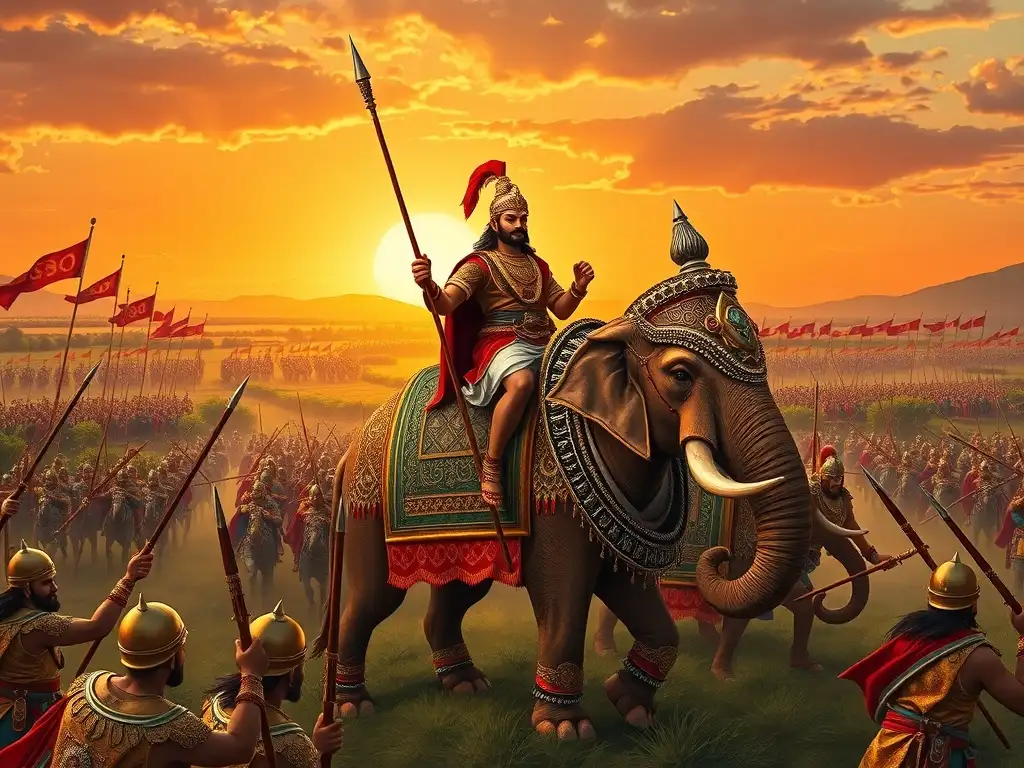
Chandragupta Maurya, the founder of the Maurya Empire in ancient India, is renowned for his military prowess, which laid the foundation for one of the largest empires in Indian history. His ability to unify various kingdoms and tribes under a single banner was a remarkable feat, showcasing his strategic acumen and leadership skills. The military influence of Chandragupta Maurya not only established a strong centralized power but also set a precedent for future dynasties in terms of military organization and strategy.
Military Strategies and Tactics Employed by Chandragupta Maurya
Chandragupta's military strategies were shaped by the teachings of Kautilya (Chanakya), his mentor and advisor, who emphasized the importance of covert operations, espionage, and psychological warfare. Some key strategies included:
- Use of Elephant Corps: Chandragupta effectively utilized war elephants, which played a crucial role in overwhelming enemy forces. Their presence on the battlefield instilled fear and confusion among opponents.
- Guerrilla Warfare: In his early campaigns against the Nanda dynasty and later against foreign invaders, he employed guerrilla tactics that allowed him to leverage smaller, more mobile units to outmaneuver larger forces.
- Siege Warfare: He demonstrated proficiency in siege tactics, particularly during the conquest of fortified cities. His ability to lay siege effectively led to the swift capture of strongholds.
- Alliances and Diplomacy: Chandragupta formed strategic alliances, which not only bolstered his military strength but also created a network of support against common foes.
These military tactics not only contributed to his immediate successes but also influenced military practices in subsequent Indian empires.
Impact of Chandragupta Maurya's Military Campaigns on Future Dynasties
The military campaigns led by Chandragupta Maurya had a profound impact on future Indian dynasties. His conquests expanded the Maurya Empire across the Indian subcontinent, setting a model for territorial expansion that later rulers aspired to emulate. Notably:
- Centralization of Power: His successful unification of disparate regions into a single empire established a template for future rulers, emphasizing the need for centralized control and governance.
- Military Organization: Chandragupta's approach to military organization, including the establishment of a standing army and the systematic training of troops, became a standard that subsequent dynasties, such as the Gupta Empire, would follow.
- Cultural Integration: His campaigns facilitated the exchange of ideas, cultures, and technologies among the conquered peoples, which enriched the cultural landscape of India and influenced later dynasties in their governance and administration.
Legacy of Chandragupta Maurya in Subsequent Indian Dynasties
Chandragupta Maurya's legacy extends far beyond his lifetime, shaping the political landscape of India for centuries. His contributions laid the groundwork for the Maurya dynasty and influenced many subsequent rulers and empires.
Direct Succession: The Maurya Dynasty and Its Successors
Following Chandragupta, his son, Bindusara, and grandson, Ashoka, continued to build upon his legacy. Ashoka, in particular, is noted for his emphasis on non-violence and dharma, which stemmed from the military foundations laid by Chandragupta. The Maurya dynasty became synonymous with:
- Administrative Innovation: The centralized administration that Chandragupta established was crucial for effective governance, which was maintained and refined by his successors.
- Cultural Flourishing: The consolidation of power allowed for a period of significant cultural and artistic achievement, as seen in the rock edicts of Ashoka and the spread of Buddhism.
Influence on the Gupta Empire and Beyond
The principles established by Chandragupta Maurya influenced the Gupta Empire, which arose several centuries later. The Guptas adopted many of the administrative and military strategies pioneered by the Mauryas, including:
- Strong Central Authority: The Gupta rulers maintained a centralized administration that echoed the Mauryan model, ensuring stability and effective governance.
- Military Expansion and Trade: The Gupta Empire expanded its territories and engaged in extensive trade, drawing on the military strategies that had proven effective during the Mauryan era.
- Cultural Renaissance: The legacy of Chandragupta's initial unification efforts inspired a cultural renaissance during the Gupta period, which is often referred to as the Golden Age of India.
Chandragupta Maurya's impact on India was profound, shaping military strategies, administrative practices, and cultural development that would resonate through the ages, influencing not just his immediate successors but also the broader trajectory of Indian history.
Comparative Analysis of Chandragupta Maurya's Impact
Chandragupta Maurya, the founder of the Maurya Empire, played a pivotal role in shaping the political landscape of ancient India. His influence extends far beyond his reign, impacting subsequent dynasties and the very fabric of Indian governance and society. To understand the full scope of his impact, it is essential to analyze how his contributions compare to other key historical figures and how they resonate through the ages.
Comparison with Other Key Historical Figures in Indian History
When comparing Chandragupta Maurya to other significant figures in Indian history, such as Ashoka, Harshavardhana, and even later rulers like the Gupta emperors, several distinct aspects emerge.
- Political Unity and Administration: Chandragupta's establishment of a centralized administration set a precedent for future rulers. Unlike the fragmented kingdoms that preceded him, his governance model emphasized unity, which was a significant departure from the decentralized systems of earlier times.
- Military Strategies: Chandragupta's military tactics, particularly his use of elephants and cavalry, influenced not only his own campaigns but also set a standard for military organization in subsequent empires. Ashoka, his grandson, further refined these strategies for maintaining a vast empire.
- Cultural Patronage: Chandragupta's reign marked the beginning of a tradition of cultural patronage that would flourish under his successors. While figures like Ashoka are known for promoting Buddhism, Chandragupta laid the groundwork for artistic and architectural achievements that later dynasties would expand upon.
While figures like Ashoka are often highlighted for their specific contributions, Chandragupta's foundational role in establishing a unified empire and effective governance remains critical to India's historical narrative.
Contrast with Later Dynasties: Similarities and Differences
Chandragupta Maurya's impact can also be assessed by contrasting his reign with those of later dynasties, such as the Gupta Empire and the Rajputs.
- Similarities:
- Centralized Governance: Like the Mauryas, the Guptas also emphasized a centralized administrative structure, which enabled them to maintain control over vast territories.
- Cultural Flourishing: Both dynasties witnessed significant cultural and artistic advancements. The Gupta period, often referred to as the Golden Age of India, built upon the foundation laid by Chandragupta in supporting arts and scholarship.
- Differences:
- Religious Policies: Chandragupta's reign was marked by a pragmatic approach to religion, adopting Jainism later in life. In contrast, the Guptas were more aligned with Hinduism, leading to a different cultural and religious landscape.
- Military Focus: While Chandragupta was heavily involved in military conquests to establish and expand his empire, later dynasties like the Guptas focused more on consolidation and cultural achievements rather than aggressive expansion.
These comparisons highlight how Chandragupta's methods and policies influenced subsequent rulers while also illustrating the evolution of governance and culture in ancient India.
Conclusion: Reflecting on Chandragupta Maurya's Enduring Influence
Chandragupta Maurya's legacy is not merely a chapter in history; it is a foundation upon which subsequent Indian dynasties built their own realms. His contributions continue to resonate, shaping the cultural, political, and social fabric of India.
Summary of Chandragupta Maurya's Impact on India
Chandragupta Maurya's impact on India can be encapsulated in several key areas:
- Foundation of a Unified Empire: His unification of fragmented states into a powerful empire significantly altered the political landscape.
- Administrative Innovations: The governance structures he established influenced future administrations, promoting efficiency and central control.
- Cultural Patronage: His support for art and culture set a precedent that would inspire future dynasties to invest in cultural development.
Thus, his reign marked a transformative period in Indian history, laying the groundwork for future political and cultural advancements.
The Relevance of Chandragupta Maurya's Legacy in Modern India
The legacy of Chandragupta Maurya remains relevant in contemporary India, particularly in discussions surrounding governance and leadership. His emphasis on unity and effective administration resonates with modern democratic principles. Moreover, his life story serves as an inspiration for leadership and resilience, encouraging contemporary leaders to approach governance with a vision for unity and stability.
Furthermore, as India continues to navigate its diverse cultural landscape, the Mauryan emphasis on cultural patronage reminds modern policymakers of the importance of supporting arts and education. Chandragupta's impact on India is thus not only a historical narrative but also a guiding principle for future generations.
- Introduction to Chandragupta Maurya's Impact on India
- The Establishment of the Maurya Empire
- Political Influence of Chandragupta Maurya
- Cultural and Economic Contributions of Chandragupta Maurya
- Military Influence of Chandragupta Maurya
- Legacy of Chandragupta Maurya in Subsequent Indian Dynasties
- Comparative Analysis of Chandragupta Maurya's Impact
- Conclusion: Reflecting on Chandragupta Maurya's Enduring Influence
- What was the significance of Chandragupta Maurya in Indian history?
- How did Chandragupta Maurya influence subsequent dynasties?
- What role did Chanakya play in Chandragupta Maurya's rise to power?
- How did Chandragupta Maurya's policies affect trade and economy?
- What is Chandragupta Maurya's legacy in modern India?
Frequently Asked Questions
What was the significance of Chandragupta Maurya in Indian history?
Chandragupta Maurya was the founder of the Maurya Empire, which marked the beginning of a unified Indian state, significantly impacting political organization and administration.
How did Chandragupta Maurya influence subsequent dynasties?
His establishment of a strong centralized government and effective administrative systems laid the groundwork for future dynasties, influencing their governance and military strategies.
What role did Chanakya play in Chandragupta Maurya's rise to power?
Chanakya, also known as Kautilya, was a key advisor who provided strategic guidance and helped Chandragupta to overthrow the Nanda Dynasty, contributing significantly to his success.
How did Chandragupta Maurya's policies affect trade and economy?
He implemented policies that promoted trade routes and economic stability, which facilitated commerce and contributed to the prosperity of the Maurya Empire and its successors.
What is Chandragupta Maurya's legacy in modern India?
Chandragupta Maurya's legacy is evident in the cultural and political foundations he established, influencing modern governance and inspiring national unity in contemporary India.
Final Reflection: The Enduring Legacy of Chandragupta Maurya's Impact on India
Chandragupta Maurya's influence on subsequent Indian dynasties is not merely a historical footnote; it is a cornerstone of India's rich tapestry of governance and culture. His ability to unify diverse regions under a single empire laid the groundwork for future rulers and established a model of administration that resonates even in contemporary governance. The lessons drawn from his reign continue to shape political thought and leadership styles in India today, reminding us of the power of vision and determination in the face of adversity.
The legacy of Chandragupta Maurya extends far beyond his time, echoing through the corridors of history and into the modern era. His strategic acumen and diplomatic prowess have inspired countless leaders and thinkers, reinforcing the idea that strong leadership can transcend time and circumstance. As Mahatma Gandhi once said, "> The future depends on what you do today." This sentiment encapsulates the ongoing relevance of Chandragupta's principles, urging us to reflect on how we can apply his insights to our own lives and communities.
As we contemplate the lessons of Chandragupta Maurya, let us take a moment to reflect on our own roles in shaping the future. How can we embody the qualities of resilience and unity that he exemplified? I invite you to consider how you can contribute to the collective strength of your community, drawing inspiration from the past to forge a brighter future. Embrace the spirit of Chandragupta Maurya, and let it guide you in your endeavors, for the impact of one individual can indeed ripple through time, influencing generations to come.
Unleash the Legacy of Chandragupta Maurya!
Thank you for diving into the remarkable story of Chandragupta Maurya and his impact on Indian history! Your interest in this transformative figure is the first step towards understanding the roots of our rich cultural heritage. Now, it's time to take action and deepen your exploration.
Here’s how you can continue your journey through the annals of Ancient India:
- Dive deeper into Maurya’s influence by researching his most significant achievements, and try to connect them with the subsequent dynasties that shaped the subcontinent.
- Share your insights! Join our community discussion by commenting below or sharing this article with friends who are passionate about Indian history.
- Explore unique perspectives by seeking out documentaries or podcasts that focus on the Mauryan Empire to broaden your understanding in an engaging manner.
What aspect of Chandragupta Maurya's legacy resonates with you the most, and how do you believe it has shaped modern India?