
How Ancient Indian Food Traditions Inspire Today's Culinary Tourism

Welcome to Ancient India History, where we embark on a captivating journey through the rich tapestry of ancient Indian civilizations. From the majestic Indus Valley to the illustrious Gupta Empire, our exploration delves into the incredible culture, history, and contributions that shaped a nation. In our featured article, “How Ancient Indian Food Traditions Inspire Today's Culinary Tourism,” we unravel the flavors and practices that not only nourished the past but continue to influence modern culinary experiences.
Prepare to discover the mouthwatering legacy of ancient Indian food traditions and how they serve as a gateway to understanding the vibrant heritage of India. Dive in and let your curiosity lead you further!
Introduction to Ancient Indian Food Traditions
Ancient Indian food traditions are not merely a reflection of culinary practices; they encapsulate a rich tapestry of history, culture, and community. From the bustling streets of the Indus Valley Civilization to the regal courts of the Gupta Empire, food has always held a significant place in the Indian way of life.
The diverse flavors, ingredients, and cooking techniques that have evolved over millennia offer a unique window into the values, beliefs, and innovations of ancient Indian societies. As we delve into these traditions, we uncover their profound influence on contemporary culinary tourism, where travelers seek authentic experiences that connect them to the past through food.
The Historical Significance of Food in Ancient India
Food in ancient India was more than sustenance; it was a vital part of social rituals, religious practices, and cultural identity. The significance of various dishes, ingredients, and cooking methods often intertwined with local customs and seasonal changes.
- Rituals and Offerings: Many ancient Indian communities viewed food as sacred. Offerings to deities, such as rice and ghee, were common in religious ceremonies, emphasizing the spiritual aspect of meals.
- Social Gatherings: Food acted as a medium for social interaction. Festivals and gatherings often revolved around communal meals, fostering a sense of community and shared heritage.
- Medicinal Practices: Ancient texts like the Charaka Samhita highlight the therapeutic properties of various foods and herbs, showing that culinary practices were deeply linked to health and wellness.
Ancient Indian Food Traditions: A Cultural Legacy
The food traditions of ancient India have created a legacy that continues to resonate in modern culinary practices. Influences from various dynasties, regional specialties, and trade routes have contributed to a rich mosaic of flavors that define Indian cuisine today.
- Regional Variations: Each region developed its unique culinary style, influenced by geography, climate, and local produce. For instance, the coastal regions are known for their seafood dishes, while the northern plains emphasize wheat-based foods.
- Spices and Flavors: Ancient India was a pioneer in the use of spices. The trade of spices, such as black pepper, cardamom, and turmeric, not only shaped Indian cooking but also impacted global culinary practices.
- Culinary Techniques: Techniques such as fermentation, drying, and slow cooking have their roots in ancient practices, showcasing the ingenuity of past civilizations in preserving and enhancing flavors.
Key Ingredients and Their Historical Context
Understanding ancient Indian food traditions requires an exploration of key ingredients that have stood the test of time. These ingredients are not just components of a recipe; they carry stories and histories that reflect the agricultural practices and cultural exchanges of their times.
- Rice: A staple in many regions, rice has been cultivated in India for thousands of years. It symbolizes prosperity and is often featured in religious ceremonies.
- Spices: Spices like cumin, coriander, and mustard seeds were essential for flavoring dishes. Their historical significance extends beyond culinary use, as they were traded extensively along ancient trade routes.
- Legumes: Pulses such as lentils and chickpeas were vital sources of protein, particularly in vegetarian diets. They played a crucial role in the agricultural practices of ancient societies.
Ancient Indian food traditions are a treasure trove of cultural heritage that continue to inspire today's culinary tourism. By exploring these traditions, we not only indulge in the flavors of the past but also foster a deeper appreciation for the rich history that shapes contemporary Indian cuisine.
Culinary Tourism: Bridging Ancient Traditions with Modern Experiences
Culinary tourism represents an exciting intersection between the rich tapestry of ancient Indian food traditions and contemporary dining experiences. This form of tourism allows travelers to explore the cultural significance of food, highlighting how ancient recipes and cooking methods have shaped modern culinary practices. In India, the profound heritage of gastronomy not only offers delicious meals but also tells stories of civilization, trade, and cultural exchange that date back thousands of years. As tourists seek authentic experiences, they are drawn to the flavors of ancient Indian cuisine, which serves as a bridge connecting them with India's storied past.
The resurgence of interest in local foods and sustainable practices has further fueled culinary tourism in India. Travelers are now more inclined to participate in cooking classes, food festivals, and guided tours that delve into the origins of traditional dishes, thereby enhancing their appreciation for the intricate relationship between food and culture. By engaging with local chefs and communities, tourists gain a deeper understanding of how ancient traditions continue to influence modern Indian cuisine, creating enriching experiences that go beyond mere consumption.
The Rise of Culinary Tourism in India
In recent years, culinary tourism has seen a remarkable rise in India, driven by both domestic and international travelers eager to explore the country's diverse food landscape. This growth is fueled by a global trend where individuals prioritize experiential travel over traditional sightseeing. Food enthusiasts are now seeking to connect with local cultures through their culinary practices, especially in a country renowned for its rich culinary heritage.
Regions such as Rajasthan, Kerala, and Punjab have emerged as popular culinary hotspots, where tourists are offered immersive experiences that include traditional cooking demonstrations and tastings of regional specialties. The interest in ancient Indian food traditions, such as the use of spices and local ingredients, plays a pivotal role in attracting visitors. Furthermore, social media and food blogs have amplified this trend, showcasing the unique flavors and cooking techniques that define Indian cuisine, thereby inspiring more people to embark on culinary journeys across the country.
Popular Destinations for Experiencing Ancient Indian Cuisine
Travelers keen to explore ancient Indian food traditions can find numerous destinations that promise authentic culinary experiences. Some notable locations include:
- Varanasi: Known for its traditional street food, Varanasi offers an array of ancient recipes, including chaat and kachori, often prepared using age-old techniques that have been passed down through generations.
- Jaipur: As the capital of Rajasthan, Jaipur is famous for its rich and flavorful dishes like dal baati churma, which showcases the region's heritage of using locally sourced ingredients and traditional cooking methods.
- Kolkata: This city is renowned for its fish curries and sweets, particularly the iconic sandesh and rasgulla. Culinary tours often highlight the influence of ancient trade routes on the local cuisine.
- Kerala: Home to the renowned "sadya" feast, Kerala's cuisine emphasizes the use of fresh coconut and spices, reflecting the ancient agricultural practices of the region.
These destinations not only offer delicious meals but also provide insights into the cultural significance of food in ancient Indian society, making them must-visit locations for culinary tourists.
Ancient Cooking Techniques Still Used Today
Despite the passage of time, many ancient cooking techniques have persisted in Indian kitchens, contributing to the authenticity and flavor of modern dishes. These age-old methods, steeped in tradition, continue to be celebrated in various culinary practices across the country.
Time-Tested Cooking Methods
One of the most significant cooking methods that has stood the test of time is the use of tandoor ovens, which originated in ancient India. This clay oven is used for baking bread like naan and cooking marinated meats, imparting a unique smoky flavor that modern techniques often lack. Similarly, the art of slow cooking, or dum, is still prevalent, allowing flavors to meld beautifully over low heat.
Another traditional method is tempering (tadka), where spices are fried in oil to release their essential oils and aromas before being added to a dish. This technique not only enhances the flavor but also showcases the deep understanding of spices that ancient Indian cooks possessed.
The Role of Fermentation and Preservation
Fermentation and preservation techniques are integral to ancient Indian food traditions and continue to influence modern diets. The process of fermenting foods, such as making idli and dosa from rice and lentils, not only enhances flavors but also increases nutritional value. These fermented foods have gained popularity for their health benefits, particularly in the realm of gut health.
Moreover, preservation methods like pickling and drying, which have roots in ancient practices, allow for the storage of seasonal produce and maintain the flavors of the harvest year-round. This approach to food not only reflects resourcefulness but also embodies the essence of sustainability, an increasingly important value in contemporary culinary practices.
By understanding and appreciating these ancient cooking techniques, culinary tourists can gain a profound insight into the history and culture of India while savoring the authentic flavors of its diverse cuisine.
Traditional Dishes and Their Modern Adaptations
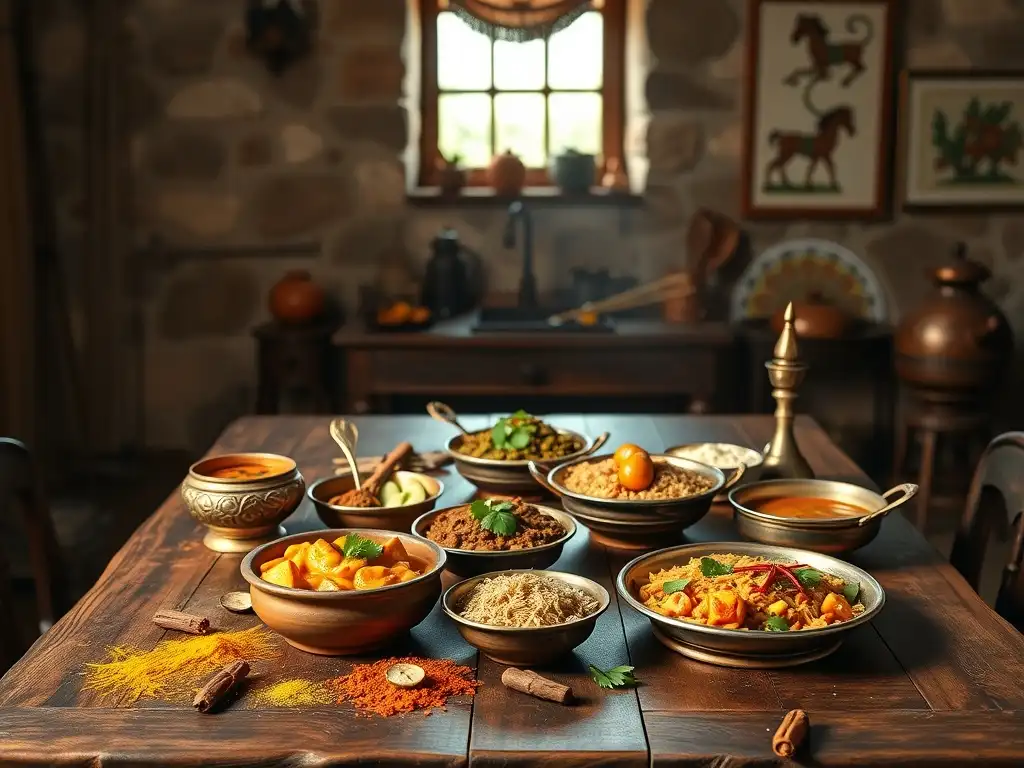
Ancient Indian food traditions are not merely relics of the past; they have evolved and adapted over centuries, profoundly influencing contemporary culinary tourism. Modern chefs and food enthusiasts are increasingly turning to these traditional recipes, incorporating them into their menus and creating a bridge between the old and the new. This adaptation process involves not just a recreation of flavors but also an innovative approach to presentation and dining experiences, making traditional dishes more accessible to today’s consumers.
For instance, the use of ancient grains like millet and barley, once staples in the Indian diet, is gaining traction in modern cooking. These grains are now featured in health-conscious dishes, showcasing their nutritional benefits while paying homage to their historical significance. Additionally, the revival of traditional cooking methods, such as slow-cooking in clay pots, enhances the authenticity of flavors, allowing diners to experience the true essence of ancient Indian cuisine.
Iconic Dishes Rooted in Ancient Traditions
Several iconic dishes that have their origins in ancient India continue to captivate culinary enthusiasts around the world. One such dish is biryani, which traces its roots back to the Mughal era. This fragrant rice dish, traditionally made with marinated meat and aromatic spices, has numerous regional variations today, each reflecting local ingredients and cooking styles.
Another example is dal, a staple in Indian households for centuries. While the basic preparation of lentils remains unchanged, modern interpretations often include gourmet twists with the addition of exotic spices and herbs, elevating this humble dish to new culinary heights. Sweets like gulab jamun and jalebi, which were enjoyed in ancient times, are now being reimagined with contemporary flavors and plating techniques, making them popular choices in today's upscale restaurants.
Fusion Cuisine: Blending Ancient and Modern Flavors
Fusion cuisine, which combines elements from different culinary traditions, has become a defining trend in the food industry. In the context of ancient Indian food traditions, chefs are experimenting with blending traditional Indian spices and cooking techniques with global cuisines. This innovative approach not only honors ancient practices but also caters to diverse palates, making Indian flavors more palatable to an international audience.
For example, Indian-inspired tacos featuring spiced paneer or butter chicken pizza showcase how ancient Indian flavors can complement and enhance other cuisines. Furthermore, the use of ancient ingredients, such as amaranth and saffron, in modern culinary creations adds a unique touch that celebrates India’s rich agricultural history. This fusion not only attracts tourists seeking authentic yet modern dining experiences but also creates a dialogue between cultures through food.
Conclusion: The Enduring Influence of Ancient Indian Food Traditions
The enduring influence of ancient Indian food traditions on contemporary culinary tourism is undeniable. As travelers seek authentic experiences, the revival of traditional dishes and techniques offers a glimpse into India's rich culinary heritage. Chefs and restaurateurs are recognizing the value of these time-honored practices, ensuring that they are preserved and celebrated in today’s dining landscape.
Culinary Heritage: A Source of Inspiration
Culinary heritage serves as a profound source of inspiration for chefs around the globe. Ancient Indian food traditions, characterized by their diverse ingredients, intricate flavors, and historical significance, continue to inspire culinary innovation. By embracing these traditions, modern chefs not only honor their ancestors but also create a narrative that connects past and present through food.
The rich tapestry of ancient Indian food traditions is not only a key part of India's cultural identity but also a vital component of today's culinary tourism. As this heritage continues to inspire, it ensures that the flavors and techniques of ancient India remain relevant and celebrated in the global culinary scene.
Call to Action
Exploring the depths of ancient Indian food traditions not only offers a glimpse into the culinary practices of the past but also enhances our understanding of contemporary cuisine and its evolution. As culinary tourism continues to grow, it is essential for enthusiasts, travelers, and food lovers to embrace these rich traditions. Here’s how you can actively engage with and experience ancient Indian food traditions:
- Visit Heritage Sites: Plan your next trip around ancient Indian cities known for their historical significance and culinary heritage. Cities like Varanasi, Jaipur, and Delhi offer a variety of local dishes rooted in tradition.
- Join Culinary Workshops: Participate in cooking classes that focus on ancient recipes and techniques. Many chefs and local cooks are eager to share their knowledge, providing hands-on experiences that can deepen your appreciation for these food traditions.
- Attend Food Festivals: Keep an eye out for food festivals that celebrate traditional Indian cuisine. These events often feature local chefs and food artisans who showcase their specialties, offering tastings and demonstrations.
- Read and Research: Dive into books and articles about ancient Indian food traditions. Understanding the historical context of dishes can enhance your culinary experience, making you more informed as you explore modern interpretations of these foods.
- Support Local Cuisine: When dining out, choose restaurants that honor traditional recipes and use locally sourced ingredients. By supporting these establishments, you help preserve ancient culinary arts and contribute to the sustainability of local food systems.
By taking these steps, you not only enrich your own culinary experiences but also contribute to the preservation and appreciation of ancient Indian food traditions for future generations. Embrace the flavors of history, and let them guide your culinary adventures today!
- Introduction to Ancient Indian Food Traditions
- The Historical Significance of Food in Ancient India
- Culinary Tourism: Bridging Ancient Traditions with Modern Experiences
- Ancient Cooking Techniques Still Used Today
- Traditional Dishes and Their Modern Adaptations
- Conclusion: The Enduring Influence of Ancient Indian Food Traditions
- Call to Action
Frequently Asked Questions
What are ancient Indian food traditions?
Ancient Indian food traditions refer to the culinary practices and recipes that have been passed down through generations, influenced by the country's diverse cultures, climates, and regions.
How did the Indus Valley Civilization contribute to food traditions?
The Indus Valley Civilization is known for its advanced agricultural practices, including the cultivation of wheat, barley, and rice, which laid the foundation for future Indian cuisine.
What influence did the Gupta Empire have on Indian food?
The Gupta Empire is often considered a golden age of Indian culture, during which food became more diverse and sophisticated, incorporating spices and cooking techniques that are still prevalent today.
How do ancient food traditions impact modern culinary tourism?
Ancient food traditions attract food enthusiasts to explore regional cuisines, leading to tourism that highlights local ingredients, recipes, and cooking methods rooted in history.
Why are spices significant in ancient Indian cuisine?
Spices were not only used for flavor but also for their preserving properties and health benefits, making them a crucial element in ancient Indian food traditions and their modern applications.
Final Reflection: Embracing the Legacy of Ancient Indian Food Traditions
The exploration of ancient Indian food traditions is not just a journey into the past; it is a vibrant tapestry that continues to shape our culinary landscape today. As we navigate through an increasingly globalized world, the rich flavors, techniques, and philosophies of ancient Indian cuisine offer a profound connection to our heritage and a source of inspiration for modern culinary tourism. The resurgence of interest in these traditions highlights their timeless relevance and the universal appeal of authentic, culturally-rooted experiences.
The influence of ancient Indian food traditions extends far beyond the kitchen; it permeates our social interactions, cultural celebrations, and even our understanding of health and wellness. The way we gather around food, share recipes, and honor age-old practices fosters a sense of community and belonging that is often missing in our fast-paced lives.
As culinary tourism thrives, we are reminded of the words of renowned chef and food activist Alice Waters, who said, > “Food is a common ground, a universal experience.” This sentiment resonates deeply as we witness a growing appreciation for the stories and rituals behind each dish, encouraging us to savor not just the flavors but the cultural significance they embody.
As you reflect on the lessons of ancient Indian food traditions, consider how you can incorporate these values into your own culinary journey. Whether it's experimenting with traditional recipes, seeking out local food experiences that honor these practices, or simply sharing a meal with loved ones, each action can contribute to a deeper understanding of our culinary heritage. Let us embrace the flavors of the past as we forge a path toward a more connected and culturally rich future, celebrating the legacy of ancient Indian food traditions in our everyday lives.
Unlock the Secrets of Culinary Adventure!
Thank you for diving into the rich world of ancient Indian food traditions with us! You've discovered how these time-honored practices shape today’s culinary tourism landscape. Now it's time to take that knowledge and turn it into action.
Here are some simple yet exciting ways you can deepen your connection to this vibrant culinary heritage:
- Experience a local restaurant that offers authentic Indian cuisine or participate in a cultural cooking class to learn traditional recipes firsthand.
- Share your discoveries! Host a themed dinner party with friends and explore ancient recipes together, creating a memorable dining experience.
- Join online forums or social media groups dedicated to culinary tourism, where you can exchange experiences and uncover hidden gems in the world of culinary travel.
What flavor from ancient India intrigues you the most, and how can it inspire your next dining adventure?