
The Connection Between Ancient Indian Music and Food: A Symphony for the Senses

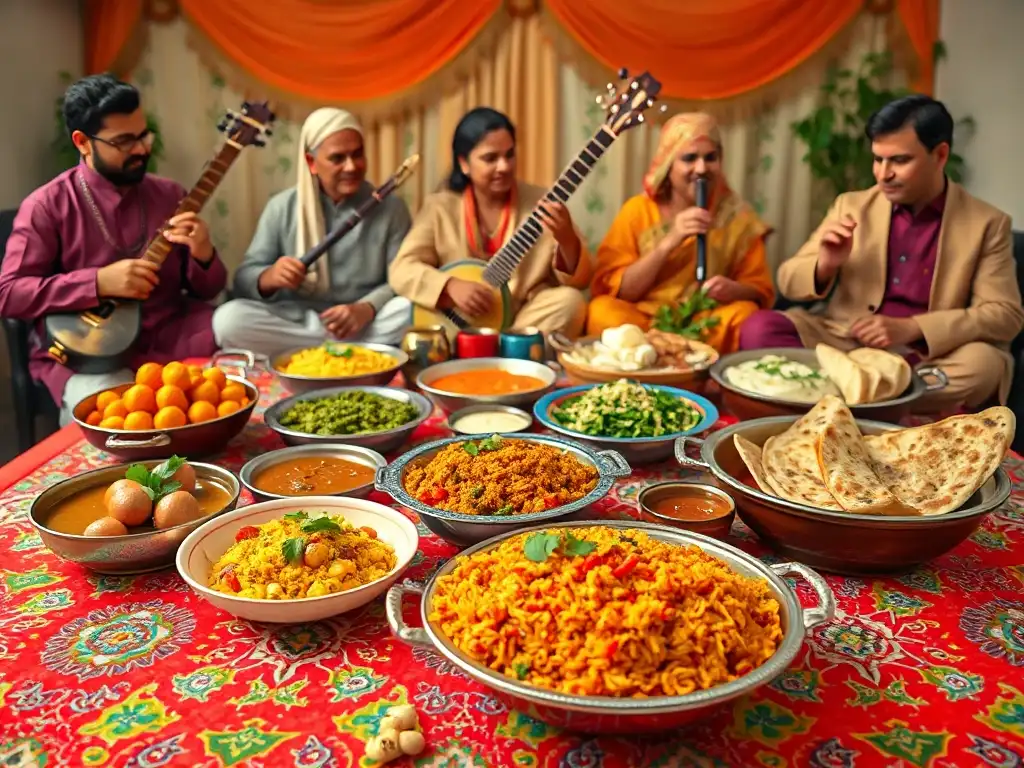
Welcome to Ancient India History, where we embark on a journey through the vibrant tapestry of India's past! In this exploration, we uncover the fascinating interplay between Ancient Indian music and food, revealing how these two rich traditions harmonize to create a sensory experience unlike any other. As we delve into the nuances of culinary delights and melodic rhythms, you'll discover that every bite and note tells a story steeped in history. Join us as we explore the symphony for the senses that has shaped cultures and cuisines through the ages—your adventure begins now!
Introduction to Ancient Indian Music and Food
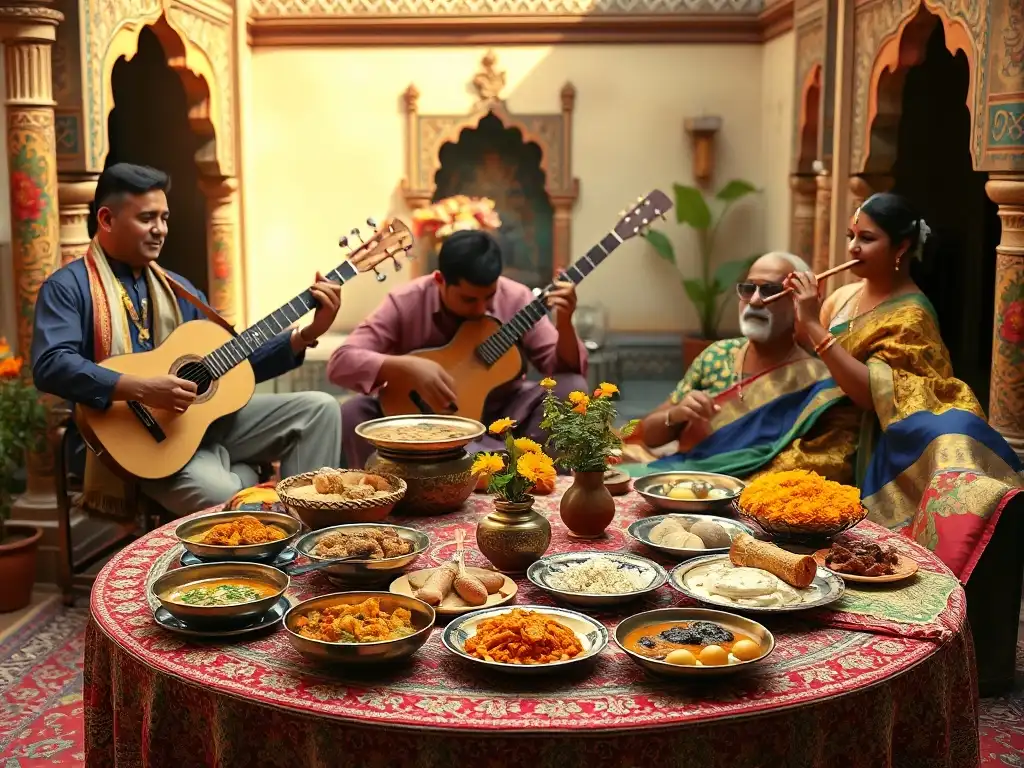
Ancient Indian music and food are intertwined in a rich tapestry that reflects the diverse cultural heritage of the subcontinent. From the melodious strains of classical ragas to the aromatic spices of traditional dishes, both music and food have played pivotal roles in shaping the social and spiritual fabric of ancient India. These two art forms not only served as a means of expression but also as essential components of rituals, celebrations, and daily life.
The connection between Ancient Indian music and food is profound, as both are celebrated for their ability to evoke emotions and create a sensory experience that transcends mere sustenance or entertainment. In ancient times, music was often performed during feasts and gatherings, enhancing the culinary experience and creating an atmosphere of joy and celebration. Likewise, the preparation and sharing of food have been enriched by the rhythms and melodies that accompany them, creating a harmonious blend that nourishes both body and soul.
This article delves into the historical significance of music in culinary traditions, exploring how ancient Indian civilizations utilized sound to enhance flavors and foster community. By examining the interplay between these two elements, we can gain deeper insights into the cultural practices that have shaped modern Indian cuisine and music, revealing a legacy that continues to resonate today.
Join us on this journey as we explore the vibrant world of ancient Indian music and food, uncovering the symphony for the senses that has delighted generations.
The Role of Music in Ancient Indian Culinary Traditions
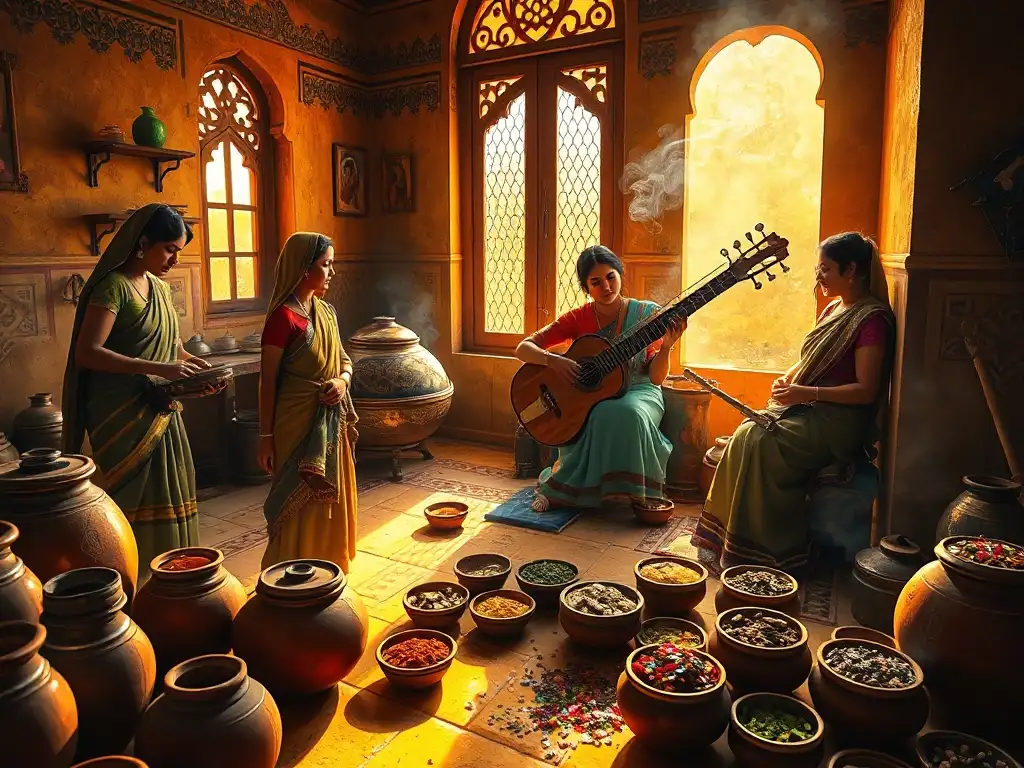
The interplay between ancient Indian music and food is a fascinating aspect of cultural heritage, reflecting how auditory experiences enhanced culinary traditions. Historically, music played a significant role in various rituals and celebrations surrounding food, including festivals, weddings, and communal gatherings. These occasions often featured songs and performances that not only entertained but also marked the importance of the meals being prepared and shared.
Music in ancient India was closely linked with spirituality and community life. The sounds of instruments and vocal performances would create an atmosphere that elevated the dining experience, making the act of sharing a meal a sacred ritual. This connection can be seen in various texts and scriptures that mention music as an essential component of feasting and cooking.
Moreover, specific musical genres, such as Bhajans and Kirtans, were often sung during food preparation and serving, invoking blessings for the meal. The rhythmic patterns of these songs were believed to harmonize the energies of the kitchen, making the food more enjoyable and nutritious. The songs often told stories about the ingredients used, celebrating their origins and significance in the culinary tradition.
How Ancient Indian Music Influenced Cooking Techniques
The relationship between ancient Indian music and cooking techniques is multifaceted, influencing both the methods of preparation and the presentation of food. The rhythms and melodies of traditional music often inspired the timing and pace at which ingredients were processed and cooked. For example, the beats of a dholak or tabla might dictate the chopping of vegetables or the stirring of a pot, creating a symphony of sound in the kitchen.
- Rhythmic Cooking:
- The synchronization of cooking with musical beats allowed cooks to maintain a flow in their preparation, enhancing efficiency and creativity.
- Certain dishes, such as biryani or pulav, required precise timing for layering flavors, where the tempo of music guided the cook in achieving the perfect balance.
- Cultural Significance:
- Dishes were often named after songs or musical compositions, reflecting the cultural significance of both food and music.
- The act of singing while cooking was believed to imbue the food with positive energy and enhance its flavor.
- Celebration of Ingredients:
- Songs often celebrated local ingredients and seasonal produce, encouraging cooks to incorporate fresh, regional flavors into their dishes.
- The lyrical content of songs could serve as a reminder of the nutritional properties and health benefits of various foods.
Traditional Instruments and Their Connection to Food Preparation
Traditional Indian instruments have a profound connection to food preparation, not only in creating an ambiance but also in the practical aspects of cooking. Instruments like the madhal, nadaswaram, and veena have historical ties to rituals and ceremonies involving food.
- Madhal: Often used in festive occasions, the madhal creates a vibrant atmosphere during communal cooking events, promoting joy and togetherness.
- Nadaswaram: This wind instrument is typically played at weddings and auspicious events, signaling the beginning of celebrations where food is a central element.
- Veena: The soothing sounds of the veena can enhance the cooking experience, promoting mindfulness and creativity in the kitchen.
The Influence of Sound on Culinary Techniques
The sounds produced by these instruments also played a role in the culinary process. The vibrations and frequencies associated with music were believed to affect the cooking process, with certain sounds enhancing flavor profiles. This belief is rooted in the concept of Naad Brahma, which posits that sound can influence matter, including food.
| Instrument | Culinary Connection | Cultural Significance |
|---|---|---|
| Madhal | Promotes joy in cooking | Common at community feasts |
| Nadaswaram | Signals celebrations | Integral to weddings |
| Veena | Enhances mindfulness | Associated with spirituality |
Ancient Indian music and food are intricately woven together, creating a rich tapestry of sensory experiences that highlight the importance of both in cultural traditions. As we explore the culinary practices of ancient India, it becomes clear that music was not just an art form but a vital element that shaped the way food was perceived, prepared, and enjoyed.
Ancient Indian Food Traditions and Their Musical Context
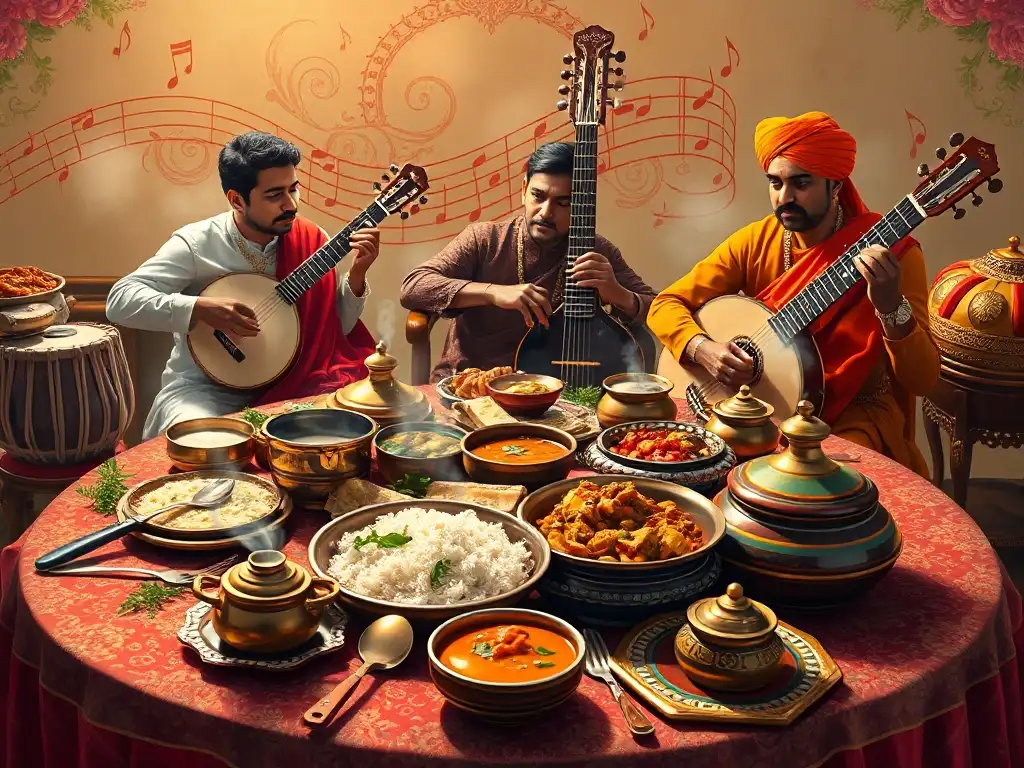
Ancient Indian food traditions are deeply intertwined with the country's rich musical heritage, creating a unique tapestry of sensory experiences. The relationship between food and music in ancient India is not merely coincidental; it reflects the cultural and spiritual values of the time. Food was often prepared for celebrations, rituals, and gatherings, where music played an essential role in enhancing the atmosphere and emotional resonance of these events.
In ancient texts, such as the Vedas and Upanishads, there are mentions of the significance of both music and food in daily life, indicating their integral roles in community bonding and spiritual practices. The preparation of meals was accompanied by chants and songs, making the act of cooking a sacred ritual. This interplay between ancient Indian music and food is a testament to the profound connection between the two art forms.
Key Ingredients in Ancient Indian Cuisine and Their Symbolism
The ingredients used in ancient Indian cuisine were not chosen merely for their taste but were steeped in symbolism and cultural significance. Here are some key ingredients and their meanings:
- Rice: A staple food, rice symbolizes prosperity and fertility. In many rituals, it is offered to deities, signifying gratitude and abundance.
- Lentils: Known as 'dal', lentils represent nourishment and are often used in music-themed gatherings, highlighting their role as a staple that brings people together.
- Spices: Spices like turmeric, cumin, and coriander are integral to ancient Indian cooking. Each spice carries specific properties; for instance, turmeric is associated with purity and protection, while cumin is believed to enhance memory and intellect. This connection to mental acuity can be linked to the importance of music in stimulating the mind.
- Ghee: Clarified butter, or ghee, is often used in cooking and rituals. It symbolizes clarity and is considered auspicious, believed to please the gods when offered in ceremonies accompanied by music.
- Fruits: Seasonal fruits like mangoes and pomegranates were not only enjoyed as food but also represented abundance and vitality, often celebrated in songs during harvest festivals.
These ingredients illustrate the broader philosophical and spiritual beliefs in ancient India, where food was not just sustenance but a means of connecting with the divine.
Festive Foods and Musical Celebrations in Ancient India
Festivals in ancient India were grand occasions filled with music, dance, and elaborate feasts. Each festival had its own unique foods that complemented the musical celebrations. Here are a few notable examples:
- Diwali: Known as the Festival of Lights, Diwali featured sweets like Gulab Jamun and Barfi. These delicacies were often accompanied by traditional music played on instruments like the tabla and harmonium, celebrating the victory of light over darkness.
- Holi: The festival of colors was marked by the preparation of Gujiya, a sweet dumpling. The joyous atmosphere was amplified by folk songs and dance, creating a vibrant interplay between food and music.
- Navratri: This nine-night festival honoring the goddess Durga involved fasting and feasting on specific foods like Sabudana Khichdi. The nights were filled with Garba dance and music, where participants engaged in lively performances celebrating the goddess's power.
- Pongal: Celebrated in South India, this harvest festival involves cooking a special dish called Pongal made of rice and lentils. The preparation of Pongal is often accompanied by traditional songs celebrating the harvest, showcasing the essential connection between food and music.
The synergy of ancient Indian music and food during festivals not only fostered communal bonds but also enriched cultural identity, marking significant occasions with joy and celebration. The rhythmic beats of drums and the melodies of flutes complemented the flavors of food, creating a holistic experience that appealed to all the senses.
The connection between ancient Indian music and food reflects a profound cultural heritage that intertwines taste, sound, and tradition. Each dish and musical note tells a story, inviting us to explore the rich culinary and artistic legacy of ancient India.
Case Studies: Ancient Indian Music and Food in Historical Context
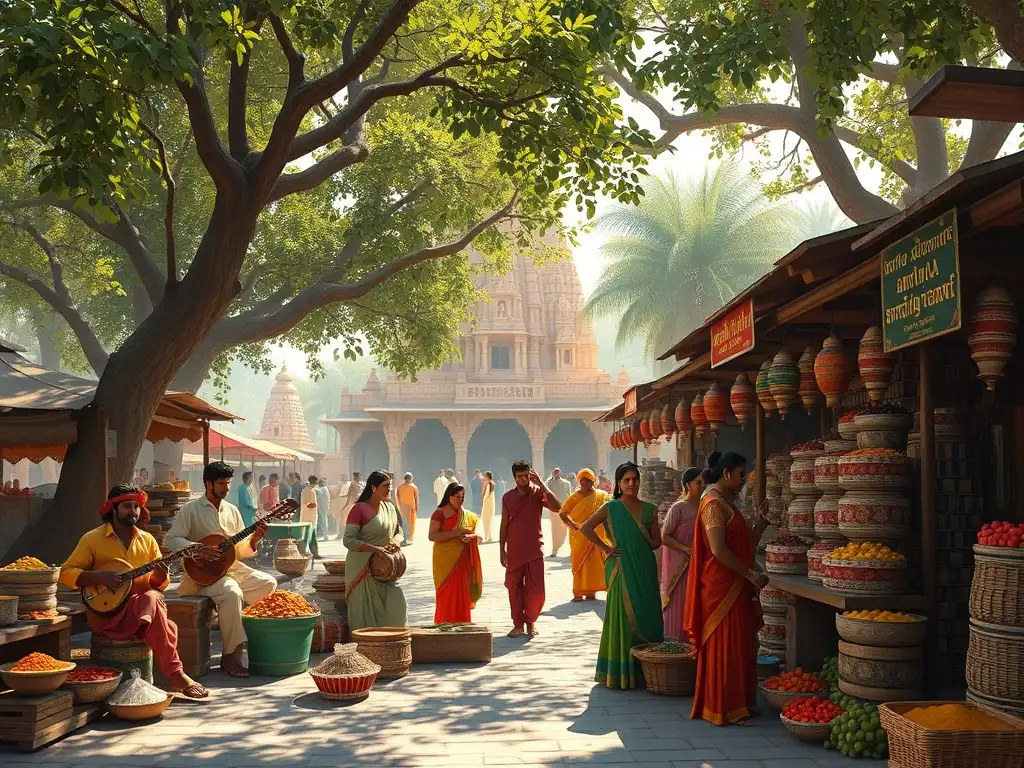
The Gupta Empire: A Flourishing Era of Culinary and Musical Integration
The Gupta Empire (circa 240-550 CE) is often heralded as a golden age in Indian history, marked by remarkable advancements in various fields, including art, science, and philosophy. One of the lesser-known yet fascinating aspects of this era is the profound connection between ancient Indian music and food. The integration of culinary practices with musical traditions during this period illuminated social gatherings, religious ceremonies, and cultural festivals, reflecting the values and aesthetics of Gupta society.
Culinary Influence on Music
During the Gupta period, banquets and feasts were not merely about sustenance; they were vibrant social events where music played a pivotal role. The preparation of elaborate dishes, such as pulao and kheer, was often accompanied by musicians performing classical ragas, enhancing the sensory experience. The rhythmic beats of the mridangam or the melodious strains of the veena created an atmosphere that celebrated both food and music as forms of art.
Musical Themes in Food Preparation
Food preparation techniques also saw a musical influence. For instance, certain recipes were traditionally sung through folk melodies, ensuring that crucial cooking steps were remembered and passed down through generations. This oral tradition not only preserved culinary knowledge but also reinforced the bond between the culinary arts and musical expression.
Celebration of Festivals
Festivals during the Gupta Empire often showcased the integration of music and food. Celebratory events such as Makar Sankranti featured communal meals accompanied by performances of classical dances and music. The joyous atmosphere fostered by the combination of these elements turned each festival into a rich tapestry of cultural experience, where food was not only nourishment but also a symbol of community and shared joy.
Regional Variations: Music and Food Across Ancient Indian Cultures
The diversity of ancient Indian civilizations is reflected in the regional variations of music and food, each contributing uniquely to the cultural landscape. From the coastal regions to the mountainous terrains, the interplay of local ingredients and musical styles created a rich heritage that is still celebrated today.
Himalayan Influences
In the northern regions, particularly in the Himalayas, food such as momos (dumplings) and thukpa (noodle soup) is often prepared with the sounds of traditional instruments like the damphu. These gatherings highlight the intricate relationship between the local cuisine and the musical traditions that resonate through the mountains, creating a unique cultural identity.
Coastal Culinary Melodies
The coastal states, including Kerala and Goa, showcase a different blend. Here, seafood dishes are often enjoyed with traditional folk music that narrates tales of the sea and its bounty. The rhythmic clapping of hands and the vibrant melodies accompany communal meals, emphasizing the connection of food to the rich maritime culture.
Desert Harmonies
In the arid landscapes of Rajasthan, food such as dal baati churma is celebrated in sync with folk songs sung around campfires. The songs often recount tales of heroism and romance, while the hearty meals provide sustenance for the long nights under starlit skies. This cultural practice reinforces the idea that music and food are inseparable aspects of the shared human experience, deeply rooted in the environment.
The exploration of ancient Indian music and food reveals a complex tapestry woven through history. The Gupta Empire serves as a prime example of how these two forms of expression were not just coexistent but interdependent, enriching the cultural fabric of ancient India. Similarly, regional variations illustrate the adaptability and diversity of these traditions across different landscapes, showcasing the enduring legacy of this symbiotic relationship.
Modern Interpretations of Ancient Indian Music and Food
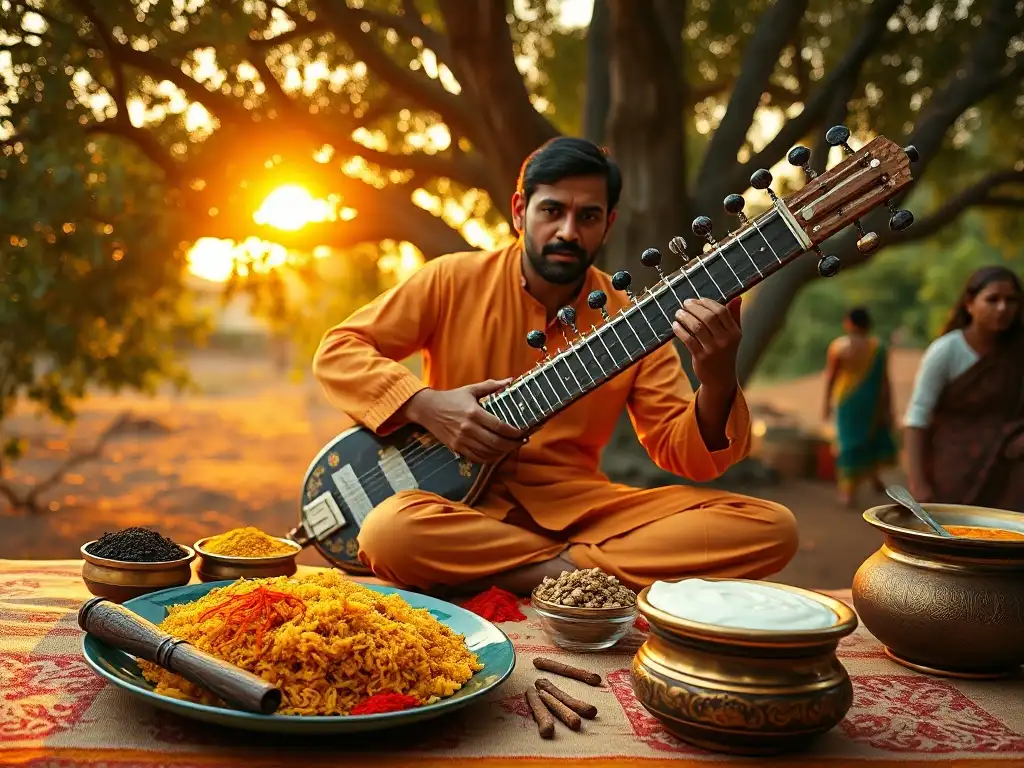
The interplay between ancient Indian music and food has been a topic of fascination for scholars and enthusiasts alike. In contemporary India, this relationship is being reinterpreted and celebrated in various ways. From fusion cuisine that incorporates traditional musical themes to music-infused dining experiences, modern interpretations are bringing the rich cultural heritage of ancient India into the spotlight.
Reviving Ancient Recipes with Musical Inspirations
Reviving ancient recipes through the lens of music involves more than just recreating dishes; it’s about encapsulating the essence of a time when food and music were intertwined. Chefs and culinary historians are now exploring ancient texts and manuscripts that describe both recipes and the musical traditions of the time.
- Culinary Performances:
- Many restaurants are incorporating live music into their dining experiences, creating an ambiance that reflects ancient rituals.
- Example: A traditional Sangeet night where classical musicians perform while diners enjoy dishes inspired by the era, such as Kheer and Pulao.
- Thematic Menus:
- Chefs are designing menus that tell a story, often pairing specific dishes with musical genres or instruments.
- For instance, a menu themed around the Ragas can feature dishes that align with the moods and emotions conveyed by the music.
- Culinary Workshops:
- Workshops that blend cooking classes with music lessons are gaining popularity, emphasizing the historical connection between these two art forms.
- Participants learn to cook ancient recipes while being educated on the musical styles that influenced those dishes.
This revival not only brings ancient recipes back to life but also encourages a deeper appreciation for the cultural significance of food and music in shaping Indian identity.
The Role of Music in Contemporary Indian Culinary Tourism
As culinary tourism expands in India, the role of ancient Indian music and food becomes increasingly prominent. Travelers are seeking authentic experiences that connect them to the rich history of the regions they explore. Music plays a crucial role in this phenomenon.
- Cultural Festivals:
- Festivals like Pongal and Diwali often feature food stalls accompanied by traditional music performances, creating a vibrant atmosphere that showcases local culinary heritage.
- Food Trails:
- Culinary tours are integrating music into their itineraries, offering experiences where guests can enjoy local delicacies while listening to folk musicians or classical performers.
- Example: A food trail through Rajasthan that includes stops at local eateries where Moriya singers perform traditional songs, enhancing the dining experience.
- Social Media Influence:
- Platforms like Instagram and YouTube have seen a rise in content that merges cooking with music, where influencers recreate ancient recipes while incorporating traditional Indian music, reaching a global audience.
- Interactive Dining:
- Restaurants are experimenting with immersive dining experiences where guests are not only served food but are also treated to live performances that narrate the history of the dishes.
This synergy between music and food is not just about taste; it’s about creating a holistic experience that resonates with the senses and deepens the appreciation for India's diverse cultural tapestry. As culinary tourism continues to evolve, the connection between ancient Indian music and food will undoubtedly play a pivotal role in attracting more visitors eager to explore India’s rich heritage.
Frequently Asked Questions
What is the significance of ancient Indian music in culture?
Ancient Indian music played a pivotal role in spiritual practices, rituals, and celebrations, reflecting the diversity and richness of Indian culture.
How did food influence ancient Indian music?
Food and music were often intertwined during festivals and gatherings, creating a harmonious experience that enriched social and cultural exchanges in ancient India.
What are some examples of ancient Indian musical instruments?
In ancient India, instruments like the veena, tabla, and bansuri were prominent, each contributing to the unique soundscapes that accompanied various cuisines and cultural events.
How did the Gupta Empire impact music and cuisine?
The Gupta Empire is known for its cultural advancements, including the flourishing of classical music and the refinement of culinary practices, which were often celebrated together in artistic performances.
Are there any modern influences of ancient Indian music and food today?
Yes, modern Indian music often draws inspiration from ancient traditions, while contemporary cuisine still incorporates recipes and flavors that have evolved from ancient practices, showcasing a continuity of culture.
Final Reflection: The Harmonious Bond of Ancient Indian Music and Food
The connection between ancient Indian music and food resonates deeply in today's world, reminding us that our senses are intertwined in ways that enrich our experiences. As we navigate a fast-paced life, the timeless traditions of music and culinary arts offer a sanctuary, inviting us to slow down and savor the beauty of our cultural heritage. This symphony for the senses is not just a historical reflection; it is a living testament to how these two art forms can elevate our everyday lives.
Culture is a tapestry woven from the threads of our shared experiences, and the interplay of music and food is a vibrant part of that fabric. The melodies of ancient Indian music have the power to evoke memories and emotions, while the aromas and flavors of traditional dishes create a sensory landscape that transports us to a different time and place. As we immerse ourselves in these experiences, we find that they shape our identities and foster connections with others. Music and food are the universal languages that transcend barriers and unite us in celebration.
As you reflect on the insights shared in this article, consider how you can incorporate the essence of ancient Indian music and food into your own life. Take a moment to explore the melodies that resonate with you and the flavors that excite your palate. Engage with these art forms not just as passive observers, but as active participants in a rich cultural dialogue. Let the rhythms of music and the tastes of food inspire you to create your own symphony, celebrating the beauty of life through the senses.
Savor the Symphony of Culture!
Thank you for immersing yourself in the rich tapestry of ancient Indian music and cuisine! You’ve discovered how these two vibrant elements intertwine to create a unique sensory experience. Now, it's time to take this inspiration and turn it into action in your life and kitchen.
Here’s how you can embrace this cultural symphony:
- Experiment with Flavor: Try cooking a dish inspired by traditional Indian recipes while enjoying the sounds of classical Indian music. Let the rhythm inspire your culinary creativity!
- Join the Conversation: Share your experiences with the fusion of music and food in online forums or social media platforms. You might spark delightful connections with others who share your passion!
- Attend an Event: Seek out local workshops or festivals that celebrate Indian music and cuisine. Engaging with your community can deepen your appreciation and understanding of these rich traditions.
What new dish or music genre will you explore to enrich your senses today? We’d love to hear your thoughts in the comments!