
Daily Life in the Indus Valley: A Glimpse into Ancient Domesticity

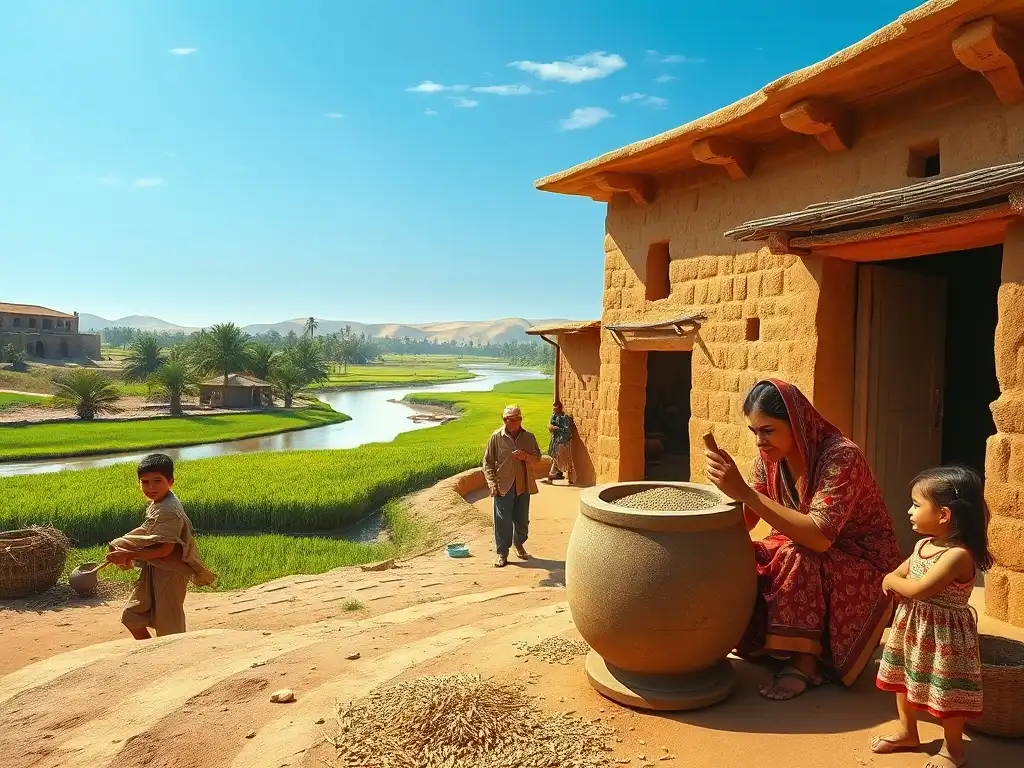
Welcome to Ancient India History, where we embark on a fascinating journey through the tapestry of India's rich and diverse past. In our feature article, “Daily Life in the Indus Valley: A Glimpse into Ancient Domesticity,” we invite you to uncover the intriguing aspects of everyday life in one of the world's earliest urban civilizations.
From their innovative architectural marvels to their vibrant social customs, the Indus Valley civilization offers a unique window into the daily routines and cultural practices that shaped a remarkable era. Prepare to explore the echoes of the past that continue to resonate in today's world, and let your curiosity guide you deeper into the wonders of ancient Indian life!
Introduction to Indus Valley Daily Life
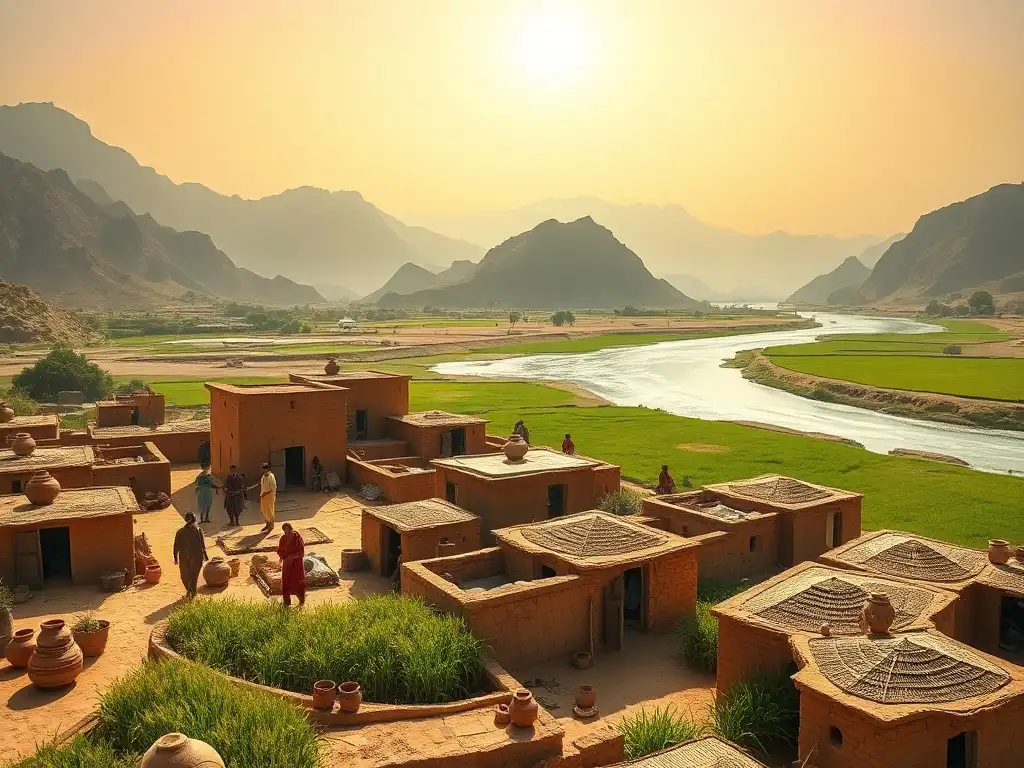
The daily life of the Indus Valley Civilization offers a fascinating window into the routines, practices, and societal structures of one of the world's earliest urban cultures. Flourishing around 2500 BCE in what is now Pakistan and northwest India, the Indus Valley Civilization was marked by its advanced urban planning, sophisticated architecture, and a flourishing trade system.
Understanding the nuances of daily life in this remarkable civilization not only sheds light on their economic and social practices but also reveals the intricacies of their cultural identity. By examining aspects such as domestic architecture, social organization, and daily activities, we can gain invaluable insights into how the inhabitants of the Indus Valley lived, worked, and interacted with their environment and each other.
Overview of the Indus Valley Civilization
The Indus Valley Civilization, often referred to as Harappan Civilization due to the significant site of Harappa, was one of the three early cradles of civilization, alongside Mesopotamia and Ancient Egypt. It spanned a vast area, encompassing major urban centers like Mohenjo-Daro and Dholavira. The civilization is characterized by:
- Advanced Urban Design: Cities were meticulously planned with grid patterns, fortified walls, and standardized fired brick.
- Trade and Economy: The economy thrived on agricultural surplus, as well as trade with neighboring regions, evidenced by the discovery of seals that suggest a system of commerce.
- Art and Craftsmanship: The people of the Indus Valley were skilled artisans, producing intricate pottery, jewelry, and textiles.
The civilization's decline around 1900 BCE remains a subject of scholarly debate, but its contributions to urbanization and social organization continue to be of great interest to historians and archaeologists.
Importance of Daily Life in Understanding Ancient Cultures
Daily life in ancient civilizations serves as a crucial indicator of the values, beliefs, and practices that shaped their societies. For the Indus Valley Civilization, understanding the mundane aspects of life—such as diet, clothing, and family structures—allows us to piece together a more comprehensive picture of their cultural identity.
- Cultural Practices: Insights into rituals, festivals, and social interactions reveal how the people of the Indus Valley engaged with their environment and expressed their beliefs.
- Technological Advancements: The examination of daily tools and domestic artifacts highlights their innovation in agriculture and crafts, demonstrating their adaptation to the local environment.
- Social Hierarchy: Analyzing domestic structures and community layout helps us understand social stratification and the organization of labor within their society.
By delving into the daily life of the Indus Valley, we can appreciate the complexity of their civilization and the legacy they left behind.
The Urban Planning of Indus Valley Cities
The cities of the Indus Valley Civilization are exemplary models of urban planning, showcasing advanced engineering techniques and a high standard of living that were unprecedented for their time. The layout and design of these settlements played an essential role in the daily lives of their inhabitants, facilitating trade, sanitation, and social interaction.
Layout and Design of Indus Valley Settlements
Indus Valley cities were characterized by a remarkable degree of planning and organization. Key features of their layout included:
- Grid Patterns: Streets were laid out in a grid system, which allowed for efficient movement and organization of space.
- Residential Areas: Homes were typically made of baked bricks, showcasing a uniformity in construction that reflects societal norms and standards.
- Public Spaces: Centralized public areas, including marketplaces and communal gathering spots, fostered social interaction and trade.
This meticulous urban planning not only optimized living conditions but also indicated a well-structured society with a shared vision of civic life.
Infrastructure: Streets, Drainage, and Public Baths
The infrastructure of the Indus Valley cities exemplifies their advanced engineering capabilities. Some notable aspects include:
- Drainage Systems: The cities featured sophisticated drainage systems, with covered drains running along the streets, ensuring sanitation and hygiene.
- Paved Streets: Many streets were paved, providing solid footing and improving transportation within the urban environment.
- Public Baths: The presence of large public baths, such as the Great Bath of Mohenjo-Daro, signifies the importance of ritual cleanliness and social gathering in daily life.
This advanced infrastructure not only facilitated daily activities but also reflects the value the Indus Valley Civilization placed on public health and communal living.
Housing and Domestic Architecture in the Indus Valley
The housing and domestic architecture of the Indus Valley Civilization are remarkable for their advanced urban planning and standardized construction techniques. The cities, such as Harappa and Mohenjo-Daro, showcased a grid layout that facilitated organized living spaces. Homes were typically built from baked bricks, which were durable and provided good insulation against the heat. Streets were often lined with drains, reflecting a sophisticated approach to sanitation and public health.
Indus Valley houses varied in size and complexity, ranging from modest single-room structures to larger multi-room homes. Many residences were designed with flat roofs, which served as additional living space, particularly during the cooler evenings. The architectural design also included courtyards, allowing for light and ventilation, which was crucial in the hot climate. Overall, the residential architecture of the Indus Valley emphasizes functionality, community, and an understanding of environmental factors.
Common Features of Indus Valley Homes
Indus Valley homes displayed several common features that exemplified their architectural ingenuity:
- Standardized Brick Sizes: Most houses were constructed using bricks of uniform size, typically measuring 28 x 14 x 7 cm. This standardization facilitated efficient construction and contributed to the structural integrity of buildings.
- Courtyards: Many homes included central courtyards that served as private spaces for family activities, gardening, and cooking. These areas played a crucial role in daily life, providing a connection with nature.
- Drainage Systems: An impressive drainage system was integrated into the urban infrastructure, with homes often connected to a network of covered drains that led to larger public sewers. This feature underscores the importance of hygiene and public health in Indus Valley society.
- Multi-Story Structures: Some larger homes featured multiple stories, indicating a sophisticated understanding of architectural design and the need for space optimization in densely populated areas.
These features highlight the advanced urban planning and community-oriented lifestyle of the Indus Valley inhabitants.
Materials Used in Construction and Their Significance
The choice of materials in Indus Valley construction played a vital role in both the functionality and aesthetic appeal of their homes:
- Baked Bricks: The use of baked bricks was a hallmark of Indus Valley architecture. Their durability and fire resistance made them ideal for building structures that could withstand the test of time.
- Wood: While less common than bricks, wood was used for doors, windows, and roofing supports. This material offered flexibility in design and comfort in living spaces.
- Mud and Clay: Many homes incorporated mud and clay for plastering walls, which helped regulate indoor temperatures and contributed to the overall insulation of the structure.
- Stone: Stone was utilized for public buildings and important structures, highlighting a sense of permanence and communal significance.
The materials chosen reflect the environmental context of the Indus Valley, as well as the civilization's technological advancements and aesthetic preferences.
Daily Activities and Occupations in the Indus Valley
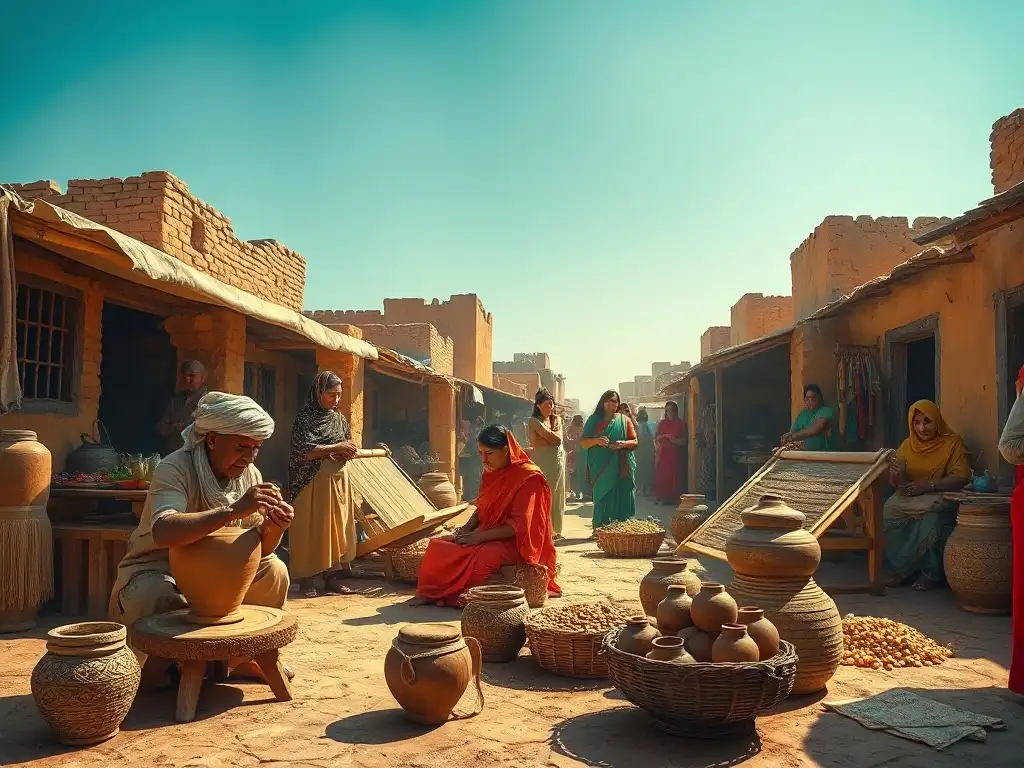
Daily life in the Indus Valley was characterized by a variety of activities and occupations that were essential for the sustenance and prosperity of the civilization. The inhabitants engaged in agriculture, craftsmanship, and trade, forming a complex economic structure that supported their urban centers.
Agriculture: Crops and Farming Techniques
Agriculture was the backbone of the Indus Valley economy, with fertile plains allowing for the cultivation of diverse crops. Key crops included:
- Wheat and Barley: These staples formed the basis of the Indus diet, providing essential carbohydrates and nutrients.
- Rice and Pulses: Rice was cultivated in the southern regions, while pulses were grown for protein, enriching the diet further.
- Cotton: The Indus Valley is one of the earliest known regions to cultivate cotton, which later became a significant textile material.
Farming techniques included the use of irrigation systems, which harnessed river waters to support agriculture. This innovation allowed for more reliable crop yields and contributed to food security in the region.
Craftsmanship: Pottery, Textiles, and Metalwork
Craftsmanship flourished in the Indus Valley, with skilled artisans producing a variety of goods:
- Pottery: Indus Valley pottery was known for its intricate designs and functionality. Both utilitarian wares and decorative items were crafted, often adorned with motifs inspired by nature and daily life.
- Textiles: The production of textiles was a significant industry, with cotton and wool used to create clothing. The dyeing techniques and patterns showcased the artistic talents of the craftsmen.
- Metalwork: Skilled metalworkers produced tools, weapons, and ornaments from copper, bronze, and later iron. The use of metallurgy demonstrated technological advancement and played a crucial role in the economy.
These crafts not only met daily needs but also facilitated trade and cultural exchange with neighboring civilizations.
Trade and Commerce: Exchanges with Other Civilizations
Trade was a vital aspect of daily life in the Indus Valley, contributing to economic prosperity and cultural exchange. The civilization engaged in extensive trade networks, connecting them with regions such as Mesopotamia, Persia, and beyond. Key features of trade and commerce included:
- Urban Centers as Trade Hubs: Cities like Harappa and Mohenjo-Daro functioned as trade centers, where goods were exchanged, and markets thrived.
- Standardized Weights and Measures: The use of standardized weights facilitated trade, allowing for fair exchanges and promoting economic stability.
- Export of Goods: The Indus Valley exported various products, including textiles, pottery, and agricultural produce, while importing luxury items like lapis lazuli and metals.
The commerce of the Indus Valley not only advanced the economy but also enriched cultural interactions, leading to a vibrant exchange of ideas and practices.
The social structure of the Indus Valley Civilization was complex and hierarchical, yet it exhibited a level of egalitarianism that was unique for its time. Evidence suggests that the society was organized around family units, which formed the cornerstone of both social life and economic activity. Families were likely composed of extended kinship networks, encompassing multiple generations living together or in close proximity, which facilitated the sharing of resources and responsibilities.
Archaeological findings indicate that homes were often designed with communal spaces, hinting at a society where family and community interactions were integral to daily life. Social roles were likely defined by both gender and age, with elders holding significant authority within the family unit. This structure not only provided support but also reinforced social norms, values, and traditions that governed the community.
Family Units and Kinship Dynamics
Family units in the Indus Valley were primarily nuclear, consisting of parents and their children, but they often extended to include other relatives. This kinship dynamic played a crucial role in shaping the identity and social standing of individuals within the community. The bonds formed through kinship were vital for cooperation in agricultural activities, trade, and communal labor, thus providing a support system that was essential for survival.
The emphasis on familial ties also influenced inheritance practices, which would have determined property and resource distribution among family members. The preservation of family lineage was important, suggesting that names and roles within the family were passed down and respected. This system of kinship allowed for the establishment of social networks that transcended individual households, fostering a sense of belonging and collective identity among the inhabitants of the Indus Valley.
Role of Women in Indus Valley Society
Women in the Indus Valley Civilization played a multifaceted role, actively participating in both domestic and economic spheres. Evidence from archaeological sites, including terracotta figurines and seals, suggests that women were involved in various crafts, such as textile production and pottery. This participation not only contributed to the household economy but also indicated a level of autonomy and skill that was respected within the community.
Moreover, women likely held significant influence in family decisions, particularly in matters related to household management and child-rearing. The social structure allowed for a degree of agency, as women participated in rituals and community gatherings, reinforcing their status as vital members of society. While the exact nature of gender roles remains partially obscured by the passage of time, it is clear that women were integral to the fabric of daily life in the Indus Valley.
Rituals and Religion in Daily Life
Rituals and religious practices were deeply embedded in the daily life of the Indus Valley civilization, influencing various aspects of their existence. The archaeological record points to the existence of public and domestic shrines, indicating that spirituality permeated both communal and private spheres. Rituals likely served to foster a sense of belonging and identity, connecting individuals to their heritage and the wider community.
The integration of spiritual beliefs into everyday activities suggests that the Indus people viewed their lives as intertwined with the divine, where rituals were not merely ceremonial but essential to the rhythm of daily existence. This connection to the spiritual world was reflected in their agricultural practices, trade, and social interactions, illustrating a society in which the sacred and secular coexisted harmoniously.
Spiritual Practices and their Influence on Daily Activities
Spiritual practices in the Indus Valley were characterized by a pantheon of deities and a rich tapestry of rituals. The presence of figurines resembling fertility goddesses and the discovery of ritual baths indicate a preoccupation with purity and divine favor. Daily activities, such as farming, cooking, and even textile production, were likely accompanied by rituals aimed at invoking blessings or ensuring success.
Moreover, the cyclical nature of agricultural life would have been marked by seasonal festivals and observances that celebrated the harvest and honored the earth's fertility. These spiritual practices not only provided a framework for understanding the world but also reinforced social bonds, as communities gathered to participate in collective rituals that strengthened their ties to each other and their environment.
Significance of Rituals in Community Cohesion
Rituals served as a powerful mechanism for fostering community cohesion in the Indus Valley. They provided a shared set of beliefs and practices that united individuals across different family units and social classes. The communal participation in rituals, whether for agricultural rites or religious observances, helped to build a sense of collective identity and purpose.
Archaeological evidence suggests that public spaces were designated for communal gatherings, where rituals could be performed and shared. These events likely reinforced social norms and values, ensuring continuity in cultural traditions. The importance of rituals in maintaining social order and harmony cannot be overstated; they acted as a binding force that connected the past with the present, allowing for the transmission of cultural heritage through generations.
Food and Diet in the Indus Valley Civilization
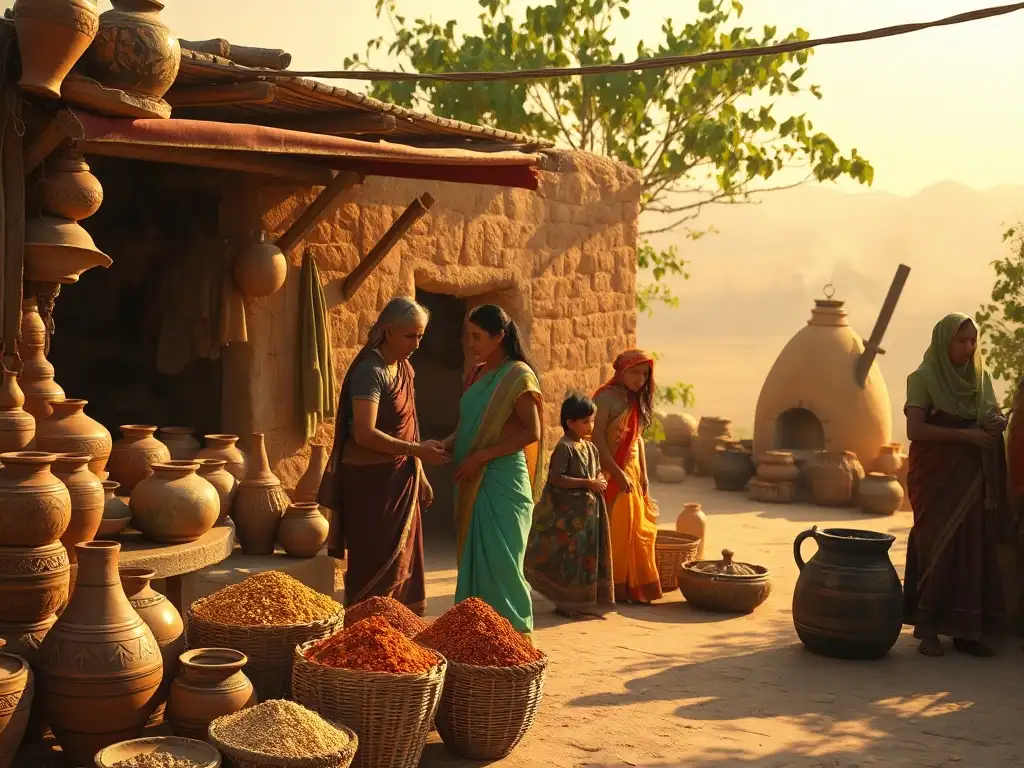
The food and diet of the Indus Valley Civilization provide essential insights into the daily lives of its inhabitants. Archaeological findings suggest that the diet was diverse and primarily vegetarian, influenced by the agrarian lifestyle and the fertile land surrounding the Indus River. Grains, legumes, fruits, and vegetables formed the cornerstone of their meals, with a focus on local agricultural products.
Common Foods and Ingredients in Daily Meals
Inhabitants of the Indus Valley consumed various staple foods, including:
- Cereals: Wheat and barley were the most common grains, with evidence of rice cultivation in some areas.
- Legumes: Pulses such as lentils and chickpeas were common, providing essential protein.
- Fruits and Vegetables: Commonly consumed fruits included dates, figs, and possibly pomegranates, while vegetables like onions, garlic, and various greens were staples.
- Dairy Products: Evidence suggests that dairy, particularly from cattle and goats, was a significant part of the diet, including milk, yogurt, and cheese.
- Fish and Meat: While primarily vegetarian, fish and meat were consumed occasionally, with fish being more prevalent in coastal areas.
The combination of these ingredients not only reflects the agricultural practices of the time but also indicates trade links with neighboring regions, enhancing their culinary diversity.
Cooking Methods and Culinary Traditions
Cooking methods in the Indus Valley were sophisticated for their time, employing various techniques to prepare meals. Archaeological evidence points to the use of:
- Clay Ovens and Hearths: The discovery of clay ovens suggests that baking and roasting were common. These ovens allowed for even cooking and enhanced flavors.
- Boiling and Steaming: Pottery shards indicate that boiling and steaming methods were utilized, likely to prepare grains and legumes.
- Spices and Flavorings: Though specific spices remain less documented, the use of flavorings such as salt and possibly herbs is inferred from various findings.
Culinary traditions were likely rooted in communal practices, with families preparing meals together, reflecting the social fabric of the civilization. Meals were possibly enjoyed in communal settings, reinforcing social bonds.
Art and Cultural Expression in Daily Life
Art and cultural expression were integral to daily life in the Indus Valley Civilization, showcasing the creativity and values of its people. From pottery to intricate seals, art served both functional and decorative purposes, deeply influencing their social and cultural identity.
Artistic Expressions: Pottery, Sculpture, and Seals
Indus Valley artisans excelled in various forms of artistic expression.
- Pottery: The pottery of the Indus Valley is characterized by its distinctive red and black designs, often featuring geometric patterns and floral motifs. These pots served practical purposes for storage and cooking but also reflected aesthetic values.
- Sculpture: Small figurines, often made of terracotta, depict animals, deities, and human forms, showcasing the artistic skill and cultural beliefs of the civilization. Notable examples include the famous "Dancing Girl" figurine, which exemplifies the sophistication of their craftsmanship.
- Seals: The use of seals, often engraved with animals and script, was a significant aspect of their culture. These seals served as identifiers for trade and ownership, providing insights into social hierarchy and economic practices.
These artistic endeavors not only fulfilled practical needs but also conveyed cultural narratives and identities, indicating a society rich in creativity.
Festivals and Celebrations: Cultural Significance
Festivals and celebrations played a crucial role in the social and cultural life of the Indus Valley people. Although specific details about their festivals remain scarce, it is believed that:
- Seasonal Celebrations: The agrarian lifestyle would have dictated the timing of many festivals, celebrating harvests and seasonal changes, vital for community bonding and thanksgiving.
- Religious Rituals: Evidence of early worship practices suggests that spirituality played a significant role, with possible celebrations honoring deities connected to fertility and agriculture.
- Community Gatherings: Festivals likely served as occasions for communal gatherings, enhancing social cohesion and reinforcing cultural identity.
These celebrations, while not extensively documented, would have been essential for maintaining the social structure and cultural continuity of the Indus Valley Civilization, reflecting their values and beliefs within daily life.
Conclusion: Legacy of Indus Valley Daily Life
The daily life of the Indus Valley Civilization embodies a rich tapestry of cultural, social, and economic practices that have left an indelible mark on subsequent civilizations in the Indian subcontinent. The sophisticated urban planning, advanced drainage systems, and standardized weights and measures reflect an organized society that prioritized hygiene, trade, and civic responsibility. The legacy of Indus Valley daily life can be seen in the continuation of certain practices, such as craftsmanship, agriculture, and trade, that shaped the socio-economic landscape of later Indian civilizations.
Even as the Indus Valley Civilization declined, its influences persisted. The architectural styles, artistic expressions, and agricultural techniques laid the groundwork for future societies, including the Vedic culture that emerged in the post-Indus period. The emphasis on community living and public welfare highlights a societal framework that valued collaboration and resource management, principles that resonate even in contemporary urban planning and community development.
Impact on Subsequent Indian Civilizations
The daily life in the Indus Valley set foundational precedents for future Indian civilizations, particularly through its innovations in urban design and agriculture. The cities of Mohenjo-Daro and Harappa showcased advanced urban planning features, such as grid layouts and sophisticated drainage systems, which were later emulated by other cultures. These innovations not only facilitated efficient living but also influenced the architectural paradigms of subsequent Indian cities.
Furthermore, the agricultural practices developed during the Indus Valley period—such as irrigation techniques and crop rotation—were pivotal in shaping agricultural traditions in later civilizations. The cultivation of crops like wheat and barley became staples in the diets of future societies, underpinning economic stability and growth. The trade networks established by the Indus Valley people also paved the way for future commerce, as they connected various regions through trade routes that fostered intercultural exchanges.
The spiritual and cultural dimensions of daily life, including the use of seals, pottery, and figurines, contributed to the artistic heritage of India. These artifacts not only reflect the aesthetic values of the Indus Valley society but also influenced the iconography and religious practices of later Indian cultures, including Hinduism and Buddhism.
Lessons from Ancient Domesticity for Modern Society
The examination of daily life in the Indus Valley offers valuable lessons for modern society, particularly in the realms of community living and sustainable practices. The emphasis on urban planning and public infrastructure highlights the importance of designing cities that prioritize both functionality and the well-being of their inhabitants. Modern urban planners could draw inspiration from the Indus Valley's sophisticated drainage systems and waste management practices to address contemporary issues of urban pollution and sanitation.
Additionally, the cooperative spirit evident in the Indus Valley community life underscores the significance of social cohesion and collaboration in achieving common goals. In an era marked by rapid urbanization and individualism, the communal values of the Indus people remind us of the benefits of fostering strong community ties and working together to address societal challenges.
Furthermore, the agricultural innovations of the Indus Valley civilization resonate with current discussions around sustainable farming practices. As modern society grapples with the challenges of climate change and food security, revisiting ancient agricultural techniques that emphasize ecological balance and resource conservation may provide pathways toward more sustainable food systems.
The daily life in the Indus Valley serves as a rich source of inspiration for contemporary society, offering insights into sustainable living, community engagement, and the enduring legacy of cultural practices that have shaped human civilization.
- Introduction to Indus Valley Daily Life
- The Urban Planning of Indus Valley Cities
- Housing and Domestic Architecture in the Indus Valley
- Daily Activities and Occupations in the Indus Valley
- Social Structure and Family Life in the Indus Valley
- Rituals and Religion in Daily Life
- Food and Diet in the Indus Valley Civilization
- Art and Cultural Expression in Daily Life
- Conclusion: Legacy of Indus Valley Daily Life
Frequently Asked Questions
What was the main focus of daily life in the Indus Valley?
Daily life in the Indus Valley revolved around agriculture, trade, and craftsmanship. The society was well-organized, with a focus on urban planning and sanitation.
How did the geography of the Indus Valley influence daily life?
The geography provided fertile land for farming, which shaped the agricultural practices of the people. Rivers like the Indus facilitated trade and transportation, enhancing economic activities.
What were the typical housing structures in the Indus Valley?
Houses in the Indus Valley were made of baked bricks, often featuring flat roofs and multiple rooms. They were designed for ventilation and included drainage systems for hygiene.
What role did trade play in Indus Valley society?
Trade was essential for the Indus Valley civilization, facilitating the exchange of goods like beads, textiles, and metals. This contributed to their economic prosperity and cultural exchange with neighboring regions.
How did religion influence daily life in the Indus Valley?
Religion played a significant role in daily life, evident in the artifacts and seals found that suggest worship practices. However, specific beliefs and rituals remain largely unknown due to limited written records.
Final Reflection: Embracing the Echoes of Indus Valley Daily Life
The exploration of daily life in the Indus Valley civilization reveals profound insights into the human experience that resonate with our contemporary world. The intricate social structures, advanced urban planning, and vibrant cultural practices of this ancient society remind us that the essence of human existence—community, innovation, and resilience—remains timeless. As we navigate our modern lives, it is essential to recognize how these historical narratives shape our understanding of identity and continuity.
Cultural legacies, such as those from the Indus Valley, continue to influence our social fabric today. The meticulous craftsmanship and communal living of this civilization reflect a deep connection to the environment and each other, fostering a sense of belonging that many seek in our fast-paced world. History is not just about the past; it is a lens through which we can understand our present and shape our future.
This quote encapsulates the importance of learning from the past, as we strive to create communities that honor our shared heritage while embracing the diversity of modern life.
As you reflect on the daily life of the Indus Valley, consider how these lessons can inspire your own journey. Think about the ways you can cultivate community, prioritize sustainability, and honor traditions in your daily life. Let the echoes of this ancient civilization guide you toward a more connected and meaningful existence, reminding you that the threads of history are woven into the fabric of our lives today. Embrace the wisdom of the past as you forge your path into the future.
Unveil the Secrets of Ancient Civilizations Today!
Thank you for diving into the fascinating world of the Indus Valley and exploring the intricacies of daily life in this remarkable civilization. You've gained valuable insights into their domestic routines and cultural practices. Now, let’s embark on a journey to deepen your understanding and connect with this rich history even further!
Here are a few engaging steps you can take right now:
- Explore further! Delve into more articles about the Indus Valley on Ancient India History to discover the mysteries of their architecture and trade.
- Join the conversation! Share your thoughts on our social media platforms and connect with fellow history enthusiasts who share your passion.
- Experience the past! Visit local museums or historical sites that feature exhibits on ancient civilizations to gain a tangible understanding of their lifestyle.
What aspect of daily life in the Indus Valley intrigues you the most, and how do you think it compares to our lives today?