
Ancient Inscriptions as Tools of Propaganda: Power Dynamics in History

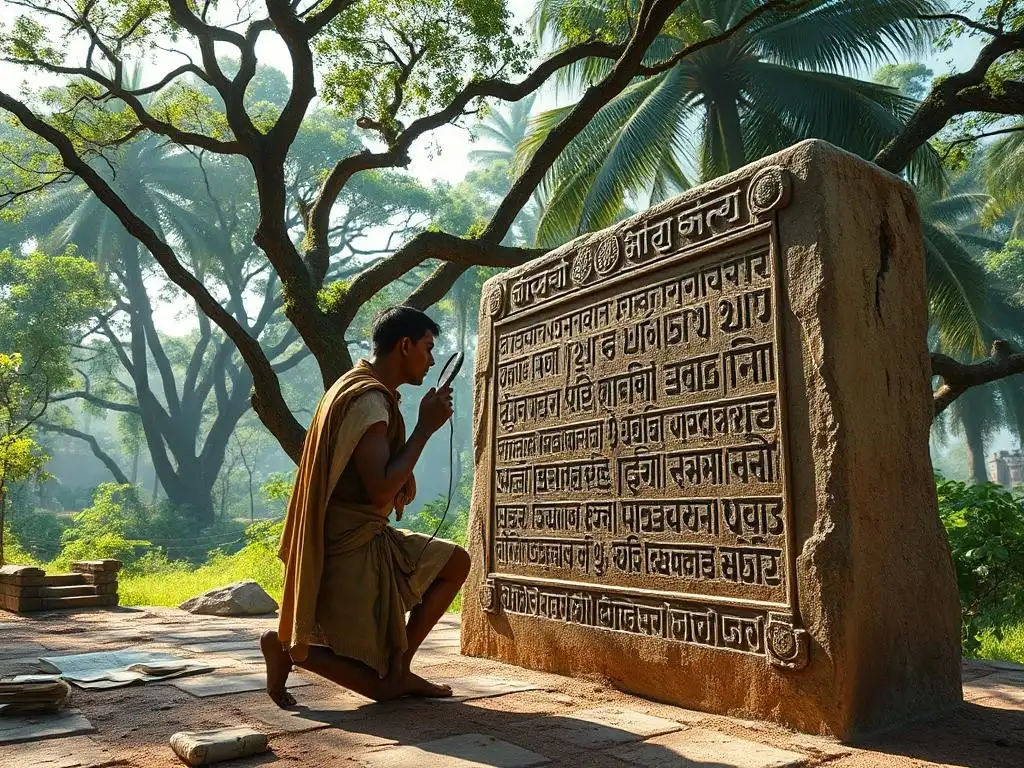
Welcome to Ancient India History, where we embark on a captivating journey through the rich tapestry of ancient Indian civilizations. From the enigmatic Indus Valley to the flourishing Gupta Empire, our exploration reveals the profound cultural contributions and historical narratives that have shaped the subcontinent. In our featured article, we delve into the fascinating world of ancient Indian inscriptions history, uncovering how these remarkable artifacts served not only as records of time but also as powerful tools of propaganda.
Prepare to ignite your curiosity and discover the intriguing power dynamics woven into the very fabric of history. Join us as we turn the pages of the past!

Introduction to Ancient Indian Inscriptions History
Ancient Indian inscriptions serve as invaluable windows into the past, shedding light on the intricate tapestry of social, political, and cultural dynamics that shaped early Indian civilizations. These inscriptions, often etched in stone or metal, not only document historical events but also reflect the ideologies and power structures of their time.
By examining the role of ancient Indian inscriptions in the context of propaganda, we can uncover how rulers and elites utilized these texts to assert authority, legitimize power, and influence public perception. From the edicts of Ashoka to the inscriptions of the Gupta Empire, the history of ancient Indian inscriptions reveals a complex interplay between communication and power that resonates throughout history.
Understanding the Role of Inscriptions in Ancient Indian Society
Inscriptions in ancient India were more than mere records; they were instrumental in shaping societal norms and values. These texts served various purposes, including:
- Political Communication: Inscriptions were often used by kings to announce their achievements, military victories, and administrative reforms, thereby reinforcing their legitimacy.
- Cultural Expression: Many inscriptions contained religious texts, poetry, and philosophical ideas that reflected the cultural milieu of the time, contributing to the preservation of heritage.
- Legal Documentation: They served as legal instruments, documenting land grants, treaties, and other significant transactions, establishing authority and ownership.
The multifaceted role of inscriptions highlights their importance in ancient Indian society, acting as both a mirror and a mold for the cultural and political landscape.
Significance of Propaganda in Historical Context
Propaganda, in its essence, is the art of persuasion, often employed to shape public perception and opinion. In ancient India, inscriptions acted as powerful tools of propaganda, allowing rulers to disseminate their narratives across vast territories. The significance of propaganda in this context can be understood through various dimensions:
- Legitimization of Rule: By publicly proclaiming divine support or ancestral lineage, rulers could strengthen their claim to power and authority.
- Social Control: Inscriptions often contained edicts that outlined laws and regulations, serving to guide and control the populace's behavior.
- Cultural Integration: Propaganda through inscriptions also played a role in unifying diverse groups within the empire, promoting a shared cultural and ideological framework.
Understanding the significance of propaganda in the historical context of ancient Indian inscriptions reveals how these texts were strategically employed to navigate and influence power dynamics.
The Nature of Ancient Indian Inscriptions
Types of Inscriptions Found in Ancient India
Ancient Indian inscriptions can be categorized into several types, each serving distinct purposes and reflecting different facets of society:
- Royal Inscriptions: Often commissioned by kings, these inscriptions celebrated victories and divine favor, reinforcing the ruler's status.
- Religious Inscriptions: These included texts that conveyed religious teachings, rituals, and dedications to deities, reflecting the spiritual dimensions of society.
- Funerary Inscriptions: Found on tombs and memorials, these inscriptions honored the deceased, often highlighting their achievements and virtues.
The variety of inscriptions found across ancient India illustrates the diverse functions they served, from governance to spirituality.
Materials and Techniques Used in Ancient Inscriptions
The creation of ancient inscriptions involved a range of materials and techniques, showcasing the craftsmanship of the time. Common materials included:
- Stone: The most durable medium, often used for royal edicts and religious texts. Notable examples include the rock edicts of Ashoka.
- Metal: Copper and bronze plates were used for legal documents and land grants, which required portability and durability.
- Clay: Early inscriptions, particularly from the Indus Valley Civilization, utilized clay tablets, though many have not survived the test of time.
Techniques varied from simple engraving to intricate relief carving, demonstrating the skill and artistry of ancient artisans. The choice of materials and methods not only reflected practical considerations but also the intended permanence and significance of the message conveyed.
Propaganda as a Tool in Ancient India
Propaganda played a significant role in shaping the political landscape of ancient India. It served as a means for rulers to communicate their ideologies, consolidate power, and legitimize their authority. By utilizing various mediums, particularly inscriptions, these leaders could disseminate their messages across vast territories, ensuring that their narratives reached both literate elites and the general populace. Ancient Indian inscriptions often reflected the prevailing social and cultural values, serving not only as records of governance but also as instruments of persuasion.
Throughout history, the use of propaganda in ancient India evolved in response to changing political dynamics and cultural contexts. The inscriptions often emphasized the virtues of the ruling class and the benevolence of the rulers, aiming to foster loyalty and compliance among subjects. As a result, the propaganda embedded within these inscriptions influenced societal attitudes and played a critical role in the maintenance of power.
Definition and Historical Context of Propaganda
Propaganda can be defined as the systematic dissemination of information, ideas, or beliefs with the aim of influencing public opinion and behavior. In ancient India, propaganda took various forms, including oral traditions, visual arts, and notably, written inscriptions. The historical context of these inscriptions reveals a rich tapestry of political ambition, spiritual beliefs, and social hierarchies.
The roots of propaganda in ancient India can be traced back to early civilizations, such as the Indus Valley, where seals and symbols conveyed administrative authority. However, it was during the Mauryan and Gupta periods that inscriptions became a prominent tool for rulers to assert their power. Political stability, territorial expansion, and the promotion of religious ideologies were often highlighted in these inscriptions, reflecting the rulers' aspirations and the socio-political climate of the time.
The Role of Rulers and Elites in Crafting Propaganda
Rulers and elites in ancient India were pivotal in the creation and promotion of propaganda through inscriptions. They employed skilled scribes and artisans to craft messages that aligned with their political agendas and cultural narratives. These inscriptions were strategically placed in public spaces, such as temples, palaces, and trade routes, ensuring broad visibility and accessibility.
The involvement of religious figures and scholars also played a crucial role in enhancing the credibility of the propaganda. By associating divine approval with their rule, rulers could reinforce their legitimacy and strengthen their hold on power. Furthermore, inscriptions often celebrated the achievements of the ruling class, portraying them as benevolent protectors of their subjects and upholders of dharma, or moral law.
Key Examples of Ancient Indian Inscriptions
Ashoka's Edicts: Propaganda for Peace and Dharma
One of the most prominent examples of propaganda in ancient Indian inscriptions is found in the edicts of Emperor Ashoka, who ruled during the 3rd century BCE. After the Kalinga War, Ashoka embraced Buddhism and sought to promote peace and moral governance through his edicts. These inscriptions, inscribed across his empire on pillars and rocks, emphasized principles of dharma, non-violence, and compassion.
Ashoka's edicts not only served as proclamations of his philosophy but also as a means to communicate his transformation from a conqueror to a benevolent ruler. By promoting values such as tolerance and social welfare, Ashoka aimed to cultivate loyalty among his subjects and establish a lasting legacy that would resonate through history.
Gupta Inscriptions: Celebrating Power and Divine Right
During the Gupta Empire (circa 4th to 6th centuries CE), inscriptions became a powerful tool for rulers to assert their authority and divine right to rule. The Gupta inscriptions often celebrated military victories, royal lineage, and patronage of the arts and religion. They highlighted the rulers' role as protectors of dharma and promoters of cultural prosperity.
These inscriptions were often inscribed in temples and public spaces, reinforcing the connection between the divine and the monarchy. By presenting themselves as embodiments of divine power, Gupta rulers sought to legitimize their reign and inspire loyalty among their subjects, thus enhancing the stability and cohesion of their empire.
Inscriptions of the Mauryan Empire: Consolidating Authority
The Mauryan Empire, particularly under the rule of Chandragupta Maurya and his grandson Ashoka, utilized inscriptions to consolidate authority and communicate governance policies. These inscriptions often detailed administrative regulations, tax obligations, and the responsibilities of local officials, thereby establishing a framework for efficient governance.
By placing these inscriptions in key locations, such as trade routes and administrative centers, the Mauryan rulers could effectively disseminate their policies and maintain control over their vast empire. The inscriptions served as reminders of the ruler's presence and authority, reinforcing their power while facilitating communication between the central government and local populations.
Analyzing the Power Dynamics Reflected in Inscriptions
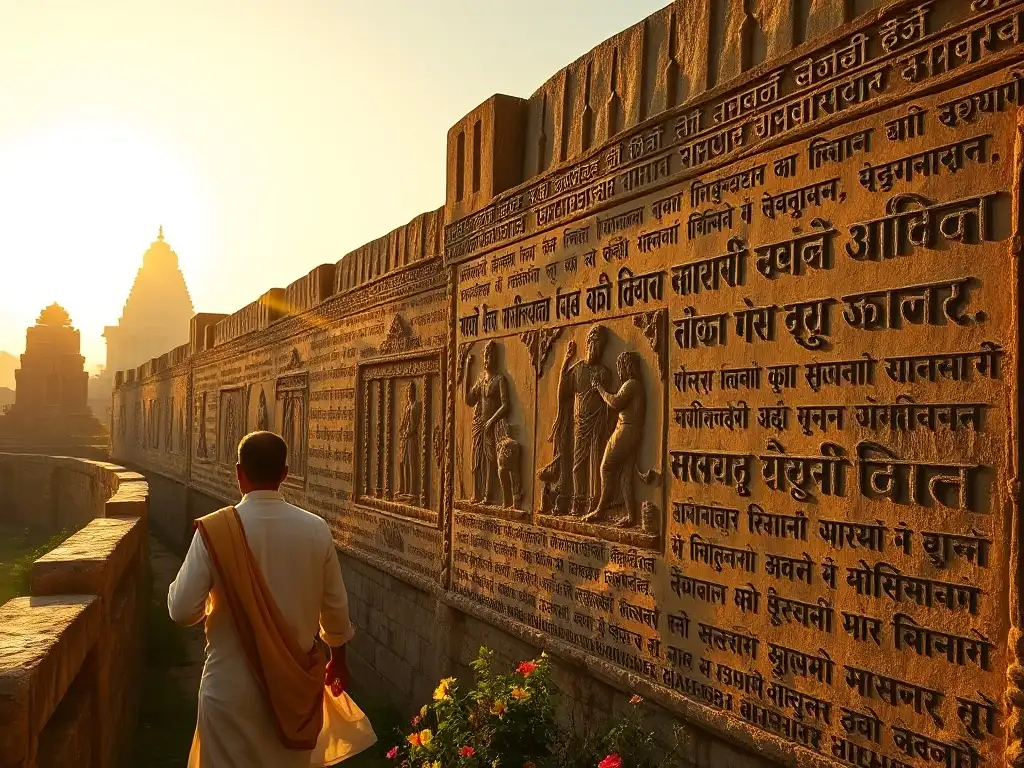
Ancient Indian inscriptions serve as vital artifacts that reveal the intricate power dynamics of their times. These inscriptions often reflect the ideologies, aspirations, and hierarchies established by ruling elites. Through the use of language, style, and content, inscriptions provided insights into the relationships between rulers and their subjects, as well as the broader societal framework. For instance, inscriptions were frequently used to commemorate victories, build legitimacy, or even promote moral values endorsed by the ruling class.
The choice of language in inscriptions also highlights power dynamics; for example, Sanskrit was predominantly used by the elite, while vernacular languages catered to the common populace. This linguistic separation indicates a deliberate attempt to maintain control over knowledge and cultural narratives. Moreover, the physical placement of these inscriptions—be it on temples, pillars, or public spaces—further emphasizes their role in asserting authority and creating a lasting legacy.
How Inscriptions Shaped Public Perception
Inscriptions played a crucial role in shaping public perception of rulers and their regimes. By promoting specific narratives, these texts influenced how societies viewed authority, governance, and their own identities. For instance, inscriptions often glorified the achievements of a king or dynasty, portraying them as divinely ordained or as heroic figures. This not only legitimized their rule but also instilled a sense of pride and loyalty among the subjects.
Additionally, inscriptions served as propaganda tools to disseminate information about the rulers' accomplishments and moral virtues. This was particularly evident during the Mauryan and Gupta periods, where inscriptions celebrated state-sponsored projects, such as irrigation systems and universities, reinforcing the idea of a benevolent and progressive leadership. Such strategic messaging helped to craft an image of stability and prosperity, encouraging social cohesion and allegiance among the populace.
The Relationship Between Inscriptions and Political Power
The relationship between inscriptions and political power is deeply intertwined in ancient Indian history. Rulers often commissioned inscriptions to assert their dominance over territories, commemorate military victories, and establish their divine right to rule. The act of inscribing a message on stone or metal was itself a declaration of power—one that was meant to endure through time.
Moreover, inscriptions served as instruments of law and governance, detailing edicts and regulations that governed societal conduct. For example, the Edicts of Ashoka not only promoted Buddhist principles but also articulated the king's responsibilities toward his subjects. This dual function of inscriptions—as both a tool for propaganda and a means of governance—highlights their significance in the political landscape of ancient India. By embedding their authority within public spaces, rulers ensured that their messages reached the masses, reinforcing their status and control.
The Impact of Ancient Indian Inscriptions on Society
Ancient Indian inscriptions left a profound impact on society, shaping cultural identity, social structures, and collective memory. These texts documented historical events and societal values, serving as a bridge between the past and the present. Their influence extended beyond the ruling class, affecting various layers of society and contributing to the development of regional identities.
Social Classes and Their Representation in Inscriptions
Inscriptions often reflect the social stratification present in ancient Indian society. The representation of different social classes, or varnas, within inscriptions provides insights into the values and norms of the time. For instance, many inscriptions were dedicated to the elite or warrior classes, often commemorating their exploits and contributions to statecraft. Conversely, the lower classes, including merchants and laborers, are less frequently mentioned, indicating their marginalization in the historical narrative.
However, some inscriptions did attempt to address the contributions of various social groups, particularly in the context of local governance and community development. This selective representation highlights the complexities of social dynamics and how inscriptions played a role in either reinforcing or challenging existing hierarchies.
Inscriptions as Historical Documents of Cultural Identity
Inscriptions serve as critical historical documents that encapsulate the cultural identity of ancient Indian civilizations. They provide insights into religious beliefs, artistic expressions, and societal values that defined various periods. For example, inscriptions from the Gupta era reveal a flourishing of art and literature, showcasing the cultural renaissance of the time.
Furthermore, inscriptions often contain references to deities, rituals, and festivals, illustrating the religious landscape of ancient India. They not only document the prevailing belief systems but also reflect the interactions between different cultures and religions. This multifaceted representation helps modern scholars understand the rich tapestry of ancient Indian life, offering a glimpse into the collective identity that shaped the civilization's legacy.
Conclusion: The Legacy of Ancient Inscriptions in Propaganda
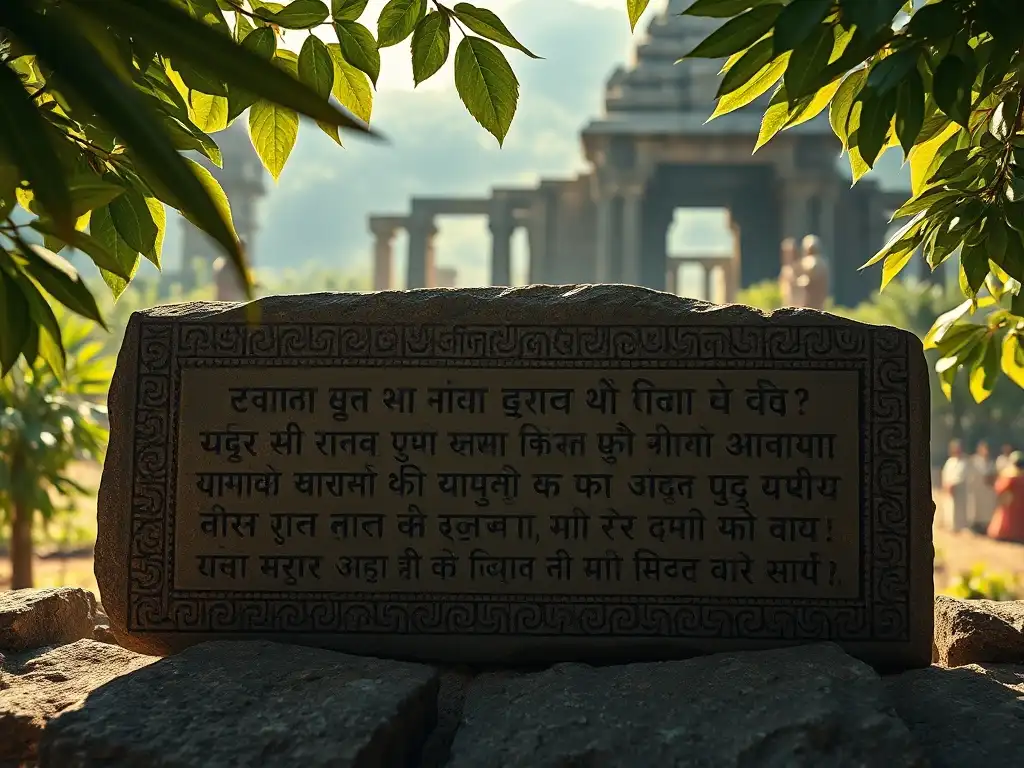
The legacy of ancient inscriptions extends far beyond mere documentation; they serve as powerful tools that shaped the narratives of their time. In ancient India, inscriptions were not just records but vehicles of propaganda, reflecting the prevailing power dynamics, cultural values, and political ambitions. These inscriptions often glorified rulers and dynasties, articulated their divine right to govern, and reinforced social hierarchies. They provided a means for rulers to communicate their achievements and intentions to both their subjects and future generations, effectively using language as a weapon of persuasion.
Through the careful study of inscriptions, historians gain insights into the socio-political landscape of ancient India. The inscriptions reveal how rulers employed language strategically to craft their image, consolidate power, and legitimize their authority. As such, the examination of ancient Indian inscriptions history offers a rich tapestry of understanding regarding the interplay between power, culture, and communication in shaping societal beliefs.
Reflection on the Importance of Inscriptions in Understanding Ancient Indian History
Inscriptions are invaluable resources that illuminate the complexities of ancient Indian history. They encapsulate a wide range of information, from administrative records and religious decrees to poetry and personal dedications. By analyzing the content, language, and context of these inscriptions, researchers can reconstruct historical events, social structures, and cultural practices that might otherwise remain obscure.
Moreover, inscriptions serve as primary sources that allow historians to engage with the voices of the past. They provide direct insights into the thoughts and beliefs of ancient people, revealing how they perceived their world and their place within it. This connection to the past is vital for understanding the evolution of political ideologies, religious practices, and cultural expressions in ancient India. As such, the study of inscriptions transcends mere archival research; it fosters a deeper appreciation for the intricate narratives that have shaped the Indian subcontinent's historical trajectory.
Future Directions for Research in Ancient Indian Inscriptions History
As we move forward in the study of ancient Indian inscriptions, several key areas warrant further exploration. Firstly, there is a need for interdisciplinary approaches that integrate epigraphy with fields such as archaeology, linguistics, and cultural studies. This collaboration can yield richer interpretations of inscriptions by situating them within broader historical and cultural contexts.
Additionally, the digitization of inscriptions and the use of advanced technologies like machine learning can enhance accessibility and analysis. By creating digital databases of inscriptions, researchers can facilitate comparative studies and identify patterns across different regions and periods in ancient Indian history.
Finally, there is a crucial need to include diverse perspectives in the study of inscriptions. Historically, the focus has often been on elite voices, but exploring inscriptions from marginalized communities can provide a more comprehensive understanding of societal dynamics. By embracing these future directions, scholars can continue to uncover the profound significance of ancient Indian inscriptions and their role in the historical narrative.
- Introduction to Ancient Indian Inscriptions History
- The Nature of Ancient Indian Inscriptions
- Propaganda as a Tool in Ancient India
- Key Examples of Ancient Indian Inscriptions
- Analyzing the Power Dynamics Reflected in Inscriptions
- How Inscriptions Shaped Public Perception
- The Relationship Between Inscriptions and Political Power
- The Impact of Ancient Indian Inscriptions on Society
- Conclusion: The Legacy of Ancient Inscriptions in Propaganda
- Reflection on the Importance of Inscriptions in Understanding Ancient Indian History
- Future Directions for Research in Ancient Indian Inscriptions History
Frequently Asked Questions
What are ancient Indian inscriptions?
Ancient Indian inscriptions are written records found on stones, metals, and other materials, which provide insight into the history and culture of ancient Indian civilizations.
How did ancient inscriptions serve as tools of propaganda?
Ancient inscriptions often conveyed political messages and promoted the achievements of rulers, serving to legitimize their power and influence over the populace.
What is the significance of the Indus Valley inscriptions?
The Indus Valley inscriptions are critical for understanding early forms of writing and communication in ancient India, shedding light on their societal organization and trade practices.
How did the Gupta Empire use inscriptions?
The Gupta Empire utilized inscriptions to document royal edicts, promote Buddhism, and celebrate cultural achievements, thereby reinforcing the empire's political and spiritual authority.
Where can I find examples of ancient Indian inscriptions?
Examples of ancient Indian inscriptions can be found in archaeological sites, museums, and historical texts, showcasing the rich heritage and diversity of ancient Indian civilizations.
Final Reflection: The Enduring Legacy of Ancient Inscriptions
The exploration of ancient Indian inscriptions reveals their profound role as instruments of propaganda, shaping power dynamics throughout history. In a world where narratives are often crafted to influence perception, understanding how these inscriptions functioned as tools of authority is more relevant than ever. They remind us that the stories we tell and the messages we inscribe can significantly impact societal structures and cultural identities.
The influence of ancient inscriptions extends far beyond their historical context; they continue to resonate within our cultural and social landscapes today. These inscriptions not only documented the achievements and ideologies of their time but also laid the groundwork for how power is communicated and legitimized. As we navigate the complexities of modern society, we can draw parallels to the past, recognizing that "History is written by the victors," and that the narratives we choose to uphold can shape our collective memory and identity.
As you reflect on the lessons from ancient Indian inscriptions, consider how you can apply these insights in your own life. What stories are you telling, and how do they shape the world around you? Embrace the power of narrative in your personal and professional spheres, and remember that every inscription—whether literal or metaphorical—has the potential to influence perceptions and inspire change. Let us be mindful of the legacies we create and the messages we choose to inscribe in the fabric of our lives.
Unveil the Secrets of Ancient Propaganda!
Thank you for exploring the fascinating world of ancient inscriptions with us! You’ve uncovered how these powerful tools shaped history and influenced the dynamics of power. Now, it’s time to take action and deepen your understanding!
- Dive deeper: Research specific ancient inscriptions that intrigue you—what messages were they promoting, and how did they impact society?
- Share your insights: Join our community discussion on our forum. Share your discoveries and interpretations with others who are passionate about ancient history!
- Visualize the past: Create a visual timeline of significant inscriptions and their effects on power, and share it on social media to inspire others.
Which ancient inscription or message do you believe still resonates in today’s society? Let's engage in a discussion!